
Best Diagnostic Medical Sonographer Training Programs & Trade Schools - Top Sonography Schools in San Antonio for 2026

Co-Founder and Chief Data Scientist
Medical sonography can be a strong trade school path for San Antonio students who want a healthcare career without spending four years in college. The main decision is not simply which school is closest; it is which program offers the right mix of accreditation, clinical training, certification preparation, schedule, cost, and employer connections.
This guide explains what to expect from medical sonographer trade schools in San Antonio, including program length, courses, prerequisites, clinical requirements, tuition, financial aid, salary potential, and career paths. It is designed for first-time college students, career changers, working adults, and healthcare workers considering a move into diagnostic imaging.
Use this ranking guide as a starting point for comparing programs. Before enrolling, confirm each school’s current accreditation status, total program cost, clinical placement process, certification exam eligibility, and graduate outcomes directly with the institution.
Key benefits of finishing medical sonographer trade school in San Antonio
- Strong earning potential: Graduates of medical sonographer trade schools in San Antonio can pursue competitive wages, with entry-level positions starting around $76,000 annually and experienced sonographers earning up to $105,417 per year, reflecting strong local demand.
- Multiple healthcare career options: Career paths include Registered Diagnostic Medical Sonographer, specialized sonographer, and healthcare imaging technician roles. These positions can lead to advancement through experience, specialty credentials, and additional training.
- A practical path into patient care: Sonography programs combine classroom instruction with supervised scanning practice, helping students build job-ready skills in anatomy, ultrasound physics, patient positioning, image capture, and communication.
- Flexible study options in some programs: Finishing a medical sonographer trade school online can provide flexibility for busy students, especially when didactic coursework is offered remotely. However, students should expect in-person labs and clinical rotations because ultrasound scanning cannot be learned fully online.
- Best Diagnostic Medical Sonographer Training Programs & Trade Schools - Top Sonography Schools in San Antonio for 2026
- What can I expect from medical sonographer trade schools in San Antonio?
- Where can I work after finishing medical sonographer trade schools in San Antonio?
What can I expect from medical sonographer trade schools in San Antonio?
Medical sonographer trade schools in San Antonio typically prepare students for diagnostic imaging work through a combination of classroom instruction, lab practice, and supervised clinical training. The academic portion covers human anatomy, physiology, ultrasound physics, pathology, scanning protocols, patient care, and medical ethics. The hands-on portion teaches students how to operate ultrasound equipment, position patients, capture diagnostic images, and recognize when images are not adequate for physician review.
Many programs require full-time study for nearly two years, with some structured around 20 to 22 months of training. A strong program should give students repeated scanning practice before and during clinical rotations, not just textbook exposure. Some programs provide substantial hands-on requirements, including 270 lab hours and 960 clinical hours, where students practice in real healthcare settings under supervision.
What the training experience is usually like
- Classroom learning: Students study anatomy, medical terminology, sonographic principles, and disease processes that affect imaging.
- Lab practice: Students learn transducer use, machine settings, patient positioning, image optimization, and scanning protocols in a controlled environment.
- Clinical rotations: Students work in hospitals, clinics, or imaging centers and apply their skills with real patients under professional supervision.
- Certification preparation: Programs often align coursework with national certification expectations, helping graduates prepare for exams from organizations such as ARRT or ARDMS.
Prospective students should be prepared for a demanding schedule. Sonography requires attention to detail, physical stamina, professionalism, and strong communication skills. Admissions may require prerequisites, standardized testing, background checks, drug screening, and proof of immunizations because students train in clinical environments.
Where can I work after finishing medical sonographer trade schools in San Antonio?
After completing a medical sonographer trade school program in San Antonio, graduates can pursue roles in hospitals, outpatient imaging centers, physician offices, specialty clinics, women’s health practices, cardiology practices, fertility clinics, and diagnostic laboratories. Large healthcare settings, including San Antonio Military Medical Center (BAMC), may offer opportunities for sonographers who want to work with broad patient populations and multidisciplinary care teams.
Common job titles include Ultrasound Technologist, Diagnostic Medical Sonographer, Registered Diagnostic Medical Sonographer, and Sonography Technician. Depending on training and credentials, graduates may work in general sonography or focus on areas such as obstetrics, gynecology, abdominal imaging, vascular imaging, cardiac imaging, or mammography-related environments.
Work settings to compare
- Hospitals: Often provide exposure to emergency, inpatient, surgical, and specialty cases. Schedules may include evenings, weekends, or on-call shifts.
- Outpatient imaging centers: Usually offer more predictable appointment-based workflows and a high volume of routine scans.
- Specialty clinics: May focus on women’s health, cardiology, vascular care, fertility, or other targeted patient needs.
- Physician offices: Can offer smaller-team environments and direct collaboration with providers.
Certification, especially a credential such as Registered Diagnostic Medical Sonographer (RDMS), can improve employment prospects and may be preferred or required by employers. Students should ask each program which credentials its graduates are eligible to pursue.
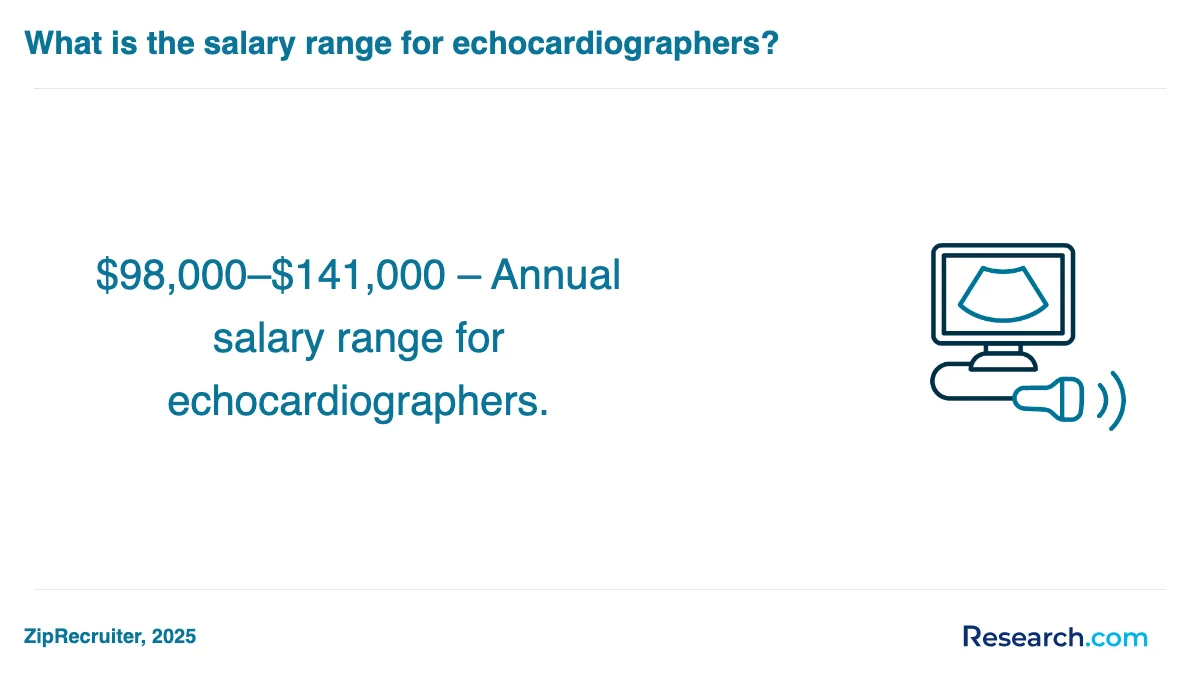
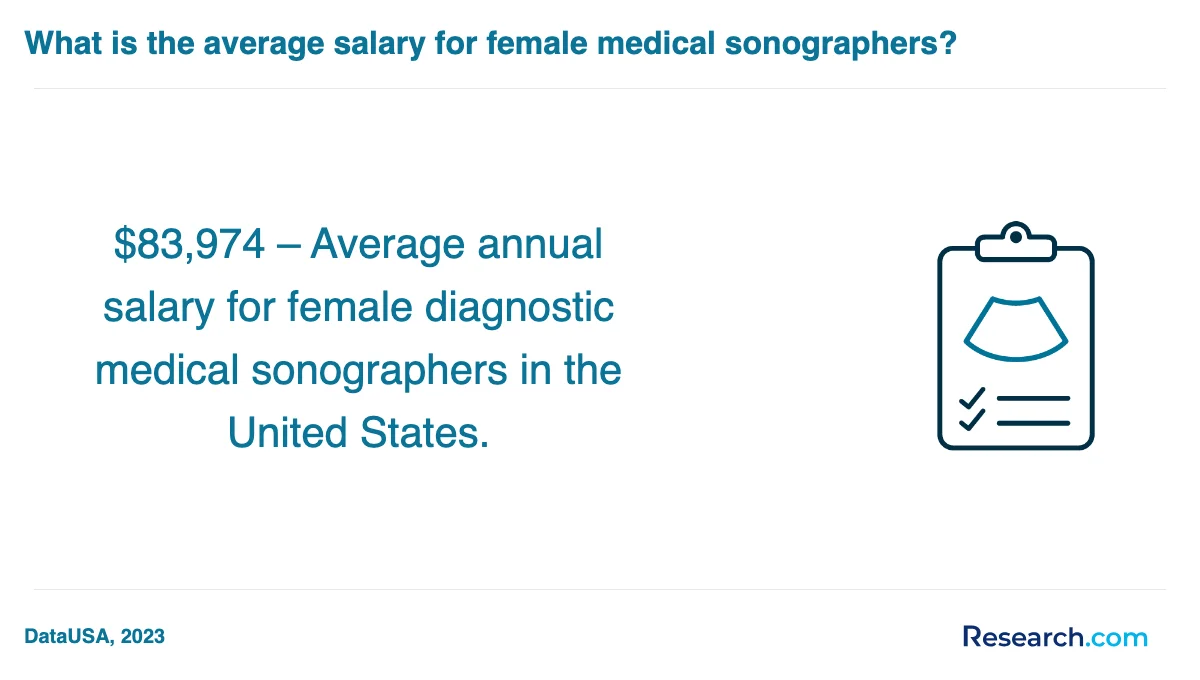
Medical sonography can offer solid earnings for graduates who complete training, gain clinical experience, and pursue certification. In San Antonio, a Registered Diagnostic Medical Sonographer I can expect to make around $80,500 annually, with hourly wages near $40, according to Salary.com. ZipRecruiter reports average salaries reaching $95,026 per year or about $45.69 per hour.
Pay varies by employer, specialty, certification status, schedule, and experience. Hospital roles, specialty credentials, travel assignments, and hard-to-fill shifts may pay more than entry-level outpatient positions. Some workers may start lower while building experience, while others move into higher-paying roles after earning additional credentials.
- Average reported salary: around $80,500 annually for a Registered Diagnostic Medical Sonographer I in San Antonio.
- Reported hourly wage: near $40 according to Salary.com.
- ZipRecruiter average: $95,026 per year or about $45.69 per hour.
- Weekly earnings range mentioned for some roles: between $1,400 and $2,400.
- Early-career hourly pay: about $26.52 per hour.
- Experienced hourly pay: many move up to $30.73 or more, sometimes surpassing $50 per hour.
For the best return on investment, compare total program cost against expected starting salary, certification eligibility, graduate placement support, and the type of clinical experience offered. A lower-cost program is not always the best value if it does not prepare students well for certification or employment.
- Admission commonly requires prerequisite courses such as college algebra, health physics, and anatomy with at least a "C" grade, plus a standardized exam, background checks, and other clinical placement requirements.
- Programs typically award an Associate of Applied Science degree and can be finished in about 21 months, combining classroom instruction, lab work, and clinical training.
- National certification from ARRT or ARDMS is preferred or required by most employers, though Texas does not mandate state licensure.
- Tuition for public colleges ranges from $6,000 to $12,000 for in-district students, with additional costs for textbooks and exam fees.
- Starting salaries range from $60,000 to $75,000 annually, with potential to earn $80,000 or more as experience and certifications grow.
Most medical sonographer trade school programs in San Antonio take about 18 to 24 months to complete. This timeline is common for associate-level or career-focused programs that combine didactic coursework, scanning labs, and required clinical rotations.
Students should not judge program length only by the number of months advertised. A shorter program can be intensive, with full-time days, clinical shifts, and limited flexibility for outside work. A longer program may provide more scheduling space but still require consistent attendance, lab participation, and clinical availability.
What affects completion time?
- Prerequisites: Anatomy, physiology, math, physics, or medical terminology courses may need to be completed before admission.
- Program format: Full-time programs usually move faster than part-time or hybrid options.
- Clinical placement: Students must complete required clinical hours, and schedules may depend on site availability.
- Academic progression rules: Programs may require minimum grades to continue into advanced courses or clinical rotations.
Before enrolling, ask whether the stated length includes prerequisites and whether clinical rotations can include early mornings, evenings, weekends, or travel to sites outside your immediate area.
The biggest difference is how much of the instruction happens remotely versus in person. On-campus medical sonographer programs in San Antonio provide regular access to labs, ultrasound equipment, instructors, and peer practice. Schools such as St. Philip's College and Concorde Career College are examples of local institutions students may compare when looking for hands-on sonography training.
Online sonography options are usually hybrid rather than fully online. Students may complete theory courses remotely, but they still need in-person scanning labs and clinical rotations because sonography is a skill-based healthcare profession. A program that claims to be entirely online should be reviewed carefully, especially for accreditation, clinical placement support, and certification eligibility.
Online or hybrid programs may work best if you:
- Need more flexibility for lectures or academic coursework.
- Can travel to required labs and clinical sites.
- Are organized enough to manage deadlines without daily campus structure.
- Already have some healthcare experience and understand clinical expectations.
On-campus programs may work best if you:
- Want frequent hands-on practice with ultrasound equipment.
- Prefer immediate instructor feedback.
- Learn better through structured schedules and in-person support.
- Want regular practice with classmates before entering clinical rotations.
Regardless of format, students should verify that the program provides enough supervised scanning practice to build confidence and meet employer expectations.
The average tuition for sonography programs in San Antonio varies widely, generally falling between $5,000 and $43,000 depending on the school, credential level, residency status, and program length. Total cost can be higher once students add books, supplies, uniforms, background checks, immunizations, transportation, certification exams, and other fees.
For example, the College of Health Care Professions lists a 24-month Diagnostic Medical Sonography program with $42,900 tuition. Baptist Health System School of Health Professions lists an Associate of Applied Science program with a total program cost of $21,556. San Jacinto College tuition ranges from $5,395 for in-district students to $9,360 for out-of-district learners, plus additional expenses of about $3,233 for books, supplies, and certification tests.
Cost questions to ask before enrolling
- Does the published tuition include all required fees?
- Are textbooks, uniforms, lab supplies, background checks, and immunizations included?
- How much should students budget for certification tests?
- Will clinical rotations require commuting to multiple sites?
- What happens financially if a student must repeat a course or clinical rotation?
Students comparing cost and flexibility may also want to review the top online associate in sonography programs. Online or hybrid options can be useful for some learners, but any sonography pathway should still provide strong in-person clinical training.
Financial aid for medical sonographer trade school programs in San Antonio may include federal grants, federal student loans, state workforce funding, institutional scholarships, employer tuition support, and payment plans. The exact aid available depends on the school’s eligibility, the student’s financial situation, enrollment status, and program type.
The Federal Pell Grant can help eligible students reduce out-of-pocket tuition costs and does not require repayment. Federal Direct Subsidized Loans may also be available to qualifying students; these loans pause interest accumulation while the student attends school at least half-time. For 2024-2025, the cited interest rate is 6.53%, and repayment begins after graduation according to loan terms.
Texas Workforce funding may provide targeted support for some local students, especially those training for in-demand healthcare roles. Students should also ask each San Antonio school about institutional scholarships, emergency grants, military or veteran benefits, and whether the program qualifies for federal financial aid.
How to approach financial aid wisely
- Complete the financial aid process early and confirm whether the program is eligible.
- Request a full cost of attendance, not just tuition.
- Prioritize grants and scholarships before borrowing.
- Borrow only what is needed for tuition, fees, and essential living costs.
- Compare expected monthly loan payments against realistic starting salaries.
Prerequisites for medical sonographer trade schools in San Antonio usually exist because students must be ready for a fast-paced curriculum and clinical work with patients. Most programs require a high school diploma or GED, and many require college-level prerequisite courses before admission.
Common prerequisites include:
- Completion of prerequisite courses such as anatomy, physiology, and medical terminology.
- Coursework in college algebra, health physics, and anatomy with at least a "C" grade for some programs.
- Basic computer skills for electronic records, imaging systems, and course platforms.
- Passing a standardized exam when required by the program.
- Background check and drug screening for clinical placements.
- Immunization records, CPR certification, or other healthcare compliance documents when required.
- Strong communication skills for working with patients, instructors, sonographers, nurses, and physicians.
Applicants should review admission requirements early because prerequisite sequencing can delay entry by a semester or more. If you are missing science or math courses, ask an advisor whether they must be completed before application or only before the first sonography term.
Medical sonographer trade school programs in San Antonio typically combine science courses, imaging technology courses, patient care training, and supervised clinical education. Programs at institutions such as St. Philip's College and Concorde Career College may differ in structure, but the core goal is similar: prepare students to perform diagnostic ultrasound exams safely and accurately.
Typical courses include:
- Anatomy and physiology: Students learn body systems, organs, and structures they must identify during imaging exams.
- Ultrasound physics and instrumentation: Students study sound wave behavior, machine controls, image optimization, Doppler principles, and equipment safety.
- Scanning techniques and protocols: Students practice standard views, patient positioning, transducer selection, measurement techniques, and documentation.
- Abdominal sonography: Coursework may cover imaging of organs such as the liver, kidneys, gallbladder, pancreas, and spleen.
- Obstetrics and gynecology sonography: Students learn imaging related to women’s health, pregnancy, fetal development, and pelvic anatomy.
- Patient care and medical communication: Students develop skills for explaining procedures, protecting patient privacy, responding to patient discomfort, and working with healthcare teams.
- Clinical education: Students apply classroom and lab skills in real settings. Some programs include substantial requirements, such as 270 lab hours and 960 clinical hours.
Students should ask how much scanning practice is included before clinical rotations begin. More structured lab time can make the transition to real patient care smoother and less stressful.
Medical sonographer trade schools in San Antonio may offer general diagnostic medical sonography training or allow students to focus on specific imaging areas. Specialization matters because employers often look for credentials and experience that match their patient population, such as obstetrics, vascular imaging, or cardiac imaging.
Common specializations include:
- Abdominal Sonography: Imaging organs such as the liver and kidneys to help physicians evaluate disease, injury, or abnormal findings.
- Obstetrics and Gynecology (OB/GYN) Sonography: Supporting women’s health and prenatal care through pelvic and pregnancy-related imaging.
- Cardiac Sonography (Echocardiography): Capturing images of heart structure and function to support diagnosis of cardiac conditions.
- Vascular Sonography: Imaging blood vessels to help identify blockages, clots, and circulation problems.
Programs such as the Diagnostic Medical Sonography track at Concorde Career College may combine multiple areas of training, which can help students build broader employment options. However, students who already know they want to work in cardiac or vascular imaging should confirm that the program’s curriculum and clinical sites support that goal.
If you are comparing options and wondering what school is best for ultrasound technician preparation, focus on accreditation, clinical depth, certification eligibility, faculty experience, and graduate outcomes rather than reputation alone.
To choose the best medical sonographer trade school program in San Antonio, start with accreditation and certification eligibility. A program should prepare you for the credentials employers expect, such as ARRT or ARDMS certification. Texas does not mandate state licensure, but national certification is preferred or required by most employers.
Key factors to compare
- Accreditation: Confirm the program’s current status and whether it supports the certification pathway you plan to pursue.
- Clinical training: Ask where students complete rotations, how placements are assigned, and how many clinical hours are required.
- Certification outcomes: Request exam pass rates, credentialing results, and graduate employment information when available.
- Faculty experience: Look for instructors with relevant clinical credentials and current field knowledge.
- Program length and schedule: Compare full-time, hybrid, evening, and clinical scheduling demands before committing.
- Total cost: Review tuition, fees, books, supplies, transportation, exam costs, and financial aid options.
- Student support: Consider tutoring, advising, career services, clinical support, and help with certification exam preparation.
Students often focus first on convenience or tuition, but the better question is whether the program can help you graduate, pass the required exams, and compete for local jobs. If you are still mapping the timeline, this guide on how long does it take to become an ultrasound tech can help you understand the broader path from education to employment.
Medical sonographer trade school graduates in San Antonio can pursue several diagnostic imaging career paths. Many begin as general diagnostic medical sonographers, performing ultrasound exams that help physicians evaluate organs, tissues, blood flow, pregnancy, and other health conditions.
Common career paths include:
- Diagnostic Medical Sonographer: Performs general ultrasound exams in hospitals, outpatient centers, and clinics.
- OB/GYN Sonographer: Focuses on women’s health and pregnancy-related imaging.
- Abdominal Sonographer: Images organs and structures in the abdomen for diagnostic review.
- Cardiac Sonographer: Performs echocardiograms and supports heart-related diagnostics.
- Vascular Sonographer: Images veins and arteries to help evaluate circulation problems.
- Lead Sonographer or Imaging Supervisor: Moves into coordination, quality control, scheduling, or staff training after gaining experience.
- Instructor or Clinical Educator: Supports future sonography students through teaching, lab supervision, or clinical mentorship.
- Healthcare Administration Pathway: Uses imaging experience as a foundation for leadership roles, sometimes supported by additional bachelor’s-level education.
The best path depends on your interests, certification goals, and tolerance for different clinical environments. Emergency and hospital imaging can be fast-paced and unpredictable, while outpatient and specialty clinics may offer more routine schedules. For a broader view of healthcare roles, review this healthcare careers list.
The job market for medical sonographer trade school graduates in San Antonio is supported by demand across hospitals, outpatient imaging centers, specialty clinics, and physician practices. Job listings in the area include more than 50 active openings across different healthcare settings, giving qualified graduates multiple types of employers to consider.
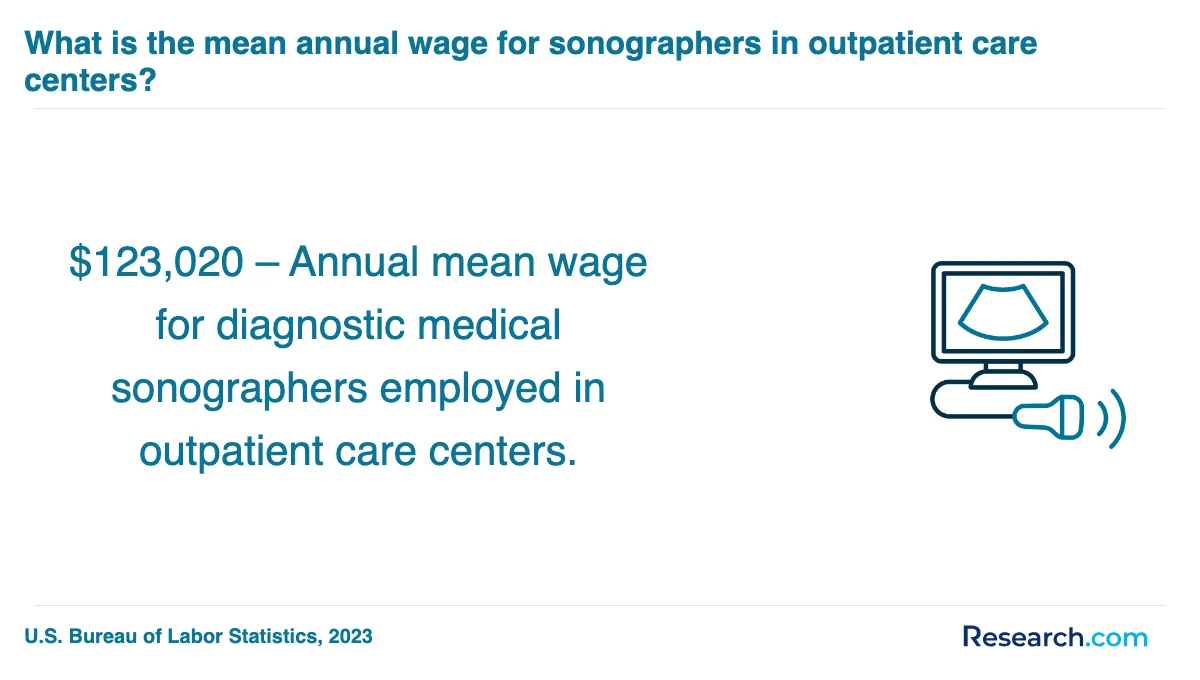
Pay can vary by role and schedule. Travel sonographer roles may offer weekly wages around $1,833, while permanent positions typically pay $30 to $60 per hour. Graduates with Registered Diagnostic Medical Sonographer (RDMS) certification and specialty credentials often have stronger prospects, especially for positions requiring independent scanning ability.
How to improve your job prospects
- Complete a program with strong clinical training and employer-recognized preparation.
- Pursue national certification through ARRT or ARDMS when eligible.
- Build experience in high-demand specialties such as obstetrics, vascular, abdominal, or cardiac sonography.
- Keep a record of clinical competencies, exam types, and equipment experience.
- Prepare for schedule flexibility, especially for hospital, emergency, and travel roles.
Students comparing diagnostic imaging careers may also want to explore the radiology tech pathway. Radiology and sonography both involve imaging, but they differ in equipment, certification routes, daily responsibilities, and the type of patient exams performed.
Best Diagnostic Medical Sonographer Training Programs & Trade Schools - Top Sonography Schools in San Antonio for 2026
# 1 position
St Philip's College - Diagnostic Medical Sonography/Sonographer and Ultrasound Technician.
associateThe Diagnostic Medical Sonography/Sonographer and Ultrasound Technician program at St Philip's College offers a hybrid format, allowing some distance education. It prepares students to use ultrasound techniques for diagnosing medical conditions under physician supervision. Instruction covers patient care, sonographic data processing, equipment operation, and professional ethics. The program is accredited by the Southern Association of Colleges and Schools Commission on Colleges. Annual in-state tuition is $3,412, with median earnings one year after completion at $49,898.
# 2 position
Concorde Career College-San Antonio - Diagnostic Medical Sonography/Sonographer and Ultrasound Technician.
associateThe Diagnostic Medical Sonography/Sonographer and Ultrasound Technician program at Concorde Career College-San Antonio offers a hybrid format with some distance education options. It prepares students to use medical ultrasound techniques under physician supervision for diagnosing various conditions. The curriculum covers patient care, sonographic data processing, and professional ethics. Graduates have a median earning of $58,450 one year after completion. The program is accredited by the Accrediting Commission of Career Schools and Colleges.
# 3 position
The College of Health Care Professions-San Antonio - Diagnostic Medical Sonography/Sonographer and Ultrasound Technician.
associateThe College of Health Care Professions-San Antonio offers a hybrid Diagnostic Medical Sonography/Sonographer and Ultrasound Technician program. It trains students to operate sonography equipment and gather sonographic data under physician supervision for diagnosing conditions. The curriculum covers patient care, data integration, and professional ethics. The program is accredited by the Accrediting Bureau of Health Education Schools. Median earnings one year after completion are $43,823.
# 4 position
Baptist Health System School of Health Professions - Diagnostic Medical Sonography/Sonographer and Ultrasound Technician.
associateThe Baptist Health System School of Health Professions offers a fully online Diagnostic Medical Sonography/Sonographer and Ultrasound Technician program. This program trains students to use medical ultrasound techniques for diagnosing various conditions under physician supervision. Instruction includes patient care, sonographic data processing, and professional ethics. The annual in-state tuition is $14,675, and graduates earn a median salary of $42,807 one year after completion. The program is accredited by the Accrediting Bureau of Health Education Schools.
Frequently Asked Questions about medical sonographer
After completing a medical sonographer trade school in San Antonio, preparing for the job market involves several key steps. First, obtaining certification from the American Registry for Diagnostic Medical Sonography (ARDMS) is crucial, as most employers in Texas prefer or require it. According to the U.S. Bureau of Labor Statistics, the demand for diagnostic medical sonographers is expected to grow by 14% nationally through 2032, with Texas showing steady employment opportunities.
Networking through local healthcare facilities and attending job fairs in San Antonio can help graduates connect with potential employers. Additionally, maintaining an updated resume and gaining hands-on experience through clinical internships during training enhances employability. Staying informed about continuing education options will support career growth in this evolving field.
Employers in San Antonio seek medical sonographer graduates with strong technical skills, including proficiency in operating ultrasound equipment and understanding anatomy. According to the Bureau of Labor Statistics, attention to detail and accuracy in capturing diagnostic images are critical for patient outcomes. Communication skills are also highly valued, as sonographers must explain procedures clearly and collaborate with healthcare teams. Additionally, employers prefer candidates familiar with electronic health records (EHR) systems, reflecting the increasing digitization of medical data. San Antonio's healthcare sector, growing steadily, especially values adaptability and problem-solving abilities to manage diverse patient needs efficiently.
Obtaining a medical sonographer trade school diploma in San Antonio significantly enhances career mobility and advancement opportunities. According to the U.S. Bureau of Labor Statistics, diagnostic medical sonographers in Texas saw a projected employment growth of 17% from 2020 to 2030, which is faster than the average for all occupations. This growth opens doors for diploma holders to enter healthcare facilities, such as hospitals and clinics, with competitive starting salaries.
Locally, San Antonio's expanding healthcare sector offers increased demand for skilled sonographers, facilitating upward mobility for those with specialized training. Graduates often qualify for certifications like the ARDMS, which employers widely recognize and value.
Certified sonographers in San Antonio report higher earning potential and access to supervisory or specialized roles, emphasizing the diploma's role in career development. The diploma serves as a critical credential that aligns with both entry-level job requirements and long-term professional growth in the region's healthcare industry.
To craft a compelling application for a diagnostic medical sonographer program in San Antonio, emphasize your strong foundation in science and mathematics, highlight any relevant volunteer or work experience, and clearly express your passion for healthcare and medical imaging. Tailor your personal statement to reflect how the specific program aligns with your career goals.
Students in San Antonio's diagnostic medical sonographer programs often face challenges such as managing a rigorous coursework schedule, securing clinical placements, and balancing academic responsibilities with part-time jobs. Additionally, keeping abreast of technological advancements in sonography can be demanding but is essential for staying competitive in the field.
- Best Diagnostic Medical Sonographer Training Programs & Trade Schools - Top Sonography Schools in Houston for 2026
- Best Diagnostic Medical Sonographer Training Programs & Trade Schools - Top Sonography Schools in Fort Worth for 2026
- Best Diagnostic Medical Sonographer Training Programs & Trade Schools - Top Sonography Schools in Tyler for 2026
- Best Diagnostic Medical Sonographer Training Programs & Trade Schools - Top Sonography Schools in Tulsa for 2026
- Best Diagnostic Medical Sonographer Training Programs & Trade Schools - Top Sonography Schools in Las Cruces for 2026
- Best Diagnostic Medical Sonographer Training Programs & Trade Schools - Top Sonography Schools in Joliet for 2026
- Best Diagnostic Medical Sonographer Training Programs & Trade Schools - Top Sonography Schools in Orlando for 2026
- Best Diagnostic Medical Sonographer Training Programs & Trade Schools - Top Sonography Schools in Cincinnati for 2026
- Registered Diagnostic Medical Sonographer I Salary in San Antonio, TX (August 01, 2025) | Salary.com https://www.salary.com/research/salary/alternate/registered-diagnostic-medical-sonographer-i-salary/san-antonio-tx
- Registered Sonographer in San Antonio, TX Salary - August 2025 https://www.comparably.com/salaries/salaries-for-registered-sonographer-in-san-antonio-tx
- Diagnostic Medical Sonography https://www.sait.ca/programs-and-courses/diplomas/diagnostic-medical-sonography
- Medical Sonography | Wake Tech https://www.waketech.edu/programs-courses/credit/sonography
- How To Become A Sonographer - ARDMS https://www.ardms.org/how-to-become-a-sonographer/
- Sonography Program | College of DuPage https://www.cod.edu/academics/programs/sonography/
- Diagnostic Medical Sonography https://www.mchs.edu/academics/associate-degrees/diagnostic-medical-sonography/
- Diagnostic Medical Sonography Associate Degree Program https://pmi.edu/on-campus-programs/associate/diagnostic-medical-sonography/
- Diagnostic Medical Sonography - Ivy Tech Community College https://www.ivytech.edu/programs/all-academic-programs/school-of-health-sciences/diagnostic-medical-sonography/
- Diagnostic Medical Sonography https://gwinnetttech.edu/diagnosticmedicalsonography/


