
Most Affordable HVAC Technician Schools & Training - Budget-Friendly HVAC Trade Programs in Fayetteville for 2026

Co-Founder and Chief Data Scientist
Choosing the right HVAC technician trade school in Fayetteville can feel overwhelming, but you’re not alone. This article introduces a carefully crafted HVAC technician trade school programs ranking developed by the Research.com team of data scientists to help you make a smart, informed decision.
Whether you’re starting fresh or changing careers, earning a diploma or certification in HVAC opens doors to rewarding, stable job opportunities. Exploring the best programs helps you invest in your future with confidence and excitement.
Read on to discover which schools stand out and how they can support your career goals.
Key benefits of finishing HVAC technician trade school in Fayetteville
- Graduates in Fayetteville can expect an average salary ranging from $46,000 to $63,537 annually, with experienced technicians earning up to $100,000 per year, offering strong financial growth opportunities.
- Career paths include roles in residential and commercial HVAC services, with many graduates quickly advancing to specialized or senior technician positions thanks to hands-on training and local industry connections.
- Completing HVAC trade school online provides flexibility and convenience, allowing students to balance work and study while gaining practical skills that local employers value, as seen with successful online graduates from Fayetteville programs.
- Most Affordable HVAC Technician Schools & Training - Budget-Friendly HVAC Trade Programs in Fayetteville for 2026
- What can I expect from HVAC technician trade schools in Fayetteville?
- Where can I work after finishing HVAC technician trade schools in Fayetteville?
What can I expect from HVAC technician trade schools in Fayetteville?
Enrolling in an HVAC technician trade school program in Fayetteville means diving into a hands-on, practical education designed to get you working quickly. Graduates from schools like Northwest Arkansas Community College often share how evening classes fit perfectly with their jobs or family commitments, making learning manageable. Expect to spend about three semesters mastering core skills such as system installation, maintenance, and troubleshooting, along with real-world lab work that makes concepts click.
Many students appreciate the focus on energy efficiency and environmentally friendly techniques, which prepares them for the evolving HVAC industry. A key milestone is preparing for the EPA Section 608 certification exam, usually taken in the third semester, which opens doors to refrigerant handling jobs.
Admission is straightforward-just a high school diploma or GED and being 18 or older. No prior experience is needed, so even career changers feel confident starting fresh. Plus, some programs connect students with local employers for apprenticeships, letting you earn while you learn and build valuable on-the-job skills.
Where can I work after finishing HVAC technician trade schools in Fayetteville?
After finishing an HVAC technician trade school program in Fayetteville, you can expect a wide variety of job opportunities right in your community. Graduates often land roles as HVAC technicians, installers, maintenance technicians, or even supervisors. Many find rewarding work with local companies that specialize in heating, ventilation, and air conditioning services, handling everything from residential repairs to large commercial installations.
Students from popular Fayetteville trade schools share how they quickly connected with employers through hands-on training and local job fairs. Some secured positions at major employers like Walmart, which regularly hires HVAC and refrigeration technicians, offering competitive pay ranging from $23 to $45 per hour. Others have started their own small businesses, serving neighborhood clients who appreciate reliable, skilled technicians.
Hospitals, schools, and municipal buildings in Fayetteville also hire HVAC professionals to maintain their climate systems, providing stable, long-term careers. The demand remains strong, and graduates feel confident knowing their skills open doors across diverse settings throughout the city.
After finishing an HVAC technician trade school program in Fayetteville, you can expect to earn an average hourly wage of about $26.42, which adds up to roughly $54,954 annually if you work full-time. Many graduates from popular local trade schools share how quickly they started earning close to this amount once they landed their first job. It's encouraging to know that entry-level roles like HVAC Mechanic I often start around $47,108 per year, with some variation depending on the company and your skills.
One common experience among recent grads is that overtime pay can significantly boost earnings-many report making an extra $6,750 annually on top of their base salary. For those who gain experience or specialize in residential HVAC services, wages can rise to about $63,537 per year, or around $31 per hour. This growth happens naturally as you apply what you learned at Fayetteville's trade schools and gain hands-on experience.
- Program duration is typically under a year, with some schools offering completion in as little as 10 months.
- Tuition can be affordable, such as SkillCat's online program costing $10 per month or $96 per year.
- Curriculum includes EPA 608 certification, HVAC fundamentals, piping, brazing, soldering, and refrigeration theory with hands-on training.
- Entry-level HVAC technicians earn about $12.00 per hour, while experienced workers make over $20.00 per hour in Fayetteville.
- Most programs prepare students for the EPA Section 608 Technician certification required for refrigerant handling.
- Flexible enrollment options allow students to start training every five weeks throughout the year.
Completing an HVAC technician trade school program in Fayetteville typically takes about 6 to 12 months, depending on the school and course intensity. Many graduates from local trade schools share that this timeframe felt just right-they were able to balance hands-on training with classroom learning without feeling overwhelmed.
For example, students at popular Fayetteville trade schools often describe the experience as immersive and fast-paced, yet manageable because the programs are designed to get you job-ready quickly. They remember the excitement of mastering essential skills like system installation and troubleshooting within a year, which boosted their confidence to enter the workforce sooner than expected.
Others mention that the shorter, intensive programs allowed them to jump straight into apprenticeships or entry-level positions, making the journey feel rewarding and efficient. If you picture yourself learning in a workshop filled with real HVAC units, surrounded by instructors who've been in the field for years, it's clear why the 6 to 12 months fly by with practical, meaningful work.
The key difference between online and on-campus HVAC technician trade school programs in Fayetteville is how you experience learning and hands-on practice. Graduates from SkillCat's online program often mention the freedom to study anytime fits their busy schedules, especially if they balance work or family. They appreciate interactive virtual labs that simulate real HVAC tasks, making theory and practical skills accessible without leaving home. For example, one graduate shared how practicing installation techniques through online modules boosted their confidence before stepping into a real job.
On the other hand, students at Miller-Motte College value the structured, in-person environment. They get to work directly with industry-standard equipment under expert guidance, which many find invaluable. One graduate recalled how troubleshooting HVAC systems in the lab helped them quickly grasp complex concepts, something harder to achieve through a screen. This face-to-face interaction and immediate feedback make on-campus programs ideal if you thrive on hands-on learning and want to build strong connections with instructors and peers.
Both paths prepare you for entry-level roles and EPA certification, but your choice depends on whether you prefer flexible, virtual learning or immersive, real-world training in Fayetteville.
The average HVAC technician program cost in Fayetteville generally depends on whether you attend a community college or a private institution. Graduates from Fayetteville Technical Community College often share how affordable HVAC training tuition in Fayetteville helped them start their careers without overwhelming debt. Typically, in-state students pay around $4,868 annually at public community colleges, whereas out-of-state fees can reach about $8,614 per year. Private schools usually cost more, sometimes exceeding $15,000, but students often feel the extra investment brings added resources and networking opportunities.
Many students mention budgeting not only for tuition but also for tools, books, and supplies, which can add between $500 to $1,000. If you need housing, keep in mind that room and board could tack on $5,000 to $10,000 annually. These costs collectively shape the financial landscape of HVAC programs here, so planning ahead is essential before enrolling.
It's encouraging to know that scholarships, grants, and loans are available to help manage these expenses, making the average HVAC technician program cost in Fayetteville manageable through financial aid. For anyone curious about the full scope of commitments and next steps, understanding the requirements to become an hvac technician is a smart place to begin, ensuring clear direction toward a successful HVAC career in Fayetteville.
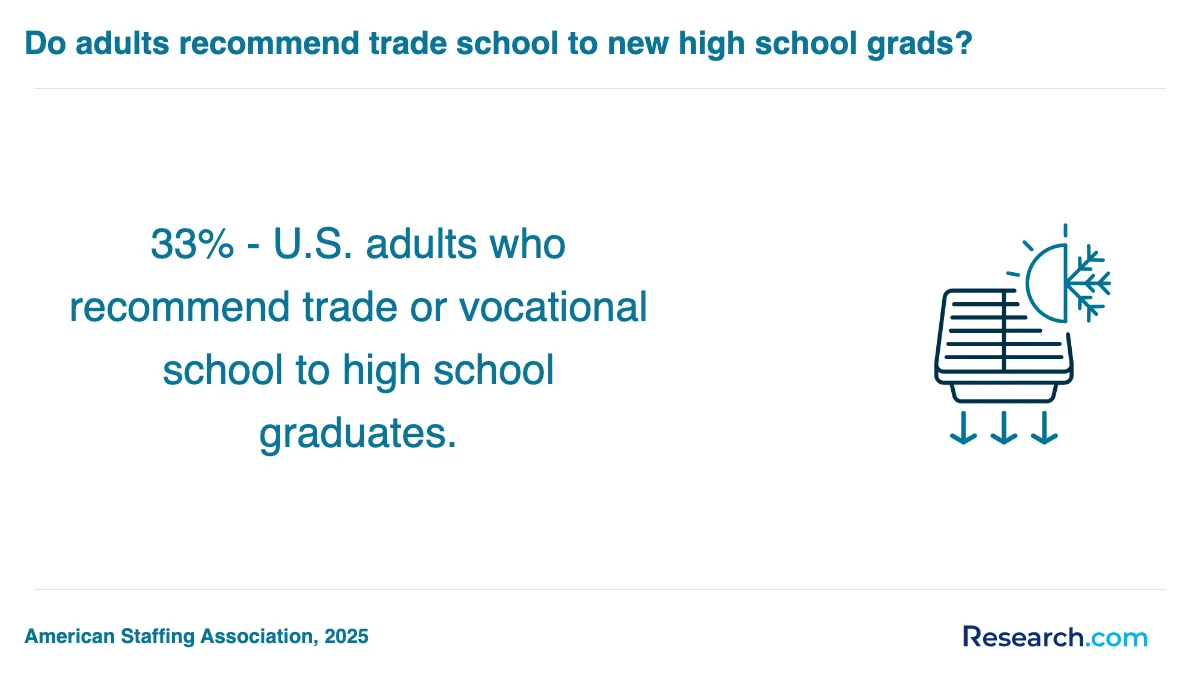
Many HVAC technician students in Fayetteville benefit from financial aid designed to ease the burden of tuition and related costs. A common starting point is completing the FAFSA form to access federal grants like the Pell Grant, which several graduates highlight as crucial in making their training affordable. Schools such as Miller-Motte College offer institutional scholarships, including the "Empowering Equality in Trade Professions Scholarship," awarding up to $2,500 to qualified first-time enrollees. Graduates often share how this scholarship made a real difference, allowing them to focus on their studies without constant financial stress.
Additionally, workforce development grants and state-based aid programs target students pursuing high-demand trades like HVAC. Many Fayetteville students find local employers willing to sponsor apprenticeships or provide tuition reimbursement, often tied to work commitments after graduation. This practical support, combined with paid on-the-job training in apprenticeship programs, helps students gain experience while offsetting education expenses, a balance praised by those who've successfully entered the field.
To enroll in an HVAC technician trade school program in Fayetteville, you'll typically need a high school diploma or GED. This foundational requirement ensures you have the basic skills needed for the technical coursework ahead. Many graduates recall feeling confident stepping into classes because they met this simple but essential prerequisite.
Some schools may also require you to pass an entrance assessment, usually covering math and reading comprehension. This helps make sure you're ready to handle the technical manuals and calculations involved in HVAC work. For example, students at popular Fayetteville trade schools often share how preparing for these tests boosted their confidence early on.
Other common prerequisites include:
- Being at least 18 years old
- Providing proof of residency or citizenship
- Submitting a background check in some cases
Hands-on experience isn't always required but can be a huge advantage. Many successful graduates started with basic electrical or mechanical knowledge, making their transition smoother and more enjoyable. Fayetteville trade schools often emphasize practical learning, so arriving with some familiarity can make your journey exciting and rewarding.
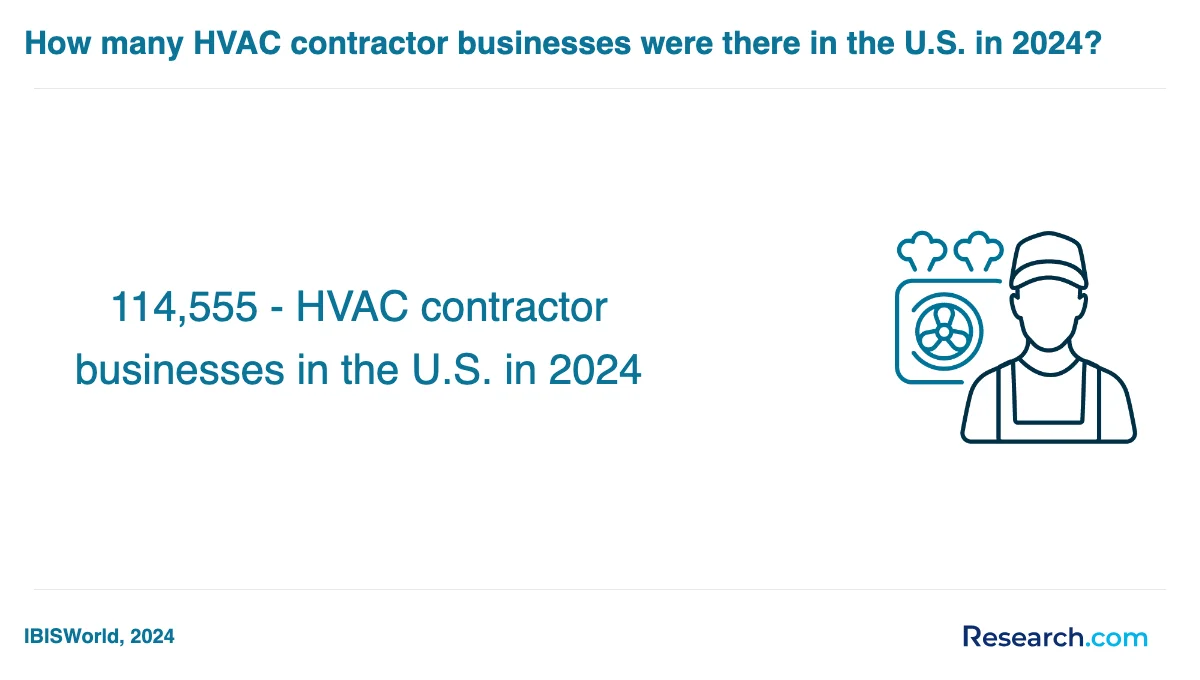
In Fayetteville, HVAC technician trade school programs typically start with courses like Introduction to HVAC, where students gain hands-on understanding of heating, cooling, and ventilation systems. Graduates often recall feeling confident after mastering the basics of system components and operations, which laid a strong foundation for their careers.
Students also learn essential skills such as:
- Using key hand tools safely and effectively
- Piping, brazing, and soldering techniques for metal pipe repair
- Refrigeration theory and air conditioning system troubleshooting
Many Fayetteville trade schools emphasize energy efficiency and sustainable installation practices, preparing students for real-world challenges. Graduates often share how EPA 608 Refrigerant Handling exam prep gave them a competitive edge when entering the workforce.
Interactive labs and virtual simulations are highlights, allowing students to confidently practice installation and repair before working on actual systems. The programs also focus on soft skills like customer service and communication, crucial for success in the local HVAC market.
When exploring HVAC technician specializations in Fayetteville, students often find programs with a strong focus on systems installation, maintenance, and repair. Graduates from Fayetteville Technical Community College (FTCC) frequently mention hands-on training with air conditioning units, furnaces, heat pumps, and refrigeration systems, which builds confidence in troubleshooting real-world HVAC challenges. These programs emphasize skills in electricity controls, heating and cooling theory, and mechanical refrigeration - all crucial for mastering the trade.
Other Fayetteville HVAC training program specializations include energy efficiency techniques and environmental safety, preparing students to pass important certifications like the EPA Section 608. For example, those enrolled at Miller-Motte College benefit from a mix of classroom learning and simulated on-the-job experiences, helping them excel in both technical and customer service roles.
Typical concentration areas you'll encounter are:
- Heating technology and hydronic heating
- Comfort cooling and HVAC systems diagnostics
- Residential and commercial HVAC system installation and maintenance
Many graduates say this variety makes them feel well-rounded and ready for the workforce. For comprehensive insights into opportunities beyond Fayetteville, visit the page featuring the best vocational trade programs.
Start by verifying that the school offers accredited HVAC technician programs Fayetteville employers recognize. Graduates from Miller-Motte College often share how accreditation gave them confidence their education met industry standards and helped with EPA Section 608 certification. Hands-on training is essential; many best HVAC trade schools in Fayetteville combine classroom lessons with real or simulated lab experiences, which graduates say made the difference when entering the field. For instance, SkillCat's virtual simulations prepare students for on-the-job challenges, allowing them to build skills before stepping into a live environment.
Program length and cost matter too-some students appreciate shorter courses that let them start working sooner, like those offered locally. SkillCat's pricing is notably affordable at $10/month or $96/year, easing financial concerns for many. Also, ask about job placement rates and employer connections; Fayetteville Technical Community College graduates report strong support landing HVAC roles through local partnerships. Exploring multiple program options at these schools ensures you find the path that fits your goals. If unsure about which route fits you best, consider exploring the hvac program or apprenticeship to decide your next step wisely.
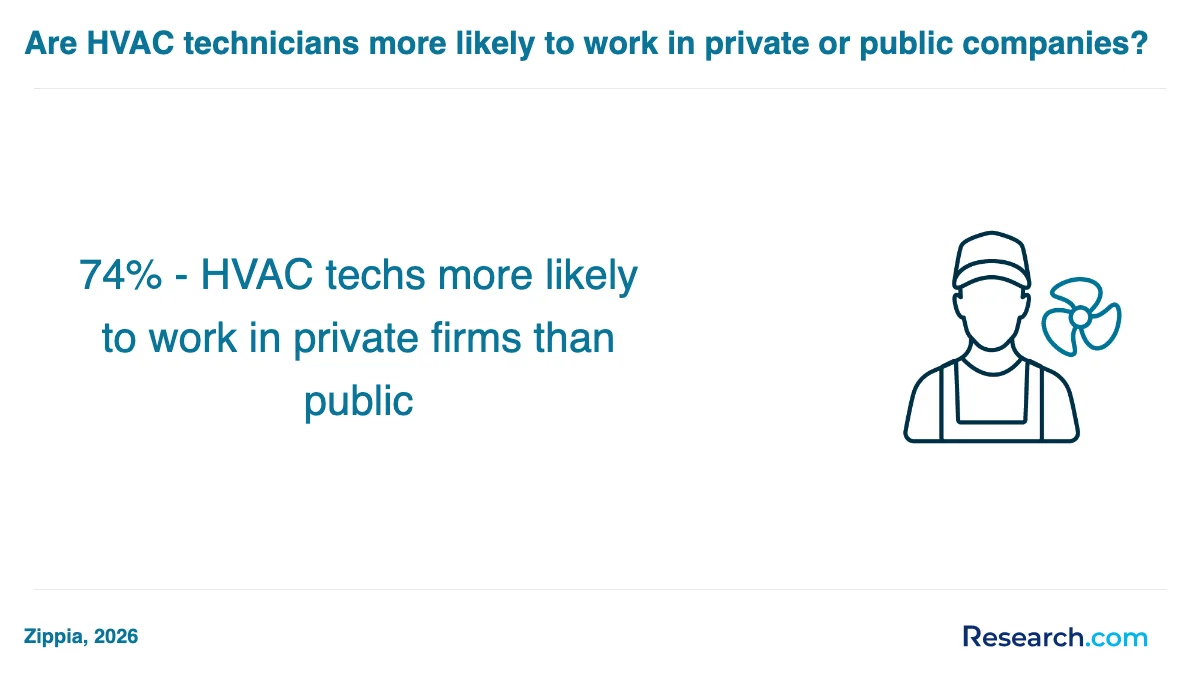
Graduates of HVAC technician trade school programs in Fayetteville often step into well-paying HVAC technician jobs in Fayetteville NC, starting as HVAC Technicians, Installers, or Maintenance Technicians. One recent graduate shared how hands-on training from popular Fayetteville trade schools prepared them to confidently handle real-world HVAC system installations and repairs in both residential and commercial settings.
As skills grow, many move into supervisory roles like HVAC Supervisor or Lead Technician, overseeing teams and ensuring projects run smoothly. Some graduates find rewarding opportunities in specialized fields such as HVAC/R Repair Technician, focusing on refrigeration systems vital to Fayetteville's regional market.
Commercial HVAC careers in Fayetteville North Carolina also open doors to entrepreneurial paths, where experienced technicians launch their own service businesses or expand into consulting roles for energy efficiency and smart building tech. For those seeking flexible options, cheap online maintenance technician training complements their local education and broadens career prospects.
- Entry-level roles: HVAC Technician, Installer, Maintenance Technician
- Advanced roles: Master HVAC Technician, HVAC Supervisor, Lead Technician
- Specializations: HVAC/R Repair Technician, Energy Efficiency Consultant
The HVAC technician job market in Fayetteville AR is currently robust, with over 100 HVAC-related job openings available. Graduates from local trade schools often share positive experiences about securing roles such as HVAC Technician, Installation Technician, or Refrigeration Technician shortly after completing their programs. Many local employers, including well-known service companies and public sector organizations, actively seek new talent and prioritize both competitive wages and professional development.
Considering Fayetteville Arkansas HVAC technician salary trends, entry-level technicians typically earn between $20 and $25 per hour, with experienced technicians reaching up to $43. Benefits like full-time hours and overtime opportunities make the field a stable and attractive career path.
For those studying HVAC in Fayetteville, completing accredited programs and obtaining certifications like EPA Section 608 significantly increase competitiveness. Graduates from popular local trade schools emphasize the value of hands-on training that mirrors real-world settings, making the transition to employment smoother.
Here are some key points to consider:
- Strong local demand driven by residential and commercial climate control needs
- Employers value practical skills and certification
- Consistent job postings from diverse Fayetteville employers
If you want to explore more about your educational options, check out what are the best trade schools online for HVAC training programs that fit your lifestyle and goals.
Most Affordable HVAC Technician Schools & Training - Budget-Friendly HVAC Trade Programs in Fayetteville for 2026
# 1 position
Fayetteville Technical Community College - Heating, Air Conditioning, Ventilation and Refrigeration Maintenance Technology/Technician.
associateFayetteville Technical Community College offers a hybrid program in Heating, Air Conditioning, Ventilation and Refrigeration Maintenance Technology/Technician. The program prepares students to repair, install, service, and maintain heating, air conditioning, and refrigeration systems using diagnostic techniques and testing equipment. Instruction covers mechanics, electricity, and electronics related to these systems. The annual in-state tuition is $2,628. The program is accredited by the Southern Association of Colleges and Schools Commission on Colleges.
# 2 position
Fayetteville Technical Community College - Heating, Air Conditioning, Ventilation and Refrigeration Maintenance Technology/Technician.
certificate or diplomaThe Heating, Air Conditioning, Ventilation and Refrigeration Maintenance Technology/Technician program at Fayetteville Technical Community College offers hybrid learning options. It prepares students to repair, install, service, and maintain HVAC and refrigeration systems. Instruction covers diagnostic techniques, testing equipment, and principles of mechanics, electricity, and electronics relevant to system repair. The annual in-state tuition is $2,628. The program is accredited by the Southern Association of Colleges and Schools Commission on Colleges.
Frequently Asked Questions about HVAC technician
After completing an HVAC technician trade school in Fayetteville, preparing for the job market involves several key steps. First, obtaining EPA Section 608 certification is crucial, as it is federally required for handling refrigerants. Many Fayetteville programs include training for this certification. Next, gaining hands-on experience through internships or apprenticeships can significantly improve employability. According to the U.S. Bureau of Labor Statistics, HVAC job growth in North Carolina is projected at 5% through 2031, indicating steady demand. Networking with local HVAC businesses and joining trade associations like the Air Conditioning Contractors of America (ACCA) can also open job opportunities. Continuing education and specialized certifications can further enhance job prospects.
Employers in Fayetteville seek several key skills from HVAC technician trade school graduates. Technical proficiency is essential, including the ability to install, maintain, and repair heating, ventilation, and air conditioning systems. According to the U.S. Bureau of Labor Statistics, strong troubleshooting skills are crucial due to the complexity of modern HVAC equipment.
In addition to technical know-how, communication skills are highly valued. Technicians must explain issues and solutions clearly to clients. Safety awareness is also mandatory, as HVAC work involves electrical components and refrigerants regulated by EPA standards.
Problem-solving aptitude and a commitment to ongoing learning stand out among successful candidates, given rapid technological changes in the industry. Fayetteville employers also appreciate certification readiness, such as EPA Section 608, which trade schools often prepare students to obtain.
Finding internships in Fayetteville related to HVAC technician trade school programs involves several key steps. Start by contacting local trade schools, as many have established partnerships with HVAC companies for hands-on training. The Fayetteville Area Chamber of Commerce is a valuable resource for identifying businesses that offer internships in the HVAC field.
Job boards such as Indeed and LinkedIn often list HVAC internship opportunities in Fayetteville. Additionally, the U.S. Bureau of Labor Statistics reports that internships can improve employment chances by 15% in skilled trades, including HVAC.
Networking through local trade associations like the Air Conditioning Contractors of America (ACCA) chapter in North Carolina can also lead to internship openings. Early outreach and a strong resume tailored to HVAC skills increase the likelihood of securing a placement.
Obtaining a HVAC technician trade school diploma in Fayetteville significantly enhances career mobility and advancement opportunities. According to the U.S. Bureau of Labor Statistics, HVAC jobs in Arkansas are projected to grow 9% from 2022 to 2032, signaling strong demand for qualified technicians. A diploma equips students with practical skills and industry-recognized certifications, which local employers highly value.
Trade school graduates often start with higher entry-level wages compared to those without formal training. In Fayetteville, certified HVAC technicians typically earn between $40,000 and $55,000 annually, with advancement possible through specialization or supervisory roles. Additionally, many trade schools offer job placement support, connecting graduates to regional opportunities that foster long-term career growth.
Students enrolled in HVAC technician trade schools in Fayetteville can benefit from part-time jobs that provide hands-on experience and enhance their technical skills. Positions such as HVAC helper or assistant, appliance repair technician, and maintenance worker are common opportunities. These roles often involve working alongside licensed professionals, allowing students to observe troubleshooting and repair techniques in real time.
The U.S. Bureau of Labor Statistics indicates that Fayetteville's HVAC job market is expected to grow by 5% over the next decade, reflecting steady demand for skilled technicians. Local companies frequently seek part-time workers with foundational knowledge, making these roles valuable for resumes and networking.
Additionally, retail positions at home improvement stores like Lowe's or Home Depot can help students gain product knowledge relevant to HVAC systems, broadening their understanding of equipment and components.
To find the most affordable HVAC Technician degree program near Fayetteville, NC, you can research local community colleges, trade schools, and technical institutions that offer HVAC programs. Many of these schools provide flexible learning schedules and financial aid options to make education accessible. Utilize resources like Research.com and search for vocational programs near me to compare tuition costs and program specifics, ensuring you choose an option that aligns with your financial needs and educational goals.
- A/C, Heating, & Refrigeration Technology - Fayetteville Technical Community College https://www.faytechcc.edu/academics/engineering-applied-technology-programs/ac-heating-refrigeration-technology/
- HVAC & Basic Refrigeration Training | Miller-Motte College https://www.miller-motte.edu/career-training-programs/skilled-trades/hvac-br/
- HVAC Certificate of Completion | NorthWest Arkansas Community College https://www.nwacc.edu/academicdivisions/trailstrades/trades/hvac.aspx
- HVAC Training & Certification in Fayetteville, NC https://www.hvacclasses.org/schools/north-carolina/fayetteville
- HVAC Technician | Wake Tech https://www.waketech.edu/programs-courses/non-credit/workforce-training/construction-maintenance/hvac-technician
- Fayetteville, North Carolina HVAC R Programs https://www.trade-school.com/programs/HVAC-R/NC/Fayetteville
- Online Certified HVCA/R Technician Training | North Carolina Central University https://www.nccu.edu/division-extended-studies/continuing-education/professional-development-career-training/online-certified-hvcar-technician-training
- How to Find an HVAC Apprenticeship | Austin Career Institute https://austincareerinstitute.edu/blog/hvac/tips-for-finding-an-hvac-apprenticeship/
- HVAC Job Placement: Employment Strategies After Training https://www.genesiscareer.edu/hvac-job-placement-employment-strategies/
- A Guide to Skilled Trades Apprenticeships and Internships | BestColleges https://www.bestcolleges.com/trades/guide-to-skilled-trades-apprenticeships-internships/


