Most Affordable HVAC Technician Schools & Training - Budget-Friendly HVAC Trade Programs in Alabama for 2026

Co-Founder and Chief Data Scientist
Choosing the right HVAC technician trade school in Alabama can feel overwhelming. This article is here to make that decision easier for you.
We present a ranking of HVAC technician trade school programs created by the Research.com team of data scientists. Their expertise ensures the list highlights quality programs worth your consideration.
Reading this guide will help you find affordable schools that offer valuable training. Earning a diploma or certification opens doors to a rewarding career with steady demand. Your future in HVAC starts here.
Key benefits of finishing HVAC technician trade school in Alabama
- Graduates from HVAC technician trade schools in Alabama can expect an average starting salary of about $25.62 per hour, which can grow with experience and certifications, offering a solid path to financial stability.
- Many graduates find diverse career opportunities ranging from residential repair to commercial HVAC installations, as seen with alumni from popular Alabama trade schools who quickly secure rewarding jobs.
- Completing an HVAC trade program online offers flexibility and convenience, allowing students like recent online graduates to balance work and study while gaining practical skills without relocating or interrupting their lives.
- Most Affordable HVAC Technician Schools & Training - Budget-Friendly HVAC Trade Programs in Alabama for 2026
- What can I expect from HVAC technician trade schools in Alabama?
- Where can I work after finishing HVAC technician trade schools in Alabama?
What can I expect from HVAC technician trade schools in Alabama?
Entering an HVAC technician trade school program in Alabama means engaging deeply with both theory and hands-on practice. Graduates from schools like Fortis in Mobile often describe the satisfaction of working directly on real HVAC units, troubleshooting issues as they would on the job, which builds confidence and practical skills simultaneously.
Many students appreciate the flexible scheduling options across Alabama's programs, such as the fast-paced 11-week certification at Bevill State Community College or longer associate degrees that fit evening or part-time learners' needs. This flexibility helps balance life commitments while progressing toward a rewarding career.
Expect to develop core competencies like system installation, duct fabrication, and refrigerant handling through a combination of classroom learning and lab workshops. Graduates frequently mention how specialized training, such as metal duct design or EPA certification prep, made them feel well-prepared and valued by employers.
Career services in these programs often provide real support-connecting students to local HVAC employers and sharpening resumes and interview skills-helping graduates transition smoothly into the workforce with industry-recognized certifications in hand.
Where can I work after finishing HVAC technician trade schools in Alabama?
After completing an HVAC technician trade school program in Alabama, graduates find a wealth of career paths open to them. Many secure roles with private HVAC companies, where they install and maintain heating and cooling systems in homes and commercial buildings. Graduates often share how rewarding it feels to troubleshoot real-world issues in bustling cities like Birmingham or Huntsville, turning classroom knowledge into hands-on expertise.
Public sector jobs also attract many, with opportunities to work for local governments or institutions such as schools and government offices. For instance, HVAC graduates in Tuscaloosa have noted the stability and benefits offered by county positions, where starting salaries near $55,500 provide a solid foundation and room to grow.
Flexibility is a key advantage, too. Some alumni choose to become independent contractors or start their own businesses, enjoying the freedom to set schedules and pursue specialized skills. Whether working for established firms or launching solo careers, Alabama trade school graduates consistently express pride in their diverse and promising employment options.
After finishing an HVAC technician trade school program in Alabama, many graduates find themselves stepping into a workforce where the average starting wage is around $25.62 per hour. This means earning roughly $53,300 annually if working full-time, which feels encouraging for those investing time and effort in their training. Graduates from popular Alabama trade schools often share how this starting pay helps them cover living expenses comfortably, especially given the state's lower cost of living.
Some report initial salaries ranging from about $20 to $29 per hour, depending on their certifications and the city they work in. For example, graduates working in Birmingham or Huntsville may see slightly higher wages due to demand. Others have found that overtime opportunities or specializing in refrigeration can boost their earnings further, sometimes reaching $35 or more per hour after gaining experience.
This pay scale reflects a solid foundation, and many alumni express pride in quickly advancing their careers and earnings by continuing education and skill development after trade school.
- Applicants must be at least 18 years old and often need a high school diploma or GED, though some schools accept strong math and reading skills instead.
- Program lengths vary from 11 weeks for fast-track options to up to two years, including 3,000 hours required for state licensing.
- Licensing requires passing the Alabama state HVAC exam and obtaining EPA Section 608 certification to handle refrigerants.
- Costs range from $3,000 to $15,000, with financial aid options like scholarships and workforce grants available.
- Entry-level salaries typically range from $35,000 to $45,000 per year, with experienced technicians earning up to $60,000 annually.
Completing an HVAC technician trade school program in Alabama typically takes between 6 months to 12 months, depending on the pace and structure of the school. Many graduates from well-known Alabama trade schools share that this timeframe feels just right-long enough to gain solid hands-on experience, yet short enough to jumpstart their careers quickly. For instance, students attending programs in Birmingham or Mobile often appreciate how the curriculum balances classroom learning with practical shop work, making each day engaging and rewarding.
One graduate recalled how the immersive nature of their training helped them feel confident working on real HVAC systems by the time they finished. This blend of technical skills and real-world application is a hallmark of Alabama's trade schools, designed to prepare students for the workforce efficiently.
For those balancing work or family, some programs offer flexible scheduling, allowing completion in about a year without overwhelming their daily lives. The sense of accomplishment graduates describe is palpable, as they move from learners to skilled technicians ready to serve their communities.
The core difference between online and on-campus HVAC technician trade school programs in Alabama lies in how students gain practical skills. Graduates from on-campus programs at places like Bevill State Community College recall full days spent in hands-on workshops, working directly with HVAC units and tools under the supervision of seasoned instructors. This immersive experience builds confidence in troubleshooting real equipment and mastering safety protocols that are hard to grasp through theory alone.
By contrast, students enrolled in online HVAC programs appreciate the flexibility of completing lectures and assignments remotely. Yet, they often share the challenge of balancing virtual study with the occasional requirement to attend in-person sessions for labs or certification tests, which are essential for meeting Alabama's licensing standards.
Both paths have their strengths, but those who thrive on tangible, face-to-face learning often find on-campus programs at Fortis Trade School or Bevill State more rewarding, as these environments foster immediate feedback and camaraderie among peers focused on building a career in HVAC.
The average cost HVAC technician trade school Alabama students face typically ranges between $1,200 and $15,000 for certificate programs, reflecting a balance between affordability and comprehensive training. Graduates from well-known trade schools such as Fortis College in Montgomery often describe their investment as a valuable step toward gaining essential hands-on skills that quickly opened doors to entry-level HVAC positions. These programs, usually lasting six months to a year, provide focused curriculum tailored to practical, real-world applications, making the tuition fees HVAC programs Alabama 2026 offer a cost-effective pathway for many aspiring technicians.
Many students appreciate how these trade schools emphasize job-readiness, often combining classroom instruction with lab work that mirrors challenges faced on the job. The manageable cost helps learners avoid heavy debt while still accessing quality education. For example, graduates note that even with additional expenses like tools and books, the overall price remains competitive compared to longer, more costly degree programs.
Those exploring their options are encouraged to also consider the broader landscape of training opportunities, such as associate degrees or apprenticeship programs which come with varying costs and time commitments. To find the best fit, many turn to resources listing top programs, including online trade schools that can complement their on-site learning, offering flexibility without significantly increasing expenses.
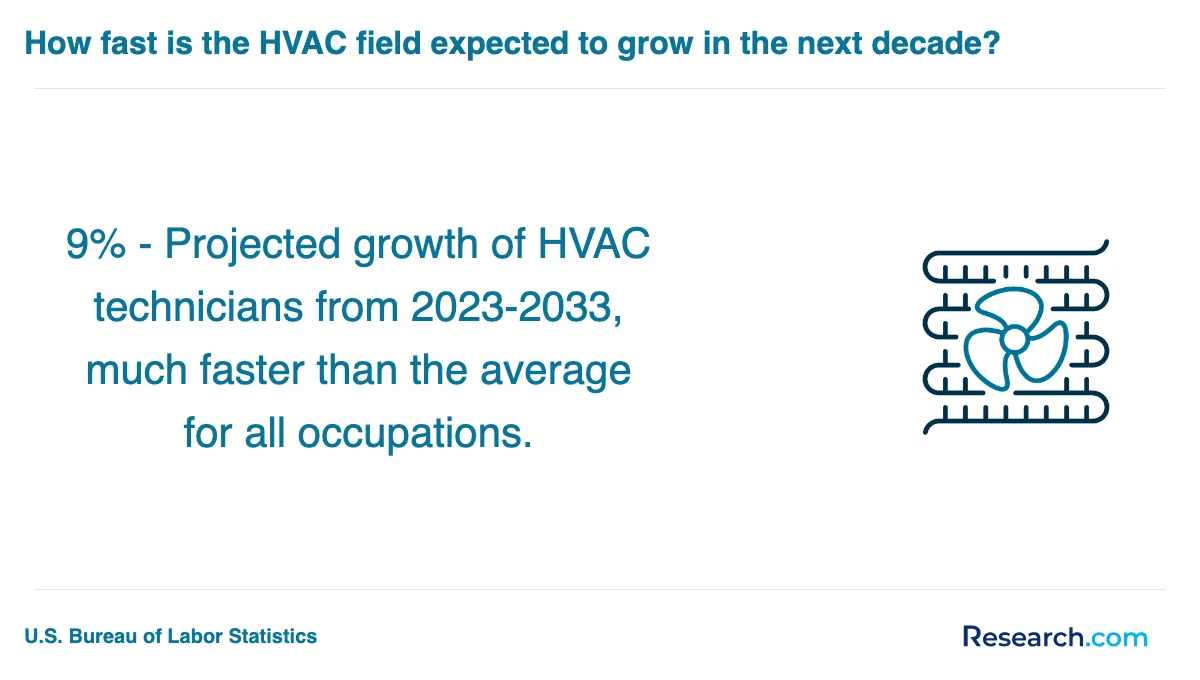
HVAC technician students in Alabama often find financial aid that transforms their training from a distant goal into an achievable reality. Many who attend Fortis College share how Title IV federal aid-including Pell Grants and federal loans-helped ease the burden, especially when juggling work and family. Completing the FAFSA opens doors to these opportunities, making education accessible without overwhelming debt.
At community colleges like Bevill State and Bishop State, students frequently discover scholarships tailored specifically for HVAC Fast Track programs. For instance, graduates recall how WIOA funding made their $4,500 tuition vanish, allowing them to focus fully on learning rather than finances. This workforce development support is a lifeline for those changing careers or facing unemployment.
High schoolers enrolled in dual enrollment programs at Gadsden State also report feeling encouraged by scholarships that reward their academic efforts, helping them earn credits early while easing costs. Even those in non-credit programs often find private financing or vocational rehab options that keep their ambitions alive.
Enrolling in an HVAC technician trade school program in Alabama typically requires a few clear prerequisites that set the stage for your success. Most trade schools ask for a high school diploma or GED, ensuring you have a basic foundation in math and science-skills crucial for understanding HVAC systems.
Graduates often recall how their prior experience with hands-on work, like basic electrical repairs or mechanical tasks, gave them confidence when starting the program. Some schools in Alabama, known for their practical training focus, may require or recommend a background in these areas.
Common prerequisites include:
- Proof of high school completion or GED
- Basic proficiency in math, especially algebra
- Passing an entrance exam or placement test in some cases
- Physical ability to handle the demands of HVAC work
Students from well-regarded Alabama trade schools share how meeting these requirements helped them feel prepared and eager to dive into hands-on learning. This foundation creates a positive momentum, making the challenging coursework and lab work feel achievable and rewarding.

HVAC technician trade school programs in Alabama focus on practical, hands-on learning combined with essential classroom theory. Graduates often reflect on how foundational courses in HVAC operations and principles helped them grasp the core mechanics of refrigeration, air conditioning systems, and thermodynamics-knowledge they applied directly in real-world settings.
Typical courses include:
- HVAC operations and principles, covering system functions in homes and businesses
- Repair and troubleshooting, teaching diagnostic techniques and safe handling of electrical and mechanical components
- Hands-on lab sessions, where students practice on actual HVAC units using meters and gauges
- Metal duct design and fabrication workshops, offered by schools like BTrained in Birmingham and Huntsville, providing valuable skills in sheet metal work
Many students appreciate the structured approach of schools such as North Alabama Refrigeration School, which splits training into distinct phases of operations, repair, troubleshooting, and lab work. This clear progression builds confidence and expertise gradually, making the learning experience both rewarding and engaging.
Certification preparation is woven throughout, with programs helping students earn the EPA 608 Refrigerant Handling Certification and sometimes NATE Support Technician Certification. This thorough preparation fosters a sense of readiness and pride as students step into their careers, knowing they meet Alabama's industry standards.
HVAC technician trade school programs in Alabama offer diverse specializations that align well with varied career goals and industry demands. Graduates often appreciate how programs at schools like Jefferson State and Bevill State emphasize refrigeration systems, including mastering the EPA Section 608 Refrigerant certification-essential for safe refrigerant handling and repair. This HVAC specialization programs in Alabama typically include practical work, allowing students to confidently diagnose and fix refrigeration units in real-world settings.
Other popular focus areas include:
- Heating systems specialization, where students gain skills to install and troubleshoot furnaces, boilers, and heat pumps used in both homes and commercial buildings.
- Air conditioning and cooling systems, teaching installation, repair, and ductwork design for central and split AC units.
- Ventilation and indoor air quality, training students to balance airflow and improve air safety and comfort inside buildings.
Many Alabama HVAC technician training options also offer pathways toward commercial versus residential expertise, tailoring electives to specific workplace environments. Graduates from these programs often share the value of hands-on labs and on-the-job learning, which sharpen their readiness for the workforce. For those eager to start or manage their own business, certain fast-track courses provide crucial entrepreneurial skills.
For those looking to explore a range of affordable training paths with strong regional relevance, see the most affordable online hvac training options available.
Choosing among the best HVAC technician programs in Alabama requires more than just reviewing course catalogs. Graduates often reflect on how accreditation played a vital role in their training quality, citing schools like Calhoun State Community College and J.F. Drake State Community & Technical College for meeting industry standards that employers respect. When evaluating top-rated HVAC trade schools in Alabama, students recommend focusing on comprehensive curricula that combine theory with hands-on experience, similar to what Shelton State Community College offers through its practical Air Conditioning and Refrigeration Technology program.
Flexibility also matters, as many students balance work and study. Schools providing evening and weekend options, such as Shelton State, receive praise for accommodating diverse schedules without sacrificing learning quality. Job placement support is another key element that graduates value, helping ease the transition from school to a rewarding HVAC career. Exploring financial aid options and proximity to home further simplifies daily life during training. To explore a wider range of quality options, prospective students may benefit from checking out the top vocational trade programs available nationally to compare how Alabama's offerings fit into their goals.
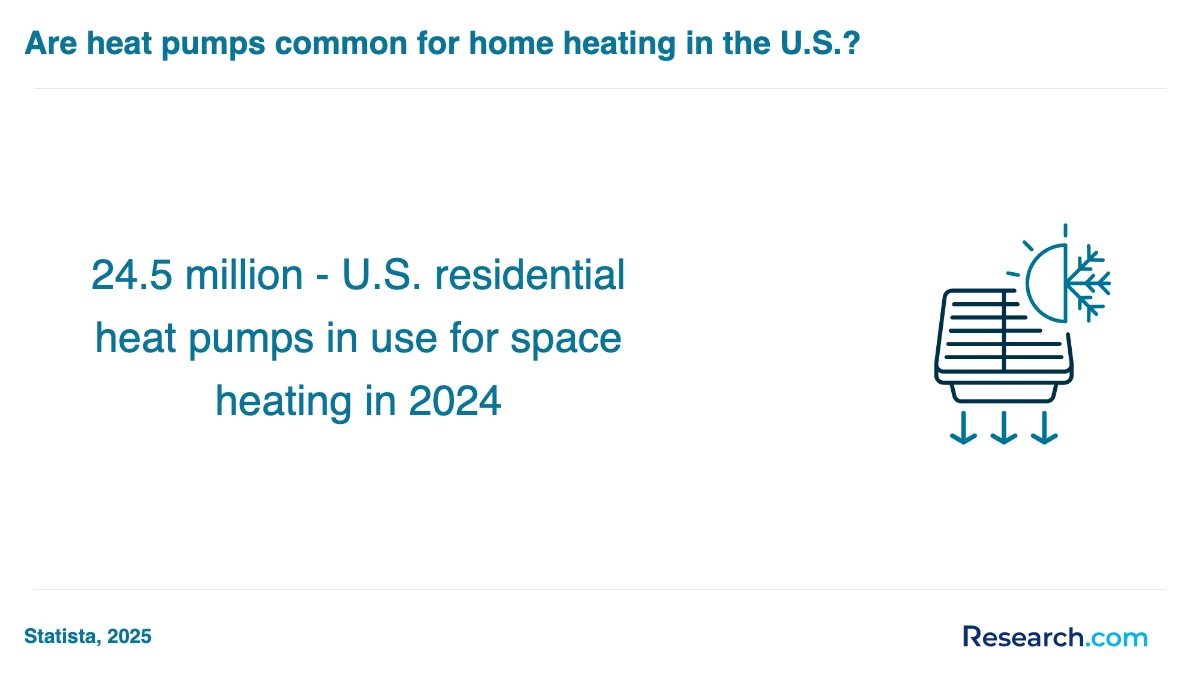
Graduates of HVAC technician trade school programs in Alabama find a diverse array of career paths that fit various ambitions and lifestyles. Many begin as HVAC technicians, installing and repairing systems in homes, businesses, and industrial sites, often employed by licensed contractors or large organizations. Popular trade schools in Alabama prepare students for these hands-on roles, blending classroom learning with real-world challenges.
Beyond entry-level technician roles, there are exciting HVAC contractor career opportunities Alabama offers. Some graduates pursue self-employment by passing the state's contractor exam shortly after technical school, enabling them to launch businesses without extended apprenticeships. Others specialize in areas like refrigeration or energy-efficient system retrofits, using certifications such as EPA Section 608 to advance into supervisory or project roles.
This variety is inspiring to many students who appreciate the option to tailor their career. For those seeking stability or growth, apprenticeships remain valuable, offering practical experience that leads to higher licensing levels. The strong demand for hvac technician jobs in Alabama reflects a healthy job market fueling rewarding opportunities.
The HVAC technician job outlook in Alabama is promising, especially for graduates of local trade schools like Bevill State Community College and Shelton State Community College. Many graduates share stories of swiftly finding roles in residential or commercial settings, encouraged by at least 700 HVAC technician job openings expected statewide through 2028. Working in bustling hubs such as Birmingham, graduates often find entry-level positions paying between $23 and $60 per hour, with the potential for bonuses and sign-on incentives.
Trade school programs prepare students well by including certifications commonly sought by employers, such as EPA Section 608 Refrigerant certification. Graduates frequently report that this hands-on training helps them confidently step into roles where they maintain HVAC systems in homes, hospitals, or schools.
Considering the HVAC technician salary in Alabama, many experienced technicians quickly move into supervisory or sales roles, expanding career options. The steady demand combined with competitive wages makes this a career with multiple pathways forward, resonating with students who want both stability and opportunity.
For those exploring career options, visiting resources like best paying trades can offer valuable insights into earning potential and industry trends.
Most Affordable HVAC Technician Schools & Training - Budget-Friendly HVAC Trade Programs in Alabama for 2026
# 1 position
Southern Union State Community College - Heating, Air Conditioning, Ventilation and Refrigeration Maintenance Technology/Technician.
certificate or diplomaSouthern Union State Community College offers a hybrid program in Heating, Air Conditioning, Ventilation and Refrigeration Maintenance Technology/Technician. The curriculum prepares students to repair, install, service, and maintain HVAC and refrigeration systems using diagnostic techniques and testing equipment. Instruction covers mechanics, electricity, and electronics relevant to these systems. Annual in-state tuition is $4,980. The program is accredited by the Southern Association of Colleges and Schools Commission on Colleges.
# 2 position
George C Wallace State Community College-Selma - Heating, Air Conditioning, Ventilation and Refrigeration Maintenance Technology/Technician.
certificate or diplomaGeorge C Wallace State Community College-Selma offers a hybrid Heating, Air Conditioning, Ventilation and Refrigeration Maintenance Technology/Technician program. The curriculum prepares students to repair, install, service, and maintain HVAC and refrigeration systems, emphasizing diagnostic techniques, testing equipment, and principles of mechanics, electricity, and electronics. The annual in-state tuition is $4,680. The program is accredited by the Southern Association of Colleges and Schools Commission on Colleges.
# 3 position
Bishop State Community College - Heating, Air Conditioning, Ventilation and Refrigeration Maintenance Technology/Technician.
certificate or diplomaBishop State Community College offers a program in Heating, Air Conditioning, Ventilation and Refrigeration Maintenance Technology/Technician. This program prepares students to repair, install, service, and maintain heating, air conditioning, and refrigeration systems. Instruction includes diagnostic techniques, testing equipment use, and principles of mechanics, electricity, and electronics related to these systems. Annual in-state tuition is $5,280. The program is accredited by the Southern Association of Colleges and Schools Commission on Colleges.
# 4 position
Fortis College - Heating, Air Conditioning, Ventilation and Refrigeration Maintenance Technology/Technician.
certificate or diplomaFortis College offers a hybrid program in Heating, Air Conditioning, Ventilation and Refrigeration Maintenance Technology/Technician. The curriculum includes instruction in diagnostic techniques, testing equipment, and principles of mechanics, electricity, and electronics for repairing heating, air conditioning, and refrigeration systems. Graduates earn a median salary of $32,004 one year after completing the program. The program is accredited by the Accrediting Bureau of Health Education Schools.
# 5 position
Fortis College-Montgomery - Heating, Air Conditioning, Ventilation and Refrigeration Maintenance Technology/Technician.
certificate or diplomaThe Heating, Air Conditioning, Ventilation and Refrigeration Maintenance Technology/Technician program at Fortis College-Montgomery is a hybrid course that prepares students to repair, install, service, and maintain HVAC and refrigeration systems. It covers diagnostic techniques, testing equipment, and principles of mechanics, electricity, and electronics. Graduates have a median earning of $32,004 one year after completion. The program is accredited by the Accrediting Bureau of Health Education Schools.
# 6 position
J F Ingram State Technical College - Heating, Air Conditioning, Ventilation and Refrigeration Maintenance Technology/Technician.
certificate or diplomaThe Heating, Air Conditioning, Ventilation and Refrigeration Maintenance Technology/Technician program at J F Ingram State Technical College prepares students to repair, install, service, and maintain heating, air conditioning, and refrigeration systems. The hybrid program includes instruction on diagnostic techniques, testing equipment, and the principles of mechanics, electricity, and electronics related to system repair. Annual in-state tuition is $6,084.
# 7 position
George C Wallace State Community College-Hanceville - Heating, Air Conditioning, Ventilation and Refrigeration Maintenance Technology/Technician.
certificate or diplomaGeorge C Wallace State Community College-Hanceville offers a hybrid Heating, Air Conditioning, Ventilation and Refrigeration Maintenance Technology/Technician program. It prepares students to repair, install, service, and maintain heating, air conditioning, and refrigeration systems using technical knowledge in mechanics, electricity, and electronics. The program includes instruction in diagnostic techniques and testing equipment. Annual in-state tuition is $4,980. It is accredited by the Southern Association of Colleges and Schools Commission on Colleges.
# 8 position
Fortis Institute-Birmingham - Heating, Air Conditioning, Ventilation and Refrigeration Maintenance Technology/Technician.
certificate or diplomaThe Heating, Air Conditioning, Ventilation and Refrigeration Maintenance Technology/Technician program at Fortis Institute-Birmingham offers a hybrid format with some distance education options. It prepares students to repair, install, service, and maintain HVAC and refrigeration systems using technical knowledge, diagnostic techniques, and testing equipment. The program covers mechanics, electricity, and electronics principles related to these systems. Annual in-state tuition is $14,561. The program is accredited by the Accrediting Bureau of Health Education Schools.
# 9 position
Fortis College-Dothan - Heating, Air Conditioning, Ventilation and Refrigeration Maintenance Technology/Technician.
certificate or diplomaFortis College-Dothan offers a hybrid program in Heating, Air Conditioning, Ventilation and Refrigeration Maintenance Technology/Technician. The curriculum trains students to repair, install, service, and maintain HVAC and refrigeration systems, focusing on diagnostic techniques, testing equipment, and principles of mechanics, electricity, and electronics. Graduates have a median earning of $32,955 one year after completion. The program is accredited by the Accrediting Bureau of Health Education Schools.
# 10 position
Remington College-Mobile Campus - Heating, Air Conditioning, Ventilation and Refrigeration Maintenance Technology/Technician.
associateThe Heating, Air Conditioning, Ventilation and Refrigeration Maintenance Technology/Technician program at Remington College-Mobile Campus prepares students to repair, install, service, and maintain HVAC and refrigeration systems. The hybrid program covers diagnostic techniques, testing equipment use, and principles of mechanics, electricity, and electronics. Annual in-state tuition is $20,476. Graduates have median earnings of $31,763 one year after completion. The program is accredited by the Accrediting Commission of Career Schools and Colleges.
Frequently Asked Questions about HVAC technician
After completing an HVAC technician trade school in Alabama, preparing for the job market involves several key steps. First, obtaining EPA Section 608 certification is essential, as it is federally required to handle refrigerants legally. Many Alabama employers look for this credential.
Next, gaining hands-on experience through apprenticeships or entry-level positions can improve job prospects. The Alabama Department of Labor reports a steady growth in HVAC jobs, with a 6% increase expected through 2030, highlighting strong demand.
Networking with local contractors and joining professional associations like the Alabama Heating and Air Conditioning Contractors Association can provide valuable contacts and job leads.
Finally, updating a professional resume that highlights relevant skills and certifications is crucial for standing out in the competitive market.
Employers in Alabama seek HVAC technician graduates with strong technical skills, including proficiency in installing, maintaining, and repairing heating, ventilation, and air conditioning systems. According to the U.S. Bureau of Labor Statistics, hands-on experience with HVAC tools and equipment is essential for job readiness. Additionally, knowledge of electrical systems and refrigeration principles is highly valued.
Soft skills like problem-solving, communication, and customer service also rank high. Alabama employers emphasize safety awareness due to the physical nature of HVAC work. Trade school graduates with EPA certification for handling refrigerants are preferred, as required by federal law.
Familiarity with energy-efficient technologies is increasingly important, reflecting industry trends in Alabama's growing green building sector.
Finding internships in Alabama related to HVAC technician trade school programs involves several practical steps. First, students should connect with their school's career services, which often have partnerships with local HVAC companies. These partnerships can provide direct internship opportunities aligned with the curriculum.
Additionally, exploring statewide industry resources like the Alabama Building Performance Association can help students identify employers offering hands-on training. According to the U.S. Bureau of Labor Statistics, Alabama's HVAC employment is expected to grow by 11% through 2032, increasing internship availability.
Networking at local job fairs and trade events in cities like Birmingham or Huntsville also enhances internship prospects. Lastly, using Alabama's Workforce Development offices can provide listings of apprenticeships and internships specifically for HVAC students.
In Alabama, earning a diploma from a HVAC technician trade school significantly enhances career mobility and advancement opportunities. According to the U.S. Bureau of Labor Statistics, HVAC technicians in Alabama earn a median annual wage of approximately $45,000, with diploma holders often qualifying for higher starting salaries compared to uncertified workers.
Trade school programs provide hands-on training and industry-recognized certifications, which are crucial for employers seeking skilled technicians. Graduates frequently find increased job prospects in both residential and commercial sectors.
Additionally, Alabama's growing construction and manufacturing industries drive demand for certified HVAC professionals, enabling diploma holders to pursue supervisory roles more rapidly. The Alabama Department of Labor highlights that certification accelerates promotions and wage growth, improving long-term career stability.
In Alabama, part-time jobs that complement HVAC technician trade school education offer valuable hands-on experience. Many students find opportunities as HVAC helpers or assistants, supporting licensed technicians in installation and maintenance tasks. These roles help reinforce classroom knowledge and develop practical skills.
Retail positions at home improvement stores like Lowe's or The Home Depot can also be beneficial. They provide exposure to HVAC equipment and customer service experience, which is useful for future technicians.
According to the U.S. Bureau of Labor Statistics, Alabama's HVAC job market is expected to grow 10% from 2022 to 2032, faster than average. This growth increases opportunities for students to gain part-time work relevant to their field while studying.
To choose the most affordable HVAC Technician degree program near me in Alabama, begin by researching local community colleges and technical schools in the state, as they often offer cost-effective options. Consider looking into specific programs near Alabama that have strong reputations for job placement and qualified instructors. Research.com can help provide insights into program rankings and other students' experiences, ensuring you select a program that fits both your budget and educational needs.
- Most Affordable HVAC Technician Schools & Training - Budget-Friendly HVAC Trade Programs in Tennessee for 2026
- Most Affordable HVAC Technician Schools & Training - Budget-Friendly HVAC Trade Programs in Florida for 2026
- Most Affordable HVAC Technician Schools & Training - Budget-Friendly HVAC Trade Programs in Arkansas for 2026
- Most Affordable HVAC Technician Schools & Training - Budget-Friendly HVAC Trade Programs in South Carolina for 2026
- Most Affordable HVAC Technician Schools & Training - Budget-Friendly HVAC Trade Programs in Missouri for 2026
- Most Affordable HVAC Technician Schools & Training - Budget-Friendly HVAC Trade Programs in Indiana for 2026
- Most Affordable HVAC Technician Schools & Training - Budget-Friendly HVAC Trade Programs in Virginia for 2026
- Most Affordable HVAC Technician Schools & Training - Budget-Friendly HVAC Trade Programs in West Virginia for 2026
- Most Affordable HVAC Technician Schools & Training - Budget-Friendly HVAC Trade Programs in Ohio for 2026
- Most Affordable HVAC Technician Schools & Training - Budget-Friendly HVAC Trade Programs in Oklahoma for 2026
- 10 Essential Tips for Starting Your HVAC Career - RightTek HVAC https://righttekhvac.com/2024/08/30/10-essential-tips-for-starting-your-hvac-career/
- HVAC Career Path: What to Expect After Training https://www.genesiscareer.edu/hvac-career-path-after-training/
- Navigating the Career Path of an HVAC Technician | CBT Technology Institute https://www.cbt.edu/blog/navigating-the-career-path-of-an-hvac-technician/
- How to Prepare for an HVAC Career | Air Conditioning & Heating Classes https://www.thetrainingcenterofairconditioningandheating.com/hvac-technician/how-to-prepare-for-an-hvac-career/
- What to expect after HVAC trade school? What is a real Technician? #realtech #technician #HVAC https://www.youtube.com/watch
- 4 Tips to Prepare for an HVAC Career Path in Michigan https://www.dorsey.edu/blog/hvac-career-path-mi/
- HVAC School in Alabama | Training for HVAC Jobs in AL https://www.hvacschool.org/alabama/
- How to Become an HVAC Tech in Alabama https://www.best-trade-schools.net/locations/alabama/hvac-tech-in-al/
- Online HVAC/R Technician (Voucher Included) from Alabama State University https://careertraining.alasu.edu/training-programs/hvacr-technician/
- HVAC Trade School in Mobile, Al | Fortis Institute https://www.fortis.edu/campuses/alabama/mobile/hvac.html