
Best HVAC Technician Training Programs & Trade Schools - Top HVAC Tech Schools in Tulsa for 2026

Co-Founder and Chief Data Scientist
If you’re considering a career as an HVAC technician in Tulsa, choosing the right trade school is a crucial first step. This article introduces a carefully crafted ranking of HVAC technician trade school programs created by the Research.com team of data scientists to guide you in making an informed decision.
Discover programs that offer quality training, hands-on experience, and certification opportunities to boost your career prospects. Earning a diploma or certification can open doors to stable, rewarding work in a growing industry.
Read on to explore your best options for 2026 and take the next step toward a fulfilling future.
Key benefits of finishing HVAC technician trade school in Tulsa
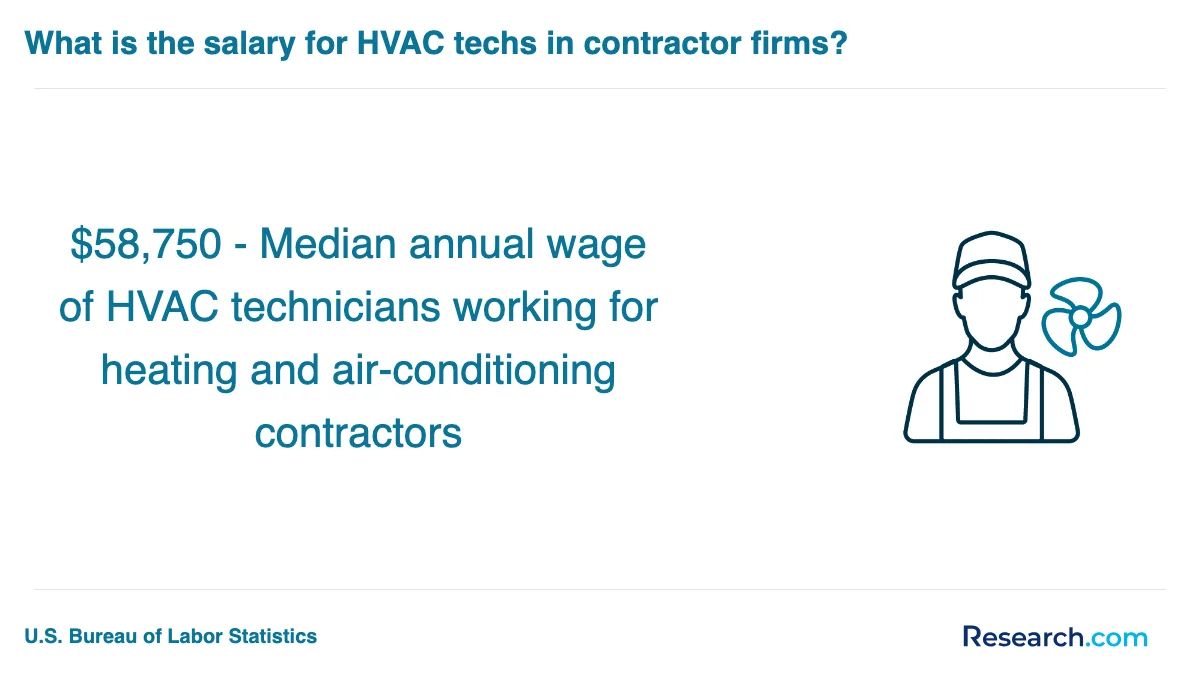
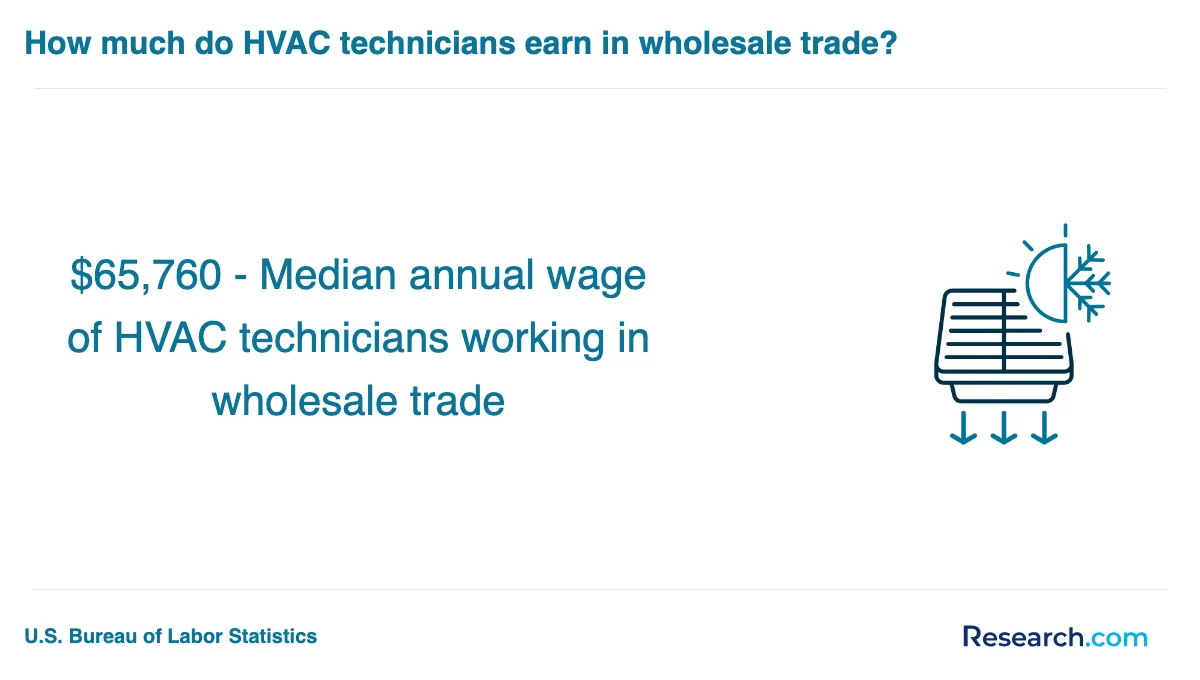
- Graduates of HVAC technician trade schools in Tulsa can expect competitive salaries, with averages around $55,938 annually and experienced technicians earning up to $108,620 per year.
- Career paths include residential service technician, commercial HVAC specialist, or maintenance supervisor, offering diverse opportunities for growth and specialization.
- Completing HVAC training online offers flexibility and convenience, allowing students to balance work or family while gaining hands-on skills, as many Tulsa graduates have successfully done.
- Best HVAC Technician Training Programs & Trade Schools - Top HVAC Tech Schools in Tulsa for 2026
- What can I expect from HVAC technician trade schools in Tulsa?
- Where can I work after finishing HVAC technician trade schools in Tulsa?
What can I expect from HVAC technician trade schools in Tulsa?
Enrolling in an HVAC technician trade school program in Tulsa means diving into a hands-on learning environment where practical skills take center stage. Graduates often describe the experience at schools like Tulsa Welding School as intense but rewarding, completing programs in as little as seven months while gaining real-world refrigeration technology expertise. Others who attended longer programs, such as the 16-month course at Central Technology Center, appreciated the deeper focus on preparing for journeyman certification and the confidence it instilled for entering the workforce.
Expect a curriculum combining classroom instruction and lab work, often led by instructors with industry backgrounds. Many students find value in learning safety protocols and troubleshooting techniques that mirror challenges faced in residential and commercial HVAC systems. Some programs even incorporate virtual reality tools, making diagnostic practice engaging and immersive.
Scheduling flexibility is another common benefit, with options for evening or daytime classes catering to working adults or high school students. Graduates typically leave ready to pursue certification exams and enter a growing job market, often sharing excitement about the support they received in job placement and understanding local salary prospects.
Where can I work after finishing HVAC technician trade schools in Tulsa?
Graduates from HVAC technician trade schools in Tulsa often find themselves quickly employed due to the city's active job market. Many start working for residential and commercial HVAC service companies, handling installations and repairs in homes, office buildings, and industrial sites. This hands-on experience mirrors what students learn at local trade schools, where practical training simulates real service calls and system troubleshooting.
Others secure positions with large mechanical contractors servicing schools, hospitals, and manufacturing plants, offering a chance to work on complex systems while building a diverse skill set. Some graduates share how their training at well-known Tulsa trade schools prepared them to confidently maintain refrigeration units for businesses like grocery stores and restaurants, a niche but in-demand specialization.
Jobs in apartment complexes and hotels provide steady work focused on maintenance and emergency repairs, appealing to those who enjoy predictable schedules and direct interaction with residents or clients. Additionally, career paths can lead to roles in HVAC equipment manufacturing or technical support, where graduates apply their technical knowledge in testing and troubleshooting equipment.
Entry-level pay in Tulsa typically starts between $27.50 and $35.00 per hour, with opportunities for overtime and bonuses, making this a promising career choice for many who graduate from the city's trade schools. The possibility to advance into supervisory or estimator roles encourages graduates to envision long-term growth within the industry.
After finishing an HVAC technician trade school program in Tulsa, many graduates find themselves earning an average of about $61,669 annually, or roughly $30 per hour. This aligns with what recent graduates from popular Tulsa trade schools report as they start residential service roles. For example, entry-level technicians typically begin at around $18.15 per hour, which can feel encouraging for those fresh out of training and eager to begin earning.
With just a few years of hands-on experience, wages often increase noticeably. Early-career technicians in Tulsa see hourly rates climb to about $18.85, while those with five to nine years of experience can earn around $21.62. Graduates often share how these raises reflect their growing confidence and skill mastery, making the effort invested in trade school feel worthwhile.
Looking beyond entry-level, some HVAC technicians in Tulsa command hourly wages nearing $39.29 when they develop specialized skills or take on supervisory roles. This potential for growth resonates with many graduates who appreciate the clear career path their trade school education helped them access.
- Applicants need a high school diploma or GED to enroll in HVAC technician trade school programs in Tulsa.
- Program length ranges from six months to two years, combining theoretical lessons with hands-on training.
- Graduates can earn industry certifications like EPA 608 and NATE Ready to Work, necessary for working with refrigerants and obtaining licenses.
- Tuition costs vary from $2,000 to $10,000 depending on the school, program length, and materials.
- Starting salaries for new technicians range between $35,000 and $45,000 annually, while experienced technicians can earn $55,000 to $65,000 or more.
Completing an HVAC technician trade school program in Tulsa typically takes between six months and one year. Graduates from well-known Tulsa trade schools often share how the intensive yet manageable pace allowed them to quickly gain hands-on skills without feeling overwhelmed. For example, many recall starting with foundational coursework on refrigeration and electrical systems, then moving swiftly into real-world lab environments within a few months. This blend of theory and practice is designed to prepare students for immediate employment.
Trade schools in Tulsa tailor their programs to fit busy students' lives, offering flexible schedules including evening and weekend classes. This flexibility helped graduates balance family or part-time work while progressing steadily through the program. Hearing these experiences, prospective students can picture themselves confidently navigating the coursework, then stepping directly into entry-level HVAC roles within a year.
Such a timeframe reflects both the comprehensive training needed and the local industry's demand for skilled technicians, making the investment in time feel worthwhile and motivating for students in Tulsa.
The main distinction between online and on-campus HVAC technician trade school programs in Tulsa lies in how students gain practical experience. Graduates from online programs, like those offered by SkillCat, often appreciate the flexibility to study at their own pace, balancing work or family commitments. One recalls progressing through virtual simulations that closely mimic real HVAC tasks, which built confidence without needing to be physically present. The affordability of these programs, sometimes as low as $10 per month, also makes them appealing.
On the other hand, graduates from Tulsa Welding School or Central Technology Center emphasize the value of hands-on training with actual HVAC equipment. Attending scheduled classes and working directly with tools allows them to feel fully prepared for real-world challenges. One graduate shared how the in-person labs helped develop troubleshooting skills that virtual environments can't fully replicate. Moreover, evening classes at these schools offer flexibility for those working during the day, making the commitment manageable.
While both paths teach essential technical knowledge, the tactile experience and direct instructor guidance found on-campus often lead to a deeper practical understanding of HVAC systems.
The average cost HVAC technician trade school Tulsa offers varies significantly depending on the institution and program format. For example, graduates from Tulsa Technology Center often recall the balance between affordable tuition and quality training, as adult students pay roughly $4,200 for tuition plus $1,640 for books and tools, totaling about $5,840. High school attendees benefit from free tuition but should be ready to spend approximately $155 on supplies. This path feels approachable for many, making enrollment less financially stressful while still providing comprehensive, accredited preparation.
In contrast, other graduates who attended Tulsa Welding School mention a higher overall cost of $20,995, which bundles tuition, books, tools, and supplies. Although the upfront price is steeper, these students often point out the value of a more intensive, immersive experience that fits their career goals. Meanwhile, those with prior HVAC or HVAC/R experience might opt for Tulsa Community College's online HVAC/R Certified Technician course, costing around $3,185 and including an exam voucher. Online options offer flexibility and are favored by students balancing work and study.
Understanding HVAC technician program tuition fees Tulsa charges helps prospective students anticipate expenses realistically. It's important to consider that additional fees like lab or registration charges may arise. Students often find that exploring financial aid, scholarships, and grants can substantially offset costs. For those open to alternatives, researching the most affordable online maintenance technician trade programs is another smart strategy to minimize educational expenses while pursuing their HVAC certification goals.
Students pursuing HVAC technician programs in Tulsa often find financial aid essential to managing costs. Tulsa Tech stands out by offering the Accelerating Independence Scholarship, which covers 100% of tuition for eligible local adults under age 24 with a GED or high school diploma. Graduates often recall how this scholarship lifted a significant financial weight, allowing them to focus fully on their training without worrying about tuition fees.
Other Tulsa Tech scholarships, like the Career and Technology Student Organization (CTSO) scholarships of up to $2,500, or the Financial Needs Scholarship providing up to $500 annually, have helped students tailor aid to their individual circumstances. Some graduates appreciate how the Junior Achievement Scholarship eased their transition by covering training hours required to graduate.
For those attending Central Technology Center or Tulsa Welding School, federal aid through FAFSA, Pell Grants, and loans is typically available for credit-bearing courses, which has been a crucial support for many. However, students at Tulsa Community College's non-credit HVAC programs often rely on alternative resources like workforce boards or school financing plans, highlighting the importance of consulting each school's financial aid office early in the process.
These financial resources make HVAC training in Tulsa more accessible and encourage many to pursue this in-demand career with confidence.
Enrollment in HVAC technician trade school programs in Tulsa typically requires a few key prerequisites that set students up for success. Most schools expect applicants to have a high school diploma or GED, which graduates often describe as a necessary foundation that helped them grasp technical concepts more easily. For example, those attending well-known Tulsa trade schools share how having a solid math background made understanding HVAC systems less intimidating.
Beyond academic qualifications, schools usually look for:
- Basic proficiency in math and science, essential for calculations and understanding thermodynamics
- Physical stamina, as HVAC work involves hands-on tasks and sometimes heavy lifting
- Good communication skills, since technicians often explain solutions to customers
Several graduates recall that demonstrating a genuine interest in the field during interviews or orientation helped them gain admission. Some trade schools in Tulsa also require a background check or drug screening to ensure safety and professionalism in the workplace. These prerequisites might feel rigorous but graduates often express pride in meeting them, knowing these standards prepare them well for the demanding yet rewarding HVAC career ahead.
HVAC technician trade school programs in Tulsa typically include a well-rounded mix of technical knowledge, hands-on practice, and safety training designed to prepare students for real-world HVAC challenges. Graduates from popular Tulsa trade schools often highlight courses like:
- Introduction to HVAC Fundamentals: covering system components, thermodynamics, and air distribution basics that form the backbone of HVAC understanding.
- Refrigeration Theory and Air Conditioning Systems: where students learn the design and operation of complex HVAC equipment.
- Piping, Brazing, and Soldering: emphasizing practical skills necessary for assembling and repairing HVAC systems.
- Certified Safety Training and Workplace Basics: ensuring students master safety protocols critical to industry standards.
- Diagnostics and Applications: focusing on troubleshooting and maintenance, preparing students for day-to-day HVAC work.
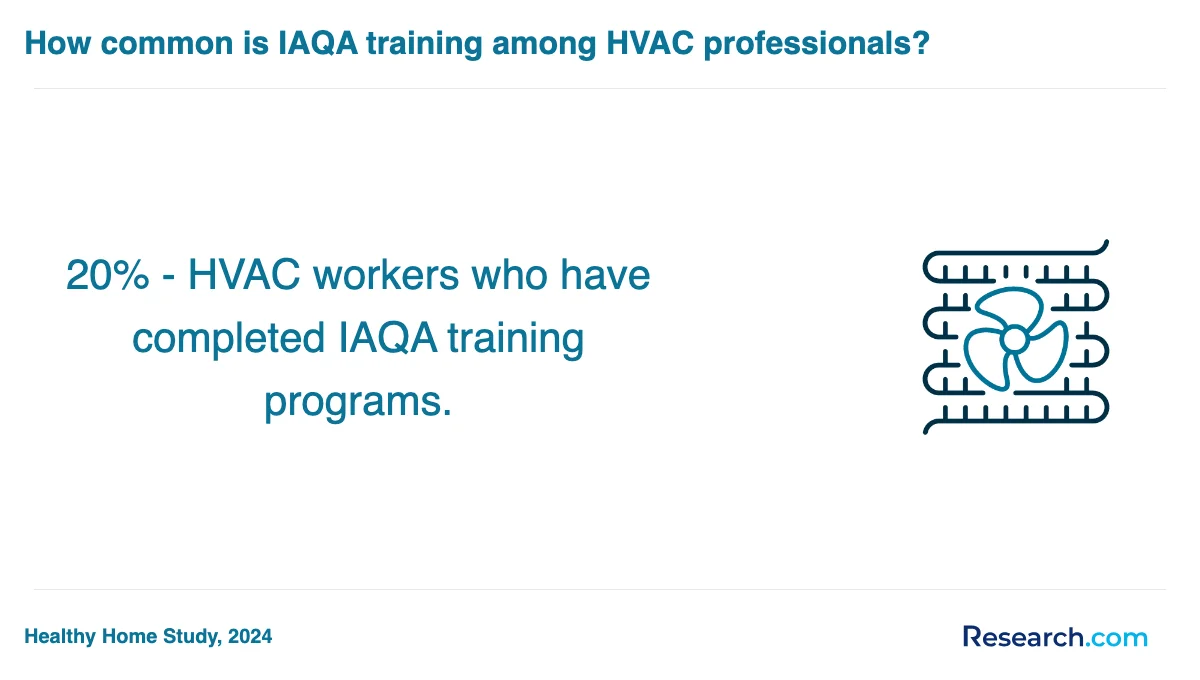
Many students describe feeling confident after mastering these courses, especially when applying EPA Section 608 Certification prep, a crucial credential in Tulsa's HVAC job market. Hands-on tool training and simulated real-life scenarios offered by these schools make learning interactive and engaging, making students feel ready to enter the workforce with practical expertise.
HVAC technician specializations in Tulsa trade schools offer distinct pathways that prepare students for diverse roles in the industry. Graduates from Tulsa Welding School often highlight the value of courses like Fundamentals of Electricity, Residential and Commercial Electrical Wiring, and Advanced Troubleshooting Techniques, which equip them for hands-on roles in refrigeration and electrical systems. Tulsa Technology Center emphasizes proficiency in HVAC Principles and Practices alongside Industrial Refrigeration and Hydronics, enabling students to confidently install and maintain complex HVAC systems in various settings.
Specializations also extend to safety and technical precision, as seen in the Tulsa Pipe Trades Training School curriculum. Their focus areas include Job Safety, Soldering and Brazing, Blueprint Reading, and Conservation of Refrigerants-skills graduates recall as essential for long-term career success in HVAC/R roles. Students pursuing these programs find that the combination of theory and real-world scenarios builds not only competence but also confidence for entry and advancement in the field.
For those exploring HVAC training programs in Tulsa, considering the range of specializations available can align career goals with practical skills. Many students appreciate how these programs balance foundational knowledge with advanced techniques, empowering them to thrive in both residential and commercial HVAC sectors. Prospective learners can explore various options through vocational trade programs that reflect the dynamic needs of Tulsa's HVAC industry.
Choosing the best HVAC trade schools in Tulsa starts with verifying the program's accreditation and reputation. Graduates from well-accredited Tulsa colleges often share how this recognition helped them secure EPA 608 certification and state licenses quickly after finishing their courses. Hands-on training is another crucial factor; students frequently recall working with modern HVAC systems in campus labs or through internships arranged by their schools, which made the transition to real-world jobs much smoother.
Cost considerations also matter. Many prospective students weigh Tulsa HVAC technician program cost against the value of flexible schedules, part-time options, and included materials. Financial aid or scholarships can relieve stress, as some graduates note how these helped them stay focused without heavy debt. Additionally, programs with strong faculty connections often provide career mentorship and job placement, which alumni say boosted their confidence entering the workforce.
For a comprehensive overview of trade schools beyond Tulsa, check out best trade school degrees.
Graduates of HVAC technician trade school programs in Tulsa encounter a variety of promising HVAC technician jobs in Tulsa, reflecting the city's diverse commercial and residential market. Many graduates start as HVAC/R service technicians or installation technicians, roles where hands-on skills learned at popular Tulsa trade schools translate directly into installing and maintaining heating, ventilation, air conditioning, and refrigeration systems. These roles often support real-life scenarios such as servicing local homes during Tulsa's wide temperature swings, ensuring comfort and energy efficiency.
Others take specialized career paths, becoming refrigeration technicians or commercial refrigeration installers, especially if their Tulsa training emphasized refrigeration systems. Graduates appreciate opportunities like apprenticeships that Tulsa employers highly value, enabling entry-level roles, including HVAC apprentice or assistant technician, which help build confidence while earning.
Additional HVAC career opportunities Tulsa provide include supervisory and contractor positions as experience grows, or transitions into sales and system design, broadening career horizons. Many graduates leverage ongoing certification and training to adapt to new technologies.
To understand the qualifications needed for these roles, explore what do you need to become a hvac technician.
The HVAC technician job demand in Tulsa remains strong, with over 140 openings actively recruiting graduates from local trade schools. Those completing popular HVAC programs in Tulsa often share that they quickly secure entry-level apprenticeships or service technician roles, some earning up to $35 per hour as they gain experience. Many employers advertise competitive sign-on bonuses and benefits, such as Walmart's $8,000 incentive for qualified refrigeration and HVAC technicians. Graduates frequently note that employers value certifications like EPA refrigerant handling and a clean driving record, boosting their chances of landing advanced positions.
Growth for HVAC career opportunities Tulsa Oklahoma is expected to outpace the national average, with a projected 7% increase fueled by new construction and rising demand for energy-efficient technologies. Graduates find themselves well-positioned to work on smart thermostats and air purification systems, skills increasingly sought after by local companies and property managers.
Those debating whether to pursue certification or apprenticeship can refer to insights from is it better to go to hvac school for certification or apprenticeship to make informed decisions aligned with Tulsa's job market realities.
Best HVAC Technician Training Programs & Trade Schools - Top HVAC Tech Schools in Tulsa for 2026
# 1 position
Tulsa Technology Center - Heating, Air Conditioning, Ventilation and Refrigeration Maintenance Technology/Technician.
certificate or diplomaThe Heating, Air Conditioning, Ventilation and Refrigeration Maintenance Technology/Technician program at Tulsa Technology Center prepares students to repair, install, service, and maintain HVAC and refrigeration systems. The hybrid program includes instruction on diagnostic techniques, testing equipment, and principles of mechanics, electricity, and electronics. Graduates earn a median income of $33,310 one year after completion. The program is accredited by the Oklahoma State Board of Career and Technology Education.
# 2 position
Tulsa Welding School-Tulsa - Heating, Air Conditioning, Ventilation and Refrigeration Maintenance Technology/Technician.
certificate or diplomaThe Heating, Air Conditioning, Ventilation and Refrigeration Maintenance Technology/Technician program at Tulsa Welding School-Tulsa is an on-campus course designed to equip students with technical skills to repair, install, and maintain HVAC and refrigeration systems. The curriculum covers diagnostic techniques, testing equipment, and principles of mechanics, electricity, and electronics applicable to these systems. The program is accredited by the Accrediting Commission of Career Schools and Colleges.
# 3 position
Oklahoma Technical College - Heating, Air Conditioning, Ventilation and Refrigeration Maintenance Technology/Technician.
certificate or diplomaOklahoma Technical College offers a hybrid program in Heating, Air Conditioning, Ventilation and Refrigeration Maintenance Technology/Technician. The curriculum prepares students to repair, install, service, and maintain HVAC and refrigeration systems, emphasizing diagnostic techniques and the use of testing equipment. Instruction covers mechanics, electricity, and electronics relevant to these systems. The program is accredited by the Accrediting Commission of Career Schools and Colleges.
Frequently Asked Questions about HVAC technician
After completing an HVAC technician trade school in Tulsa, preparing for the job market involves several key steps. First, obtaining EPA Section 608 certification is essential, as it is legally required to work with refrigerants in the U.S. This certification can often be earned during your training program.
Next, gaining hands-on experience through internships or apprenticeships is highly recommended. Tulsa has a growing HVAC job market, with the Bureau of Labor Statistics projecting a 5% growth in HVAC technician jobs nationwide from 2022 to 2032.
Networking with local HVAC companies and joining professional associations can also improve job prospects. Additionally, updating your resume to highlight technical skills and certifications will help attract employers in the Tulsa area.
Employers in Tulsa seek HVAC technician graduates with strong technical skills, including proficiency in installing, maintaining, and repairing heating, ventilation, and air conditioning systems. According to the U.S. Bureau of Labor Statistics, hands-on experience with refrigeration systems and electrical components is essential. Tulsa employers also value knowledge of local building codes and safety standards, ensuring technicians work compliantly and safely.
Soft skills like problem-solving, effective communication, and customer service are increasingly important, as technicians often interact directly with clients. The Oklahoma Department of Labor highlights that HVAC technicians with EPA Section 608 certification are in higher demand, reflecting environmental regulations.
Adaptability to evolving technologies, such as smart HVAC systems, is another key skill Tulsa employers prioritize in recent graduates.
Finding internships in Tulsa relevant to HVAC technician trade school programs involves several strategic steps. Start by contacting local trade schools, as many maintain partnerships with Tulsa-area HVAC companies to offer internship placements. The Tulsa Area Workforce Investment Board reports that internships in HVAC fields have grown by 12% over the past three years, reflecting industry demand.
Additionally, explore job boards like OklahomaWorks and industry-specific sites for HVAC internship listings. Networking through local trade associations, such as the Tulsa Chapter of the Air Conditioning Contractors of America (ACCA), can provide access to exclusive internship opportunities. Many employers prefer candidates with hands-on experience from accredited programs, so ensure your school supports internship placement.
Obtaining a diploma from a HVAC technician trade school in Tulsa significantly enhances career mobility and advancement opportunities. According to the U.S. Bureau of Labor Statistics, HVAC jobs in Oklahoma are projected to grow 10% from 2022 to 2032, faster than average for all occupations. A diploma demonstrates verified skills and knowledge, which local employers prioritize when hiring or promoting. Tulsa's strong construction and energy sectors also drive demand for qualified HVAC technicians, making formal training a valuable asset.
Graduates often qualify for certifications such as EPA Section 608, further boosting their credentials and salary potential. Data from the Oklahoma Department of Commerce shows that entry-level HVAC technicians with diplomas earn on average 15% more than those without formal training. This credential supports upward mobility into supervisory or specialized technical roles in Tulsa's competitive market.
Students enrolled in HVAC technician trade schools in Tulsa can benefit from several part-time job opportunities that complement their education. Positions such as HVAC helper or apprentice provide hands-on experience with installation, maintenance, and repair of heating and cooling systems. These roles often involve assisting licensed technicians, allowing students to apply classroom knowledge in real-world settings.
Other relevant jobs include working in hardware stores or supply shops that specialize in HVAC equipment, where students can learn about different tools and materials used in the industry. According to the U.S. Bureau of Labor Statistics, Tulsa's HVAC employment is projected to grow by 8% through 2031, indicating steady demand for skilled workers.
Additionally, some students find part-time roles in residential or commercial maintenance, gaining valuable troubleshooting skills. These opportunities not only enhance technical proficiency but also improve time management and customer service abilities crucial for HVAC careers.
If you are looking for the best HVAC Technician degree programs "near me," Research.com is a helpful resource that can guide you in your search. There are vocational schools and community colleges that offer HVAC programs near Tulsa, OK, where students can receive training in heating, ventilation, air conditioning, and refrigeration. Many of these institutions provide hands-on experience, and they are often highly regarded for preparing students for careers in the HVAC industry.
- Best HVAC Technician Training Programs & Trade Schools - Top HVAC Tech Schools in Houston for 2026
- Best HVAC Technician Training Programs & Trade Schools - Top HVAC Tech Schools in Corpus Christi for 2026
- Best HVAC Technician Training Programs & Trade Schools - Top HVAC Tech Schools in Las Cruces for 2026
- Best HVAC Technician Training Programs & Trade Schools - Top HVAC Tech Schools in Lawrenceville for 2026
- HVAC Trade Schools: HVAC Training Programs | Fortis https://www.fortis.edu/programs/skilled-trades/heating--ventilation--air-conditioning-and-refrigeration-trades.html
- HVAC Technician Training Program | LCTI https://www.lcti.org/adult-education-course/hvac/
- HVAC Training: Entry Level Tech - ACCA https://www.acca.org/certification/qtech/entryleveltech
- Find HVAC Trade Schools - Diploma & Associate Degree Programs https://www.trade-schools.net/trades/hvac
- HVACR Certification - Online Program | Penn Foster https://www.pennfoster.edu/programs/trades/hvac-technician-career-diploma
- Online Certified HVAC/R Technician Training | University of North Dakota https://und.edu/academics/development/courses/hvac-technician.html
- Entry Level HVAC Technician - Training Certificate | Midlands Technical College https://www.midlandstech.edu/programs-and-courses/advanced-manufacturing-and-skilled-trades/hvac-training-certificate
- hvac residential service technician Salary in Tulsa, Oklahoma | Salary.com https://www.salary.com/research/salary/posting/hvac-residential-service-technician-salary/tulsa-ok
- HVAC Technician Hourly Pay in Tulsa, Oklahoma in 2025 | PayScale https://www.payscale.com/research/US/Job=HVAC_Technician/Hourly_Rate/1129b776/Tulsa-OK
- Heating & Air Conditioning Technician (hvac) in Tulsa, OK Salary - August 2025 https://www.comparably.com/salaries/salaries-for-heating-%26-air-conditioning-technician-(hvac)-in-tulsa-ok


