Best HVAC Technician Training Programs & Trade Schools - Top HVAC Tech Schools in Kenosha for 2026

Co-Founder and Chief Data Scientist
Choosing the right HVAC technician trade school in Kenosha can shape your future career. This article introduces a carefully crafted ranking of HVAC technician trade school programs, created by the Research.com team of data scientists. Their analysis helps you identify the best options based on reliable data.
By exploring these programs, you’ll gain insights into quality education paths that lead to valuable diplomas or certifications. Whether starting fresh or advancing your skills, this guide supports your journey toward a rewarding HVAC career.
Key benefits of finishing HVAC technician trade school in Kenosha
- Graduates of HVAC technician trade schools in Kenosha can expect starting salaries around $58,000 per year, with experienced technicians earning over $85,000 annually, offering strong financial growth.
- Many graduates find diverse career paths, including residential service, commercial installation, and maintenance roles, allowing for flexibility and specialization in a growing field.
- Completing an HVAC program online offers convenience and the ability to balance work or family life, as shown by successful graduates from popular Kenosha online trade schools who quickly enter the workforce.
- Best HVAC Technician Training Programs & Trade Schools - Top HVAC Tech Schools in Kenosha for 2026
- What can I expect from HVAC technician trade schools in Kenosha?
- Where can I work after finishing HVAC technician trade schools in Kenosha?
What can I expect from HVAC technician trade schools in Kenosha?
Enrolling in an HVAC technician trade school program in Kenosha means diving into a curriculum that balances theory with practical skills essential for the field. Graduates often share how hands-on lab sessions-like assembling ductwork or troubleshooting heating systems-made classroom concepts click. These programs, typically completed in about a year, cover core topics such as refrigeration cycles, heating systems, and electrical basics, preparing students well for real-world tasks.
Many students appreciate the focus on industry certifications, especially the EPA Section 608 Technician Certification, which is crucial for legally handling refrigerants. Some programs also offer additional credentials, broadening career opportunities. Flexibility is another common highlight, with both daytime and evening classes accommodating different schedules.
Students frequently mention gaining confidence in problem-solving and mechanical skills, supported by instructors who emphasize safety and proper tool use. Financial aid options in Kenosha help reduce barriers, making it easier for students to take this fast track into rewarding HVAC careers in both residential and commercial sectors.
Where can I work after finishing HVAC technician trade schools in Kenosha?
After completing an HVAC technician trade school program in Kenosha, graduates find a wide range of job opportunities right in their community. Many secure positions with residential and commercial HVAC service companies, construction firms, or building maintenance departments. For example, graduates from popular Kenosha trade schools often begin as HVAC installers, setting up heating and cooling systems in new homes or commercial buildings, or as service technicians repairing existing systems. This hands-on experience quickly builds confidence and practical skills.
Others find roles as refrigeration technicians in supermarkets or warehouses, or as building maintenance specialists in schools and hospitals. One common story among graduates is landing a job with local companies like Master Services Inc., where starting salaries range from $50,000 to $75,000 per year-numbers that reflect the solid earning potential in Kenosha's strong job market.
Many graduates appreciate the flexibility of part-time or full-time roles, which lets them balance work with ongoing education or family life. Career paths often lead to supervisory roles or specialized fields such as commercial HVAC design, showing clear advancement opportunities for those who continue to develop their skills.
After finishing an HVAC technician trade school program in Kenosha, graduates typically start with an hourly wage around $26 to $30, reflecting real-world experiences shared by recent graduates from local trade schools. For example, many report starting at about $26.48 per hour with employers like Kenosha Heating & Cooling, which matches well with national entry-level averages.
With a standard full-time schedule, this pay translates to an estimated annual income near $55,000, including overtime opportunities that can add roughly $6,750 per year. Some graduates have seen their wages increase quickly as they gain certifications and hands-on experience, moving into the $30 to $34 per hour range within a couple of years.
Experienced HVAC technicians in Kenosha often report earning between $55,000 and $85,000 annually, especially when taking on supervisory roles or advanced technical positions. This progression is encouraging for new graduates who are motivated to build their skills and increase their earning potential over time.
Graduates from popular Kenosha trade schools find that the starting salary is a solid foundation, and with dedication, the income growth makes the career path financially rewarding and stable in the long run.
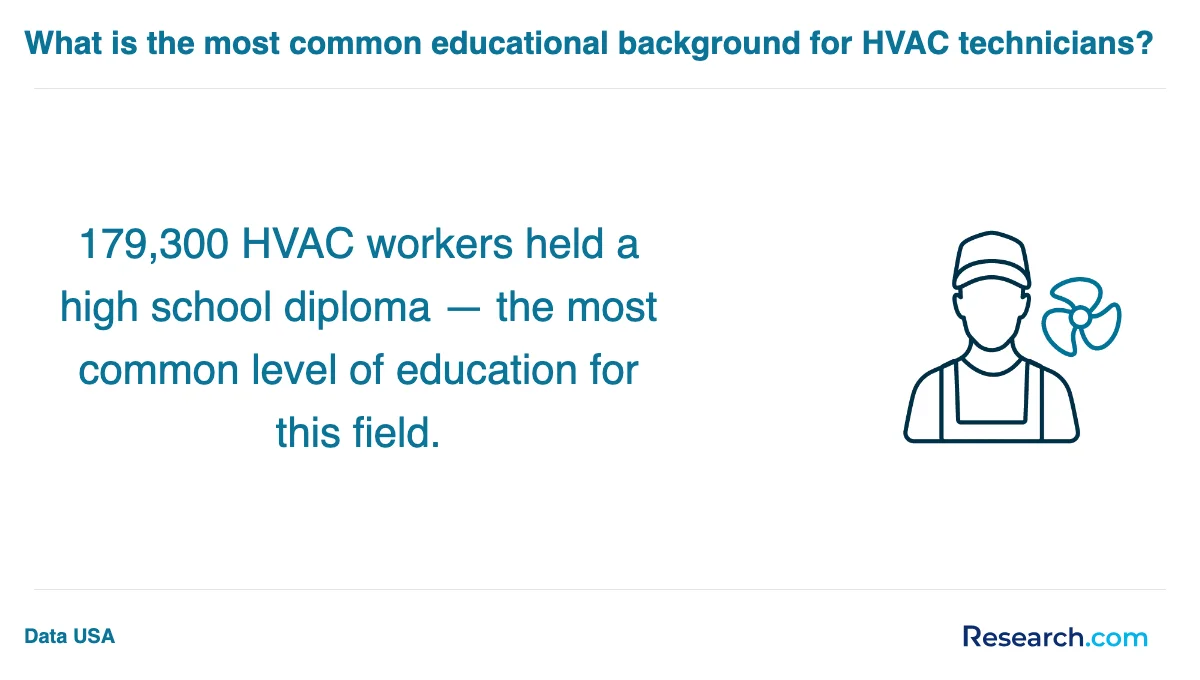
- Applicants must be at least 18 years old, have a high school diploma or equivalent, and may need to pass an Accuplacer test costing about $15.
- Programs include certificates, associate degrees, and apprenticeships, with training durations from under one year up to two years full-time.
- Tuition ranges from $2,500 to $8,000 for certificates or diplomas; associate degrees typically cost more, with financial aid available.
- Some programs provide tool kits and certification exam vouchers for EPA 608 and NATE Ready to Work certifications.
- Entry-level HVAC technicians earn between $18 and $25 per hour, with experienced workers making over $29 per hour and a median annual salary around $55,000 in Wisconsin.
- Certifications like NATE and EPA 608 improve job prospects, with opportunities for specialization and career advancement.
Completing an HVAC technician trade school program in Kenosha typically takes about 6 to 12 months. Most students at well-known Kenosha trade schools find that this timeframe balances hands-on training with essential classroom learning, allowing them to enter the workforce quickly without sacrificing skill quality.
Graduates often recall being able to work on real HVAC systems early in the program, which helped build confidence and practical know-how. For example, many students describe the satisfaction of troubleshooting their first heating or cooling unit under instructor supervision within the first few months. This early exposure makes the length of the program feel manageable and rewarding.
The 6-month accelerated tracks are ideal for those eager to start working soon, while the longer 9-to-12-month options provide more comprehensive coverage of advanced topics. Many Kenosha students appreciate that the programs are designed to fit different schedules, including evening or weekend classes, making it easier to balance school with part-time jobs or family responsibilities.
The main difference between online and on-campus HVAC technician trade school programs in Kenosha is how and where you learn. On-campus programs, like those at Gateway Technical College, blend classroom lessons with hands-on training. Graduates often recall working directly with real HVAC systems and tools, gaining confidence while supervised by experienced instructors. This practical, in-person experience is crucial for mastering the technical skills employers want. Many students appreciate the structure of a full-time schedule and the chance to earn while learning through apprenticeships with local businesses.
In contrast, online programs, such as those offered through the University of Wisconsin system, appeal to those needing flexibility. Students access coursework and video demonstrations remotely and learn at their own pace. Some graduates found value in virtual simulations and certification prep but noted the challenge of arranging hands-on practice independently. Online programs suit self-motivated learners balancing work or family, although they may miss the immediate feedback and camaraderie found in on-campus settings.
The average cost HVAC technician trade school Kenosha students face varies depending on the type of institution and program length. Community college HVAC technician programs typically charge in-state students about $7,875 per year, while out-of-state tuition can rise to around $10,847. Graduates from popular Kenosha trade schools often mention how balancing these tuition fees with hands-on experience helped them feel confident moving into the workforce.
Private trade schools in the region tend to have higher tuition fees, averaging about $14,511 annually. Many students find that these programs offer intensive training and faster completion times but require a more substantial upfront investment. While navigating HVAC technician program tuition fees Kenosha applicants should also factor in expenses such as tools, supplies, and uniforms, which can add $500 to $1,000 more to the total cost.
Students pursuing apprenticeship programs-a practical blend of on-the-job training and classroom instruction-often pay between $500 and $2,000 throughout the 3 to 5 years they take to complete. These apprenticeships, while competitive, offer a valuable, low-cost pathway with steady income during training, which past apprentices have found reassuring and motivating.
Considering cost alongside financing options is key. Many Kenosha students successfully use scholarships, grants, and loans to manage expenses. For those seeking flexibility and affordability, exploring the cheapest online hvac training programs may offer an extra way to cut costs without sacrificing quality education.
Students pursuing HVAC technician training in Kenosha often find federal financial aid to be a practical starting point. By completing the FAFSA, they unlock access to Pell Grants and federal loans with manageable repayment plans. One graduate from Gateway Technical College recalls how the Pell Grant eased the upfront costs, allowing focus on hands-on learning without overwhelming debt.
Scholarships tailored to HVAC fields also play a big role. Many local schools and Wisconsin-based programs offer awards based on merit or financial need. Another former student shared that a school-specific scholarship motivated them to maintain strong grades while gaining valuable skills.
Additionally, school-based aid packages at institutions like Gateway combine multiple funding sources-grants, scholarships, and work-study-making it easier to cover expenses. For those opting for apprenticeships, the blend of paid work and classroom instruction reduces financial stress, turning education into an income opportunity.
Checking program accreditation is essential, as only eligible programs qualify for federal aid. Graduates agree that knowing these funding options upfront helped them plan realistically and succeed in their HVAC careers.
Enrolling in an HVAC technician trade school program in Kenosha typically requires a few straightforward prerequisites that set you up for success. Most programs ask for a high school diploma or GED, ensuring you have a basic foundation in math and science-which is crucial when you're learning to work with heating and cooling systems.
Many graduates recall that having a solid grasp of algebra and basic physics made hands-on training smoother and more rewarding. Some trade schools in Kenosha also recommend or require a background in mechanical reasoning or prior experience with tools, which can come from a related job or hobby.
Common prerequisites include:
- High school diploma or GED
- Basic math skills, especially algebra
- Proof of residency or citizenship (varies by school)
- Physical ability to handle manual labor and work in confined spaces
- Passing a placement test or interview in some cases
Graduates often emphasize that meeting these requirements early helped them feel confident and prepared when starting at Kenosha's popular trade schools, turning initial nervousness into excitement for a career that's both practical and fulfilling.

HVAC technician trade school programs in Kenosha, such as those at Gateway Technical College, focus on practical and technical courses that prepare students for real-world HVAC challenges. Graduates often highlight how these courses directly translate to hands-on skills used on job sites, from residential repairs to commercial installations.
Typical courses include:
- Electrical fundamentals for HVAC: Understanding wiring and controls is essential, as students learn to safely install and troubleshoot electrical components.
- Thermodynamics and refrigeration cycle: These classes explain heat transfer and how refrigeration systems operate, helping students visualize the mechanics behind cooling units.
- Heating systems: Instruction covers gas, oil, electric, and hydronic heating, enabling students to handle various home and business heating setups.
- Air distribution and ductwork: Students study airflow and duct design, key for ensuring efficient climate control in buildings.
- Refrigerants and environmental standards: With EPA regulations evolving, students learn safe refrigerant handling and compliance, crucial for certification.
Many programs also prepare students for EPA Section 608 certification, a must-have credential for refrigerant handling. Beyond technical skills, trade schools in Kenosha emphasize soft skills like communication and problem-solving, which graduates find invaluable when working with clients or on team projects.
Students appreciate the blend of classroom theory and hands-on training-over 9,000 hours in some programs-allowing them to gain confidence and job-ready experience before graduation.
HVAC technician trade school programs in Kenosha offer several focused specializations tailored to meet market demand. Graduates from local programs often mention training in residential HVAC systems, which covers the installation and repair of home furnaces, air conditioners, and ventilation units. This specialization is ideal for those who enjoy hands-on work in familiar home settings.
Another common option in Kenosha HVAC trade school program options is commercial HVAC systems. This track equips students to handle larger, complex setups found in schools or office buildings, including energy management and system retrofitting. Graduates report feeling confident managing the scale and technology commercial jobs require.
Specializations in refrigeration technology are also popular, teaching skills for both household and commercial refrigeration units like supermarket coolers. Many students appreciate how this area combines hands-on repair with emerging sustainable tech like solar-powered HVAC systems.
- Residential HVAC
- Commercial HVAC
- Refrigeration technology
- Hydronic heating systems
Hydronic heating, involving water or steam distribution systems with boilers and pumps, is another path that graduates find rewarding. Programs like Gateway Technical College even provide apprenticeships combining classroom instruction with practical site work, helping students build expertise while earning wages.
Choosing one of these HVAC technician specializations in Kenosha positions students well amid a strong local job market with hundreds of HVAC job openings. For those weighing training options, seeing how trade schools stack up against traditional degrees helps-one can find useful insights on trade school vs 4 year college.
Choosing the best HVAC technician trade schools in Kenosha means focusing on programs with strong hands-on training and experienced instructors who bring real-world scenarios into the classroom. Graduates from popular Kenosha colleges often highlight how practical labs and apprenticeship opportunities helped them build confidence before stepping into their first jobs. Flexible schedules and locations close to home also matter, especially for those balancing work or family commitments.
Top HVAC technician programs in Kenosha emphasize comprehensive curricula covering electrical controls, refrigeration, and safety protocols, preparing students thoroughly for the field. Job placement assistance is another critical factor; many graduates appreciate programs that connect them directly with local employers, smoothing their transition into the workforce.
Cost and financial aid options influence decisions too, and comparing these while considering expected earnings boosts long-term value. For a broader view on training, explore the best trade school in usa resources to complement your local research.

Graduates of HVAC technician trade school programs in Kenosha find a spectrum of job options that reflect both demand and skill diversity. Many start as HVAC Technicians, handling installation and repair across residential and commercial settings, capitalizing on over 150 active local openings. Some pursue roles as Refrigeration Technicians or HVAC Installers, gaining specialized expertise embraced by more than 240 HVAC job listings in the region.
Popular trade schools in Kenosha prepare students with practical, hands-on experience, enabling graduates to confidently step into these positions. These schools emphasize real-world scenarios like troubleshooting HVAC failures in local hospitals or managing large-scale commercial HVAC installations, making graduates highly adaptive.
There's also a clear upward path: with additional experience, technicians often move into senior roles offering wages between $26 and $51 per hour. Others leverage their training to work in maintenance at manufacturing plants or advance within retail chains that provide benefits and growth potential.
For those considering entrepreneurship, Kenosha's proximity to metropolitan markets and the steady emergence of over 57 daily HVAC career postings create favorable conditions for independent contracting or small business startups.
Tradespeople looking to understand pay and prospects further can explore detailed data via hvac technician salary research. This pragmatic view of HVAC technician career opportunities in Kenosha illustrates a thriving field for trade school graduates ready to enter a stable, rewarding workforce.
The HVAC technician job outlook in Kenosha is promising for trade school graduates, with steady demand across residential, commercial, and industrial sectors. Graduates from popular local programs report finding roles quickly, often within weeks of completing their training. Employers like Master Services Inc. and Walmart (Pleasant Prairie) actively seek candidates skilled in installation, maintenance, and refrigeration, offering competitive wages that reflect the area's strong market.
Many graduates highlight these key opportunities:
- 150 to 190 HVAC technician positions open regularly in Kenosha
- Hourly wages for service technicians from $23 to $43, with senior roles paying up to $51
- Annual salaries ranging roughly between $44,000 and $75,000
Kenosha HVAC technician employment opportunities benefit from the region's population growth and ongoing need for system upgrades. Trade schools here focus on hands-on skills, preparing students well for employer demands. Those balancing their schedules may also explore cheap maintenance technician training online to supplement their education while working locally.
Best HVAC Technician Training Programs & Trade Schools - Top HVAC Tech Schools in Kenosha for 2026
# 1 position
Gateway Technical College - Heating, Air Conditioning, Ventilation and Refrigeration Maintenance Technology/Technician.
associateGateway Technical College offers a Hybrid program in Heating, Air Conditioning, Ventilation and Refrigeration Maintenance Technology/Technician. The program prepares students to repair, install, service, and maintain HVAC and refrigeration systems, including instruction in diagnostic techniques, testing equipment, and relevant mechanical, electrical, and electronic principles. Annual in-state tuition is $4,853. The program is accredited by the Higher Learning Commission.
# 2 position
Gateway Technical College - Heating, Air Conditioning, Ventilation and Refrigeration Maintenance Technology/Technician.
certificate or diplomaGateway Technical College offers a hybrid Heating, Air Conditioning, Ventilation and Refrigeration Maintenance Technology/Technician program. This program prepares students to repair, install, service, and maintain heating, air conditioning, and refrigeration systems. Instruction covers diagnostic techniques, testing equipment use, and principles of mechanics, electricity, and electronics related to system repair. Annual in-state tuition is $4,853. The program is accredited by the Higher Learning Commission.
Frequently Asked Questions about HVAC technician
After completing an HVAC technician trade school in Kenosha, preparing for the job market involves several important steps. First, obtaining relevant certifications such as the EPA 608 Certification is crucial, as it is federally required for handling refrigerants. Employers in Kenosha often look for candidates with hands-on experience, so pursuing internships or apprenticeships during or after school can significantly improve job prospects.
Networking is also valuable; joining local trade organizations like the Refrigeration Service Engineers Society (RSES) or attending Kenosha job fairs helps connect graduates with employers. According to the U.S. Bureau of Labor Statistics, HVAC jobs in Wisconsin are expected to grow by 5% through 2031, indicating steady demand.
Additionally, building a strong resume that highlights technical skills, certifications, and any real-world experience is essential for standing out in Kenosha's competitive HVAC job market.
Employers in Kenosha seeking HVAC technician trade school graduates prioritize a mix of technical and soft skills. According to the U.S. Bureau of Labor Statistics and local workforce reports, strong knowledge of heating, ventilation, and air conditioning systems is essential. Graduates must understand system installation, maintenance, and repair, including familiarity with modern energy-efficient technologies.
Problem-solving skills are highly valued, as technicians often diagnose complex issues in various environments. Communication skills are also important, enabling clear interaction with clients and team members. Safety awareness and adherence to EPA regulations, especially regarding refrigerant handling, are critical to meet legal standards.
Hands-on experience gained during training significantly improves job prospects in Kenosha's competitive HVAC market.
Finding internships relevant to HVAC technician trade school programs in Kenosha involves several strategic steps. Start by contacting local trade schools and community colleges, such as Gateway Technical College, which often have partnerships with area HVAC companies for internship placements. Many Kenosha businesses prefer candidates from accredited programs, so ensure your school is recognized by industry bodies like HVAC Excellence or the Partnership for Air-Conditioning, Heating, Refrigeration Accreditation (PAHRA).
Utilize resources provided by the Wisconsin Department of Workforce Development, which lists local apprenticeship and internship opportunities in HVAC and related fields. Networking through local trade unions and professional associations, such as the Sheet Metal Workers Local 18, can also lead to valuable internship prospects. According to recent state labor reports, internships in Kenosha's HVAC sector have grown by 10% over the past three years, reflecting increased demand for trained technicians.
Additionally, attend local career fairs and industry events, where employers actively seek interns. Online job portals focused on technical trades may also list paid internships in Kenosha. Taking these steps will enhance your chances of securing practical experience essential for a successful HVAC career.
Obtaining a HVAC technician trade school diploma in Kenosha significantly enhances career mobility and advancement opportunities. According to the U.S. Bureau of Labor Statistics, HVAC technicians in Wisconsin, including Kenosha, enjoy a median annual wage higher than the national average, reflecting strong local demand.
Trade school programs provide specialized training that meets industry standards, equipping graduates with the skills employers seek. This formal credential often serves as a prerequisite for licensing and certification, which are critical for career progression.
Additionally, Kenosha's growing construction and manufacturing sectors offer numerous entry-level and supervisory roles for certified HVAC technicians. Earning a diploma can open doors to higher-paying positions and increased job security within the regional labor market.
Students enrolled in HVAC technician trade schools in Kenosha can benefit from several part-time job opportunities that provide practical experience and income. Entry-level positions such as HVAC helper or assistant technician are common, allowing students to work alongside licensed professionals while learning essential on-the-job skills. Local Kenosha contractors and maintenance companies often seek part-time workers, especially during peak seasons.
Additionally, retail jobs at home improvement stores like Menards or Lowe's offer exposure to HVAC equipment and customer service experience. According to the Bureau of Labor Statistics, Kenosha's HVAC job market is projected to grow by 8% over the next decade, increasing demand for trained technicians.
To find the best HVAC Technician degree program near Kenosha, WI, start by researching local technical colleges and community colleges, as they often offer specialized training and certification programs in HVAC technology. Use resources like Research.com to compare program offerings, faculty qualifications, and success rates of graduates to identify quality options. Additionally, explore programs near me that offer convenient scheduling, hands-on training facilities, and job placement assistance to ensure a comprehensive educational experience.
- HVAC Technician Salary: Guide to Wages, Jobs, & More | Faraday https://faradaycareers.com/careers/hvac-technician-salary
- Heating, Air Conditioning, and Refrigeration Mechanics and Installers : Occupational Outlook Handbook: : U.S. Bureau of Labor Statistics https://www.bls.gov/ooh/installation-maintenance-and-repair/heating-air-conditioning-and-refrigeration-mechanics-and-installers.htm
- What is the average salary for HVAC technician - Workiz https://www.workiz.com/blog/hvac/average-salary-for-hvac-technician/
- What is an HVAC Technician: Career Guide & FAQs | Penn Foster https://www.pennfoster.edu/blog/what-is-an-hvac-technician
- HVAC Technician Salaries: 2025 U.S. State-by-State Guide - Housecall Pro https://www.housecallpro.com/resources/hvac-technician-salary/
- HVAC Apprenticeships and Internships | Generation NEXT Energy Pros https://nextenergypros.com/apprenticeships-and-internships/
- How to Find an HVAC Apprenticeship | Austin Career Institute https://austincareerinstitute.edu/blog/hvac/tips-for-finding-an-hvac-apprenticeship/
- HVAC Job Placement: Employment Strategies After Training https://www.genesiscareer.edu/hvac-job-placement-employment-strategies/
- A Guide to Skilled Trades Apprenticeships and Internships | BestColleges https://www.bestcolleges.com/trades/guide-to-skilled-trades-apprenticeships-internships/
- Hands-on Skills at the Best Schools for HVAC Training https://tidewatertechtrades.edu/blog/combination-welding-essential-skills-for-a-successful-career/