Best HVAC Technician Training Programs & Trade Schools - Top HVAC Tech Schools for 2026

Co-Founder and Chief Data Scientist
Choosing the right HVAC technician trade school can shape your future career and open doors to rewarding opportunities. This article introduces a carefully crafted HVAC technician trade school programs ranking developed by the Research.com team of data scientists to guide you in making an informed decision.
By exploring this ranking, you’ll discover programs that offer quality training and certification options designed to boost your skills and employability. Whether you want to start fresh or advance your expertise, earning a diploma or certification in HVAC is a valuable step toward a stable and fulfilling career.
Key benefits of finishing HVAC technician trade school in the USA
- Graduates of HVAC technician trade schools in the USA can expect competitive salaries, starting around $26 per hour and rising to over $37 per hour with experience, offering a strong financial foundation early in their careers.
- Career paths for graduates often include roles as entry-level technicians, supervisors, or specialists, with many finding rewarding jobs in residential, commercial, or industrial HVAC services, just like successful alumni from popular trade schools.
- Completing an HVAC technician program online provides flexibility and convenience, allowing students to balance work and study while gaining practical skills, as demonstrated by many online trade school graduates who launch their careers confidently without traditional degree timelines.
- Best HVAC Technician Training Programs & Trade Schools - Top HVAC Tech Schools for 2026
- What can I expect from HVAC technician trade schools in the USA?
- Where can I work after finishing HVAC technician trade schools in the USA?
What can I expect from HVAC technician trade schools in the USA?
Enrolling in an HVAC technician trade school program in the USA means diving into a blend of hands-on training and classroom learning that truly prepares you for the field. Graduates from popular trade schools often recall their excitement handling real HVAC equipment early on, repairing systems that mimic those found in homes and businesses across the country. Expect to master everything from refrigeration cycles to advanced electrical systems, all while developing skills in ductwork fabrication and system design.
Many students find themselves energized by the challenge of balancing theory with practical application, often completing between 1,000 and 1,350 clock hours. Whether attending full-time during weekdays or opting for part-time evening classes, the experience is immersive. Some even take accelerated online courses but still appreciate the critical hands-on labs that build confidence.
Graduates frequently highlight the value of learning customer service and workplace professionalism, essentials for thriving in real-world HVAC roles. Plus, earning certifications like the EPA 608 opens doors to rewarding careers as technicians or installers nationwide, fueling their sense of accomplishment and readiness.
Where can I work after finishing HVAC technician trade schools in the USA?
Graduates from HVAC technician trade schools across the USA often step into exciting roles like HVAC technician, installer, mechanic, or field service technician. Imagine starting your day in a bustling hospital, ensuring critical climate systems run smoothly, or heading to a commercial office building to fine-tune air conditioning units-these are everyday realities for many alumni of top programs. Many find rewarding positions with specialized HVAC companies, construction firms, or large institutions such as universities and corporations.
Some graduates begin as apprentice technicians, learning on the job while gaining hands-on experience alongside seasoned professionals. Others pivot into customer service or sales support roles within HVAC companies, using their technical knowledge to assist clients directly. Popular trade schools report students feeling energized by the variety of settings they can work in-residential homes, factories, or even schools-making each day uniquely engaging.
With over 41,000 HVAC jobs advertised nationally as of April 2025, the demand is strong. Entry-level salaries range from $46,000 to $66,500, with experienced technicians earning up to $100,000, fueling a career path full of opportunities and growth.
After finishing an HVAC technician trade school program in the USA, many graduates are excited to see their hard work pay off with solid earnings. Entry-level technicians often start around $26.01 per hour, which is about $54,100 per year-a promising start that reflects the value of skills learned at popular schools like Lincoln Tech or Penn Foster.
As you gain hands-on experience, the paycheck grows. Intermediate technicians report earning roughly $31.59 per hour, and senior technicians can reach up to $37.12 per hour, translating to about $77,200 annually. Graduates often share stories of how quickly their income rose once they mastered refrigeration or commercial systems, turning their passion into a rewarding career.
Location also spices things up. HVAC techs in California or New York enjoy salaries near $59,000, while those starting in Florida might see closer to $39,948 per year. Most grads find that gaining certifications and specializing can open doors to even higher pay, making the journey from student to skilled technician both exciting and financially satisfying.
- HVAC trade school programs focus on hands-on training for installation, repair, maintenance, and troubleshooting of HVAC systems.
- Admission usually requires being 18 or older, a high school diploma or GED, and a clean criminal record; additional state-specific requirements may apply.
- Programs typically last six months to one year, with costs ranging from $1,200 to $15,000, and some programs costing up to $20,825.
- Graduates often earn the EPA Section 608 Certificate and other specialty certifications needed for refrigerant handling and legal work.
- Starting salaries for new HVAC technicians range from $40,000 to $48,000 annually, with experienced workers earning over $60,000 depending on location and certifications.
Completing an HVAC technician trade school program in the USA typically takes between six months and two years, depending on the depth and intensity of the curriculum. Many students find themselves energized by the hands-on learning style, diving into real-world scenarios like diagnosing heating issues or installing air conditioning units under expert supervision. Graduates from well-known trade schools often share how immersive experiences helped them grasp complex systems faster than they expected.
For example, students at popular schools in states like Texas or California might finish a comprehensive program in about a year, balancing classroom theory with practical labs. Others who choose accelerated courses can complete their training in just six months, eager to jump straight into the workforce.
The adventure of mastering HVAC technology often sparks excitement as students envision themselves confidently fixing HVAC systems in homes or businesses right after graduation. This blend of speed and skill-building makes HVAC trade programs an appealing choice for those ready to start a rewarding career quickly.
Online HVAC technician programs in the USA offer a world of flexibility that excites many students juggling jobs or family life. Imagine accessing Brookdale Community College's fully online HVAC Technician course from your living room, setting your own pace without the stress of commuting. Graduates from these programs often praise the affordability and convenience, though they note the challenge of finding hands-on practice, which is crucial for mastering installations and repairs.
On the flip side, on-campus programs immerse students in a hands-on environment, working directly with real HVAC equipment under expert guidance. Picture yourself troubleshooting a complex system in a busy lab, getting immediate feedback that sharpens your skills. Students from traditional trade schools appreciate this direct, tactile learning and the camaraderie formed with peers, even if the costs can be higher-sometimes from $18,000 to over $31,000 for associate degrees.
Some adventurous learners opt for hybrid programs, blending flexible online lessons with in-person labs, striking a balance between convenience and essential practical training.
Understanding the average cost HVAC technician trade school program in the USA is crucial for anyone eager to dive into this hands-on career. Certificate programs, often the quickest path, usually range from $1,200 up to $15,000. Many graduates from popular schools like Delta Technical College share how investing in such programs provided them with focused skills without breaking the bank. These programs fit well if you want to get your feet wet and start working sooner rather than later.
Venturing a bit further, associate degree programs often stretch over two years and bring HVAC technician trade school tuition fees between $15,000 and $35,000. Central New Mexico Community College is one example where in-state students pay roughly $3,700, making this option more accessible to locals. Graduates of associate degrees often enjoy a wider scope of training, blending HVAC concepts with general education, creating a solid foundation for a thriving career.
If you're the kind who likes learning on the job, apprenticeship programs offer an attractive, low-cost route priced between $500 and $2,000. Beyond tuition, remember there are extra expenses: tools, books, and certification exams that can add up, but many say these costs are a worthwhile investment in their future. Curious about what do you need to become a hvac technician? Exploring all angles early will help you tailor the perfect training journey.

Imagine starting your HVAC journey at a popular trade school in the USA, like Lincoln Tech or Universal Technical Institute, and discovering that the financial burden can actually be lifted through federal financial aid. Many graduates recall how completing the FAFSA unlocked access to Federal Pell Grants, which don't need to be repaid and can cover a large chunk of their $7,000 to $12,000 tuition. This grant felt like a breath of fresh air, especially when combined with Direct Subsidized Loans that paused interest while they stayed focused on classes.
Beyond federal options, state-specific grants and scholarships often come as unexpected bonuses, helping cover extra costs. Some graduates share how national scholarships, such as those from the EGIA Foundation, offered $2,500 awards that made a real difference. Others have benefited from employer tuition reimbursement programs or special trade school scholarships, turning their dreams into reality without drowning in debt.
Checking in early with the financial aid office became a game-changer for many, revealing a treasure trove of aid that made HVAC training truly accessible and exciting.
To enroll in an HVAC technician trade school program in the USA, most students find that meeting a few key prerequisites opens the door to an exciting hands-on journey. Typically, schools expect you to have a high school diploma or a GED, which sets the foundation for understanding technical materials and safety protocols.
Graduates from popular trade schools often share that having a basic grasp of math and science made their early classes feel more approachable, turning complex concepts into real-world problem-solving adventures. You might also encounter requirements like:
- Being at least 18 years old, which ensures you're ready for the responsibility of handling equipment and tools
- Passing a basic aptitude test or placement exam to tailor the training to your skill level
- Submitting a clean background check, especially if the program includes internships or work placements
Imagine stepping into a bustling workshop at a well-known trade school, where hands-on labs bring theories about refrigeration cycles and airflow to life. Many students find that these prerequisites are less about barriers and more about preparation-helping you jump confidently into the hands-on, rewarding world of HVAC technology.

Diving into HVAC technician trade school programs in the USA means embracing a hands-on adventure through essential courses that build real-world skills. Graduates often recall starting with fundamentals of electricity, mastering circuits and safety protocols-imagine confidently wiring a furnace without hesitation!
Next up is basic refrigeration principles, where students unravel how cooling cycles work and safely handle refrigerants. One graduate described this as the moment everything clicked: understanding the invisible science that keeps homes comfy.
Core courses include:
- Heating systems - learning to install and repair furnaces, boilers, and heat pumps
- Air conditioning systems - troubleshooting central AC units in diverse buildings
- Ventilation and duct design - ensuring fresh air flows smoothly indoors
- Combustion analysis and energy efficiency - mastering eco-friendly HVAC solutions
Many programs in popular US trade schools also prepare students for the EPA Section 608 Certification, a crucial credential for handling refrigerants legally. Beyond tech skills, graduates appreciate courses in customer service and professional ethics, key to thriving in the field.
Another vibrant path lies in green HVAC technology, where students explore energy-efficient systems and eco-friendly refrigerants, sparking passion for sustainability. Industrial HVAC specialization readies students for high-capacity equipment in massive plants, emphasizing safety and reliability. Popular trade schools in the USA bring these specializations to life with hands-on experiences that build confidence and excitement.
Students often recommend exploring these areas and combining their interests with low cost maintenance technician online courses to expand opportunities and jumpstart rewarding careers.
Choosing the best HVAC technician trade school program in the USA starts with finding accredited HVAC technician programs USA that truly prepare you for the field. Graduates from top community colleges often share how accreditation by bodies like PAHRA or HVAC Excellence gave them confidence their training met industry standards and opened doors to solid job offers across states.
Curriculum quality can't be overlooked. Imagine being in a class where you not only learn theory but also get hands-on experience fixing real HVAC units, just like many students at well-known trade schools experience. This blend builds skills for certifications like EPA 608 and NATE, essential badges for your career.
Flexibility and program length also matter. Some graduates praise programs offering night or weekend classes, allowing them to balance work and study. Whether you're after a quick certificate or a two-year associate degree, programs that fit your lifestyle make the journey smoother.
Cost is always a factor. Many students find public colleges more affordable and appreciate financial aid options that help with tuition and tools. And don't forget to explore campus resources-modern labs and strong employer ties can make all the difference.
For a broader perspective on top options, check out best trade school degrees that highlight schools excelling in these areas.
Graduates from HVAC technician trade school programs in the USA often embark on exciting HVAC technician career opportunities in the USA that start right at entry-level positions like apprenticeships or junior technicians. These roles offer hands-on experience in installation, maintenance, and repair, often in dynamic settings such as residential homes or bustling commercial sites. Many trade school grads, inspired by their practical learning, quickly find themselves advancing to mid-level roles, taking on responsibilities like systems design, project oversight, or specialty areas like refrigeration.
For those seeking even greater challenges, the path can lead to senior-level positions such as building automation engineer or HVAC instructor, requiring a blend of field expertise and leadership savvy. Career adventurers might also specialize in emerging green energy fields, boosting their prospects dramatically.
Common career paths include:
- Entry-level HVAC technician or apprentice roles gaining foundational skills
- Mid-level positions such as service manager or systems designer
- Senior-level opportunities like project manager or code inspector
- Specializations in commercial HVAC, refrigeration, or renewable energy sectors
Many HVAC trade school graduate jobs United States alumni from top-tier institutions thrill at how their studies prepare them not only for technical roles but also certifications that accelerate career growth. Exploring the best vocational trade online programs can further open doors to versatile HVAC technician career opportunities in the USA, perfectly aligning with personal passions and the vibrant job market.
The HVAC technician job outlook in the USA sparks excitement among trade school graduates ready to dive into their careers. Many graduates from popular trade schools share stories of brisk hiring processes fueled by a workforce shortage, which means plenty of opportunity to start earning quickly. Picture stepping into a bustling service call on your first week, confident your hands-on training prepared you well. The HVAC employment growth rate United States is projected at 5% over the next decade, opening approximately 42,500 new jobs annually.
Key reasons behind this surge include:
- Rising demand for technicians skilled in energy-efficient and smart HVAC systems
- New federal regulations encouraging system upgrades
- A projected workforce shortage reaching 225,000 technicians within five years
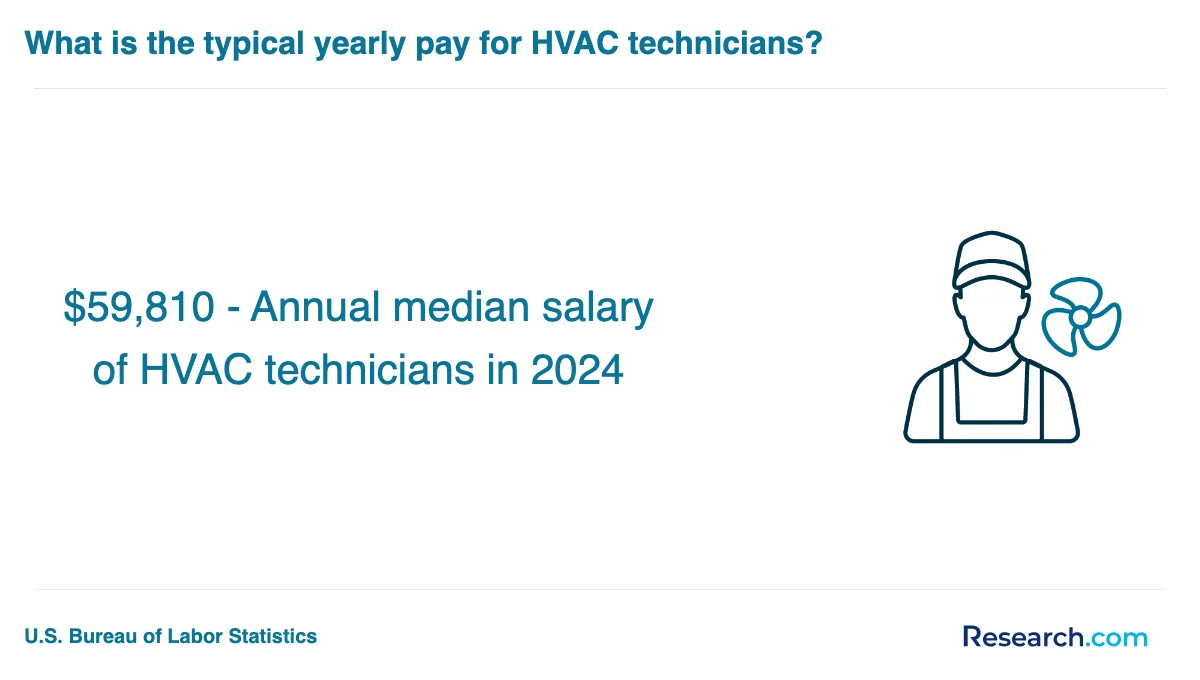
Recent graduates often mention how trade schools, including those offering low cost hvac trade school programs online, gave them a solid foundation to thrive amid these changes. With competitive salaries averaging $57,300 and growth supported by enthusiastic employers, many students feel ready to embark on rewarding careers that truly matter.
Best HVAC Technician Training Programs & Trade Schools - Top HVAC Tech Schools for 2026
# 1 position
Hennepin Technical College - Heating, Air Conditioning, Ventilation and Refrigeration Maintenance Technology/Technician.
associateHennepin Technical College offers a hybrid program in Heating, Air Conditioning, Ventilation and Refrigeration Maintenance Technology/Technician. The curriculum covers repair, installation, service, and maintenance of HVAC and refrigeration systems, including diagnostic techniques and the use of testing equipment. Instruction focuses on mechanics, electricity, and electronics principles related to these systems. Annual in-state tuition is $5,881. Median earnings one year after completion are $65,592. The program is accredited by the Higher Learning Commission.
# 2 position
Hennepin Technical College - Heating, Air Conditioning, Ventilation and Refrigeration Maintenance Technology/Technician.
certificate or diplomaHennepin Technical College offers a hybrid program in Heating, Air Conditioning, Ventilation, and Refrigeration Maintenance Technology/Technician. The curriculum prepares students to repair, install, and maintain heating, air conditioning, and refrigeration systems using technical knowledge, diagnostic techniques, and testing equipment. Instruction covers mechanics, electricity, and electronics principles relevant to system repair. The annual in-state tuition is $5,881. Graduates have median earnings of $65,592 one year after completion. The program is accredited by the Higher Learning Commission.
# 3 position
State Technical College of Missouri - Heating, Air Conditioning, Ventilation and Refrigeration Maintenance Technology/Technician.
associateThe Heating, Air Conditioning, Ventilation and Refrigeration Maintenance Technology/Technician program at State Technical College of Missouri offers hybrid learning with some distance-education options. It prepares students to repair, install, service, and maintain HVAC and refrigeration systems, emphasizing diagnostic techniques and the use of testing equipment. The program is accredited by the Higher Learning Commission. Annual in-state tuition is $7,830, and median earnings one year after completion are $43,723.
# 4 position
Ivy Tech Community College - Heating, Air Conditioning, Ventilation and Refrigeration Maintenance Technology/Technician.
associateIvy Tech Community College offers a hybrid program in Heating, Air Conditioning, Ventilation, and Refrigeration Maintenance Technology/Technician. This program trains students to repair, install, service, and maintain HVAC and refrigeration systems, emphasizing diagnostic techniques, testing equipment, and mechanical, electrical, and electronic principles. The annual in-state tuition is $4,912. Graduates have median earnings of $57,323 one year after completion. The program is accredited by the Higher Learning Commission.
# 5 position
Ivy Tech Community College - Heating, Air Conditioning, Ventilation and Refrigeration Maintenance Technology/Technician.
certificate or diplomaThe Heating, Air Conditioning, Ventilation and Refrigeration Maintenance Technology/Technician program at Ivy Tech Community College prepares students to repair, install, service, and maintain HVAC and refrigeration systems. The hybrid program includes instruction in diagnostic techniques, testing equipment, and principles of mechanics, electricity, and electronics. Annual in-state tuition is $4,912. Graduates earn a median salary of $57,323 one year after completion. The program is accredited by the Higher Learning Commission.
# 6 position
Dakota County Technical College - Heating, Air Conditioning, Ventilation and Refrigeration Maintenance Technology/Technician.
associateDakota County Technical College offers a hybrid Heating, Air Conditioning, Ventilation and Refrigeration Maintenance Technology/Technician program. It trains students in repairing, installing, and maintaining HVAC and refrigeration systems, including diagnostic techniques and the use of testing equipment. The program covers mechanics, electricity, and electronics principles. Annual in-state tuition is $6,419. Graduates have median earnings of $52,079 one year after completion. The program is accredited by the Higher Learning Commission.
# 7 position
Dakota County Technical College - Heating, Air Conditioning, Ventilation and Refrigeration Maintenance Technology/Technician.
certificate or diplomaDakota County Technical College offers a hybrid program in Heating, Air Conditioning, Ventilation and Refrigeration Maintenance Technology/Technician. The program trains students to repair, install, service, and maintain HVAC and refrigeration systems using diagnostic techniques and testing equipment. Tuition for in-state students is $6,419 annually. Graduates earn a median salary of $52,079 one year after completion. The program is accredited by the Higher Learning Commission.
# 8 position
Owensboro Community and Technical College - Heating, Air Conditioning, Ventilation and Refrigeration Maintenance Technology/Technician.
associateThe Heating, Air Conditioning, Ventilation and Refrigeration Maintenance Technology/Technician program at Owensboro Community and Technical College prepares students to repair, install, service, and maintain HVAC and refrigeration systems. This hybrid program includes instruction in diagnostic techniques, testing equipment, and the mechanics, electricity, and electronics principles essential to the trade. Annual in-state tuition is $4,656. Graduates earn a median salary of $44,899 one year after completion. The program is accredited by the Southern Association of Colleges and Schools Commission on Colleges.
# 9 position
Owensboro Community and Technical College - Heating, Air Conditioning, Ventilation and Refrigeration Maintenance Technology/Technician.
certificate or diplomaOwensboro Community and Technical College offers a hybrid program in Heating, Air Conditioning, Ventilation and Refrigeration Maintenance Technology/Technician. This program trains students to repair, install, service, and maintain HVAC and refrigeration systems using diagnostic techniques, testing equipment, and principles of mechanics, electricity, and electronics. The annual in-state tuition is $4,656. Graduates earn a median salary of $44,899 one year after completing the program. The program is accredited by the Southern Association of Colleges and Schools Commission on Colleges.
# 10 position
St Cloud Technical and Community College - Heating, Air Conditioning, Ventilation and Refrigeration Maintenance Technology/Technician.
associateThe Heating, Air Conditioning, Ventilation and Refrigeration Maintenance Technology/Technician program at St Cloud Technical and Community College offers a hybrid format with some distance education. It trains students to repair, install, service, and maintain HVAC and refrigeration systems using diagnostic techniques and testing equipment. The program covers mechanics, electricity, and electronics principles related to these systems. Annual in-state tuition is $4,957. The program is accredited by the Higher Learning Commission. Median earnings one year after completion are $57,178.
Frequently Asked Questions about HVAC technician
After completing an HVAC technician trade school in the USA, preparing for the job market involves several key steps. First, obtaining EPA Section 608 certification is essential, as it is federally required to handle refrigerants. According to the U.S. Bureau of Labor Statistics, HVAC employment is projected to grow 5% from 2022 to 2032, reflecting steady demand.
Building a strong resume that highlights hands-on training and any internships helps candidates stand out. Joining professional organizations like the Refrigeration Service Engineers Society (RSES) can provide networking opportunities. Additionally, continuing education and earning specialized certifications increase job prospects and earning potential.
Employers in the USA prioritize several key skills when hiring HVAC technician trade school graduates. Technical proficiency is essential, including knowledge of heating, ventilation, air conditioning, and refrigeration systems. According to the U.S. Bureau of Labor Statistics, practical skills in system installation, maintenance, and repair are highly valued.
Problem-solving abilities and attention to detail are critical for diagnosing system issues accurately. Additionally, soft skills like communication and customer service are important, as technicians often explain solutions to clients. Familiarity with safety protocols and EPA regulations, especially regarding refrigerants, is also a top requirement. These competencies ensure graduates are job-ready and competitive in the HVAC field.
Finding internships relevant to HVAC technician trade school programs in the USA involves several strategic steps. First, students should leverage their school's career services, as many trade schools partner with local HVAC companies to provide internship opportunities. According to the U.S. Bureau of Labor Statistics, hands-on experience is critical for HVAC technicians, making internships highly valuable for skill development.
Networking is also essential; joining professional organizations such as HVAC Excellence or the Refrigeration Service Engineers Society can connect students with industry contacts. Additionally, websites like Indeed and the U.S. Department of Labor's apprenticeship portal list HVAC internships available nationwide.
Many states require HVAC technicians to be licensed, and internships often help fulfill practical experience requirements for licensing.
Obtaining a diploma from a HVAC technician trade school in the USA significantly enhances career mobility and advancement opportunities. According to the U.S. Bureau of Labor Statistics, HVAC technicians with formal training are more likely to secure employment in higher-paying positions compared to those without credentials. A diploma demonstrates practical skills and knowledge, which employers value highly in this trade.
Trade school graduates often qualify for certifications like EPA Section 608, required for handling refrigerants, boosting employability across states. Additionally, many schools offer job placement assistance, increasing chances for advancement.
Data from the National Center for Education Statistics indicates that vocational diplomas contribute to upward social mobility by providing specialized skills quickly, often leading to stable, well-paying careers in a growing industry.
Part-time jobs that complement HVAC technician trade school education in the USA often involve roles related to maintenance, repair, and customer service. Common positions include HVAC installer assistant, appliance repair technician, and general maintenance worker. These jobs allow students to apply practical skills while earning income. According to the U.S. Bureau of Labor Statistics, HVAC technician jobs are projected to grow 5% from 2022 to 2032, highlighting demand for hands-on experience.
Working as an HVAC installer assistant helps students learn system installation and troubleshooting. Appliance repair roles build technical skills relevant to HVAC systems. Maintenance jobs in commercial or residential settings offer exposure to various equipment types and customer interactions. These experiences can enhance resumes and improve job prospects post-graduation.
- HVAC Career Map https://hvaccareermap.org/
- Check Out These Nine Types of HVAC Jobs | HVAC Career Services https://eticampus.edu/career-services/not-sure-where-an-hvac-certificate-can-take-you-check-out-these-nine-types-of-hvac-jobs/
- Looking for a Great Job with Only Some College Required? Become an HVAC Technician. https://intellitec.edu/looking-for-a-great-job-with-only-some-college-required-become-an-hvac-technician/
- HVAC Trade Schools: HVAC Training Programs | Fortis https://www.fortis.edu/programs/skilled-trades/heating--ventilation--air-conditioning-and-refrigeration-trades.html
- HVAC Technician Training Program | LCTI https://www.lcti.org/adult-education-course/hvac/
- HVAC Training: Entry Level Tech - ACCA https://www.acca.org/certification/qtech/entryleveltech
- Find HVAC Trade Schools - Diploma & Associate Degree Programs https://www.trade-schools.net/trades/hvac
- Entry Level HVAC Technician - Training Certificate | Midlands Technical College https://www.midlandstech.edu/programs-and-courses/advanced-manufacturing-and-skilled-trades/hvac-training-certificate
- Online Certified HVAC/R Technician Training | University of North Dakota https://und.edu/academics/development/courses/hvac-technician.html
- HVACR Certification - Online Program | Penn Foster https://www.pennfoster.edu/programs/trades/hvac-technician-career-diploma