
# 1 position
Best Electrical Technician Training Programs & Trade Schools in Lihue for 2027
Audited and Verified:
Our Editorial and Data Verification Process
Research.com uses government datasets, official education statistics and primary institutional information to support its career and degree guides. Our review process checks factual accuracy, occupational definitions, source dates and the requirements associated with the credentials discussed.
How This Article Was Fact-Checked
Our editorial team verifies salary estimates, employment projections, education requirements and program information against original data providers and official organizations. Salary figures are checked against the relevant occupational definitions and reporting periods. Information about licensure, accreditation and required in-person training is reviewed separately.
Fact-checked and verified on:

Co-Founder and Chief Data Scientist

Reviewed by Karolina Broda
Fact-Checker and Data Verification
Choosing electrician training in Lihue means looking beyond the classroom: you need a route to supervised work, practical skills, and eligibility for Hawaii's licensing process. The U.S. Bureau of Labor Statistics projects 9.2% national growth in electrician employment from 2025 to 2035, making the choice timely. This guide explains local training options, costs, credentials, and career prospects. It also features a Best Electrician Trade Schools in Lihue for 2027 ranking, created by the Research.com team of data scientists to help you identify programs worth considering.
Key findings about electrician degrees in Lihue
- For a Lihue applicant, the decisive comparison is whether training includes electrical labs and a workable route to supervised job experience; a classroom credential alone is not a Hawaii electrician license.
- The national median annual wage for electricians was $63,190 in May 2025, according to the U.S. Bureau of Labor Statistics. It is not a Lihue starting-wage estimate, so compare local apprentice offers before borrowing for school.
- Electrician employment is projected to grow 9.2% nationally from 2025 to 2035, according to the U.S. Bureau of Labor Statistics. On Kauai, confirm actual openings and apprenticeship access rather than assuming national growth translates into immediate local placement.
Table of Contents
- Best Electrical Technician Training Programs & Trade Schools in Lihue for 2027
- What can I expect from an electrician trade school program in Lihue?
- Where can I work with an electrician trade school training in Lihue?
What can I expect from an electrician trade school program in Lihue?
Expect instruction in electrical theory, safety, code use, wiring methods, and troubleshooting, paired with labs where you handle tools and test circuits. A pre-apprenticeship or certificate can help you compete for entry-level work; a registered apprenticeship combines instruction with paid, supervised work. Neither a short course nor its completion certificate should be treated as permission to work independently under Hawaii law.
These pathways differ most in when you gain work experience and who pays for training. Confirm current Kauai Community College offerings directly, then compare them with registered apprenticeships and employer training accessible from Lihue.
| Pathway | What it typically provides | Best fit and limitation |
| College certificate or pre-apprenticeship | Structured fundamentals and in-person practice; the award depends on the program | Useful for building entry skills, but ask whether employers or apprenticeship sponsors recognize the coursework |
| Registered apprenticeship | Paid, supervised work plus related instruction, leading to apprenticeship completion | Strong fit when you can secure a place; admission and available local worksites may constrain access |
| Employer-sponsored entry | Jobsite training that varies by employer | Can reduce upfront school cost; verify supervision, documented experience, and any classroom instruction needed for advancement |
Search results for get a bachelor's degree fast address a different goal: an accelerated academic credential cannot replace supervised electrical work. Judge an electrician program by the experience it helps you obtain, not by its advertised speed.
Where can I work with an electrician trade school training in Lihue?
Potential worksites on Kauai include residential and commercial construction, building maintenance, hospitality facilities, utilities, and electrical contractors serving repairs or renovations. The tasks and supervision available in each setting differ. If your goal is a Hawaii journey worker license, ask a prospective employer whether the position provides qualifying electrical work, appropriate supervision, and records of your hours - not merely general maintenance duties.
Lihue's island location makes the location of field training consequential. An option that requires regular travel away from Kauai may cost more and disrupt paid work, even if its advertised tuition is lower. Confirm where labs, jobsites, and related instruction actually take place before enrolling.
The U.S. Bureau of Labor Statistics reports a $63,190 national median annual wage for electricians in May 2025. That figure covers experienced workers as well as newer entrants and is not a forecast of pay for a Lihue graduate. Apprentice wages can be lower and may rise as training progresses; offers also differ by employer, hours, and type of work.
Before calculating a return on training, request current Kauai wage information from prospective apprenticeship sponsors and employers. Compare likely paid hours and progression with school costs, debt, and earnings you would give up while studying. Without a comparable, current Lihue-specific wage figure, a precise local pay claim would be misleading.
A short introductory course, a longer college certificate, and a multi-year apprenticeship serve different purposes. Course completion may establish basic skills; becoming eligible for independent licensed work requires meeting Hawaii's applicable experience, education, and examination rules. The Hawaii Board of Electricians and Plumbers, not a school's advertised completion date, determines licensing requirements.
Ask each provider for its current calendar, classroom and lab contact hours, and the expected schedule for supervised work. If it claims that coursework counts toward apprenticeship instruction or licensing eligibility, obtain the specific policy and confirm it with the apprenticeship sponsor or licensing board before relying on a shorter timeline. Part-time attendance can preserve income but extend the time until you finish classroom requirements.
Online study can be convenient for electrical theory, math, and some code coursework. It cannot, by itself, demonstrate safe tool use, circuit testing, installation, or supervised jobsite performance. On-campus or hybrid training is more useful when it provides accessible labs and a clear connection to work-based learning on Kauai.
Some online schools with open enrollment make it easy to begin coursework, but easy entry is not evidence of Hawaii licensing eligibility. Before paying for a remote course, ask where its practical work occurs, who supervises it, whether hours are documented, and which apprenticeship sponsor or licensing authority recognizes them. A hybrid program requiring frequent off-island lab visits may be less practical than its online label suggests.
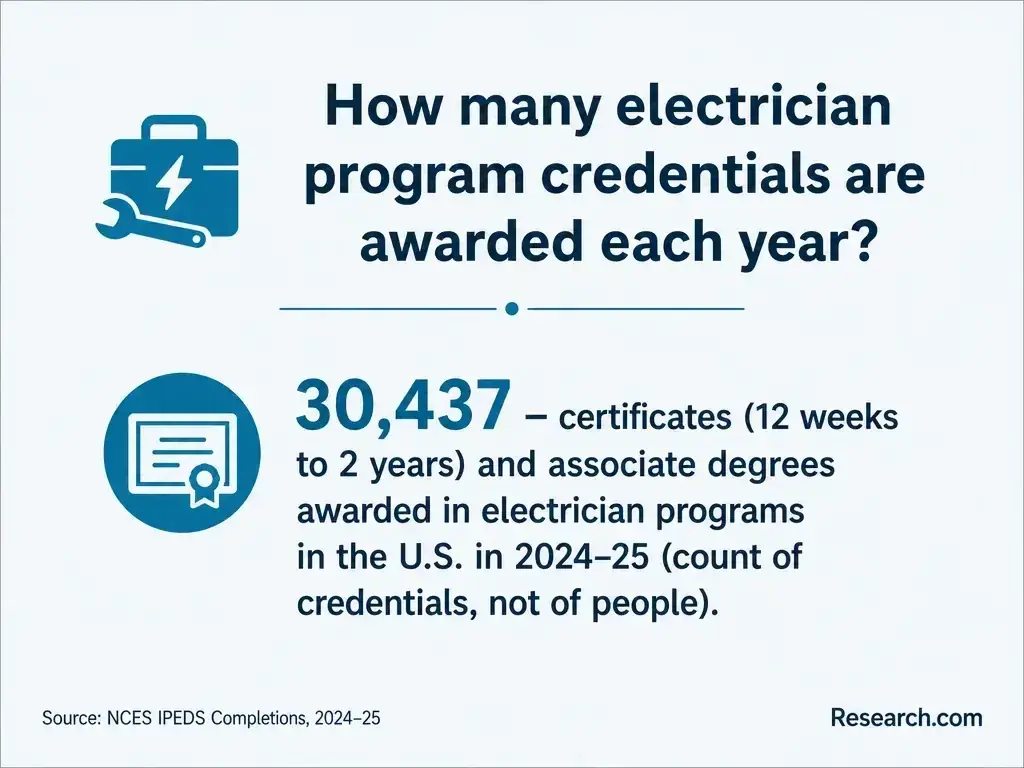
There is no single reliable Lihue-wide price that describes college courses, private training, and paid apprenticeships alike. Request an itemized, current quote rather than treating advertised tuition as the cost of becoming job-ready. Check whether it includes mandatory fees, textbooks and code materials, tools, testing equipment, protective gear, consumables, travel to labs or worksites, and any examination or license-application charges.
A paid apprenticeship can offset training costs with wages, while a full-time course may involve forgone earnings. Federal or state aid eligibility depends on the specific program and student; ask the provider what aid applies rather than assuming every trade course qualifies. Comparisons of the best majors for money answer a different investment question. Here, weigh total out-of-pocket cost, debt, completion prospects, paid work, and the time needed to reach your intended electrician role.
The credential depends on the route: a school may award a course-completion certificate or occupational certificate, while a registered apprenticeship documents completion of its combined instruction and work-based training. Ask for the exact award name and whether any prior coursework can receive advanced standing with an apprenticeship sponsor. Similarly named certificates need not contain comparable lab hours or employer-recognized training.
Keep four distinctions clear. Institutional accreditation concerns the school; state authorization concerns its permission to operate; apprenticeship registration concerns the work-and-instruction program; and occupational licensure concerns your legal eligibility to perform licensed work. None automatically substitutes for another. An industry training credential may support hiring, but it is not a Hawaii electrician license.
Entry rules vary. A school may assess reading and math readiness or require prerequisites; an apprenticeship sponsor may have its own application, aptitude, interview, and work-eligibility process. Employers may also require transportation to changing jobsites and the ability to follow safety procedures. Check each provider's published requirements rather than assuming that admission to a course also secures an apprenticeship place.
Before applying, request the current admission checklist and ask whether prior trade coursework or documented work experience receives credit. If you need paid work immediately, compare an apprenticeship application or supervised employer opening with a tuition-funded course. If you need to strengthen math or tool skills first, a hands-on introductory program may be a better initial step.
Relevant instruction should connect electrical calculations and circuit theory to safe installation and diagnosis. Look for practice reading plans, identifying materials, using meters, interpreting applicable electrical code requirements, and troubleshooting faults without exposing yourself or coworkers to avoidable hazards. The U.S. Bureau of Labor Statistics describes electricians' work as installing, maintaining, and repairing electrical power, communications, lighting, and control systems.
Ask to see the lab schedule and equipment list. A program devoted mostly to videos or written quizzes may teach terminology but leave a gap in practical competence. For Kauai jobs, also ask how training prepares students for occupied buildings, changing worksites, and communication with customers and other trades. Those conditions affect whether classroom skills transfer safely to supervised work.
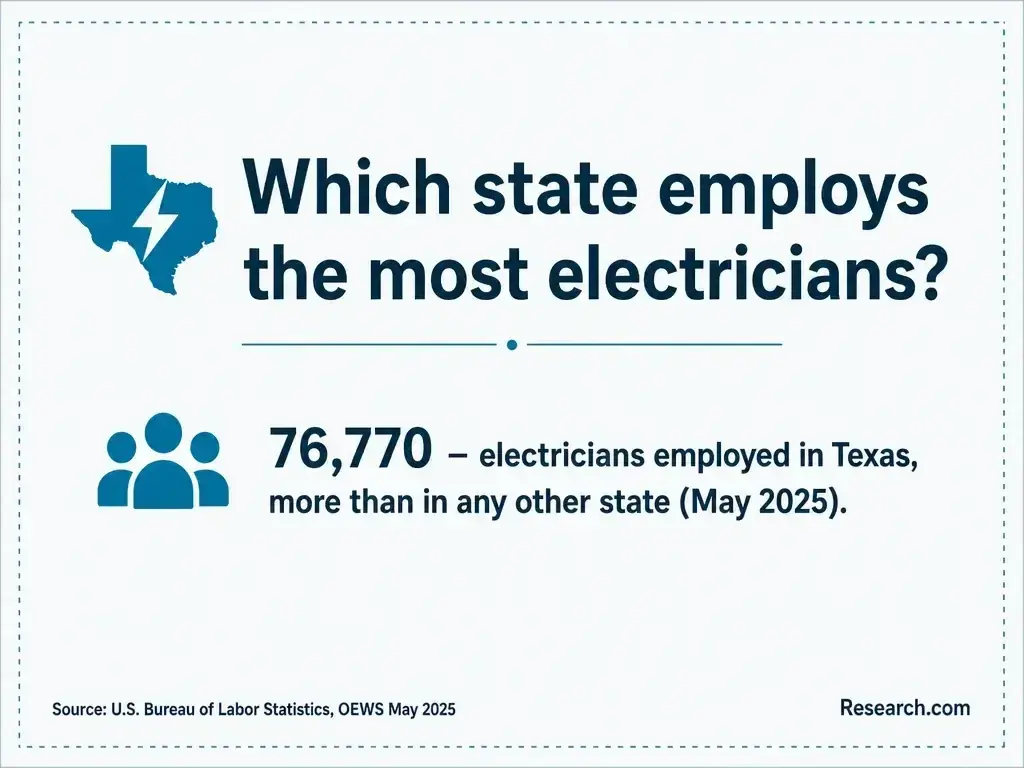
Hawaii regulates electrician licensing through its Board of Electricians and Plumbers. Licensed journey worker and contractor pathways involve requirements beyond finishing a trade course, including applicable experience and examinations; the precise route depends on the license sought. Supervised entry-level work is different from independently performing licensed electrical work. Verify current requirements with the board before counting on any school's claim that its certificate makes you license-ready.
Ask a provider or sponsor exactly how it documents classroom instruction and supervised experience, who signs off on work records, and which license category its training is intended to support. Voluntary industry credentials can demonstrate particular skills, but neither they nor institutional accreditation replace a required state license. If you might work outside Hawaii later, check that jurisdiction separately rather than assuming your training or license transfers automatically.
Start with your intended endpoint: entry into supervised electrical work, apprenticeship completion, or eventual Hawaii licensure. A ranking can identify programs to investigate, but the best investment is the option that connects affordable training to that endpoint. Promises resembling quick degrees online that pay well are a poor substitute for evidence of electrical lab work and a viable experience pathway.
Use these questions when comparing Kauai Community College offerings, apprenticeships, and employer-sponsored training; get important answers in writing.
- What credential is awarded, and how many classroom, lab, and supervised work hours does the route include?
- Where on or off Kauai do practical training and jobsites take place, and who arranges them?
- Does the apprenticeship sponsor or Hawaii licensing board recognize the proposed instruction or documented experience for my intended route?
- What is the total cost after required supplies and travel, what aid or wages may offset it, and what happens financially if I do not finish?
- What completion, apprenticeship-placement, and local employer outcomes can the provider substantiate for this specific program?
Be wary of guaranteed jobs or wages, vague lab descriptions, and claims that accreditation alone confers licensing eligibility. Compare answers against your budget, ability to attend in person, and need to earn while training. A lower-cost option is not necessarily better if it delays qualifying experience; an accelerated option is not better if you cannot complete its practical work.
An entrant may begin in supervised electrical work, progress through an apprenticeship, and pursue the appropriate Hawaii journey worker license after meeting board requirements. With experience and any additional required credentials, possibilities can include specialized installation or maintenance, supervision, and contracting. The steps are not automatic: a maintenance job, for example, may build useful skills without providing all the documented experience needed for a particular license.
If you prefer focused technical problem-solving, lists of the best jobs for introverts may spark ideas, but electrician work still requires clear safety communication with supervisors, coworkers, and customers. Choose a training setting that gives you both troubleshooting practice and exposure to the type of worksite where you want to build experience.
The U.S. Bureau of Labor Statistics projects 9.2% growth in U.S. electrician employment from 2025 to 2035. This national projection supports considering the trade, but it does not measure openings in Lihue or guarantee a position after training. A smaller island labor market can make the availability of a suitable sponsor or employer especially important to the timing of your entry.
Before committing, check current Kauai postings and speak with apprenticeship sponsors or electrical employers about upcoming intakes, required skills, and where apprentices actually work. Treat renewable-energy or other specialty coursework as an advantage only when it complements core electrical training and matches work available to you. Keep geographic mobility in mind if your preferred specialty has limited local openings.
Best Electrical Technician Training Programs & Trade Schools in Lihue for 2027
Investing in training is an important decision, so the Research.com team designed the ranking to compare electrician programs with other programs in the same occupation and location - not with unrelated schools nationwide. Only programs reporting completions to IPEDS are eligible. That makes the ranking a useful starting point, but it does not capture every apprenticeship or employer-sponsored route available to a Lihue resident.
Best-program scores cover student outcomes; earnings and return on investment; costs and debt; and quality and recognition. Programmatic accreditation or occupation-relevant industry recognition contributes 20%, institutional accreditation 10%, and student support 10%. The remaining 60% covers completion and retention, earnings, tuition, attendance cost, debt, and loan defaults; an entropy-based method gives more weight to indicators that vary more across programs. A separate most-affordable ranking scores only costs and debt using entropy-based weights, without quality indicators. These measures help narrow a shortlist, but cannot establish whether a program's hands-on training meets an individual student's licensing goals.
The team draws on the following databases and recognition sources, checks their relevance to the occupation, and explains its approach further on the Research.com methodology page. Health-profession accreditors in the source set apply to other occupations; their inclusion does not imply that they accredit electrician training.
- IPEDS database - program completions and institution-reported education data.
- National Center for Education Statistics - federal education data and definitions.
- College Scorecard database - applicable cost, debt, and earnings measures.
- Peterson's database - supplementary institution and program information.
- Commission on Accreditation of Allied Health Education Programs (CAAHEP) - occupation-specific recognition checks where relevant, not electrician accreditation.
- Accrediting Bureau of Health Education Schools (ABHES) - occupation-specific recognition checks where relevant, not electrician accreditation.
- Commission on Dental Accreditation (CODA) - occupation-specific recognition checks where relevant, not electrician accreditation.
- Dental Assisting National Board (DANB) - occupation-specific credential checks where relevant, not electrician certification.
- National Center for Construction Education and Research (NCCER) - relevant construction-training recognition information.
- Apprenticeship.gov Partner Finder - information for identifying apprenticeship alternatives.
# 2 position
Kauai Community College - Electrician.
certificate or diplomaFrequently asked questions about electrician programs in Lihue
Is trade school required before an electrician apprenticeship?
Not necessarily. Apprenticeships include related instruction and supervised work, and sponsors set their own entry rules. A hands-on introductory course may help you prepare, but check whether a sponsor recognizes it before paying.
Can I become a licensed electrician by taking an online course?
No online course alone establishes Hawaii licensing eligibility. Confirm the required experience, instruction, and examination steps with the Hawaii Board of Electricians and Plumbers, and arrange in-person practical training.
Does Kauai Community College offer the training I need?
Check its current course catalog and ask which electrical courses are running, what credential they award, how much lab time they include, and whether a relevant apprenticeship sponsor recognizes them. Offerings and schedules can change.
Is a paid apprenticeship better than a certificate?
It may be if you need income and supervised qualifying experience. A certificate may be useful if you need foundational skills before applying. Compare access to local worksites, total cost, admission requirements, and your licensing goal.
Will a training certificate let me work independently?
Do not assume so. A school credential documents completed training; independent licensed work is governed by Hawaii's applicable occupational licensing requirements.
- U.S. Bureau of Labor Statistics - Electricians
Used to verify salary, employment outlook, and typical education requirements.
https://www.bls.gov/ooh/construction-and-extraction/electricians.htm - NCCER - Accredited Training
Used to verify programmatic accreditation or industry recognition of programs.
https://www.nccer.org/ - O*NET OnLine - Electricians
Used to verify common responsibilities, skills, work settings, and education expectations.
https://www.onetonline.org/link/summary/47-2111.00 - Kauai Community College - official website
Official school website (programs, tuition, admissions).
https://www.kauai.hawaii.edu/