Best Electrical Technician Training Programs & Trade Schools - Top Electrical Tech Schools in Nebraska for 2026

Co-Founder and Chief Data Scientist
Choosing the right electrician trade school in Nebraska can shape your future career and open doors to exciting opportunities. This article introduces a carefully crafted electrician trade school programs ranking developed by the Research.com team of data scientists to guide you in making an informed decision.
By exploring these top programs, you’ll discover which schools offer the best training and support to help you succeed. Earning a diploma or certification in this field can provide stable employment and personal growth. Let’s help you take the first step toward a rewarding career in the electrical trade.
Key benefits of finishing electrician trade school in Nebraska
- Graduates from electrician trade schools in Nebraska can expect an average salary around $28.14 per hour, translating to about $58,530 annually, with opportunities to earn even more as experience grows.
- Career paths include roles like residential electrician, commercial electrician, or specialized positions, offering graduates a variety of options to find a job that fits their skills and interests.
- Finishing an electrician trade school online provides flexibility and often lower costs, allowing students to balance work and study while gaining practical skills quickly, as many successful online graduates report.
- Best Electrical Technician Training Programs & Trade Schools - Top Electrical Tech Schools in Nebraska for 2026
- What can I expect from electrician trade schools in Nebraska?
- Where can I work after finishing electrician trade schools in Nebraska?
What can I expect from electrician trade schools in Nebraska?
Enrolling in an electrician trade school program in Nebraska means diving into a dynamic mix of classroom lessons and hands-on training that prepares you for real-world electrical work. Imagine attending classes two nights a week at schools like Metropolitan Community College or Central Community College, where you not only learn electrical theory and safety but also get your hands on wiring projects and diagnostic tools under the guidance of seasoned journeyman electricians.
Graduates often share how rewarding it is to balance studying the National Electrical Code with practical tasks such as residential wiring or motor installation. The "Earn as you Learn" approach is a game-changer-working paid apprenticeship jobs while you study not only eases financial stress but also builds the required 8,000 on-the-job hours to qualify for Nebraska's journeyman electrician exam.
Students find excitement in transforming classroom knowledge into real installations and troubleshooting challenges. Programs at Northeast Community College, for example, emphasize this blend, making every lab and workday feel like a step closer to a fulfilling, hands-on career.
Where can I work after finishing electrician trade schools in Nebraska?
After finishing an electrician trade school program in Nebraska, graduates often find themselves stepping into diverse and exciting career paths. Whether hired by electrical contractors in Omaha or joining construction teams in Lincoln, the opportunities are vast and varied. Many alumni recall the thrill of their first job as a residential electrician, wiring a new home or upgrading lighting systems in bustling neighborhoods.
Others dive into industrial electrician roles within Nebraska's manufacturing hubs, where they maintain sophisticated machinery and troubleshoot complex electrical systems. These positions often come with impressive salaries, sometimes ranging from $47,000 to $82,000 annually, making the hard work feel truly rewarding.
Some graduates choose apprenticeship routes, gaining hands-on experience that leads to becoming licensed journeymen - a key milestone for advancing into supervisory or specialized roles. Many appreciate the added perks employers offer, like health benefits and paid time off, which enhance job stability and satisfaction.
Whether working for public institutions, utility companies, or thriving private businesses, Nebraska trade school grads enjoy a strong job market filled with opportunities to grow and succeed.
After finishing an electrician trade school program in Nebraska, many graduates find themselves stepping into a world of rewarding pay and hands-on work right away. Starting out, entry-level electricians often earn around $54,416 per year, which breaks down to roughly $24 to $26 an hour. Imagine landing your first job and seeing that steady paycheck while gaining real experience on local residential or commercial projects.
As you climb the ranks to journeyman electrician, your earnings grow noticeably. Many Nebraska journeymen report making about $62,500 annually or around $35 per hour, reflecting the value of your skills and licenses earned after years of dedicated training. Graduates from popular trade schools across Nebraska often share stories of steady raises and the pride of mastering complex electrical systems.
Hourly wages vary between $22.93 and $31.39, influenced by your location in Nebraska and the type of work you choose. Some experienced electricians even earn as much as $44.92 per hour, especially those working in specialized or industrial settings. For many trade school grads, this means a solid income paired with the excitement of building a career in a growing field.
- Applicants must be at least 18 years old and have a high school diploma or GED, with proof of Nebraska residency often required for in-state tuition.
- Programs usually require passing high school algebra or a post-high school algebra course, and may include placement or math aptitude tests.
- Apprenticeships last four to five years, including at least 900 hours of classroom instruction and up to 8,000 hours of field training.
- At least four years of verifiable experience is needed for a journeyman electrician license, with a two-year electrical program counting as one year of experience.
- Application fees typically range from $25 to $60, and many apprenticeships offer paid on-the-job training to help offset costs.
- Entry-level electricians earn around $40,000 to $50,000 annually, while experienced electricians can make $60,000 or more, depending on specialization and location.
Completing an electrician trade school program in Nebraska typically takes about 9 to 18 months, depending on the school and whether you choose full-time or part-time study. At well-known Nebraska trade schools, many students find that immersing themselves full-time accelerates their path to hands-on expertise and licensing eligibility. Imagine starting your day in a workshop, wiring circuits and troubleshooting electrical panels, then wrapping up with real-world projects that build confidence and skill.
Graduates often share how this focused, immersive training made the time fly by-transforming them from novices to job-ready electricians in under a year. Those balancing work or family responsibilities sometimes opt for part-time schedules, stretching the program closer to 18 months but still appreciating the steady progress and flexibility.
The blend of classroom learning with practical experience at Nebraska's trade schools helps students feel prepared and excited to jump into local electrical careers quickly. This hands-on approach makes the journey both challenging and rewarding, turning curiosity into a promising profession before long.
Online electrician trade school programs in Nebraska offer a flexible adventure for those balancing work or family, letting students dive into coursework anytime, anywhere. Imagine mastering the National Electrical Code and complex circuitry through interactive modules, all from your living room. Graduates praise this style for its convenience, though many quickly realize the challenge of gaining hands-on skills without direct lab access.
On the flip side, on-campus programs at places like Metropolitan Community College and Northeast Community College plunge students into real-world electrical work. Picture stepping into a buzzing lab, wiring circuits side-by-side with licensed journeyman electricians, or tackling industrial motor installations firsthand. Graduates often share how this immersive experience builds confidence and sharpens practical skills crucial for Nebraska's licensing exams.
Some adventurous students pick hybrid programs, blending online lessons with scheduled in-person labs, striking a perfect balance between flexibility and hands-on training. No matter the path, Nebraska's licensing demands real-world practice, so students must ensure their chosen program offers solid apprenticeship opportunities.
When diving into the adventure of becoming an electrician in Nebraska, the average cost of electrician trade school in Nebraska is a key factor shaping your journey. Graduates from popular community colleges and trade schools often share how tuition fees range broadly-usually between $1,000 and $11,000 depending on the depth of the program. For example, many find certificate programs affordable while associate degrees tend toward the higher end of this spectrum, offering a richer, hands-on learning experience that fuels their confidence on the job.
Tuition fees for electrician programs in Nebraska sometimes echo what students experience out of state, with opportunity for varied learning styles. Apprenticeship pathways, combining work with classroom time, offer an exciting alternative; a semester fee around $700 can stretch over multiple years, creating a flexible and practical training avenue. Many Nebraska students appreciate this blend, gaining real-world skills without overwhelming upfront costs.
Beyond tuition, there are those real-life costs to anticipate-tools and books, which students eagerly invest in to build their kit, typically ranging from a few hundred to over a thousand dollars. Licensing and exam fees, while modest, are vital checkpoints. In the spirit of adventure, scholarships like Nebraska Career Scholarship ignite hope by offering up to $8,000 annually, easing the financial path ahead.
For Nebraskans curious about alternative routes, exploring best wind turbine technician training online can complement electrician studies and open new doors in the energy sector.

Financial aid for electrician trade school students in Nebraska opens doors to exciting opportunities. Graduates from schools like Western Nebraska Community College often share how completing the FAFSA unlocked access to federal Pell Grants, easing tuition worries. Imagine walking into Southeast Community College and discovering the Nebraska Career Scholarship waiting for you-helping cover tuition and essential fees while you focus on mastering your craft.
Some students have found relief through the Community College Gap Assistance Program, especially when traditional federal aid wasn't an option. This program covers tuition, fees, and even equipment costs for high-demand fields like electrician training, making the path feel less daunting.
Trade-specific scholarships, such as the Construction and Trades Scholarship, have also empowered many to pursue their dreams without financial stress. Recipients appreciate how this aid supports books and certifications, provided they maintain a 2.0 GPA and stay enrolled in at least nine credits per quarter.
These financial supports, combined with programs like the Future Ready Workforce Program, create a supportive network for aspiring electricians across Nebraska's community colleges.
To jump into an electrician trade school program in Nebraska, you'll need to meet some practical prerequisites that set you up for success. Most schools, like those popular in Omaha and Lincoln, require a high school diploma or GED. Graduates often recall how having a solid foundation in math and science made the coursework feel less intimidating and more exciting.
Here are the common requirements you should be ready for:
- Proof of high school graduation or GED completion
- Basic understanding of algebra and geometry
- Physical ability to handle hands-on tasks and equipment
- Pass a placement test or entrance exam at some schools
- Valid driver's license or reliable transportation to get to campus and job sites
One graduate shared that preparing for the placement test by brushing up on math really boosted their confidence. Another mentioned how the physical demands of lab work felt rewarding-turning theory into sparks and circuits right before their eyes. If you're eager and ready to embrace this challenge, Nebraska's electrician schools offer the perfect environment to transform your curiosity into a skilled trade.
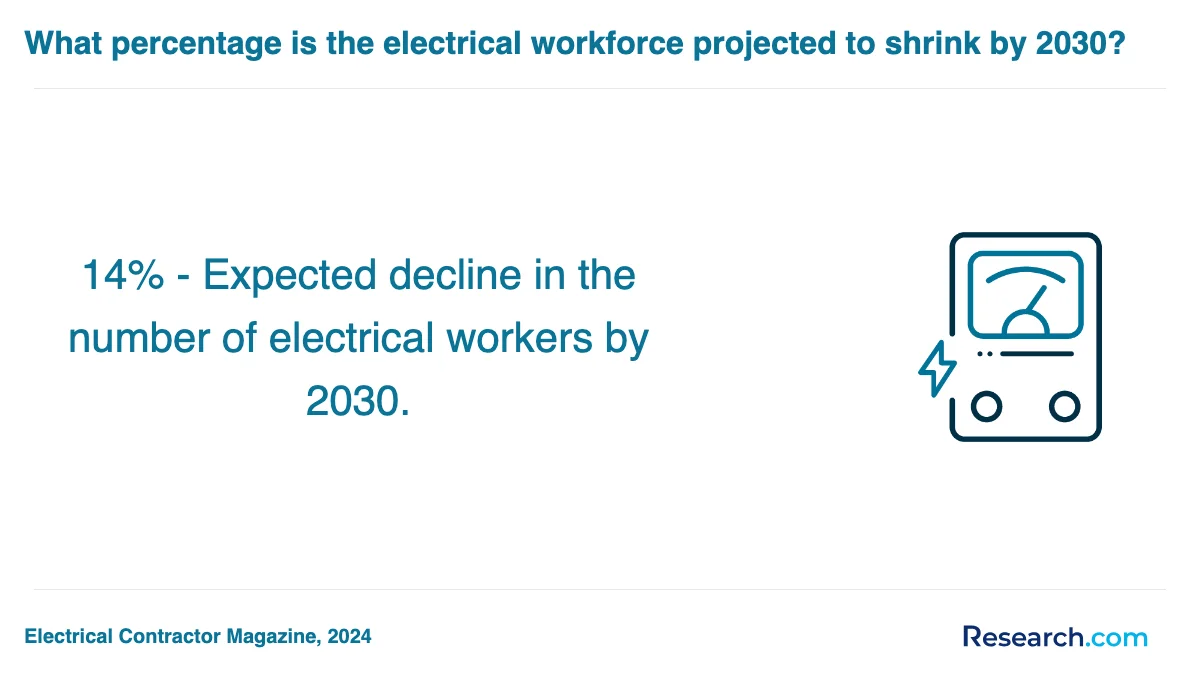
Electrician trade school programs in Nebraska dive right into essential courses that spark excitement and build confidence. Graduates often recall the thrill of mastering Electrical Wiring, where they first learned how to connect circuits safely and efficiently. At Western Nebraska Community College, students tackle practical lessons in Electrical Safety and the National Electric Code, gaining skills crucial for real-world jobs.
As you advance, expect to explore specialized topics like:
- Control Wiring - perfect for those fascinated by industrial systems and automation
- Motor Theory - unlocking the secrets behind motor operations
- Blueprint Reading - vital for interpreting complex construction plans
Northeast Community College students describe hands-on labs as the highlight, spending twice as much time wiring circuits and programming PLCs compared to lectures. The chance to work on live projects and summer internships with licensed contractors brings the classroom to life, making each lesson feel like a step toward an exciting career in Nebraska's electrical industry.
Nebraska electrician trade schools offer an exciting array of electrician specializations in Nebraska trade schools that truly prepare students for real-world challenges. Graduates from Southeast Community College often share how diving into residential electrical construction taught them the ins and outs of home wiring and safety codes, making every house feel like a puzzle they could solve. Those aiming for bigger projects thrive in industrial and residential electrician programs Nebraska, where commercial wiring and industrial electrical technology open doors to factories and office buildings, pulling students into complex systems and cutting-edge motor controls.
Hands-on learners at Metropolitan Community College praise the Electrical Apprenticeship program's flexibility, gaining valuable onsite experience across residential and industrial settings that fuels confidence and skill. For the tech enthusiasts drawn to modern manufacturing, programs in electromechanical technology and automation & robotics at Southeast Community College blend computer savvy with mechanical know-how, sparking excitement for jobs in automated environments.
Others find passion in electronics systems technology, focusing on low-voltage skills for security and data systems that are everywhere around us. Plus, adventurous students looking for fast tracks appreciate exploring low cost accelerated wind turbine technician certification programs online, expanding their horizons even further.
Finding the best electrician trade schools in Nebraska means diving into programs that blend solid accreditation with real-world experience. Graduates often rave about facilities like those at Southeast Community College, where hands-on training in simulated residential and industrial setups turns technical theory into confident skill. It's this practical edge that energizes success stories and sets top-rated electrician programs in Nebraska apart.
Flexibility is key, too. Many students juggling work find that Metropolitan Community College's evening classes allow them to keep earning while learning. Choosing a program with financial support, such as Nebraska's Career Scholarship offering $8,000 per year, can ease worries about tuition without sacrificing quality.
Look beyond the classroom: strong industry ties, like those at Lincoln Electrical JATC partnering with IBEW Local 265, open doors to great job placement and lasting career support. Plus, instructors with real electrical trade experience bring invaluable insights, making the technical journey relatable and exciting.
Curiosity about the electrical field's future path can grow by exploring the electrical engineer job outlook, which adds perspective about career opportunities after training.
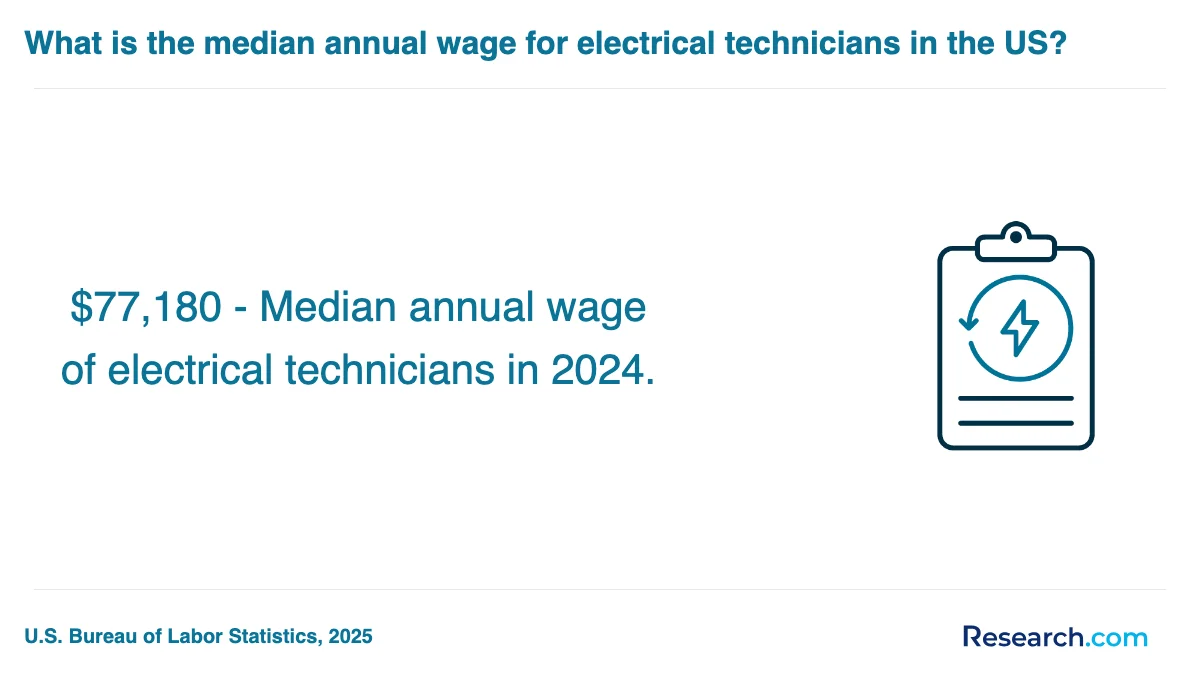
Graduates of electrician trade schools in Nebraska quickly discover a variety of electrician career opportunities in Nebraska that open up right after completing their apprenticeship. Starting as apprentice electricians, many enjoy gaining hands-on skills while earning a paycheck, a popular path among students from well-known trade schools in the state. Completing the required hours leads to a journeyman electrician license, allowing work across residential, commercial, and industrial sites, where graduates share stories of thriving in bustling construction projects or maintenance roles.
For those eager to climb higher, becoming a foreman or licensed electrical contractor means stepping into leadership or business ownership after accumulating experience. Some graduates even move into specialized careers like project management, electrical design, or industrial automation, adapting their skills to evolving technology and demands in the Nebraska electrician job market and salaries.
Many graduates venture into self-employment, proudly running their own businesses servicing Nebraska's communities. Trade schools also offer support connecting students to opportunities, with many considering options including teaching or inspection.
With such flexibility, studying electrician in Nebraska truly sets a solid foundation for a rewarding and dynamic future, especially when paired with affordable options like cheap online maintenance technician trade school programs.
The electrician job outlook in Nebraska shines bright, especially for recent graduates of popular trade schools in the state. Students who trained in hands-on programs around cities like Omaha and Lincoln have found the steady demand for skilled electricians both reassuring and motivating. Imagine finishing your coursework and stepping into a workforce where approximately 2,005 businesses are actively hiring within counties such as Douglas, Lancaster, and Sarpy. These hot spots offer not only jobs but clear paths for career advancement. Typical experiences from graduates reveal entry-level roles with competitive wages, starting around $22.93 to $31.39 per hour, paving the way for rapid skill-based wage growth.
Wages matter, of course, and the electrician salary in Nebraska 2026 keeps many motivated. As of mid-2025, the average hourly pay is $28.14, a solid figure that reflects the value of training in practical, evolving fields like renewable energy and infrastructure upgrades. For those weighing options, exploring low cost online trade schools programs for electricians can be a game-changer, offering flexible paths without sacrificing quality.
- Growth driven by population and construction booms.
- Strong concentrations of employers in Nebraska's key counties.
- Positive career outlook supported by U.S. Bureau of Labor Statistics forecasts.
For anyone finishing their electrician trade school journey in Nebraska, the horizon is wide open - full of promising roles, competitive pay, and opportunities to build a future in an essential, hands-on profession.
Best Electrical Technician Training Programs & Trade Schools - Top Electrical Tech Schools in Nebraska for 2026
# 1 position
Central Community College - Electrician.
associateCentral Community College offers a hybrid Electrician program designed to prepare students to install, operate, maintain, and repair electric apparatus and systems in residential, commercial, and industrial settings. The curriculum includes instruction on electronics, wiring, power transmission, safety, job estimation, testing, inspection, and relevant codes. The program’s annual in-state tuition is $3,360, and it is accredited by the Higher Learning Commission.
# 2 position
Central Community College - Electrician.
certificate or diplomaCentral Community College offers a hybrid Electrician program that prepares students to install, operate, maintain, and repair electrical systems in residential, commercial, and industrial settings. The curriculum covers electronics principles, wiring, power transmission, safety, electrical testing, and applicable codes. The program is accredited by the Higher Learning Commission. Annual in-state tuition is $3,360, providing a cost-effective option for technical training in this field.
# 3 position
Metropolitan Community College Area - Electrician.
associateThe Electrician program at Metropolitan Community College Area offers a hybrid format with some distance education options. It prepares students to install, operate, maintain, and repair electrical systems and apparatus in residential, commercial, and industrial settings. The curriculum covers electronics principles, wiring, power transmission, safety, and applicable codes. Annual in-state tuition is $3,285, and median earnings one year after completion reach $64,751. The program is accredited by the Higher Learning Commission.
# 4 position
Metropolitan Community College Area - Electrical and Power Transmission Installation/Installer, General.
certificate or diplomaMetropolitan Community College Area offers a hybrid Electrical and Power Transmission Installation/Installer, General program designed to prepare students for installing residential, commercial, and industrial electrical systems and power transmission lines. The curriculum includes instruction in electricity, safety, wiring, insulation, grounding, blueprint reading, equipment operation, and applicable codes. Annual in-state tuition is $3,285. Graduates earn a median salary of $64,751 one year after completion. The program is accredited by the Higher Learning Commission.
# 5 position
Metropolitan Community College Area - Electrician.
certificate or diplomaThe Electrician program at Metropolitan Community College Area offers hybrid learning to develop skills in installing, operating, and repairing electric systems including residential and industrial wiring. Instruction covers electronics, power transmission, safety, and electrical codes. The program is accredited by the Higher Learning Commission. Annual in-state tuition is $3,285, and median earnings one year after completion reach $64,751.
# 6 position
Mid-Plains Community College - Electrician.
associateMid-Plains Community College offers a hybrid Electrician program designed to equip students with technical skills to install, operate, maintain, and repair electric apparatus and systems. The curriculum covers residential, commercial, and industrial wiring, motors, controls, electrical distribution panels, and safety. Tuition for in-state students is $3,600 annually. The program is accredited by the Higher Learning Commission and includes instruction on electronics principles, job estimation, electrical testing, and applicable codes and standards.
# 7 position
Mid-Plains Community College - Electrician.
certificate or diplomaMid-Plains Community College offers a hybrid Electrician program designed to equip students with technical skills to install, operate, maintain, and repair electrical systems in residential, commercial, and industrial settings. The curriculum covers electronics principles, wiring, power transmission, safety, job estimation, electrical testing, and applicable codes. The program’s annual in-state tuition is $3,600 and it is accredited by the Higher Learning Commission.
# 8 position
Northeast Community College - Electrician.
associateNortheast Community College offers a hybrid Electrician program that prepares students to install, operate, maintain, and repair electric apparatus and systems, including residential, commercial, and industrial wiring. The curriculum covers electronics, electrical systems, wiring, power transmission, safety, inspection, and relevant codes. Annual in-state tuition is $3,840. Graduates have a median earnings of $59,177 one year after completion. The program is accredited by the Higher Learning Commission.
# 9 position
Southeast Community College Area - Electrician.
certificate or diplomaThe Electrician program at Southeast Community College Area prepares students to install, operate, maintain, and repair electrical systems including residential, commercial, and industrial wiring. Instruction covers electronics principles, wiring, power transmission, safety, testing, inspection, and relevant codes. The program is accredited by the Higher Learning Commission. Annual in-state tuition is $3,540.
Frequently Asked Questions about electrician
After completing electrician trade school in Nebraska, graduates should focus on obtaining the necessary state licenses. Nebraska requires electricians to pass the state examination administered by the Nebraska Department of Labor's Electrical Division. Preparing for this exam includes reviewing the National Electrical Code and state-specific regulations.
Networking is also crucial. Joining local chapters of trade organizations such as the Nebraska Chapter of the National Electrical Contractors Association (NECA) can provide job leads and mentorship opportunities. Additionally, apprenticeships remain a valuable pathway for gaining hands-on experience and improving employability.
According to the U.S. Bureau of Labor Statistics, Nebraska's electrician employment is projected to grow by 8% through 2031, signaling a healthy job market for trained professionals.
Employers in Nebraska prioritize several key skills when hiring electrician trade school graduates. Technical proficiency is essential, especially in wiring, circuitry, and reading blueprints. According to the Nebraska Department of Labor, hands-on experience with electrical systems and safety protocols ranks highly among job requirements.
Problem-solving ability is also critical. Electricians must diagnose and fix electrical issues efficiently to minimize downtime. Communication skills matter as well, since electricians often work in teams and need to explain technical information clearly.
Knowledge of Nebraska's electrical codes and regulations is mandatory to ensure compliance and safety on the job. Many employers also value graduates who demonstrate reliability and a strong work ethic.
Finding internships relevant to an electrician trade school program in Nebraska involves several practical steps. Start by contacting the career services office at your trade school, as many schools maintain partnerships with local electrical contractors and unions. The Nebraska Department of Labor reports that apprenticeships and internships in the electrical field are growing by about 3% annually, reflecting steady demand.
Additionally, explore opportunities with the International Brotherhood of Electrical Workers (IBEW) Local 265, which offers registered apprenticeship programs combining paid work with classroom training. Networking at industry events and job fairs hosted by Nebraska colleges can also connect students with potential employers.
Online job boards like NebraskaWorks and Trade-Schools.net list internships specifically for electricians in Nebraska. Applying early and gaining hands-on experience through these avenues can significantly improve your employment prospects after graduation.
Obtaining a diploma from an electrician trade school in Nebraska significantly enhances career mobility and advancement opportunities. According to the Nebraska Department of Labor, skilled electricians in the state experience a steady job growth rate of 8% through 2030, outpacing many other trades. A diploma demonstrates foundational knowledge and hands-on skills required by employers, which is essential for securing apprenticeships or journeyman positions.
Graduates with formal training are more competitive for licensing exams mandated by Nebraska law, facilitating quicker progression to higher-paying roles. Additionally, many employers prefer candidates with accredited trade school diplomas, often resulting in better starting wages and promotion potential.
Part-time job opportunities in Nebraska that complement electrician trade school education often include roles such as electrical apprenticeships, maintenance assistant positions, and electrical helper jobs. These roles provide hands-on experience, essential for skill development and meeting licensing requirements. According to the U.S. Bureau of Labor Statistics, Nebraska's demand for electricians is projected to grow by about 8% from 2022 to 2032, reflecting steady opportunities in the field.
Many trade schools recommend students pursue apprenticeships, which combine paid work with classroom instruction. Local contractors and utility companies frequently hire part-time apprentices, offering practical exposure to wiring, troubleshooting, and safety protocols.
Other relevant positions include facilities maintenance support and construction laborer roles, which help students understand basic electrical systems while earning income. These jobs also build familiarity with tools and workplace environments common to electricians.
If you're looking for electrician degree programs near Nebraska, there are several technical colleges and community colleges that offer electrical technology programs, which can prepare you for a career as an electrician. These programs typically focus on providing both theoretical knowledge and practical training, ensuring that students are well-equipped to enter the workforce. Research.com can be a helpful resource to check for programs near me that match your criteria and requirements.
- Best Electrical Technician Training Programs & Trade Schools - Top Electrical Tech Schools in Missouri for 2026
- Best Electrical Technician Training Programs & Trade Schools - Top Electrical Tech Schools in Illinois for 2026
- Best Electrical Technician Training Programs & Trade Schools - Top Electrical Tech Schools in Wisconsin for 2026
- Best Electrical Technician Training Programs & Trade Schools - Top Electrical Tech Schools in Texas for 2026
- Best Electrical Technician Training Programs & Trade Schools - Top Electrical Tech Schools in New Mexico for 2026
- Best Electrical Technician Training Programs & Trade Schools - Top Electrical Tech Schools in Indiana for 2026
- Best Electrical Technician Training Programs & Trade Schools - Top Electrical Tech Schools in Mississippi for 2026
- Best Electrical Technician Training Programs & Trade Schools - Top Electrical Tech Schools in Louisiana for 2026
- Best Electrical Technician Training Programs & Trade Schools - Top Electrical Tech Schools in Tennessee for 2026
- Best Electrical Technician Training Programs & Trade Schools - Top Electrical Tech Schools in Kentucky for 2026
- Electrician salary in Nebraska ‐ CareerExplorer https://www.careerexplorer.com/careers/electrician/salary/nebraska/
- Electrician I Salary in Nebraska (August 01, 2025) | Salary.com https://www.salary.com/research/salary/benchmark/electrician-i-salary/ne
- Electrician Salary in Nebraska – NE https://www.electricianschooledu.org/nebraska/nebraska-salary/
- 10 Electrician Schools in NE - Hands-On & Awesome [UPDATED 2025] https://electricalschool.org/ne/
- Top Electrician Schools in Nebraska | Learn How to Become https://toptradeschools.com/near-you/electrician/nebraska/
- Program: Electrical Apprenticeship (AREAO) - Metropolitan Community College - Modern Campus Catalog™ https://www.mccneb.edu/p/AREAO
- Omaha Joint Electrical Apprenticeship Training Committee - OJEATC https://www.ojeatc.com/
- Electrical Technician https://www.southeast.edu/academics/programs/electrical-electromechanical-technology-electrical-technician/index.php
- NDOL | Reemployment Services https://dol.nebraska.gov/ReemploymentServices/EmployerResources/RegisteredApprenticeship
- Electrician Trade Schools in Nebraska - Get Training! https://electricalcareernow.com/electrician-schools/nebraska