
Most Affordable EKG Technician Schools & Training - Budget-Friendly EKG Tech Trade Programs in Massachusetts for 2026

Co-Founder and Chief Data Scientist
Choosing the right EKG technician trade school in Massachusetts can feel overwhelming, but this article is here to help. We've compiled a ranking of top programs, created by the Research.com team of data scientists, to guide you in making an informed decision.
Whether you're starting a new career or seeking certification, earning a diploma as an EKG technician opens doors to rewarding healthcare opportunities. This article highlights affordable options that balance quality education with budget-friendly choices.
Explore your path confidently and take the first step toward a fulfilling future in medical diagnostics.
Key benefits of finishing EKG technician trade school in Massachusetts
- Graduates from EKG technician trade schools in Massachusetts can expect competitive salaries, with average hourly wages ranging from $35 to over $50, making it a rewarding career choice financially.
- Many graduates find diverse career paths in hospitals, clinics, or travel technician roles, enjoying flexibility and opportunities for growth in high-demand healthcare settings.
- Completing an online EKG technician program offers convenience and faster entry into the workforce, allowing students to balance studies with personal commitments while gaining essential hands-on skills.
What can I expect from EKG technician trade schools in Massachusetts?
When you enroll in an EKG technician trade school program in Massachusetts, expect a fast-paced, focused curriculum designed to get you job-ready quickly. Graduates from schools like North Shore Community College often share how the blend of online theory and hands-on labs helped them confidently operate EKG machines and master proper lead placement. Clinical externships or volunteer placements are common, offering real-world experience that transforms textbook knowledge into practical skills. One graduate described the excitement of performing their first live EKG under supervision, a moment that solidified their passion and readiness for the healthcare field.
Programs typically require around 50 to 60 hours of study, completed in 8 to 16 weeks, providing an intensive yet manageable timeline for busy students. Tuition ranges between $899 and $1,559, making it an accessible option for many. While financial aid eligibility varies, some programs offer grants or workforce funding, easing financial concerns. Completing the program earns a Certificate of Completion, qualifying you to sit for national certification exams like the ASPT or NHA-key steps toward employment in Massachusetts's hospitals and clinics.
Where can I work after finishing EKG technician trade schools in Massachusetts?
After completing an EKG technician trade school program in Massachusetts, many graduates find themselves stepping confidently into dynamic roles within hospitals, outpatient clinics, and physician offices. Imagine starting your day at a bustling Boston hospital, where your skills in monitoring heart rhythms directly impact patient care in emergency departments and cardiac units. Graduates from popular Massachusetts trade schools often share how rewarding it feels to assist doctors in real time, knowing their work supports vital health decisions.
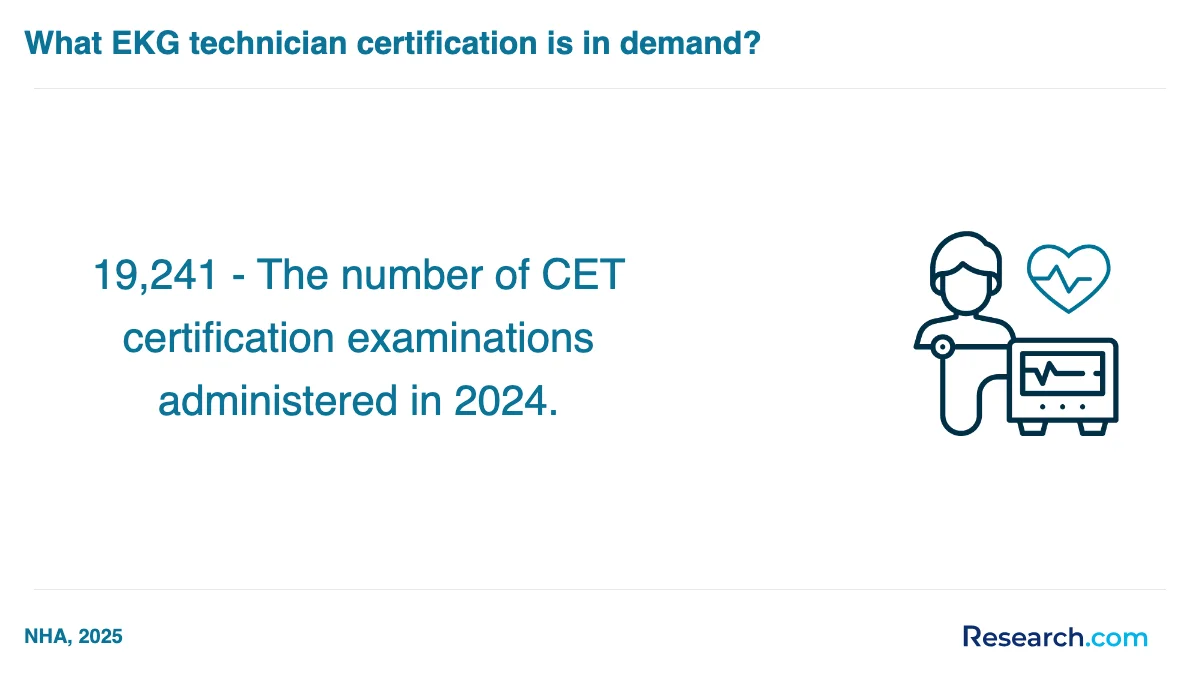
Others discover opportunities in diagnostic laboratories, mastering advanced tests like Holter monitoring. Picture working independently in a community mobile diagnostic company, traveling to patients' homes and long-term care facilities-offering both variety and autonomy. Many graduates emphasize how completing accredited programs and earning national certification, such as the CET, opens doors statewide, from academic medical centers to community health clinics. With over 130 openings across Massachusetts, including 40+ in the Boston metro area, the career paths after trade school combine meaningful patient interaction with flexible schedules, making this an exciting journey for new technicians.
How much can I make after finishing EKG technician trade schools in Massachusetts?
After finishing an EKG technician trade school program in Massachusetts, many graduates are pleasantly surprised by the strong earning potential. Graduates from popular trade schools in Boston and Worcester often share how their first jobs paid between $31.93 and $37.19 per hour, which is notably higher than the national average. One recent graduate described landing a role in Cambridge where the starting hourly wage was $35, allowing for a comfortable lifestyle early in their career.
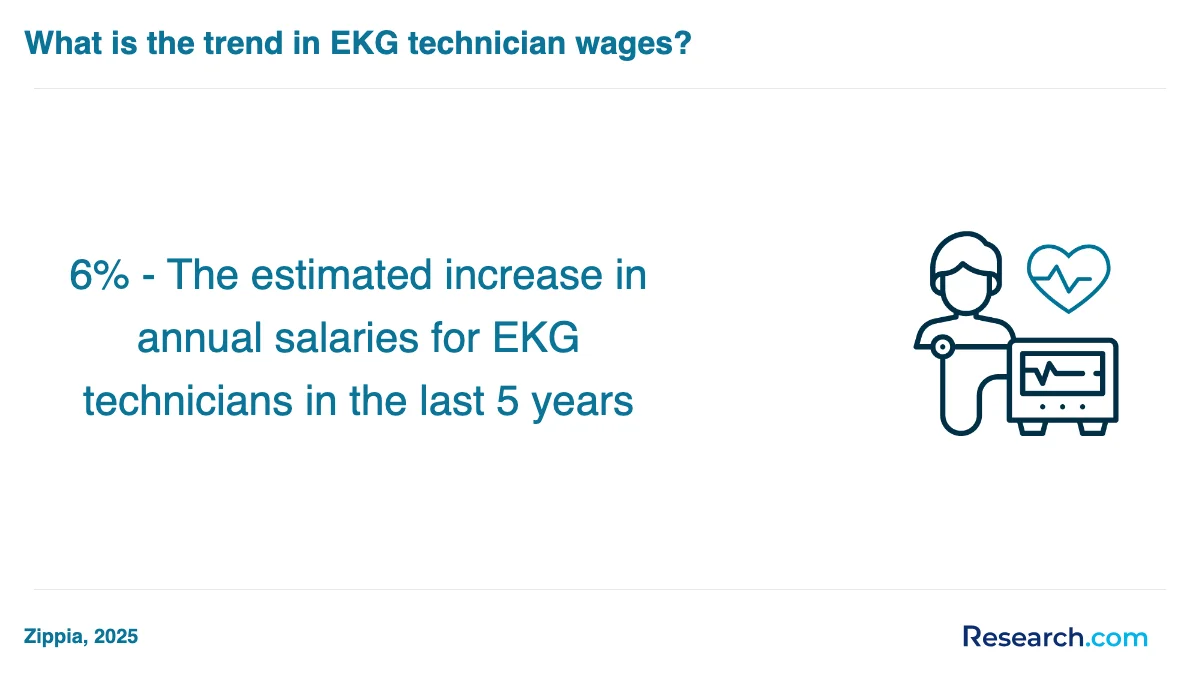
Others report quickly advancing to roles in larger hospitals around Worcester or Waltham, where weekly pay for travel EKG technicians can reach $1,710 to $1,800. This translates to annual salaries between $80,000 and $93,600 if working year-round.
More experienced graduates find themselves earning close to $49.79 per hour, as Massachusetts boasts the highest average annual salary for this profession nationwide. This means your investment in a Massachusetts trade school often leads to financial rewards that exceed expectations.
Most Affordable EKG Technician Schools & Training - Budget-Friendly EKG Tech Trade Programs in Massachusetts for 2026
# 1 position
Bristol Community College - Electrocardiograph Technology/Technician.
certificate or diplomaBristol Community College offers a Hybrid Electrocardiograph Technology/Technician program designed to prepare students to administer EKG and ECG diagnostic tests under physician and nurse supervision. The curriculum covers anatomy, physiology, cardiovascular systems, medical terminology, medications, patient care, equipment operation, cardiac rhythm interpretation, record management, and professional ethics. The program's annual in-state tuition is $5,412 and it is accredited by the New England Commission on Higher Education.
# 2 position
Laboure College of Healthcare - Electrocardiograph Technology/Technician.
certificate or diplomaLaboure College of Healthcare offers an Electrocardiograph Technology/Technician program preparing students to administer EKG and ECG diagnostic exams under medical supervision. The curriculum covers cardiovascular anatomy, medical terminology, patient care, equipment operation, and cardiac rhythm interpretation. Graduates earn median annual earnings of $60,068 one year after completion. The program's annual in-state tuition is $33,663 and is accredited by the New England Commission on Higher Education.
Key Findings
- Most EKG technician programs in Massachusetts require a high school diploma or GED and some knowledge of medical terminology or English at the 10th-grade level.
- Training includes 40-80 hours of classroom instruction and 20-40 hours of clinical practice, with courses like a 60-hour program at Massasoit Community College costing about $899 plus fees.
- Bunker Hill Community College offers a 50-hour hybrid course for $1,559, which includes the exam voucher.
- Graduates receive a Certificate of Completion needed to take national certification exams such as those from ASPT or NWCA.
- Entry-level EKG technicians in Massachusetts earn between $40,000 and $60,000 annually, with advanced certifications potentially increasing salaries to over $80,000 per year.
How long does it take to complete EKG technician trade schools in Massachusetts?
Completing an EKG technician trade school program in Massachusetts typically takes about 6 to 12 weeks, depending on the school and the intensity of the curriculum. Many graduates from popular trade schools in the state recall how the accelerated pace kept them engaged and motivated, making the experience feel both challenging and rewarding.
One graduate shared how balancing coursework with a part-time job was manageable due to the program's well-structured schedule, allowing them to quickly transition into the workforce. Another described the hands-on training at their Massachusetts trade school as invaluable, making the condensed timeline feel purposeful rather than rushed.
For those eager to start a healthcare career swiftly, the short completion time offers a clear path to certification and employment. Imagine finishing your training just in time to apply new skills in a local medical office or hospital, turning your ambition into reality within weeks rather than months or years.
What's the difference between online and on-campus EKG technician trade school programs?
The difference between online and on-campus EKG technician programs in Massachusetts often boils down to how and where students gain their skills. Graduates from North Shore Community College's online program appreciate the freedom to study at their own pace, balancing coursework around family and jobs. Yet, they also share how crucial the optional volunteer externships were in translating theory into hands-on confidence.
By contrast, those who attended Massasoit Community College's on-campus program describe the energy of evening labs where they practiced lead placements on real equipment under expert supervision. The immediate feedback they received helped them master techniques quickly, building a sense of readiness that many find reassuring before certification.
Hybrid programs like Bunker Hill Community College's offer a middle ground-flexible online lessons paired with mandatory in-person labs. Students often feel this blend offers both convenience and the irreplaceable value of face-to-face mentorship. This balance is a game-changer for those wanting structure without sacrificing flexibility.
What is the average cost of EKG technician trade schools in Massachusetts?
The average tuition fees for EKG technician programs in Massachusetts typically range from around $999 to over $2,000, depending largely on the trade school and program structure. For example, graduates from North Shore Community College speak highly of its 50-hour EKG Technician Certification Training, priced at $999, which also includes the essential e-book for the course. This manageable fee makes it accessible for many aspiring technicians looking to balance quality and affordability.
Meanwhile, some students have found value in Springfield Technical Community College's 80-hour program designed for licensed medical professionals, which offers deeper training in skills like performing EKGs and using Holter monitors. Though pricier, it prepares students effectively for national certification. This cost breakdown of EKG technician training in Massachusetts helps potential students weigh program length against tuition expenses and training depth.
Many graduates share a common positive sentiment about Bunker Hill Community College's self-paced online option, where the tuition includes not only the e-book but also course support and the NWCA (CET) exam, providing a comprehensive package. Online flexibility combined with in-person labs helps students maintain their busy schedules while gaining hands-on experience. Those considering the financial side of their education might also explore a range of other online medical programs that complement their training.

What financial aid is available for EKG technician trade schools in Massachusetts?
Students pursuing EKG technician programs in Massachusetts often find that financial aid can make their education more accessible and less stressful. Federal aid through the FAFSA, including Pell Grants and student loans, is available for those attending accredited schools, though some short-term certificate programs may not qualify. Graduates from community colleges like Quinsigamond Community College appreciate the affordable in-state tuition-around $227 per credit-which, combined with state-specific grants, significantly eases the financial burden.
Many students share how the MassHire Rapid Recovery & Reemployment (R3) grant opened doors for them, covering tuition fully or partially, especially at schools like Bunker Hill Community College where EKG programs are grant-eligible. Others highlight the relief of institutional scholarships and interest-free payment plans tailored for healthcare learners, which help spread out costs without extra fees.
For those already certified in related healthcare fields, reduced tuition for add-on EKG certifications offers a welcomed opportunity to upskill without overwhelming expenses. These options create a supportive financial environment, allowing students to focus on their training and future careers.
What are the prerequisites for enrolling in EKG technician trade schools in Massachusetts?
Enrolling in an EKG technician trade school program in Massachusetts typically requires a few clear prerequisites that set the stage for success. Most trade schools expect applicants to have a high school diploma or GED, ensuring you have the foundational skills needed for technical coursework.
Applicants often share how having a background in basic biology or health sciences, even if informal, boosts confidence when starting the program. For example, graduates from popular Massachusetts trade schools found that brushing up on anatomy helped them feel prepared and excited rather than overwhelmed.
Common prerequisites include:
- Proof of high school completion (diploma or GED)
- Basic understanding of medical terminology or willingness to learn quickly
- Successful completion of a criminal background check (important for clinical placements)
- Up-to-date immunizations and health screenings
These requirements reflect the real-world demands of working in healthcare settings across Massachusetts, making the experience feel authentic from day one. Graduates often describe the moment they passed their background check and health screenings as a milestone that made their goal feel tangible and within reach.
What are the typical courses in EKG technician trade schools in Massachusetts?
In Massachusetts, EKG technician trade school programs immerse students in a blend of essential courses that build both confidence and competence. Graduates often recall how mastering heart anatomy and physiology transformed their understanding of the cardiovascular system-from textbook diagrams to real-life heartbeat rhythms. This foundational knowledge is crucial for every task ahead.
Medical terminology courses equip students with the language needed to communicate seamlessly in busy clinical settings, helping them feel prepared and professional when documenting patient data or interacting with healthcare teams.
- Lead placement and EKG operation: Hands-on labs at popular Massachusetts trade schools allow students to practice electrode placement on mannequins, simulating the pressure of real patient care.
- Interpreting EKG rhythm strips: Students develop the analytical skills to spot arrhythmias and signs of heart attacks, often describing the "aha" moment when complex tracings suddenly make sense.
- Patient care and safety: Learning to measure vital signs and follow infection control protocols builds a strong sense of responsibility and readiness for clinical environments.
Many students appreciate coursework on cardiac medications and pacemaker function, which contextualizes their technical skills within broader patient health. With 40-80 classroom hours plus clinical experience, these programs in Massachusetts truly prepare students to step confidently into certification exams and future roles.
What are the available specializations in EKG technician trade schools in Massachusetts?
In Massachusetts, EKG technician program specializations often emphasize practical skills combined with deep knowledge of cardiac anatomy and physiology. Graduates from programs like Massasoit Community College's 60-hour certificate highlight how hands-on labs build confidence in electrode placement and EKG monitor operation, crucial for real patient scenarios. Similarly, those trained at Bunker Hill Community College appreciate learning infection control and communication techniques, which prepare them for dynamic healthcare environments.
Hands-on experience is a core focus across Massachusetts EKG technician training options, with courses covering vital skills such as:
- EKG waveform identification and interpretation
- Proper machine protocols and maintenance
- Patient care and standard clinical precautions
- Cardiac disease recognition and medical terminology
Students often remark on how these specializations empower them to step confidently into various clinical roles, knowing they have the expertise to operate effectively under pressure. Exploring the list of medical professions can help you see where a career as an EKG technician fits within broader healthcare opportunities.
How do you choose the best EKG technician trade school program in Massachusetts?
Choosing the best EKG technician programs in Massachusetts means prioritizing accreditation and exam eligibility, as these factors directly impact your ability to take nationally recognized certifications like the NHA Certified EKG Technician exam. Graduates from schools such as Bunker Hill Community College often praise the balance of asynchronous online lectures paired with on-campus labs, which made juggling work and study manageable and rewarding.
To truly understand how to compare EKG technician schools in Massachusetts, focus on hands-on training opportunities. For example, students at Quinsigamond Community College highlight their clinical rotations as vital for building confidence with real EKG equipment and patient care. Meanwhile, North Shore Community College's fully online format with optional externships appeals to those needing flexible scheduling without sacrificing practical experience.
Cost and support services also shape student success-knowing what's included in tuition and available financial aid can ease stress. Exploring options like the best 2 year healthcare degrees helps clarify pathways that fit both your career goals and lifestyle.
What career paths are available for EKG technician trade school graduates in Massachusetts?
Graduates of EKG technician trade schools in Massachusetts often step into roles such as Certified EKG Technician, where they perform vital tasks like administering electrocardiograms and assisting with stress tests. Many find rewarding positions in hospitals, outpatient clinics, and physician offices, environments that bring hands-on experience and steady career growth. For example, graduates from some of Massachusetts' popular trade schools share that working directly with patients and health care teams creates a sense of accomplishment and purpose.
EKG technician job opportunities in Massachusetts extend beyond entry-level roles. You can pursue specialized paths like:
- Cardiac Monitor Technician
- Holter Monitor Technician
- Stress Test Technician
Career advancement for EKG technicians in Massachusetts often involves obtaining nationally recognized certifications such as the Certified EKG Technician (CET) credential. Many graduates recount how this certification opened doors to supervisory or more specialized cardiac diagnostic roles, enhancing their clinical knowledge and earning potential.
For those interested in related healthcare fields, some transition into vascular technology or leverage their expertise for careers in health administration or medical equipment sales-showcasing the diverse possibilities after graduation. To explore affordable educational options, consider programs like the cheapest online phlebotomy technician certification, which can complement your skills and expand your qualifications.
What is the job market for EKG technician trade school graduates in Massachusetts?
EKG technician trade school graduates in Massachusetts find themselves in a highly favorable job market. The demand for skilled technicians remains strong across the state, particularly in urban centers like Boston, where major hospitals and outpatient clinics continuously seek qualified professionals. Graduates from well-known trade schools often share how their training prepared them for fast entry into positions with renowned employers such as Beth Israel Deaconess and Lahey Hospital.
Opportunities expand in diverse settings, including busy diagnostic centers and suburban healthcare facilities, reflecting the growing need for cardiovascular care driven by an aging population. Job seekers enjoy competitive EKG technician job opportunities in Massachusetts, with many noting benefits like sign-on bonuses, shift differentials, and even travel roles offering high weekly pay.
When considering your path, understanding EKG technician salary and career outlook Massachusetts reveals why so many graduates feel optimistic. Salaries average well above the national rate, with entry-level roles starting near $35,000 and experienced technicians earning over $100,000 annually in some metro areas.
For those curious about program steps, exploring how to become a certified ekg technician clarifies the certification process that can significantly boost hiring potential and career growth.
Frequently Asked Questions about EKG technician
After completing an EKG technician trade school in Massachusetts, preparing for the job market requires strategic steps. First, obtaining certification from the National Healthcareer Association (NHA) or Cardiovascular Credentialing International (CCI) is crucial, as many employers in Massachusetts prefer certified technicians. According to the U.S. Bureau of Labor Statistics, Massachusetts expects steady job growth for EKG technicians through 2028, highlighting the importance of certification in standing out.
Networking with local healthcare facilities and attending job fairs can increase employment opportunities. Additionally, gaining hands-on experience through clinical externships offered by many trade schools strengthens practical skills and resumes. Staying updated on Massachusetts state healthcare regulations and continuing education is essential for long-term career success.
Employers in Massachusetts seek EKG technician graduates who demonstrate strong technical skills in operating electrocardiogram equipment accurately and efficiently. Proficiency in patient preparation and safety protocols is crucial, as is the ability to interpret basic cardiac rhythms. According to the Massachusetts Department of Labor, communication skills are highly valued, since technicians must explain procedures clearly to patients and work collaboratively with healthcare teams.
Attention to detail and the capacity to maintain accurate medical records are essential for compliance with state regulations. Familiarity with electronic health record (EHR) systems is increasingly important in clinical settings. Finally, employers prefer candidates who have completed accredited programs that prepare them for certification exams, such as the Certified EKG Technician (CET) credential.
Finding internships in Massachusetts relevant to an EKG technician trade school program requires targeted research and networking. Start by contacting your trade school's career services, as many maintain partnerships with local hospitals and clinics that offer clinical placements.
Massachusetts is home to numerous healthcare facilities, including Massachusetts General Hospital and Boston Medical Center, which often provide internship opportunities for cardiac technology students. The Massachusetts Department of Higher Education and the Massachusetts Board of Registration in Allied Health Professionals may also list approved clinical sites.
Additionally, professional organizations like the American Society of Electroneurodiagnostic Technologists (ASET) can help connect students to internships and provide guidance on certification requirements.
Since internships are essential for hands-on experience, starting the search at least three to six months before your program's clinical phase is advisable.
Obtaining a diploma from an EKG technician trade school in Massachusetts significantly enhances career mobility within the healthcare sector. The credential is often a minimum requirement for entry-level positions in hospitals, clinics, and diagnostic labs. According to the Massachusetts Department of Labor, certified EKG technicians earn a median wage 15-20% higher than uncertified peers, reflecting the value employers place on formal training.
Additionally, a diploma facilitates advancement opportunities, such as supervisory roles or specialized cardiac technician positions. Many programs include clinical experience, which employers prioritize during hiring. With healthcare employment in Massachusetts projected to grow by 13% through 2030, certified technicians are well-positioned to benefit from increased demand.
State certification and diploma completion also enable easier job transfers across institutions, supporting geographic and professional mobility. These factors collectively make the diploma a critical asset for long-term career growth in Massachusetts.
Students enrolled in EKG technician trade schools in Massachusetts can benefit from various part-time job opportunities that complement their education and provide practical experience. Common roles include medical assistant positions, patient care technician jobs, and EKG aide roles, which allow students to apply foundational clinical skills while earning income.
According to the Massachusetts Executive Office of Labor and Workforce Development, healthcare support occupations are projected to grow by 15% through 2030, reflecting strong demand in hospitals and outpatient clinics. Part-time roles in cardiology departments or diagnostic labs offer valuable hands-on exposure to EKG equipment and procedures.
Additionally, positions in nursing homes and urgent care centers provide flexible schedules suitable for students. These roles help build patient interaction skills and familiarity with medical terminology, essential for certification exams and future employment.
To find the most affordable EKG Technician degree program near you, consider using resources like Research.com to research community colleges and technical schools. Programs near Massachusetts can offer a practical curriculum at a lower cost compared to some private institutions. It’s beneficial to visit schools near me to compare tuition rates, available financial aid, and program specifics to ensure affordability and quality.
Related EKG Technician Rankings for Nearby States
- Most Affordable EKG Technician Schools & Training - Budget-Friendly EKG Tech Trade Programs in New York for 2026
- Most Affordable EKG Technician Schools & Training - Budget-Friendly EKG Tech Trade Programs in Michigan for 2026
- Most Affordable EKG Technician Schools & Training - Budget-Friendly EKG Tech Trade Programs in Georgia for 2026
- Most Affordable EKG Technician Schools & Training - Budget-Friendly EKG Tech Trade Programs in Illinois for 2026
- Most Affordable EKG Technician Schools & Training - Budget-Friendly EKG Tech Trade Programs in Florida for 2026
- Most Affordable EKG Technician Schools & Training - Budget-Friendly EKG Tech Trade Programs in Louisiana for 2026
- Most Affordable EKG Technician Schools & Training - Budget-Friendly EKG Tech Trade Programs in Texas for 2026
- Most Affordable EKG Technician Schools & Training - Budget-Friendly EKG Tech Trade Programs in California for 2026
Top Trending Rankings
References
- Is an EKG Technician Bootcamp Worth It? | Health Tech Academy https://www.healthtechacademy.org/ekg-technician/is-ekg-technician-bootcamp-worth-it
- 19 Reasons to Become an EKG Technician | AIMS Education https://aimseducation.edu/blog/reasons-to-become-ekg-tech
- EKG/ECG Technician https://llhschoolofphlebotomy.com/ekg%2Fecg-technician
- EKG Certification | Earn your CET to become an EKG tech https://www.nhanow.com/certification/nha-certifications/certified-ekg-technician-(cet)
- Career Spotlight: Certified EKG Technician - Excelsior University https://www.excelsior.edu/article/career-spotlight-certified-ekg-technician/
- How to Become a Certified EKG Technician - CyberTex https://cybertex.edu/how-to-become-a-certified-ekg-technician/
- EKG Technician Program: Seven Weeks to a Rewarding Career https://www.bryantstratton.edu/blog/degree-insights/ekg-technician-seven-weeks/
- How to Become an EKG Technician in Massachusetts | Dreambound https://dreambound.com/blog/how-to-become-an-ekg-technician-in-massachusetts
- Becoming a Certified EKG Technician in Massachusetts https://medassisting.org/ekg-technician/ma/
- Online Certified EKG Technician (Voucher Included) from Berkshire Community College https://careertraining.berkshirecc.edu/training-programs/certified-ekg-technician-voucher/


