
Best EKG Technician Training Programs & Trade Schools - Top EKG Tech Schools in South for 2026

Co-Founder and Chief Data Scientist
Choosing the right EKG technician trade school is an important step toward a rewarding healthcare career. This article introduces the best programs in the South for 2026, featuring a ranking created by the Research.com team of data scientists. Their work helps students like you make informed decisions by highlighting top-quality schools worth considering.
By exploring these programs, you’ll discover options that offer valuable diplomas or certifications. Earning your credential can open doors to fulfilling job opportunities and personal growth in a growing field.
Take this chance to find a program that fits your goals and start your path to success.
Key benefits of finishing EKG technician trade school in South
- Graduates of EKG technician trade schools in the South can expect starting salaries around $22 to $27 per hour, with higher pay possible in cities like Charleston reaching over $40 per hour, offering a promising financial future.
- Many graduates find rewarding career paths in hospitals, outpatient care centers, or cardiology clinics, as demonstrated by a popular trade school alum who quickly secured a stable job in a busy South Carolina hospital.
- Completing an online EKG technician program offers flexibility and convenience, allowing students to balance work or family while earning their certification, as shown by graduates from well-known Southern online schools who successfully entered the workforce.
What can I expect from EKG technician trade schools in South?
Expect an intensive, career-focused experience when enrolling in an EKG technician trade school program in the South. Programs usually last from 6 weeks up to 6 months, with many graduates from schools like Southeast Arkansas College and Southern Adventist University highlighting the efficient pace that balances thorough learning without unnecessary delays.
You'll dive into cardiac anatomy, mastering the operation of EKG machines and interpreting heart rhythms-skills essential for real-world healthcare settings. Graduates often share how hands-on labs and clinical practicums, including direct patient interaction, build their confidence before entering the workforce.
Tuition typically ranges between $1,100 and $2,000, often covering books and exam fees, which helps keep costs manageable. Most programs also require Basic Life Support (BLS) CPR certification and prepare you to take the National Healthcareer Association's Certified EKG Technician exam, important credentials for quick job placement in hospitals and clinics.
The sense of readiness graduates feel after completing the program reflects the mix of classroom training and practical experience tailored to meet employer expectations in the South's growing cardiac care field.
Where can I work after finishing EKG technician trade schools in South?
After finishing an EKG technician trade school program in the South, graduates typically find work in hospitals, outpatient clinics, cardiac centers, and diagnostic laboratories. Many graduates from popular Southern trade schools share how they quickly landed positions in busy hospital cardiac units or telemetry departments, where they perform routine electrocardiograms and assist with stress tests. These roles often come with flexible shift options, including night shifts, which appeal to those balancing family or other commitments.
Others have found rewarding opportunities in specialized cardiac centers and outpatient clinics, helping with heart monitoring and diagnostic procedures. Some graduates enjoy the variety of working through travel healthcare agencies, taking short-term assignments across different Southern states. This flexibility often brings a sense of adventure while building diverse experience.
Employers in the South frequently welcome recent graduates from accredited trade schools, sometimes providing on-the-job training. Graduates report feeling confident stepping into roles that directly impact patient care, appreciating the practical skills gained through their programs and the steady demand for EKG technicians in the region.
How much can I make after finishing EKG technician trade schools in South?
After finishing an EKG technician trade school program in the South, graduates typically start with salaries ranging from $35,000 to $45,000 per year. Many trade school alumni share that entering the field feels rewarding not only because of the steady income but also the clear path for growth. For example, graduates from popular Southern schools often find jobs in urban centers like Charleston or Columbia, where wages can be notably higher-around $25 per hour or about $52,700 annually. This is a solid step up compared to other entry-level healthcare roles in the region.
Many graduates recall starting out earning between $15 and $21 per hour, which quickly improves as they gain experience or earn certifications. Those who stay proactive with their professional development often see their wages approach or exceed national averages, currently near $66,000 per year. The combination of hands-on training at Southern trade schools and real-world experience makes this career financially promising and emotionally satisfying for many.
Best EKG Technician Training Programs & Trade Schools - Top EKG Tech Schools in South for 2026
# 1 position
Pensacola State College - Electrocardiograph Technology/Technician.
certificate or diplomaPensacola State College offers a hybrid Electrocardiograph Technology/Technician program that trains students to administer EKG and ECG diagnostic tests under medical supervision. The curriculum covers anatomy, physiology, cardiovascular medications, patient care, equipment operation, and cardiac rhythm interpretation. Annual in-state tuition is $2,348. Graduates have median earnings of $39,962 one year after completion. The program is accredited by the Southern Association of Colleges and Schools Commission on Colleges.
# 2 position
GateWay Community College-Central City - Electrocardiograph Technology/Technician.
certificate or diplomaGateWay Community College-Central City's Electrocardiograph Technology/Technician program offers a hybrid learning format that combines distance education with in-person training. The curriculum covers EKG and ECG administration, cardiac rhythm interpretation, cardiovascular anatomy, medical terminology, patient care, and professional ethics. Graduates earn median annual wages of $63,579 one year after completion. The program is accredited by the Higher Learning Commission.
# 3 position
Central Georgia Technical College - Electrocardiograph Technology/Technician.
certificate or diplomaCentral Georgia Technical College offers a hybrid Electrocardiograph Technology/Technician program preparing students to administer EKG and ECG diagnostic exams under medical supervision. The curriculum covers anatomy, physiology, cardiovascular system, medical terminology, medications, patient care, equipment operation, cardiac rhythm interpretation, record management, and ethics. Annual in-state tuition is $3,180. Graduates earn a median of $40,965 one year after completion. The program is accredited by the Southern Association of Colleges and Schools Commission on Colleges.
# 4 position
Sheridan Technical College - Electrocardiograph Technology/Technician.
certificate or diplomaSheridan Technical College offers a Hybrid Electrocardiograph Technology/Technician program that trains students to perform EKG and ECG diagnostic exams under supervision. The curriculum covers anatomy, cardiovascular system, medical terminology, medications, patient care, equipment operation, cardiac rhythm interpretation, record management, and professional ethics. The program is accredited by the Council on Occupational Education, ensuring recognized quality education in this technical field.
# 5 position
Central Louisiana Technical Community College - Electrocardiograph Technology/Technician.
certificate or diplomaCentral Louisiana Technical Community College offers a program in Electrocardiograph Technology/Technician preparing students to administer EKG and ECG diagnostic exams under physician and nurse supervision. The curriculum covers anatomy, physiology, cardiovascular systems, medical terminology, medications, patient care, equipment operation, cardiac rhythm interpretation, record management, and professional ethics. The annual in-state tuition is $4,099. The program is accredited by the Southern Association of Colleges and Schools Commission on Colleges.
# 6 position
Southern Crescent Technical College - Electrocardiograph Technology/Technician.
certificate or diplomaSouthern Crescent Technical College offers a hybrid Electrocardiograph Technology/Technician program designed to train students to administer EKG and ECG diagnostic tests under medical supervision. The curriculum covers anatomy, physiology, cardiovascular systems, medical terminology, and patient care, along with equipment operation and cardiac rhythm interpretation. The program’s annual in-state tuition is $3,126, with graduates earning a median salary of $42,632 one year after completion. It is accredited by the Southern Association of Colleges and Schools Commission on Colleges.
# 7 position
Atlantic Technical College - Electrocardiograph Technology/Technician.
certificate or diplomaAtlantic Technical College offers a Hybrid Electrocardiograph Technology/Technician program that trains students to administer EKG and ECG diagnostic exams under medical supervision. The curriculum covers anatomy, physiology, cardiovascular systems, medical terminology, medications, patient care, equipment operation, cardiac rhythm interpretation, record management, and professional ethics. The program is accredited by the Council on Occupational Education.
# 8 position
William T McFatter Technical College - Electrocardiograph Technology/Technician.
certificate or diplomaWilliam T McFatter Technical College offers a Hybrid Electrocardiograph Technology/Technician program that trains students to perform EKG and ECG diagnostic exams under medical supervision. The curriculum covers anatomy, cardiovascular systems, medical terminology, medications, patient care, equipment use, cardiac rhythm interpretation, and professional ethics. The program is accredited by the Council on Occupational Education, providing essential skills for working with healthcare teams.
# 9 position
High Plains Technology Center - Electrocardiograph Technology/Technician.
certificate or diplomaThe Electrocardiograph Technology/Technician program at High Plains Technology Center prepares students to perform EKG and ECG diagnostic tests under medical supervision. The hybrid program covers anatomy, cardiovascular systems, medical terminology, patient care, and professional ethics. Students learn equipment operation, cardiac rhythm interpretation, and record management. The program is accredited by the Oklahoma State Board of Career and Technology Education.
# 10 position
Weatherford College - Electrocardiograph Technology/Technician.
certificate or diplomaWeatherford College offers a hybrid Electrocardiograph Technology/Technician program that prepares students to administer EKG and ECG diagnostic exams and report results under physician and nurse supervision. The curriculum covers anatomy, physiology, cardiovascular systems, medical terminology, patient care, equipment operation, cardiac rhythm interpretation, and professional ethics. Annual in-state tuition is $4,560. The program is accredited by the Southern Association of Colleges and Schools Commission on Colleges.
Key Findings
- Applicants usually must be at least 18 years old and have a high school diploma or GED.
- Program lengths range from 3 to 26 weeks, with formats including full-time, hybrid, and online options.
- Tuition costs vary from $1,500 to $20,000, with additional fees up to $750 for materials and exams.
- Certification typically requires passing a national exam and completing a set number of live EKGs.
- Starting salaries for EKG technicians in the South range from $30,000 to $40,000 annually, with experienced technicians earning up to $52,000.
How long does it take to complete EKG technician trade schools in South?
Completing an EKG technician trade school program in the South typically takes between three to six months, depending on the school and whether you attend full-time or part-time. Many graduates from popular trade schools in the region recall balancing their studies with work and family, appreciating the compact timeframe that allowed them to enter the workforce quickly without sacrificing quality training.
For example, students attending well-known Southern trade schools often describe their experience as intensive but manageable. The programs emphasize hands-on practice with EKG machines and real-world clinical settings, which helps build confidence early on. This practical approach means you're not just learning theory-you're preparing to perform EKG tests competently from day one.
Some graduates mention that the shorter program length kept motivation high and prevented burnout. The ability to complete training in under half a year means you can start earning a paycheck sooner and gain valuable healthcare experience without a long educational commitment.
What's the difference between online and on-campus EKG technician trade school programs?
The main difference between online and on-campus EKG technician trade school programs in the South lies in how and where you learn. Online students, like those in Southern Adventist University's program, appreciate the freedom to study anytime, anywhere, making it easier to juggle work, family, or other commitments. Graduates often mention enjoying video lessons and 24/7 support, which help them stay on track without the stress of fixed schedules.
On-campus students at places such as the St. Louis School of Phlebotomy experience a more structured environment with set class times and hands-on labs. These in-person sessions, held twice a week, provide real-time guidance and immediate instructor feedback, which many find reassuring when mastering practical skills like EKG recording and vital signs collection.
While online learners may need to seek out externships independently to gain practical experience, on-campus students receive supervised lab work as part of their routine. This difference shapes how students connect with instructors and peers, influencing confidence and readiness for the national certification exams common to both formats.
What is the average cost of EKG technician trade schools in South?
The average cost EKG technician programs South show a range generally between $445 and $1,600 based on popular trade schools. Graduates from NTI Career Institute in Texas often recall paying around $945 for a 190-hour program, balancing affordability with comprehensive hands-on learning. Others who opted for shorter courses, like the 20-hour seminar at Phlebotomy Training Specialists priced at $445, noted the lower investment but emphasized the need to carefully assess if the program length fits their career goals. These examples highlight how EKG technician training expenses Southern states vary depending on program hours and depth.
Students at Providence Vocational Inc., who paid $1,600 for 120 hours of training, frequently mention feeling confident about the thoroughness of their education, which matched the price in their view. Similarly, graduates of Solomon's Healthcare Academy, Inc. praise the 60-hour certification that cost $1,250 for providing solid preparation without overly stretching their budgets. When planning your course expenses, remember hidden fees like registration, lab work, textbooks, and supplies can increase total costs, as experienced learners from other programs can attest. A realistic budget includes all these factors.
To make well-informed decisions, it's practical to compare not only tuition fees but also program format and duration. For prospective students interested in flexible options, exploring healthcare certification programs online can offer additional pathways. Combining this information with the knowledge of average cost EKG technician programs South ensures a balanced understanding of EKG technician training expenses Southern states.

What financial aid is available for EKG technician trade schools in South?
Students enrolling in accredited EKG technician degree programs in the South often access federal financial aid like the Free Application for Federal Student Aid (FAFSA), Pell Grants, and federal loans. Graduates from Southern Adventist University, for example, have shared how FAFSA helped cover a significant portion of their tuition, easing financial stress during their studies. The availability of state-specific grants can also provide additional support, but these vary by location.
For those choosing certificate-based or non-credit EKG programs at trade schools, federal aid is usually unavailable. In these cases, many find Workforce Innovation and Opportunity Act (WIOA) funding helpful, as local workforce boards may cover training costs for eligible adults. Graduates from local trade centers have reported that contacting their workforce development board was key to unlocking this funding.
In-house payment plans are another practical solution. Southern Adventist University offers a payment plan for its $2,000 tuition, letting students spread costs over months. Online programs, like U.S. Career Institute, provide monthly installment options, making tuition manageable even without external aid.
What are the prerequisites for enrolling in EKG technician trade schools in South?
Enrolling in an EKG technician trade school program in the South typically requires a high school diploma or GED as the foundational step. Graduates from well-known Southern trade schools often recall that having a solid grasp of basic math and science concepts made the coursework smoother and boosted their confidence early on.
Most programs also expect applicants to demonstrate good communication skills and a genuine interest in healthcare. A few trade schools even recommend or require a background check and immunizations, reflecting real-world clinical settings where safety and professionalism are paramount.
Applicants may encounter prerequisites such as:
- Proof of high school completion or GED
- Basic CPR certification, which some schools offer before classes begin
- Clear physical health status to handle patient interactions
- Ability to commit to hands-on training and clinical hours
Graduates often highlight that meeting these requirements upfront made their transition into practical training seamless. For instance, students at popular Southern trade schools describe feeling prepared walking into clinical rotations because they had already built foundational skills and met all health and safety criteria.
What are the typical courses in EKG technician trade schools in South?
EKG technician trade schools in the South typically offer courses that build practical skills alongside essential medical knowledge. Graduates from popular Southern trade schools often highlight how the curriculum prepares them for real-world challenges in clinical environments.
Key courses include:
- Anatomy and Physiology of the Cardiovascular System: Students learn heart function, crucial for interpreting EKG results accurately.
- Medical Terminology: Covers terms related to cardiovascular, musculoskeletal, and immune systems, helping students communicate confidently with healthcare teams.
- Electrophysiology, Lead Placement, and EKG Machine Operation: Hands-on training focuses on placing 12-lead electrodes correctly, calculating heart rates, and reading rhythm strips.
- Infection Control and Standard Precautions: Ensures safety during procedures, a priority emphasized by instructors.
- Patient Care and Communication: Graduates recall learning bedside manner and communication techniques to ease patient anxiety during tests.
- Privacy and Security Standards (HIPAA): Teaches proper handling of sensitive patient data.
Many programs in the South also incorporate clinical experience, letting students practice skills in real healthcare settings. This hands-on exposure, combined with thorough exam preparation for the Certified EKG Technician credential, leaves students feeling confident and ready to start their careers promptly.
What are the available specializations in EKG technician trade schools in South?
EKG technician specializations in Southern trade schools typically focus on standard EKG testing, where graduates learn to operate electrocardiogram machines and assist doctors in diagnosing heart conditions. Many students share how this core skillset gave them immediate confidence during clinical rotations in hospitals around the South. Beyond basic training, programs often include cardiac monitoring, with hands-on experience using Holter monitors and telemetry equipment-essential skills for telemetry technician programs in the South. Graduates frequently recount their excitement when monitoring patients' heart rhythms in real-world settings, finding the work dynamic and rewarding.
Additional specializations include:
- Electronic health records and medical terminology to ensure accurate documentation in modern healthcare systems
- Advanced tracks like echocardiography and vascular technology, offering expanded diagnostic roles
- Clinical placements enabling real patient interaction in heart centers or outpatient clinics
Many Southern programs emphasize certifications recognized nationwide, encouraging students to pursue credentials such as the Certified EKG Technician (CET). For those balancing work and study, options like low cost phlebotomy technician online certification complement their training, broadening career flexibility and enhancing job market appeal.
How do you choose the best EKG technician trade school program in South?
Choosing from the best EKG technician programs in Southern United States starts by verifying accreditation to ensure quality training. Graduates from top-rated EKG technician schools in Southern states often highlight how programs with clinical externships, like the one at Columbia Southern University, built their confidence through real patient interactions. Flexibility also matters; many successful students appreciated Wake Technical Community College's accelerated two-month courses, which allowed them to balance work and study effectively.
Cost is another crucial factor. Affordable options such as Coahoma Community College's $1,650 semester fee relieved financial pressure without sacrificing the quality of education. Certification preparation is equally important; programs offering vouchers for exams, like Georgia Southern University, gave students a clear path to certification, boosting their job prospects.
For those exploring career potential, researching employment outcomes is motivating. Graduates report strong demand for EKG technicians in the South, supported by data showing a 10-17% job growth through 2031. It's wise to consider local programs with easy access to clinical sites, such as Florida Healthcare Academy in Orlando, allowing students to seamlessly transition into healthcare roles.
Practical advice from graduates emphasizes planning around schedule flexibility and certification readiness. Since you might wonder who makes the most money in the medical field, knowing the role's potential can guide your commitment as you choose the right program.

What career paths are available for EKG technician trade school graduates in South?
Graduates of EKG technician trade schools in the South find a variety of practical career options. Many begin working as EKG technicians in hospitals, outpatient clinics, and diagnostic centers, places where their skills immediately impact patient care. For example, graduates from well-known Southern trade schools report smooth transitions into roles that involve administering electrocardiogram tests and assisting doctors with cardiac diagnoses.
Further career opportunities for EKG technicians in the South often include:
- Taking on expanded duties in rural healthcare settings, such as patient education and basic care.
- Advancing to supervisory positions, overseeing junior technicians.
- Specializing as Cardiac Monitor Technicians, managing continuous heart monitoring and complex tests.
- Transitioning into allied health roles like Medical Assistant or Cardiovascular Technologist with additional certifications.
These EKG technician job paths in Southern states offer reliable growth, with many graduates enjoying both job stability and upward mobility. For students curious about their next steps after training, learning how to become ekg technician can provide clarity and confidence in their career planning.
What is the job market for EKG technician trade school graduates in South?
The job market for EKG technician trade school graduates in the South is robust, with strong demand particularly in states like Florida, Texas, and Georgia. Graduates from popular trade schools in the region often report multiple job offers shortly after certification, reflecting solid EKG technician job opportunities in the South. Entry-level positions frequently require little to no prior experience, making it easier for new graduates to start their careers promptly. Many employers in metropolitan areas provide on-the-job training, allowing graduates to gain hands-on skills while earning competitive salaries.
EKG technician salary and employment trends in southern states show promising numbers: Florida leads with about 5,480 jobs and an average salary near $59,640, while Texas and Georgia offer similarly attractive wages ranging from $56,000 to nearly $70,000. Graduates highlight the value of trade programs that emphasize flexibility and additional certifications to enhance career growth.
Those considering these programs should weigh the benefits of fast-track certification along with future earning potential. For detailed insights on healthcare pathways, exploring the hardest and easiest medical specialties can clarify the landscape further.
Frequently Asked Questions about EKG technician
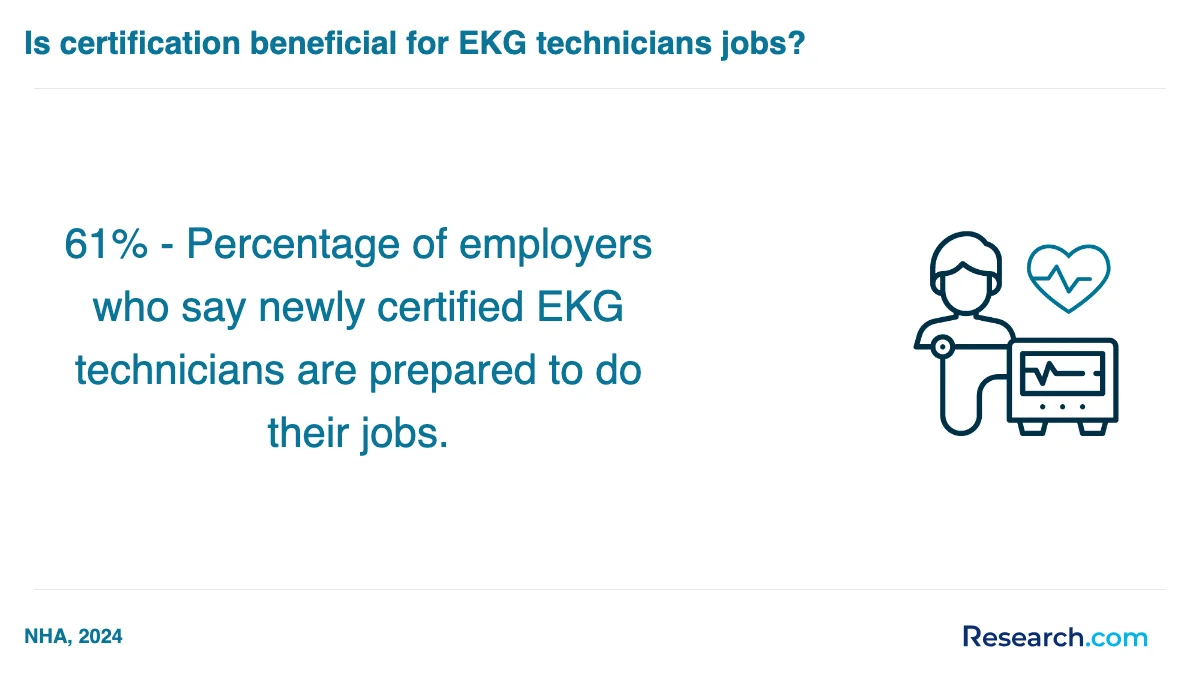
After completing an EKG technician trade school in the South, preparing for the job market involves several key steps. First, obtaining certification is crucial; many employers prefer candidates certified by organizations such as the National Healthcareer Association (NHA) or Cardiovascular Credentialing International (CCI). According to the Bureau of Labor Statistics, certified technicians often have better job prospects and higher salaries.
Networking within local healthcare facilities and attending job fairs can increase employment opportunities. Additionally, gaining hands-on experience through clinical internships during training helps build practical skills valued by employers. Staying informed about regional demand is important, as states like Texas and Florida show higher employment rates for EKG technicians.
Employers in the South region prioritize several key skills when hiring EKG technician trade school graduates. First, strong technical proficiency in operating electrocardiogram equipment is essential. According to the U.S. Bureau of Labor Statistics, hands-on experience with EKG machines and understanding of cardiac anatomy are critical for accurate test administration.
Attention to detail is another highly valued skill. Employers expect graduates to accurately record and analyze heart activity to assist physicians in diagnosis. Communication skills also rank highly, as technicians must explain procedures clearly to patients and collaborate with healthcare teams.
Additionally, knowledge of medical terminology and patient safety protocols is important. The South's healthcare employers often seek graduates familiar with HIPAA compliance and emergency response procedures, reflecting regional standards.
Finding internships in South related to EKG technician trade school programs involves multiple steps. Start by contacting your school's career services or internship coordinator, as many programs have established partnerships with local hospitals and clinics. These institutions often provide priority placement for their students.
Networking is essential. Reach out to healthcare facilities such as cardiology centers, outpatient clinics, and community hospitals in South. According to the South Department of Health, nearly 65% of EKG technician internships are offered through direct agreements with local medical providers.
Additionally, consult online job boards specific to healthcare internships in South, including state government and hospital websites, which frequently post available positions.
Finally, consider joining professional associations like the American Society of EKG Technicians, which provides resources and connections to internships in the region.
Obtaining a diploma from an EKG technician trade school in South significantly enhances career mobility and advancement opportunities. According to the U.S. Bureau of Labor Statistics, cardiovascular technologists, including EKG technicians, are expected to see employment growth of 5% through 2031, reflecting steady demand.
Graduates with a recognized diploma are more likely to qualify for entry-level positions in hospitals, clinics, and diagnostic labs. This credential often serves as a minimum requirement for certification exams, such as the CCI EKG Technician certification, which employers value highly.
In South, where healthcare facilities increasingly rely on skilled technicians, diploma holders report higher starting salaries and faster promotion rates compared to non-certified peers, as noted by regional workforce studies.
Trade schools also provide practical training and networking opportunities, which can accelerate career progression within the state's competitive healthcare market.
Part-time job opportunities in South that complement EKG technician trade school education typically include roles such as medical assistant, phlebotomy technician, and patient care technician. These positions provide hands-on experience with patient interaction and basic clinical procedures, which are valuable for developing practical skills alongside formal training.
According to the U.S. Bureau of Labor Statistics, healthcare support jobs in South are expected to grow by 12% through 2030, reflecting steady demand in this sector. Employers often prefer candidates with some clinical background, making part-time healthcare roles a strategic choice for students.
Additionally, some students find work in outpatient clinics or hospitals, which helps familiarize them with medical equipment and healthcare protocols relevant to EKG work.
Yes, there are EKG Technician degree programs near me that you might consider, with some located near South offering specialized training in electrocardiogram technology. Various universities and colleges provide comprehensive coursework and hands-on clinical experiences to prepare students for certification. Research.com can be a helpful resource for finding and comparing programs based on their offerings and geographical proximity.
Top Trending Rankings
References
- EKG Technician Schools - The 2024 Best Training Programs https://www.onlinedegree.com/article/ekg-technician-schools-training-programs/
- South Carolina School of Phlebotomy - EKG Technician https://www.scphleb.com/ekg.php
- Online Certified EKG Technician (Voucher Included) from University of South Alabama Center for Continuing Education https://careertraining.southalabama.edu/training-programs/certified-ekg-technician-voucher/
- EKG Technician | southerntechnicalinstitute.com https://southerntechnicalinstitute.com/ekg-technician/
- How to Become a EKG Technician - Schools, Programs & Certifications https://www.medicaltechnologyschools.com/ekg-technician
- EKG Technician Career Training – Southern Adventist University https://professionalworkforcedevelopment.southern.edu/ekg-technician-program/
- EKG Technician | CSULB https://www.cpace.csulb.edu/courses/ekg-technician
- Online Certified EKG Technician (Voucher Included) from University of South Carolina Lancaster https://careertraininglancaster.sc.edu/training-programs/certified-ekg-technician-voucher/
- Online EKG Technician Program | CALRegional https://calregional.com/program-category/ekg-technician-program/
- Is an EKG Technician Bootcamp Worth It? | Health Tech Academy https://www.healthtechacademy.org/ekg-technician/is-ekg-technician-bootcamp-worth-it


