
Most Affordable Dialysis Technician Schools & Training - Budget-Friendly Dialysis Tech Trade Programs in West for 2026

Co-Founder and Chief Data Scientist
Choosing the right dialysis technician assistant trade school can shape your future career in healthcare. This article introduces a carefully crafted dialysis technician assistant trade school programs ranking created by the Research.com team of data scientists. It is designed to help you make an informed decision about which programs in the West offer the best opportunities.
By exploring this guide, you’ll discover valuable insights to find a program that fits your goals. Earning a diploma or certification opens doors to rewarding work and personal growth in a meaningful field.
Key benefits of finishing dialysis technician assistant trade school in West
- Graduates of dialysis technician assistant trade schools in the West can expect starting salaries around $16-$18 per hour, with the potential to grow above the national average of $23.61 per hour as experience and certification increase.
- Career paths often include working in clinics, hospitals, or specialized dialysis centers, with many graduates from popular West Coast trade schools quickly finding rewarding roles that offer hands-on patient care and steady job growth.
- Completing a dialysis technician assistant program online offers flexibility and convenience, allowing students to balance work and study effectively, as experienced by many online program graduates who appreciate saving time and managing their schedules.
What can I expect from dialysis technician assistant trade schools in West?
If you enroll in a dialysis technician assistant program in the West, get ready for a hands-on experience that blends classroom learning with real-world practice. Graduates from popular trade schools here often share how the balance between theory-like understanding kidney function and dialysis basics-and practical skills really prepares them for work. You'll spend time in labs or dialysis centers, setting up machines, drawing blood, and learning to keep everything sterile, which can feel challenging but also rewarding as you see the direct impact on patient care.
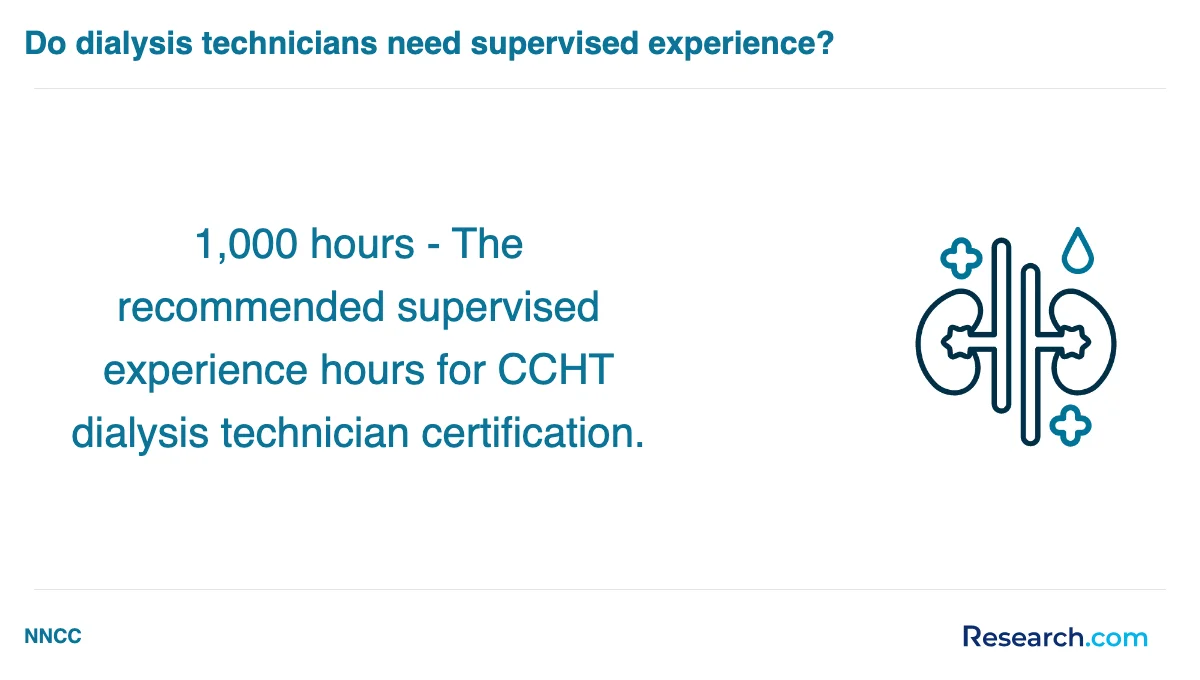
Most programs last around 12 months, with some offering flexible, self-paced options perfect for busy students. Expect to dive into infection control, patient assessment, and monitoring vital signs-skills that graduates say gave them confidence walking into their first job. Schools in the West also focus on prepping you for national certification exams, which is key for getting hired in hospitals or clinics.
Many students appreciate the supportive environment and 24/7 online help, making the journey feel manageable even when things get intense. Overall, it's a physically demanding but emotionally fulfilling path that sets you up for a meaningful career helping people with kidney disease.
Where can I work after finishing dialysis technician assistant trade schools in West?
After finishing a dialysis technician assistant trade school program in the West, you'll find plenty of job options waiting for you. Many graduates land roles in outpatient dialysis centers, where they help patients during treatments and make sure machines run smoothly. Big companies like DaVita and Fresenius Medical Care frequently hire certified assistants, offering flexible full-time or part-time work.
Others take their skills to hospitals with renal care units, working alongside nurses and nephrologists to support patients with both chronic and acute kidney issues. Graduates from popular trade schools in the region often mention how rewarding it is to be part of a healthcare team in urban or rural settings, adapting to different patient needs.
Skilled nursing facilities and long-term care centers are also common workplaces. Here, dialysis technician assistants support elderly or fragile patients who need ongoing care. In cities like League City and Webster, starting wages for certified technicians range from $18 to $21 an hour, often with solid benefits. Many grads feel proud knowing their certification, like CHDT or CCHT, opens doors to stable, meaningful careers in healthcare.
How much can I make after finishing dialysis technician assistant trade schools in West?
After finishing a dialysis technician assistant trade school program in the West, you can expect to earn a solid hourly wage that makes the training worth it. Graduates from popular trade schools in the region often share how rewarding it feels to start working with an average pay of about $26.74 per hour in places like Washington. This means pulling in roughly $55,600 annually if you're working full time. Many grads mention being pleasantly surprised by how quickly their paycheck reflects their dedication and new skills.
Some assistants start a bit lower, around $16.06 per hour, but with experience and local demand, wages often climb to over $31 per hour. Imagine clocking out after a day helping patients and knowing you're earning more than the national average of about $23.61 hourly. For those who push forward to certified dialysis technician roles, salaries between $41,000 and $51,400 annually are common, which feels like a real win after completing the program.
Many grads highlight that working in the West offers a great balance of steady job prospects and competitive pay, especially as healthcare needs grow. It's encouraging to see your hard work pay off both financially and emotionally in this career path.
Most Affordable Dialysis Technician Schools & Training - Budget-Friendly Dialysis Tech Trade Programs in West for 2026
# 1 position
Lower Columbia College - Renal/Dialysis Technologist/Technician.
certificate or diplomaLower Columbia College offers a hybrid Renal/Dialysis Technologist/Technician program preparing students to administer hemodialysis treatments under nurse or physician supervision. The curriculum covers anatomy, dialysis prescription, equipment setup, patient care, venipuncture, emergency intervention, and professional ethics. The program’s annual in-state tuition is $4,346. It is accredited by the Northwest Commission on Colleges and Universities.
# 2 position
Clover Park Technical College - Renal/Dialysis Technologist/Technician.
certificate or diplomaThe Renal/Dialysis Technologist/Technician program at Clover Park Technical College is a hybrid course preparing students to administer hemodialysis treatments under medical supervision. The curriculum covers anatomy, dialysis prescription, equipment setup, patient care, venipuncture, and emergency intervention. Accredited by the Northwest Commission on Colleges and Universities, the program offers in-state tuition of $6,634 annually, with graduates earning a median salary of $42,066 one year after completion.
# 3 position
National Polytechnic College - Renal/Dialysis Technologist/Technician.
certificate or diplomaThe Renal/Dialysis Technologist/Technician program at National Polytechnic College prepares students to administer hemodialysis treatments under medical supervision. The hybrid program covers anatomy, dialysis prescription, equipment setup, patient care, venipuncture, emergency intervention, and professional ethics. Graduates have median earnings of $34,193 one year after completion. The program is accredited by the Accrediting Commission of Career Schools and Colleges.
Key Findings
- Applicants must be at least 18 years old and have a high school diploma or GED; some schools offer a free entrance exam alternative.
- Programs combine theoretical knowledge with hands-on training to prepare students for work in dialysis centers, hospitals, and clinics.
- Most programs last about 12 months and prepare graduates for certification exams like Certified Hemodialysis Technician (CHT) or Certified Dialysis Technician Associate (CDTA).
- Starting salaries typically range from $35,000 to $45,000 annually, with experienced technicians earning between $50,000 and $60,000 or more in some metro areas.
- Career growth is possible through further education, certification, and experience, with opportunities for supervisory or specialized clinical roles.
How long does it take to complete dialysis technician assistant trade schools in West?
If you're thinking about becoming a dialysis technician assistant in the West, you'll be glad to know that most trade school programs wrap up pretty quickly-usually within 6 to 12 months. Graduates often mention how manageable the timeline feels, especially when balancing school with daily life. For example, those who attended popular trade schools in California or Nevada say the hands-on training combined with classroom work helps them gain skills fast without feeling overwhelmed.
One graduate shared how the program's pace kept them motivated, making it easier to stay focused and excited about starting a career in healthcare. Many programs include flexible schedules that fit well with part-time jobs or family commitments, which is a big plus. So, if you're in states like Oregon or Arizona, you can expect a similar timeline and structure, designed to get you job-ready in under a year.
It's pretty rewarding to hear how quickly students go from starting classes to working in clinics, helping patients and making a real difference. That fast track is why dialysis technician assistant trade schools in the West are so appealing to those eager to jump into the field without long delays.
What's the difference between online and on-campus dialysis technician assistant trade school programs?
The biggest difference between online and on-campus dialysis technician assistant programs in the West is how you learn and practice the hands-on skills. Take graduates from Western Kentucky University's online program-they love the flexibility to study from anywhere, juggling work or family while accessing all their materials on laptops or phones. It's perfect if you live far from a campus or have a busy schedule.
But many of those same grads mention the challenge of getting real clinical experience. Since dialysis tech work is very hands-on, mastering things like operating machines or doing venipuncture is tough without in-person training. To solve this, some online students arrange local externships, though finding and completing those can take extra effort.
On the other hand, students at schools like the College of Western Idaho enjoy daily, in-person labs and supervised clinical sessions. They get immediate feedback while practicing patient care and equipment use, which builds confidence quickly. Many say this up-close training made them feel ready to handle real dialysis clinic situations from day one.
What is the average cost of dialysis technician assistant trade schools in West?
The average cost dialysis technician assistant program West 2026 varies widely depending on the school and format of the program. Many trade school graduates in Western states found tuition to range from about $2,000 to $20,000. For example, graduates from Walla Walla University in Washington rave about their affordable four-month program, which costs roughly $2,000 in tuition. These students often mention how accessible and focused the training was, making it a great choice for those on a budget. On the other hand, some programs with added fees can raise the overall cost, so keep this in mind when comparing options.
When looking at dialysis technician assistant program tuition fees Western United States 2026, students often share that online programs can be more wallet-friendly and flexible. For instance, a fully online program from Auburn University costs about $3,000 and allows completion in six months, which former students appreciated for balancing work and study. It's important to also consider extra costs - think application fees, lab fees, and uniforms like those charged by the Georgia Clinic Healthcare Institute, which total around $2,585 including these added expenses.
Many students emphasize how crucial it was to understand what certification do you need to do dialysis? This question often comes up during training and career planning, and reliable info can be found at what certification do you need to do dialysis? Knowing these details helps students make informed decisions about their education and career path in this rewarding healthcare field.
What financial aid is available for dialysis technician assistant trade schools in West?
Dialysis technician assistant students in the West often find plenty of financial aid options to ease the cost of their training. Many graduates from popular trade schools mention how federal student aid, like the Pell Grant, was a game-changer since it doesn't need to be paid back and helped cover tuition right away. Others highlight the benefit of Direct Subsidized Loans, which kept interest at bay while they focused on learning.
Work-study programs also stand out, letting students earn money through part-time jobs on campus. One graduate shared how this helped cover daily expenses without piling on debt. Beyond federal aid, state grants and tuition assistance programs provide extra support, though these vary by state, so it's smart to check what's available locally.
Scholarships from schools, healthcare organizations, and community groups add another layer of help. Many students appreciated that these scholarships didn't require repayment and rewarded both merit and need. When federal aid wasn't an option, flexible, interest-free payment plans offered by some Western trade schools made managing tuition much less stressful, allowing students to focus on their studies with peace of mind.
What are the prerequisites for enrolling in dialysis technician assistant trade schools in West?
To enroll in a dialysis technician assistant trade school program in West, you typically need a high school diploma or GED. Many graduates recall how this basic requirement felt like the first exciting step toward a rewarding healthcare career. Some trade schools in West also ask for a background check or TB test to ensure a safe learning environment-something students found reassuring as they prepared for hands-on patient care.
Other common prerequisites include:
- Basic CPR certification, which many students got through quick local courses before starting the program
- Passing a drug screening, helping maintain a professional and trustworthy atmosphere
- Proof of immunizations, especially for those working in clinical settings
Trade schools popular in West often encourage applicants to bring a positive attitude and willingness to learn, qualities graduates say made the challenging coursework feel manageable and even fun. Some graduates shared how their schools offered orientation sessions that helped ease nerves and set clear expectations, making the start of their journey smooth and encouraging.
What are the typical courses in dialysis technician assistant trade schools in West?
In dialysis technician assistant trade school programs in the West, you'll dive straight into courses that really prepare you for the real world of dialysis care. Graduates often say the mix of classroom learning and hands-on practice was a game-changer for them. Expect to study core topics like:
- Renal anatomy and physiology: Understanding how kidneys work and what goes wrong when they fail is key. Students learn about fluid and electrolyte balance, which makes the whole dialysis process clearer.
- Hemodialysis principles and technology: You'll get to know dialysis machines inside and out, including setup, water treatment, and infection control-skills you'll use daily in clinics or hospitals.
- Patient care skills: This isn't just about machines. Graduates share how learning to monitor vitals and communicate compassionately with patients really boosted their confidence.
- Legal and ethical considerations: HIPAA and patient privacy courses ensure you're ready to handle sensitive info professionally.
Trade schools in places like California and Washington often connect you with clinical practice that feels like a true sneak peek into the job, making the learning experience both exciting and reassuring.
What are the available specializations in dialysis technician assistant trade schools in West?
If you're exploring dialysis technician assistant specializations in Western United States programs, you'll find a variety of focused areas that help you stand out. Graduates from popular trade schools in the West often highlight comprehensive training in hemodialysis and peritoneal dialysis, which prepares them well for real-world patient care. These programs don't just stop at basics; they often include hands-on experience with dialysis technology and infection control, making each day on the job feel manageable and rewarding.
Many Western US dialysis technician assistant program specializations also cover advanced topics that open doors to new career paths, such as:
- Continuous Renal Replacement Therapy (CRRT), often used in intensive care units
- Dialysis water treatment systems to ensure safety and quality
- Peritoneal dialysis for patients who manage treatment at home
- Certified Hemodialysis Bio-Medical Technician (CHBT) credentials
- Certified Clinical Hemodialysis Technician-Advanced (CCHT-A) certification
These focused specialties not only boost your confidence but also your job prospects and earning potential in the dialysis field. Many graduates say they felt ready to face daily challenges, thanks to the robust, practical training. Before choosing a program, it's smart to check what specializations each school offers so you can align them with your career goals. If you're curious about how to choose your path, check out what is the easiest medical field to get started.
How do you choose the best dialysis technician assistant trade school program in West?
When choosing the best dialysis technician assistant trade school program in West, accreditation and hands-on training are key. Graduates from popular colleges in the region often share how clinical rotations helped them feel confident operating dialysis machines and working closely with patients. Programs that balance theory-like renal physiology and patient safety-with real-world experience make a big difference. Many students appreciate schools offering flexible schedules, especially those juggling work or family, since most programs wrap up within 12 months.
Cost is another factor to weigh, so looking at a dialysis technician assistant trade schools cost comparison West can save you both time and money. Some graduates mention that schools with strong career support and partnerships with local clinics made job hunting much easier after finishing their studies. If you're curious about career paths, checking out healthcare jobs linked to dialysis tech roles can give you a clearer picture of what's ahead.
What career paths are available for dialysis technician assistant trade school graduates in West?
Graduates from dialysis technician assistant trade schools in the West have a variety of career paths to explore that keep things interesting and rewarding. Many start as dialysis patient care technicians, working hands-on with dialysis machines and supporting patients during treatment, often in busy hospitals or outpatient clinics. For example, trade schools popular in California and neighboring states report graduates landing positions with starting wages between $21 and $33.78 an hour, which feels great when you're just getting started.
Then there are roles like hemodialysis technicians, where graduates get involved with equipment upkeep and infection control - this is perfect for those who enjoy a mix of technical and patient interaction. Others take their skills to pediatric or home dialysis programs, which can be deeply fulfilling and offer excellent career advancement for dialysis technicians in the West.
Some graduates even pivot into related fields such as medical assisting or emergency department tech roles, showing the flexibility their training provides. Demand stays strong across Western states, with openings especially in metropolitan hubs.
- Operate dialysis machines and monitor patient care
- Assist with equipment maintenance and infection control
- Work in pediatric or home dialysis settings
- Advance into supervisory or trainer roles
Many graduates from these programs know they need certification within 18 months of hire, so securing nationally recognized credentials like the Certified Patient Care Technician helps solidify their career. For those curious about earnings and long-term growth, checking out the pct yearly salary can be eye-opening and motivating as you imagine your own future in this field.
What is the job market for dialysis technician assistant trade school graduates in West?
The job market for dialysis technician assistant trade school graduates in West is pretty encouraging. Many graduates from popular trade schools in states like California and Arizona report landing jobs quickly, especially in bustling healthcare hubs such as Phoenix and Los Angeles. These areas have a high demand due to an aging population and rising chronic kidney disease cases.
Graduates often find themselves ready to step into roles where they support registered nurses, perform dialysis machine maintenance, and assist patients directly. The pace can be fast and the work demanding, but many feel proud knowing they contribute to patients' well-being every day. Here are some reasons graduates feel positive about the prospects:
- Trade programs focus on hands-on skills so students feel confident on day one.
- Local clinics and hospitals frequently post openings, making job hunting less stressful.
- There's room for advancement with experience or extra certifications.
Understanding that this career is a solid pathway helps, especially if you're curious about the highest paying job in the medical field possibilities later on. If you're passionate about healthcare and want a role that offers stability, the dialysis technician job market in the West is one to consider seriously.
It's also helpful to hear from recent grads who describe their first weeks as challenging but rewarding, emphasizing the importance of patience and attention to detail. This well-rounded training and clear demand means the dialysis technician employment opportunities in Western states are quite promising right now.
Frequently Asked Questions about dialysis technician assistant
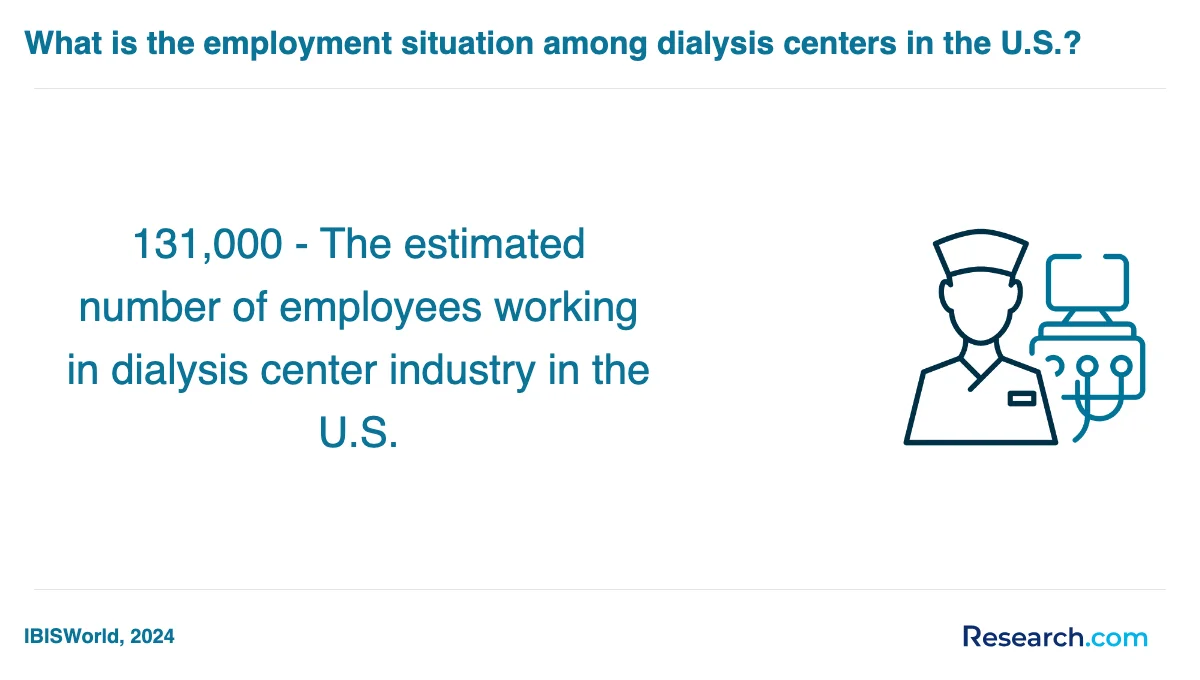
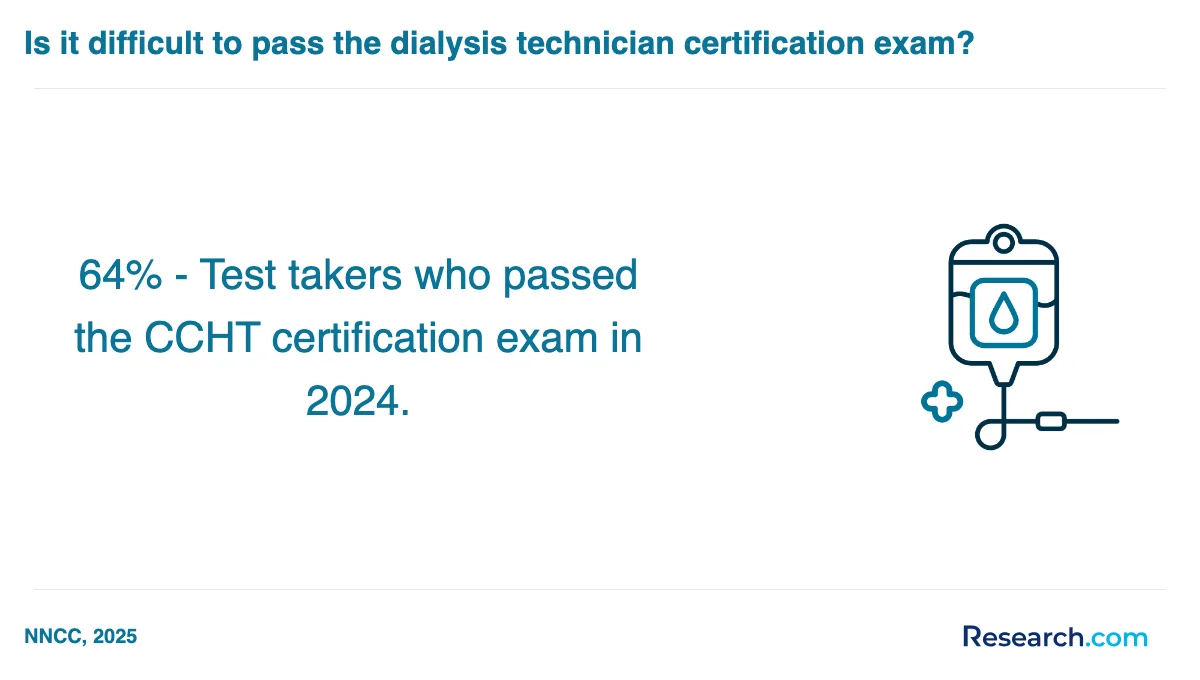
After completing a dialysis technician assistant trade school in West, preparing for the job market involves several key steps. First, obtaining certification is crucial; the National Nephrology Certification Organization (NNCO) offers the Certified Clinical Hemodialysis Technician (CCHT) credential, widely recognized by employers in the region.
Next, gaining hands-on experience through internships or clinical rotations during your program helps build practical skills and improves employability. According to the U.S. Bureau of Labor Statistics, dialysis technician jobs are expected to grow 9% nationally by 2032, with West states showing steady demand.
Networking with local dialysis centers and attending job fairs in healthcare can connect graduates to employers actively hiring. Additionally, maintaining a professional resume highlighting your training and certification enhances job prospects in West's competitive healthcare market.
Employers in West seeking dialysis technician assistant graduates prioritize several key skills essential for effective patient care and safety. Technical proficiency in operating dialysis machines and monitoring treatment parameters is fundamental, as highlighted by the National Kidney Foundation. Strong communication skills are equally important, enabling clear interaction with patients and healthcare teams to ensure accurate treatment delivery.
Attention to detail and adherence to sterile procedures reduce infection risks, a critical factor emphasized by the U.S. Bureau of Labor Statistics. Additionally, problem-solving abilities help technicians address machine malfunctions or patient complications promptly. Familiarity with electronic health records is increasingly valuable due to growing digitalization in healthcare facilities across West.
Finding internships relevant to dialysis technician assistant trade school programs in West requires a strategic approach. Start by contacting your trade school's career services office, as many schools have partnerships with local dialysis centers and hospitals. These institutions often provide internship placements that meet program requirements.
Additionally, explore opportunities at major healthcare providers in West, such as DaVita and Fresenius Medical Care, which operate numerous dialysis clinics and commonly offer internships. According to the National Kidney Foundation, internships in dialysis care can enhance practical skills and increase job placement rates.
Networking with local healthcare professionals and attending job fairs focused on allied health careers can also uncover hidden internship openings. Online platforms like the West State Department of Labor's job portal may list available internships in dialysis care facilities.
Obtaining a dialysis technician assistant trade school diploma in West significantly enhances career mobility and advancement opportunities. Graduates gain specialized skills that meet state certification requirements, making them eligible for entry-level positions in hospitals, dialysis centers, and outpatient clinics. According to the Bureau of Labor Statistics, healthcare support roles in West are projected to grow by 15% through 2030, indicating strong demand.
Diploma holders often qualify for higher starting wages compared to uncertified workers. Additionally, completing an accredited program can open pathways to advanced certifications, such as Certified Clinical Hemodialysis Technician (CCHT), which further improve earning potential and job stability.
Employers in West frequently prefer candidates with formal training, which can expedite promotions into supervisory or specialized technician roles. Trade school diplomas also serve as a foundation for continuing education, enabling professionals to pursue nursing or medical technologist degrees if desired.
Students enrolled in dialysis technician assistant trade schools in West can benefit from part-time jobs that provide relevant healthcare experience. Common opportunities include working as patient care assistants, medical aides, or nursing assistants in hospitals and clinics. These roles help develop skills in patient monitoring and support, which are valuable for dialysis technicians.
According to the U.S. Bureau of Labor Statistics (BLS), healthcare support occupations in West are projected to grow by 15% from 2022 to 2032, reflecting strong job prospects.
Additionally, positions in outpatient care centers and dialysis clinics often offer flexible hours suitable for students balancing education and work.
Gaining hands-on experience through these part-time roles can improve employability upon program completion.
Yes, there are affordable Dialysis Technician Assistant degree programs available near West. Various community colleges and technical institutes provide these programs near me, often offering financial aid or scholarships to reduce costs. Research.com can help identify and compare these and other cost-effective educational opportunities near West for aspiring Dialysis Technician Assistants.
Top Trending Rankings
References
- Program - Dialysis Technician - AdventHealth University https://workforce.ahu.edu/program-dialysis-technician/
- Dialysis Technician Training & Schools https://www.best-trade-schools.net/programs/healthcare/hemodialysis-technician/
- 12 things to look for when Choosing a Dialysis Technician School – Allied Health Network https://alliedhealthnetwork.org/12-things-to-look-for-when-choosing-a-dialysis-technician-school/
- Renal Dialysis Technician | MATC https://www.matc.edu/course-catalog/healthcare/renal-dialysis-technician.html
- Online Hemodialysis Technician from University of West Georgia https://professionaltraining.westga.edu/training-programs/hemodialysis-technician/
- The Best Dialysis Technician Community College Programs https://dialysistechs.org/dialysis-technician-training/community-colleges/
- Dialysis Technician - Blue Ridge Community College https://www.blueridge.edu/programs-courses/healthcare/dialysis-technician/
- Certified Hemodialysis Training Programs https://www.cdph.ca.gov/Programs/CHCQ/LCP/Pages/Certified-Hemodialysis-Training-Programs.aspx
- Online Hemodialysis Technician from Western Carolina University https://onlinecareertraining.wcu.edu/training-programs/hemodialysis-technician/
- Explore Career Opportunities for B Sc Dialysis Graduates https://www.kzu.ac.in/blogs/dialysis-experts-needed-exciting-career-opportunities-for-b-sc-dialysis-graduates


