
Most Affordable Dialysis Technician Schools & Training - Budget-Friendly Dialysis Tech Trade Programs in South for 2026

Co-Founder and Chief Data Scientist
Choosing the right dialysis technician trade school can be a big step toward a rewarding healthcare career. This article introduces the most affordable dialysis technician assistant trade school programs in the South for 2026, helping you find options that fit your budget and goals.
The ranking featured here was created by the Research.com team of data scientists to guide you in making an informed decision. Earning a diploma or certification in this field opens doors to stable job opportunities and personal fulfillment.
Explore your options with confidence and take a positive step toward your future today.
Key benefits of finishing dialysis technician assistant trade school in South
- Graduates in the South can expect hourly wages between $19 and $24, closely matching national averages, with a strong potential to earn around $48,000 annually as they gain experience.
- A typical graduate from a popular Southern trade school often finds career opportunities in hospitals, outpatient clinics, or dialysis centers, offering stable and rewarding roles in healthcare.
- Online trade school programs provide flexibility and convenience, allowing students to balance work and study, as seen with many successful online graduates who quickly enter the workforce.
What can I expect from dialysis technician assistant trade schools in South?
Enrolling in a dialysis technician assistant trade school program in the South means diving into a hands-on adventure that blends classroom learning with real-world experience. Graduates from schools like American College Health & Sciences in Florida or Southern Crescent Technical College often share how exciting it was to operate dialysis machines early on, gaining confidence as they monitored patient safety and managed care. Expect to study everything from the principles of hemodialysis to renal nutrition and dialysis safety protocols, combining lectures with lab work and clinical externships that bring textbook knowledge to life.
The programs typically last just a few months-between 3.5 and 7-making it a fast-paced, intense journey packed with practical skills. Many students find the externship particularly rewarding, as it allows them to work alongside seasoned professionals in local clinics or hospitals, turning nerves into pride as they help real patients. Admission may be competitive, but the challenge is part of the excitement, pushing students to master everything from disease basics to dialysis delivery systems.
Graduates often describe their time studying in South Dakota or Georgia as empowering, knowing they're preparing for a vital role in kidney healthcare. With financial aid options available, this path feels both accessible and fulfilling, perfect for those eager to make a difference in their communities.
Where can I work after finishing dialysis technician assistant trade schools in South?
Graduates from dialysis technician assistant trade schools in the South often find themselves stepping into vibrant healthcare environments where their skills are in high demand. Imagine working in bustling outpatient dialysis centers, where every day brings the chance to support patients battling chronic kidney disease. These centers, ranging from small regional clinics to large national providers, frequently hire newly certified technicians eager to make a difference.
Many graduates recall starting their careers in hospitals in cities like Houston or San Antonio, assisting nurses and managing dialysis machines amid the fast-paced rhythm of inpatient and outpatient care. The variety of job titles-from Patient Care Technician to Hemodialysis Tech-reflects the diverse roles available.
For those craving adventure, travel healthcare offers an exciting path, with short-term assignments across Southern states and pay averaging $1,448 weekly in places like South Dakota. These opportunities allow graduates to explore new communities while advancing their careers.
Whether full-time or part-time, these roles often come with attractive benefits like health insurance and paid holidays, making them a fulfilling choice for graduates from Southern trade schools.
How much can I make after finishing dialysis technician assistant trade schools in South?
After completing a dialysis technician assistant trade school program in the South, many graduates find themselves stepping into entry-level positions with hourly wages ranging from $18 to $24. Imagine finishing your classes at a well-known Southern trade school and landing your first role, earning about $23.61 per hour-a solid start that matches national averages. Some graduates share how their paycheck, often between $19 and $28 per hour, surprises them as a rewarding return on their hard work.
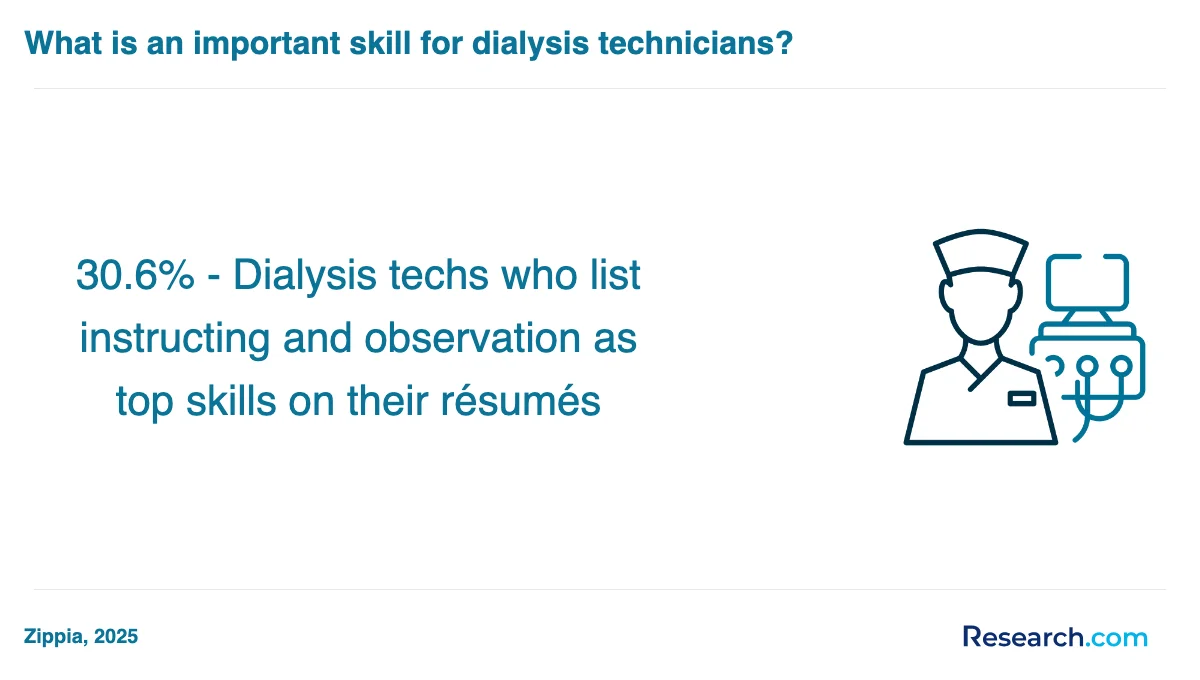
Those who earn certification can expect an average hourly rate near $20.83, with beginners starting closer to $15.50. Think of a recent grad recalling their excitement when their annual salary, starting around $36,000, steadily climbed past $46,000 with experience and extra certifications.
In the South, factors like local demand and cost of living gently shape these numbers, but many graduates find the salary competitive enough to fuel their passion and growth. Some even move into travel technician roles or hospital supervisor positions, where salaries can exceed $50,000 annually, turning a career in dialysis into a promising adventure.
Most Affordable Dialysis Technician Schools & Training - Budget-Friendly Dialysis Tech Trade Programs in South for 2026
# 1 position
Wiregrass Georgia Technical College - Renal/Dialysis Technologist/Technician.
certificate or diplomaThe Renal/Dialysis Technologist/Technician program at Wiregrass Georgia Technical College offers a hybrid format with some distance education options. It prepares students to administer hemodialysis treatments under medical supervision. The curriculum covers anatomy, dialysis procedures, equipment maintenance, patient care, emergency intervention, and professional ethics. Annual in-state tuition is $3,212. Graduates have median earnings of $20,208 one year after completing the program. The program is accredited by the Southern Association of Colleges and Schools Commission on Colleges.
# 2 position
Atlanta Technical College - Renal/Dialysis Technologist/Technician.
certificate or diplomaAtlanta Technical College offers a hybrid Renal/Dialysis Technologist/Technician program preparing students to administer hemodialysis treatments under medical supervision. The curriculum covers anatomy, dialysis procedures, equipment setup, patient care, emergency interventions, and professional ethics. Annual in-state tuition is $3,164. Graduates have median earnings of $21,444 one year after completion. The program is accredited by the Southern Association of Colleges and Schools Commission on Colleges.
# 3 position
Central Georgia Technical College - Renal/Dialysis Technologist/Technician.
certificate or diplomaCentral Georgia Technical College offers a Hybrid Renal/Dialysis Technologist/Technician program preparing students to administer hemodialysis treatments under supervision. The curriculum covers anatomy, dialysis procedures, equipment setup, patient care, emergency intervention, and professional ethics. Annual in-state tuition is $3,180. Graduates earn a median salary of $17,685 one year after completion. The program is accredited by the Southern Association of Colleges and Schools Commission on Colleges.
# 4 position
Southern University at Shreveport - Renal/Dialysis Technologist/Technician.
certificate or diplomaSouthern University at Shreveport offers a hybrid Renal/Dialysis Technologist/Technician program preparing students to administer hemodialysis treatments under nurse or physician supervision. The curriculum covers anatomy, dialysis procedures, equipment maintenance, patient care, venipuncture, emergency intervention, and professional ethics. The program's annual in-state tuition is $4,958, and median earnings one year after completion reach $17,439. It is accredited by the Southern Association of Colleges and Schools Commission on Colleges.
# 5 position
Blue Cliff College-Gulfport - Renal/Dialysis Technologist/Technician.
certificate or diplomaThe Renal/Dialysis Technologist/Technician program at Blue Cliff College-Gulfport prepares students to administer hemodialysis treatments under professional supervision. The hybrid program covers anatomy, dialysis procedures, equipment management, patient care, emergency intervention, and professional ethics. Graduates have median earnings of $18,674 one year after completion. The program is accredited by the Accrediting Commission of Career Schools and Colleges.
# 6 position
Southern Crescent Technical College - Renal/Dialysis Technologist/Technician.
certificate or diplomaSouthern Crescent Technical College offers a Hybrid Renal/Dialysis Technologist/Technician program preparing students to administer hemodialysis treatments under supervision. The curriculum covers anatomy, dialysis prescription interpretation, equipment setup, patient care, venipuncture, emergency interventions, and professional ethics. The annual in-state tuition is $3,126. The program is accredited by the Southern Association of Colleges and Schools Commission on Colleges.
# 7 position
Ogeechee Technical College - Renal/Dialysis Technologist/Technician.
certificate or diplomaThe Renal/Dialysis Technologist/Technician program at Ogeechee Technical College prepares students to administer hemodialysis treatments under medical supervision. The hybrid program includes training in anatomy, dialysis setup, patient care, emergency intervention, and professional ethics. Annual in-state tuition is $3,170. The program is accredited by the Southern Association of Colleges and Schools Commission on Colleges.
# 8 position
Healthcare Training Institute - Renal/Dialysis Technologist/Technician.
certificate or diplomaThe Renal/Dialysis Technologist/Technician program prepares students to administer hemodialysis treatments under the supervision of medical professionals. The hybrid curriculum covers anatomy, dialysis prescription, equipment setup, patient care, venipuncture, emergency intervention, and professional ethics. This program is accredited by the Council on Occupational Education and offers some distance education options to support flexible learning.
# 9 position
Richmond Community College - Renal/Dialysis Technologist/Technician.
certificate or diplomaRichmond Community College offers a hybrid Renal/Dialysis Technologist/Technician program that prepares students to administer hemodialysis treatments under nurse or physician supervision. The curriculum includes anatomy, dialysis prescription interpretation, equipment setup, patient care, emergency intervention, and professional ethics. The program’s annual in-state tuition is $2,552. It is accredited by the Southern Association of Colleges and Schools Commission on Colleges.
# 10 position
Delgado Community College - Renal/Dialysis Technologist/Technician.
certificate or diplomaDelgado Community College offers a hybrid Renal/Dialysis Technologist/Technician program preparing students to administer hemodialysis treatments under medical supervision. The curriculum covers anatomy, dialysis prescription, equipment setup, patient care, venipuncture, emergency intervention, and professional ethics. Annual in-state tuition is $4,678. The program is accredited by the Southern Association of Colleges and Schools Commission on Colleges.
Key Findings
- Admission usually requires a high school diploma or GED and current CPR certification, with no prior healthcare experience needed.
- Programs last from one semester to a year, combining classroom learning and hands-on training in dialysis care and equipment use.
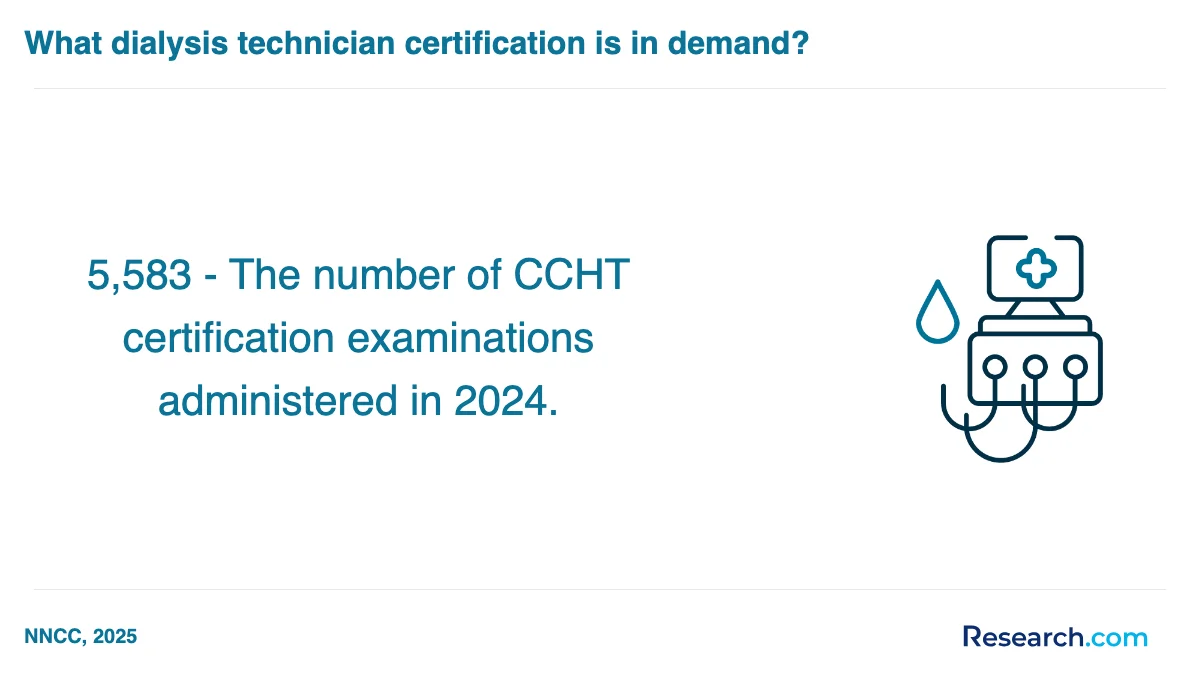
- Graduates can take nationally recognized certification exams like the CHT or CCHT, which are often required by employers.
- Tuition costs range from $2,000 to $8,000, with financial aid and payment plans commonly available.
- Entry-level salaries range from $35,000 to $48,000 annually, with experienced technicians earning over $55,000, especially in urban areas.
How long does it take to complete dialysis technician assistant trade schools in South?
Completing a dialysis technician assistant trade school program in the South usually takes about six to twelve months, making it an exciting and manageable journey for those eager to jump-start their healthcare careers. Many graduates from popular Southern trade schools share how the hands-on training and flexible schedules helped them balance life commitments with learning.
Imagine starting your day in a vibrant classroom at a well-known Southern trade school, then moving to clinical rotations where you assist real patients under expert supervision. This immersive experience often lasts a few months, allowing students to confidently develop skills while feeling supported.
One graduate described the program as a fast-paced adventure that was both challenging and rewarding, enabling them to step into the workforce quickly. The relatively short completion time means you can begin making a real difference in patients' lives without years of waiting, perfect for those ready to embrace a new path with enthusiasm.
What's the difference between online and on-campus dialysis technician assistant trade school programs?
Choosing between online and on-campus dialysis technician assistant programs in the South can feel like stepping into two very different learning worlds. Online programs offer the freedom to study at your own pace-perfect for those juggling work or family. Imagine logging into a digital classroom from home, watching lectures, and completing quizzes whenever your schedule allows. Yet, these programs don't skip the hands-on part; they arrange clinical internships at approved dialysis centers, giving students real-world skills essential for certification.
On the flip side, graduates from on-campus programs at popular Southern trade schools like Central Georgia Technical College often recall the energizing buzz of face-to-face classes and lab work. The structured schedule means being on-site, practicing procedures under direct supervision, and building connections with instructors and peers in real time. Many find this immersive environment invaluable for mastering complex tasks and gaining confidence.
Both paths demand clinical experience, but the choice ultimately hinges on whether you thrive with flexibility or crave in-person interaction in your educational adventure.
What is the average cost of dialysis technician assistant trade schools in South?
The average cost dialysis technician assistant program South can vary widely depending on the school and format chosen. For example, graduates from Calhoun Community College in Alabama happily report paying $999 for the in-person dialysis technician program, which spans just 50 hours over two months-quick and budget-friendly. Those opting for the online version spend a bit more, around $1,299, yet appreciate the flexibility of completing the program in six months at their own pace. This blend of affordability and convenience is a common theme among students seeking dialysis technician assistant program tuition fees South.
In nearby Georgia, the financial investment rises somewhat, with the average Certified Hemodialysis Technician class costing about $4,250 for roughly 10 weeks of intense, career-focused training. Graduates fondly recall how this immersion helped accelerate their entry into the workforce despite the steeper tuition.
Of course, tuition is just part of the story; additional expenses like application fees, books, uniforms, and exams-such as the $225 Certified Clinical Hemodialysis Technician certification-add to the total outlay. Fortunately, prospective students can explore financial aid, scholarships, or work-study options to make costs more manageable.
For those eager to dive into a dialysis technician career, understanding all these components is crucial. Exploring dialysis technician education resources can clarify the journey and help you map out the best investment for a promising future in this rewarding field.
What financial aid is available for dialysis technician assistant trade schools in South?
Dialysis technician assistant students in the South often find relief through a variety of financial aid options that make pursuing their dream more manageable. Imagine a graduate from a popular trade school in Georgia who secured a Pell Grant by submitting the FAFSA early-this grant covered a significant portion of tuition, easing financial stress.
State-specific grants and scholarships are another treasure trove, especially in Southern states like Alabama or Louisiana, where residency and academic merit open doors to unique awards. Many students share how these state grants became the stepping stone to starting their careers without drowning in debt.
Scholarships from healthcare organizations or local community groups often surprise students with unexpected support. One graduate recalls receiving a scholarship from a nephrology association, which felt like a vote of confidence in their future.
Work-study programs also offer a hands-on chance to gain experience while earning, often on campus or nearby clinics, making every hour worked feel purposeful. And for those needing extra funds, federal student loans with flexible repayments provide a safety net.
What are the prerequisites for enrolling in dialysis technician assistant trade schools in South?
To enroll in a dialysis technician assistant trade school program in South, most schools expect a few straightforward prerequisites that open the door to this rewarding career. Graduates often recall the excitement of meeting these requirements, which felt like the first steps toward a meaningful journey.
Typically, you'll need:
- A high school diploma or GED - this foundational achievement proves you're ready to tackle specialized training.
- Basic math and science aptitude - since dialysis involves understanding bodily functions and machine operation.
- Clear background check and immunization records - real-world healthcare settings demand safety and trustworthiness.
- Some schools might require a brief health screening or physical exam to ensure you can handle the physical aspects of the job.
One graduate from a popular South trade school shared how meeting these prerequisites felt like unlocking a door to a highly practical, hands-on education. The process was straightforward, yet it built confidence that they were stepping into a serious, life-enhancing vocation. Imagine starting your day knowing you're about to gain skills that directly impact patients' lives - that's the energy many students bring when they meet these prerequisites and dive into their program.
What are the typical courses in dialysis technician assistant trade schools in South?
Dialysis technician assistant trade school programs in the South pack a powerful punch with courses that blend theory and hands-on learning, designed to boost your confidence as you step into healthcare. Graduates often recall how mastering medical terminology unlocked a new language, helping them navigate patient charts and equipment manuals with ease.
Core classes dive deep into kidney anatomy and physiology, where students explore the fascinating workings of the kidneys and understand what happens during kidney failure. Imagine connecting these lessons to real patients during clinicals at popular Southern trade schools, where the science comes alive.
Here's what students typically experience:
- In-depth study of dialysis principles, including setting up and troubleshooting machines
- Learning infection control practices critical for patient safety
- Patient care skills such as taking vital signs and emergency response
- Medication administration and managing dialysis-specific dietary needs
- Clinical practicum or externship for real-world experience under supervision
Many graduates remember the excitement of applying these skills in outpatient clinics or dialysis centers, turning classroom lessons into lifesaving actions. This blend of courses ensures you're ready for the Certified Hemodialysis Technician exam and a rewarding career in the South's healthcare community.
What are the available specializations in dialysis technician assistant trade schools in South?
Dialysis technician assistant trade school programs in the Southern United States often immerse students in specialized tracks to meet the diverse demands of the dialysis field. Graduates from schools like Aiken Technical College in South Carolina dive into training that includes hemodialysis and pediatric dialysis, gaining hands-on clinical experience that builds confidence for certification exams such as the Certified Clinical Hemodialysis Technician (CCHT).
In Georgia, Central Georgia Technical College shines with its focused diplomas and certificates in Hemodialysis Technology, backed by BONENT approval, inspiring students to feel prepared and valued on their first day assisting patients. Meanwhile, Florida's Global Medical & Technical Training Institute teaches the Dialysis Patient Care Technician program, where students develop skills for working closely with nephrology nurses, often sharing stories about rewarding patient interactions that made their efforts worthwhile.
Popular dialysis technician training programs in Southern United States typically include specialized dialysis technician courses in Southern states covering:
- Hemodialysis treatments
- Peritoneal dialysis
- Home hemodialysis
- Acute and pediatric dialysis care
This variety allows students to tailor their education toward roles they're passionate about, turning curiosity into career satisfaction. Considering exploring which is the easiest field in medical might also help frame your journey uniquely.
How do you choose the best dialysis technician assistant trade school program in South?
Choosing the best dialysis technician assistant trade school program in South means zeroing in on accreditation and hands-on training. Graduates from Greenville Technical College rave about how the nephrology board-accredited curriculum gave them confidence during clinical externships, making the learning feel real and purposeful. When exploring the best dialysis technician schools in the South, look for programs blending classroom knowledge with lab work and clinical rotations-like those offered at Central Georgia Technical College-so you're fully prepared for what awaits in a dialysis clinic.
Flexibility matters too. Many students juggling family and work appreciate how Aiken Technical College's online courses let them study at their own pace without missing essential hands-on skills. To know how to compare dialysis tech programs in Southern states, consider program length, cost, and especially graduate success rates. Schools with strong local healthcare ties boost job prospects, crucial for starting your career.
Curious about career rewards? Discover what is the highest paying job in the medical field to see why this path is worth your investment.
What career paths are available for dialysis technician assistant trade school graduates in South?
Graduates of dialysis technician assistant trade school programs in the South quickly discover a world of opportunity beyond the classroom. Many start their careers as Dialysis Technicians, joining bustling outpatient centers or well-equipped hospitals where, for example, South Carolina alone offers more than 150 dialysis technician jobs in the South as of mid-2025. These roles involve hands-on equipment management and patient monitoring that give graduates a rewarding daily rhythm.
For those eager to deepen their impact, career advancement for dialysis assistants in Southern states often means stepping into Patient Care Technician roles, focusing more on direct patient care like phlebotomy and vital sign checks. Graduates from popular Southern trade schools share stories of feeling proud when they help patients gain comfort and understanding during treatment.
Others embark on adventurous paths such as Travel Dialysis Technician positions, enjoying flexible schedules and the thrill of new work environments across the region. Some even enhance their skills further by entering related fields like vascular ultrasound or radiologic technology.
Those dreaming bigger look to become Registered Nurses with a nephrology specialty or take on supervisory roles, each step opening new rewarding challenges. To explore more about the vast healthcare landscape that awaits after trade school, check out the list of medical professions.
What is the job market for dialysis technician assistant trade school graduates in South?
The dialysis technician job outlook in Southern states is vibrant and full of opportunities for trade school graduates ready to jumpstart their healthcare careers. Graduates from popular trade schools in Texas, Florida, and Georgia often share stories of securing entry-level roles quickly, finding themselves hands-on in dialysis centers alongside professionals in bustling clinics. Employers like U.S. Renal Care actively visit these schools, offering structured training and mentorship to help assistants grow in their skills and confidence.
Salary and employment trends South reveal that starting wages typically fall between $19 to $24 per hour, with many positions offering benefits like tuition reimbursement and paid time off. Graduates appreciate how their roles evolve, as advancing in certification often leads to higher pay and more clinical responsibilities.
For those curious about the best training paths, exploring best online healthcare certificate programs can be a smart step, complementing hands-on experience from trade schools in the South.
Frequently Asked Questions about dialysis technician assistant
After completing a dialysis technician assistant trade school in South, preparing for the job market involves several key steps. First, obtaining certification from recognized bodies like the Board of Nephrology Examiners Nursing Technology (BONENT) can improve job prospects. Employers in South often prefer certified candidates due to the technical nature of dialysis care. Networking is also important; attending local healthcare job fairs and connecting with dialysis clinics can open doors. According to the U.S. Bureau of Labor Statistics, employment for dialysis technicians is expected to grow by 11% nationally through 2032, reflecting steady demand. Finally, keeping up with continuing education helps maintain skills and meet state requirements.
Employers in South seek dialysis technician assistant graduates with strong technical skills and patient care abilities. Proficiency in operating dialysis machines and understanding treatment protocols is crucial, as these skills ensure patient safety and effective therapy.
Communication is another key skill. Graduates must clearly explain procedures and provide emotional support to patients undergoing dialysis. According to the U.S. Bureau of Labor Statistics, healthcare employers emphasize interpersonal skills alongside clinical knowledge.
Attention to detail is vital for monitoring patient vitals and recognizing complications early. Trade schools in South focus on developing these abilities through practical training and internships.
Finally, employers value graduates who demonstrate reliability and teamwork, as dialysis technicians often work closely with nurses and doctors in fast-paced environments.
Finding internships relevant to dialysis technician assistant trade school programs in South involves a few key steps. Start by contacting your trade school's career services, as many maintain partnerships with local dialysis centers and hospitals. These institutions often offer structured internship opportunities that comply with program requirements.
Networking with healthcare providers specializing in nephrology can also be helpful. The South has numerous dialysis clinics accredited by the Centers for Medicare & Medicaid Services, which frequently seek interns to support their workforce.
Another resource is the South Carolina Department of Health and Environmental Control, which provides listings of healthcare facilities offering clinical training. According to the U.S. Bureau of Labor Statistics, internships improve job prospects in this field by up to 20%.
Lastly, online platforms like the National Kidney Foundation's career portal occasionally list internships tailored to dialysis technician assistants in the South.
Obtaining a dialysis technician assistant diploma from a trade school in South significantly enhances career mobility and advancement opportunities. Graduates gain specialized skills in patient care and dialysis equipment operation, which are in demand across hospitals and clinics. According to the U.S. Bureau of Labor Statistics, employment for dialysis technicians is projected to grow by 11% nationally from 2022 to 2032, indicating strong job security.
In South, accredited trade schools often offer hands-on training and clinical internships, improving graduates' readiness for certification exams. Certified technicians typically earn higher wages and have access to supervisory roles, increasing upward mobility.
Furthermore, the diploma can serve as a stepping stone toward related healthcare careers, such as nursing or medical assisting, broadening long-term career prospects.
Students enrolled in dialysis technician assistant trade schools in South can benefit from part-time jobs that provide practical experience and supplement their education. Common opportunities include working as patient care assistants or medical aides in dialysis centers or hospitals. These roles help develop skills in patient monitoring and equipment handling, essential for dialysis technicians.
Additionally, positions such as pharmacy assistants or medical receptionists in healthcare facilities offer valuable exposure to medical environments. According to the U.S. Bureau of Labor Statistics, healthcare support jobs in South are projected to grow by approximately 15% through 2030, indicating strong demand for part-time healthcare roles.
Gaining hands-on experience while studying can improve job prospects and deepen understanding of dialysis treatment processes.
To find the most affordable Dialysis Technician Assistant degree program near you in the South, start by exploring local community colleges and technical schools that often provide cost-effective training programs. Use Research.com to compare tuition fees and program details for institutions near me and other regions near South. Additionally, consider reaching out to local healthcare facilities for guidance, as they may have partnerships with educational programs that offer tuition assistance or job placement opportunities.
Top Trending Rankings
References
- Careers at Fresenius Medical Care | Join Our Mission https://jobs.freseniusmedicalcare.com/
- Dialysis Technician Salary in South Africa in 2025 | PayScale https://www.payscale.com/research/ZA/Job=Dialysis_Technician/Salary
- Careers - U.S. Renal Care https://www.usrenalcare.com/careers/
- Top Skills You’ll Learn in a Dialysis Technician Training Program https://www.mtiofnewyork.com/essential-skills-youll-learn-in-a-dialysis-technician-training-program-at-mti/
- Hemodialysis Technician - Explore Healthcare Careers - Mayo Clinic College of Medicine & Science https://college.mayo.edu/academics/explore-health-care-careers/careers-a-z/hemodialysis-technician/
- Dialysis Technician Training | Molloy University https://www.molloy.edu/certificates/program/dialysis-technician/
- Dialysis Technician https://sunyjefferson.edu/academics/programs/dialysis-technician.php
- Program - Dialysis Technician - AdventHealth University https://workforce.ahu.edu/program-dialysis-technician/
- Dialysis Technician – Walla Walla University https://workforce.wallawalla.edu/dialysis-technician/
- Dialysis Technician Training Schools & Colleges https://www.trade-schools.net/health-care/dialysis-technician


