
Best Dialysis Technician Training Programs & Trade Schools - Top Dialysis Tech Schools in Northeast for 2026

Co-Founder and Chief Data Scientist
Choosing the right dialysis technician trade school in the Northeast can shape your future career and open doors to rewarding opportunities. This article introduces a dialysis technician assistant trade school programs ranking created by the Research.com team of data scientists, designed to help you make an informed decision.
Whether you're starting fresh or seeking certification, understanding which programs offer quality education is key. Reading this guide will give you clarity, confidence, and motivation to pursue a valuable diploma or certification that can lead to a fulfilling healthcare role.
Key benefits of finishing dialysis technician assistant trade school in Northeast
- Graduates in the Northeast can expect competitive wages, with average hourly pay around $25.79 in Massachusetts and $23.97 in New Jersey, offering great earning potential right after school.
- Career paths often include roles in hospitals, dialysis centers, or outpatient clinics, where graduates gain valuable hands-on experience and opportunities for advancement.
- Completing the program online provides flexibility and convenience, allowing students to balance work and study while still earning credentials from respected trade schools in the region.
What can I expect from dialysis technician assistant trade schools in Northeast?
When you enroll in a dialysis technician assistant trade school program in the Northeast, expect a focused, hands-on experience that balances classroom learning with practical skills. Graduates often share how programs in states like Massachusetts and New York quickly immerse them in essential topics such as kidney anatomy, fluid balance, and dialysis machine operation. Many describe the simulated labs as eye-opening, where they practice setting up equipment and monitoring patients just as they would in a real clinic.
Students appreciate how programs commonly include internships or externships, offering a chance to gain supervised, real-world experience in hospitals or dialysis centers. This practical training builds confidence and prepares them for the fast-paced environment of patient care. Beyond technical skills, students highlight learning about safety protocols, ethical considerations, and effective communication, which are vital when working alongside nurses and physicians.
Overall, those who complete these programs feel a rewarding sense of readiness, knowing they can support patients emotionally and medically during dialysis treatments. The blend of theory and practice in Northeast trade schools truly shapes well-rounded dialysis technician assistants.
Where can I work after finishing dialysis technician assistant trade schools in Northeast?
Graduates of dialysis technician assistant trade school programs in the Northeast often find themselves welcomed into diverse healthcare environments. Many begin their careers in bustling hospitals like Beth Israel Deaconess Medical Center in Boston, where they quickly learn the rhythms of patient care-setting up dialysis machines, monitoring vital signs, and supporting patients through their treatment. This hands-on experience sharpens their skills and builds confidence.
Others discover fulfilling roles in outpatient dialysis centers, where continuity of care for chronic kidney disease patients creates a steady and meaningful workday. These centers, often part of large healthcare systems or private companies, offer graduates a chance to grow professionally while making an immediate impact.
University-affiliated medical centers, such as SUNY Downstate Health Sciences University, provide a dynamic workplace where graduates can rotate through technical and patient-support roles, often balancing varied shifts. Even community hospitals and smaller clinics in cities like Ithaca welcome these skilled assistants, proving that opportunity extends beyond big urban centers.
Graduates often reflect on their journey with pride, appreciating how their trade school training opened doors to rewarding careers where they feel valued and essential.
How much can I make after finishing dialysis technician assistant trade schools in Northeast?
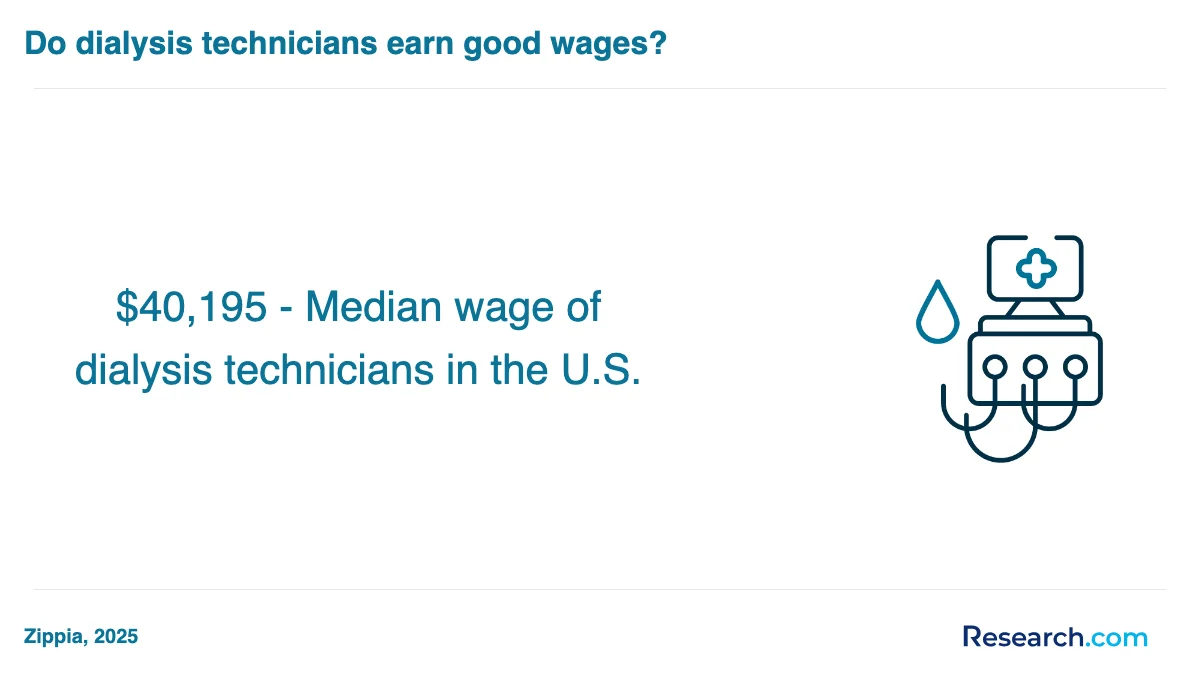
After finishing a dialysis technician assistant trade school program in the Northeast, graduates often find themselves earning between $23.97 and $25.79 per hour, depending on the state. For example, those who trained at well-known trade schools in New Jersey typically start around $23.97 hourly, while graduates from respected programs in Massachusetts report starting wages closer to $25.79. This range reflects real opportunities for steady income, especially when working full-time, translating to annual salaries roughly between $40,000 and $54,000.
Many graduates share that entering urban hospitals or larger medical centers can boost starting pay, making the investment in their education feel rewarding almost immediately. One graduate described the transition from classroom to clinical setting as eye-opening, realizing how their training translated directly into a dependable paycheck.
While entry-level positions lean toward the lower end of the pay scale, there's room to grow. Experience, additional certifications, and working in busier locations can increase earnings over time, encouraging graduates to view their trade school investment as a stepping stone to a fulfilling and financially stable career in a vital healthcare role.
Best Dialysis Technician Training Programs & Trade Schools - Top Dialysis Tech Schools in Northeast for 2026
# 1 position
Community College of Rhode Island - Renal/Dialysis Technologist/Technician.
certificate or diplomaThe Renal/Dialysis Technologist/Technician program at Community College of Rhode Island offers a hybrid format with some distance-education options. It prepares students to administer hemodialysis treatments under medical supervision. The curriculum covers anatomy, dialysis procedures, equipment maintenance, patient care, venipuncture, emergency intervention, and professional ethics. Annual in-state tuition is $5,326. Graduates earn a median salary of $34,786 one year after completion. The program is accredited by the New England Commission on Higher Education.
# 2 position
Passaic County Community College - Renal/Dialysis Technologist/Technician.
certificate or diplomaPassaic County Community College offers a Hybrid Renal/Dialysis Technologist/Technician program preparing students to administer hemodialysis treatments under supervision. The curriculum covers anatomy, dialysis prescription, equipment setup, patient care, venipuncture, emergency intervention, and professional ethics. Annual in-state tuition is $5,580. The program is accredited by the Middle States Commission on Higher Education.
Key Findings
- Dialysis technician assistant programs in the Northeast typically take 6 to 12 months to complete and include hands-on training with dialysis equipment and patient care.
- Program costs range from $1,600 to $4,000, with community colleges often offering more affordable tuition and available financial aid.
- Graduates can take certification exams such as the Certified Hemodialysis Technician (CHT) or Certified Clinical Hemodialysis Technician (CCHT), which are usually required for employment.
- Starting salaries range from $35,000 to $45,000 per year, with potential increases to $50,000 or more for experienced technicians or those with advanced certifications.
- Technicians must earn 24 continuing education credits every two years to maintain their certification and keep up with industry standards.
How long does it take to complete dialysis technician assistant trade schools in Northeast?
Completing a dialysis technician assistant trade school program in the Northeast typically takes between 6 to 12 months, depending on the intensity and structure of the program. Graduates from well-known trade schools in this region often share how the focused, hands-on training accelerated their learning, allowing them to enter the workforce confidently and quickly. One graduate recalled balancing coursework and clinical practice, emphasizing how the compact schedule kept motivation high and provided a clear path to certification.
Many programs blend classroom instruction with real-world experience in local dialysis centers, which helps students grasp the technical skills and patient care aspects simultaneously. This approach not only shortens the overall time but also builds a strong foundation for immediate employment. Students frequently express satisfaction with how the Northeast trade schools tailor their programs to support fast, effective learning without sacrificing quality.
For those eager to start helping patients soon, this completion timeline offers an encouraging and achievable goal, reflecting the efficient yet comprehensive nature of dialysis technician assistant training in the Northeast.
What's the difference between online and on-campus dialysis technician assistant trade school programs?
Online dialysis technician assistant programs in the Northeast offer remarkable flexibility, allowing students to study at their own pace from home. Graduates from North Shore Community College often share how the convenience of interactive videos and virtual modules empowered them to balance family and work while acquiring essential skills like vital sign monitoring and equipment handling. These programs usually require coordinating clinical externships locally, which some find rewarding as it fosters independence in real healthcare settings.
On the other hand, on-campus programs, such as those at the Medical Training Institute of New York, provide hands-on experience right on site. Graduates recall the confidence gained from practicing on actual dialysis machines and immediate feedback from instructors. The personal interaction with peers and mentors in a classroom and clinical environment creates a supportive atmosphere that many find motivating and reassuring.
Both pathways meet certification standards, but the choice truly depends on whether you prefer structured, face-to-face learning or flexible, self-driven study with remote support.
What is the average cost of dialysis technician assistant trade schools in Northeast?
The average cost dialysis technician assistant program Northeast 2026 generally falls between $3,000 and $10,000 annually, depending on the type of trade school and program length. Graduates from popular Northeast trade schools often recall feeling both challenged and supported by programs like the Associate of Applied Science in Radiologic Technology, which charges approximately $8,190 per trimester, summing to about $40,950 for the full course. This investment is often seen as worthwhile because it includes hands-on clinical experience that builds confidence and practical abilities essential for a dialysis technician assistant role.
For students balancing work or family commitments, online dialysis technician assistant programs provide a more affordable route, with tuition fees ranging from $800 to $3,000. These flexible programs attract many who appreciate studying at their own pace without sacrificing income. Additional costs such as books and supplies-commonly around $400 per trimester-and certification exam fees vary by institution, so graduates advise thorough research before enrollment.
To explore diverse pathways, prospective students can consider 2 year medical field programs, which often align well with dialysis technician assistant training. Those who have completed their education in the Northeast often emphasize the importance of accreditation and program quality when evaluating dialysis technician assistant program tuition fees Northeast 2026, recognizing that a sound education is a cornerstone of career success in this rewarding healthcare field.
What financial aid is available for dialysis technician assistant trade schools in Northeast?
Students pursuing dialysis technician assistant programs in the Northeast often find relief through various financial aid options that make their education more accessible. Many graduates recall how federal aid, such as Pell Grants and subsidized loans, eased their burden by covering significant tuition portions without immediate repayment pressures. Completing the FAFSA was a crucial step that opened these opportunities for them.
State-specific programs also play a vital role. For instance, students attending institutions in New Jersey benefited from the Tuition Aid Grant and Governor's Urban Scholarship, which provided additional funds based on residency and demonstrated financial need. These supports transformed what seemed like a daunting expense into a manageable investment.
Trade schools like Northeast Tech often offer their own scholarships and grants tailored to dialysis technician students, awarded periodically and based on merit or career goals. Graduates frequently mention how interest-free payment plans allowed them to spread out tuition costs, making the financial journey less stressful and more predictable.
Even at schools with lower tuition, such as Eastern West Virginia Community and Technical College, available federal and state aid helped graduates focus on learning rather than finances, fostering confidence and a sense of security throughout their training.
What are the prerequisites for enrolling in dialysis technician assistant trade schools in Northeast?
Enrolling in a dialysis technician assistant trade school program in the Northeast typically requires a clear set of prerequisites that ensure students are well-prepared for the demanding yet rewarding journey ahead. Most trade schools expect applicants to have a high school diploma or equivalent, laying a foundation of basic academic skills essential for understanding complex medical concepts.
Graduates often recall how meeting these prerequisites felt like the first step toward a meaningful career. Many programs also emphasize the importance of strong communication and interpersonal skills, which students develop through initial interviews or written assessments. This is crucial since working closely with patients undergoing dialysis demands empathy and clear communication.
Here are common prerequisites you can expect at popular Northeast trade schools:
- High school diploma or GED
- Basic proficiency in math and science
- Background check and immunization records
- Proof of physical health to handle clinical duties
- Completion of a basic CPR certification
One graduate shared how fulfilling it was to clear these initial hurdles, feeling confident that the trade school's prerequisites prepared them well for the hands-on clinical experience ahead. Knowing these requirements helps future students approach enrollment with clarity and reassurance, ready to embrace the life-changing work of dialysis technician assistance in the Northeast.
What are the typical courses in dialysis technician assistant trade schools in Northeast?
Dialysis technician assistant trade school programs in the Northeast focus on a well-rounded curriculum that blends technical dialysis knowledge with essential general education. Graduates often recall how the core renal dialysis courses helped them confidently understand dialysis principles, equipment operation, and patient management. These courses usually cover:
- Principles of dialysis and operation of dialysis machines
- Patient evaluation and infection control protocols
- Emergency response procedures critical in clinical settings
Alongside these, students tackle general education subjects such as elementary algebra, biology, and chemistry. These classes strengthen their grasp of the science behind dialysis therapy and the physiological impact on patients. For many, mastering medical terminology was a turning point, making communication with healthcare teams and patients more intuitive and less intimidating.
Clinical experience is invaluable. For instance, students at the Community College of Rhode Island complete 24 hours of observation in real dialysis units, immersing them in everyday realities. Others find hands-on labs with specialized equipment like the Fistula Dialysis Veni-Dot Nephrology/AV Arm especially rewarding, offering a safe space to practice vital skills before entering the workforce.
Many graduates highlight the flexible schedules that Northeast trade schools offer-morning, evening, or weekend classes-allowing them to balance learning with personal commitments, making the journey both manageable and fulfilling.
What are the available specializations in dialysis technician assistant trade schools in Northeast?
Dialysis technician assistant trade school programs in the Northeast offer a variety of essential specializations designed to prepare graduates for real-world challenges. These specialized dialysis technician programs in Northeast frequently include critical topics such as:
- Principles of hemodialysis and renal anatomy
- Vascular access care and infection control practices
- Dialyzer reprocessing and water treatment
- Management of alarms and medical emergencies
- Patient communication and confidentiality
- Basic Life Support (BLS) and OSHA safety standards
Graduates from popular trade schools like the Medical Training Institute of New York or the Community College of Philadelphia often share how mastering these areas gave them confidence to step seamlessly into their roles. One former student described how hands-on training in machine setup and anemia management felt invaluable when caring for patients during emergencies.
For those curious about the requirements to be a dialysis technician, understanding these specializations not only broadens your skill set but also helps meet employer expectations in this growing field. Programs balancing theoretical knowledge with practical skills truly stand out in the Northeast's competitive landscape.
How do you choose the best dialysis technician assistant trade school program in Northeast?
Choosing the best Northeast dialysis technician assistant trade schools begins with verifying accreditation. Graduates from programs approved by agencies like BONENT or regional accreditors consistently share how this recognition opened doors for certification exams and reliable employment. Many find that programs combining classroom theory with clinical externships at local hospitals provide the confidence they need to excel in real patient care.
Cost is another crucial factor. Students often reflect on how understanding how to compare dialysis technician program costs in Northeast helped them balance tuition with financial aid options. Some programs at community colleges can be completed in as little as six months, offering a faster path to the workforce without sacrificing quality. Graduates appreciate flexible schedules that accommodate working adults.
Finally, consider the outcomes. Those who chose schools with strong certification pass rates and career support felt reassured entering the job market. For a clear picture of earning potential, exploring resources on pct nurse salary provides valuable insight into the profession's rewards.
What career paths are available for dialysis technician assistant trade school graduates in Northeast?
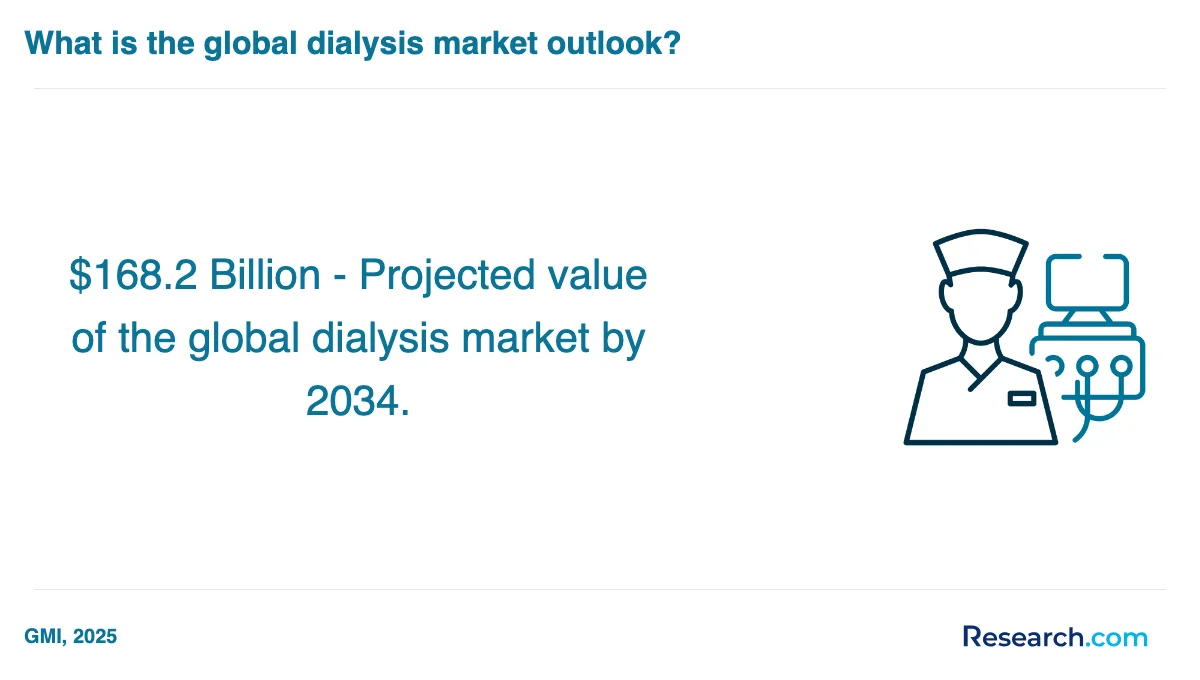
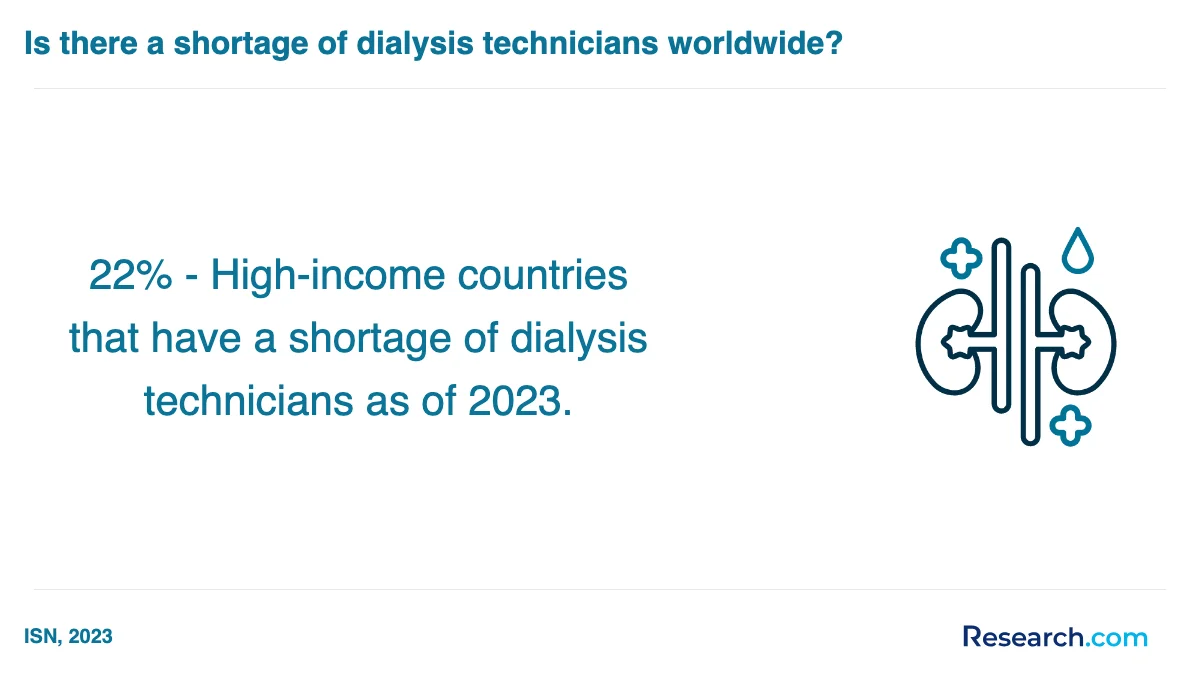
Graduates of dialysis technician assistant trade school programs in the Northeast often find a variety of fulfilling career paths that extend beyond the traditional role of patient care technician. Many begin by working in busy hospitals or outpatient dialysis centers, particularly in Boston, where dialysis technician jobs in Boston and Northeast are in steady demand. Their daily tasks typically include setting up and monitoring dialysis machines, assisting patients throughout treatments, and ensuring infection control-skills emphasized during their hands-on training at well-known regional trade schools.
Some graduates share how trade school prepared them to confidently manage equipment maintenance or step into roles as quality assurance assistants, focusing on safety and compliance. Others move into supervisory or training positions after gaining experience. Opportunities also exist in suburban and rural centers, reflecting strong demand across the whole Northeast region.
Career options like pediatric dialysis support or home hemodialysis facilitation provide specialized paths for those eager to deepen their expertise. Those curious about what jobs can a certified medical assistant get may find similar growth opportunities by aligning their certifications and continuing education with market needs.
What is the job market for dialysis technician assistant trade school graduates in Northeast?
The dialysis technician job outlook Northeast is steady and promising, especially for graduates from well-regarded trade schools in the region. Many find rewarding roles in hospitals, outpatient dialysis centers, and specialized clinics, where demand remains consistent due to the growing need for kidney care. Graduates often share positive experiences about entering the workforce quickly after completing their hands-on training, enjoying the satisfaction of helping patients directly.
Employers in states like New York and Massachusetts tend to prefer candidates who have completed formal programs, sometimes requiring state licenses, making trade schools a crucial stepping stone. Typical roles involve operating dialysis machines, patient monitoring, and collaborating closely with medical teams.
Dialysis technician salary in Northeast reflects the skill and responsibility required, with many positions offering competitive wages near $30-$35 per hour. Graduates appreciate the flexible schedules, including 12-hour shifts, which accommodate different lifestyles.
Popular trade schools in the region provide a strong foundation and connections to local healthcare providers, boosting employment prospects. For more insight on related professions, check this comprehensive list of healthcare professionals.
Frequently Asked Questions about dialysis technician assistant
After completing a dialysis technician assistant trade school in the Northeast, preparing for the job market involves several key steps. First, obtaining certification through organizations like the Board of Nephrology Examiners Nursing and Technology (BONENT) can improve employment prospects. Many employers in the region prefer certified candidates, reflecting a national trend in healthcare hiring. According to the U.S. Bureau of Labor Statistics, dialysis technician roles are projected to grow faster than average, particularly in states like New York and Massachusetts.
Networking with local clinics and hospitals is crucial, as many jobs are filled through direct connections. Additionally, completing clinical externships during training often leads to job offers. Updating a resume to highlight hands-on experience and certifications helps attract recruiters. Finally, staying informed about continuing education opportunities in the Northeast ensures long-term career advancement in this specialized field.
Employers in the Northeast region value dialysis technician assistant graduates who demonstrate strong clinical skills, including proficiency in operating dialysis machines and monitoring patients' vital signs. According to the U.S. Bureau of Labor Statistics, attention to detail and knowledge of infection control protocols are critical to ensuring patient safety during treatments.
Communication skills are also highly sought after, as technicians must effectively interact with patients, families, and healthcare teams. The National Kidney Foundation emphasizes that empathy and professionalism improve patient experience and treatment outcomes.
Additionally, employers look for graduates with solid problem-solving abilities to quickly address equipment malfunctions or patient complications. Trade schools in the Northeast often integrate hands-on training to build these essential skills, aligning with industry standards set by the Board of Nephrology Examiners Nursing and Technology (BONENT).
Finding internships relevant to dialysis technician assistant trade school programs in the Northeast involves targeted research and networking. Many trade schools in this region partner with local healthcare facilities, including hospitals and dialysis centers, to provide hands-on clinical experiences. Students should inquire directly with their school's career services or internship coordinators for available opportunities.
Additionally, organizations such as the National Kidney Foundation and the American Nephrology Nurses Association often list internship openings or clinical placements. According to the U.S. Bureau of Labor Statistics, healthcare internships in the Northeast have grown by 8% over the past five years, reflecting increased demand for trained dialysis technicians.
Contacting local dialysis clinics and hospitals, especially those affiliated with large healthcare systems, can also uncover unadvertised internships. Early application is critical because spots are limited and competitive. Utilizing state workforce agencies and job boards specific to healthcare internships in states like New York, Massachusetts, and Pennsylvania can increase your chances of securing a valuable placement.
Obtaining a dialysis technician assistant diploma from a trade school in the Northeast significantly improves career mobility and advancement opportunities. According to the U.S. Bureau of Labor Statistics, healthcare support occupations, including dialysis technicians, are projected to grow 11% nationally from 2022 to 2032, with the Northeast showing steady demand due to an aging population.
Trade school diplomas provide practical skills and certifications required by many employers, enhancing employability in hospitals and dialysis centers. Graduates often qualify for entry-level positions immediately after completion, which can lead to higher-paying roles or supervisory positions with additional experience.
Furthermore, many Northeast states require certification or licensure for dialysis technicians, which trade programs prepare students to obtain. This credentialing is linked to better job stability and wage growth, as reported by the National Kidney Foundation and state labor departments.
Part-time job opportunities in the Northeast that complement dialysis technician assistant trade school education primarily include roles in healthcare support and patient care. Positions such as medical aides, nursing assistants, or patient care technicians provide valuable hands-on experience with clinical environments and patient interaction. These roles often allow flexible hours, which can fit around class schedules.
According to the U.S. Bureau of Labor Statistics, healthcare support jobs in the Northeast have a projected growth rate of 12% through 2030, reflecting strong demand. Working part-time in dialysis centers or hospitals helps students apply theoretical knowledge practically while improving their resume.
Additionally, some employers offer tuition assistance, making part-time healthcare roles financially advantageous during training.
To choose the best Dialysis Technician Assistant degree program near me in the Northeast, consider evaluating program accreditations, curriculum comprehensiveness, and clinical training opportunities. Research local universities and technical colleges that offer healthcare-related programs to find those providing hands-on experiences and state-of-the-art facilities. Utilizing resources like Research.com can also help identify renowned programs near Northeast that fit your educational and career goals.
Top Trending Rankings
References
- Dive into Dialysis Technician Training in New Hampshire https://medassisting.org/dialysis-technician/nh/
- 5 Steps to Become a Dialysis Technician | BestColleges https://www.bestcolleges.com/healthcare/dialysis-technician/how-to-become-a-dialysis-technician/
- Online Hemodialysis Technician from Northeast Texas Community College https://careertraining.ntcc.edu/training-programs/hemodialysis-technician/
- Dialysis Technician Schools & Certification Programs https://www.medicaltechnologyschools.com/dialysis-technician
- Certified Hemodialysis Training Programs https://www.cdph.ca.gov/Programs/CHCQ/LCP/Pages/Certified-Hemodialysis-Training-Programs.aspx
- Local Training Finder for Renal/Dialysis Technologist/Technician in UNITED STATES | CareerOneStop https://www.careeronestop.org/Toolkit/Training/find-local-training-results.aspx
- Dialysis Technician Training Programs in Manhattan, Queens, Flushing, NY https://www.nymedtraining.com/training-options/dialysis-technician-training-programs/
- Accredited Dialysis Technician Programs https://www.exploremedicalcareers.com/dialysis-technician/accredited-dialysis-technician-programs/
- Online Hemodialysis Technician from Northeast State Community College https://careertraining.northeaststate.edu/training-programs/hemodialysis-technician/
- Search our Job Opportunities at Mayo Clinic https://jobs.mayoclinic.org/category/dialysis-technician-jobs/33647/8819264/1


