
Best Dialysis Technician Training Programs & Trade Schools - Top Dialysis Tech Schools in Florida for 2026

Co-Founder and Chief Data Scientist
Choosing the right dialysis technician trade school in Florida can feel overwhelming, but this article is here to help. We share a carefully crafted ranking of dialysis technician assistant trade school programs developed by the Research.com team of data scientists.
By exploring these trusted programs, you can make an informed decision about your education and career path. Earning a diploma or certification as a dialysis technician assistant opens doors to a rewarding healthcare profession with meaningful work and growth opportunities.
Whether you’re starting fresh or seeking a career change, this guide is designed to support your journey toward success.
Key benefits of finishing dialysis technician assistant trade school in Florida
- Graduates of dialysis technician assistant trade schools in Florida can expect an average hourly pay around $17.64, with potential to earn up to $20.82 or more as they gain experience.
- Many graduates find career growth by advancing to dialysis technician roles or administrative positions in dialysis centers, opening doors to higher salaries and responsibilities.
- Completing the program online offers flexibility and convenience, allowing students to balance work or family, as shown by successful online graduates from well-known Florida trade schools.
What can I expect from dialysis technician assistant trade schools in Florida?
Students enrolling in a dialysis technician assistant program in Florida can expect a well-rounded education combining classroom learning with hands-on practice. Many graduates share how their days included mastering equipment use, monitoring patients, and practicing emergency procedures like CPR-skills they quickly applied during clinical rotations in local dialysis centers.
Programs typically last 6 to 9 months, allowing students to balance full-time or part-time study. Graduates often describe feeling confident after completing supervised clinical hours, where they gained real-world experience in patient care and teamwork, guided by experienced instructors at well-known Florida trade schools.
Expect to dive deeply into renal health, anatomy, and infection control, while also developing professional communication and ethics crucial for healthcare settings. Many students highlight the sense of accomplishment when preparing for national certification exams and additional trainings, knowing they are ready to meet state requirements and step into rewarding healthcare roles.
Where can I work after finishing dialysis technician assistant trade schools in Florida?
After completing a dialysis technician assistant trade school program in Florida, many graduates find themselves stepping confidently into rewarding roles at hospitals, outpatient dialysis centers, and skilled nursing facilities across the state. Popular trade schools in Florida equip students with practical skills that employers in cities like Miami and Jacksonville highly value. Graduates often share how their hands-on training helped them secure positions quickly, feeling proud to support patients during life-saving treatments.
Employment opportunities extend beyond traditional clinics to home dialysis programs and long-term care centers, offering variety and flexibility. Some graduates enjoy working as float technicians, traveling between multiple sites, which keeps their daily routine dynamic and engaging. The steady demand for dialysis assistants in both urban and rural areas means job openings are frequently available.
Many graduates also highlight how earning certifications like the Certified Clinical Hemodialysis Technician (CCHT) through their trade school boosts confidence and opens doors to better pay and advanced roles. The blend of classroom learning and real-world experience creates a strong foundation for a fulfilling career helping patients in need.
How much can I make after finishing dialysis technician assistant trade schools in Florida?
After finishing a dialysis technician assistant trade school program in Florida, many graduates find themselves earning an average hourly wage around $17.64, which translates to roughly $29,500 to $43,300 annually for a full-time schedule. Graduates from well-known Florida trade schools often share stories of starting on the lower end but quickly gaining confidence and pay as they build hands-on experience in dialysis centers.
Some graduates moving into dialysis technician roles report similar hourly wages, though a few have seen rates climb closer to $32 per hour, especially after earning additional certifications or specializing as hemodialysis technicians. For example, a graduate from a popular Florida program described how focusing on hemodialysis skills increased their annual salary to about $44,000, with top earners reaching beyond $50,000.
The Florida market may rank lower in pay compared to other states, but many graduates feel optimistic knowing that advancement and specialized roles can meaningfully boost their earnings and career satisfaction over time.
Best Dialysis Technician Training Programs & Trade Schools - Top Dialysis Tech Schools in Florida for 2026
# 1 position
Atlantic Technical College - Renal/Dialysis Technologist/Technician.
certificate or diplomaThe Renal/Dialysis Technologist/Technician program at Atlantic Technical College offers a hybrid format with some distance education options. It prepares students to administer hemodialysis treatments under supervision, covering anatomy, dialysis setup, patient care, and emergency procedures. Graduates earn a median income of $26,464 one year after completion. The program is accredited by the Council on Occupational Education.
# 2 position
Orange Technical College-East Campus - Renal/Dialysis Technologist/Technician.
certificate or diplomaOrange Technical College-East Campus offers a Renal/Dialysis Technologist/Technician program in a hybrid format, preparing students to administer hemodialysis treatments under supervision. The curriculum covers anatomy, dialysis prescription, equipment setup, patient care, venipuncture, emergency intervention, and professional ethics. Graduates earn a median salary of $22,539 one year after completion. The program is accredited by the Council on Occupational Education.
# 3 position
Florida Panhandle Technical College - Renal/Dialysis Technologist/Technician.
certificate or diplomaFlorida Panhandle Technical College offers a hybrid Renal/Dialysis Technologist/Technician program that trains students to perform hemodialysis treatments under medical supervision. The curriculum covers anatomy, dialysis prescription interpretation, equipment setup, patient care, venipuncture, emergency procedures, and professional ethics. The program is accredited by the Council on Occupational Education, ensuring recognized standards in training and education for aspiring dialysis technicians.
Key Findings
- Programs usually require a high school diploma or equivalent, and may include a criminal background check, drug screening, and health orientation.
- Program length ranges from 4 to 12 months, combining classroom lessons with hands-on clinical experience.
- Curriculum covers anatomy, infection control, patient care, equipment maintenance, emergency procedures, medical terminology, and legal responsibilities.
- Tuition typically costs between $1,500 and $4,000, with certification exams costing an additional $225 to $255.
- Job demand for dialysis technicians is expected to grow 11% nationwide through 2028, with starting salaries between $35,000 and $45,000 annually.
How long does it take to complete dialysis technician assistant trade schools in Florida?
Completing a dialysis technician assistant trade school program in Florida typically takes about 6 to 12 months, depending on the school and whether you attend full-time or part-time. Many graduates from well-known Florida trade schools share how this timeframe allowed them to quickly gain hands-on experience while balancing other life commitments.
For example, students at popular Florida programs often describe their schedules as intensive yet manageable, with clinical rotations integrated early on. This practical approach helps them feel confident and prepared for real-world scenarios, such as assisting patients during dialysis sessions or managing equipment under supervision.
Some graduates mention the rewarding feeling of progressing steadily through their coursework, appreciating how the condensed timeline keeps motivation high. The opportunity to enter the workforce within a year makes the program feel like an achievable and exciting step toward a meaningful healthcare career in Florida's growing medical community.
What's the difference between online and on-campus dialysis technician assistant trade school programs?
The key difference between online and on-campus dialysis technician assistant programs in Florida lies in how students engage with their training. Graduates from on-campus programs, such as those at well-known technical schools in Margate, often describe the value of hands-on labs and face-to-face instruction. They recall moments practicing dialysis machine operation under direct supervision, which builds confidence and sharpens skills quickly. This immediate feedback and real-time interaction with instructors make the learning experience feel immersive and supportive.
In contrast, online students enjoy the flexibility of studying from home, balancing work or family with coursework. However, they still share stories of arranging clinical hours at local Florida healthcare facilities, where they gain essential practical experience. While the online format suits self-motivated learners, these students emphasize the importance of in-person externships to truly master patient care and emergency responses. Both paths prepare students for national certification, but choosing between them often depends on whether you prefer structured, hands-on learning or adaptable, remote study.
What is the average cost of dialysis technician assistant trade schools in Florida?
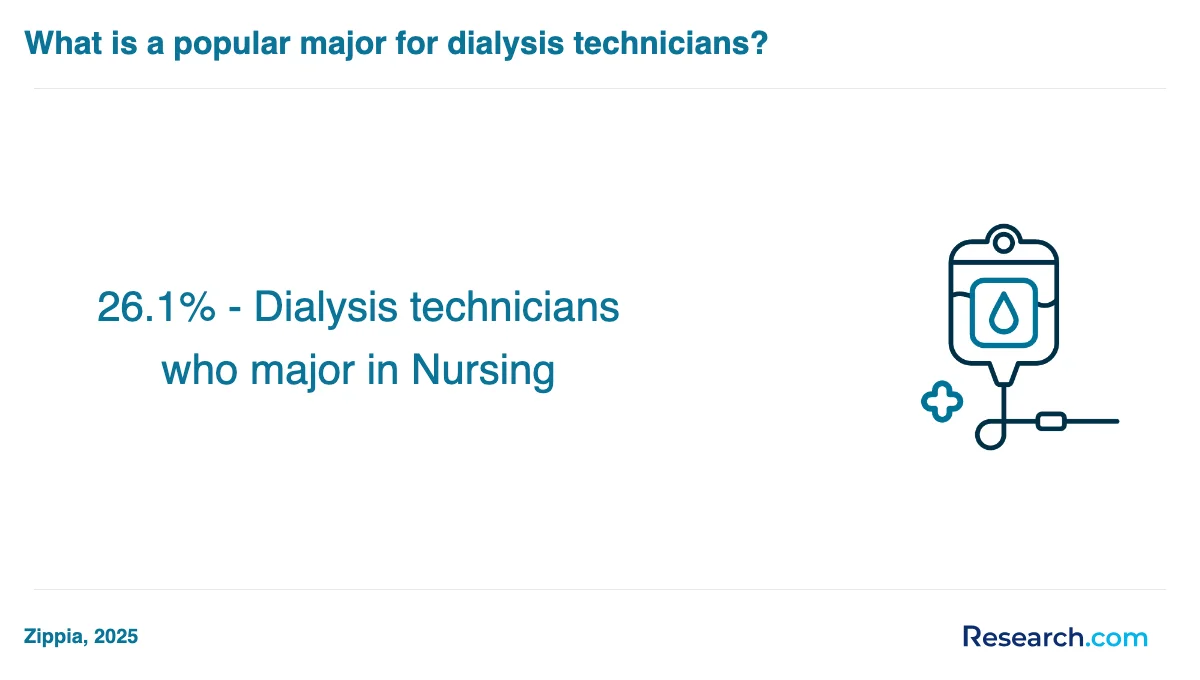
The average tuition for dialysis technician programs in Florida varies widely depending on the trade school and program type. For instance, certificate programs-often the quickest route to entering the field-generally cost between $1,000 and $5,000. Graduates from schools like Lake Technical College in Orlando often recall that their Patient Care Technician program, which includes dialysis technician training, had tuition around $1,728, excluding books and fees. This affordability allows many students to feel hopeful and motivated about starting their new careers without overwhelming debt.
More extensive diploma programs in Florida tend to range from $5,000 to $15,000, reflecting their broader curriculum and longer duration. Students who attend these programs describe an immersive experience that balances hands-on training with classroom learning, often enhancing their confidence in handling dialysis patients. In the Miami area, for example, the cost of a Certified Hemodialysis Technician class averages about $4,250 with a typical 12-week duration, making it an attainable investment for those seeking focused, practical skills quickly.
However, the cost of dialysis technician assistant programs in Florida does not end with tuition. Graduates often mention additional expenses for books, supplies, certification exams, and registration fees. Thankfully, many students find comfort in the availability of financial aid options, including federal student aid, which can ease the financial burden. Those curious about career outcomes might explore what can i do with a medical assistant certificate, linking their training directly to real-world opportunities.
What financial aid is available for dialysis technician assistant trade schools in Florida?
Many dialysis technician assistant students in Florida find financial aid to be a crucial support during their training. Scholarships, for instance, often lift a significant burden off their shoulders. Graduates from popular Florida trade schools recall how scholarship awards-sometimes from healthcare organizations or local foundations-helped them focus fully on learning without constant financial stress.
Federal and state aid also plays a major role. By completing the FAFSA, students unlock Pell Grants and federal loans, which many Florida programs accept, easing the path toward certification. One graduate shared how the Pell Grant effectively covered tuition at a public technical college, making the $2,000 to $3,000 program far more accessible.
Some schools, especially public ones, offer institutional aid and flexible payment plans tailored to dialysis technician students. Graduates often mention how these options created a manageable financial roadmap, allowing them to balance work and study.
However, those exploring private or online-only programs are advised to verify aid eligibility carefully, since federal support can be limited there. Still, with personalized financial aid strategies, many Florida students feel empowered and optimistic about completing their training successfully.
What are the prerequisites for enrolling in dialysis technician assistant trade schools in Florida?
To enroll in a dialysis technician assistant trade school program in Florida, prospective students typically need to meet several key prerequisites that ensure readiness and dedication. Most trade schools require applicants to have a high school diploma or GED, which lays the foundation for the technical knowledge required in the program.
Beyond formal education, students often share that demonstrating a genuine interest in patient care and healthcare settings is crucial. Graduates from popular Florida trade schools recall that schools value applicants who show empathy and strong communication skills, as these traits are vital when assisting dialysis patients.
Many programs also ask for basic health screenings or immunization records, reflecting the hands-on nature of the training. Some schools may require:
- Basic CPR certification before starting clinical rotations
- Background checks to ensure patient safety
- Minimum age of 18 years
One graduate from a well-known Florida trade school described the process as empowering, noting that meeting these prerequisites felt like a positive first step toward a rewarding healthcare career. By fulfilling these requirements, students enter the program confident and prepared to thrive in a supportive learning environment focused on practical skills and compassionate care.
What are the typical courses in dialysis technician assistant trade schools in Florida?
Dialysis technician assistant trade school programs in Florida typically cover a comprehensive blend of courses that prepare students for hands-on clinical roles and technical expertise. Graduates from popular Florida trade schools often recall how core subjects like anatomy and physiology-especially focusing on the kidney system-laid a crucial foundation for understanding dialysis treatments in depth.
Students quickly engage with specialized courses such as Principles of Hemodialysis, where they learn the science behind fluid and waste removal, making the complex process feel tangible and relevant to patient care.
- Operation and maintenance of dialysis machines, ensuring students gain confidence in assembling and troubleshooting equipment.
- Infection control protocols and bloodborne disease management, which empower students to protect themselves and patients.
- Emergency care training, including CPR and first aid, giving students a vital skillset for unexpected situations.
- Communication and interpersonal skills courses, helping students build empathetic relationships with patients facing chronic illness.
- Legal and ethical responsibilities, emphasizing confidentiality and professional standards in Florida clinics.
Many graduates describe the supervised clinical externship as a pivotal experience, where classroom knowledge transforms into real-world confidence. This hands-on training, combined with lessons in psychosocial care and employability skills, ensures students feel ready to step into dialysis clinics across Florida with both technical know-how and compassionate professionalism.
What are the available specializations in dialysis technician assistant trade schools in Florida?
Dialysis technician assistant trade school programs in Florida often include vital specializations that prepare graduates for hands-on roles in kidney care. Many students appreciate how Hemodialysis technician training programs in Florida emphasize practical skills such as vascular access management, machine operation, and infection control. Graduates from popular schools like the American College of Health & Sciences highlight their confidence in performing complete dialysis treatments after mastering these specialized tasks.
Typical specializations studied include:
- Renal physiology and pathology for understanding kidney function
- Emergency response protocols to manage treatment complications
- Patient education and support techniques to enhance patient experience
- Equipment operation, maintenance, and troubleshooting
Students often share that exploring Dialysis technician assistant specializations in Florida provides a balanced mix of science and compassionate care, creating rewarding career pathways. Many find these programs foster employability skills, legal and ethical training, plus health system knowledge. For those seeking flexibility and further credentials, pursuing accredited online healthcare certificate programs can be a complementary option to enhance their expertise.
How do you choose the best dialysis technician assistant trade school program in Florida?
Finding the best dialysis technician programs in Florida often begins with checking accreditation and curriculum depth. Graduates from institutions like AdventHealth University praise the hands-on clinical training that builds confidence in real-world settings. Many students value programs with flexible schedules, such as online or evening classes offered by the University of Florida, which allow balancing work and study seamlessly. When selecting dialysis technician schools in Florida, consider those that prepare you for the Certified Hemodialysis Technician exam; this certification opens doors to many healthcare opportunities. Alumni frequently highlight how thorough preparation at Atlantic Technical College boosted their job readiness and professional growth. Tuition costs and financial aid options also weigh heavily on many students' decisions, as payment plans can reduce stress and ensure focus remains on learning. Exploring programs with strong reputations and visible employment outcomes can guide you toward a rewarding healthcare path, joining a growing list of medical professions.

What career paths are available for dialysis technician assistant trade school graduates in Florida?
Graduates of dialysis technician assistant trade school programs in Florida often find themselves equipped for diverse and rewarding career paths. Many step into roles like Dialysis Patient Care Technicians, where they closely assist nurses and oversee dialysis treatments in various settings such as hospitals and renal care centers. Those coming from popular Florida trade schools share how hands-on training at their institutions made them confident in managing patient care and equipment operation.
Other fulfilling opportunities include becoming Dialysis Biomedical Technicians, focusing on the repair and maintenance of dialysis machines-an essential role especially in larger facilities. Additionally, some graduates begin as Dialysis Assistants, supporting clinical teams and gaining practical experience that can lead to supervisory positions.
For those aiming higher, obtaining national certification, such as through how to become certified dialysis technician programs, often opens doors to enhanced pay and responsibilities. Graduates note how Florida's growing demand for dialysis technician assistants makes building a healthcare career here both exciting and stable.
- Direct patient care roles engaging with dialysis treatments
- Technical positions ensuring medical equipment functionality
- Supportive assistant roles with room for advancement
Florida trade school alumni highlight that their education sparks positive professional confidence and opportunity, allowing them to thrive in the state's expanding healthcare sector.
What is the job market for dialysis technician assistant trade school graduates in Florida?
The dialysis technician job outlook in Florida currently reflects a modest but stable environment for graduates from trade schools specializing in dialysis technician assistant programs. Many graduates from well-known Florida trade schools share positive experiences adapting to the local healthcare landscape despite a job market described as "not very active." While initial hourly wages average around $17.64, graduates often find that pursuing additional certifications or flexible relocation boosts their competitive edge.
Key factors influencing the job market include:
- Lower-than-average salaries compared to national figures, with starting pay between $14.18 and $20.82 per hour
- A limited number of entry-level openings, prompting graduates to be adaptable and persistent
- Opportunities for higher earnings through advancement into roles such as administrative assistant or hemodialysis technician
Several graduates highlight that combining trade school training with practical experience enhances their career prospects and makes the most of Florida's job landscape. For those evaluating future paths, understanding dialysis technician salary trends Florida-wide is crucial, especially for anticipating potential growth into higher-paying specialized positions.
Exploring resources on what is the highest paid medical profession can provide useful context on career advancement opportunities beyond entry-level roles.
Frequently Asked Questions about dialysis technician assistant
After completing a dialysis technician assistant trade school in Florida, preparing for the job market involves several key steps. First, obtaining certification is crucial; the National Nephrology Certification Organization (NNCO) offers the Certified Clinical Hemodialysis Technician (CCHT) credential, which many employers prefer. Florida's healthcare sector is growing, with dialysis technicians earning a median wage of about $38,000 annually, according to the U.S. Bureau of Labor Statistics.
Networking through clinical internships and local healthcare job fairs can improve employment prospects. Additionally, maintaining up-to-date CPR and first aid certifications enhances a candidate's appeal. Finally, staying informed about Florida's licensing requirements and continuing education ensures long-term career success.
Employers in Florida seek dialysis technician assistant graduates who demonstrate strong technical skills and patient care abilities. Proficiency in operating dialysis machines and understanding treatment protocols is essential, as these directly impact patient safety and treatment quality.
Communication skills are highly valued, enabling technicians to interact effectively with patients and healthcare teams. According to the Florida Department of Health, employers also prioritize graduates who show attention to detail and the ability to monitor patients for complications during treatments.
Additionally, knowledge of infection control practices and adherence to safety standards is critical. Familiarity with electronic health records (EHR) systems is increasingly important as Florida healthcare facilities adopt digital record-keeping.
Overall, a balance of technical competence, interpersonal skills, and regulatory knowledge makes graduates highly employable in Florida's dialysis centers.
Finding internships in Florida relevant to dialysis technician assistant trade school programs involves several practical steps. Start by consulting your trade school's career services office, as many schools have partnerships with local dialysis centers and hospitals. These connections often lead to internship placements.
Additionally, the Florida Kidney Foundation and the National Kidney Foundation of Florida can be valuable resources for internship opportunities. According to the U.S. Bureau of Labor Statistics, healthcare support roles like dialysis technician assistant are projected to grow by 11% nationally through 2032, indicating increasing internship availability.
Networking with local dialysis clinics and exploring job boards such as Indeed or the Florida Department of Education's CareerSource can also help identify openings. Many internships require background checks and immunizations, so preparing these early is advisable.
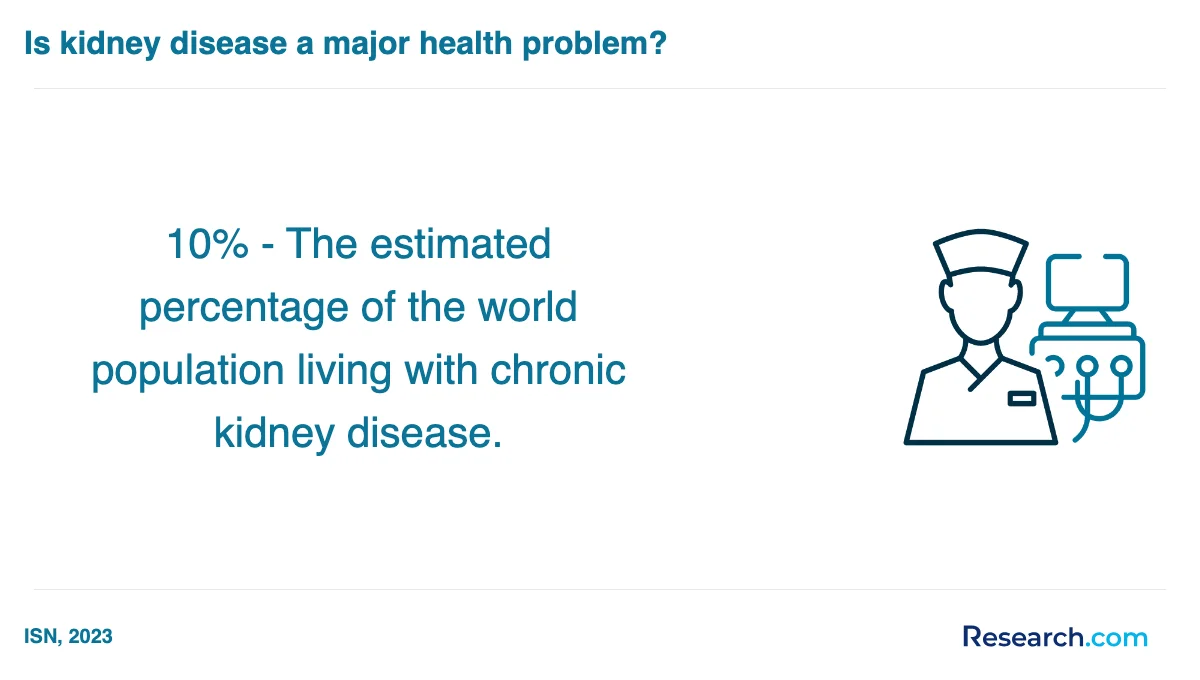
Obtaining a dialysis technician assistant trade school diploma in Florida significantly enhances career mobility within the healthcare sector. Florida's growing elderly population and increasing rates of chronic kidney disease contribute to a steady demand for trained dialysis technicians. According to the U.S. Bureau of Labor Statistics, employment of dialysis technicians is projected to grow about 7% from 2022 to 2032 nationally, with Florida reflecting this trend due to its large healthcare market.
Graduates with a diploma can access entry-level positions in hospitals, dialysis centers, and clinics, often leading to higher certifications and roles. The diploma serves as a crucial credential for state licensure, which is required to work legally and advance professionally in Florida.
Moreover, diploma holders who pursue further certifications, such as the Certified Clinical Hemodialysis Technician (CCHT) credential, can expect better wages and expanded responsibilities. The Florida Department of Education and healthcare employers emphasize formal training as a key factor in hiring and promotion decisions, making the diploma a valuable asset for upward social and economic mobility within the state.
Students enrolled in dialysis technician assistant trade schools in Florida can benefit from various part-time job opportunities that complement their education. Positions such as dialysis technician aides or patient care assistants in outpatient dialysis centers provide hands-on experience with dialysis equipment and patient monitoring. These roles often offer flexible hours suitable for students balancing coursework.
According to the Florida Department of Economic Opportunity, healthcare support occupations, including dialysis technicians, are projected to grow by 15% through 2030, indicating increasing demand for trained personnel. Working part-time in related healthcare settings can enhance practical skills and improve employment prospects post-graduation.
Additionally, roles like medical receptionists or medical billing assistants in nephrology clinics help students understand administrative aspects of dialysis care. These experiences build a well-rounded skill set beneficial in the dialysis field.
To find the best Dialysis Technician Assistant degree program near me in Florida, start by researching local colleges and universities that offer healthcare-related programs, as many institutions provide specialized training in this field. Utilize resources like Research.com to compare program offerings and rankings to ensure a high-quality education. Additionally, consider visiting campuses near Florida to speak directly with advisors or alumni for firsthand insights into their experiences.
Related Dialysis Technician Assistant Rankings for Nearby States
- Best Dialysis Technician Training Programs & Trade Schools - Top Dialysis Tech Schools in Georgia for 2026
- Best Dialysis Technician Training Programs & Trade Schools - Top Dialysis Tech Schools in Louisiana for 2026
- Best Dialysis Technician Training Programs & Trade Schools - Top Dialysis Tech Schools in Illinois for 2026
- Best Dialysis Technician Training Programs & Trade Schools - Top Dialysis Tech Schools in Michigan for 2026
- Best Dialysis Technician Training Programs & Trade Schools - Top Dialysis Tech Schools in Washington for 2026
Top Trending Rankings
References
- Dialysis Technician Training | Molloy University https://www.molloy.edu/certificates/program/dialysis-technician/
- Dialysis Technician Training Programs in Manhattan, Queens, Flushing, NY https://www.nymedtraining.com/training-options/dialysis-technician-training-programs/
- Dialysis Technician Training Schools & Colleges https://www.trade-schools.net/health-care/dialysis-technician
- Program - Dialysis Technician - AdventHealth University https://workforce.ahu.edu/program-dialysis-technician/
- Dialysis Technician | New Age Training https://newagetraining.com/courses/dialysis-technician/
- Dialysis Technician - Genesis Medical Training Center https://www.genesismedicaltraining.com/dialysis-technician/
- Dialysis Technician Program | Michigan Medical Training https://www.dorsey.edu/dialysis-technician/
- Dialysis Technician | Triton College https://www.triton.edu/academics/continuing-education/center-for-health-care-professionals/dialysis-technician/
- Renal Dialysis Technician | MATC https://www.matc.edu/course-catalog/healthcare/renal-dialysis-technician.html
- Hemodialysis Tech Program | Hemodialysis Technician https://www.hollywoodcareerinstitute.com/healthcare-training-in-hollywood-florida/hemodialysis-technician


