
Most Affordable Dialysis Technician Schools & Training - Budget-Friendly Dialysis Tech Trade Programs in Northeast for 2026

Co-Founder and Chief Data Scientist
Are you considering a career as a dialysis technician assistant in the Northeast? Choosing the right trade school is a crucial first step. This article introduces a dialysis technician assistant trade school programs ranking developed by the Research.com team of data scientists to help you make an informed decision.
By exploring these top programs, you’ll discover options that fit your goals and budget. Earning a diploma or certification in this field opens doors to rewarding job opportunities and personal growth. Let’s help you take the next step toward a meaningful healthcare career.
Key benefits of finishing dialysis technician assistant trade school in Northeast
- Graduates can expect an average hourly wage around $24 in the Northeast, with potential to earn between $19 and $28 per hour depending on experience and location, making it a rewarding career choice.
- Many dialysis technician assistant graduates find opportunities in hospitals, clinics, and specialized dialysis centers, offering a clear path to grow into higher roles like dialysis technician with additional training.
- Completing the program online offers flexibility and convenience, allowing students to balance work and life while gaining practical skills, as shown by successful graduates from popular online schools in the region.
What can I expect from dialysis technician assistant trade schools in Northeast?
Expect a focused, hands-on learning experience that prepares you quickly for work in dialysis care, often within six to twelve months. Many students in the Northeast appreciate programs like those at North Shore Community College, where the option to complete training online in six months or less offers flexibility for busy schedules.
Graduates describe a curriculum blending classroom lessons with practical skills-monitoring vital signs, operating dialysis machines, and managing patient safety. Bergen Community College students, for example, benefit from simulated lab kits and real-world practice scenarios that build confidence before clinical internships.
You'll gain direct patient care experience through internships at local healthcare facilities, which is crucial for mastering the day-to-day challenges of dialysis treatment. Many programs also prepare you for certification exams like BONENT's CHT, a key step toward employment.
Admission is straightforward, typically requiring a high school diploma or GED, and flexible scheduling-including evenings and weekends-makes balancing work and study manageable for many students.
Where can I work after finishing dialysis technician assistant trade schools in Northeast?
After finishing a dialysis technician assistant trade school program in the Northeast, graduates typically find jobs in hospitals, outpatient dialysis clinics, and nephrology centers. Many secure positions at large medical centers like Beth Israel Deaconess Medical Center in Boston, where they assist patients before, during, and after hemodialysis treatments. These roles involve hands-on work with dialysis machines, monitoring vital signs, and collaborating closely with nursing staff, offering a rewarding and patient-focused daily experience.
Graduates from popular Northeast trade schools often share how working shifts across multiple clinics helped them build confidence and adapt quickly. Flexibility is key, as employers value the ability to work mornings, evenings, weekends, and holidays. Rural hospitals and regional clinics also provide opportunities, especially for those willing to serve growing patient populations outside urban centers.
Additional certifications, like the BONENT Certified Hemodialysis Technician (CHT), may open doors to more specialized roles and career advancement. The steady demand in the Northeast makes this a practical and promising career path for those completing trade school training.
How much can I make after finishing dialysis technician assistant trade schools in Northeast?
After finishing a dialysis technician assistant trade school program in the Northeast, graduates typically start with hourly wages ranging from about $20 to $25. For example, graduates from well-known trade schools in Massachusetts often report starting around $25.79 per hour, which aligns with the state's average. This means a recent graduate working in Boston or nearby cities can expect solid entry-level pay that comfortably supports living expenses in the region.
In New Jersey, starting wages are slightly lower but still competitive, with average hourly rates near $23.97. Many graduates share positive experiences about quickly finding jobs in hospitals or outpatient clinics, where the demand for skilled dialysis assistants remains strong. These roles often lead to steady schedules and opportunities for overtime, increasing overall income.
Nationally, the average annual salary is around $49,000, but many Northeast graduates see salaries on the higher end due to local demand and cost of living. It's common for those with a year or two of experience to move up to wages exceeding $30 per hour, reflecting the value of practical skills gained during training and early work.
Most Affordable Dialysis Technician Schools & Training - Budget-Friendly Dialysis Tech Trade Programs in Northeast for 2026
# 1 position
Community College of Rhode Island - Renal/Dialysis Technologist/Technician.
certificate or diplomaThe Renal/Dialysis Technologist/Technician program at Community College of Rhode Island offers a hybrid format with some distance-education options. It prepares students to administer hemodialysis treatments under medical supervision. The curriculum covers anatomy, dialysis procedures, equipment maintenance, patient care, venipuncture, emergency intervention, and professional ethics. Annual in-state tuition is $5,326. Graduates earn a median salary of $34,786 one year after completion. The program is accredited by the New England Commission on Higher Education.
# 2 position
Passaic County Community College - Renal/Dialysis Technologist/Technician.
certificate or diplomaPassaic County Community College offers a Hybrid Renal/Dialysis Technologist/Technician program preparing students to administer hemodialysis treatments under supervision. The curriculum covers anatomy, dialysis prescription, equipment setup, patient care, venipuncture, emergency intervention, and professional ethics. Annual in-state tuition is $5,580. The program is accredited by the Middle States Commission on Higher Education.
Key Findings
- Programs are usually offered by community colleges and technical institutes, with options for in-person and online study.
- Costs range from $1,615 to $4,000, often including books and supplies, making it an affordable healthcare training path.
- Applicants typically need to pass basic reading and math assessments before admission.
- Graduates can take certification exams like the Certified Hemodialysis Technician (CHT) or Certified Clinical Hemodialysis Technician (CCHT).
- The average annual salary for certified hemodialysis technicians in the Northeast is about $39,700, with job growth projected at 12% through 2031.
- Continuing education of at least 24 hours every two years is required in some states to maintain certification.
How long does it take to complete dialysis technician assistant trade schools in Northeast?
Completing a dialysis technician assistant trade school program in the Northeast typically takes between 6 to 12 months. Graduates from well-known trade schools in this region often share how this timeframe fit perfectly with their busy schedules, allowing them to balance work, family, and education without feeling overwhelmed.
For instance, many students find that accelerated programs lasting about 6 months provide an intensive, hands-on learning experience that quickly prepares them for certification. Others prefer the 9 to 12-month options, which offer a more paced approach with evening or weekend classes, making it easier to maintain steady progress.
One graduate described their journey as empowering, noting how the practical training at a popular Northeast trade school helped them gain confidence operating dialysis machines in real clinical settings by the end of the program. This real-world readiness is a common highlight, making the investment of time feel both manageable and rewarding.
What's the difference between online and on-campus dialysis technician assistant trade school programs?
The main difference between online and on-campus dialysis technician assistant trade school programs in the Northeast is how instruction and hands-on training are delivered. Online programs like those at Eastern West Virginia Community and Technical College let students study at their own pace from anywhere, using interactive modules and virtual labs. Graduates often appreciate the flexibility, especially when balancing work or family, and some online courses even mail lab kits for limited hands-on practice at home, making skills feel more tangible despite the distance.
On-campus programs, such as those at North Shore Community College or the Medical Training Institute of New York, require physical attendance for classes and clinical labs. Students value the direct, in-person guidance from instructors and real patient interactions, which build confidence in practical skills and teamwork. Hybrid models combine the best of both worlds, providing online theory with scheduled in-person labs, which many find ideal for mastering complex procedures.
Both formats prepare students for national certification exams and lead to similar career opportunities, so the choice often depends on personal learning style and access to clinical sites.
What is the average cost of dialysis technician assistant trade schools in Northeast?
The average cost dialysis technician assistant program Northeast 2026 typically ranges between $1,300 and $3,600, depending on the institution and program specifics. Graduates from trade schools like North Shore Community College in Massachusetts recall their satisfaction with a non-credit Dialysis Technician program costing $1,299, which they completed in six months or less. This relatively low tuition made it easier for them to start their careers quickly without excessive debt.
At the higher end, students at institutions such as the Medical Training Institute of New York paid around $3,308. This comprehensive fee covered tuition, technology, clinical and lab work, registration, books, and uniforms. Graduates appreciated the all-inclusive pricing because it removed surprises and extra expenses. Similarly, EASTCONN in Connecticut charges $3,595 for a Hemodialysis Technician course, including tuition, books, and supplies, making it another popular option in the region.
When budgeting for dialysis technician assistant program tuition fees Northeast 2026, keep in mind that additional costs like certification exam fees of $200 to $250 may apply. Many students who trained locally found it helpful to research thoroughly and speak directly with school representatives for the latest tuition details. For a deeper understanding of dialysis technician education requirements, prospective students often consult dedicated resources such as dialysis technician education requirements.
What financial aid is available for dialysis technician assistant trade schools in Northeast?
Dialysis technician assistant students in the Northeast often rely on a mix of federal, state, and institutional aid to manage their education costs. Many start by submitting the FAFSA, which can unlock federal grants like the Pell Grant, offering up to $7,395 for those who qualify, easing the burden of tuition and supplies. Graduates from popular trade schools in Massachusetts and New York have shared how Pell Grants made a real difference, allowing them to focus on learning rather than worrying about bills.
Federal loans are another option, especially Direct Subsidized Loans that don't accrue interest while you're studying. Some students found these loans manageable since repayment only begins six months after finishing their program.
State-specific aid programs also play a key role. For example, New Jersey students can apply for the Tuition Aid Grant or the Governor's Urban Scholarship, which helped graduates from community colleges in Newark reduce their expenses significantly.
Trade schools themselves often provide institutional scholarships or flexible payment plans. Graduates from institutions in Vermont recall how interest-free installment plans helped them spread out their costs, making the investment feel less daunting.
Overall, combining these aid sources can make dialysis technician assistant programs more affordable and accessible across Northeast states.
What are the prerequisites for enrolling in dialysis technician assistant trade schools in Northeast?
To enroll in a dialysis technician assistant trade school program in the Northeast, students typically need a high school diploma or GED as a basic prerequisite. Many trade schools in this region emphasize a clear foundation in science and math, so having completed courses like biology or chemistry in high school can be a huge advantage. Graduates often recall that meeting these requirements helped them grasp complex dialysis concepts more confidently.
Other common prerequisites include:
- Proof of immunizations and a recent physical exam to ensure student health and safety during clinical rotations
- Background checks and drug screenings, which are standard to qualify for hands-on training in healthcare settings
- Sometimes, schools require a minimum age of 18 to comply with clinical site regulations
One graduate shared that having strong communication skills was just as important as the formal prerequisites because working closely with patients demands empathy and clear interaction. Trade schools popular in the Northeast often offer preparatory workshops or advising sessions to help applicants meet these requirements smoothly, turning initial nerves into confidence as they begin their career journey.
What are the typical courses in dialysis technician assistant trade schools in Northeast?
Dialysis technician assistant trade school programs in the Northeast focus on practical and essential courses that prepare students for real-world dialysis clinic roles. Graduates often share that the curriculum's balance of theory and hands-on practice builds their confidence quickly.
Key courses typically include:
- Medical Terminology: Crucial for clear communication with healthcare teams, this course lays the groundwork for understanding dialysis-specific language.
- Hemodialysis Technician Course: Covers kidney function, dialysis processes, and machine operation. Students learn to handle vascular access devices like fistulas, a skill essential for patient care.
- Patient Care and Safety: Focuses on monitoring patients, identifying complications, and emergency responses, often practiced under nurse supervision, especially in Massachusetts programs.
- Hands-on Laboratory Sessions: Using simulation kits and real equipment, students develop venipuncture and troubleshooting skills, which many graduates say made them job-ready.
- Anatomy, Physiology, and Pharmacology: These courses deepen understanding of the human body and medication effects related to dialysis treatment.
Popular Northeast trade schools often structure these courses for completion within 4 to 9 months, ideal for students eager to start working swiftly. Graduates highlight the value of this practical focus, saying it helped them navigate their first day in dialysis clinics with assurance and competence.
What are the available specializations in dialysis technician assistant trade schools in Northeast?
Dialysis technician assistant trade school programs in the Northeast typically offer specializations that cover essential skills such as hemodialysis procedures, vascular access care, and patient monitoring. Graduates from popular trade schools like Bay State College in Massachusetts and Stone Academy in Connecticut often highlight the value of hands-on clinical training, which builds confidence in real-life dialysis center environments.
Many students appreciate that specialized dialysis technician programs in Northeast also focus on infection control protocols and equipment maintenance, critical for patient safety. For example, graduates mention how learning proper sterilization techniques at schools such as North Shore Community College prepares them for the fast-paced dialysis centers they join. These comprehensive skill sets reflect dialysis technician assistant specializations in Northeast, enabling technicians to adapt quickly.
Pragmatic planners will value programs incorporating both classroom theory and real clinical exposure. This dual approach helps students feel ready to meet certification requirements and workplace demands. Those interested in career flexibility also explore on-the-job training options offered by employers like DaVita, which complements formal education. For additional insight on career paths for medical assistants, see what can a certified medical assistant do.
How do you choose the best dialysis technician assistant trade school program in Northeast?
Start by verifying that the program holds proper accreditation from recognized bodies like BONENT or the New England Commission of Higher Education (NECHE). Graduates from well-accredited schools in the Northeast often share how this gave their resumes credibility and eased certification exam preparations.
Look for a curriculum blending classroom theory with hands-on training-skills such as operating dialysis machines and emergency protocols are non-negotiable. Many graduates from North Shore Community College praise its flexible scheduling and online options, which helped them balance work and study effectively. This approach is key when comparing dialysis technician schools in Northeast.
Cost transparency matters. Tuition can range from $1,600 up to $4,000, so confirm what's included-supplies, exam fees, and financial aid options. Knowing these details helps you plan without surprises. Some students found that financial aid made a significant difference, allowing them to focus on learning.
Faculty expertise and school support services-like tutoring and job placement-are game changers. Graduates often mention how instructors with clinical backgrounds provided valuable real-world insights, boosting their confidence before entering the workforce.
Finally, check certification pass rates and job placement success of the programs. High rates indicate strong preparation and employer trust. For a broader view on healthcare training options, explore 2 year medical programs that complement your dialysis technician training goals.
What career paths are available for dialysis technician assistant trade school graduates in Northeast?
Graduates of dialysis technician assistant trade schools in the Northeast find multiple dialysis technician career opportunities in Northeast healthcare settings. Many secure stable roles as Dialysis Technicians or Dialysis Technician Assistants at major hospitals and dialysis centers, where they support patients by monitoring treatments and maintaining equipment. Popular trade schools in the region prepare students with hands-on training, making graduates confident in real-world clinical environments.
Other common roles include:
- Patient Care Technician (PCT) positions in dialysis units, offering wages between $19 and $35 per hour depending on certification and experience.
- Biomedical equipment maintenance jobs, which involve daily water testing and ensuring equipment safety.
- Quality control roles within dialysis centers collaborating with clinical engineering teams.
Some graduates use their experience to advance toward careers as Registered Nurses or Biomedical Technicians, often supported by employers through tuition assistance programs. Dialysis patient care jobs in Northeast cities are consistently in demand, with numerous openings due to chronic kidney disease prevalence. For those evaluating their earning potential, checking the dialysis pct salary data can provide practical insight to plan next steps effectively.
What is the job market for dialysis technician assistant trade school graduates in Northeast?
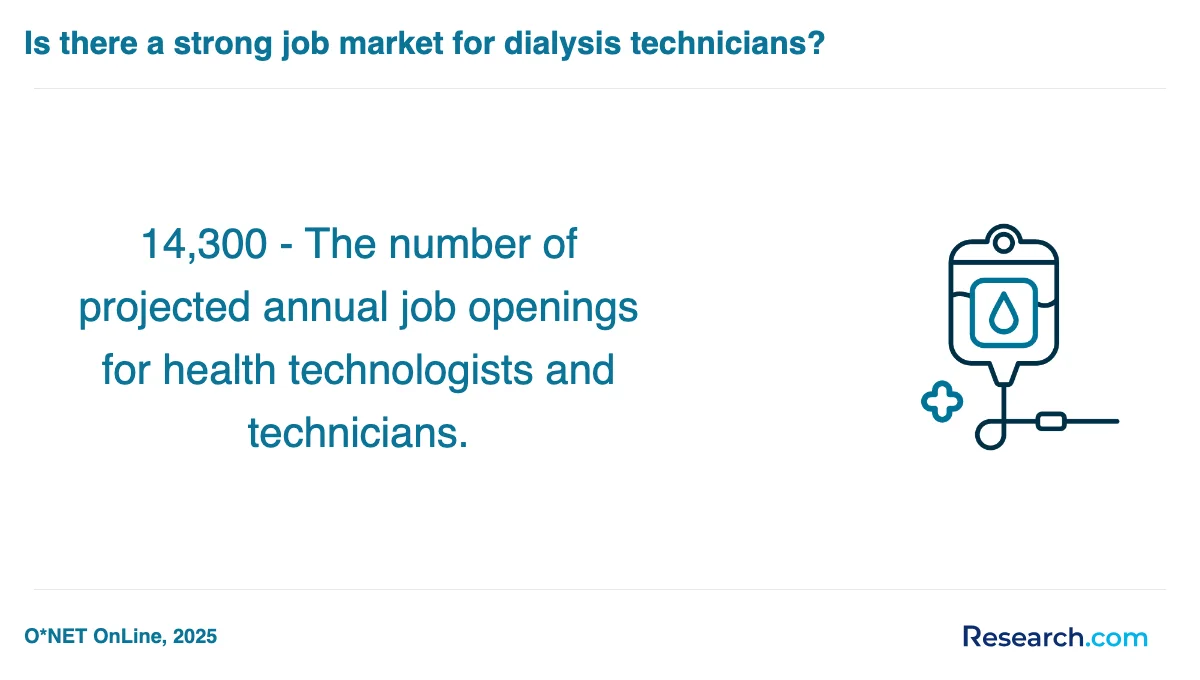
The dialysis technician job outlook Northeast remains steady, driven by growing demand in hospitals, outpatient clinics, and dialysis centers. Graduates from popular trade schools in the region often share stories of quickly finding roles operating dialysis machines, assisting nurses, and gaining hands-on patient care experience. For instance, those completing programs in New York or Connecticut report seeing numerous openings nearby, with Farmington listing 16 jobs and Albany up to 39, demonstrating strong dialysis technician employment opportunities in Northeast.
Typical entry-level positions require an accredited trade school certificate and often state-specific certification. Graduates appreciate employers offering flexible, in-person 12-hour shifts, allowing work-life balance in busy healthcare environments. Hourly wages typically range from $30 to $35 in New York, offering competitive pay compared to other healthcare support roles.
Trade school alumni emphasize how their training prepared them well for these roles, making a real impact on patients' lives daily. Prospective students can explore more career options through this list of medical professions to understand how dialysis work fits into broader healthcare trends.
Frequently Asked Questions about dialysis technician assistant
After completing a dialysis technician assistant trade school in the Northeast, preparing for the job market involves several key steps. First, obtaining certification through the Board of Nephrology Examiners Nursing and Technicians (BONENT) or the National Nephrology Certification Organization (NNCO) is essential, as employers often require it. According to the U.S. Bureau of Labor Statistics, the demand for dialysis technicians in states like New York and Massachusetts is expected to grow by 8% through 2030, reflecting steady job opportunities.
Networking with local healthcare providers and attending job fairs can increase employment chances. Additionally, gaining hands-on experience through internships during training enhances practical skills and employability. Keeping up-to-date with continuing education is also recommended to maintain certifications and improve career prospects.
Employers in the Northeast prioritize a combination of technical skills and interpersonal abilities when hiring dialysis technician assistant graduates from trade schools. Proficiency in operating dialysis machines and understanding patient care protocols are essential. According to the U.S. Bureau of Labor Statistics, technical competency directly impacts job performance and patient safety.
Communication skills are also critical, as assistants must interact clearly with patients and healthcare teams. Attention to detail and the ability to monitor patients for adverse reactions during treatments are highly valued. The National Kidney Foundation highlights these traits as key to reducing complications.
Furthermore, employers seek candidates with certification from accredited programs, reflecting standardized training aligned with industry demands. Adaptability and a strong work ethic remain important in the fast-paced clinical environments common throughout the Northeast.
Finding internships relevant to dialysis technician assistant trade school programs in the Northeast involves a focused approach. Start by contacting accredited trade schools, as many have partnerships with local clinics and hospitals offering clinical placements. The U.S. Bureau of Labor Statistics notes that hands-on experience is essential for dialysis technician certification, making internships critical.
Healthcare facilities in urban centers like New York, Boston, and Philadelphia commonly provide internships due to higher patient demand. Additionally, the National Kidney Foundation and local dialysis providers often list internship opportunities on their websites. Networking through school career services and attending regional healthcare job fairs can also increase chances of securing internships.
Obtaining a dialysis technician assistant diploma from a trade school in the Northeast significantly enhances career mobility. According to the U.S. Bureau of Labor Statistics, healthcare occupations in this region are expected to grow by over 15% through 2030, creating strong demand for skilled dialysis technicians. Graduates with diplomas often find it easier to secure entry-level positions in hospitals, dialysis centers, and outpatient clinics.
Completion of a diploma program also opens opportunities for advancement. Many employers prefer candidates with formal education due to the specialized skills taught, including patient care, equipment operation, and safety protocols. Additionally, some states in the Northeast require certification or licensing, which a diploma program helps prepare students for.
Furthermore, diploma holders can pursue further certifications or associate degrees, facilitating upward mobility into supervisory or specialized technical roles. This pathway is supported by workforce studies from the National Kidney Foundation, emphasizing education as a key factor in career growth within dialysis care.
Students enrolled in dialysis technician assistant trade schools in the Northeast can benefit from part-time jobs in healthcare settings. Positions such as medical assistants, nursing aides, or patient care technicians provide relevant experience. These roles enhance practical skills like patient interaction and basic clinical tasks, complementing classroom learning. According to the U.S. Bureau of Labor Statistics (2023), healthcare support jobs in states like New York, Massachusetts, and Pennsylvania are expected to grow between 8% and 12% over the next decade, offering ample opportunities.
Part-time work in dialysis centers or hospitals also helps build professional networks, which can be crucial for job placement after graduation.
Yes, there are affordable Dialysis Technician Assistant degree programs near Northeast and in various locations near me. Many community colleges and technical schools offer these programs, providing hands-on training and education in dialysis technology. Research.com can be a helpful resource for identifying institutions and programs in these areas.
Top Trending Rankings
References
- Search our Job Opportunities at Mayo Clinic https://jobs.mayoclinic.org/category/dialysis-technician-jobs/33647/8819264/1
- Dialysis Technician: 40hrs/wk at Beth Israel Lahey Health https://jobs.bilh.org/job/boston/dialysis-technician-40hrs-wk/169/74266803312
- Dialysis Technician Training | Molloy University https://www.molloy.edu/certificates/program/dialysis-technician/
- Dialysis Technician Training Programs in Manhattan, Queens, Flushing, NY https://www.nymedtraining.com/training-options/dialysis-technician-training-programs/
- Program - Dialysis Technician - AdventHealth University https://workforce.ahu.edu/program-dialysis-technician/
- Dialysis Technician | Triton College https://www.triton.edu/academics/continuing-education/center-for-health-care-professionals/dialysis-technician/
- Renal Dialysis Technician | MATC https://www.matc.edu/course-catalog/healthcare/renal-dialysis-technician.html
- Dialysis Technician | Calhoun Community College https://calhoun.edu/programs-training/career-training/healthcare-training/dialysis-technician/
- Dialysis Technician Training Schools & Colleges https://www.trade-schools.net/health-care/dialysis-technician
- 5 Steps to Become a Dialysis Technician | BestColleges https://www.bestcolleges.com/healthcare/dialysis-technician/how-to-become-a-dialysis-technician/


