
Most Affordable Dialysis Technician Schools & Training - Budget-Friendly Dialysis Tech Trade Programs in Midwest for 2026

Co-Founder and Chief Data Scientist
Choosing the right dialysis technician trade school can feel overwhelming, especially when you want the best education without breaking the bank. This article highlights the most affordable dialysis technician assistant trade school programs in the Midwest for 2026 to guide you in making a smart decision.
The ranking was created by the Research.com team of data scientists, ensuring you get reliable insights into which programs offer real value. Earning a diploma or certification opens doors to a rewarding healthcare career with strong job prospects and personal fulfillment.
Explore your options confidently and take the first step toward a meaningful future.
Key benefits of finishing dialysis technician assistant trade school in Midwest
- Graduates can expect an average hourly wage between $22 and $24 in the Midwest, translating to an annual salary of about $46,000 to $50,000, offering a stable and rewarding income early in their careers.
- A typical graduate from a popular Midwest trade school often finds opportunities as dialysis technician assistants in hospitals or clinics, with clear pathways to advance into certified dialysis technician roles.
- Completing the program online offers flexibility and convenience, allowing students to balance work and study easily, as experienced by many online graduates from well-known Midwest schools.
What can I expect from dialysis technician assistant trade schools in Midwest?
When you enroll in a dialysis technician assistant trade school program in the Midwest, expect a hands-on learning experience that prepares you for real-world dialysis care. Graduates from popular schools like Minnesota State College Southeast often share how the mix of online coursework and clinical labs helped them feel confident operating dialysis machines and understanding patient care.
Programs typically last between 4 to 14 months, fitting both full-time and part-time schedules. You'll dive into topics like infection control, emergency procedures, and medical terminology-skills that graduates say made their first day on the job much less intimidating. Many students appreciate the clinical externship component, which offers a chance to practice in healthcare settings, making the transition from classroom to clinic smooth and practical.
Above all, students find the focus on patient communication rewarding, learning how to support people during treatment and explain at-home care options. This balance of technical training and compassionate care often leaves graduates feeling ready and excited to start their careers in dialysis assistance.
Where can I work after finishing dialysis technician assistant trade schools in Midwest?
After finishing a dialysis technician assistant trade school program in the Midwest, many graduates find themselves stepping into jobs at places like hospitals, outpatient dialysis centers, and nursing homes. Imagine starting your day at an outpatient center where patients come in several times a week for dialysis-this is a common scene for many grads from popular Midwest trade schools. It's rewarding work, knowing you're helping people maintain their health regularly.
Others land roles in hospitals, working with patients who need urgent or ongoing dialysis treatments. Some graduates even take up travel dialysis technician jobs, hopping between clinics in different cities, which can be exciting and financially rewarding. There are also opportunities in nursing homes, where the work feels very personal, caring for residents who rely on regular dialysis.
Some graduates with extra training enjoy specializing in maintaining dialysis machines, making sure everything runs safely. The demand for dialysis technicians in the Midwest stays strong, so many grads feel confident and optimistic about their career paths after completing their trade school programs.
How much can I make after finishing dialysis technician assistant trade schools in Midwest?
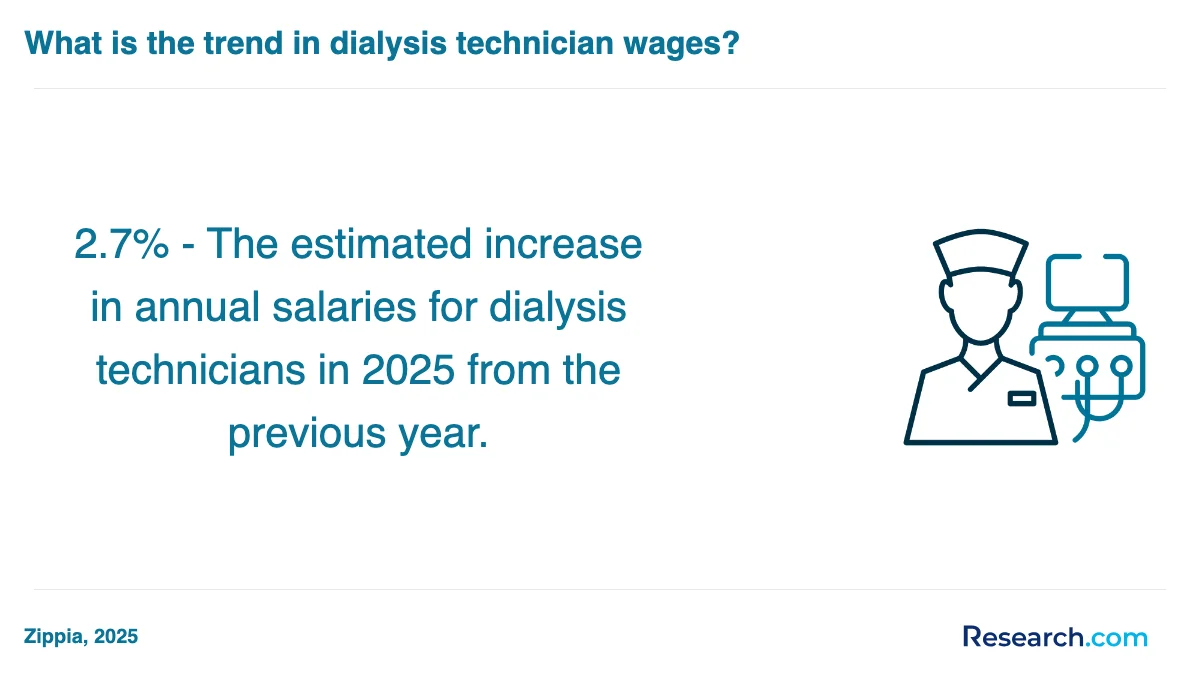
After finishing a dialysis technician assistant trade school program in the Midwest, you can generally expect to make between $14 and $27 per hour, depending on your experience and where you land your first job. For example, many graduates from popular Midwest trade schools share how they started around $15 to $16 an hour, which felt like a solid stepping stone after completing their training.
As you gain more hands-on experience-say one to four years-your hourly pay can rise to about $18 or more. In Illinois, a typical starting wage is around $22.88 per hour, with some earning as high as $32, especially if they've earned certifications like the Certified Hemodialysis Technologist.
Many graduates describe feeling encouraged by how quickly their skills translate into better pay. Working in hospitals or outpatient centers in the Midwest, they often find that investing in certifications really pays off both financially and in job satisfaction.
Most Affordable Dialysis Technician Schools & Training - Budget-Friendly Dialysis Tech Trade Programs in Midwest for 2026
# 1 position
Northcentral Technical College - Renal/Dialysis Technologist/Technician.
certificate or diplomaNorthcentral Technical College offers a Hybrid Renal/Dialysis Technologist/Technician program that prepares students to administer hemodialysis treatments under supervision. The curriculum covers anatomy, dialysis procedures, equipment maintenance, patient care, and professional ethics. The program is accredited by the Higher Learning Commission. Annual in-state tuition is $3,861.
# 2 position
Minnesota State Community and Technical College - Renal/Dialysis Technologist/Technician.
certificate or diplomaMinnesota State Community and Technical College offers a hybrid Renal/Dialysis Technologist/Technician program that prepares students to administer hemodialysis treatments under medical supervision. The curriculum covers anatomy, dialysis procedures, equipment maintenance, patient care, venipuncture, emergency response, and professional ethics. Annual in-state tuition is $5,900. The program is accredited by the Higher Learning Commission.
# 3 position
Stellar Career College - Renal/Dialysis Technologist/Technician.
certificate or diplomaA program that prepares individuals to administer hemodialysis treatments to patients with renal failure under the supervision of a nurse or physician. Instruction covers anatomy and physiology, dialysis prescription interpretation, dialysate preparation, extracorporeal circuit and dialyzer setup, equipment monitoring, patient preparation, vital signs, documentation, venipuncture, anesthesia administration, emergency intervention, safety, sanitation, and professional ethics. Accredited by the Accrediting Commission of Career Schools and Colleges.
# 4 position
Midwestern Career College - Renal/Dialysis Technologist/Technician.
certificate or diplomaMidwestern Career College offers a hybrid Renal/Dialysis Technologist/Technician program that trains students to administer hemodialysis treatments under medical supervision. The curriculum covers anatomy, dialysis prescription interpretation, equipment setup and maintenance, patient care, emergency intervention, and professional ethics. Graduates have median earnings of $33,466 one year after completion. The program is accredited by the Council on Occupational Education.
# 5 position
Dorsey College - Renal/Dialysis Technologist/Technician.
certificate or diplomaThe Renal/Dialysis Technologist/Technician program at Dorsey College is a hybrid course preparing students to administer hemodialysis treatments under medical supervision. It covers essential skills like anatomy, dialysis setup, equipment monitoring, patient care, venipuncture, emergency intervention, and professional ethics. The program is accredited by the Council on Occupational Education. Annual in-state tuition is $32,160, and median earnings one year after completion are $31,951.
# 6 position
Dorsey College-Wayne - Renal/Dialysis Technologist/Technician.
certificate or diplomaThe Renal/Dialysis Technologist/Technician program at Dorsey College-Wayne is a hybrid course designed to train students in administering hemodialysis under medical supervision. It includes instruction on anatomy, dialysis procedures, equipment maintenance, patient care, and emergency intervention. The program is accredited by the Council on Occupational Education. Annual in-state tuition is $32,160, and median earnings one year after completion are approximately $31,951.
Key Findings
- Admission usually requires a high school diploma or GED, with some programs recommending CPR certification or nursing assistant experience.
- Program lengths range from 8 to 40 weeks, combining classroom learning with hands-on clinical training essential for certification.
- Accreditation is critical for eligibility to take national certification exams like the CCHT or credentials from BONENT.
- Tuition costs typically range from $1,200 to $4,000, with certification exam fees between $225 and $255.
- Entry-level salaries in the Midwest range from $35,000 to $42,000 annually, with experienced technicians earning up to $50,000 or more.
How long does it take to complete dialysis technician assistant trade schools in Midwest?
Completing a dialysis technician assistant trade school program in the Midwest typically takes between 6 to 12 months, depending on the school and whether you attend full-time or part-time. Many graduates from popular Midwest trade schools mention how this timeframe felt just right-long enough to absorb all the practical skills, yet short enough to jump quickly into the workforce.
For example, students at well-known Midwest programs often describe their experience as intense but rewarding, with hands-on clinical practice that really prepares you for real dialysis center environments. One graduate shared how balancing study and life was manageable because the program's length allowed them to keep motivated without feeling overwhelmed.
Another frequent highlight from Midwest trade school alumni is the mix of classroom learning and practical labs, which helps cement confidence early on. This practical approach makes the journey feel less like a marathon and more like a steady climb, keeping spirits high throughout the months of training.
What's the difference between online and on-campus dialysis technician assistant trade school programs?
If you're considering a dialysis technician assistant program in the Midwest, the biggest difference between online and on-campus options comes down to how you learn and get hands-on experience. Online programs, like the one at Minnesota State College Southeast, let you study at your own pace from home, which is great if you're juggling work or family. Graduates often mention how flexible the schedule helped them stay motivated, even if they had to coordinate their own clinical practice at local clinics.
On the other hand, on-campus programs at places like Dorsey College in Michigan or Morton College in Illinois offer a more traditional setup. You get real-time support from instructors and direct practice with dialysis machines during scheduled labs and clinical externships. Many graduates say this face-to-face interaction boosted their confidence and helped them build connections with peers and mentors.
Both paths prepare you for certification, but online learners need to be proactive about clinical hours, while on-campus students have structured, hands-on training built right into their schedule.
What is the average cost of dialysis technician assistant trade schools in Midwest?
If you're looking at dialysis technician assistant program tuition fees Midwest 2026, you'll find that costs can vary quite a bit depending on where you study. On average, students attending trade schools in the Midwest spend between $3,000 and $10,000 per year. This range fits the experience of many graduates who've found a balance between affordable tuition and quality training. For example, programs like the one at Triton College in Illinois offer a 15-week course for just over $1,000, including books and testing fees, which feels like a great deal for many students eager to start their careers quickly.
Meanwhile, others have enrolled in longer programs, such as a 12-month course at Central Iowa Technical College costing around $8,700. Although more expensive, these programs often provide more in-depth training, which some students find worth the extra investment, especially when it leads to better job opportunities right after graduation.
Online programs tend to cost less, usually between $800 and $3,000, making them popular among students who require flexibility or need to balance work and study. It's worth noting, though, that tuition fees don't always cover extra expenses like books or certification exams, so it's smart to budget accordingly.
The average cost dialysis technician assistant Midwest 2026 isn't the only factor-many students look into financial aid options to help offset expenses. Between FAFSA, scholarships, and work-study programs, support is available to make these programs more accessible. For those interested in exploring additional healthcare education, healthcare certificates online can be a great resource to check out as well.
What financial aid is available for dialysis technician assistant trade schools in Midwest?
Dialysis technician assistant students in the Midwest often find a mix of financial aid options that make their schooling more affordable. Many graduates from popular trade schools like Midwest Technical Institute share how federal aid-such as Pell Grants and student loans-helped ease their tuition worries. Applying is straightforward through the FAFSA, which is free and open to all ages.
Scholarships are another big plus. Students talk about receiving awards from their schools, healthcare organizations, or local community groups, which didn't require repayment and really lifted their spirits during tough times. Some even found scholarships tailored specifically for dialysis technician programs, making the journey feel more supported.
Additionally, a few Midwest trade schools offer discounts or flexible monthly payment plans. This has been a game-changer for adult learners juggling work and family. The financial aid offices at these schools are known for being helpful, guiding students step-by-step to find every available resource. Overall, it's clear that plenty of financial help is within reach for dialysis tech students here.
What are the prerequisites for enrolling in dialysis technician assistant trade schools in Midwest?
To enroll in a dialysis technician assistant trade school program in the Midwest, most schools expect you to have a high school diploma or a GED. This basic requirement sets the foundation for your training and shows you're ready to tackle the coursework. Many graduates from popular Midwest trade schools mention how having a solid grasp of biology and anatomy, often gained during high school, really helped them feel confident during hands-on sessions.
Additionally, some programs ask for a background check and immunization records due to the healthcare environment you'll be working in. For example, one graduate shared how completing their immunizations early made the clinical rotations smoother, allowing them to focus fully on learning rather than paperwork.
Here are some common prerequisites you can expect:
- High school diploma or GED
- Basic understanding of biology or health sciences
- Background check clearance
- Up-to-date immunizations
- Sometimes a TB test or drug screening
These requirements might sound strict, but they're designed to keep you and your future patients safe. Many students find that meeting these prerequisites is a positive first step that boosts their motivation and readiness to dive into the program.
What are the typical courses in dialysis technician assistant trade schools in Midwest?
If you're looking into dialysis technician assistant trade school programs in the Midwest, expect a mix of hands-on training and important theory that really prepares you for the job. Graduates often share how courses on kidney failure basics, dialysis procedures, and the role of a dialysis technician helped them understand the why behind every step they take in a clinic.
Most programs cover:
- Anatomy and physiology with a focus on the kidneys and related systems, so you know exactly what you're working with.
- Medical terminology to make sure you're confident communicating with healthcare teams.
- Patient assessment and vital signs monitoring, which feels empowering when you see how your observations impact patient care.
- Phlebotomy and vascular access, teaching you the skills to handle needles safely and efficiently.
- Operation and maintenance of hemodialysis machines, a hands-on favorite for many students who love working with technology.
- Water treatment systems, critical for ensuring dialysis treatments are safe and effective.
Many Midwest schools also emphasize emergency procedures and infection control, which students say boosts their confidence in high-pressure situations. Plus, learning about patient rights and federal certification requirements helps you navigate the legal side of healthcare with ease.
One standout experience grads mention is the clinical internships, like the 120-hour program at a well-known dialysis center in Michigan. It's where textbook knowledge meets real-life patients, making all those lessons click into place. Some programs even offer resume workshops and BLS/CPR certification, so you finish school ready to jump into job interviews and the workforce with confidence.
What are the available specializations in dialysis technician assistant trade schools in Midwest?
Midwest dialysis technician program specializations often cover a variety of focused skills that graduates find invaluable once they start working. Many students get hands-on training in hemodialysis procedures, which means they not only learn the theory but actually practice using the machines in lab settings. For example, graduates from Morton College in Illinois mention feeling confident because their program blends technical skills with real patient care scenarios.
Specialized dialysis technician training in Midwest programs usually includes components such as:
- Basic nursing assistant skills and phlebotomy, which help students assist patients during treatments
- Home dialysis techniques, preparing students to support patients managing treatment outside of hospitals
- Pediatric dialysis training, which equips learners to handle younger patients with care and precision
Programs like TTi Medical Training School and Midwestern Career College produce graduates who often praise the externship opportunities that provide crucial real-world experience, which makes the transition into healthcare teams smoother and less stressful. For anyone exploring options, it's worth noting that combining clinical practice with classroom learning leads to positive job readiness and satisfaction. Plus, if you're looking for a quick start, consider checking out 2 year health care programs to find programs that fit your timeline and goals.
How do you choose the best dialysis technician assistant trade school program in Midwest?
When choosing the best Midwest dialysis technician programs, accreditation should be your top priority. Graduates from popular trade schools in the region often share how being enrolled in BONENT-accredited programs helped them confidently prepare for certification exams, which made job hunting much smoother. Many programs also balance classroom learning with hands-on clinical internships at local dialysis centers, offering real patient experience that truly builds your skills and confidence.
Program length is another key factor. Some students appreciated shorter, intensive courses lasting just a few months, while others preferred extended programs that allowed more time for practice and flexible scheduling. Schools in the Midwest often cater to different lifestyles, including evening classes, making it easier to fit training around your life.
For those prioritizing affordability, researching affordable dialysis technician schools in the Midwest can save you money without sacrificing quality. Also, look for programs that provide career support and connections to local employers, as these resources often lead to great job opportunities right after graduation. If you want to explore related options, consider checking out the easiest degree in medical field for a smooth start in healthcare.
What career paths are available for dialysis technician assistant trade school graduates in Midwest?
Graduates from dialysis technician assistant trade school programs in Midwest find plenty of career opportunities for dialysis technician graduates in Midwest that make the hard work totally worth it. Most start working in hospitals or outpatient centers, operating dialysis machines and caring for patients during treatment. Many have shared how internships at well-known Midwest trade schools connected them with top dialysis providers like DaVita, boosting their confidence and landing job offers even before graduation.
Beyond direct patient care, some graduates jump into roles like biomedical equipment technician, focusing on fixing machines and water systems-a great fit if you enjoy hands-on tech work. Others move up to supervisory or quality assurance roles, showing clear Midwest dialysis technician assistant jobs and advancement aren't just a dream but a reachable path.
For anyone wondering what certification do you need to do dialysis?, many trade schools offer guidance to help you get certified quickly and start earning right where you live, making the whole experience personal and practical.
What is the job market for dialysis technician assistant trade school graduates in Midwest?
The job market for dialysis technician assistant trade school graduates in Midwest is buzzing with opportunities. Many graduates from popular trade schools find themselves quickly snapped up by hospitals and clinics eager to fill positions. Some share stories of landing full-time roles with flexible hours right after certification, while others appreciate the option to work night shifts that come with premium pay. Employers in Illinois, Minnesota, and surrounding states frequently advertise openings, showing a clear demand for skilled technicians.
Midwest dialysis technician salary and demand remain strong, with employers offering perks like sign-on bonuses and tuition reimbursement. Graduates often mention how their accredited training gave them the edge needed to meet certification requirements such as CCHT or BONENT, opening doors to medical centers like Rush Copley or Mayo Clinic.
Here's why the field is appealing for new grads:
- Nearly 1,000 dialysis technician jobs in Midwest are available nationwide, especially in metro areas
- Salary ranges from $18 to $48 hourly, making it a stable entry-level healthcare career
- Benefit packages and career growth potential attract many students
If you want to explore other options in healthcare, check out this healthcare occupations list for ideas beyond dialysis technician assistant roles.
Frequently Asked Questions about dialysis technician assistant
After completing a dialysis technician assistant trade school in the Midwest, students should focus on obtaining certification to improve job prospects. The Board of Nephrology Examiners Nursing and Technology (BONENT) offers a Certified Dialysis Technician (CDT) credential recognized nationwide. Many employers in states like Illinois, Ohio, and Michigan prefer or require this certification.
Networking with local dialysis centers and healthcare providers is essential. The Midwest has a growing demand for dialysis technicians due to an aging population; the U.S. Bureau of Labor Statistics projects a 9% job growth rate for dialysis technicians through 2031. Internships or externships offered by trade schools can provide practical experience and valuable contacts.
Additionally, maintaining strong communication skills and continuing education will help graduates stay competitive in the job market. Job placement services at trade schools can assist graduates in connecting with employers across the region.
Employers in the Midwest seek dialysis technician assistant graduates who demonstrate strong technical skills and patient care abilities. Proficiency in operating dialysis machines and monitoring patients during treatments is essential. According to the U.S. Bureau of Labor Statistics, attention to detail and the ability to follow strict safety protocols are critical for reducing risks in dialysis centers.
Communication skills are also highly valued, as assistants must explain procedures to patients and work effectively with healthcare teams. Additionally, employers prefer candidates familiar with electronic health records systems, reflecting the growing digitization in healthcare. Time management and adaptability remain important traits in this fast-paced environment.
Finding internships relevant to dialysis technician assistant trade school programs in the Midwest involves a combination of research and networking. Start by contacting the trade schools directly, as many have partnerships with local dialysis centers and hospitals that offer clinical internships.
In states like Illinois, Ohio, and Michigan, healthcare facilities frequently collaborate with educational programs to provide hands-on training. According to the Midwest Dialysis Education Network, nearly 70% of dialysis technician students secure internships through school-facilitated connections.
Additionally, searching state health department websites or professional organizations such as the American Nephrology Nurses Association can help identify internship opportunities. Applying early is crucial, as clinical placements are competitive and limited.
Obtaining a dialysis technician assistant diploma from a trade school in the Midwest can significantly enhance career mobility and advancement opportunities. Many healthcare facilities in states like Illinois, Ohio, and Michigan prioritize candidates with formal training, as diploma holders demonstrate essential technical skills and compliance with state regulations.
According to the U.S. Bureau of Labor Statistics, the demand for dialysis technicians is expected to grow by 15% from 2022 to 2032, faster than the average for all occupations. This growth is driven by an aging population requiring more renal care. Holding a diploma can increase employability and often leads to higher starting wages, with median hourly pay around $18 to $22 in the Midwest region.
Trade school graduates also benefit from networking opportunities and access to clinical internships, which many employers value when considering promotions or specialized roles. Additionally, diploma programs often prepare students for certification exams like the Certified Clinical Hemodialysis Technician (CCHT), which further boosts career prospects in this field.
Students enrolled in dialysis technician assistant trade schools in the Midwest often seek part-time jobs that reinforce their education. Common opportunities include working as patient care technicians or nursing aides in hospitals and dialysis centers. These roles provide practical experience with patient monitoring and basic medical procedures, which are essential skills for dialysis technicians.
According to the U.S. Bureau of Labor Statistics, healthcare support roles in the Midwest are projected to grow by approximately 12% from 2022 to 2032, creating a favorable job market for part-time work. Facilities in states like Illinois, Ohio, and Michigan frequently hire part-time assistants, offering flexible schedules that accommodate class times.
Additionally, some students find employment in medical laboratories assisting with specimen collection and handling, which complements their technical training. These positions not only provide income but also help build relevant professional networks in the healthcare field.
When choosing the most affordable Dialysis Technician Assistant degree program near me in the Midwest, it is important to compare tuition costs, scholarship opportunities, and financial aid options offered by nearby institutions. Searching for accredited programs near Midwest can be aided by exploring college reviews and success rates of graduates, ensuring they meet standard industry requirements. Utilize resources like Research.com to gain insights into programs that align with your budgetary constraints and location preferences, helping you make an informed decision.
Top Trending Rankings
References
- Internships and Graduate Careers | Fresenius Medical Care https://jobs.freseniusmedicalcare.com/career-areas/internships-and-graduate-opportunities
- Mayo Clinic Careers | Internships https://jobs.mayoclinic.org/trainingprogramsandinternships
- Top Medical Internship Opportunities Abroad in 2025 & 2026 https://www.volunteerhq.org/blog/medical-internship-opportunities-abroad/
- Hemodialysis Technician - Explore Healthcare Careers - Mayo Clinic College of Medicine & Science https://college.mayo.edu/academics/explore-health-care-careers/careers-a-z/hemodialysis-technician/
- Renal Dialysis Technician | MATC https://www.matc.edu/course-catalog/healthcare/renal-dialysis-technician.html
- Dialysis Technician - Medical Training Institute of New York - College of Healthcare Professionals - NY https://www.mtiofnewyork.com/dialysis-technician/
- How To Become A Dialysis Technician - Salary, Training, Schools, Job Description https://www.exploremedicalcareers.com/dialysis-technician/
- Dialysis Technician Training | Molloy University https://www.molloy.edu/certificates/program/dialysis-technician/
- Dialysis Technician Training Schools & Colleges https://www.trade-schools.net/health-care/dialysis-technician
- Dialysis Technician Training Programs in Manhattan, Queens, Flushing, NY https://www.nymedtraining.com/training-options/dialysis-technician-training-programs/


