
Best Dialysis Technician Training Programs & Trade Schools - Top Dialysis Tech Schools in Washington for 2026

Co-Founder and Chief Data Scientist
Choosing the right dialysis technician assistant trade school in Washington can feel overwhelming. This article is here to guide you through that decision with a carefully crafted ranking created by the Research.com team of data scientists. Their analysis highlights the best programs worth considering for 2026.
Reading this article helps you find quality schools that offer valuable diplomas or certifications, opening doors to a rewarding healthcare career. Whether you’re starting fresh or looking to advance, this guide supports your journey toward a meaningful and stable profession.
Key benefits of finishing dialysis technician assistant trade school in Washington
- Graduates can expect an average hourly wage of $26.74 in Washington, translating to about $55,619 per year, offering a stable and rewarding start in healthcare.
- A graduate from a popular Washington trade school often advances to roles like dialysis technician assistant or even dialysis technician, opening doors to career growth and higher pay.
- Completing the program online provides flexibility and convenience, as experienced by many online graduates, allowing you to balance studies with work or family commitments efficiently.
What can I expect from dialysis technician assistant trade schools in Washington?
Students enrolling in dialysis technician assistant trade school programs in Washington can expect a curriculum lasting between 3 and 12 months, blending classroom learning with hands-on clinical practice. Graduates from schools like Bates Technical College and Clover Park Technical College often describe the experience as intensive yet rewarding, with real-world training in patient care, infection control, and dialysis machine operation.
The coursework covers key topics such as renal anatomy, dialysis principles, and emergency procedures, preparing students for clinical externships at local dialysis centers or hospitals. This practical exposure helps build confidence in managing vascular access and monitoring patients under supervision.
Many students appreciate the flexible scheduling and online modules offered by programs at Edmonds College and Spokane Community College, which accommodate working adults. Financial aid options, including the Washington College Grant and federal Pell Grants, ease tuition concerns, which range from $2,000 for accelerated courses up to $20,000 for extended community college programs.
Graduates often express pride in meeting state certification requirements, opening doors to employment in diverse dialysis care settings across Washington.
Where can I work after finishing dialysis technician assistant trade schools in Washington?
After completing a dialysis technician assistant trade school program in Washington, graduates often find employment in diverse healthcare environments focusing on kidney care. Common workplaces include hospitals, outpatient dialysis clinics, and specialized renal treatment centers, particularly in urban hubs like Seattle, Everett, and Bremerton. These settings rely heavily on skilled technicians to operate dialysis machines, monitor patients, and assist medical staff, providing graduates with hands-on, meaningful roles that directly impact patient health.
Graduates from popular trade schools in Washington frequently share how their training prepared them to confidently maintain dialysis equipment and support safety protocols, making them valuable assets in clinics such as Puget Sound Kidney Centers and Northwest Kidney Centers. Many report satisfaction working in these dynamic environments where teamwork and patient interaction are central.
Additionally, some graduates pursue travel dialysis technician positions, which offer flexibility and competitive weekly pay averaging $1,561. These roles allow technicians to explore varied healthcare settings across the state while enjoying benefits like health insurance and paid sick leave, enhancing both career growth and work-life balance.
How much can I make after finishing dialysis technician assistant trade schools in Washington?
Graduates of dialysis technician assistant trade school programs in Washington typically start with an hourly wage around $26.74, translating to an annual income near $55,619 when working full time. For example, those completing popular programs in Seattle report entering the workforce earning about $26.87 per hour, reflecting strong alignment between training and local job market demands.
Wages vary depending on experience and location, with most assistants earning between $21.49 and $31.59 per hour. These figures are encouraging for graduates who feel confident stepping into healthcare roles that offer steady income and room for growth.
Many graduates from well-known Washington trade schools share positive experiences about quickly securing positions due to the state's demand for skilled dialysis assistants. Their earnings provide financial stability while they gain valuable hands-on expertise.
Compared to dialysis technicians, assistants earn slightly less but still enjoy competitive pay within allied health support roles in the region, making this a smart career choice for those focused on practical, healthcare-centered education and employment.
Best Dialysis Technician Training Programs & Trade Schools - Top Dialysis Tech Schools in Washington for 2026
# 1 position
Clover Park Technical College - Renal/Dialysis Technologist/Technician.
certificate or diplomaThe Renal/Dialysis Technologist/Technician program at Clover Park Technical College is a hybrid course preparing students to administer hemodialysis treatments under medical supervision. The curriculum covers anatomy, dialysis prescription, equipment setup, patient care, venipuncture, and emergency intervention. Accredited by the Northwest Commission on Colleges and Universities, the program offers in-state tuition of $6,634 annually, with graduates earning a median salary of $42,066 one year after completion.
# 2 position
Lower Columbia College - Renal/Dialysis Technologist/Technician.
certificate or diplomaLower Columbia College offers a hybrid Renal/Dialysis Technologist/Technician program preparing students to administer hemodialysis treatments under nurse or physician supervision. The curriculum covers anatomy, dialysis prescription, equipment setup, patient care, venipuncture, emergency intervention, and professional ethics. The program’s annual in-state tuition is $4,346. It is accredited by the Northwest Commission on Colleges and Universities.
Key Findings
- A high school diploma or GED is required to enter dialysis technician assistant programs in Washington.
- Programs are offered by technical and community colleges like Bates Technical College and Bellingham Technical College.
- Training includes supervised clinical experience and is overseen by a registered nurse and medical director.
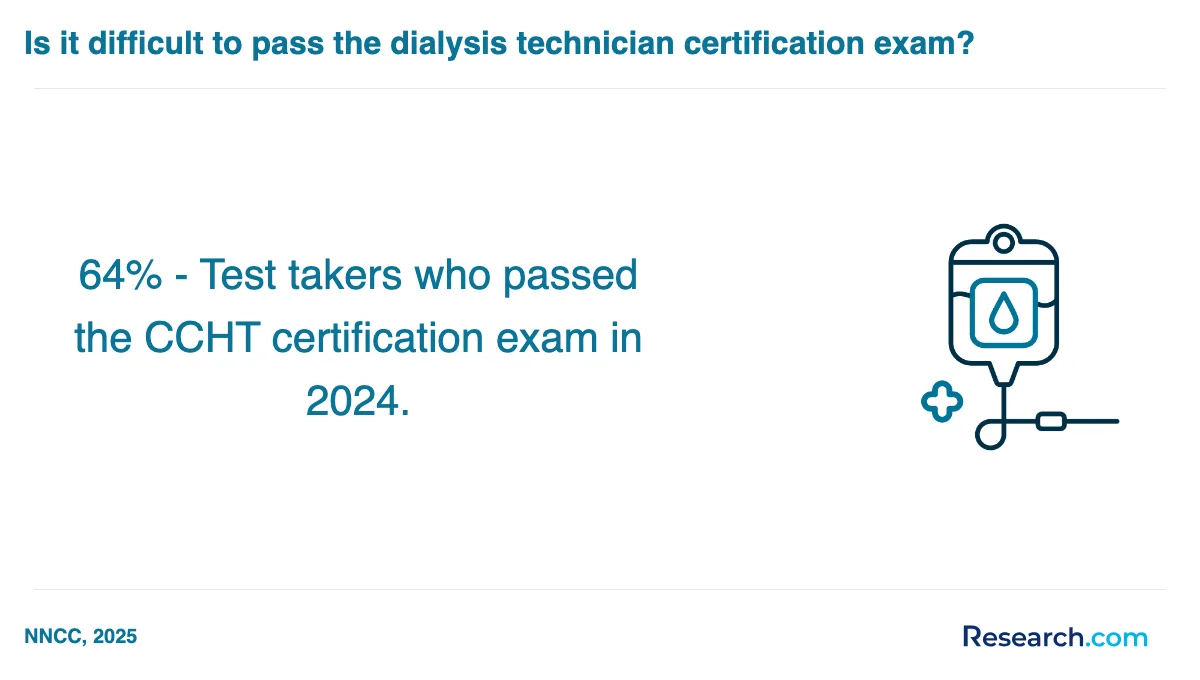
- National certification such as the CCHT is required and must be renewed every two years with continuing education.
- Tuition typically ranges from $3,000 to $7,000, with financial aid and scholarships available.
- Entry-level salaries average between $40,000 and $45,000 per year, with steady job demand.
How long does it take to complete dialysis technician assistant trade schools in Washington?
Completing a dialysis technician assistant trade school program in Washington typically takes between 6 to 12 months, depending on whether students enroll full-time or part-time. Popular trade schools in the state often structure their programs to accommodate working adults, allowing flexibility without extending the overall timeline excessively.
Graduates frequently share that the compact duration of these programs helped them quickly transition into the workforce, maintaining motivation throughout the process. One common experience is the balance between classroom instruction and hands-on clinical practice, which usually begins within the first few months. For example, students at well-known Washington trade schools describe how early exposure to real dialysis settings boosted their confidence and made the learning curve feel manageable.
In these programs, the accelerated pace means students remain engaged, seeing tangible progress week by week. This structure aligns well with the needs of those eager to start a healthcare career swiftly while still receiving comprehensive training specific to dialysis assistance in Washington's medical environment.
What's the difference between online and on-campus dialysis technician assistant trade school programs?
The primary difference between online and on-campus dialysis technician assistant trade school programs in Washington lies in how students engage with their coursework and clinical training. Online programs, such as those reviewed by Edumed and CareerStep, offer students the flexibility to learn remotely at their own pace, which many working adults and parents find invaluable. Graduates from these programs often highlight the convenience of accessing lectures anytime, paired with arranging local externships to gain hands-on experience, making it easier to balance education with personal responsibilities.
On the other hand, on-campus programs at institutions like Bates Technical College or Spokane Community College require physical attendance in classrooms and labs, offering structured schedules and real-time interaction with instructors and peers. Graduates appreciate the immediate feedback and camaraderie, which enhance practical skill development and networking opportunities. Although tuition can be significantly higher-sometimes up to $20,000-state and federal financial aid options, such as the Washington College Grant, make these programs more accessible to many students in Washington.
Both formats mandate clinical training, but the organization differs: online students independently secure externships locally, while on-campus students complete clinical rotations arranged by their schools, often at affiliated hospitals. This difference can impact the ease of gaining hands-on experience, especially for those in rural areas. Ultimately, the choice depends on individual preferences for flexibility, financial considerations, and learning style.
What is the average cost of dialysis technician assistant trade schools in Washington?
The average tuition fees for dialysis technician programs in Washington typically range from $5,000 to $15,000 depending on the trade school and program length. For example, graduates from popular institutions such as Prospect College, which offers a 7-month Medical Assistant program with a 170-hour externship, often note that while tuition fees vary, the overall investment felt manageable especially when considering the quality of hands-on training provided. These graduates frequently mention a strong sense of accomplishment after completing their training and moving into workforce-ready roles.
Total expenses for dialysis technician assistant programs in Washington include more than just tuition. Beyond the cost of classes, students need to budget for textbooks, supplies, and certification exam fees, which combined may add several hundred dollars to the total cost. Many find that exploring financial aid options including scholarships and state grants alleviates some of the financial pressure. Trading real-world experiences with peers in these programs often helps students stay motivated despite the financial commitment involved.
Because program costs can fluctuate and vary widely, students planning their education are advised to seek the most current information from schools directly. This approach ensures no unexpected fees disrupt their studies. Washington residents pursuing these programs may also benefit from reviewing related options such as two year medical degrees, which might offer alternative pathways or additional support. Overall, a clear understanding of both average tuition fees for dialysis technician programs in Washington and related expenses helps students prepare effectively for this career path.
What financial aid is available for dialysis technician assistant trade schools in Washington?
Dialysis technician assistant students in Washington access a variety of financial aid options, making the pursuit of their training more affordable. Many qualify for federal aid, such as Pell Grants, which offer non-repayable funds based on financial need. Graduates from prominent trade schools report that completing the FAFSA opened doors to these grants, easing anxiety about tuition costs.
State-specific aid plays a crucial role as well. The Washington College Grant and Washington State Need Grant provide need-based funding without repayment obligations. Students attending community colleges known for dialysis technician programs frequently share how these grants significantly reduced their out-of-pocket expenses, allowing them to focus on their studies.
Scholarships offered by local foundations and healthcare organizations also support aspiring dialysis technicians. These awards often recognize academic achievement or dedication to healthcare careers, boosting confidence and motivation. Additionally, employer tuition reimbursement programs serve working students, helping them balance job responsibilities while advancing their education.
What are the prerequisites for enrolling in dialysis technician assistant trade schools in Washington?
Enrolling in a dialysis technician assistant trade school program in Washington typically requires meeting several clear prerequisites designed to ensure student readiness. Most programs expect applicants to have a high school diploma or GED, which serves as the foundational academic qualification. Graduates from popular Washington trade schools often recall that this baseline allowed them to focus confidently on mastering technical skills without academic distractions.
Additional prerequisites frequently include:
- Being at least 18 years old, reflecting legal working age and responsibility
- Passing a background check, ensuring patient safety and trust
- Completing basic health screenings or vaccinations, vital for clinical environments
- Possessing reliable transportation, as clinical rotations often occur at various healthcare facilities
Some programs also recommend or require CPR certification before or early in the course. Graduates emphasize that having this certification boosted their confidence when entering hands-on clinical settings. For students balancing work and study, trade schools in Washington offer flexible scheduling but stress that meeting these prerequisites upfront helps maintain smooth progress through their intensive programs.
What are the typical courses in dialysis technician assistant trade schools in Washington?
Dialysis technician assistant trade school programs in Washington consistently include comprehensive coursework designed to equip students with essential clinical and technical skills. Graduates from popular schools like Bates Technical College and Bellingham Technical College often highlight how these courses prepared them to confidently support patients undergoing dialysis.
Typical courses cover:
- Principles of dialysis and fluid management: Understanding how dialysis removes waste and manages fluids is foundational, helping students visualize real patient treatments.
- Care of patients with kidney failure: Training emphasizes not only physical care but also emotional support, reflecting the empathetic approach graduates recall using daily.
- Dialysis procedures and documentation: Hands-on practice with cannulation and accurate recordkeeping ensures readiness for clinical settings.
- Hemodialysis access and equipment: Students learn machine operation and vascular access care, key skills in Washington's dialysis centers.
- Laboratory procedures and emergency response: Recognizing critical lab values and responding to emergencies builds confidence in high-pressure situations.
- Water treatment and dialysate preparation: Safety protocols taught here are vital for effective dialysis delivery.
- Infection control and safety: Graduates value this training as it protects both patients and technicians.
- Medication administration: Understanding dialysis-related medications helps technicians communicate clearly with healthcare teams.
Many students report that combining these courses with clinical practice at Washington trade schools creates a rewarding learning experience that directly translates to patient care competence.
What are the available specializations in dialysis technician assistant trade schools in Washington?
Dialysis technician assistant trade school programs in Washington focus primarily on Hemodialysis Technician Training in Washington, equipping students with practical skills in dialysis procedures, patient care, infection control, and equipment maintenance. Graduates frequently report that hands-on clinical experience at colleges like Clover Park Technical College or Bellingham Technical College helped build confidence in performing real-world dialysis tasks and managing patient interactions compassionately.
Common specializations include:
- Hemodialysis treatment techniques tailored for various patient populations
- Infection prevention protocols critical in dialysis environments
- Patient communication and support to enhance care quality
- Understanding and troubleshooting dialysis equipment effectively
These programs prepare students for certifications widely recognized across Washington, which often lead to rewarding positions in hospitals and outpatient dialysis centers. Many graduates emphasize the rewarding nature of their work, praising the blend of technical knowledge and empathetic patient care taught during training. For potential students interested in expanding their skills within the broader spectrum of health care professions, specializing as a dialysis technician assistant in Washington presents a growing opportunity with a positive career outlook.
How do you choose the best dialysis technician assistant trade school program in Washington?
When selecting the best dialysis technician assistant trade school program in Washington, prioritize accreditation by the Washington State Department of Health to ensure your training meets essential state and federal standards. Graduates from accredited programs in Seattle and Tacoma often highlight how this recognition helped them qualify quickly for certification exams like the Certified Clinical Hemodialysis Technician (CCHT). Practical training is crucial; schools offering robust hands-on experience with dialysis machines and clinical rotations receive high praise for building student confidence and competence.
Comparing dialysis technician programs Washington-wide reveals that flexibility in scheduling and location-from urban centers to rural campuses-plays a key role for students balancing education with work or family. Many graduates share positive experiences about accessible financial aid options, including the Washington College Grant, which significantly eased their tuition costs.
Finally, assess program outcomes such as job placement and certification pass rates. Graduates from top programs in Bellingham often report smooth transitions into healthcare roles, supported by strong employer networks. For those exploring related healthcare pathways, understanding what can you do with medical assistant certification may also inform career decisions.
What career paths are available for dialysis technician assistant trade school graduates in Washington?
Graduates of dialysis technician assistant trade school programs in Washington often enter the workforce as Dialysis Technicians, a role essential for patient care during dialysis treatments. These positions require obtaining the Medical Assistant-Hemodialysis Technician (MA-HT) certification, which is mandatory for employment in hospitals and outpatient clinics across the state. Many graduates from well-known trade schools report feeling confident stepping into jobs within large hospital systems and specialized outpatient dialysis clinics, where their skills directly impact patient outcomes.
Dialysis technician jobs in Washington State present diverse paths, including:
- Working in renal care centers in cities like Seattle or Spokane, where technicians support multiple patients daily.
- Advancing to supervisory roles such as Dialysis Technician II or III, managing teams and improving treatment quality.
- Transitioning into related special procedure technician or Patient Care Technician roles that broaden clinical experience.
- Exploring travel technician positions with competitive wages and exposure to various healthcare settings.
Many graduates highlight the value of benefits such as health insurance and paid time off that come with these roles, fueling long-term career stability.
For those interested in expanding their credential portfolio, engaging with healthcare certification programs online offers flexible opportunities to enhance expertise and unlock further dialysis technician career opportunities in Washington.
What is the job market for dialysis technician assistant trade school graduates in Washington?
Dialysis technician assistant trade school graduates in Washington encounter a job market characterized by steady demand and competitive salaries. In this state, dialysis technician job opportunities in Washington tend to cluster around urban and suburban centers such as Federal Way, Lacey, and Vancouver, where well-known trade schools equip graduates with practical skills. Graduates often report favorable experiences securing roles in hospitals, outpatient centers, and specialized renal clinics due to hands-on training.
Salary and demand Washington data reveal that the average hourly wage stands at $26.74, with top earners receiving over $37 per hour, reflecting a positive outlook for new entrants. Travel assignments further boost earning potential with weekly pays up to $1,710, appealing to those seeking flexibility. Employers like DaVita and Northwest Kidney Centers remain primary hirers.
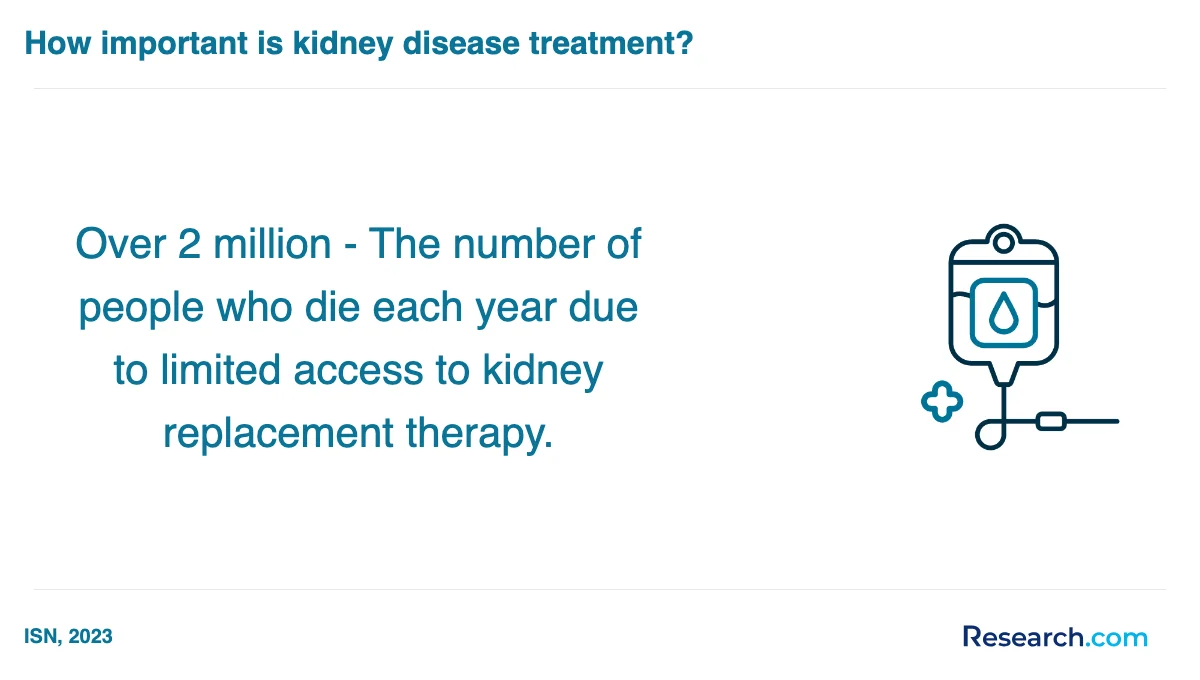
Graduates find the balance of solid pay and ongoing demand motivating, supported by an aging population and growing kidney disease rates.
Trade school students also benefit when exploring where can a medical assistant get a job to understand diverse healthcare settings and career paths beyond dialysis centers.
Frequently Asked Questions about dialysis technician assistant
After completing a dialysis technician assistant trade school in Washington, preparing for the job market involves several key steps. First, obtaining certification from the Board of Nephrology Examiners Nursing and Technology (BONENT) or the National Nephrology Certification Organization (NNCO) can significantly improve employment prospects. These certifications demonstrate professional competence and are recognized by many employers in Washington.
Networking is also essential. Joining local professional organizations, such as the Washington State Kidney Foundation or attending healthcare job fairs, can connect graduates with potential employers. Additionally, gaining practical experience through clinical internships offered during training programs provides valuable hands-on skills.
According to the Washington State Employment Security Department, dialysis technician jobs are expected to grow by around 9% through 2030, indicating a steady demand. Graduates should also focus on developing strong communication and patient care skills, which are highly valued in dialysis centers statewide.
Employers in Washington seek dialysis technician assistants who demonstrate strong technical skills and patient care abilities. Graduates must be proficient in operating dialysis machines, understanding fluid balance, and monitoring vital signs accurately. According to the Washington State Department of Health, attention to detail and adherence to safety protocols are critical due to the complexity of dialysis treatments.
Communication skills are also highly valued. Assistants often work closely with patients who require reassurance and clear explanations during procedures. The Bureau of Labor Statistics highlights that teamwork and reliability increase employability in healthcare settings.
Finally, employers prefer candidates with certification or training recognized by Washington state to ensure compliance with local healthcare standards.
Finding internships relevant to a dialysis technician assistant trade school program in Washington requires a strategic approach. Start by contacting local healthcare facilities such as hospitals, dialysis centers, and clinics, many of which partner with trade schools to offer hands-on internships. The Washington State Department of Health provides resources and licensing information that can help identify approved clinical sites.
Additionally, trade schools often have established connections with medical providers, so inquire directly with your program's career services. National organizations like the National Nephrology Certification Organization (NNCO) also list approved training sites. According to the Bureau of Labor Statistics, Washington employs over 500 dialysis technicians, indicating a steady demand and internship availability.
Networking through healthcare job fairs and local chapters of professional associations can further increase internship opportunities. Early application and clear communication about your trade school credentials improve your chances of securing relevant placements.
Obtaining a dialysis technician assistant trade school diploma in Washington significantly enhances career mobility and advancement opportunities. According to the Washington State Employment Security Department, healthcare support occupations, including dialysis technicians, are projected to grow by 15% through 2030, faster than the average for all occupations.
Diploma holders often qualify for entry-level positions that provide hands-on experience in clinical settings, a critical step for career progression. Completing an accredited program also meets state requirements for certification eligibility, which employers increasingly prefer.
Graduates typically see improved earning potential, with median wages around $40,000 annually, and greater access to specialized roles or supervisory positions within dialysis centers.
Students enrolled in dialysis technician assistant trade schools in Washington can benefit from part-time jobs that build relevant skills and experience. Positions such as patient care aides or medical assistants in clinics and hospitals offer practical exposure to healthcare environments. According to the Washington State Employment Security Department, healthcare support roles are projected to grow by 18% from 2022 to 2032, indicating strong opportunities.
Additionally, roles like medical receptionists or laboratory assistants help develop organizational and technical skills valuable for dialysis work. Part-time jobs in nursing homes or outpatient care centers also provide hands-on experience with patient interaction and basic medical procedures, complementing classroom learning effectively.
When choosing the best Dialysis Technician Assistant degree program near me in Washington, consider factors like accreditation, curriculum quality, clinical training opportunities, and student support services. Research and compare different programs and universities available in the area to ensure they meet industry standards and provide practical experience. Research.com can be a helpful resource to find well-regarded institutions near Washington that offer comprehensive education in this field.
Related Dialysis Technician Assistant Rankings for Nearby States
- Best Dialysis Technician Training Programs & Trade Schools - Top Dialysis Tech Schools in Louisiana for 2026
- Best Dialysis Technician Training Programs & Trade Schools - Top Dialysis Tech Schools in Illinois for 2026
- Best Dialysis Technician Training Programs & Trade Schools - Top Dialysis Tech Schools in Michigan for 2026
- Best Dialysis Technician Training Programs & Trade Schools - Top Dialysis Tech Schools in Florida for 2026
- Best Dialysis Technician Training Programs & Trade Schools - Top Dialysis Tech Schools in Georgia for 2026
Top Trending Rankings
References
- Average Dialysis Technician Salary in Washington https://www.vivian.com/allied-health/dialysis-tech/washington/salary/
- How to Become a Dialysis Technician in Washington (Salary, Schools, and Certification) https://www.exploremedicalcareers.com/dialysis-technician/dt-washington/
- Dialysis Patient Care Technician Salary in Washington (August 01, 2025) | Salary.com https://www.salary.com/research/salary/benchmark/dialysis-patient-care-technician-salary/wa
- 5 Steps to Become a Dialysis Technician | BestColleges https://www.bestcolleges.com/healthcare/dialysis-technician/how-to-become-a-dialysis-technician/
- How to Become a Dialysis Technician | Dorsey College https://www.dorsey.edu/blog/become-dialysis-technician/
- Dialysis Technician: Courses, Eligibility, Jobs and Salary - Global A1 Institutes https://globala1institutes.com/dialysis-technician-courses-eligibility-jobs-and-salary/
- Program - Dialysis Technician - AdventHealth University https://workforce.ahu.edu/program-dialysis-technician/
- Hemodialysis Technician - Explore Healthcare Careers - Mayo Clinic College of Medicine & Science https://college.mayo.edu/academics/explore-health-care-careers/careers-a-z/hemodialysis-technician/
- Dialysis Technician Training | Molloy University https://www.molloy.edu/certificates/program/dialysis-technician/
- Renal Dialysis Technician | MATC https://www.matc.edu/course-catalog/healthcare/renal-dialysis-technician.html


