
Best Dialysis Technician Training Programs & Trade Schools - Top Dialysis Tech Schools in Midwest for 2026

Co-Founder and Chief Data Scientist
Choosing the right dialysis technician trade school in the Midwest can shape your future career and open doors to rewarding healthcare opportunities.
This article features a dialysis technician assistant trade school programs ranking created by the Research.com team of data scientists to help you make an informed choice about which programs deserve your attention.
By exploring these top programs, you’ll discover valuable options for earning a diploma or certification that can boost your skills and job prospects.
Take this step confidently toward a fulfilling career helping others every day.
Key benefits of finishing dialysis technician assistant trade school in Midwest
- Graduates in the Midwest can expect a competitive salary, typically ranging from $15 to $24 per hour, with some areas like Michigan and Illinois offering even higher wages based on experience.
- Career paths include roles as dialysis technician assistants or patient care technicians, with opportunities to advance into certified technician positions or specialized dialysis centers.
- Completing an online trade school offers flexibility and faster completion, allowing students to balance work and study while gaining skills that employers in the Midwest highly value.
What can I expect from dialysis technician assistant trade schools in Midwest?
Expect a whirlwind of hands-on learning mixed with solid classroom time when you enroll in a dialysis technician assistant trade school program in the Midwest. Graduates often recall the first time they stepped into a clinical externship at bustling dialysis clinics-nervous but eager to operate machines that literally save lives. Community colleges and vocational schools here offer programs lasting from four to twelve months, balancing intense study of renal anatomy, dialysis equipment, and patient care with real-world practice.
Picture yourself mastering infection control protocols one day, then the next, confidently monitoring a patient's vitals under the watchful eye of a seasoned technician. Many students share how communication skills training helped them connect deeply with patients facing chronic kidney issues, turning what seemed like technical tasks into meaningful moments of compassion.
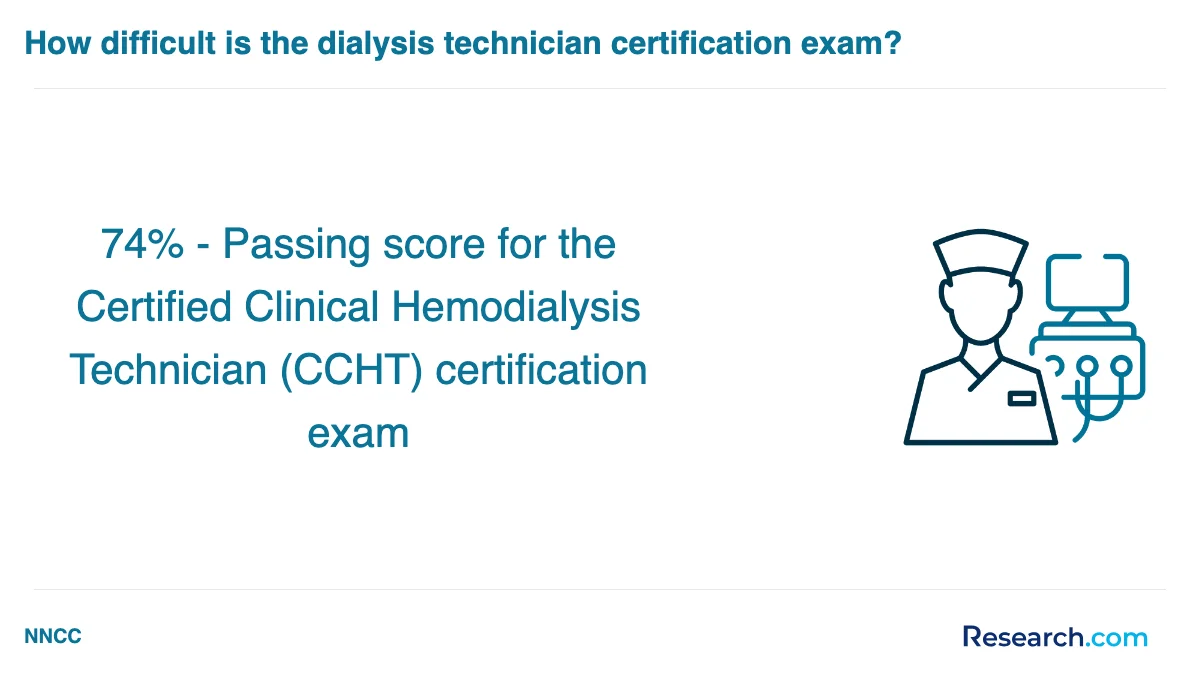
Admission requires a high school diploma and some health screenings, but financial aid like the Illinois Monetary Award Program often eases tuition worries. Graduates walk away ready to take certification exams like the CCHT, armed with not just knowledge but the confidence to thrive in Midwest dialysis settings.
Where can I work after finishing dialysis technician assistant trade schools in Midwest?
After finishing a dialysis technician assistant trade school program in the Midwest, graduates find themselves stepping into vibrant healthcare roles that truly make a difference. Imagine starting your day at a bustling hospital dialysis unit in Chicago or joining a close-knit outpatient dialysis center in Missouri, where every patient's story fuels your dedication. Many graduates from popular trade schools in the region share how quickly they landed jobs at places like Mayo Clinic's Minnesota dialysis clinics or Fresenius Medical Care centers, where teamwork and learning never stop.
Others discover flexible paths as traveling dialysis technicians, hopping between rural hospitals or providing in-home support across Oklahoma and neighboring states. These roles blend adventure with purpose, offering competitive pay and benefits that ease the transition from student to professional. There are also opportunities behind the scenes, maintaining critical dialysis machines and water systems-roles that graduates say sharpen technical skills and create job stability.
Trade school grads often feel proud stepping into patient care technician roles, hands-on and essential, proving that Midwest dialysis technician programs open doors to meaningful, varied careers.
How much can I make after finishing dialysis technician assistant trade schools in Midwest?
Right out of a dialysis technician assistant trade school in the Midwest, you're looking at hourly pay that usually starts around $16 to $19, depending on where you land. Graduates from popular Midwest trade schools often share stories of their first weeks on the job, excited to see paychecks reflecting $16-$18 an hour, which feels like a solid step into healthcare. In Illinois, for example, some new dialysis technicians at big employers like DaVita start near $16 per hour but quickly learn that with experience and certifications, those numbers can jump to $25 or even $27 per hour.
Imagine clocking out after a shift knowing you've made about $24 per hour on average across the region-enough to feel proud of your role and motivated to push forward. Certified Hemodialysis Technologist credentials, earned post-graduation, often open doors to these higher wages. Many graduates say the journey from trade school classrooms to dialysis centers translates directly into stable income and real-world confidence.
Best Dialysis Technician Training Programs & Trade Schools - Top Dialysis Tech Schools in Midwest for 2026
# 1 position
Midwestern Career College - Renal/Dialysis Technologist/Technician.
certificate or diplomaMidwestern Career College offers a hybrid Renal/Dialysis Technologist/Technician program that trains students to administer hemodialysis treatments under medical supervision. The curriculum covers anatomy, dialysis prescription interpretation, equipment setup and maintenance, patient care, emergency intervention, and professional ethics. Graduates have median earnings of $33,466 one year after completion. The program is accredited by the Council on Occupational Education.
# 2 position
Minnesota State Community and Technical College - Renal/Dialysis Technologist/Technician.
certificate or diplomaMinnesota State Community and Technical College offers a hybrid Renal/Dialysis Technologist/Technician program that prepares students to administer hemodialysis treatments under medical supervision. The curriculum covers anatomy, dialysis procedures, equipment maintenance, patient care, venipuncture, emergency response, and professional ethics. Annual in-state tuition is $5,900. The program is accredited by the Higher Learning Commission.
# 3 position
Dorsey College - Renal/Dialysis Technologist/Technician.
certificate or diplomaThe Renal/Dialysis Technologist/Technician program at Dorsey College is a hybrid course preparing students to administer hemodialysis treatments under medical supervision. It covers essential skills like anatomy, dialysis setup, equipment monitoring, patient care, venipuncture, emergency intervention, and professional ethics. The program is accredited by the Council on Occupational Education. Annual in-state tuition is $32,160, and median earnings one year after completion are $31,951.
# 4 position
Dorsey College-Wayne - Renal/Dialysis Technologist/Technician.
certificate or diplomaThe Renal/Dialysis Technologist/Technician program at Dorsey College-Wayne is a hybrid course designed to train students in administering hemodialysis under medical supervision. It includes instruction on anatomy, dialysis procedures, equipment maintenance, patient care, and emergency intervention. The program is accredited by the Council on Occupational Education. Annual in-state tuition is $32,160, and median earnings one year after completion are approximately $31,951.
# 5 position
Northcentral Technical College - Renal/Dialysis Technologist/Technician.
certificate or diplomaNorthcentral Technical College offers a Hybrid Renal/Dialysis Technologist/Technician program that prepares students to administer hemodialysis treatments under supervision. The curriculum covers anatomy, dialysis procedures, equipment maintenance, patient care, and professional ethics. The program is accredited by the Higher Learning Commission. Annual in-state tuition is $3,861.
# 6 position
Stellar Career College - Renal/Dialysis Technologist/Technician.
certificate or diplomaA program that prepares individuals to administer hemodialysis treatments to patients with renal failure under the supervision of a nurse or physician. Instruction covers anatomy and physiology, dialysis prescription interpretation, dialysate preparation, extracorporeal circuit and dialyzer setup, equipment monitoring, patient preparation, vital signs, documentation, venipuncture, anesthesia administration, emergency intervention, safety, sanitation, and professional ethics. Accredited by the Accrediting Commission of Career Schools and Colleges.
Key Findings
- Most dialysis technician assistant programs in the Midwest require a high school diploma or GED, with some asking for CPR certification or a background check.
- Program lengths range from 8 weeks to 12 months, with common full-time programs lasting about 40 weeks to one year.
- Only accredited programs prepare students for national certification exams like the CCHT, necessary for employment.
- Tuition typically ranges from $2,000 to $10,000, with certification exam fees around $225 to $255 included in some programs.
- Starting salaries for certified dialysis technician assistants in Illinois and Wisconsin range from $38,000 to $45,000 annually, rising to $55,000-$60,000 for experienced workers.
- Graduates commonly find jobs in hospitals, outpatient dialysis centers, and specialty clinics within a few months of certification.
How long does it take to complete dialysis technician assistant trade schools in Midwest?
In the Midwest, completing a dialysis technician assistant trade school program typically takes about 6 to 12 months. Graduates from popular trade schools in cities like Minneapolis or Kansas City often recall how the compact schedule allowed them to jump quickly into hands-on training. One graduate described balancing weekend clinical shifts with weekday classes, feeling energized rather than overwhelmed by the fast pace.
Midwest trade schools tailor their programs to fit busy lives, emphasizing real-world practice early on. Imagine waking up for a morning lecture, then heading straight to a local clinic to assist patients under supervision-graduates say this blend makes learning tangible and rewarding. The relatively short timeframe means you're not stuck in school forever; instead, you gain confidence while still fresh from lessons.
Many find that these programs' durations strike the perfect balance between depth and speed. The feeling of completing the course in under a year sparks pride and motivation, fueling a swift entry into the healthcare field. This rapid progression is a hallmark of Midwest dialysis technician assistant programs, designed for those eager to start making a difference quickly.
What's the difference between online and on-campus dialysis technician assistant trade school programs?
Online dialysis technician assistant programs in the Midwest are like having a flexible study buddy who's always ready when you are. Graduates from Tyler Junior College rave about being able to dive into interactive modules and virtual labs on their own time, balancing work or family without missing a beat. Yet, even with all that screen time, they don't skip the hands-on clinical experience-they partner with local dialysis centers nearby, making it possible to clock those crucial hours without long commutes.
Meanwhile, on-campus programs at places like Michigan Healthcare Academy feel more like a tight-knit crew on a mission. Students attend classes and labs in person, soaking up real-time feedback and camaraderie. The scheduled 120-hour internship at a local DaVita Dialysis Center immerses them in the rhythm of patient care, building confidence right in the heart of Midwest healthcare settings.
Both paths lead to the same goal: acing the CCHT exam and stepping into a rewarding career. It just depends on whether you thrive in a flexible digital world or a structured, hands-on community.
What is the average cost of dialysis technician assistant trade schools in Midwest?
When diving into the average tuition for dialysis technician programs in the Midwest, expect a wide range, but most aspiring technicians find programs priced between $1,200 and $20,000. Imagine a graduate from a local Illinois trade school who wrapped up a 15-week program for just over $1,100-everything included, from books to testing fees. That's a real confidence booster, especially compared to a peer who enrolled in a more extensive 40-week course that tallied costs north of $12,000. Those differences reflect how program length and school type seriously shape costs.
Consider another Midwest graduate who pursued their training over ten months for around $9,000, feeling they gained solid hands-on experience to match the investment. Or the person next door in Iowa, who attended a 12-month diploma program for $8,700 and now enjoys a clear pathway into the healthcare field. These examples capture the cost of dialysis technician assistant programs in Midwest states and show how budget-conscious students balance quality with affordability.
Many hopefuls also explore online options like Michigan Healthcare Academy's $2,999 program, which pairs theory with invaluable real-world internship time at DaVita Dialysis Centers. For those weighing income potential against training expenses, it helps to peek at what medical field makes the most money to strategize a rewarding career move. Keep in mind, additional costs like textbooks and certification tests might add to the bottom line, but Midwest trade schools remain a dynamic starting point for a career that changes lives.
What financial aid is available for dialysis technician assistant trade schools in Midwest?
Imagine starting your dialysis technician assistant journey in a bustling Midwest trade school, where financial worries melt away thanks to a patchwork of aid. Many graduates recall how federal programs like the Pell Grant and Direct Student Loans lifted heavy burdens, letting them focus on mastering their skills instead of counting pennies.
In Indiana, for example, students cherish access to state-specific scholarships such as the CICBF Scholarship or the memorable E&R Fund's Memorial Scholarships. These awards often feel like a personal cheer from the community, rewarding dedication and easing tuition costs for those who show promise and need.
Some alumni share stories of snagging institutional scholarships right from their school's financial aid office, a surprise boost that made their months of study more manageable. Loans, especially federal ones, come with flexible repayment plans, a lifeline for many balancing tight budgets.
Work-study opportunities also shine, allowing students to earn while learning in real healthcare settings. Add to that community and professional group scholarships, and the financial path becomes less daunting-turning dreams into achievable steps.
What are the prerequisites for enrolling in dialysis technician assistant trade schools in Midwest?
Enrolling in a dialysis technician assistant trade school in the Midwest usually means meeting a few straightforward but essential prerequisites that set you up for success. Imagine a recent graduate from a well-known Midwest trade school recalling how having a high school diploma or GED was their golden ticket-no complicated hoops, just a clear path forward.
Most programs expect you to:
- Hold a high school diploma or GED, proving you have the foundational knowledge to tackle the coursework.
- Be at least 18 years old, ensuring maturity to handle clinical responsibilities.
- Pass a basic background check and sometimes a drug screening, because patient safety comes first.
- Show up with a positive attitude and readiness for hands-on training-graduates often describe this as the spark that fueled their learning journey.
Some programs might ask for proof of immunizations, reflecting real-world healthcare standards. One graduate from a popular Illinois trade school shared how prepping these documents early saved them stress later and let them focus entirely on mastering dialysis technology.
In the heart of the Midwest, these prerequisites aren't barriers-they're stepping stones, helping students enter the program confident and ready to embrace the rewarding challenge of becoming dialysis technician assistants.
What are the typical courses in dialysis technician assistant trade schools in Midwest?
Dialysis technician assistant programs in the Midwest dive deep into the heart of kidney care with courses that blend science and hands-on practice. Graduates from well-known trade schools, like Michigan Healthcare Academy and Dorsey College, often recall their first spark of confidence came from mastering dialysis treatment procedures, where they learned to operate hemodialysis machines and prepare dialysate solutions, turning complex machinery into tools of healing.
Coursework typically includes:
- Introduction to the dialysis environment-understanding kidney failure and the vital role dialysis plays in patient lives
- Patient assessment techniques-vital sign monitoring and patient response tracking during treatments
- Medical terminology, anatomy, and physiology-the language and body knowledge crucial for effective care
- Vascular access (phlebotomy)-practicing venipuncture skills with real lab experience
- Water treatment and infection control-ensuring clean, safe dialysis setups
Midwest programs often include a rewarding clinical internship, like the 120-hour hands-on experience at Michigan Healthcare Academy, where students witness firsthand the life-changing impact of their skills in local dialysis centers such as DaVita. Graduates describe these moments as transformative, turning textbook knowledge into real-world confidence and compassion.
What are the available specializations in dialysis technician assistant trade schools in Midwest?
Dialysis technician assistant specializations Midwest programs often include hands-on training with real equipment and patient care skills, designed to prepare grads for the bustling clinical environment. Graduates from popular Midwest dialysis technician assistant training programs often mention mastering fundamentals like vascular access care and water treatment systems-skills taught thoroughly at Midwestern Career College in Illinois. Others highlight the rewarding challenge of combining Basic Nursing Assistant duties with phlebotomy and hemodialysis procedures, as offered by TTi Medical Training School, giving them confidence to function efficiently across multiple healthcare roles.
Many students rave about the externship experience embedded in programs like Dorsey College's Dialysis Patient Care Technician diploma, where they translate classroom knowledge into real-world impact by working alongside seasoned professionals. Then there are those eager to tackle certification exams; Kansas City Kansas Community College's online course prepares learners for BONENT credentials, boosting employability. These Midwest dialysis technician assistant training programs keep graduates excited and ready to join the healthcare team.
Graduates often attest that gaining these specialized skills not only transforms their career outlook but also energizes their day-to-day work, enriching their pct yearly salary potential.
How do you choose the best dialysis technician assistant trade school program in Midwest?
Choosing the best dialysis technician assistant trade school program in Midwest means zeroing in on schools with solid accreditation and hands-on clinical externships that feel like real-world shifts at local dialysis centers. Graduates from popular community colleges rave about how the mix of classroom theory and actual patient care built their confidence fast. These programs usually wrap up in under a year, making the Midwest dialysis technician program cost comparison crucial-affordable tuition with quality training wins every time.
Instructor expertise matters too. Programs led by certified dialysis techs and experienced nurses provide insights that textbooks alone can't offer. One graduate shared how their instructor's real stories during training made the certification prep for the CCHT exam feel achievable, not daunting.
Don't overlook job placement support. Midwest schools often partner with dialysis providers, turning graduates into sought-after hires. If you want a career boost, pick a program that supports your resume and interview skills. For a broader perspective, check out the best places to work for medical assistants-the right program sets you on the path.
What career paths are available for dialysis technician assistant trade school graduates in Midwest?
Graduates from dialysis technician assistant trade schools in the Midwest dive straight into a bustling world of dialysis technician jobs in Midwest healthcare, where hands-on experience from local programs accelerates their readiness. Picture a graduate from a popular trade school in Illinois confidently managing dialysis machines in a busy outpatient clinic, applying skills honed during internships with major providers like DaVita. These roles often involve patient monitoring, equipment prep, and teamwork with nurses and nephrologists, providing an immediate sense of purpose and accomplishment.
Career advancement for Midwest dialysis technician graduates unfolds through diverse paths:
- Specializing as a Biomedical Equipment Technician, maintaining and repairing life-saving dialysis machines.
- Progressing into supervisory or technical leadership roles within dialysis centers.
- Joining multidisciplinary teams that include dietitians and social workers, expanding clinical support contributions.
Many graduates appreciate that their programs, combining practical training and certification prep, open doors to solid wages starting around $25 per hour in Michigan. Those curious about how to start their journey or wondering what is the easiest degree to get in the medical field will find that Midwest dialysis technician programs balance meaningful, achievable steps toward rewarding healthcare careers.
What is the job market for dialysis technician assistant trade school graduates in Midwest?
The dialysis technician job outlook Midwest shines bright with several graduates from trade schools landing solid roles in hospitals and outpatient dialysis clinics. Many share stories of securing positions soon after completing programs from popular Midwest institutions, where hands-on training prepares them for real-world demands. These graduates often enjoy schedules that balance life and work, alongside benefits like sign-on bonuses and tuition reimbursement.
Employers in Illinois, Michigan, and Minnesota continually post openings, recognizing the vital role dialysis technicians play within healthcare teams. Examples of perks include:
- Flexible shifts and premium pay for overnight hours
- Comprehensive health insurance and retirement plans
- Strong pathways for career advancement through on-the-job training
Given this promising environment, the dialysis technician salary Midwest remains competitive, typically reflecting the critical expertise required. The region's aging population and growing chronic kidney disease rates sustain persistent demand.
For students exploring their future in healthcare, understanding these dynamics is key. Check out detailed info on occupations in the medical field to see how this profession fits into the broader landscape.
Frequently Asked Questions about dialysis technician assistant
After completing a dialysis technician assistant trade school in the Midwest, preparing for the job market involves several key steps. First, graduates should obtain certification, such as the Certified Clinical Hemodialysis Technician (CCHT) credential offered by the Nephrology Nursing Certification Commission. Certification improves job prospects and is often required by employers in states like Illinois and Ohio.
Additionally, building hands-on experience through clinical externships or internships is crucial. Many trade schools in the Midwest provide these opportunities, helping students gain practical skills and professional connections.
Networking with local dialysis centers and attending regional healthcare job fairs can also increase employment chances. According to the Bureau of Labor Statistics, dialysis technician roles in the Midwest are expected to grow by 11% from 2022 to 2032, reflecting steady demand.
Employers hiring dialysis technician assistants in the Midwest prioritize a strong foundation in clinical skills gained from trade schools. Key abilities include managing dialysis equipment, monitoring patient vitals, and adhering to strict sanitation protocols. According to the U.S. Bureau of Labor Statistics, proficiency in patient care and technical knowledge significantly improves job prospects in this region.
Communication skills are also essential, as assistants must effectively interact with patients and healthcare teams. Trade programs emphasizing hands-on training and certification preparation, such as the Certified Clinical Hemodialysis Technician (CCHT), are highly valued by Midwest employers.
Additionally, problem-solving skills and attention to detail rank high, given the critical nature of dialysis treatments. Schools that incorporate these competencies into their curriculum better prepare graduates for the demands of local healthcare facilities.
Finding internships related to dialysis technician assistant programs in the Midwest involves several practical steps. Start by contacting trade schools directly; many have partnerships with local dialysis centers for clinical placements. According to the National Kidney Foundation, Illinois and Ohio have some of the highest numbers of dialysis facilities, increasing internship opportunities.
Utilize state health department websites and workforce development boards, which often list approved clinical sites. Networking with professionals on platforms like LinkedIn can also uncover hidden internship openings.
Additionally, the Kidney Care Partners organization offers resources and listings that can help students identify relevant internships in the region. Early application and maintaining good academic standing are crucial for securing competitive placements.
Obtaining a dialysis technician assistant trade school diploma in the Midwest significantly enhances career mobility and advancement opportunities. According to the U.S. Bureau of Labor Statistics, employment for dialysis technicians is projected to grow 9% from 2022 to 2032, faster than average, driven by increased demand for kidney care. A diploma provides essential hands-on training and certification preparation, making graduates competitive for entry-level positions in hospitals and outpatient clinics.
Midwest states like Illinois and Ohio offer strong healthcare sectors where certified dialysis technicians can advance to supervisory roles or specialize further. Earning this diploma often leads to better wages; the median annual wage for dialysis technicians was approximately $48,000 in 2023, with higher pay in metropolitan areas. Credentials also improve job stability and open pathways to related healthcare jobs, promoting social mobility within the region.
Part-time job opportunities in the Midwest that complement dialysis technician assistant trade school education often include roles in healthcare settings such as nursing homes, outpatient clinics, and hospitals. These positions provide valuable hands-on experience with patient care and medical equipment, which align well with the technical skills learned in school.
According to the U.S. Bureau of Labor Statistics, healthcare support occupations in the Midwest are projected to grow by 12% from 2022 to 2032, indicating strong demand for related part-time roles. Common jobs include Certified Nursing Assistant (CNA) or patient care technician, offering practical exposure to patient monitoring and safety protocols.
Working part-time in these roles helps students develop communication and clinical skills, making them more prepared for dialysis-specific tasks. Additionally, some dialysis centers in the region may offer part-time assistant roles, giving direct experience with dialysis machinery and procedures.
Yes, there are several dialysis technician assistant programs available near Midwest, which can provide the training required to excel in this healthcare field. Many community colleges and technical schools offer certification and diploma programs that you can explore by searching for options near me. For a detailed list and comparisons of programs, including those offered by universities near Midwest, Research.com can be a helpful resource.
Top Trending Rankings
References
- Explore Career Opportunities for B Sc Dialysis Graduates https://www.kzu.ac.in/blogs/dialysis-experts-needed-exciting-career-opportunities-for-b-sc-dialysis-graduates
- Guide to Becoming a Dialysis Technician Training and Jobs https://globala1institutes.com/guide-to-becoming-dialysis-technician-training/
- Life on the Front Lines of Dialysis: A Day in the Life of a Technician https://www.mtiofnewyork.com/a-day-in-the-life-of-a-dialysis-technician-helping-patients-thrive/
- Program - Dialysis Technician - AdventHealth University https://workforce.ahu.edu/program-dialysis-technician/
- Online Hemodialysis Technician from Norfolk State University https://careertraining.nsu.edu/training-programs/hemodialysis-technician/
- Online Hemodialysis Technician from Hawaii Community College https://careertraining.hawaii.hawaii.edu/training-programs/hemodialysis-technician/
- Dialysis Technician FAQs - Dorsey College https://www.dorsey.edu/dialysis-technician/dialysis-technician-faqs/
- Dialysis Technician Training & Schools https://www.best-trade-schools.net/programs/healthcare/hemodialysis-technician/
- A Career as a Dialysis Technician - AIIS https://www.astron.international/blog/a-career-as-a-dialysis-technician/
- Dialysis Technician Training | Molloy University https://www.molloy.edu/certificates/program/dialysis-technician/


