
Best Dialysis Technician Training Programs & Trade Schools - Top Dialysis Tech Schools in South for 2026

Co-Founder and Chief Data Scientist
Choosing the right dialysis technician assistant trade school in the South can be challenging. This article presents a carefully researched ranking of top programs, developed by the Research.com team of data scientists, to guide you in making an informed decision.
Discover valuable insights about each program’s strengths and how earning a diploma or certification can open doors to a rewarding healthcare career. Whether you're starting fresh or changing paths, this guide offers encouragement and practical information to support your journey toward becoming a skilled dialysis technician assistant.
Key benefits of finishing dialysis technician assistant trade school in South
- Graduates in the South can expect competitive salaries, with entry-level dialysis technician assistants earning around $47,954 annually and experienced workers making even more as demand grows.
- Career paths often include roles in hospitals, outpatient clinics, and private practices, offering graduates varied opportunities to grow and specialize in healthcare support.
- Completing an online dialysis technician assistant program provides flexible learning schedules and faster entry into the workforce, helping students balance life and training effectively.
What can I expect from dialysis technician assistant trade schools in South?
Students enrolling in dialysis technician assistant trade school programs in the South can expect a mix of classroom instruction and hands-on clinical experience designed to prepare them for entry-level roles in kidney care. Graduates from well-known Southern vocational schools report beginning with foundational courses covering kidney anatomy, hemodialysis principles, and renal nutrition, which builds confidence early on.
Practical skills training is emphasized, including learning dialysis delivery systems, water treatment, and infection control. For instance, many students share how supervised externships at local dialysis centers helped them gain real-world experience setting up machines and monitoring patients, making the transition to employment smoother.
Programs typically last between 3.5 to 12 months, allowing students to progress efficiently while mastering essential competencies. Admission usually requires a high school diploma or GED, and students appreciate that advanced math skills are not heavily tested, reducing barriers to entry.
Graduates feel well-prepared for certification exams like the CCHT, which is often required to secure jobs in hospitals or outpatient clinics throughout the South.
Where can I work after finishing dialysis technician assistant trade schools in South?
Graduates of dialysis technician assistant trade school programs in the South commonly find employment in hospitals, outpatient dialysis centers, and long-term care facilities where dialysis treatments are regularly administered. Many have secured roles as Patient Care Technicians, Dialysis Technicians, or Dialysis Preceptors at prominent healthcare providers like U.S. Renal Care and Fresenius Medical Care, as well as regional hospitals such as Berkeley Hospital.
These positions involve hands-on patient care, preparing and monitoring dialysis machines, and assisting nurses during treatments. Some graduates recall the satisfaction of working in retirement communities and nursing homes, where they support patients with chronic kidney disease in a compassionate environment. Trade schools in South, known for their practical training, prepare students to confidently handle these responsibilities from day one.
With over 150 dialysis technician jobs available statewide, many graduates express optimism about career stability and wage growth, which ranges from $17 to $48 per hour depending on experience and location. Entry-level roles typically start near $18-$20 per hour, and employers often value certification or related healthcare experience, which trade school programs emphasize.
How much can I make after finishing dialysis technician assistant trade schools in South?
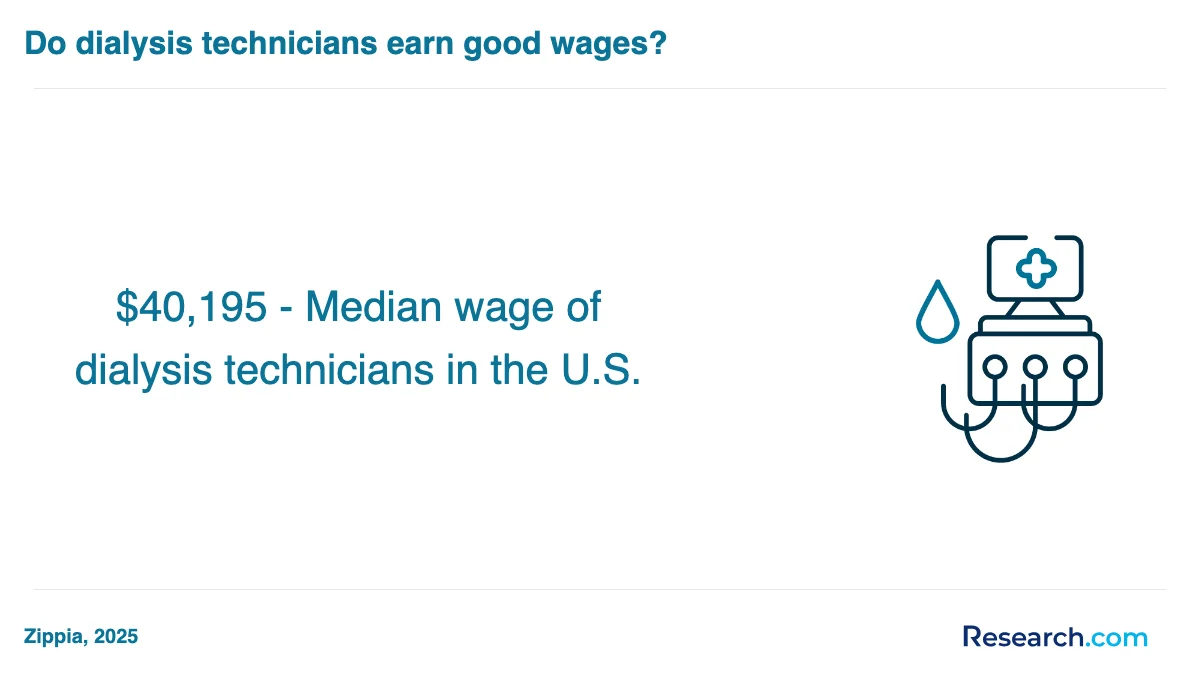
Graduates from dialysis technician assistant trade schools in the South can expect competitive earnings that reflect their growing skills and experience. For example, many new assistants from popular Southern trade schools report starting salaries near $47,954 annually, which aligns closely with the national entry-level average. This means you could be earning around $18.99 to $27.88 per hour right after graduation, depending on your location and employer type.
States like Alabama offer even higher average salaries, with figures reaching approximately $79,053 per year, significantly above the national mean. Conversely, Arkansas offers about $51,121 annually, demonstrating regional variations that graduates should consider when planning their careers.
Graduates often describe the satisfaction of seeing their pay improve as they gain experience and certifications, with many reaching average salaries above $48,000 within just a couple of years. Benefits such as health insurance and paid time off further enhance the overall compensation, making this career path both financially and personally rewarding.
Best Dialysis Technician Training Programs & Trade Schools - Top Dialysis Tech Schools in South for 2026
# 1 position
Atlantic Technical College - Renal/Dialysis Technologist/Technician.
certificate or diplomaThe Renal/Dialysis Technologist/Technician program at Atlantic Technical College offers a hybrid format with some distance education options. It prepares students to administer hemodialysis treatments under supervision, covering anatomy, dialysis setup, patient care, and emergency procedures. Graduates earn a median income of $26,464 one year after completion. The program is accredited by the Council on Occupational Education.
# 2 position
Healthcare Training Institute - Renal/Dialysis Technologist/Technician.
certificate or diplomaThe Renal/Dialysis Technologist/Technician program prepares students to administer hemodialysis treatments under the supervision of medical professionals. The hybrid curriculum covers anatomy, dialysis prescription, equipment setup, patient care, venipuncture, emergency intervention, and professional ethics. This program is accredited by the Council on Occupational Education and offers some distance education options to support flexible learning.
# 3 position
Orange Technical College-East Campus - Renal/Dialysis Technologist/Technician.
certificate or diplomaOrange Technical College-East Campus offers a Renal/Dialysis Technologist/Technician program in a hybrid format, preparing students to administer hemodialysis treatments under supervision. The curriculum covers anatomy, dialysis prescription, equipment setup, patient care, venipuncture, emergency intervention, and professional ethics. Graduates earn a median salary of $22,539 one year after completion. The program is accredited by the Council on Occupational Education.
# 4 position
Atlanta Technical College - Renal/Dialysis Technologist/Technician.
certificate or diplomaAtlanta Technical College offers a hybrid Renal/Dialysis Technologist/Technician program preparing students to administer hemodialysis treatments under medical supervision. The curriculum covers anatomy, dialysis procedures, equipment setup, patient care, emergency interventions, and professional ethics. Annual in-state tuition is $3,164. Graduates have median earnings of $21,444 one year after completion. The program is accredited by the Southern Association of Colleges and Schools Commission on Colleges.
# 5 position
Wiregrass Georgia Technical College - Renal/Dialysis Technologist/Technician.
certificate or diplomaThe Renal/Dialysis Technologist/Technician program at Wiregrass Georgia Technical College offers a hybrid format with some distance education options. It prepares students to administer hemodialysis treatments under medical supervision. The curriculum covers anatomy, dialysis procedures, equipment maintenance, patient care, emergency intervention, and professional ethics. Annual in-state tuition is $3,212. Graduates have median earnings of $20,208 one year after completing the program. The program is accredited by the Southern Association of Colleges and Schools Commission on Colleges.
# 6 position
Southern Crescent Technical College - Renal/Dialysis Technologist/Technician.
certificate or diplomaSouthern Crescent Technical College offers a Hybrid Renal/Dialysis Technologist/Technician program preparing students to administer hemodialysis treatments under supervision. The curriculum covers anatomy, dialysis prescription interpretation, equipment setup, patient care, venipuncture, emergency interventions, and professional ethics. The annual in-state tuition is $3,126. The program is accredited by the Southern Association of Colleges and Schools Commission on Colleges.
# 7 position
Central Georgia Technical College - Renal/Dialysis Technologist/Technician.
certificate or diplomaCentral Georgia Technical College offers a Hybrid Renal/Dialysis Technologist/Technician program preparing students to administer hemodialysis treatments under supervision. The curriculum covers anatomy, dialysis procedures, equipment setup, patient care, emergency intervention, and professional ethics. Annual in-state tuition is $3,180. Graduates earn a median salary of $17,685 one year after completion. The program is accredited by the Southern Association of Colleges and Schools Commission on Colleges.
# 8 position
Southern University at Shreveport - Renal/Dialysis Technologist/Technician.
certificate or diplomaSouthern University at Shreveport offers a hybrid Renal/Dialysis Technologist/Technician program preparing students to administer hemodialysis treatments under nurse or physician supervision. The curriculum covers anatomy, dialysis procedures, equipment maintenance, patient care, venipuncture, emergency intervention, and professional ethics. The program's annual in-state tuition is $4,958, and median earnings one year after completion reach $17,439. It is accredited by the Southern Association of Colleges and Schools Commission on Colleges.
# 9 position
Blue Cliff College-Gulfport - Renal/Dialysis Technologist/Technician.
certificate or diplomaThe Renal/Dialysis Technologist/Technician program at Blue Cliff College-Gulfport prepares students to administer hemodialysis treatments under professional supervision. The hybrid program covers anatomy, dialysis procedures, equipment management, patient care, emergency intervention, and professional ethics. Graduates have median earnings of $18,674 one year after completion. The program is accredited by the Accrediting Commission of Career Schools and Colleges.
# 10 position
Ogeechee Technical College - Renal/Dialysis Technologist/Technician.
certificate or diplomaThe Renal/Dialysis Technologist/Technician program at Ogeechee Technical College prepares students to administer hemodialysis treatments under medical supervision. The hybrid program includes training in anatomy, dialysis setup, patient care, emergency intervention, and professional ethics. Annual in-state tuition is $3,170. The program is accredited by the Southern Association of Colleges and Schools Commission on Colleges.
Key Findings
- The main admission requirement is a high school diploma or GED, with some programs also requiring CPR certification and health screenings like TB and hepatitis B tests.
- Programs typically last from one semester up to one year and include classroom learning, skills labs, and clinical practice focused on dialysis and patient care.
- Tuition costs range from $4,000 to $8,000, with possible additional fees for clinical compliance and certifications; financial aid may be available.
- Graduates can expect entry-level salaries between $32,000 and $42,000 annually, with growth potential through experience and extra certifications.
- Programs approved by certifying bodies like BONENT or NNCC prepare students for certification exams and job placement.
How long does it take to complete dialysis technician assistant trade schools in South?
Dialysis technician assistant trade school programs in the South typically take between 6 to 12 months to complete, depending on the school's curriculum intensity and scheduling flexibility. Many trade schools popular in the region offer accelerated courses that allow students to finish in as little as half a year, which graduates often describe as both challenging and rewarding.
For example, students enrolled in programs at well-known Southern trade schools share that the hands-on clinical training combined with focused classroom instruction enables them to quickly gain practical skills. One graduate mentioned how the compact timeline kept motivation high, fostering a strong sense of accomplishment upon completion.
Another positive aspect reported by graduates is the program's alignment with local healthcare facility needs, allowing students to smoothly transition into dialysis technician assistant roles. This real-world applicability, paired with manageable program length, makes these trade schools attractive for those eager to enter the workforce rapidly.
What's the difference between online and on-campus dialysis technician assistant trade school programs?
The key difference between online and on-campus dialysis technician assistant trade school programs in the South centers on delivery and hands-on training. Graduates from on-campus programs at institutions like American College Health & Sciences in Florida often recall the value of direct access to instructors and clinical equipment, which helped build confidence through immediate feedback during practical sessions.
Online program graduates appreciate the flexibility to study remotely, fitting coursework around work or family responsibilities. However, they still complete required clinical training locally, arranged through partnerships with nearby healthcare facilities. This hybrid approach allows students across South states to gain essential hands-on experience without relocating.
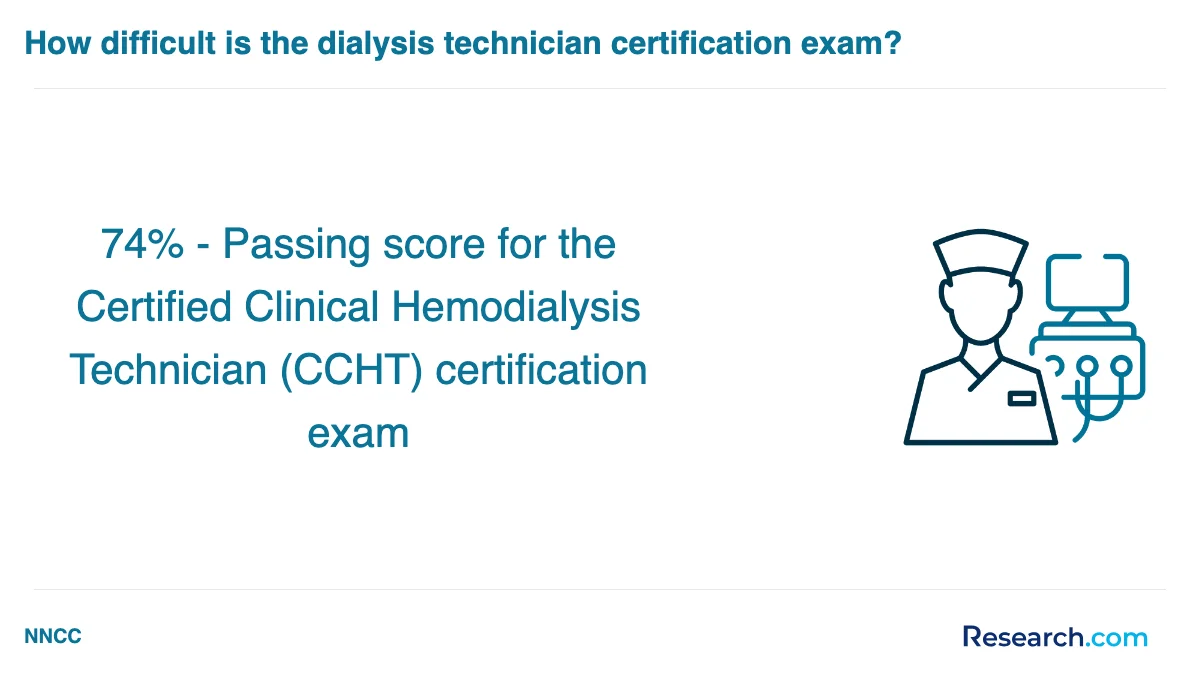
Both formats typically span three to twelve months, meeting state and certification requirements such as the Certified Clinical Hemodialysis Technician (CCHT) exam. On-campus students often highlight the benefit of in-person mentorship and networking, while online learners value the convenience and ability to learn at their own pace. The choice depends largely on individual circumstances and learning preferences within Southern trade school settings.
What is the average cost of dialysis technician assistant trade schools in South?
The average cost dialysis technician assistant program South varies significantly by institution and program format. For example, graduates from Calhoun Community College in Alabama reported paying $999 for an in-person program that spans two months, while the online option extends to six months with tuition priced at $1,299. These trade schools offer flexibility catering to working adults who appreciate the ability to balance study with personal commitments.
Another graduate from Lawson State Community College in Birmingham highlighted the convenience of an online certification course priced at $1,299, which can be completed within four to six months. These dialysis technician assistant program tuition fees South demonstrate that students can tailor their educational paths to fit their schedules and budgets, making career transitions feasible and less stressful.
On the higher end, programs in the Atlanta metro area average around $4,250 for Certified Hemodialysis Technician classes lasting approximately 10 weeks. Despite this, many students emphasize the value gained through comprehensive training, which prepares them well for certification exams and subsequent employment.
It's important to factor in additional costs such as certification fees, including the Certified Clinical Hemodialysis Technician exam, which is $225, along with expenses for books and uniforms. Prospective students researching dialysis technician assistant program tuition fees South are encouraged to consider these elements carefully.
For those exploring straightforward pathways into healthcare, considering the easiest medical degrees may complement their dialysis training plans, helping them advance efficiently in their careers.
What financial aid is available for dialysis technician assistant trade schools in South?
Students pursuing dialysis technician assistant trade school programs in the South benefit from multiple financial aid options that significantly ease their educational expenses. Scholarships stand out as a vital resource, often awarded based on academic merit or financial need. Graduates from prominent Southern trade schools frequently share how scholarships from local healthcare organizations or nephrology associations made their training financially feasible without accruing debt.
Federal and state aid programs also play a crucial role. By completing the FAFSA, students become eligible for grants such as the Pell Grant and FSEOG, which do not require repayment. Many Southern trade schools actively support these applications, helping students access substantial funding that reduces out-of-pocket costs.
Student loans, primarily federal, offer flexible repayment plans and lower interest rates, which graduates have found helpful when scholarships and grants fall short. Work-study opportunities allow students to earn while learning, adding practical financial support during their programs. Additionally, state-specific grants for Southern residents provide targeted assistance, underscoring the importance of consulting each school's financial aid office for tailored guidance.
What are the prerequisites for enrolling in dialysis technician assistant trade schools in South?
Enrolling in a dialysis technician assistant trade school program in South typically requires candidates to meet several key prerequisites designed to ensure readiness and success. Most trade schools in South expect applicants to have a high school diploma or GED, establishing a baseline of academic competence.
Graduates from popular South trade schools often highlight the importance of basic healthcare knowledge and a commitment to patient care, which are sometimes assessed through entrance exams or interviews. Schools may also require:
- Proof of immunizations and a clean background check, reflecting the healthcare environment's safety standards
- Minimum age requirements, usually 18 years or older
- Basic proficiency in English, since clear communication is crucial when assisting patients undergoing dialysis
Many students share that these prerequisites, while strict, helped build confidence before starting hands-on training. For example, graduates from well-known South trade schools describe how meeting these criteria prepared them to support patients compassionately and efficiently in clinical settings, turning initial apprehensions into rewarding experiences.
What are the typical courses in dialysis technician assistant trade schools in South?
Dialysis technician assistant trade school programs in the South typically feature a curriculum designed to equip students with essential clinical and technical skills. Graduates from popular Southern trade schools often highlight the comprehensive nature of their training, which blends theory with hands-on practice.
Core courses usually include:
- Anatomy and physiology, focusing on the renal system to understand kidney function and related health conditions.
- Medical terminology to ensure clear communication within clinical settings.
- Principles of hemodialysis and peritoneal dialysis, covering equipment operation, dialyzer preparation, and water treatment systems.
- Phlebotomy, teaching safe and efficient vascular access critical for dialysis treatment.
- Infection control and patient safety protocols, emphasizing protection against healthcare-associated infections.
- Professional ethics, communication, and patient care, fostering compassionate teamwork with chronically ill patients.
Students also value additional coursework such as CPR and first aid, safety procedures, and employability skills like resume writing, which boost confidence entering the Southern healthcare job market. Many graduates recall how these courses prepared them to handle real-life clinical challenges effectively, making the learning experience both rewarding and motivating.
What are the available specializations in dialysis technician assistant trade schools in South?
Dialysis technician assistant trade school programs in the South typically offer several focused specializations to better prepare students for diverse roles in renal care. Graduates from popular Southern trade schools often highlight the value of in-depth hemodialysis and peritoneal dialysis training South Carolina programs, which teach essential skills like operating dialysis machines, monitoring patient conditions, and maintaining strict safety standards. For example, students gain hands-on experience managing treatment protocols in hospital and outpatient settings, boosting their confidence to excel immediately after certification.
Additional specialization options include:
- Hemodialysis technology, emphasizing clinical procedures and equipment operations.
- Dialysis reuse/reprocessing, teaching the safe cleaning and reuse of dialyzers to align with cost-saving and environmental goals.
- Home dialysis training, which equips technicians with patient education skills to support therapies administered in home settings.
- Pediatric dialysis and quality control modules, providing niche expertise for specific patient demographics and treatment safety.
These focused tracks enhance job readiness and offer pathways to national certifications like CHT or CDTA, increasing career opportunities. Graduates describe a rewarding blend of technical mastery and patient interaction firsthand during their training, reflecting the broad skillsets required. For those seeking flexible learning options, many schools now integrate online healthcare courses with certificate to supplement practical learning.
Prospective students interested in dialysis technician specializations in South Dakota will find similar program structures, ensuring access to vital skills regardless of location.
How do you choose the best dialysis technician assistant trade school program in South?
Choosing the best dialysis technician assistant trade school program in South involves assessing accreditation status, curriculum depth, and clinical experience availability. Graduates from top-rated dialysis technician schools in Southern states report confidence gained through hands-on training at institutions near major healthcare centers, which accelerates skill mastery and job readiness.
Program flexibility and duration also weigh heavily in decisions. Students juggling work or family commitments favor programs offering evening or weekend classes, found commonly in popular Southern community colleges. Positive graduate feedback often highlights how these flexible schedules foster a balance between personal life and rigorous study, increasing overall satisfaction.
Financial considerations, such as tuition costs and available aid, impact accessibility. Alumni frequently praise schools that provide clear tuition breakdowns and scholarship options, ensuring a smooth financial journey. Additionally, job placement support and employer connections in Southern healthcare facilities enhance post-graduation employment rates, reassuring students of a strong career path.
To further understand the pathway, explore comprehensive details on how to become a dialysis tech.
The best dialysis technician programs in Southern USA are those combining solid academic foundations with practical exposure and flexible scheduling tailored to diverse student needs.
What career paths are available for dialysis technician assistant trade school graduates in South?
Graduates from dialysis technician assistant trade school programs in the South often find diverse career opportunities in Southern healthcare facilities. For instance, many quickly secure positions as Certified Dialysis Technicians in hospitals and outpatient clinics, particularly in cities with high demand such as Spearfish and Pierre, South Dakota. These roles offer not only competitive pay but also valuable hands-on experience with patient care, fostering a sense of fulfillment and growth.
Other career opportunities for dialysis technicians in the South include:
- Dialysis Biomedical Technicians maintaining and repairing life-support equipment, especially in metropolitan hubs like San Antonio, Texas.
- Patient Care Technicians assisting nurses and physicians, expanding clinical knowledge and soft skills.
- Specialized roles in sterile processing units focused on the sterilization of medical instruments and dialysis apparatus.
- Travel dialysis technicians who enjoy flexibility and enhanced compensation by taking short-term assignments across states.
Graduates from popular Southern trade schools often highlight strong job benefits such as health insurance, retirement plans, and paid leave as motivating factors that enhance job satisfaction. The demand for dialysis technician jobs in Southern healthcare facilities remains high, contributing to steady employment and upward mobility within nephrology care.
For those exploring these career paths, resourceful information about careers in the medical field can provide additional guidance and support.
What is the job market for dialysis technician assistant trade school graduates in South?
The dialysis technician assistant job market in Southern states is highly favorable, with graduates from trade schools experiencing strong demand. In places like Texas and South Carolina, thousands of open positions exist, particularly in urban centers such as Columbia, SC, where over 25 openings are posted constantly. Graduates from popular dialysis technician assistant trade schools in South often share positive experiences of securing jobs quickly due to the tight connection between their formal training and employer needs.
Key factors shaping this employment outlook for dialysis technician graduates in the South include:
- Growing healthcare demand driven by chronic kidney disease and diabetes prevalence.
- Consistent hiring from major employers like U.S. Renal Care and Fresenius Medical Care.
- Competitive salaries ranging from $18 to $36 per hour, with benefits such as tuition reimbursement and training bonuses.
This robust job market encourages new graduates to enter the field confidently, often starting in fast-paced dialysis centers where compassionate, certified technicians thrive. Many students report that the combination of hands-on training and regional healthcare growth leads to rewarding career paths, making it one of the highest paying job in the medical field within accessible reach after trade school completion.
Frequently Asked Questions about dialysis technician assistant
After completing a dialysis technician assistant trade school in South, preparing for the job market involves several key steps. First, graduates should obtain certification, such as the Certified Clinical Hemodialysis Technician (CCHT) credential, which is recognized nationwide and improves employability. According to the National Kidney Foundation, certification can increase job opportunities by up to 30%.
Next, gaining hands-on experience through internships or clinical rotations during training is essential. Many South trade schools partner with local dialysis centers to provide this practical exposure.
Networking with healthcare professionals and joining relevant associations can also help graduates learn about job openings and industry trends.
Finally, tailoring resumes and preparing for interviews with a focus on dialysis-specific skills is crucial for success in the competitive South healthcare job market.
Employers in South seek dialysis technician assistant graduates with strong technical skills and patient care abilities. Proficiency in operating dialysis machines and understanding kidney disease treatment protocols are essential. According to the South Workforce Commission (2023), 85% of employers prioritize hands-on experience gained through trade school clinicals.
Effective communication is also critical, as technicians must explain procedures clearly and provide emotional support to patients. Attention to detail ensures safety during treatments and accurate recording of patient data. Additionally, familiarity with infection control standards is mandatory to prevent complications.
Trade schools in South emphasize these competencies to align with regional healthcare demands and certification requirements.
Finding internships relevant to dialysis technician assistant trade school programs in the South involves leveraging local healthcare networks and educational resources. Many trade schools partner with regional hospitals and dialysis centers to offer clinical internships as part of their curriculum. Students should inquire directly with their program coordinators about available placements. According to the National Kidney Foundation, dialysis facilities in Southern states such as Texas, Florida, and Georgia frequently collaborate with training programs to provide hands-on experience.
Additionally, state workforce agencies and job boards often list internship opportunities specific to dialysis technology. Networking at healthcare job fairs and contacting local clinics can increase chances of securing a position. Early application is crucial, as internships are competitive and limited in number.
Obtaining a dialysis technician assistant trade school diploma in South significantly enhances career mobility and advancement opportunities. Graduates gain specialized skills required for clinical settings, which are in demand across hospitals and dialysis centers statewide. According to the U.S. Bureau of Labor Statistics, the healthcare support occupations, including dialysis technicians, are projected to grow 11% from 2022 to 2032, faster than average for all occupations.
Completing a diploma program also helps candidates meet certification requirements, improving employability and potential for higher wages. In South, employers often prefer certified technicians, leading to better job security and promotional prospects. Additionally, diploma holders may qualify for roles that involve greater responsibility, such as patient care coordination or equipment management, supporting upward mobility within healthcare facilities.
Students enrolled in dialysis technician assistant trade schools in South can benefit from part-time jobs in healthcare support roles. Positions such as patient care assistants or medical aides in dialysis centers offer valuable hands-on experience. These jobs help students apply classroom knowledge and develop essential skills like patient communication and equipment handling.
Hospitals and outpatient clinics in South often seek part-time staff to support dialysis units, providing flexible schedules that align with school hours. According to the U.S. Bureau of Labor Statistics, healthcare support occupations in South are expected to grow by 15% over the next decade, increasing opportunities for students.
Working as a pharmacy technician or medical receptionist also complements dialysis training by exposing students to medication management and administrative tasks common in dialysis care. These roles enhance understanding of the healthcare environment and improve employability after graduation.
To find the best Dialysis Technician Assistant degree program near me in the South, start by identifying community colleges and technical schools that offer specialized healthcare programs. Many universities and institutes near South provide hands-on training and comprehensive courses in dialysis technology, equipping students with the necessary skills to excel in this field. Research.com can be a helpful resource to compare programs and read reviews to help make an informed decision.
Top Trending Rankings
References
- How to Become a Dialysis Technician in South Carolina | Dreambound https://dreambound.com/blog/how-to-become-a-dialysis-technician-in-south-carolina
- Online Hemodialysis Technician from University of South Alabama Center for Continuing Education https://careertraining.southalabama.edu/training-programs/hemodialysis-technician/
- How to Become a Dialysis Technician in South Carolina (Salary, Schools, and Certification) https://www.exploremedicalcareers.com/dialysis-technician/dt-south-carolina/
- Hemodialysis Technician - Adult & Career Technical Education https://www.adulteducationworks.com/hemodialysis-technician/
- Dialysis Careers in South Florida - Global Medical & Technical Training Institute https://gmtti.edu/dialysis-careers-in-south-florida/
- Get Dialysis Technician Certification in South Dakota https://dialysistechs.org/sd/
- Online Hemodialysis Technician from South Texas College https://careertraining.ed2go.com/southtexas/training-programs/hemodialysis-technician/
- Careers at Fresenius Medical Care | Join Our Mission https://jobs.freseniusmedicalcare.com/
- Dialysis Technician Salary in South Africa in 2025 | PayScale https://www.payscale.com/research/ZA/Job=Dialysis_Technician/Salary
- Fun Facts About Becoming a Dialysis Technician at MTI of New York: A Fulfilling Career with Endless Opportunities https://www.mtiofnewyork.com/fun-facts-about-being-a-dialysis-technician-a-rewarding-career-with-endless-opportunities/


