Most Affordable Baking, Pastry & Culinary Schools - Top Baking & Pastry Chef Schools in Twin Falls for 2026

Co-Founder and Chief Data Scientist
Choosing the right baking and pastry trade school in Twin Falls can feel overwhelming, but this article is here to help. We present a carefully crafted ranking of baking and pastry trade school programs developed by the Research.com team of data scientists. This ranking is designed to guide you toward the best options based on reliable data.
Whether you want a diploma or certification, pursuing this path opens doors to creative and fulfilling careers. Reading this article will give you the confidence to make an informed choice that fits your goals and budget.
Key benefits of finishing baking and pastry trade school in Twin Falls
- Graduates from baking and pastry trade schools in Twin Falls can expect competitive salaries, with pastry bakers earning around $55,253 annually and pastry chefs making up to $61,182 per year, offering a strong financial foundation.
- Career paths include roles such as pastry baker, pastry chef, or bakery staff, with opportunities for growth and leadership, as seen in successful alumni from local popular trade schools.
- Completing a baking and pastry trade school online offers flexibility and convenience, allowing graduates to balance work and study while gaining valuable skills, just like many online program completers from Twin Falls schools.
- Most Affordable Baking, Pastry & Culinary Schools - Top Baking & Pastry Chef Schools in Twin Falls for 2026
- What can I expect from baking and pastry trade schools in Twin Falls?
- Where can I work after finishing baking and pastry trade schools in Twin Falls?
What can I expect from baking and pastry trade schools in Twin Falls?
In Twin Falls, baking and pastry trade school programs offer hands-on training focused on real-world skills that prepare you for entry-level bakery jobs. At schools like the College of Southern Idaho, students engage in practical bakeshop labs where they learn essential techniques-from measuring ingredients accurately to mastering sweet and savory pastries.
Graduates often describe the mix of classroom lectures and live demonstrations as motivating, helping them connect theory with actual baking processes. You'll also study safety, sanitation, and ingredient functions, which build a solid foundation for working in professional kitchens.
Many students appreciate how the program includes plate presentation and dessert design, sharpening their creativity while keeping up with industry trends. Co-op opportunities with local bakeries or restaurants allow you to gain valuable work experience, boosting confidence and job readiness.
Small class sizes mean personalized support, making it easier to ask questions and develop your skills. Overall, expect an engaging, supportive environment that equips you with practical baking knowledge and hands-on experience directly relevant to Twin Falls' culinary scene.
Where can I work after finishing baking and pastry trade schools in Twin Falls?
Graduates from baking and pastry trade schools in Twin Falls find a variety of rewarding career paths that put their hands-on skills to work immediately. Many start as Bakers, Cake Decorators, or Bakery Clerks in local bakeries, restaurants, or specialty shops, gaining valuable experience crafting fresh breads and intricate desserts. These roles help build confidence and refine techniques learned in school.
Some alumni advance to leadership positions at well-known local businesses like Kneaders Bakery & Cafe, taking on roles such as Head Pastry Chef or Assistant Pastry Chef. These positions allow graduates to lead teams, experiment with new recipes, and manage day-to-day bakery operations, creating a dynamic work environment that many find fulfilling.
Other graduates secure jobs in grocery stores or supermarkets as in-house bakers, where they produce fresh pastries and custom cakes-offering steady employment with community visibility. Additionally, many choose catering companies, cafés, or event venues, where creativity and fast-paced service make every day exciting.
Graduates from Twin Falls trade programs often report a strong sense of accomplishment working locally, knowing their skills meet real demand in a lively job market with at least 15 bakery-related openings as of 2025.
After completing a baking and pastry trade school program in Twin Falls, graduates often find promising earning potential right away. For example, pastry bakers typically earn around $55,253 per year, which breaks down to about $27 an hour or $4,604 monthly. This is a solid starting point for those eager to turn their passion for baking into a reliable income.
Graduates who advance to roles like pastry chefs can expect higher pay, averaging $61,182 annually, with some earning between $52,713 and $69,142 depending on experience and workplace size. Hotel pastry chefs in Twin Falls also enjoy competitive wages, close to $56,229 per year with hourly rates around $27.
Many students from popular Twin Falls trade schools share that starting bakery jobs may pay less, sometimes between $10.81 and $13.90 per hour, especially for entry-level roles. Still, these positions offer valuable hands-on experience to build toward higher-paying roles quickly.
Local demand and quality training in Twin Falls help graduates feel confident about their career outlook and financial stability after finishing their programs.
- The College of Southern Idaho offers baking and pastry programs including a Basic Certificate (under one year), an Undergraduate Certificate, and an Associate's Degree.
- Admission is competitive, with limited enrollment once per year and acceptance on a first-come, first-served basis after general college admission.
- The curriculum includes hands-on baking skills, sanitation, dessert design, and industry professionalism through lectures, labs, and co-op experiences.
- Tuition typically ranges from $3,000 to $4,000 per year for in-state students, not including books and supplies, with financial aid options available.
- Entry-level salaries for bakers in Idaho average around $32,500 annually, with higher pay possible in management or specialty roles.
- Local job opportunities exist in retail bakeries, grocery stores, restaurants, and hotels, supporting steady employment for graduates.
Completing a baking and pastry trade school program in Twin Falls typically takes between 6 months and 1 year, depending on the school and the intensity of the course. Many local trade schools offer accelerated programs that allow students to dive straight into hands-on baking techniques and pastry arts, making the learning process both efficient and engaging.
Graduates often share how the focused curriculum helped them quickly build confidence in real bakery settings, from crafting delicate pastries to mastering bread baking. One popular Twin Falls trade school structures its program so students spend a significant portion of their time in fully equipped kitchens, simulating the pace and pressure of professional bakeries. This practical approach enables students to graduate ready for work without unnecessary delay.
For those balancing work or family commitments, some schools provide flexible evening or weekend classes, extending the program length but maintaining the same comprehensive skills training. This flexibility is a major reason many Twin Falls baking and pastry students feel motivated and supported throughout their education.
The difference between online and on-campus baking and pastry trade school programs in Twin Falls is mainly about location, hands-on experience, and learning style. Graduates from local trade schools often share how on-campus programs offer immersive, real-time practice in professional kitchens, guided by instructors who provide immediate feedback on techniques like dough kneading or sugar artistry. This direct mentorship builds confidence and sharpens skills quickly.
In contrast, online students appreciate the flexibility of completing coursework from home, fitting lessons around jobs or family life. They practice baking in their own kitchens, submitting photos and notes for review, which suits self-motivated learners who enjoy pacing themselves. However, these students sometimes miss out on the sensory learning and camaraderie found in Twin Falls classrooms, where networking with peers and instructors sparks motivation and future job leads.
Both formats suit different needs: on-campus for hands-on, community-driven growth; online for convenience and independent learning-each valued by students aiming to succeed in Twin Falls' baking scene.
The average tuition for baking and pastry programs in Twin Falls is centered around the College of Southern Idaho's comprehensive Baking and Pastry Arts program. In-state students usually pay about $4,560 annually, while out-of-state students face higher tuition near $6,840. Graduates often share how the program's hands-on approach makes the investment worthwhile, equipping them with skills that prepare them effectively for the workforce. These costs reflect just the tuition and do not include additional necessary purchases.
When calculating the full cost of attending a baking and pastry trade school, prospective students must also consider textbooks, uniforms, and tools. Typical expenses for textbooks are around $185, and uniforms and tools add approximately $500. Many students recount how having the right materials helped boost their confidence during training, enhancing their practical learning experience. These factors contribute significantly to the total cost of baking and pastry trade schools in Twin Falls.
Beyond educational supplies, on-campus room and board costs near $5,750 yearly, with other campus-related expenses adding roughly $4,448 annually. This financial landscape creates a realistic picture of the commitment required to pursue culinary arts locally. Since Twin Falls lacks a dedicated baking and pastry trade school, students sometimes explore nearby cities or online options that suit their goals better. For those seeking broader career prospects, exploring an ms in hospitality management careers might also align well with their ambitions.

Students pursuing baking and pastry programs in Twin Falls, especially at the College of Southern Idaho (CSI), often rely on federal aid to manage costs. Graduates frequently share how completing the FAFSA opened doors to federal Pell Grants, which don't require repayment and significantly ease financial pressure during their studies. Federal student loans are another common option, offering manageable repayment plans that start after graduation, allowing students to focus on mastering their craft first.
Beyond federal aid, CSI's financial aid office helps students find state and institutional scholarships tailored to baking and pastry arts. Many graduates recall receiving merit-based awards or scholarships aimed at supporting leadership and community involvement, which made their education more affordable and rewarding.
With 93% of CSI students receiving some form of financial aid, many feel encouraged and supported throughout their baking and pastry journey. This combination of grants, loans, and scholarships helps students in Twin Falls pursue their passion without overwhelming debt.
Enrolling in a baking and pastry trade school program in Twin Falls usually requires a few straightforward prerequisites designed to set students up for success. Most programs expect applicants to have a high school diploma or equivalent, which ensures a basic level of academic readiness. Some trade schools also recommend a genuine passion for baking, demonstrated through personal baking projects or prior kitchen experience.
Graduates often share that having hands-on experience before starting, even if it's just baking with family or friends, boosted their confidence and made the transition into formal training smoother. In Twin Falls, popular trade schools appreciate applicants who come prepared with:
- A clear commitment to learning practical skills
- Basic math and reading abilities for recipe measurements and instructions
- Physical stamina and manual dexterity since baking involves standing for long periods and precise handiwork
Applicants might also be asked to complete a brief interview or provide references to demonstrate their enthusiasm and reliability. This personal touch helps local schools identify students ready to thrive in the busy kitchen environment. Many students recount how this upfront preparation helped them feel more relaxed and ready to embrace the fast-paced, creative world of baking and pastry arts in Twin Falls.
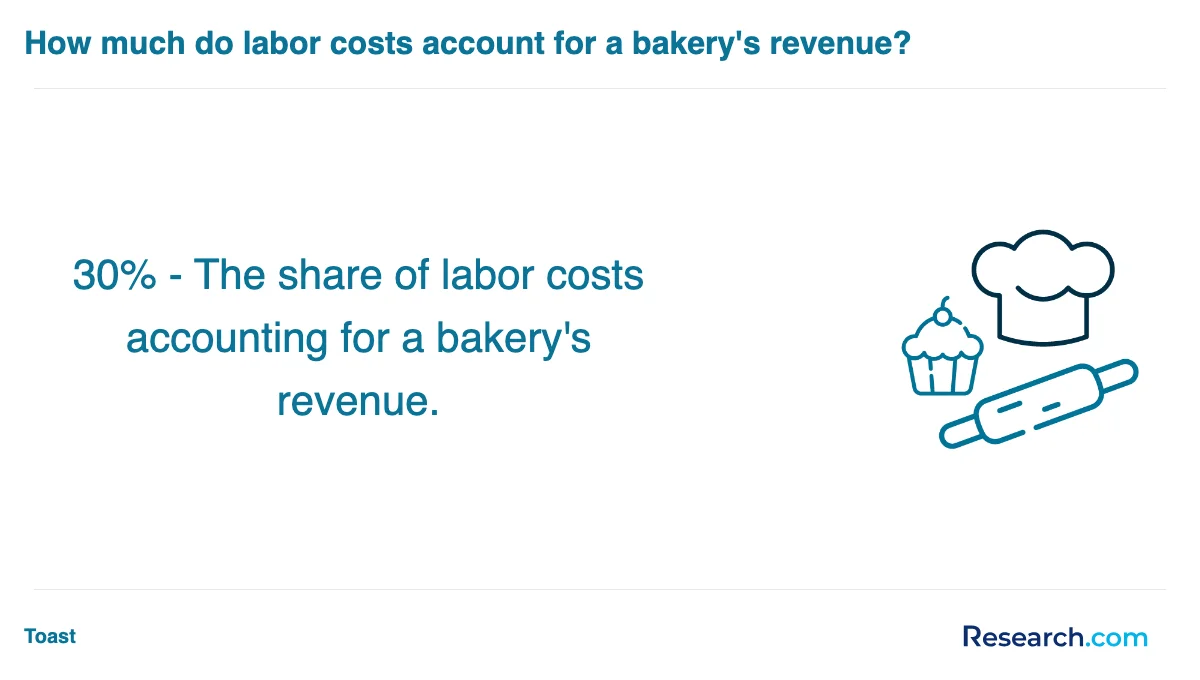
Students enrolled in baking and pastry trade programs in Twin Falls, especially at the College of Southern Idaho, engage in courses designed to build practical skills and industry readiness. Graduates often recall hands-on experiences that helped them master essential techniques and thrive in busy kitchens.
Typical courses include:
- Safety and Sanitation: Learning food safety standards and ingredient handling to ensure a clean, safe work environment.
- Weights and Measures: Developing precision and consistency by accurately following recipes and scaling ingredients.
- Baking and Mixing Methods: Practicing the preparation of bread, cakes, pastries, and both sweet and savory goods to build a versatile skill set.
- Plate Presentation and Dessert Design: Focusing on aesthetic appeal, crucial for roles in fine dining and catering.
- Industry History and Professionalism: Understanding the culinary arts' background to foster respect and career mindset.
These courses combine lectures, demonstrations, and bakeshop labs, providing an immersive learning environment. Graduates often describe the practical labs as the most rewarding, where theory meets real kitchen challenges. This approach prepares students for entry-level roles in Twin Falls' bakeries and restaurants with confidence and competence.
In Twin Falls, baking and pastry trade school programs commonly offer several specialized tracks that prepare students with hands-on skills essential for success in the culinary world. At the College of Southern Idaho, students can pursue an Associate of Applied Science (AAS) in Baking and Pastry Arts, an Intermediate Technical Certificate, or a Basic Technical Certificate. These specializations focus on mastering fundamental techniques such as weighing ingredients accurately, mixing methods, plate presentation, dessert design, and producing both sweet and savory baked goods. Graduates often share how engaging in bakeshop labs and cooperative education helped them build real-world confidence and professionalism.
Programs in Twin Falls baking and pastry trade school programs combine classroom instruction with practical application, ensuring students develop a deep understanding of industry standards and safety. Many find the blend of lecture plus hands-on work motivating and empowering, fueling a rewarding career path.
For students aiming to thrive in the culinary arts, continuing education and community networking are emphasized. Exploring high paying trades after completing these specializations can help graduates maximize their career opportunities and income potential.
When choosing among the best baking and pastry programs in Twin Falls, prioritize programs accredited by trusted culinary organizations to ensure high-quality instruction. Graduates often praise local schools for their hands-on experience, noting how extensive kitchen lab hours and internships prepare them for real industry challenges. Consider programs that offer flexible schedules and specialized tracks, such as artisan bread or wedding cake design, which align with your career goals and lifestyle.
Affordability is also crucial; lots of students find affordable baking and pastry schools Twin Falls helpful for reducing financial stress, especially when paired with scholarships or work-study options. Schools with strong career support and alumni networks can make the job search much smoother, as graduates often highlight how their connections helped them start rewarding careers. If you're curious about earnings after graduation, you can explore what is the highest paying associate degree and see which baking programs have good outcomes.
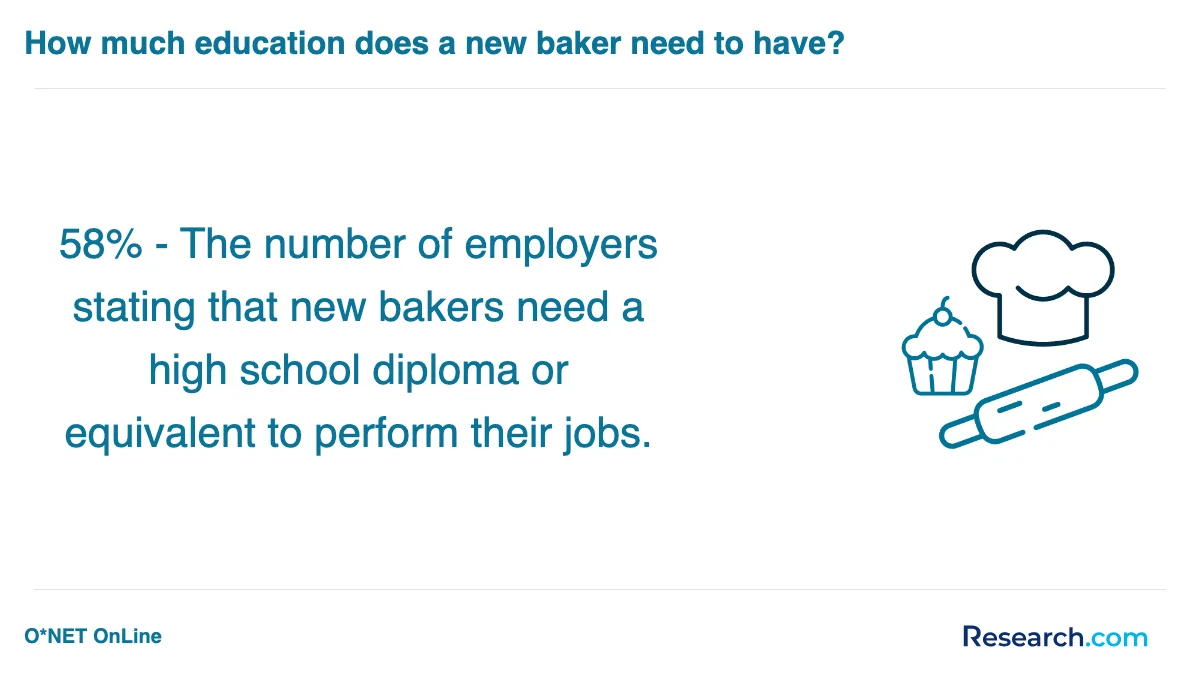
Graduates of baking and pastry trade school programs in Twin Falls often find varied and rewarding career paths in the local food industry. Many start in entry-level roles such as assistant pastry chefs or bakery clerks, gaining practical experience that leads to positions like lead baker or bakery manager. These roles develop their skills with hands-on work in cafes, grocery stores, and independent bakeries.
For those seeking leadership, pastry chef jobs in Twin Falls Idaho offer opportunities to manage teams and oversee menu creation, as seen in positions like Head Pastry Chef at Kneaders Bakery & Cafe. Graduates with technical expertise and experience can thrive in these advanced careers, balancing creativity with quality control.
Some graduates leverage their education to start small businesses, specializing in cake decorating or artisan bread making, which suits entrepreneurial spirits. Popular trade schools in Twin Falls provide solid training to support these ambitions.
To explore broader culinary education options, many students consider culinary arts schools online for further skill development.
The diverse opportunities make baking and pastry careers in Twin Falls attractive for driven graduates eager to build hands-on skills and advance in a dynamic industry.
Graduates of baking and pastry trade schools in Twin Falls find a manageable yet steady job market with local employers actively seeking skilled candidates. Popular trade schools such as those at the College of Southern Idaho prepare students well for positions like Baker, Cake Decorator, and Assistant Pastry Chef. Practical training gives graduates a real advantage when applying for roles at grocery store bakeries, cafes, and specialty pastry shops.
Entry-level wages typically range from $12 to $15.50 per hour, which matches current local demand. Employers like Costco Wholesale Corporation and Kneaders Bakery & Café offer opportunities that reward hands-on skills and can lead to career advancement.
Key points for job seekers include:
- About 15 bakery and 11 baker jobs currently posted in Twin Falls
- Higher demand during holidays and special events
- Opportunities to move into supervisory positions with experience
Trade school graduates often share how their coursework and internships prepared them for these roles, making the transition to the workforce smoother. If you're exploring your options, you might also consider learning what jobs can you get with an associate's degree in liberal arts to expand your career flexibility alongside your baking skills.
Overall, the baking and pastry job market in Twin Falls offers practical opportunities for graduates ready to enter Idaho's growing food service industry.
Most Affordable Baking, Pastry & Culinary Schools - Top Baking & Pastry Chef Schools in Twin Falls for 2026
# 1 position
College of Southern Idaho - Baking and Pastry Arts/Baker/Pastry Chef.
associateThe College of Southern Idaho offers a hybrid Baking and Pastry Arts/Baker/Pastry Chef program that prepares students to work as professional bakers and pastry specialists in commercial settings. The curriculum covers bread and pastry making, decorating, handling, storage, and industry operations, including packaging and marketing. Annual in-state tuition is $3,360. The program is accredited by the Northwest Commission on Colleges and Universities.
# 2 position
College of Southern Idaho - Baking and Pastry Arts/Baker/Pastry Chef.
certificate or diplomaThe College of Southern Idaho offers a hybrid Baking and Pastry Arts/Baker/Pastry Chef program designed to prepare students for professional roles in commercial baking establishments. The curriculum covers bread and pastry making, handling, storage, cake decorating, baking industry operations, product packaging, marketing, and service. Annual in-state tuition is $3,360. The program is accredited by the Northwest Commission on Colleges and Universities.
Frequently Asked Questions about baking and pastry
After completing a baking and pastry trade school in Twin Falls, preparing for the job market involves several practical steps. Graduates should build a strong portfolio showcasing their skills, including photos of pastries and baked goods created during their training. Networking is essential; connecting with local bakeries, restaurants, and culinary events in Twin Falls can lead to job opportunities. According to the U.S. Bureau of Labor Statistics, employment for bakers is projected to grow 5% from 2022 to 2032, reflecting steady demand.
Internships and apprenticeships provide valuable hands-on experience and often lead to permanent roles.
Additionally, obtaining food safety certifications such as ServSafe can enhance employability. Many Twin Falls employers prefer candidates with these credentials. Finally, staying informed about local market trends and continuously improving skills through workshops can increase job prospects in the competitive baking industry.
Employers in Twin Falls prioritize a blend of technical and soft skills in baking and pastry trade school graduates. Mastery of baking techniques, such as dough preparation, cake decorating, and chocolate work, is essential. According to the U.S. Bureau of Labor Statistics, attention to detail and consistency significantly impact product quality in bakery settings.
Additionally, strong time management and the ability to work under pressure are critical, as bakery environments often involve tight deadlines. Communication skills also matter, especially for roles requiring customer interaction or teamwork. Local employers emphasize adaptability and a willingness to learn new trends, reflecting the evolving nature of the baking industry.
Finding internships in Twin Falls related to baking and pastry trade programs involves researching local bakeries, cafes, and restaurants that offer hands-on training opportunities. The Twin Falls area has a growing culinary scene, with businesses often seeking interns to assist with production and learn industry skills.
Students should start by contacting their trade schools' career services, as many have partnerships with local employers. The Idaho Department of Labor also provides listings for internships and apprenticeships in food service, including baking roles. According to recent labor data, Twin Falls has over 30 establishments in the bakery and pastry sector, increasing internship availability.
Networking through local industry events and joining organizations like the Idaho Restaurant Association can further connect students with internship openings. Additionally, online platforms such as Indeed and Handshake sometimes list baking internships specifically in Twin Falls.
Obtaining a baking and pastry trade school diploma in Twin Falls can significantly enhance career mobility and advancement opportunities. Graduates gain specialized skills that meet local employers' demands in bakeries, restaurants, and catering services. According to the U.S. Bureau of Labor Statistics, skilled bakers with formal training are more likely to secure higher-paying positions and supervisory roles.
In Twin Falls, where the food service industry is growing steadily, a diploma demonstrates commitment and expertise, often leading to quicker promotions. Trade school programs also provide networking opportunities with local businesses, further supporting career growth. State labor data shows that certified bakers in Idaho earn a median wage above the national average, reflecting the value of formal education in this field.
Students enrolled in baking and pastry trade schools in Twin Falls can benefit from several part-time job opportunities that enhance their practical skills. Local bakeries, cafes, and grocery stores often seek part-time bakers and pastry assistants, providing hands-on experience with dough preparation, decorating, and customer service. According to the U.S. Bureau of Labor Statistics, the demand for bakers in Idaho is projected to grow 6% from 2022 to 2032, reflecting steady job availability.
Additionally, internships or part-time roles in catering companies or restaurants in Twin Falls offer valuable exposure to large-scale production and event setups. These roles help students build industry contacts and understand workplace expectations, complementing their formal education.
Yes, there are affordable Baking and Pastry degree programs near Twin Falls, ID, that you might consider. The College of Southern Idaho in Twin Falls offers culinary arts programs which include baking and pastry coursework at reasonable tuition rates. For more options, you can explore programs or universities near me on Research.com to compare costs and offerings.
- Exciting Careers with Your Baking & Pastry Arts Diploma | Pacific Institute of Culinary Arts https://www.picachef.com/in-the-news/exciting-careers-with-your-baking-pastry-arts-diploma
- 14 Exciting Careers with a Baking and Pastry Arts Degree https://www.baker.edu/about/get-to-know-us/blog/careers-with-a-baking-and-pastry-arts-degree/
- What Are the Career Opportunities in Baking and Pastry? - Escoffier https://www.escoffier.edu/blog/culinary-pastry-careers/what-are-the-career-opportunities-in-baking-and-pastry/
- What Can You Do with a Baking & Pastry Degree? https://www.lci.edu/blog/what-can-you-do-with-a-baking-pastry-degree
- Pastry Chef Baker: Where Could I Work? https://www.ecpi.edu/blog/pastry-chef-baker-where-could-i-work
- 7 Exciting Careers for Baking & Pastry Arts Grads | Johnson & Wales University https://www.jwu.edu/news/2022/06/baking-pastry-arts-careers.html
- Career Opportunities in Baking and Pasty https://www.hrcacademy.com/en/blog/career-opportunities-for-bakers-and-pastry-chefs/
- Sweet Careers: 9 Best Opportunities in Baking and Pastry https://chefibpa.com/best-career-opportunities-in-baking-and-pastry/
- Admission Steps | Baking and Pastry Arts Program | CSI - College of Southern Idaho https://www.csi.edu/programs/baking-pastry-arts/admission-steps.aspx
- Pastry Chef Schools in Idaho - Baking & Pastry Training https://okchef.org/pastry-chef/id/