
Most Affordable Baking, Pastry & Culinary Schools - Top Baking & Pastry Chef Schools in Midwest for 2026

Co-Founder and Chief Data Scientist
Choosing the right baking and pastry trade school in the Midwest can be exciting but overwhelming. This article introduces a carefully crafted ranking of baking and pastry trade school programs created by the Research.com team of data scientists to help you make an informed decision.
By exploring these top programs, you’ll discover options that fit your goals and budget. Earning a diploma or certification opens doors to a rewarding career filled with creativity and growth. Whether you’re starting fresh or advancing your skills, this guide supports your journey toward success.
Key benefits of finishing baking and pastry trade school in Midwest
- Graduates in the Midwest can expect starting salaries around $36,000 for bakers, with experienced pastry chefs earning $60,000 or more, offering strong financial growth opportunities.
- Baking and pastry trade school graduates often find rewarding careers in retail bakeries, restaurants, or specialty shops, like a recent graduate from Midwest Culinary Academy who quickly advanced to a pastry chef role.
- Completing a baking and pastry trade school online provides flexibility and hands-on learning, as seen with an online graduate from Great Lakes Baking Institute who balanced work and study while gaining valuable skills.
- Most Affordable Baking, Pastry & Culinary Schools - Top Baking & Pastry Chef Schools in Midwest for 2026
- What can I expect from baking and pastry trade schools in Midwest?
- Where can I work after finishing baking and pastry trade schools in Midwest?
What can I expect from baking and pastry trade schools in Midwest?
If you're diving into a baking and pastry trade school program in the Midwest, get ready for a mix of hands-on work and solid baking theory. Graduates often talk about how they quickly got comfortable using real bakery equipment-mixers, ovens, sheeters-the same tools you'd find in a busy commercial kitchen. From early on, you'll practice techniques like creaming, blending, and dough preparation, learning how each step affects the final product.
Midwest programs usually cover a broad range of baked goods, so expect to bake everything from crusty breads to delicate pastries and rich cakes. Alongside baking skills, you'll also pick up essentials like kitchen safety, food sanitation, and even management basics, which graduates say really helped them feel ready for real-world bakery environments.
Many students enjoy the chance to run a retail bakery or café on campus, selling their creations and learning how to handle customers and manage inventory. This practical experience is a favorite highlight, making the learning process feel alive and relevant. Most programs last about one to two years, preparing you to step confidently into bakery jobs across the Midwest.
Where can I work after finishing baking and pastry trade schools in Midwest?
After finishing a baking and pastry trade school program in the Midwest, you'll find plenty of exciting career paths waiting for you. Many graduates land jobs as pastry chefs, bakers, or cake decorators in local bakeries, restaurants, and cafes. Imagine working in a bustling bakery in Chicago or crafting custom cakes for weddings in Detroit-these are real opportunities that recent grads from popular Midwest trade schools enjoy.
Bakeries and pastry shops are classic spots to start, but you can also find work in fine dining restaurants, hotels, and country clubs where you get to create elegant desserts for special events. Some grads even work for grocery chains or catering companies, designing show-stopping treats for celebrations. It's common to hear from alumni who've moved into teaching roles or management positions, sharing their skills at community colleges or running their own bakeries.
The Midwest's food scene is growing, and with your trade school experience, you'll be ready to join it-whether that's whipping up artisan bread or managing your own sweet business.
After finishing a baking and pastry trade school program in the Midwest, you can expect to start making around $36,000 to $38,000 a year. For instance, graduates from Chippewa Valley Technical College's Baking & Pastry Specialist program reported an average starting salary of about $37,526, which is pretty encouraging if you're just stepping into the field.
Many entry-level roles like pastry cook or bakery assistant typically offer salaries between $31,500 and $40,000. Imagine working your first job in a cozy local bakery or a bustling hotel kitchen, earning enough to cover your bills while doing what you love. As you gain experience and earn certifications like the Certified Working Pastry Chef, your paycheck can grow even more.
Some graduates have moved up to roles like pastry chef consultant, where salaries can climb past $60,000. So, if you're passionate about baking and ready to learn, Midwest trade schools give you a solid launchpad with real earning potential.
- Baking and pastry programs in the Midwest range from short certificates to associate degrees, with credits varying from 24 to 65.
- Tuition costs are about $6,821 for a one-year diploma and up to $13,645 for a two-year associate degree.
- Admission may require a minimum high school GPA and physical ability for kitchen work, including lifting 50 pounds and standing for long periods.
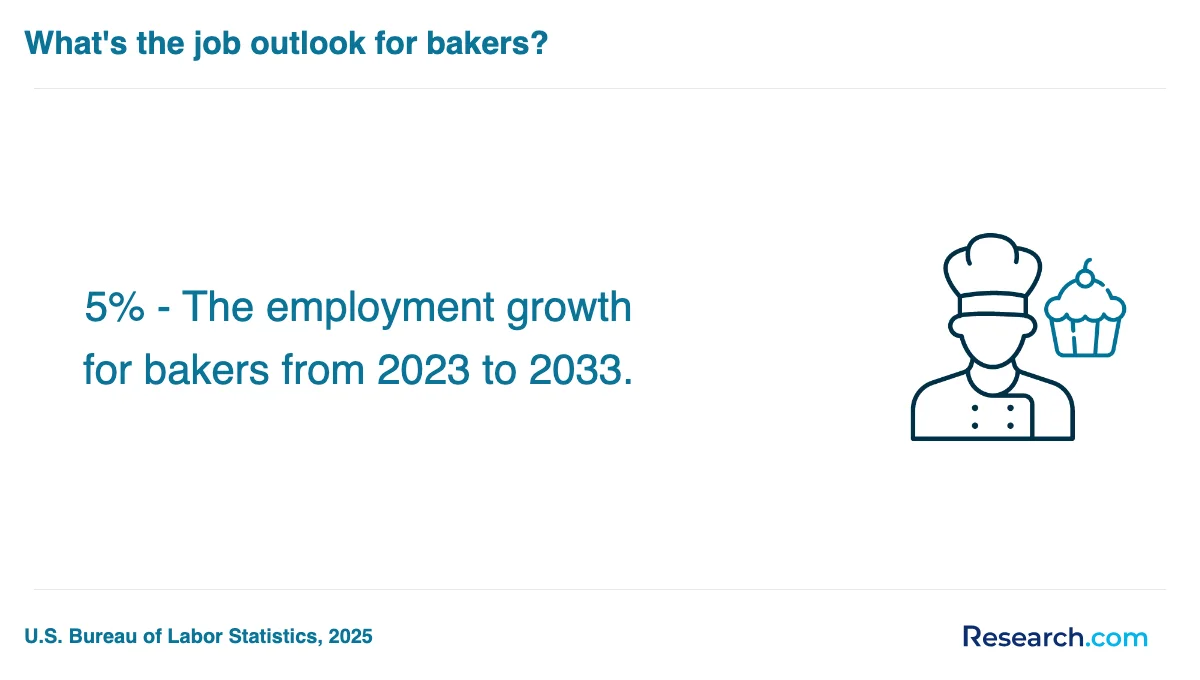
- Job growth for chefs and head cooks is projected at 5% from 2022 to 2032, with about 22,000 new culinary jobs nationally each year.
- Starting salaries typically range from $28,000 to $35,000 annually, with experienced professionals earning between $45,000 and $60,000.
Most baking and pastry trade school programs in the Midwest typically take about 9 to 12 months to complete. Graduates often share how this timeframe felt just right-not too long to lose momentum, but enough to really build hands-on skills and confidence. For example, students at well-known Midwest trade schools appreciate the balance of fast-paced learning combined with real kitchen experience that prepares them for the workforce quickly.
Many find themselves diving into practical lessons early on, which keeps motivation high. It's common to hear how the structure helped them stay engaged, whether they were perfecting flaky croissants or mastering chocolate tempering. The relatively short duration means you can start working in bakeries or pastry shops sooner, which is exciting for anyone eager to turn their passion into a career.
So, if you're dreaming about baking in a bustling Midwest kitchen, expect roughly a year of focused, rewarding study before stepping into your new role with confidence.
The biggest difference between online and on-campus baking and pastry trade school programs in the Midwest comes down to how you learn and experience the craft. Online programs, like those offered by the Institute of Culinary Education's diploma track, let you study baking theory, watch demos, and practice techniques right from your own kitchen. Graduates often mention how flexible it was to fit lessons around work or family, plus they still got hands-on experience through required externships in local bakeries. It's a great fit if you need to balance life while building skills.
On the other hand, on-campus programs at schools like the Culinary Institute of Michigan or McHenry County College throw you into professional kitchens from day one. Students get immediate feedback from instructors as they use commercial ovens and tools, which many grads say helped build confidence fast. The buzz of working alongside peers and showing off creations in student-run bakeries creates an energizing, real-world vibe you just can't replicate online.
Both paths prepare you well, so it really depends on whether you want flexibility or hands-on immersion in a Midwest baking community.
When considering the average tuition for Midwest baking and pastry programs, expect a range that reflects the diversity of options and training depth. For instance, graduates from schools like Chippewa Valley Technical College in Wisconsin often share how the one-year Baking & Pastry Specialist program, costing around $6,821, gave them a solid foundation without overwhelming their finances. Meanwhile, those attending Lakeshore Technical College enjoyed a more affordable, focused experience with a one-semester Culinary and Baking Basics diploma priced near $2,510.23. These varying costs highlight the different paths you can take depending on your goals and timeframe.
On the other hand, if you're eyeing a longer, more intensive program, you might look at institutions such as the French Pastry School in Chicago. Graduates commonly mention the immersive 20-week baking and pastry arts certificate they completed for nearly $23,700 as a worthwhile investment that opens doors to specialized career paths. In contrast, smaller, local programs like McHenry County College provide a balanced option with a 32-week Baking and Pastry Assistant certificate costing about $3,113 for in-district students, giving a practical and affordable route to gain essential skills.
Understanding the cost of baking and pastry trade schools in the Midwest is key, but remember these numbers usually cover tuition only-supplies, tools, and other expenses can add up. Many graduates recommend reaching out directly to schools to discuss financial aid and get a clearer picture of total investment. For those curious about what happens after school, exploring job opportunities for hospitality management master's degree holders can also shed light on potential career benefits that follow successful training in baking and pastry.
If you're diving into a baking and pastry program in the Midwest, you'll find a good mix of financial aid options to help ease the cost. Most schools, like the College of Lake County in Illinois or Waukesha County Technical College in Wisconsin, participate in federal aid programs. That means you can apply for the Pell Grant, which for 2025-2026 can give you up to $7,395 without needing to pay it back. Many graduates say this grant really made a difference in covering tuition and supplies.
Beyond federal help, these schools often offer scholarships based on your financial need or academic performance. Imagine getting recognized for your passion and hard work with a scholarship that offsets part of the $13,811 average cost for a two-year program.
Some states even have their own grants, and lots of schools provide payment plans or emergency funds. Talking to the financial aid office at your chosen school is key-they can guide you through all these options and help you find the best fit for your situation.
To enroll in a baking and pastry trade school program in the Midwest, you typically need a high school diploma or GED. Many trade schools appreciate applicants who show a genuine passion for baking, even if they don't have formal culinary experience yet. Graduates often mention how their initial love for baking at home helped them stand out during the application process.
Some schools may ask for a brief personal statement or interview where you can share your enthusiasm and any hands-on experience, like baking for family gatherings or local events. It's common to see prerequisites such as:
- Basic math skills for measuring ingredients accurately
- Good physical stamina since baking can be demanding
- A positive attitude and willingness to learn
Trade schools in cities like Chicago or Minneapolis often recommend applicants have some familiarity with kitchen safety and sanitation, which you can pick up through short courses or volunteer work. Graduates from these programs recall how that early knowledge made their first weeks in class feel less overwhelming and more exciting.
Overall, the prerequisites are more about your mindset and readiness than perfect technical skills. If you love baking and want to learn, Midwest trade schools are ready to help you turn that passion into a career.
If you're diving into a baking and pastry trade school in the Midwest, expect a mix of hands-on work and solid theory from day one. Graduates often recall starting with foundational courses like Theory of Baking or Introduction to Baking & Pastry, where they got to know ingredients and mastered basic techniques like creaming and blending-skills that quickly build confidence in the kitchen.
Sanitation and safety are always front and center, because learning how to handle food safely is non-negotiable in any professional kitchen. Students appreciate this practical focus, knowing it prepares them for real-world demands.
Core courses often include:
- Fundamentals of Baking - where you perfect breads, pies, and cookies;
- Intermediate Baking - exploring cakes, tarts, and cheesecakes;
- Artisan Bread Baking - tackling sourdoughs and baguettes;
- Pastry Production and Design - learning to create puff pastries and plated desserts.
Many students get excited about cake decorating classes, crafting everything from wedding cakes to stunning sugar art. Electives like Chocolate Centerpiece Design let creative bakers shine, especially in Midwest schools known for blending tradition with innovation.
On top of baking skills, courses in bakery management and retail operations help prepare students to run or supervise bakeries, covering everything from staffing to daily workflow. Plus, practicum experiences, whether on-campus or through internships, are where students say they really feel ready to jump into the industry.
Midwest baking and pastry arts degree options give students a fantastic range of specializations that really match the region's vibrant food scene. Graduates from popular trade schools enjoy diving into areas like cake decorating, where they master everything from elegant wedding cakes to fun theme cakes, making their creations standout for any celebration. Artisan bread baking courses focus on European-style techniques and the science behind perfect dough, teaching students how to create bakery-worthy loaves that fill the kitchen with irresistible aromas.
A standout for many Midwest students is chocolate and confectionery arts, where they learn to temper chocolate flawlessly, design stunning candy displays, and make sweets that brighten any dessert menu. Plus, programs like those at Chippewa Valley Technical College blend bakery management and retail concepts, preparing grads not only to bake but to run successful bakery businesses or catering services.
Other exciting specializations include restaurant-style plated desserts and frozen treats, giving students hands-on experience with real commercial baking tools. If you're wondering about cost, you might want to check out how much does an associate's degree cost online to see affordable options.
The variety of baking and pastry specializations in Midwest trade schools make it easy for students to find the perfect fit for their creativity and career goals.
Choosing the right baking and pastry trade school in the Midwest means focusing on key factors like accreditation and program reputation. For example, students at Macomb Community College appreciate the credibility their accredited Pastry Arts program offers, boosting their confidence in the quality of education they receive. Tuition costs and available financial aid also play a big role-graduates from the College of Lake County often mention how financial support made their dream of pastry school affordable.
Curriculum comprehensiveness and hands-on training opportunities matter a lot too. Many report that getting real-world experience, like working in student-run kitchens or internships, gave them the skills and confidence to shine in a fast-paced kitchen. Location and proximity to potential employment opportunities should be a top consideration. Schools like the French Pastry School in Chicago benefit from being in a bustling food city, where graduates often find exciting job placements right after training. Alumni success rates and job placement statistics can reveal how well a program prepares you for the future-you want to join a community that opens doors.
Thinking about career options beyond baking? You might find interesting perspectives on what can i do with an associate's degree in liberal arts that apply to culinary arts graduates too.

Graduates from baking and pastry trade school programs in the Midwest find a variety of exciting career paths waiting for them. Whether you trained at a well-known trade school or a local program, the opportunities span commercial bakeries, restaurants, and resorts. Many graduates step into roles as bakers or pastry chefs, mastering everything from making classic breads to crafting intricate dessert masterpieces. This range really highlights the diversity of baking and pastry career opportunities in Midwest.
Some alumni share that artisan bakeries are a great fit, offering positions like bread bakers or pastry team members, often with flexible schedules including evening or overnight shifts. Others move toward specialized roles such as cake decorating or working as chocolatiers, creating custom treats for weddings or high-end chocolate shops.
On the business side, former students report success managing bakery operations or retail sales, combining their skills with leadership. Job listings in the region are plentiful, and for those curious about pay and prospects, it's helpful to explore resources like highest paid trade jobs.
Thanks to the demand for skilled bakers, Midwest baking and pastry chef jobs offer a promising future full of creativity and steady growth.
The baking and pastry job outlook Midwest is pretty solid, especially if you're coming from one of the well-known trade schools here. Graduates often find opportunities in everything from retail bakeries and grocery stores to hotels and larger commercial bakeries. Many grads share how their hands-on training helped them land jobs quickly, even with flexible schedules that include early mornings or weekend shifts. A few common themes really stand out:
- Strong demand for skilled bakers and pastry chefs in hospitality and manufacturing
- Median wages around $18.52 per hour in Central Minnesota and nearby areas
- Steady openings due to retirements and career changers, translating to about 40,400 national job openings yearly
If you're considering programs, some trade schools have great reputations because their graduates often tell stories of valuable real-world experience that employers prize, especially in commercial baking where skills matter most. The Midwest baking and pastry chef salaries align closely with national averages, making it a promising path.
Many students also explore the cheapest baking and pastry arts cerftificate programs online to supplement their local studies or to gain credentials that boost employability in this competitive job market.
Most Affordable Baking, Pastry & Culinary Schools - Top Baking & Pastry Chef Schools in Midwest for 2026
# 1 position
Macomb Community College - Baking and Pastry Arts/Baker/Pastry Chef.
associateMacomb Community College offers a hybrid Baking and Pastry Arts/Baker/Pastry Chef program preparing individuals for careers in professional baking and pastry. The curriculum covers bread and pastry making, handling, storage, decorating, and industry operations including packaging and marketing. The program’s annual in-state tuition is $3,600. Graduates earn a median salary of $20,701 one year after completion. It is accredited by the Higher Learning Commission.
# 2 position
Macomb Community College - Baking and Pastry Arts/Baker/Pastry Chef.
certificate or diplomaMacomb Community College offers a hybrid Baking and Pastry Arts/Baker/Pastry Chef program designed to prepare students for professional roles in commercial baking establishments. The curriculum includes bread and pastry making, decorating, handling, storage, and marketing operations. Annual in-state tuition is $3,600. Graduates earn a median of $20,701 one year after completion. The program is accredited by the Higher Learning Commission.
# 3 position
Saint Louis Community College - Baking and Pastry Arts/Baker/Pastry Chef.
associateSaint Louis Community College offers a hybrid Baking and Pastry Arts/Baker/Pastry Chef program that prepares students for careers as professional bakers and pastry specialists in commercial settings. The curriculum covers bread and pastry making, handling, storage, decorating, industry operations, packaging, marketing, and counter service. The in-state annual tuition is $3,660. The program is accredited by the Higher Learning Commission. Median earnings one year after completion are $26,318.
# 4 position
Sinclair Community College - Baking and Pastry Arts/Baker/Pastry Chef.
associateSinclair Community College offers a hybrid Baking and Pastry Arts/Baker/Pastry Chef program designed to prepare students for professional roles in commercial baking establishments. The curriculum covers bread and pastry making, handling and storage, cake and pastry decorating, baking industry operations, and marketing. Annual in-state tuition is $3,435. Graduates earn a median salary of $28,037 one year after completing the program. The program is accredited by the Higher Learning Commission.
# 5 position
Sinclair Community College - Baking and Pastry Arts/Baker/Pastry Chef.
certificate or diplomaSinclair Community College offers a hybrid Baking and Pastry Arts/Baker/Pastry Chef program designed to prepare students for professional roles in commercial baking. The curriculum covers bread and pastry making, handling, storage, decorating, industry operations, packaging, marketing, and counter service. Annual in-state tuition is $3,435. Graduates have median earnings of $28,037 one year after completion. The program is accredited by the Higher Learning Commission.
# 6 position
Grand Rapids Community College - Baking and Pastry Arts/Baker/Pastry Chef.
certificate or diplomaGrand Rapids Community College offers a hybrid Baking and Pastry Arts/Baker/Pastry Chef program preparing students for careers as professional bakers and pastry specialists. The curriculum covers bread and pastry making, handling, storage, decorating, industry operations, packaging, marketing, and counter service. The annual in-state tuition is $4,059. Graduates report median earnings of $27,630 one year after completion. The program is accredited by the Higher Learning Commission.
# 7 position
College of DuPage - Baking and Pastry Arts/Baker/Pastry Chef.
associateThe Baking and Pastry Arts/Baker/Pastry Chef program at College of DuPage offers a hybrid format with some distance-education options. It prepares students for careers as professional bakers and pastry specialists, covering bread and pastry making, decorating, storage, and marketing. The annual in-state tuition is $4,320. Graduates have a median earning of $26,952 one year after completion. The program is accredited by the Higher Learning Commission.
# 8 position
College of DuPage - Baking and Pastry Arts/Baker/Pastry Chef.
certificate or diplomaThe College of DuPage offers a hybrid Baking and Pastry Arts/Baker/Pastry Chef program designed to prepare students for careers as professional bakers and pastry specialists in commercial settings. The curriculum covers bread and pastry making, handling, storage, decorating, and industry operations including packaging and marketing. The annual in-state tuition is $4,320. Graduates have a median earning of $26,952 one year after completion. The program is accredited by the Higher Learning Commission.
# 9 position
Washtenaw Community College - Baking and Pastry Arts/Baker/Pastry Chef.
associateWashtenaw Community College offers a hybrid Baking and Pastry Arts/Baker/Pastry Chef program focused on training individuals for professional roles in commercial baking. The curriculum covers bread and pastry making, handling, storage, decorating, and baking industry operations. Annual in-state tuition is $2,736. Graduates earn a median income of $33,382 one year after completion. The program is accredited by the Higher Learning Commission.
# 10 position
Washtenaw Community College - Baking and Pastry Arts/Baker/Pastry Chef.
certificate or diplomaWashtenaw Community College offers a hybrid Baking and Pastry Arts/Baker/Pastry Chef program that prepares students for professional roles in commercial baking. The curriculum includes bread and pastry making, handling, storage, decorating, and baking industry operations. Annual in-state tuition is $2,736. Graduates have median earnings of $33,382 one year after completion. The program is accredited by the Higher Learning Commission.
Frequently Asked Questions about baking and pastry
After completing a baking and pastry trade school in the Midwest, preparing for the job market involves several key steps. First, gaining practical experience through internships or apprenticeships is essential, as many employers in states like Illinois and Ohio prefer candidates with hands-on skills. According to the U.S. Bureau of Labor Statistics, the food preparation industry in the Midwest is growing steadily, with a 5% job increase projected by 2030.
Networking within local culinary associations and attending job fairs can help graduates connect with potential employers. Additionally, obtaining relevant certifications, such as ServSafe, boosts credibility and employability. Building a professional portfolio showcasing your best baked goods is also recommended.
Employers in the Midwest highly value baking and pastry trade school graduates who demonstrate strong technical skills, including precise dough preparation, cake decorating, and knowledge of food safety standards. According to the U.S. Bureau of Labor Statistics, attention to detail and consistency in product quality are critical for success in this region's competitive market.
Beyond technical abilities, teamwork and time management are frequently cited by bakery managers as essential skills. Graduates who can work efficiently during peak hours and collaborate well with kitchen staff tend to have better job prospects.
Additionally, familiarity with commercial baking equipment and adaptability to new baking trends are important. Many Midwest employers also look for candidates with strong communication skills to interact with customers and suppliers effectively.
Finding internships in the Midwest related to baking and pastry trade school programs involves leveraging multiple resources. Start by contacting your school's career services, as many trade schools maintain partnerships with local bakeries and restaurants. The Midwestern region, including states like Illinois, Ohio, and Michigan, has a growing culinary industry with numerous small businesses offering hands-on training.
Online job platforms such as Indeed and regional culinary job boards frequently list baking internships. According to the U.S. Bureau of Labor Statistics, food preparation occupations are expected to grow by 6% from 2022 to 2032, increasing internship opportunities. Additionally, joining professional organizations like the American Culinary Federation's Midwest chapter can provide networking events and internship leads.
Contacting local bakeries directly and attending culinary job fairs in cities like Chicago or Minneapolis are effective strategies. Many internships are unpaid but provide valuable experience and industry connections, essential for career advancement in baking and pastry arts.
A baking and pastry trade school diploma in the Midwest can significantly enhance career mobility and advancement. According to the U.S. Bureau of Labor Statistics, culinary arts jobs, including bakers and pastry chefs, are expected to grow by 7% from 2022 to 2032, faster than the average for all occupations. Graduates with formal training often qualify for higher-paying positions and supervisory roles more quickly than those without credentials.
Midwest employers value practical skills gained from accredited programs, which typically include hands-on training and internships. This experience is crucial for moving into specialized areas like artisan bread making or cake design.
Trade schools also connect students with local industry networks, improving job placement rates. The National Restaurant Association reports that 60% of culinary graduates find employment within six months of completing their programs, often advancing within two years.
Part-time job opportunities in the Midwest that complement baking and pastry trade school education include positions such as bakery assistant, pastry prep cook, and delivery driver for local bakeries. According to the U.S. Bureau of Labor Statistics, the Midwest has a growing demand for bakers, with employment expected to increase by 6% from 2022 to 2032. Working in these roles allows students to apply classroom skills in real-world settings while gaining valuable customer service and kitchen experience. Many bakeries in cities like Chicago, Minneapolis, and St. Louis offer flexible shifts suited for students balancing education and work.
To choose the most affordable Baking and Pastry degree program near me in the Midwest, start by researching local community colleges and technical schools that often offer more budget-friendly options. Look for programs that provide hands-on training and have good reputations, as these will be instrumental in building practical skills and finding employment post-graduation. Additionally, use tools like Research.com to compare tuition costs and program quality of universities and colleges near Midwest to ensure you are getting the best value for your education.
- Baking and Pastry | National Louis University | Chicago, Illinois | Tampa, Florida https://nl.edu/kendall-college/programs/baking-and-pastry/
- Baking & Pastry Specialist - Technical Diploma | Chippewa Valley Technical College https://www.cvtc.edu/academics/programs/baking-and-pastry-specialist
- Baking and Pastry Production https://www.wctc.edu/WCTC/Academics/Program-List/Baking-and-Pastry-Production
- Baking and Pastry Arts | MATC https://www.matc.edu/course-catalog/creative-arts-design-media/baking-and-pastry-arts.html
- Baking & Pastry Production | Technical Diploma | Fox Valley Technical College https://www.fvtc.edu/program/culinary-hospitality/31-314-3/baking-and-pastry-production
- Baking & Pastry | Hennepin Technical College https://hennepintech.edu/academic-programs/culinary-hospitality/baking-pastry.html
- Baking and Pastry - Certificate - Northeast Wisconsin Technical College https://www.nwtc.edu/academics-and-training/baking-and-pastry
- Baking and Pastry Arts A.A.S. - Programs | Mott Community College https://www.mcc.edu/degree-pathway/BAKE.shtml
- Baking and Pastry Arts Program | College of DuPage https://www.cod.edu/academics/programs/culinary/baking-pastry-arts/
- CIA Baking and Pastry Arts Programs | Culinary Institute of America https://www.ciachef.edu/cia-baking-and-pastry-arts-programs/


