Best Baking, Pastry & Culinary Schools - Top Baking & Pastry Chef Schools in Northeast for 2026

Co-Founder and Chief Data Scientist
Choosing the right baking and pastry trade school in the Northeast can shape your future in this creative and rewarding field. This article presents a carefully crafted ranking of baking and pastry trade school programs, developed by the Research.com team of data scientists. It’s designed to help you make an informed decision about which programs truly stand out.
Exploring these options can open doors to valuable skills, certifications, and exciting career opportunities. Whether you’re starting fresh or advancing your expertise, earning a diploma or certification in baking and pastry can be a fulfilling step toward your dreams.
Key benefits of finishing baking and pastry trade school in Northeast
- Graduates can expect competitive salaries, with entry-level bakers earning around $36,650 annually and pastry chefs making up to $75,231 per year in New Jersey, reflecting strong earning potential in the Northeast.
- Career paths include roles such as bakery staff, pastry chefs, and specialty bakery owners, as shown by many successful graduates from popular trade schools like the Culinary Institute of America in Hyde Park.
- Completing a baking and pastry trade school online offers flexibility and hands-on learning opportunities, as experienced by graduates from schools like the Online Pastry Academy, making it easier to balance work and study while gaining valuable skills.
- Best Baking, Pastry & Culinary Schools - Top Baking & Pastry Chef Schools in Northeast for 2026
- What can I expect from baking and pastry trade schools in Northeast?
- Where can I work after finishing baking and pastry trade schools in Northeast?
What can I expect from baking and pastry trade schools in Northeast?
Enrolling in a baking and pastry trade school program in the Northeast means diving into a curriculum rich with hands-on experience and foundational theory. Graduates from well-known schools like Johnson & Wales University and the Culinary Institute of America often describe their training in kitchens that replicate professional bakery environments, where they master skills such as pastry bag techniques, dough forming, and cake decorating.
Expect to engage closely with American Culinary Federation-certified instructors who provide expert guidance, making complex techniques like chocolate work and confectionery artistry accessible. Many students highlight the value of internships or externships integrated into their programs, offering real-world exposure in student-run cafes or local bakeries that build confidence and practical know-how.
Beyond baking skills, programs emphasize business preparation, including recipe conversions and baking math, which graduates find crucial when transitioning to careers or entrepreneurship in the region's vibrant culinary scene. The mix of technical training and career support equips students to thrive in diverse roles, from pastry chefs to bakery owners across the Northeast.
Where can I work after finishing baking and pastry trade schools in Northeast?
Graduates of baking and pastry trade schools in the Northeast often find themselves immersed in diverse work environments that match their training and passion. Many start their careers in bustling commercial bakeries or popular cafes in cities like New York and Boston, where hands-on skills learned at well-known trade schools translate directly to roles such as pastry chef or assistant production baker. These positions not only offer practical experience but also a sense of accomplishment when crafting daily fresh goods for a vibrant clientele.
Others step into artisan bakeries or specialty dessert shops, where creativity shines through roles like custom cake decorator or bagel baker. Alumni from Northeast programs often emphasize the excitement of joining close-knit teams that value craftsmanship and innovation. Salaries here vary widely, reflecting skill levels and responsibilities, with entry wages typically between $16 and $29 per hour.
For graduates aiming higher, leadership roles such as executive pastry chef in upscale hotels or resorts provide rewarding challenges and salaries reaching $70,000 to $80,000 annually. Trade school training equips them with the expertise and confidence to manage large-scale dessert programs or bakery operations.
Teaching baking at culinary schools or community centers is another fulfilling path chosen by some, allowing graduates to share their knowledge and inspire future bakers. Finally, many Northeastern graduates leverage their education and local connections to launch their own bakeries or pastry businesses, embracing the region's supportive food culture and entrepreneurial spirit.
After completing a baking and pastry trade school program in the Northeast, graduates can expect starting salaries typically in the low $30,000s annually, especially in entry-level roles like bakery assistants or production bakers. For instance, graduates from well-known trade schools often mention feeling encouraged when landing their first jobs making around $36,000, close to the regional average, such as in Vermont.
Those who advance to pastry chef roles report incomes rising to about $43,000, with seasoned pastry chefs earning between $38,000 and $59,000 depending on skill and workplace. Graduates who pursue associate degrees at institutions like Lackawanna College often share stories of varied earnings, from $22,820 up to $45,450, reflecting a broad spectrum of opportunities in bakeries, restaurants, and hotels.
Many graduates find satisfaction not only in their earnings but in the creative and dynamic nature of their work. With experience and certifications, incomes can climb significantly, particularly in upscale or supervisory positions, highlighting the value of continued growth beyond initial training.
- Applicants need a high school diploma or equivalent, and may have to submit an application, personal statement, and attend an interview.
- Programs last from nine months to two years, combining classroom learning with hands-on training in bakery science and food safety.
- Certificate programs cost between $3,000 and $10,000, while associate degrees range from $10,000 to $25,000, with financial aid often available.
- Entry-level salaries range from $30,000 to $38,000 annually, with experienced chefs and managers earning $45,000 to $60,000 or more.
- Many programs offer industry certifications like ServSafe to improve job prospects and maintain strong ties with local employers for internships and job placement.
Completing a baking and pastry trade school program in the Northeast typically takes between 6 months and 1 year, depending on the intensity and structure of the curriculum. Many trade schools offer accelerated paths that allow students to quickly acquire hands-on skills, which is ideal for those eager to start working in kitchens or bakeries sooner. Graduates often share how immersive and fast-paced their experiences were, emphasizing the blend of classroom theory and practical baking labs that kept them fully engaged.
For example, students at well-known Northeast trade schools describe balancing early morning baking sessions with afternoon lessons on pastry science and chocolate tempering. This rigorous schedule not only builds confidence but also mirrors the demanding environment of professional kitchens, making the transition to employment smoother.
Some programs offer flexible evening or weekend classes, extending the completion time but allowing students to work or manage other commitments. The key takeaway is that the timeline is designed to equip students with both foundational knowledge and real-world skills efficiently, helping them quickly enter the competitive culinary job market in the Northeast.
The primary difference between online and on-campus baking and pastry trade school programs in the Northeast lies in the learning environment and hands-on experience. Graduates of online programs like Boston University's Pastry Arts 1 Online often appreciate the flexibility to practice in their own kitchens, balancing work or family while accessing weekly video lessons and one-on-one Zoom coaching. This format suits those who thrive with self-paced study and value the convenience of learning from home.
Conversely, on-campus programs such as Monroe University's Culinary Institute of New York immerse students in professional kitchens, offering real-time guidance from ACF-certified chefs. Graduates highlight the immediate feedback and camaraderie from peers, which enhances skill development and networking within the industry.
Online students submit photos and videos for instructor review, relying heavily on virtual interaction, whereas on-campus learners benefit from hands-on practice with commercial equipment and face-to-face mentorship. Each path offers unique advantages depending on one's lifestyle and learning preferences in the competitive Northeast culinary scene.
The average tuition for baking and pastry programs in Northeast varies considerably depending on the institution and program type. For undergraduate Baking and Pastry Arts degrees, in-state students can expect to pay around $8,710, whereas out-of-state attendees face fees closer to $29,379. Vocational baking and pastry diploma programs often cost about $24,241, reflecting a mid-range option that balances affordability with specialized training. One graduate recalled the hands-on experience at a well-known Providence trade school, where the carefully structured curriculum justified the cost by blending practical skills with creative pastry arts mastery.
Examining the cost of baking and pastry diploma programs in Northeast further, students attending schools like the Cambridge School of Culinary Arts invest significant time and financial resources. This 37-week Professional Pastry Program, though lacking published tuition figures, represents a commitment to intensive training, estimated to be supplemented by additional expenses such as supplies and uniforms. Graduates frequently describe the program's immersive nature as energizing, fueling their passion and readiness for the professional kitchen.
Beyond tuition, it's crucial to consider extra costs often overlooked-books, ingredients, uniforms, and lab fees can add $1,000 to $3,000 to the total. Financial aid options can alleviate much of this burden, making education accessible. Prospective students exploring a restaurant and hospitality management degree may also find related pathways and aid options beneficial when planning their culinary education journey in the Northeast.

Students pursuing baking and pastry programs in the Northeast often find federal financial aid to be a crucial starting point. By completing the FAFSA annually, they unlock access to grants, loans, and work-study options that can ease tuition costs. Graduates from Johnson & Wales University in Providence frequently highlight how federal aid helped make their education affordable, reducing what could have been a significant financial strain.
Beyond federal support, many regional trade schools and community colleges, such as Suffolk County Community College, offer institutional scholarships and grants. These awards often reflect the schools' commitment to nurturing culinary talent locally. For example, students there have benefited from state grants like New York's Tuition Assistance Program, which further alleviates expenses.
Merit-based scholarships from external organizations add another layer of opportunity. Programs like the C-CAP Scholarship and ProStart National Certificate reward high-achieving students who demonstrate passion and skill in baking and pastry arts. Some schools even host competitions that provide scholarship prizes, fueling students' motivation and sense of accomplishment.
Enrolling in a baking and pastry trade school in the Northeast typically requires meeting several straightforward prerequisites that ensure students are prepared for the hands-on, intensive nature of the programs. Most schools expect applicants to have a high school diploma or equivalent, which establishes basic academic readiness. Beyond formal education, a genuine passion for baking often drives acceptance, as many graduates recall their early enthusiasm-like experimenting with family recipes or baking for local events-helped them succeed.
Trade schools in the Northeast, such as those in Boston or New York, often emphasize practical skills and a readiness to learn in fast-paced environments. Applicants may also need to demonstrate:
- Basic knowledge of kitchen safety and hygiene, often gained through part-time work or volunteering in food service
- Strong manual dexterity and attention to detail, crucial for tasks like precise measuring and decorating
- Good communication skills to collaborate effectively during group projects and apprenticeships
Graduates frequently share that schools appreciate when students bring a mindset open to constructive feedback, which is essential for mastering complex techniques like laminated dough or sugar artistry. This real-world preparedness, combined with enthusiasm, can significantly enhance the learning experience in Northeast trade schools known for their rigorous programs.
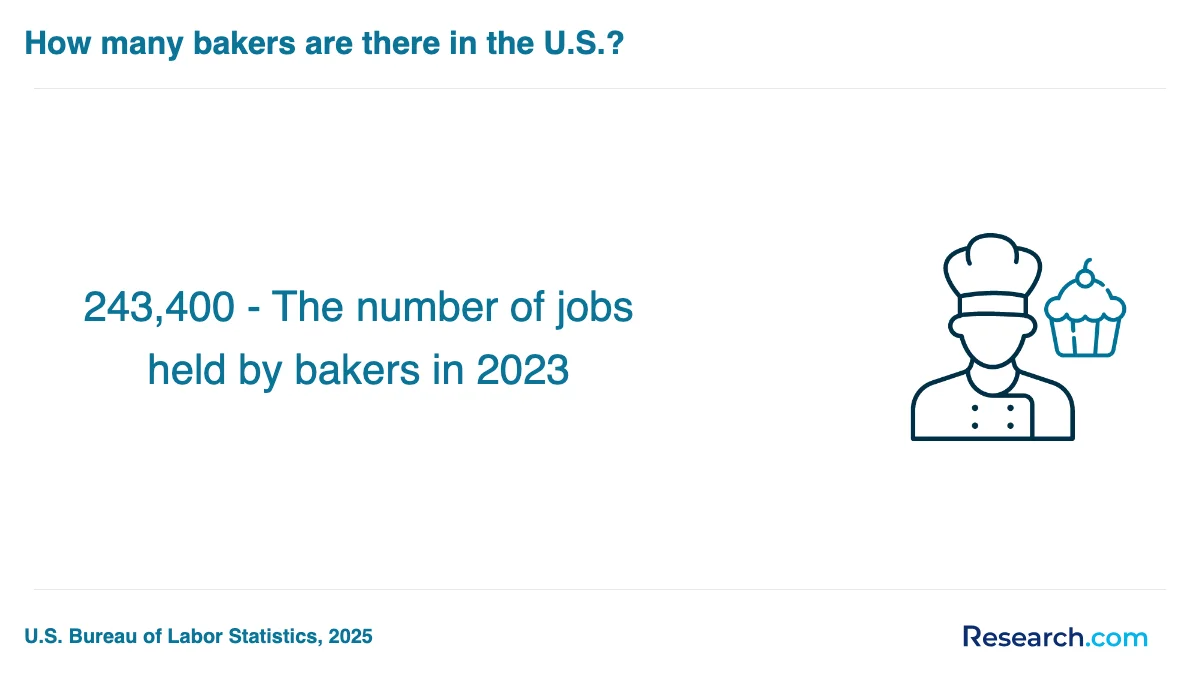
Baking and pastry trade school programs in the Northeast focus on building both fundamental and advanced skills essential to the industry. Graduates often recall starting with core courses such as bakery science, food safety, sanitation, and professional equipment maintenance-foundations that ensure confidence and competence in any kitchen setting.
Hands-on training is a highlight, with students mastering knife skills, pastry bag techniques, and dough preparation for quick breads, cakes, pies, and yeast breads. Many reflect fondly on practical classes that teach basic decorating, plate presentations, and dessert sauces, skills that are directly applicable in busy bakery environments.
Advanced coursework dives into confectionary artistry and laminated doughs, along with sugar cookery involving fudge, nougatine, and brittle. Understanding ingredient chemistry-like the role of pectin and gelatin in panna cotta-is common in Northeast programs, helping students innovate confidently.
Business and management courses are also integrated, teaching financial management and retail operations, which graduates find invaluable when launching or managing bakery ventures.
- Foundational bakery science, food safety, and sanitation
- Knife skills, pastry bag techniques, dough rolling and forming
- Decorating, plate presentation, dessert sauces
- Confectionary artistry, laminated doughs, sugar cookery
- Business skills: financial management, retail operations, communication
For example, graduates of Monroe College's Associate Degree program appreciate the required 120 hours of supervised work, which bridges classroom learning with real-world bakery experience in the Northeast's vibrant culinary scene.
Baking and pastry trade school programs in Northeast commonly feature specializations that range from foundational baking skills to advanced pastry artistry. Graduates from Erie Community College highlight how the Baking and Pastry Arts Certificate Program equips them with practical skills for entry-level bakery jobs and retail settings, emphasizing hands-on experience and industry standards.
Students in Northeast baking and pastry programs often deepen their expertise by focusing on niche areas such as gluten-free or vegan baking, as seen in Boston University's Professional Program in Pastry Arts. This flexibility allows learners to tailor their craft toward current market demands.
Other popular specializations include artisan breadmaking, cake decoration, and chocolate confectionery, with schools like the Institute of Culinary Education providing immersive experiences in diverse pastries, viennoiserie, and plated desserts. Part-time options such as Northampton Community College's Baking & Pastry Specialized Diploma support career changers who value structured progression without sacrificing flexibility.
The practical emphasis seen in Lincoln Culinary Institute's International Baking and Pastry program-combining culinary management, elaborate centerpiece techniques, and externships-illustrates how Northeast baking and pastry programs also prepare students for the realities of food service operations. Many graduates describe their journey as both challenging and rewarding, gaining insider knowledge that builds confidence in commercial kitchens.
For those considering options in this field, it's useful to understand what is the easiest associate degree to get to help navigate program length and intensity within Northeast baking and pastry programs.
Choosing the best baking and pastry trade school program in Northeast means evaluating more than just reputation; graduates from institutions like Johnson & Wales University Providence emphasize how faculty expertise and hands-on learning shaped their confidence in professional kitchens. Facilities that offer modern pastry labs and student-run bakeries provide immersive experiences essential for mastering techniques. Comparing programs involves assessing curriculum depth-students often recall how courses in food safety, confectionary artistry, and kitchen management prepared them for real-world challenges.
Internships and opportunities to participate in culinary competitions are crucial for building a strong résumé and industry connections, which graduates highlight as key to their career success. When deciding among the best baking and pastry schools in Northeast, consider how schools support certification pathways, such as those from the Retail Bakers of America, to enhance your employability. For those balancing work and study, exploring options for online culinary degrees can also be a practical choice.
Ultimately, how to compare baking and pastry programs in Northeast comes down to the combination of faculty skill, hands-on training, program structure, and career support-elements that directly impact your growth and opportunities in the baking industry.
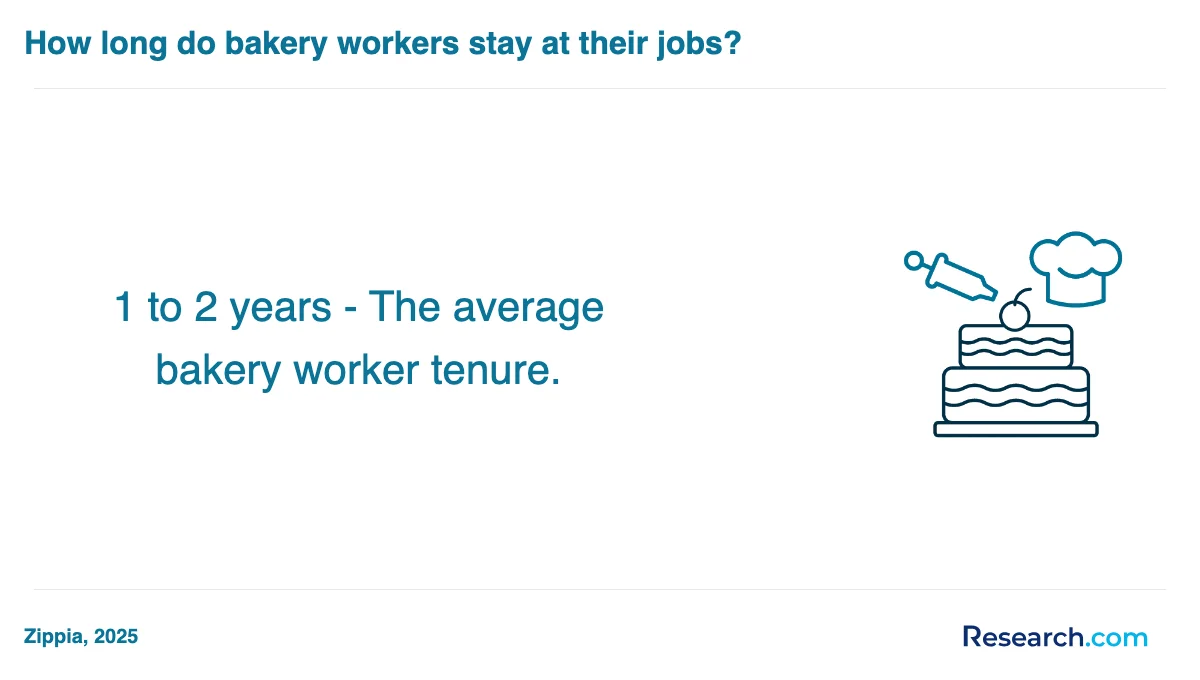
Graduates of baking and pastry trade schools in the Northeast embark on varied and fulfilling baking and pastry careers in the Northeast. Many start as assistant pastry chefs, cake decorators, or artisan bread bakers in bustling New York City bakeries or charming patisseries in Boston. These roles offer hands-on experience, building solid technical skills and confidence. Over time, graduates commonly progress to supervisory roles such as pastry chef or bakery manager in hotels, catering companies, or event venues known for extravagant wedding desserts or corporate banquets.
Opportunities extend beyond traditional kitchens, especially for those from popular Northeast trade schools. Graduates often explore entrepreneurial paths by launching boutique bakeries or home-based cake shops specializing in gluten-free or custom dessert orders. Others find rewarding careers in emerging sectors like food styling and teaching, or even sharing their passion through food media and blogging.
- Entry-level roles: assistant pastry chef, artisan bread baker
- Advanced roles: pastry chef, bakery manager
- Entrepreneurial ventures: custom cake shops, specialty bakeries
- Alternative careers: food styling, teaching, blogging
These job opportunities for pastry school graduates Northeast are supported by the region's vibrant food scene and professional networks encouraging ongoing growth. Graduates seeking to boost prospects often pursue certifications in baking sanitation or management. For those curious about financially rewarding paths, exploring trade programs that pay well can provide valuable guidance on optimizing their career trajectory.
The baking and pastry job market in Northeast offers steady, competitive opportunities for trade school graduates. Those completing popular Northeast programs often find rewarding entry-level roles such as pastry cook or bakery assistant, with wages typically between $19 and $22 per hour. Graduates appreciate how their hands-on training prepares them well for these positions, giving them confidence to step into dynamic kitchens, from bustling urban bakeries to upscale resorts. The region's vibrant food culture and concentration of major cities continuously fuel demand for skilled baking and pastry professionals.
For many graduates, the appeal lies in diverse career pathways available in the Northeast:
- Artisan bread baking in local retail bakeries
- Cake decorating for boutique shops
- High-volume production roles in commercial pastry operations
- Leadership positions like lead baker or pastry chef, commanding higher wages
Employment growth is projected at 5 percent from 2023 to 2033, matching the average for all occupations, which bodes well for new graduates. Many graduates find the technical and culinary training received at Northeast trade schools crucial in setting them apart, particularly as employers increasingly prefer candidates with formal education.
Those considering costs and value often explore options like the cost of associate degree online to balance affordability with quality education. Real experiences from trade school graduates underscore how this investment opens doors in a competitive market, ensuring a promising path in the baking and pastry trade.
Best Baking, Pastry & Culinary Schools - Top Baking & Pastry Chef Schools in Northeast for 2026
# 1 position
Lancaster County Career and Technology Center - Baking and Pastry Arts/Baker/Pastry Chef.
certificate or diplomaLancaster County Career and Technology Center offers a hybrid Baking and Pastry Arts/Baker/Pastry Chef program designed to prepare individuals for professional roles in commercial baking establishments. The curriculum covers bread and pastry making, handling and storage, decorating, baking industry operations, product packaging and marketing, and counter display and service. The program is accredited by the Council on Occupational Education.
# 2 position
Lehigh Career & Technical Institute - Baking and Pastry Arts/Baker/Pastry Chef.
certificate or diplomaLehigh Career & Technical Institute offers a program in Baking and Pastry Arts/Baker/Pastry Chef designed to prepare individuals for professional roles in commercial baking establishments. The curriculum covers bread and pastry making, handling and storage, cake and pastry decorating, and baking industry operations, including product packaging and marketing. The program is accredited by the Pennsylvania State Board of Vocational Education.
# 3 position
Montgomery County Community College - Baking and Pastry Arts/Baker/Pastry Chef.
associateMontgomery County Community College offers a hybrid Baking and Pastry Arts/Baker/Pastry Chef program preparing students for careers as professional bakers and pastry specialists. Instruction covers bread and pastry making, handling, storage, decorating, baking industry operations, packaging, marketing, and service. The program is accredited by the Middle States Commission on Higher Education. Annual in-state tuition is $6,270. Median earnings one year after completion are $31,763.
# 4 position
Montgomery County Community College - Baking and Pastry Arts/Baker/Pastry Chef.
certificate or diplomaMontgomery County Community College offers a hybrid Baking and Pastry Arts/Baker/Pastry Chef program preparing students for careers as professional bakers and pastry specialists. The curriculum covers bread and pastry making, decorating, handling, storage, and baking industry operations, including marketing and product packaging. Annual in-state tuition is $6,270. Graduates have a median earning of $31,763 one year after completion. The program is accredited by the Middle States Commission on Higher Education.
# 5 position
Suffolk County Community College - Baking and Pastry Arts/Baker/Pastry Chef.
associateThe Baking and Pastry Arts/Baker/Pastry Chef program at Suffolk County Community College is a hybrid course preparing individuals for professional roles in baking and pastry. It covers bread and pastry making, handling, storage, decorating, and industry operations including packaging and marketing. The program's annual in-state tuition is $6,440. Graduates earn a median of $26,398 one year after completion. The program is accredited by the Middle States Commission on Higher Education.
# 6 position
Suffolk County Community College - Baking and Pastry Arts/Baker/Pastry Chef.
certificate or diplomaThe Baking and Pastry Arts/Baker/Pastry Chef program at Suffolk County Community College offers a hybrid format with some distance-education options. It prepares students for professional roles in baking and pastry through training in bread and pastry making, decorating, and industry operations. The annual in-state tuition is $6,440. Graduates have a median earning of $26,398 one year after completion. The program is accredited by the Middle States Commission on Higher Education.
# 7 position
Niagara County Community College - Baking and Pastry Arts/Baker/Pastry Chef.
associateNiagara County Community College offers a hybrid Baking and Pastry Arts/Baker/Pastry Chef program that trains students for professional roles in commercial baking. The curriculum covers bread and pastry making, decorating, handling, storage, and industry operations including marketing and packaging. Annual in-state tuition is $6,726. Graduates earn a median salary of $26,514 one year after completion. The program is accredited by the Middle States Commission on Higher Education.
# 8 position
Niagara County Community College - Baking and Pastry Arts/Baker/Pastry Chef.
certificate or diplomaNiagara County Community College offers a Hybrid Baking and Pastry Arts/Baker/Pastry Chef program preparing students for professional roles in commercial baking. The curriculum covers bread and pastry making, decorating, handling, storage, and industry operations including marketing and packaging. Annual in-state tuition is $6,726. Graduates earn a median salary of $26,514 one year after completion. The program is accredited by the Middle States Commission on Higher Education.
# 9 position
Institute of Culinary Education - Baking and Pastry Arts/Baker/Pastry Chef.
certificate or diplomaThe Baking and Pastry Arts/Baker/Pastry Chef program is fully online and prepares students to work as professional bakers and pastry specialists in commercial settings. It covers bread and pastry making, handling, storage, decorating, industry operations, packaging, marketing, and service. The program is accredited by the Accrediting Commission of Career Schools and Colleges. Median earnings for graduates one year after completion are $22,759.
# 10 position
Lincoln College of Technology-Columbia - Baking and Pastry Arts/Baker/Pastry Chef.
certificate or diplomaThe Baking and Pastry Arts/Baker/Pastry Chef program at Lincoln College of Technology-Columbia prepares students for professional roles in baking and pastry specialties. The hybrid program covers bread and pastry making, decorating, storage, and marketing operations. Graduates have median earnings of $24,128 one year after completion. The program is accredited by the Accrediting Commission of Career Schools and Colleges and offers some distance-education options.
Frequently Asked Questions about baking and pastry
Preparing for the job market after completing a baking and pastry trade school in the Northeast involves several key steps. Graduates should focus on gaining practical experience through internships or apprenticeships, which are commonly offered by local bakeries and culinary establishments. According to the U.S. Bureau of Labor Statistics, employment for bakers in the Northeast is expected to grow by 6% from 2022 to 2032, reflecting steady demand.
Building a professional portfolio showcasing your skills and completed projects can improve job prospects. Networking at regional culinary events or trade shows also connects graduates with potential employers. Additionally, obtaining food safety certifications like ServSafe is often required and valued by employers in the Northeast's food industry.
Employers in the Northeast value a combination of technical and soft skills when hiring baking and pastry trade school graduates. Proficiency in fundamental baking techniques, such as dough preparation, cake decorating, and chocolate work, is essential. According to the U.S. Bureau of Labor Statistics, attention to detail and consistency in product quality are critical in this industry.
Strong time management and the ability to work efficiently under pressure are also highly sought after, as bakery environments often require meeting tight deadlines. Communication skills and teamwork are important since bakers frequently collaborate with kitchen staff and front-of-house employees.
Additionally, familiarity with food safety standards and sanitation practices is mandatory, aligned with regulations by the U.S. Food and Drug Administration and local health departments.
Employers in urban centers like New York and Boston particularly appreciate graduates who demonstrate creativity and adaptability, reflecting the competitive and diverse culinary market in the Northeast.
Finding internships in the Northeast relevant to baking and pastry trade school programs involves a strategic approach. Begin by contacting the career services departments of trade schools; many maintain partnerships with local bakeries and restaurants. According to the National Restaurant Association, about 60% of culinary internships in the U.S. occur in urban areas like New York and Boston, making the Northeast a strong region for opportunities.
Utilize online job boards specific to culinary arts, such as Culinary Agents and Poached Jobs, which often list internships in respected bakeries and pastry shops. Networking through local culinary associations and attending food industry events can also connect students to hidden internship positions.
Additionally, check with state hospitality and tourism offices in Northeast states, as they sometimes sponsor internship programs to support workforce development in food services.
A baking and pastry trade school diploma can significantly enhance career mobility and advancement opportunities in the Northeast. Graduates with such diplomas often find increased access to entry-level roles in bakeries, restaurants, and hotels, where skilled pastry chefs are in demand. According to the U.S. Bureau of Labor Statistics, employment of bakers in the Northeast is projected to grow about 5% through 2031, reflecting steady industry demand.
Trade school credentials provide practical skills that employers value, often leading to faster promotions and higher wages compared to self-taught bakers. Schools also offer networking with local businesses, which can open doors to apprenticeships and management roles.
Data from the National Center for Education Statistics suggests that graduates of vocational programs in culinary arts report better employment outcomes within one year of completion, particularly in metropolitan areas like New York and Boston. This regional advantage is important for students aiming to build a lasting career in baking and pastry arts in the Northeast.
Part-time job opportunities in the Northeast that complement baking and pastry trade school education often include roles such as bakery assistant, pastry helper, or catering support. These positions provide hands-on experience with baking equipment and customer service, which are essential skills for students. According to the U.S. Bureau of Labor Statistics, the Northeast has a higher concentration of bakeries and specialty food shops compared to the national average, offering more openings for these roles.
Many students also find part-time work in coffee shops or cafes, where knowledge of pastry products can enhance job performance and customer interaction. This practical experience can improve job prospects after graduation.
Additionally, seasonal jobs in local farmers' markets or event catering services are common, allowing students to apply their baking skills in real-world settings while managing flexible schedules that fit academic commitments.
To choose the best Baking and Pastry degree program near me in Northeast, start by researching accredited culinary schools or universities, considering both location and the specific focus of each program. Helpful resources like Research.com can provide rankings and insights into programs to guide your decision-making. Additionally, consider factors such as faculty expertise, facilities, internship opportunities, and alumni success to find a program that matches your career goals in the culinary arts.
- Baking and Pastry Arts - White Mountains Community College https://www.wmcc.edu/program/baking-and-pastry-arts/
- Culinary - Baking/Pastry https://www.southeast.edu/academics/programs/culinary-bakingpastry/index.php
- Culinary Classes Near Boston | Baking and Pastry School | Cambridge School of Culinary Arts https://cambridgeculinary.com/cooking-school-new-england/
- Top 10 Culinary Arts Schools in the Northeast | Food and Drink Digital https://fooddigital.com/top10/top-10-culinary-arts-schools-northeast
- Programs / Baking & Pastry Arts https://www.pcsb.org/Page/15220
- Client Challenge https://www.aacps.org/o/catnorth/page/baking-pastry/
- Career Pathways, Hiring & Job Opportunities | H&S Bakery https://www.hsbakery.com/careers/
- Bakery Production Jobs in Launceston & North East TAS - Aug 2025 | SEEK https://www.seek.com.au/bakery-production-jobs/in-Launceston-&-North-East-TAS
- Career Opportunities in Baking and Pasty https://www.hrcacademy.com/en/blog/career-opportunities-for-bakers-and-pastry-chefs/
- Northeast Metropolitan Regional Vocational High School - Culinary Arts https://northeastmetrotech.com/77044_2