Best Baking, Pastry & Culinary Schools - Top Baking & Pastry Chef Schools in Chicago for 2026

Co-Founder and Chief Data Scientist
Choosing the right baking and pastry trade school in Chicago can shape your future career in the culinary world. This article introduces a carefully crafted ranking of baking and pastry trade school programs, developed by the Research.com team of data scientists. It’s designed to help you find the best programs that match your goals and passions.
Whether you’re aiming for a diploma or certification, this guide highlights valuable options that open doors to exciting opportunities. Reading it will give you confidence in making an informed decision.
Key benefits of finishing baking and pastry trade school in Chicago
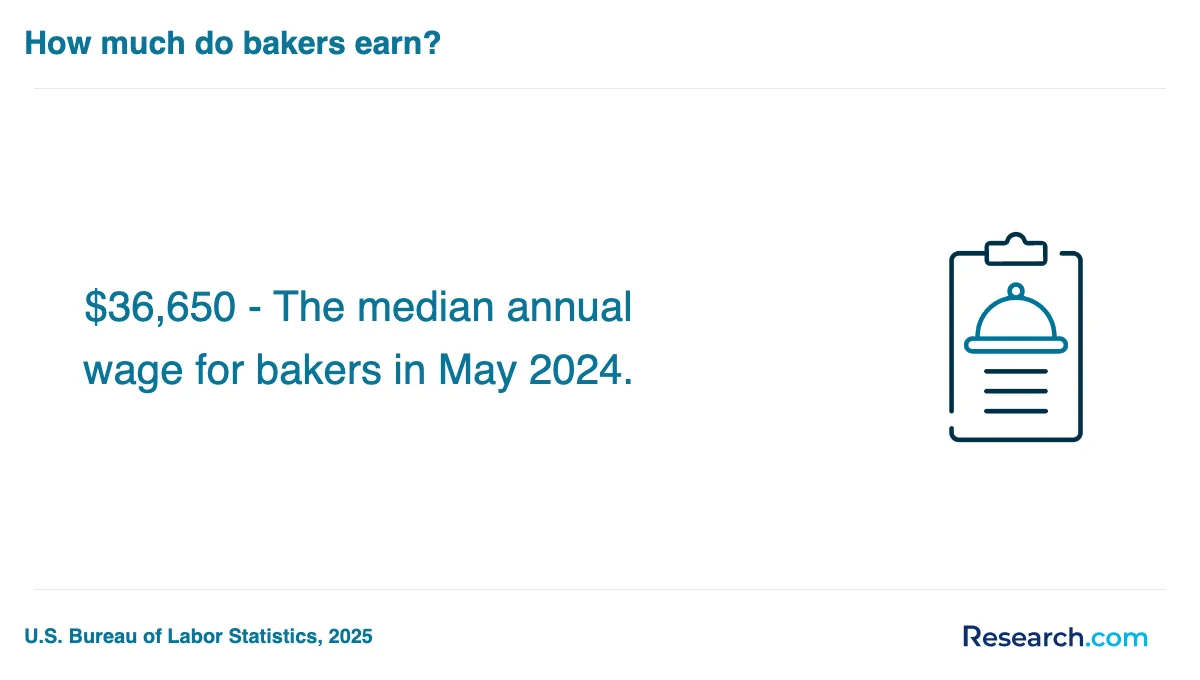
- Graduates from baking and pastry trade schools in Chicago can expect competitive salaries, with pastry chefs earning around $72,005 annually and bakers averaging about $38,481, offering strong financial potential early in their careers.
- Career paths include roles such as pastry chef, baker, or cake decorator, with many graduates from popular Chicago trade schools quickly finding rewarding positions in restaurants, bakeries, and specialty shops.
- Completing a baking and pastry trade school online provides flexibility and hands-on learning opportunities, as experienced by online graduates who balance study with work and enter the workforce faster than those pursuing traditional degrees.
- Best Baking, Pastry & Culinary Schools - Top Baking & Pastry Chef Schools in Chicago for 2026
- What can I expect from baking and pastry trade schools in Chicago?
- Where can I work after finishing baking and pastry trade schools in Chicago?
What can I expect from baking and pastry trade schools in Chicago?
If you enroll in a baking and pastry trade school program in Chicago, expect a hands-on experience that blends real kitchen work with technical classes. At places like Kennedy-King College's Washburne Culinary Institute or the French Pastry School, students dive into courses covering everything from basic baking techniques to advanced pastry arts, usually over two years with about 61-65 credit hours.
Graduates often share how rewarding it is to mix, shape, and bake while learning the science behind it all. You'll spend time mastering breads, chocolates, and cakes, practicing in a commercial kitchen setting that feels just like a real bakery. Safety and sanitation training is key, so you'll also get familiar with industry standards, which helps build confidence for future jobs.
Many students appreciate the balance of classroom lectures and hands-on work, plus studying food costing and bakery management. Whether you're aiming to become a pastry chef or bakery manager, these programs prepare you for the fast-paced, creative environment of Chicago's food scene.
Where can I work after finishing baking and pastry trade schools in Chicago?
After finishing a baking and pastry trade school program in Chicago, you'll find a wide range of job options right in the city. Many graduates jump into roles like pastry cook, baker, or cake decorator at popular spots such as local bakeries, cafés, or well-known places like Molly's Cupcakes. These jobs are perfect for getting hands-on experience and building confidence in a real kitchen environment.
Some grads land positions in busy commercial bakeries or factory settings, where they help produce large batches of breads and desserts. This kind of work is fast-paced and gives you the chance to learn how to use professional baking equipment, which can really boost your skills for future roles.
If you enjoy a more creative or leadership-driven path, restaurants and hotels in Chicago often hire pastry chefs and sous chefs who oversee dessert menus and kitchen teams. For those who love the café vibe, working as a barista or pastry staff is also common.
Plus, some graduates even become pastry instructors or open their own shops, turning their trade school knowledge into exciting business opportunities.
After finishing a baking and pastry trade school program in Chicago, you can expect to start making around $30,945 a year if you land an entry-level baker position. Many graduates from popular Chicago trade schools share that this starting pay feels rewarding, especially when they're just getting their feet wet in the industry. As you gain experience, it's common to see your salary climb to about $37,811 annually, with some senior bakers earning close to $50,000.
Hourly wages reflect this growth too-starting at roughly $15 per hour, moving up to $18, and for seasoned pros, around $24. One graduate mentioned how working full-time as a cake decorator brought in about $16.97 per hour, which felt like a solid step toward stability. Plus, those who move into management or head chef roles in Chicago can expect salaries near $49,000, showing plenty of room to grow beyond the basics.
So, if you're passionate about baking and join one of Chicago's trade schools, the financial outlook is encouraging and definitely worth the effort.
- Most programs require a high school diploma or GED and placement tests in English, reading, writing, and math.
- Programs range from a Basic Certificate (16 weeks) to an Associate in Applied Science degree (four semesters, about 62 credit hours).
- Tuition for certificates can be around $4,009 for two semesters, with extra costs for textbooks, tools, uniforms, and fees.
- Financial aid and scholarships are often available based on need or achievement.
- Starting salaries for graduates typically range from $32,000 to $40,000 annually, with experienced professionals earning $45,000 to $60,000 or more.
Completing a baking and pastry trade school program in Chicago usually takes about 9 to 12 months, depending on the school and the intensity of the program. Many students who enroll in popular Chicago trade schools find this timeframe just right for balancing hands-on learning with classroom instruction.
Graduates often share how the compact schedule keeps the momentum going without feeling overwhelming. Imagine spending a year sharpening your skills in a bustling kitchen environment, mastering everything from flaky croissants to elegant cakes, while connecting with instructors who've worked in the city's vibrant culinary scene.
Some trade schools offer accelerated programs that wrap up in less than a year, perfect for those eager to jump into the workforce quickly. Others might spread out classes to accommodate students who need to work or manage other commitments. Either way, most students appreciate finishing within a year because it lets them start their baking careers without a long wait.
The main difference between online and on-campus baking and pastry programs in Chicago is how you learn and practice your skills. Online students, like those at the Auguste Escoffier School of Culinary Arts, study theory from home through videos and interactive lessons. They then complete a hands-on externship at a local bakery, which offers flexibility to balance life and school. Many online grads say this setup helped them manage work and family while still getting real-world experience.
On the flip side, on-campus students get to be in fully equipped kitchens every day, practicing techniques like chocolate tempering with immediate feedback from instructors. Graduates often highlight the energy of working side-by-side with classmates and the thrill of live demos that push their skills further.
Networking is another factor. Those on campus enjoy face-to-face connections with Chicago's food pros at recruiting events. Online students lean on virtual career services and their externships to build local contacts. Both paths offer solid training; it just depends on how you want to learn and connect in Chicago's baking scene.
When considering the average tuition for baking and pastry programs in Chicago, costs can vary quite a bit depending on the school and program length. For example, graduates from Kennedy-King College's Basic Certificate program share how the 16-week, 14-credit course, costing around $3,198, gave them a strong practical foundation without breaking the bank. On the other hand, the Advanced Certificate Program there, which lasts 48 weeks and involves 50 credit hours, costs about $8,850 and offers a more in-depth experience, ideal for those ready to upskill seriously.
In the heart of Chicago, graduates of the French Pastry School often talk about the intense, focused 20-week program with tuition near $23,700. Though it's pricier, many find the investment worth the exquisite skills and industry connections they gain. Similarly, Kendall College offers flexible paths with tuition ranging from $20,000 to $40,000, accommodating both certificate and associate degree seekers. This wide range highlights how the cost of baking and pastry arts degrees in Chicago can be tailored to your learning goals and budget.
Meanwhile, more affordable options like McHenry County College's Baking and Pastry Assistant I Certificate program price at about $3,113 for in-district students, making it an attractive starter choice. Graduates often mention that while tuition covers most essentials, additional expenses like uniforms and tools (as seen at places like the College of DuPage) are part of the baking journey, so it's smart to plan accordingly.
Financial aid is a big help, too. Many schools offer federal Pell Grants, MAP Grants, and scholarships, making it easier to manage these costs. If you're unsure about your next step after a baking program, investigating liberal arts careers can also open unexpected doors beyond the kitchen.
Students diving into baking and pastry programs in Chicago often find financial aid that truly makes their dream more reachable. Many rely on federal aid like Pell Grants and Stafford loans, which helped a recent graduate at a well-known Chicago trade school cover much of their tuition after filling out the FAFSA. Pell Grants don't need to be paid back, which lifts a big weight off students' shoulders.
Illinois residents get a bonus with the Illinois Monetary Award Program (MAP), a grant that eases tuition costs at public schools like City Colleges of Chicago. Graduates often share how this support made attending these hands-on programs feel less stressful financially.
On top of that, institutional scholarships from schools or groups like the American Culinary Federation offer up to $2,500. One student recalled snagging this scholarship twice, which helped with buying expensive baking tools and ingredients. Private scholarships and local grants also pop up, making it worth chatting with your school's financial aid office to catch every opportunity.
When you're thinking about enrolling in a baking and pastry trade school in Chicago, you'll find the prerequisites pretty accessible, especially if you have a genuine passion for the craft. Most schools want to see that you're ready to commit, but you don't need extensive formal education beforehand.
Typical prerequisites include:
- A high school diploma or GED is often required, but some schools offer flexibility if you can demonstrate your enthusiasm and dedication.
- Basic math and reading skills, since measuring ingredients accurately and following recipes are key parts of the program.
- A positive attitude and willingness to learn are huge-graduates often recall how hands-on practice and instructor support helped them grow quickly.
- Some schools might suggest or require a brief interview or a simple skills assessment to gauge your readiness and fit for the program.
For example, graduates from popular Chicago trade schools often mention that showing up with a sincere interest in baking, even if you've only baked at home for family or friends, goes a long way. The environment is welcoming, designed to help you build confidence from day one, turning your love for pastries into real skills.
When you dive into baking and pastry trade school programs in Chicago, expect a mix of hands-on kitchen time and classroom learning tailored to real-world baking skills. Popular schools like Washburne Culinary Institute and Kendall College have students progressing through courses step by step, building confidence and technique over semesters.
Typical courses include:
- Introduction to Baking to get your basics down
- Baking Techniques and Pastry Techniques for mastering breads, cakes, and cookies
- Advanced Baking Principles where you refine your skills on specialty pastries
Graduates often share how City Colleges of Chicago's program gave them hands-on experience with chocolate, confections, and classical cakes, which felt like working in a real bakery from day one.
Beyond baking, you'll tackle essential courses like food safety, nutrition, and food costing-crucial for running a kitchen smoothly. Moraine Valley students especially appreciate learning menu planning and marketing, which prepares them for opening their own shops or managing teams.
Plus, general education and internships, like those at Washburne, round out your skills, making you ready for anything from bakery floors to hospitality management roles.
If you're diving into Chicago baking and pastry program specializations, you'll find a range of exciting paths to explore. Many local trade schools, like Washburne Culinary & Hospitality Institute at Kennedy-King College, offer targeted courses in Chocolate and Confections, Breads and Rolls, and Classical and Special Occasion Cakes. Graduates often share how these specializations helped them develop specific skills that led to rewarding careers.
The French Pastry School is another hotspot, especially for anyone passionate about artisanal bread baking or mastering professional pastry techniques through courses like L'Art de la Pâtisserie and L'Art de la Boulangerie. These programs highlight the craftsmanship behind baking, making the experience both practical and inspiring.
Students at places like National Louis University and College of DuPage find that their pastry arts courses in Chicago trade schools prepare them well for real-world challenges. Typical focuses include cake decorating, fine desserts, and nutrition, building a versatile skill set.
Here's what these programs usually cover:
- Chocolate and confections
- Breads, rolls, and artisanal baking
- Special occasion cakes and cake decorating
- Fine desserts and pastry techniques
- Nutrition for baked goods
For anyone wanting to jumpstart their food career, these focused options provide a clear path. Plus, if you're looking for the quickest associate degrees online that pay well, these baking and pastry trade schools in Chicago offer hands-on, career-ready training tailored for success.
When deciding on the best baking and pastry programs in Chicago, start by looking closely at the curriculum and credentials each school offers. Graduates from places like Washburne Culinary Institute often praise how their hands-on training in safety and baking fundamentals prepared them for the real kitchen hustle. Meanwhile, those who chose programs with Associate degrees enjoyed a broader education that helped with career flexibility.
Another key factor is accreditation and industry ties. Students from accredited programs in Chicago often find it easier to land internships and jobs because employers recognize their training. Schools that partner with local restaurants and hotels give students a taste of real-world kitchens, which many alumni say boosted their confidence and skills.
Cost and location also matter-being near public transit and having access to financial aid can make a huge difference. Some graduates recommend exploring options that offer scholarships or check out programs affiliated with organizations that increase financial aid.
Finally, when you're learning how to compare Chicago baking schools, consider if the program prepares you for certifications that can open doors to better jobs. For those curious about high paying jobs with easy certifications, this is a great angle to explore.
Graduates of baking and pastry trade school programs in Chicago have plenty of exciting career paths to choose from. Many start out in entry-level roles like baker, pastry cook, or cake decorator-positions that are always in demand across local bakeries, restaurants, hotels, and catering companies. These jobs give hands-on experience working with dough, desserts, and delicate pastries in lively, fast-paced kitchens.
As graduates gain experience, some advance to pastry chef jobs in Chicago, where creativity and leadership come into play. These roles often involve designing menus, managing teams, and maintaining food safety standards. Many Chicago trade school alumni land these opportunities thanks to training at well-known places like the Washburne Culinary Institute.
Other common career moves include working in bakery factories for large-scale production or specializing as bread or pastry chefs in hotels and specialty shops. Some graduates even launch their own businesses, inspired by their trade school support and passion.
Here's a quick look at popular career options:
- Baker, pastry cook, cake decorator in bakeries and restaurants
- Pastry chef roles creating menus and leading teams
- Large-scale bakery production positions
- Entrepreneurship with bakery or pastry shops
- Management roles like kitchen leads or department heads
For those wondering how to start, many Chicago students combine their trade school experience with culinary arts degree online classes to boost skills and open doors to even more job options. This blend of practical and academic training makes Chicago a prime place to launch a rewarding baking and pastry career.
The baking and pastry job opportunities in Chicago remain vibrant, especially for recent graduates from popular trade schools in the city. Many graduates share how the hands-on training they received gave them the confidence to land positions quickly in local bakeries or cafes. For example, graduates often find themselves working in independent bakeries, specialty pastry shops, or even bustling restaurants and hotels eager for skilled bakers and pastry chefs.
Here's what many grads experience in the job market:
- Over 100 active pastry-related positions in Chicago, making the city a hotspot for fresh talent.
- Average salary for pastry chefs in Chicago sits around $25.77 per hour, with top earners bringing home as much as $41.85 per hour.
- Entry-level bakery clerks typically earn about $34,549 annually, easing the transition into the workforce.
Graduates appreciate that the local food scene's mix of hotels, restaurants, and bakeries offers plenty of room to grow. Many also explore advancing into supervisory or management roles as experience builds, which is common for those who studied in Chicago's well-regarded programs. Plus, if you're wondering about combining culinary passion with leadership skills, you might explore programs focused on the best hotel and restaurant management degree online to expand your career options.
Best Baking, Pastry & Culinary Schools - Top Baking & Pastry Chef Schools in Chicago for 2026
# 1 position
City Colleges of Chicago-Kennedy-King College - Baking and Pastry Arts/Baker/Pastry Chef.
associateThe Baking and Pastry Arts/Baker/Pastry Chef program at City Colleges of Chicago-Kennedy-King College is a hybrid program preparing students for careers as professional bakers and pastry specialists. It covers bread and pastry making, decorating, storage, and industry operations. The annual in-state tuition is $4,380, and median earnings one year after completion are $19,447. The program is accredited by the Higher Learning Commission.
# 2 position
National Louis University - Baking and Pastry Arts/Baker/Pastry Chef.
associateNational Louis University offers a Baking and Pastry Arts/Baker/Pastry Chef program with a hybrid format, including some distance education. The program prepares students to become professional bakers and pastry specialists in commercial settings, covering bread and pastry making, handling, decorating, and marketing operations. The annual in-state tuition is $12,345. Graduates earn a median of $24,786 one year after completion. The program is accredited by the Higher Learning Commission.
# 3 position
City Colleges of Chicago-Kennedy-King College - Baking and Pastry Arts/Baker/Pastry Chef.
certificate or diplomaThe Baking and Pastry Arts/Baker/Pastry Chef program at City Colleges of Chicago-Kennedy-King College offers a hybrid format with some distance-education options. The program prepares students for professional roles in baking and pastry, covering bread and pastry making, decorating, handling, storage, and industry operations. Annual in-state tuition is $4,380. Graduates have a median earning of $19,447 one year after completion. The program is accredited by the Higher Learning Commission.
# 4 position
National Louis University - Baking and Pastry Arts/Baker/Pastry Chef.
certificate or diplomaNational Louis University offers an on-campus program in Baking and Pastry Arts/Baker/Pastry Chef designed to prepare students for careers as professional bakers and pastry specialists in commercial establishments. The curriculum covers bread and pastry making, handling, storage, decorating, baking industry operations, packaging, marketing, and service. The program is accredited by the Higher Learning Commission. Annual in-state tuition is $12,345, and median earnings one year after completion are $24,786.
Frequently Asked Questions about baking and pastry
After completing a baking and pastry trade school in Chicago, preparing for the job market involves several key steps. First, gaining practical experience through internships or apprenticeships is crucial. Many local bakeries and restaurants in Chicago offer opportunities to apply learned skills and build professional networks. According to the U.S. Bureau of Labor Statistics, employment for bakers is expected to grow by 5% through 2031, highlighting steady demand.
Additionally, students should develop a strong resume showcasing certifications, such as ServSafe, and highlight any specialized training from their program. Joining local culinary associations, like the Chicago Chefs Association, can provide mentorship and job leads. Finally, staying informed on industry trends and continuing education will improve employability in Chicago's competitive market.
Employers in Chicago's baking and pastry industry prioritize a blend of technical skills and workplace professionalism in trade school graduates. Mastery of fundamental baking techniques, such as dough preparation, cake decorating, and chocolate work, is essential. According to the Illinois Department of Employment Security, 72% of local bakery employers seek candidates with strong hands-on skills and familiarity with commercial kitchen equipment.
Attention to detail and time management are equally important, as these skills ensure consistent product quality and efficiency under fast-paced conditions. Communication abilities and teamwork also rank highly, given the collaborative nature of bakery environments. Additionally, knowledge of food safety standards and sanitation practices is required to comply with Chicago health regulations.
Finding internships in Chicago related to baking and pastry trade school programs involves leveraging multiple local resources. Many trade schools have partnerships with bakeries, restaurants, and hotels that offer internships as part of their curriculum, so start by consulting your school's career services. Additionally, Chicago's vibrant food industry provides numerous opportunities through platforms like the Illinois Restaurant Association, which often posts internship openings.
Online job boards such as Indeed and Glassdoor can also be useful for finding baking internships specifically in Chicago. According to the U.S. Bureau of Labor Statistics, culinary internships in metropolitan areas like Chicago have grown by approximately 5% annually over recent years, reflecting increased demand.
Networking at local food events and joining professional groups, such as the Chicago Chefs Consortium, can further enhance your chances of securing an internship that complements your baking education.
Obtaining a baking and pastry trade school diploma in Chicago can significantly enhance career mobility and advancement within the local culinary industry. Graduates gain practical skills recognized by employers, which often translates into higher starting wages and access to specialized roles.
According to the U.S. Bureau of Labor Statistics, chefs and head cooks in the Chicago metropolitan area earn a median annual wage above the national average, reflecting the city's competitive culinary market. Trade school diplomas offer focused training that helps candidates meet these standards.
Additionally, many Chicago employers prioritize candidates with formal credentials from accredited programs, facilitating faster promotions to supervisory or executive pastry chef positions. This credential also supports transitions into related fields such as bakery management or food product development.
Sources like the Illinois Community College Board highlight that graduates from culinary trade schools experience improved employment outcomes in the region, making the diploma a valuable asset for those seeking long-term career growth in Chicago's baking and pastry sector.
Part-time job opportunities in Chicago that complement baking and pastry trade school education often include positions such as bakery assistant, pastry prep cook, and barista roles in coffee shops. These jobs allow students to apply classroom skills in real-world settings while gaining customer service experience. According to the U.S. Bureau of Labor Statistics, Chicago's food service industry employs over 150,000 workers, creating ample part-time openings.
Working in local bakeries or cafes also helps students understand kitchen workflows and ingredient handling. Additionally, seasonal jobs at farmers' markets or catering companies provide hands-on experience with fresh products and event preparation.
To find the best Baking and Pastry degree program near me, especially if you are near Chicago, IL, you can explore local community colleges, culinary institutes, and universities that offer specialized programs in culinary arts. Research.com is a helpful resource for identifying and comparing these educational opportunities based on curriculum, faculty, and graduate success rates. Additionally, visiting open houses and speaking with current students or alumni can provide valuable insights into the quality and fit of a program.
- Baking and Pastry | National Louis University | Chicago, Illinois | Tampa, Florida https://nl.edu/kendall-college/programs/baking-and-pastry/
- Baking and Pastry Arts - City Colleges of Chicago https://www.ccc.edu/kennedy/departments/baking-and-pastry-arts/
- Baking and Pastry Arts Program | College of DuPage https://www.cod.edu/academics/programs/culinary/baking-pastry-arts/
- Baking and Pastry Arts, Associate in Applied Science < City Colleges of Chicago Academic Catalog https://catalog.ccc.edu/academic-program-requirements/baking-pastry-arts-aas/
- Baking & Pastry Arts Trade Schools & Programs https://www.best-trade-schools.net/programs/culinary/baking-and-pastry-arts/
- Bread and Pastry Arts Certificate: Harper College https://www.harpercollege.edu/academics/business/hospitality/bread-pastry-arts-certificate.php
- Baking and Pastry https://uaptc.edu/baking
- Pastry Chef Schools in Illinois - Baking & Pastry Training https://okchef.org/pastry-chef/il/
- Baking & Pastry Arts Associate Degree - NextStudent.com https://www.nextstudent.com/accelerated-degrees/baking-pastry-arts-associate-degree/
- Pastry Chef Salary in Chicago, IL (August 01, 2025) | Salary.com https://www.salary.com/research/salary/benchmark/pastry-chef-salary/chicago-il