Best Baking, Pastry & Culinary Schools - Top Baking & Pastry Chef Schools in Dallas for 2026

Co-Founder and Chief Data Scientist
If you’re dreaming of a career in baking and pastry, choosing the right trade school in Dallas can make all the difference. This article introduces the best baking and pastry trade school programs for 2026, carefully ranked by the Research.com team of data scientists. Their ranking helps you find programs that truly stand out, so you can make a well-informed decision.
Reading this guide will inspire you and show how earning a diploma or certification can open doors to exciting opportunities in the culinary world. Whether you’re just starting out or looking to boost your skills, this resource is designed to support your journey.
Key benefits of finishing baking and pastry trade school in Dallas
- Graduates from baking and pastry trade schools in Dallas can expect starting salaries around $49,000 to $57,000, with potential to earn up to $84,000 or more as they gain experience and skills.
- A typical graduate from a popular Dallas trade school can pursue careers as a Pastry Chef, Baker, or Baking and Pastry Chef, opening doors to roles in restaurants, bakeries, or hotels.
- Completing a baking and pastry trade school online offers flexibility and convenience, allowing students to balance learning with work or family, as shown by successful online graduates from well-known Dallas programs.
- Best Baking, Pastry & Culinary Schools - Top Baking & Pastry Chef Schools in Dallas for 2026
- What can I expect from baking and pastry trade schools in Dallas?
- Where can I work after finishing baking and pastry trade schools in Dallas?
What can I expect from baking and pastry trade schools in Dallas?
Enrolling in a baking and pastry trade school program in Dallas means diving into a hands-on learning experience where you'll master essential skills like food safety, culinary nutrition, and confectionary artistry. Graduates often reflect on the rewarding challenge of preparing full three-course meals each semester, which builds confidence and real-world kitchen savvy under the watchful eyes of seasoned professionals in state-of-the-art kitchens.
Expect a balanced curriculum that mixes classroom learning-covering basics like math and kitchen essentials-with practical application. Many students appreciate the small class sizes that allow personalized guidance, helping them refine both their technical skills and soft skills like teamwork and communication, which are crucial in fast-paced kitchen environments.
Physical stamina is necessary; standing for hours and working under pressure is part of daily life. Uniforms are required, and academic courses complement culinary training, ensuring a well-rounded education.
Popular Dallas programs often include externships and job search support, helping students transition smoothly into bakeries or restaurants. Graduates find pride in earning industry certifications that set them apart in the competitive job market.
Where can I work after finishing baking and pastry trade schools in Dallas?
After finishing a baking and pastry trade school program in Dallas, many graduates find themselves stepping confidently into diverse roles within the city's thriving food industry. Popular Dallas trade schools prepare students to become pastry chefs working in upscale hotels, fine dining restaurants, or luxury bakeries, where they create visually stunning desserts and manage kitchen teams. Graduates often share how rewarding it feels to see their cake designs brought to life for special events, reflecting the creative skills honed during their training.
Others launch careers as bakers in boutique shops or large retail chains, crafting breads, cookies, and pastries that become local favorites. Many appreciate the steady growth opportunities, moving from entry-level roles to bakery leads or executive positions. For some, working in cafés as baristas or pastry cooks offers a lively environment to connect with customers who admire their freshly baked goods.
With Dallas's robust job market and over 100 active openings, graduates from these programs experience a genuine sense of hope and excitement about their future in baking and pastry arts.
Graduates from baking and pastry trade schools in Dallas often find their earnings reflect both their skills and the effort they invest. Many start with an hourly wage around $18, gradually moving up to an average of $24.75 as pastry chefs, which translates to about $37,600 to $64,300 annually for full-time work. Imagine a recent graduate from a well-known Dallas trade school proudly crafting delicate pastries in a bustling bakery, steadily increasing their pay as their expertise grows.
For those who develop advanced skills or step into management roles, the financial rewards can be even more encouraging. Experienced baking and pastry chefs in Dallas report average salaries near $88,645 per year, showing how dedication and leadership open doors to higher income. Graduates share stories of moving from hands-on baking to supervising kitchen teams, finding pride in both creative and managerial accomplishments.
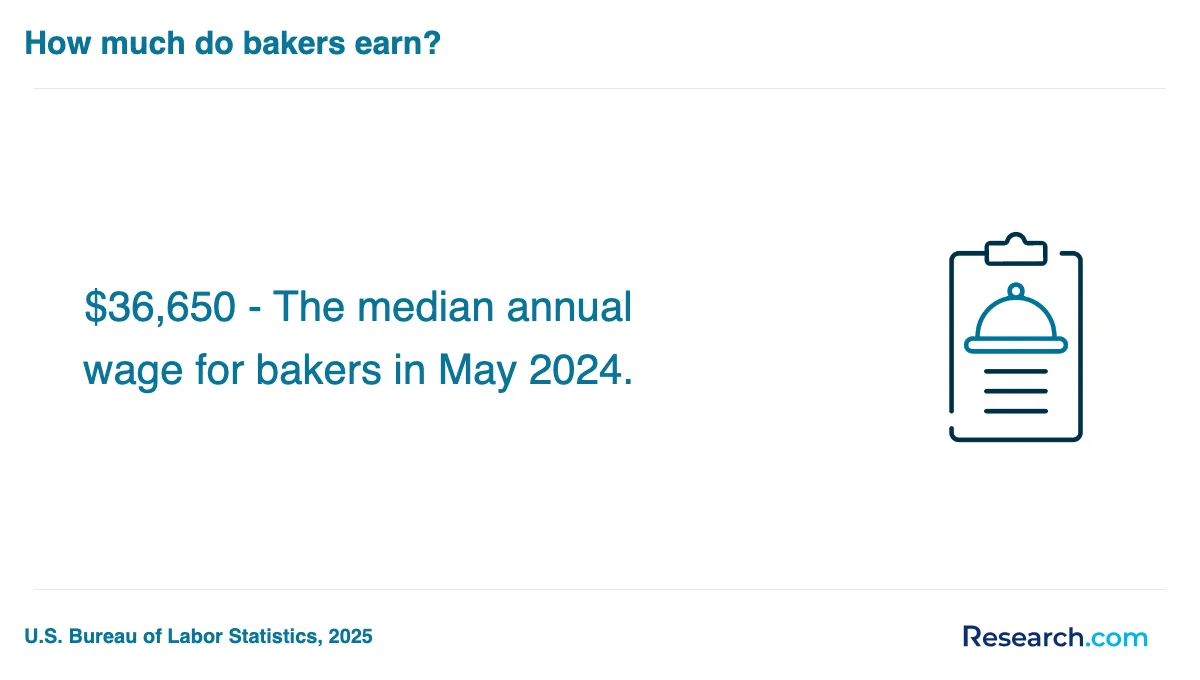
Even entry-level bakers in retail or commercial settings earn a median of $36,650 annually, highlighting that starting in this field still offers a reliable income. Chefs and head cooks with baking backgrounds can expect salaries around $58,240, reflecting the value of trade school training in advancing within the culinary world.
These figures show that completing a baking and pastry program in Dallas not only builds skills but also offers a promising path toward financial stability and career growth in a vibrant food industry.
- Programs require completion of foundational culinary courses with at least a "C" grade and a food handler's permit.
- Program length typically ranges from one to two years, including hands-on training in cake decorating, bread making, and menu development.
- Tuition costs in Texas range from $4,000 to $15,000, excluding uniforms and supplies, with financial aid options available.
- Entry-level salaries start around $27,000 to $35,000 annually, rising to $45,000 to $55,000 or more with experience and certification.
- Students gain real-world experience through internships or practicum opportunities to build professional skills and networks.
Completing a baking and pastry trade school program in Dallas typically takes between 6 to 12 months, depending on the intensity and format of the course. Many graduates from well-known Dallas trade schools find that an accelerated program offers an immersive experience, where hands-on practice in kitchens feels like second nature by the end of just half a year.
One graduate shared how juggling classes and real baking projects in a popular Dallas school created a rhythm that made the learning process both challenging and deeply rewarding. This blend of theory and practical work ensures that students not only grasp techniques quickly but also gain confidence working under real-world conditions.
Others who chose a part-time or extended program appreciated the extra months as an opportunity to refine their skills, experiment creatively, and build lasting relationships with instructors and peers. The journey through these programs often feels like joining a passionate community, where every day is a step closer to turning a love for baking into a fulfilling career.
The difference between online and on-campus baking and pastry trade school programs in Dallas centers on how and where students develop their skills. Graduates from online programs, like those offered by the Auguste Escoffier School of Culinary Arts, often describe the freedom of learning at their own pace while juggling work or family. They attend live chef-led classes virtually and practice pastry techniques in their home kitchens, which creates a personalized, flexible experience. However, they sometimes wish for more direct access to professional equipment.
On the other hand, students attending Dallas College or Tarrant County College share stories of the vibrant, hands-on environment in commercial kitchens. They highlight the excitement of collaborating with peers during meal services or practicum placements, where immediate feedback and mentorship deepen their confidence. This immersive setting also fosters essential teamwork and soft skills, making the learning process dynamic and social.
Both paths teach the same fundamentals, but the choice hinges on whether you thrive in a self-driven home setting or a bustling campus kitchen surrounded by fellow aspiring bakers.
The average cost of baking and pastry programs in Dallas varies widely depending on the school and program type. For many students pursuing affordable options, Dallas College stands out with its Bakery/Pastry Arts Specialist Certificate. This 37-credit hour program, completed over three semesters, offers hands-on training with tuition fees around $2,923. Graduates often describe this experience as both practical and fulfilling, benefiting from real-world meal services at campus facilities where they build confidence in a supportive setting. Such a price point reflects an accessible path for those eager to enter the field without incurring heavy debt.
On the other hand, baking and pastry school tuition fees in Dallas can be notably higher at private institutions. For example, programs at Le Cordon Bleu College of Culinary Arts charge around $13,596 annually. Graduates from these programs frequently highlight the premium quality education, state-of-the-art kitchens, and networking opportunities that justify the increased expenses. While the cost is a consideration, many find the investment rewarding, especially when aiming for a competitive edge.
Beyond tuition, students also navigate additional expenses such as uniforms, textbooks, and supplies. Living costs add another layer, making budgeting crucial. Prospective students are encouraged to explore financial aid options to ease these burdens. Those curious about the career trajectory might also consider researching what jobs can you get with a hospitality management master's degree, which complements baking skills with broader industry insights.
Students pursuing baking and pastry trade programs in Dallas often find financial aid to be a vital support on their educational journey. Many rely on federal assistance like the Pell Grant and student loans, which require completing the FAFSA annually. For example, those attending Dallas College benefit from need-based aid programs such as the TEXAS Grant, helping to reduce tuition costs for certificates like the Bakery/Pastry Arts Specialist.
Graduates from these programs often recall how institutional scholarships and work-study options eased their financial burden, allowing them to focus more on mastering their craft. Private schools like the Auguste Escoffier School of Culinary Arts offer additional opportunities-students there frequently receive grants or scholarships that significantly lower their net expenses, sometimes to around $11,554.
Many students appreciate payment installment plans that make budgeting manageable without sacrificing their studies. These varied aid options create a pathway where passion for baking can thrive without overwhelming financial stress, encouraging students to confidently pursue their culinary dreams in Dallas.
Enrolling in a baking and pastry trade school program in Dallas often begins with a straightforward set of prerequisites designed to ensure students are ready to thrive in a hands-on, fast-paced environment. Many graduates from well-known Dallas trade schools recall that having a genuine passion for baking was the most essential starting point-this enthusiasm fuels the long hours and detailed work involved.
Practical prerequisites typically include:
- A high school diploma or GED, as this is a common minimum requirement.
- Basic math and reading skills, important for measuring ingredients and following recipes.
- A desire to learn and a willingness to follow safety and sanitation rules closely.
Some students share that their early experience baking at home or in community settings gave them confidence entering the program. Trade schools in Dallas appreciate applicants who demonstrate responsibility and creativity, often through an interview or a brief skill assessment. This approach helps ensure students can keep pace with the curriculum's blend of technical skill-building and artistic expression.
Students enrolling in baking and pastry trade schools in Dallas quickly discover a thoughtfully structured curriculum that balances foundational knowledge with hands-on expertise. Graduates often recall their first steps through introductory courses like Introduction to Bakery and Food Safety and Sanitation, where they learned crucial kitchen safety and hygiene practices before ever handling dough or chocolate.
The core technical training typically includes:
- Classic Pastry Fundamentals
- Bread Baking
- Chocolate and Confections
- Showpiece and Specialty Cake Design
One graduate shared how mastering artisan breads and laminated doughs in these classes transformed their confidence, turning abstract recipes into tangible, delicious creations. These courses emphasize precision, creativity, and the science behind ingredients, equipping students with skills to consistently produce bakery-quality goods.
Dallas programs also integrate culinary math and baking terminology, which graduates find essential for recipe development and professional communication. Business and management classes covering inventory control, budgeting, and staff supervision prepare students to thrive beyond the kitchen, nurturing future bakery owners and leaders.
Hands-on labs and internships in Dallas kitchens provide real-world experience, allowing students to collaborate with chefs and sharpen their craft in lively, fast-paced environments. Many also explore world cuisines and pastry history, sparking creativity and a deeper appreciation for global flavors and techniques.
Baking and pastry specializations in Dallas often begin with foundational tracks like Bakery/Pastry Arts, which are prominently available at institutions such as Dallas College. Graduates from these programs frequently reflect on how their hands-on experience with core baking methods, cake decorating, and artisan bread making equipped them for diverse roles in local restaurants and bakeries. Many find themselves drawn to more specialized paths such as confectionery arts, mastering chocolate work and sugar artistry, skills prized in upscale hotels and catering services across Dallas.
Others pursue Dallas pastry arts degree concentrations focusing on plant-based pastry arts, a growing trend at schools like the Auguste Escoffier School of Culinary Arts. This specialization trains students in vegan and vegetarian baking, appealing to health-focused and sustainability-minded culinary professionals. Beyond the kitchen, some students choose certificates in food entrepreneurship and hospitality operations management, blending creative baking talents with business acumen.
- Bakery/Pastry Arts with associate degrees and certificates
- Confectionery Arts emphasizing dessert presentation
- Plant-Based Pastry Arts focusing on vegan baking
- Food entrepreneurship and hospitality management certificates
These diverse options ensure that anyone seeking to thrive in Dallas's vibrant food scene can find a program that fits their passion and career goals. Graduates recognize that pairing skill development with industry insight prepares them well for the 21,000-plus baking-related jobs across Texas. For students driven by both craft and career, exploring the best paying trade school jobs best paying trade school jobs in the culinary field offers inspiring possibilities.
To choose the best baking and pastry trade school program in Dallas, start by prioritizing accreditation and faculty expertise. Graduates from top Dallas baking and pastry schools often share how knowing their instructors had real industry experience elevated their skills and confidence in the kitchen. Look for programs that offer comprehensive hands-on experience with up-to-date facilities, as practicing in settings resembling professional kitchens builds practical know-how and excitement. Consider the school's location and schedule flexibility, since managing part-time or full-time learning alongside personal commitments greatly affects student satisfaction.
Alumni success stories frequently highlight how financial aid and reasonable tuition fees made their journey less stressful, allowing them to focus fully on mastering baking arts. Some programs even integrate business and nutrition lessons, which graduates find invaluable when opening their own bakeries. If you are balancing goals, research accelerated online associate degree programs that pay well to complement your culinary education and career prospects.
Choosing from the best baking and pastry programs in Dallas means immersing yourself in a supportive environment that aligns with your lifestyle, ambitions, and learning style.
Graduates of baking and pastry trade school programs in Dallas find a wealth of baking and pastry career opportunities in Dallas, shaped by the city's dynamic food culture. Many begin as Pastry Chefs, Bakers, or Cake Decorators in bustling hotels, renowned restaurants, or boutique bakeries where hands-on training from local trade schools prepares them for real-world challenges. These roles offer not only the chance to craft exquisite desserts but also to engage creatively in menu design and specialty recipe development.
Typical career paths reflect the varied pace of Dallas's culinary scene:
- Pastry Chef jobs in Dallas TX often emphasize leadership, with some graduates advancing quickly to executive positions managing kitchen teams and innovating seasonal menus.
- Bakers work behind the scenes or directly with customers, employing skills gained through rigorous trade school programs to produce everything from artisan breads to delicate pastries.
- Cake Decorators bring celebrations to life with artistic flourishes learned during their studies, perfecting techniques that delight clients for weddings and events.
Stories from Dallas trade schools reveal graduates embracing roles beyond the kitchen, including entrepreneurship and catering ventures. Their training equips them to meet market demands confidently, whether in family-owned bakeries or larger hospitality businesses. For those wondering what else is possible with a specialized foundation, exploring what can i do with a liberal arts degree offers additional perspective on career flexibility.
The baking and pastry job outlook in Dallas is encouraging for graduates of local trade schools, where hands-on training blends with real-world opportunities. Graduates often find rewarding roles in diverse settings, from vibrant independent bakeries to upscale restaurants, experiencing firsthand how their classroom skills translate into a bustling kitchen. Entry-level salaries typically start near $21,000, but many quickly move up in pay as they build expertise and develop specialties.
Pastry chefs in Dallas enjoy competitive wages, with average hourly earnings around $24.75 and top specialists making over $64,000 annually. Graduates from well-known baking and pastry trade schools in the area often share stories of confidence gained through practical experience and growing professional networks. This dynamic job market supports advancement and varied career paths.
Key factors shaping the pastry chef salary and employment Dallas scene include:
- Wide range of employers, from boutique shops to national chains
- Steady demand fueled by local consumer interest and retirements
- Opportunities for graduates to apply advanced techniques and creativity
Those pursuing baking and pastry education in Dallas may explore options such as the cheapest baking and pastry arts trade school online to supplement practical training with flexible learning formats, enhancing their readiness for this vibrant job market.
Best Baking, Pastry & Culinary Schools - Top Baking & Pastry Chef Schools in Dallas for 2026
# 1 position
Dallas College - Baking and Pastry Arts/Baker/Pastry Chef.
associateDallas College offers a Baking and Pastry Arts/Baker/Pastry Chef program designed to prepare students as professional bakers and pastry specialists in commercial settings. The hybrid program includes instruction in bread and pastry making, decorating, handling, storage, and baking industry operations. Annual in-state tuition is $2,370. Graduates earn a median income of $31,770 one year after completion. The program is accredited by the Southern Association of Colleges and Schools Commission on Colleges.
# 2 position
Dallas College - Baking and Pastry Arts/Baker/Pastry Chef.
certificate or diplomaDallas College offers a hybrid Baking and Pastry Arts/Baker/Pastry Chef program that trains students to become professional bakers and pastry specialists in commercial settings. The curriculum covers bread and pastry making, handling, storage, cake decorating, and baking industry operations, including product packaging and marketing. The annual in-state tuition is $2,370. Graduates earn a median income of $31,770 one year after completing the program. The program is accredited by the Southern Association of Colleges and Schools Commission on Colleges.
Frequently Asked Questions about baking and pastry
After completing a baking and pastry trade school in Dallas, preparing for the job market requires focused steps to enhance employability. Networking is crucial; attending local industry events and joining associations like the Texas Bakery Association can open doors. Gaining practical experience through internships or part-time jobs in Dallas bakeries strengthens your resume.
Certification from the American Culinary Federation, recognized nationwide, can boost credibility. According to the U.S. Bureau of Labor Statistics, Dallas has a growing demand for bakers, with employment expected to increase by 6% through 2032. Developing a professional portfolio showcasing your skills and specialties is also recommended.
Continuing education and staying updated on trends in baking and pastry arts will help graduates stand out in this competitive market.
Employers in Dallas seek specific skills from baking and pastry trade school graduates to ensure success in a competitive market. Technical proficiency in dough preparation, cake decorating, and chocolate work ranks highly, reflecting the hands-on nature of pastry arts. According to the U.S. Bureau of Labor Statistics, attention to detail and creativity are critical skills for pastry chefs nationwide, including Dallas.
Additionally, time management and the ability to work efficiently under pressure are essential, as many bakeries and pastry shops operate in fast-paced environments. Communication skills and teamwork are also valued, enabling graduates to collaborate effectively in kitchen settings. Local industry surveys highlight that familiarity with food safety regulations and sanitation standards is a mandatory requirement for employers in Dallas.
Finding internships in Dallas related to baking and pastry trade school programs involves targeted research and networking. Start by contacting local culinary institutes and trade schools, as many have partnerships with bakeries and restaurants offering internship placements. The Texas Restaurant Association and Dallas Hospitality Association often list internship opportunities in the food service sector, including baking.
Many bakeries and pastry shops in Dallas participate in internship programs to train future professionals. According to the U.S. Bureau of Labor Statistics, hands-on experience through internships increases job prospects in culinary fields by over 30%.
Utilizing online job platforms and attending local food industry events can also uncover hidden internship opportunities. Additionally, speaking directly with Dallas-area bakeries and cafes about internship openings can be effective.
In Dallas, earning a diploma from a baking and pastry trade school significantly enhances career mobility and advancement opportunities. According to the Texas Workforce Commission, the culinary sector in Dallas has grown steadily, with a 7% increase in job openings for skilled bakers and pastry chefs over the past five years. A formal diploma demonstrates practical skills and industry knowledge, which employers value highly in this competitive market.
Graduates often find it easier to access higher-paying positions, such as head baker or pastry chef roles, compared to those without formal training. Additionally, many trade schools in Dallas offer internship placements and strong industry connections, further improving job prospects.
The U.S. Bureau of Labor Statistics reports that certified bakers in Texas earn a median wage approximately 15% higher than non-certified counterparts, reflecting the diploma's positive impact on income potential and career growth in the region.
Students enrolled in baking and pastry trade schools in Dallas can find several part-time job opportunities that complement their education. Popular roles include bakery assistant positions, which provide hands-on experience in dough preparation, decorating, and customer service. According to the U.S. Bureau of Labor Statistics, bakers in the Dallas-Fort Worth area earn a median hourly wage of approximately $13.50, making these jobs financially viable for students.
Other options include working as pastry kitchen helpers or in local cafes and restaurants that specialize in desserts. These roles help students build essential skills like time management and teamwork. Additionally, part-time catering assistant jobs offer exposure to event-based pastry preparation, broadening practical knowledge.
Job listings on platforms such as Indeed frequently highlight openings tailored for students, emphasizing flexible hours. Gaining work experience concurrently with education enhances employability after graduation in Dallas's growing food industry.
To find the best Baking and Pastry degree program near me, one can start by researching programs evaluated by academic platforms like Research.com, which often rank universities based on their culinary arts offerings. Near Dallas, TX, several universities and culinary schools provide esteemed programs in baking and pastry arts that emphasize both practical and theoretical learning experiences. Additionally, visiting campuses and interacting with faculty can be invaluable for choosing the right program tailored to individual career aspirations.
- CIA Baking and Pastry Arts Programs | Culinary Institute of America https://www.ciachef.edu/cia-baking-and-pastry-arts-programs/
- Professional Baking and Pastry Arts | Vancouver Island University | Canada https://tradesappliedtech.viu.ca/baking
- Baking and Pastry Arts https://www.sait.ca/programs-and-courses/diplomas/baking-and-pastry-arts
- Baking and Pastry Arts, AAS | Monroe University Catalog https://catalog.monroeu.edu/catalog/schools-academic-programs/hospitality-management/baking-pastry-arts-aas/
- Professional Pastry and Baking Course | CIB https://cib.education/en/culinary-courses/professional-pastry-baking-course
- Baking and Pastry Arts | NAIT https://www.nait.ca/programs/baking-and-pastry-arts
- Baking & Pastry Arts | Wake Tech https://www.waketech.edu/programs-courses/credit/baking-and-pastry-arts
- Baking / Pastry Arts | ontariocolleges.ca https://www.ontariocolleges.ca/en/programs/culinary-hospitality-recreation-and-tourism/baking-pastry-arts
- Baking & Pastry Arts Trade Schools & Programs https://www.best-trade-schools.net/programs/culinary/baking-and-pastry-arts/
- Launch Your Career in Cooking at TCC's Culinary Arts Program - TCC https://www.tccd.edu/academics/courses-and-programs/programs-a-z/credit/culinary-arts/