
Most Affordable Automotive Technician Schools, Colleges & Trade Certification Training Programs in Savannah for 2026

Co-Founder and Chief Data Scientist
Choosing the right automotive technician trade school in Savannah can be overwhelming. To make this easier, the Research.com team of data scientists has created a ranking of the most affordable programs for 2026. This ranking helps you focus on schools that offer quality education without breaking the bank.
Reading this article will guide you toward programs that fit your goals and budget. Earning a diploma or certification opens doors to a rewarding career with hands-on skills and steady demand. Take the first step toward your future with confidence and clarity.
Key benefits of finishing automotive technician trade school in Savannah
- Graduates can expect competitive salaries, with entry-level automotive technicians in Savannah earning around $18.23 per hour and annual salaries ranging from $41,120 to $49,890, offering a strong start to a rewarding career.
- Career paths include roles as service technicians, auto mechanics, or specialized repair experts, giving graduates flexibility to grow and find their passion within the automotive industry.
- Completing a trade school online offers convenience and flexibility, allowing students to balance work and study while gaining skills quickly, often leading to faster entry into the workforce compared to traditional degrees.
- Most Affordable Automotive Technician Schools, Colleges & Trade Certification Training Programs in Savannah for 2026
- What can I expect from automotive technician trade schools in Savannah?
- Where can I work after finishing automotive technician trade schools in Savannah?
What can I expect from automotive technician trade schools in Savannah?
Students entering an automotive technician trade school program in Savannah can expect a blend of rigorous theoretical coursework and hands-on training with actual vehicles. Graduates from popular schools like Savannah Technical College describe a curriculum that covers engine repair, electrical systems, and hybrid technology diagnostics, preparing them to confidently tackle real-world automotive issues.
Programs typically span about five academic terms, with options ranging from short-term certificates of eight credit hours to full diplomas requiring around 55 credit hours. This flexibility allows students to tailor their education to fit their schedules, whether balancing work or family commitments.
Many students highlight the practical learning environment, spending hours in labs using diagnostic tools on modern cars, including hybrids and electric models. This experiential approach helps build confidence and job-ready skills valued by employers throughout Savannah's automotive service industry.
Graduates also appreciate that completing these programs grants one year of ASE work experience credit, accelerating their path toward certification and career advancement.
Where can I work after finishing automotive technician trade schools in Savannah?
Graduates from automotive technician trade schools in Savannah enter a vibrant job market with over 297 available positions as of January 2025. Many begin their careers in independent repair shops or dealership service centers, performing routine maintenance tasks like oil changes and brake repairs. For example, those trained at popular local trade schools often find rewarding roles at national chains such as Goodyear, where competitive pay, certification reimbursement, and career advancement opportunities are common.
Others secure positions with Enterprise Mobility at Savannah Airport, earning starting wages around $28.50 per hour plus bonuses for ASE certifications. Experienced graduates may advance to roles as service advisors or shop foremen, reflecting clear career pathways after gaining field experience.
Mobile technician roles with companies like Ryder provide hourly wages between $31 and $35, offering dynamic work environments supporting commercial truck fleets. The diversity of employers ensures graduates can find positions that match their skills and ambitions, often with strong benefits and paid time off, making the Savannah automotive industry a promising place to build a future.
Graduates of automotive technician trade schools in Savannah typically start with an entry-level wage of about $18.23 per hour, according to ZipRecruiter data from July 2025. Many students from well-known local programs have reported feeling encouraged by this starting rate, which aligns with the initial pay they receive upon entering the workforce. For example, recent graduates have shared that their first jobs at local dealerships offered stable schedules and competitive entry pay, making the transition from school to employment smoother.
With experience, many technicians in Savannah see their hourly wages increase substantially. As of August 2025, the average hourly rate for auto mechanics in the area is around $24.33, with some earning between $20 and $55 per hour in specialty shops. Graduates who pursue additional certifications or specialize in performance vehicles often report higher earnings, sometimes reaching annual salaries near $80,000.
Overtime pay also boosts income significantly, with many mechanics earning an extra $5,712 annually. This supplemental income is particularly common among those working at busy service centers where extended hours are frequent.
Overall, students finishing automotive technician trade programs in Savannah find that starting pay ranges from $13.41 (25th percentile) to $20.58 (75th percentile) per hour, creating a realistic expectation for new graduates. Positive feedback from alumni emphasizes the rewarding nature of the career path and the financial growth potential as skills and experience develop.
- Automotive technician programs in Savannah often require a high school diploma or equivalent and may include placement tests like the ACCUPLACER.
- A diploma program at Savannah Technical College typically lasts five academic terms and includes 55 credit hours, while certificate programs can be completed in about one year.
- The average cost to complete an automotive trade program in Savannah is around $6,000, not always including fees or tools, with financial aid available for eligible students.
- Graduates qualify for entry-level jobs and receive one year of work experience credit toward ASE certification, which requires two years total.
- Starting salaries for new automotive technicians in Savannah are about $21,400 annually, with potential for higher earnings as experience and certifications grow.
Completing an automotive technician trade school program in Savannah typically takes between 12 to 18 months. Most local trade schools offer intensive, hands-on courses that combine classroom theory with real-world automotive repair practice. Graduates often share that the condensed timeline allows them to quickly enter the workforce, which is especially motivating when balancing personal commitments or financial goals.
For example, students at popular Savannah trade schools report that the immersive nature of the curriculum helps them retain skills more effectively than longer, traditional programs. Many express satisfaction with how swiftly they can apply new knowledge at local garages or dealerships, making the completion time feel both manageable and rewarding.
Additionally, flexible scheduling options at these trade schools accommodate those who work part-time or have families, often extending the program slightly but still keeping it under two years. This balance of speed and practical experience creates a positive, achievable pathway for aspiring automotive technicians in Savannah.
Online automotive technician programs in Savannah offer significant flexibility, allowing students to complete coursework at their own pace from anywhere. Graduates often appreciate the affordability, with some courses costing as little as $1,100, while comprehensive programs may reach $20,000 per year. These online options focus mainly on theoretical knowledge such as diagnostics and safety, which suits students who balance work or family commitments.
However, many Savannah graduates report that hands-on skills like engine repair and equipment use require in-person practice. On-campus programs at popular Savannah trade schools excel here by providing direct access to vehicles, tools, and immediate instructor feedback. Students thrive in this environment, gaining confidence through real-time problem solving and peer collaboration, which fosters strong motivation and accountability.
Hybrid programs are emerging locally, combining online theory with mandatory on-campus labs. This blend offers the best of both worlds, helping students build practical skills while maintaining scheduling flexibility-a solution praised by many recent graduates for preparing them effectively for automotive careers in Savannah.
The average cost automotive technician programs Savannah GA generally centers around Savannah Technical College, the main provider in the area. For in-state students, the tuition fees automotive trade schools Savannah Georgia typically run about $2,568 per semester for 12 credit hours. Fees add roughly $762 each semester, with books and supplies costing approximately $1,750 annually. Housing, meals, and transportation combined can add around $6,619 per year, bringing total estimated costs to $12,352 for full-time in-state students living off-campus. Graduates often describe managing these expenses as a manageable investment, especially when considering career advancement possibilities.
Out-of-state students face steeper tuition costs, about $5,136 per semester, which significantly increases the overall financial commitment. In practice, students have found budgeting difficult initially but rewarding as hands-on training and certification preparation boost their employability. The tangible skill sets gained reinforce positive emotions around the cost, framing it as an essential step toward long-term career success in Savannah.
Students exploring options might evaluate the costs alongside potential added expenses like program-specific fees for tools and certification exams. This layered understanding helps prospective enrollees plan effectively. For those seeking less traditional options, exploring cheap online mechanic programs can supplement or reduce on-campus expenses while still gaining accredited qualifications.
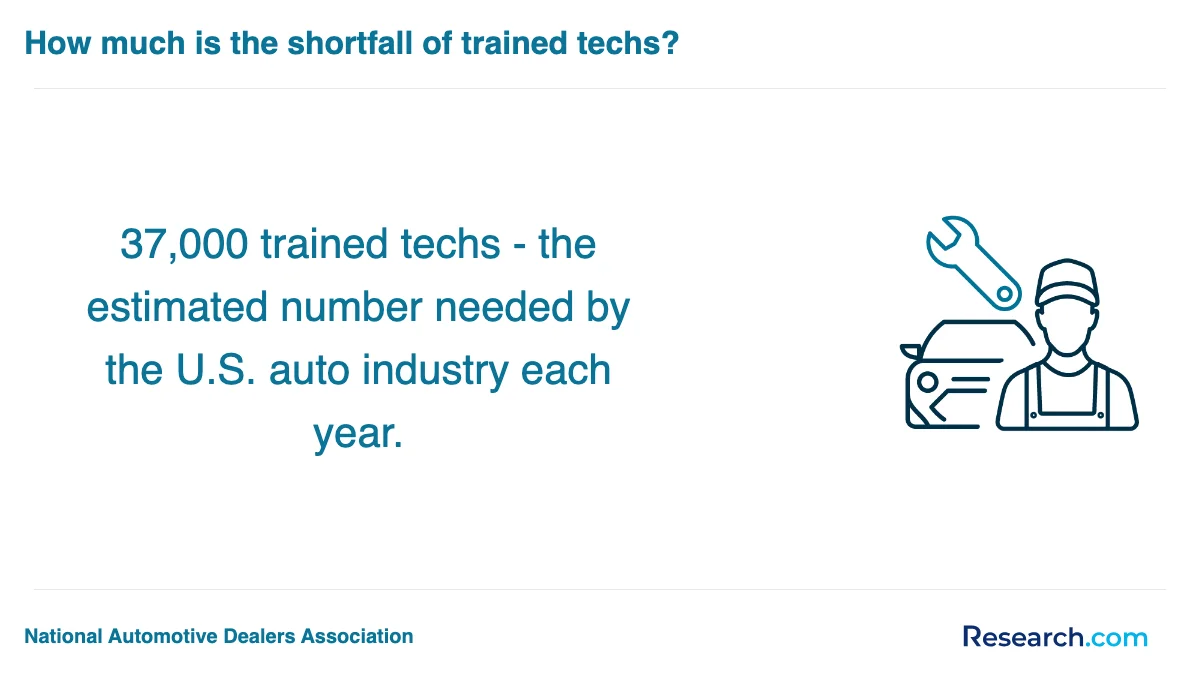
Automotive technician students in Savannah benefit from a variety of financial aid options that make education more attainable. At Savannah Technical College, over 80% of students receive some form of aid, which eases the burden of tuition and related expenses. Federal and state grants, such as the Federal Pell Grant and the Georgia HOPE Grant, are commonly awarded and can cover significant costs, especially for those enrolled in diploma or certificate programs. For example, a recent graduate shared how the HOPE Grant covered nearly all their tuition during the first 30 semester hours, allowing them to focus on hands-on learning without financial stress.
Scholarships offered by the college and state reward academic merit and financial need, adding another layer of support. Many students appreciate the personalized guidance from Savannah Tech's financial aid office, which helped them identify scholarships suited to their circumstances.
Work-study programs provide valuable part-time work experience on campus or with local employers, blending earning potential with relevant skills development. Though Federal Stafford Loans are no longer available through Savannah Tech, private loans remain an option if necessary, with graduates noting the importance of careful repayment planning.
With average annual tuition at $6,684 and aid packages averaging $7,151, many students find their tuition fully covered, fostering a positive, stress-reduced learning environment.
Enrolling in an automotive technician trade school program in Savannah typically requires a high school diploma or GED, ensuring students possess foundational skills in math and reading. Many trade schools also expect applicants to demonstrate basic mechanical aptitude, often assessed through entrance tests or interviews.
Graduates from popular Savannah trade schools often recall that having hands-on experience, even from informal settings like fixing a family car, greatly boosted their confidence during admissions. Schools value practical knowledge alongside academic credentials.
Key prerequisites for automotive technician programs in Savannah include:
- Completion of high school or equivalent
- Basic proficiency in math and reading
- Mechanical aptitude assessed via tests or interviews
- Some schools may require a background check or immunization records
- Driver's license is often recommended due to practical training needs
These requirements help ensure students are prepared for the technical coursework and hands-on training that define the automotive technician programs in Savannah's trade schools. Graduates frequently describe the admission process as manageable and motivating, setting a positive tone for their career journey ahead.

Automotive technician trade school programs in Savannah, such as those at Savannah Technical College, offer a well-rounded curriculum designed to equip students with practical and theoretical expertise. Graduates often highlight the value of hands-on courses that simulate real workshop environments.
Typical courses include:
- Automotive Technology Introduction: Covers vehicle systems basics, safety, and industry standards, building a strong foundation.
- Automotive Electrical Systems: Focuses on wiring, batteries, starters, and troubleshooting electrical issues crucial for today's complex vehicles.
- Automotive Engine Repair: Involves engine disassembly, inspection, and repair techniques practiced on actual engines.
- Automotive Engine Performance: Teaches diagnosis and correction of engine efficiency and emissions problems.
- Specialized courses: Include Diesel Engines and emerging EV/Hybrid Vehicles with safety protocols, reflecting evolving industry demands.
Students often describe the confidence gained from extensive lab work on real vehicles, preparing them to meet ASE certification standards and enter Savannah's competitive automotive workforce.
Automotive technician trade school programs in Savannah offer diverse specializations tailored to equip students with skills relevant to the evolving automotive market. Popular programs at Savannah Technical College emphasize hands-on experience in key areas such as automotive electrical systems and engine repair and performance. Graduates often share how mastering complex vehicle electronics and diagnostic tools enhances their confidence when facing real-world repair challenges.
Students pursuing automotive technician specializations in Savannah can choose from focused training such as:
- Automotive Electrical Systems - covering advanced troubleshooting of electronic components
- Engine Repair and Performance - including rebuilding and optimizing gasoline engines
- Light-Duty Diesel Engines - emphasizing unique diesel powertrain diagnostics
- Introduction to EV/Hybrid Vehicles and Safety Protocols - teaching safe handling of high-voltage hybrid and electric systems
- Automotive Chassis Technology and Brake and Suspension Systems - short-term certificates focusing on ride quality and safety aspects
These options reflect the variety found in Savannah automotive technology certificate programs and prepare students for local employer needs, with many graduates noting improved job prospects. For those exploring programs, the list of accredited automotive mechanic training schools offers valuable guidance on where to begin.
When selecting from the best automotive technician trade schools Savannah offers, focus on program accreditation and curriculum depth. Graduates from popular local colleges often highlight how accredited programs aligned with industry standards ensured their skills in engine repair, electrical systems, and diagnostics were job-ready. Many valued opportunities for hands-on internships provided through school partnerships with nearby dealerships, boosting confidence in real-world settings.
Cost remains a key factor, especially in finding affordable automotive technician programs Savannah students rely on. Alumni testify that understanding total expenses-including tools and textbooks-and exploring financial aid options, made their education manageable. Additionally, program reputation for job placement is critical; successful graduates frequently mention resume workshops and employer connections that helped them secure promising positions post-graduation.
For those seeking flexible schedules or specialized training, examining faculty experience and facility resources in local programs is essential. Many students recommend considering options that offer evening classes or updated diagnostic equipment to stay competitive. Explore automotive technology degrees to identify programs that fit your career goals and lifestyle.
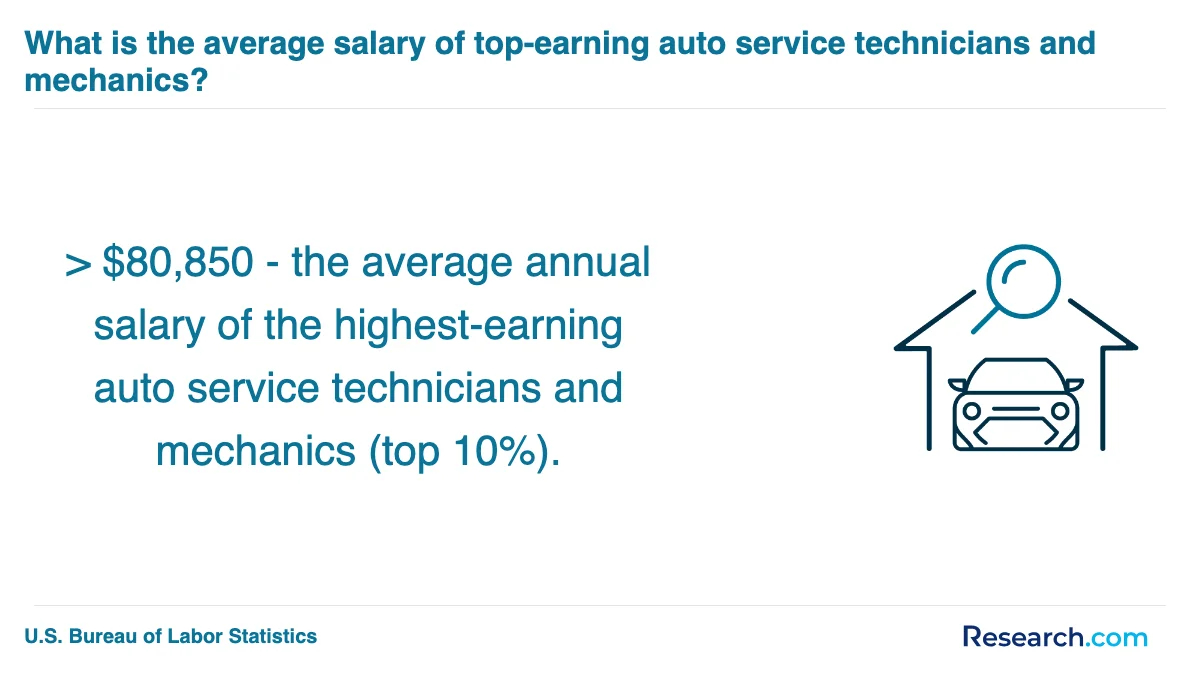
Graduates of automotive technician trade schools in Savannah find diverse career opportunities for automotive trade school graduates in Savannah, ranging from entry-level mechanic roles to advanced technical positions. Many start in local independent shops or dealerships, gaining hands-on experience with oil changes, tire rotations, and diagnostics. For instance, graduates from popular Savannah trade schools often secure roles at national chains offering clear advancement paths, including certification-driven positions like master technicians. These roles come with rewarding job stability and competitive salaries.
Some graduates expand into specialized roles such as service advisors, where they combine technical expertise with customer interaction, or parts specialists managing inventory. Mobile mechanic work, growing rapidly in the region, pays between $31 and $35 per hour, providing flexibility and direct client engagement.
Strong interpersonal skills open doors to management, training, and sales roles within the thriving Savannah automotive market. Real-life experiences shared by graduates highlight positive career growth and satisfaction. Additionally, understanding why college is better than trade school helps some balance further education with technical skill development, maximizing career prospects.
Demand for automotive technician jobs in Savannah GA remains robust, supported by ongoing employer needs and structured, benefit-rich compensation plans from companies like Goodyear and Enterprise Mobility.
The automotive technician job market Savannah GA shows strong demand for skilled graduates from local trade schools. Nearly 300 open positions are available, ranging from entry-level maintenance to specialized diagnostic roles across dealerships, fleet centers, and independent shops.
Graduates from popular programs in Savannah report positive employment experiences with competitive wages. For example, employers like Enterprise Mobility offer starting pay between $28.50 and $32.50 per hour, along with bonuses for ASE certifications. Other companies such as Goodyear and Ryder highlight ongoing training and clear advancement paths, reflecting a thriving market eager for certified technicians.
Key factors influencing the demand for automotive technicians in Savannah include:
- Urgent hiring needs across various service centers
- Benefits packages featuring health insurance, paid leave, and retirement plans
- Opportunities to work on the latest automotive technologies
- Strong emphasis on customer service skills alongside technical knowledge
For students considering enrollment, choosing from the best vocational trade training schools in Savannah offers a practical route into a job market with consistent demand and upward mobility.
Most Affordable Automotive Technician Schools, Colleges & Trade Certification Training Programs in Savannah for 2026
# 1 position
Savannah Technical College - Automobile/Automotive Mechanics Technology/Technician.
associateSavannah Technical College offers a hybrid program in Automobile/Automotive Mechanics Technology/Technician that prepares students to repair, service, and maintain various automobile systems. The curriculum covers brake systems, electrical systems, engine performance and repair, suspension and steering, transmissions, and heating and air conditioning. Annual in-state tuition is $3,072. Graduates earn a median income of $40,913 one year after completing the program. The program is accredited by the Southern Association of Colleges and Schools Commission on Colleges.
# 2 position
Savannah Technical College - Automobile/Automotive Mechanics Technology/Technician.
certificate or diplomaSavannah Technical College offers a hybrid program in Automobile/Automotive Mechanics Technology/Technician designed to prepare students with technical skills to repair, service, and maintain various automobiles. The curriculum covers brake systems, electrical systems, engine performance and repair, suspension and steering, transmissions, and heating and air conditioning systems. The annual in-state tuition is $3,072. The program is accredited by the Southern Association of Colleges and Schools Commission on Colleges. Median earnings one year after completion are $40,913.90.
Frequently Asked Questions about automotive technician
After completing an automotive technician trade program in Savannah, preparing for the job market involves several key steps. Graduates should pursue certification from the National Institute for Automotive Service Excellence (ASE), which is highly regarded by employers nationwide. According to the U.S. Bureau of Labor Statistics, ASE-certified technicians often have better job prospects and higher wages.
Networking is also essential. Local job fairs and industry events in Savannah provide opportunities to connect with employers, such as dealerships and repair shops. Additionally, building a strong resume highlighting hands-on experience gained during training can improve hiring chances.
Staying updated with evolving automotive technologies, like electric vehicles, is critical as Savannah's job market increasingly demands these skills.
Employers in Savannah seek automotive technician graduates with strong technical skills, including proficiency in engine diagnostics, electrical systems, and computerized vehicle repair. According to the U.S. Bureau of Labor Statistics, practical experience with modern diagnostic tools is essential for success in this field.
In addition, soft skills such as problem-solving, attention to detail, and effective communication are highly valued. Local employers emphasize teamwork and customer service abilities, reflecting the service-oriented nature of the automotive industry in Savannah.
Trade schools that offer hands-on training combined with updated industry certifications tend to produce graduates who meet these employer expectations. The Georgia Department of Labor notes that technicians with ASE certification and familiarity with hybrid vehicles have better job prospects.
Finding internships in Savannah relevant to automotive technician trade school programs involves several practical steps. Start by contacting local trade schools, such as Savannah Technical College, which often partner with automotive businesses to provide students with hands-on experience.
Networking is crucial. Reach out to dealerships, repair shops, and service centers in Savannah, as many offer internship opportunities to support workforce development. The Georgia Department of Labor's website regularly lists local internships and job openings in automotive fields.
Additionally, online platforms like Georgia's Employ Georgia portal provide listings for automotive internships specific to the Savannah area. According to the National Institute for Automotive Service Excellence, internships significantly improve job placement rates for graduates.
Lastly, attend local job fairs and industry events to connect directly with employers seeking automotive technician interns.
Obtaining an automotive technician trade school diploma in Savannah significantly enhances career mobility and advancement opportunities. According to the U.S. Bureau of Labor Statistics, certified automotive technicians in Georgia earn a median annual wage of approximately $45,000, higher than non-certified peers. Completing a diploma program provides students with hands-on skills and industry-recognized credentials that local employers prioritize.
In Savannah, the automotive sector is growing due to regional transportation hubs and logistics companies, increasing demand for skilled technicians. Graduates often find faster job placement and access to specialized roles such as diagnostics or hybrid vehicle repair.
Additionally, trade school diplomas can serve as a stepping stone toward advanced certifications like ASE, which further improve career prospects and earning potential.
Students enrolled in automotive technician trade schools in Savannah can benefit from part-time jobs that provide practical experience. Local auto repair shops often seek assistants who can perform basic maintenance tasks, helping students apply classroom knowledge on the job. Savannah's demand for automotive service technicians is expected to grow by 6% through 2030, according to the U.S. Bureau of Labor Statistics, making internships and part-time roles valuable for career entry.
Positions such as tire changers, oil change technicians, or service advisors offer hands-on exposure to vehicle diagnostics. Additionally, dealerships in Savannah frequently hire part-time support staff, allowing students to learn about customer service and vehicle systems simultaneously.
To find the most affordable Automotive Technician degree program near Savannah, GA, start by researching local community colleges and technical schools that offer automotive technology programs. Many of these institutions provide a range of certificate and degree options that could be cost-effective compared to traditional four-year universities. Utilize resources like Research.com or speak with admissions counselors to identify programs near me that align with budgetary constraints and career goals.
- Paid Technician Internships - Central Oregon Community College https://cocc.edu/programs/automotive/paid-technician-internships
- Job Placement Services at Mechanic Trade Schools | NYADI The College of Transportation Technology https://nyadi.edu/blog/job-placement-is-an-important-element-of-mechanic-trade-schools/
- STUDENT CAREER DEVELOPMENT - ASE Education Foundation https://www.aseeducationfoundation.org/student-career-development
- Automotive Technology - Savannah Technical College https://www.savannahtech.edu/academics/automotive-technology/
- SET T.A.C.T. Program | Savannah Toyota https://www.savannahtoyota.com/set-tact-program/
- Mechanic Trade Schools - Savannah, GA https://mechaniccareernow.com/mechanic-schools/savannah-ga
- Best Auto Mechanic Schools in Georgia | Learn How to Become https://toptradeschools.com/near-you/auto-mechanic/georgia/
- Tradel Schools in Savannah, Georgia https://www.tradeschoolsnearme.co/metro-areas/savannah-ga
- Savannah, Georgia Auto Mechanic Programs https://www.trade-school.com/programs/Auto-Mechanic/GA/Savannah
- How to Become a Mechanic in Georgia: Requirements & Certification for 2025 | Research.com https://research.com/careers/how-to-become-a-mechanic-in-georgia


