
Most Affordable Automotive Technician Schools, Colleges & Trade Certification Training Programs in San Francisco for 2026

Co-Founder and Chief Data Scientist
Looking to start a rewarding career as an automotive technician in San Francisco? Choosing the right trade school can make all the difference in gaining valuable skills and certifications.
This article features an automotive technician trade school programs ranking created by the Research.com team of data scientists to help you make an informed decision. You’ll discover which programs offer quality education at affordable prices.
By exploring these options, you’re taking a positive step toward a stable, fulfilling career. Earning a diploma or certification opens doors to exciting opportunities in the automotive industry.
Key benefits of finishing automotive technician trade school in San Francisco
- Graduates can expect an attractive starting salary, with average hourly wages around $33.46 and annual salaries ranging from $61,000 to $63,500, making it a rewarding career path in San Francisco.
- Career paths include roles such as automotive technician, service advisor, or shop foreman, similar to successful graduates from well-known local trade schools like the San Francisco Trade Tech Center.
- Completing an online automotive technician program offers flexibility and faster entry into the workforce, as experienced by graduates from reputable online schools such as Universal Technical Institute, while still providing strong hands-on skills.
- Most Affordable Automotive Technician Schools, Colleges & Trade Certification Training Programs in San Francisco for 2026
- What can I expect from automotive technician trade schools in San Francisco?
- Where can I work after finishing automotive technician trade schools in San Francisco?
What can I expect from automotive technician trade schools in San Francisco?
Enrolling in an automotive technician trade school in San Francisco means immersing yourself in a blend of rigorous classroom lessons and hands-on work with modern vehicles. Graduates from City College of San Francisco and Skyline College often describe the experience as both challenging and rewarding, balancing deep dives into engine systems and electrical diagnostics with real-world practice on late-model cars. Expect to spend multiple hours daily in labs that mirror professional repair shops, sharpening skills that local employers highly value.
Students also benefit from strong industry ties with manufacturers like Subaru and Ford, which open doors to internships and exposure to cutting-edge automotive technology. Many find reassurance knowing programs are ASE-certified, ensuring instructors are experts and curriculum matches industry demands. Graduates frequently mention how pre-apprenticeship tracks and career support ease their transition into jobs at places like San Francisco Toyota or independent shops.
Be prepared for admission requirements including a high school diploma and basic math skills, but also for the excitement of earning certifications such as the EPA 690 that boost employability in the Bay Area's competitive market.
Where can I work after finishing automotive technician trade schools in San Francisco?
After finishing an automotive technician trade school program in San Francisco, graduates find themselves well-positioned for diverse job opportunities throughout the city and Bay Area. Many start working as automotive technicians or mechanics in local independent repair shops or franchise service centers, where they quickly apply hands-on skills learned at schools like the San Francisco Trade School or Bay Area Auto Tech Institute. These roles often involve repairing a range of vehicles from gasoline to electric models, providing a dynamic work environment that keeps many graduates engaged and motivated.
Some graduates share how landing positions at major dealerships-such as those servicing Toyota or Tesla-offers not only competitive pay but also the chance to specialize in cutting-edge electric vehicle technology. Others appreciate the stability of municipal jobs with the City and County of San Francisco, maintaining public service vehicles like police cars and buses, which provides steady schedules and benefits.
Working for fleet service companies is another common pathway, where technicians support business or transit fleets, often encountering advanced hybrid systems. Many graduates feel a strong sense of pride knowing their expertise supports the region's environmental goals. For those seeking growth, supervisory roles or opening independent shops become attainable career moves, reflecting the solid foundation trade schools in San Francisco provide.
Graduates of automotive technician trade school programs in San Francisco often find themselves stepping into a job market with encouraging earnings. Many report starting hourly wages around $25 to $30, with some even reaching over $37 per hour when factoring in overtime and bonuses. One graduate shared how their training at a local trade school helped them confidently secure a position paying about $28 per hour within months of finishing their program.
For those new to the field, the typical annual salary ranges from approximately $54,900 to $71,600, depending on employer and experience. This can feel motivating for graduates balancing the challenge of entering a competitive market. Others who have gained some experience report salaries climbing toward $83,000 annually, reflecting strong demand for skilled technicians in San Francisco.
Trade schools in the Bay Area emphasize hands-on learning, which many graduates say boosts their confidence and readiness. This practical training often translates into faster job placement and access to higher-paying employers, including national service chains offering starting rates near $20 to $30 per hour.
While pay varies, the consensus among recent graduates is that completing a program locally opens doors to rewarding opportunities with competitive wages and career growth potential in the vibrant San Francisco automotive industry.
- Applicants must have a high school diploma or GED, be at least 18 years old, and demonstrate basic English and math skills.
- Programs at schools like CCSF and Skyline College offer certificates and associate degrees, usually requiring 4-5 days per week or up to 40 hours for pre-apprenticeship tracks.
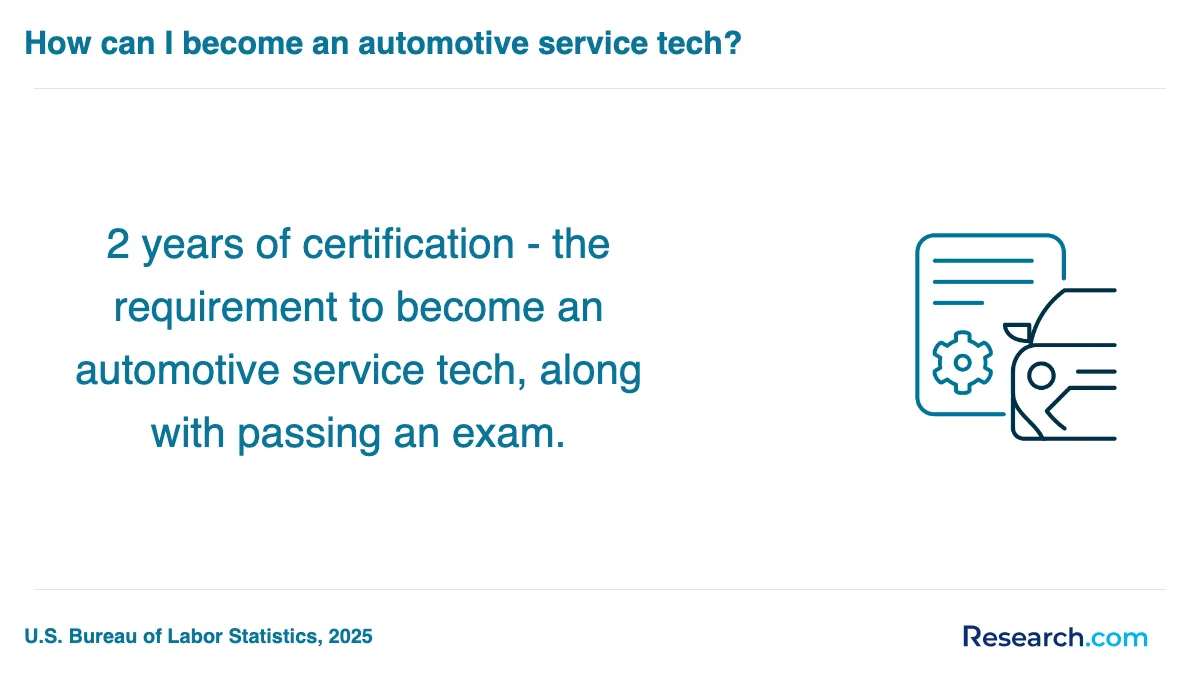
- Certificate programs typically take about one year to complete, while associate degrees require up to three semesters of coursework.
- Tuition at CCSF costs around $46 per unit, with total certificate program fees ranging from $2,000 to $5,000, and financial aid is available for eligible students.
- Entry-level automotive technicians in San Francisco earn between $45,000 and $55,000 annually, with experienced technicians making $65,000 to $80,000 or more.
Completing an automotive technician trade school program in San Francisco typically takes between 6 months and 1 year, depending on the depth of the curriculum and whether the student attends full-time or part-time. Graduates from well-known San Francisco trade schools often share how the condensed, hands-on approach allowed them to quickly gain confidence working on real vehicles, which made the intensive schedule feel rewarding rather than overwhelming.
Many students appreciate that these programs balance theory with practical experience, offering workshops where they can immediately apply what they learn. For example, a graduate from a popular local trade school described the satisfaction of diagnosing and fixing engine issues within weeks of starting the program, making the fast pace motivating.
In San Francisco's competitive automotive field, finishing within a year means graduates can enter the workforce quickly, which is especially appealing for those eager to start earning and building their careers. The accelerated timeline is often cited as a positive factor by students balancing other life commitments.
The primary difference between online and on-campus automotive technician trade school programs in San Francisco is how learning is delivered and the extent of hands-on training. Online programs like the JVS/CCSF 18-week course provide flexible, virtual learning with live sessions and interactive coursework, allowing students to grasp essential theories-such as diagnostics and safety-from home. Graduates often appreciate the balance this format offers, especially when juggling jobs or family commitments. They then complete a focused 160-hour internship to gain real-world experience, which helps bridge the gap between theory and practice.
On the other hand, on-campus programs at Skyline College and City College of San Francisco immerse students in extensive, in-person training. Attending classes four days a week in fully equipped labs lets students work directly with late-model vehicles, simulating the fast-paced environment of repair shops. Graduates often highlight how this hands-on focus builds confidence and industry connections, opening doors to local dealerships and shops. Although these programs demand more time and a higher tuition investment, many find the practical experience invaluable for employment opportunities in the Bay Area.
The average cost automotive technician trade school San Francisco requires careful consideration of tuition fees and related expenses. Graduates from City College of San Francisco recall paying $46 per unit, with programs spanning between 18 to 27 units. This means the tuition alone ranges from $828 to $1,242 for California residents. Meanwhile, De Anza College offers a lower rate of $31 per unit plus basic fees, which creates a different financial landscape depending on the institution chosen. These amounts illustrate how tuition fees automotive technician programs San Francisco can fluctuate widely based on where a student enrolls.
Beyond tuition, students frequently mention additional costs that impact overall affordability. Books and learning resources typically cost between $239 and $800 annually, reflecting the need for up-to-date manuals and study guides. Equipment and material expenses add roughly $300, while uniforms and safety gear add about $340, essential for hands-on practice and compliance with safety standards. Professional tools represent a substantial upfront investment, ranging from $500 to $1,000 initially, with further expenses as students advance in their studies. Certification exam fees, such as those for ASE credentials, are extra and vary by exam.
Taking all factors into account, the total cost often falls around $15,600 to over $20,000 for a complete program. Graduates express satisfaction with the real-world skills gained, noting how the investment translates into promising career prospects. For students aiming to enter strong job markets, exploring the best paying trades can reinforce the value of the education. Understanding these expenses helps applicants prepare financially and commit confidently to their futures in the automotive technician field.

Students pursuing automotive technician programs in San Francisco often find federal and state grants essential to managing costs. For instance, many graduates from Skyline College recall how the Federal Pell Grant, offering up to $7,395 annually, significantly eased their financial burden. California residents benefit further from the Cal Grant, which rewards both need and academic performance, making education more accessible.
Institutional scholarships also play a critical role. Automotive students at Skyline College frequently mention the relief scholarships provide, especially when combined with federal aid. These awards target those committed to mastering hands-on skills, helping cover tuition and supplies.
Work-study and apprenticeship opportunities add practical value while supporting income. Graduates of City College of San Francisco's Automotive Pre-Apprenticeship emphasize how stipends funded through state initiatives allowed them to focus more on learning than finances.
Moreover, programs like the JVS Automotive Pathway Program eliminate tuition altogether, offering no-cost training worth $20,000. This creates hope for students facing significant financial barriers, underscoring San Francisco's commitment to accessible technical education.
Enrolling in an automotive technician trade school program in San Francisco typically requires meeting a set of straightforward yet essential prerequisites. Most local schools expect applicants to have a high school diploma or a GED, ensuring a basic foundation in math and science, which are vital for understanding vehicle systems.
Graduates often recall how important it was to have a genuine interest in cars before starting the program. Many describe feeling excited and motivated when they first handled engines or diagnostic tools during their introductory courses. This enthusiasm helps sustain students through challenging hands-on labs.
Common prerequisites include:
- A high school diploma or equivalent
- Basic proficiency in math and reading comprehension
- Sometimes, a valid driver's license
- Passing an entrance assessment or interview at certain institutions
For example, students at popular San Francisco trade schools often share stories of their first day-where hands-on projects began immediately-highlighting how prior mechanical curiosity made the transition smoother. These prerequisites are designed to ensure students can keep up with the fast-paced, technical curriculum and fully benefit from the immersive learning environment.
Automotive technician trade school programs in San Francisco typically include a comprehensive set of core courses that prepare students for real-world automotive service roles. Graduates from City College of San Francisco and Skyline College often highlight courses that cover essential systems such as:
- Automotive engine repair
- Automatic transmission and transaxles
- Manual drivetrain and axles
- Suspension and steering
- Brakes
- Electrical and electronic systems
- Heating and air conditioning
- Engine performance diagnostics
For example, students at Skyline College enjoy hands-on work with domestic, European, and Japanese vehicles, gaining experience in a modern lab setting with late-model cars. This practical focus brings technical theories to life, making learning engaging and relevant. Graduates often express confidence in tackling complex repairs because their training mirrors the exact challenges faced in local shops.
Beyond general courses, specialized training options enhance employability. City College offers manufacturer-specific internships, such as Subaru technical training, providing direct exposure to dealership environments. Students appreciate these opportunities as they build valuable industry connections and specialized skills.
Overall, the curriculum's blend of core and advanced courses, paired with hands-on practice, equips students to enter San Francisco's competitive automotive workforce with readiness and enthusiasm.
Automotive technician trade school programs in San Francisco offer diverse specializations, allowing students to tailor their skills to distinct areas of the automotive industry. Graduates from City College of San Francisco, for example, often praise the hands-on experience gained through the 35-unit Auto Body Structural Analysis and Damage Repair Certificate, which covers welded panel replacement, dent removal, and damage analysis. This practical focus equips students to confidently tackle real-world repair estimates and qualify for the Automotive Service Excellence (ASE) certification exam.
Students in San Francisco automotive technician training programs also benefit from manufacturer-specific courses offered at Skyline College and City College. These partnerships with brands like Subaru and Mercedes Benz enable specialization in complex brand-specific diagnostics and repair, a valued edge when applying to branded dealerships or specialty service centers. Apprenticeships complement classroom learning, providing paid on-the-job training with exposure to diesel, hybrid, and alternative fuel vehicles under expert supervision.
- Auto body repair with structural damage expertise
- Automotive electrical systems, preparing for ASE A-6 certification
- Manufacturer-specific training for major automotive brands
- Apprenticeships focusing on practical job readiness and advanced vehicle technologies
These varied options reflect the strength of automotive technology specializations in San Francisco, giving students confidence to enter a competitive job market. For those looking for flexible learning, exploring best vocational trade online programs can also complement in-person experience while advancing skills in this dynamic field.
Choosing the best automotive technician trade school program in San Francisco requires careful consideration of several factors. Graduates from popular local schools often emphasize the importance of programs that offer hands-on training with modern diagnostic tools, reflecting the current demands of San Francisco's automotive industry. Seeking affordable automotive technician programs in San Francisco means comparing tuition costs but also weighing what is included, such as access to internships and job placement services that have helped others secure positions at reputable dealerships.
Furthermore, curriculum breadth is crucial; successful graduates highlight how courses covering engine repair, brake systems, and advanced electrical diagnostics prepared them for real-world challenges. Programs with strong faculty who bring industry experience create a supportive learning environment that many students find motivating and relatable. Also, schools with robust connections to San Francisco's automotive businesses enable networking opportunities, enhancing employment prospects. For more details on top local programs, students often consult resources about trade schools for auto mechanics to make well-informed choices.
Automotive technician trade school graduates in San Francisco find diverse automotive technician job opportunities in San Francisco, shaped by the city's robust automotive sector and local industry connections. Many graduates secure roles as automotive technicians, auto body specialists, or service advisors within dealerships like San Francisco Toyota or independent repair shops. Entry-level positions enable hands-on work diagnosing engine troubles, brake systems, and electronic components. Some graduates leverage ASE certification to access specialized positions and higher wages.
Hands-on apprenticeships offered through popular local trade schools and union programs combine paid training with classroom learning, preparing graduates for journey-level mechanic roles. Graduates often highlight the value of real-world experience gained via internships with manufacturers such as Subaru, expanding career options toward hybrid and electric vehicle technician paths. This variety illustrates the rich automotive mechanic career paths San Francisco supports, from fleet maintenance management to advanced diagnostic specialties.
Many graduates advance to supervisory roles like service manager or shop foreman, finding rewarding career growth. For those weighing education options, understanding trade school vs traditional college can clarify the benefits of the hands-on, targeted training these programs provide.
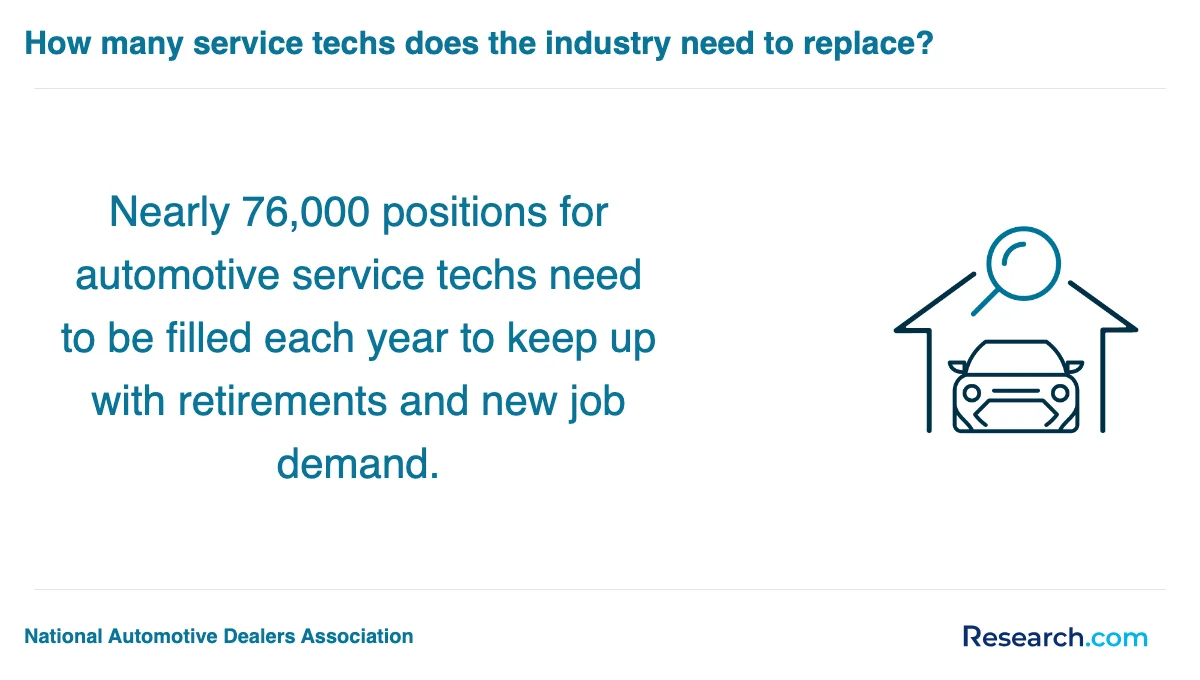
Automotive technician trade school graduates in San Francisco find a notably strong job market, with numerous openings reflecting steady demand for skilled workers. Employers across dealerships, repair shops, and fleet services actively seek out graduates from popular local trade schools, where students benefit from hands-on training tailored to the city's dynamic automotive scene. Graduates often share that their education helps them quickly secure roles, thanks to practical skills that employers value. The availability of automotive technician job openings in San Francisco ranges broadly, ensuring opportunities for both entry-level and experienced technicians.
Wages in San Francisco significantly exceed the national average, with starting hourly rates between $30 and $55, and some skilled roles offering annual salaries as high as $210,000. Many graduates report receiving incentives like sign-on bonuses and production rewards that make early career stages more rewarding. Benefits also add to the overall appeal, including health plans and tuition reimbursement. These factors make pursuing a trade school certificate or a bachelor of science in automotive technology schools in the area a realistic pathway for upward mobility.
Key advantages for graduates include:
- Strong local demand enhanced by extensive vehicle volume in San Francisco
- Preference for formally trained technicians with certifications
- Clear career ladders encouraging rapid advancement
Most Affordable Automotive Technician Schools, Colleges & Trade Certification Training Programs in San Francisco for 2026
# 1 position
City College of San Francisco - Automobile/Automotive Mechanics Technology/Technician.
associateThe Automobile/Automotive Mechanics Technology/Technician program at City College of San Francisco offers a hybrid format with some distance-education options. It prepares students to repair, service, and maintain various automobile systems, including brakes, electrical, engines, transmissions, and heating/air conditioning. The program is accredited by the Western Association of Schools and Colleges Accrediting Commission for Community and Junior Colleges. Annual in-state tuition is $1,696.
# 2 position
City College of San Francisco - Automobile/Automotive Mechanics Technology/Technician.
certificate or diplomaThe Automobile/Automotive Mechanics Technology/Technician program at City College of San Francisco offers a hybrid format with some distance-education options. It prepares students to repair, service, and maintain various automobile systems, including brakes, electrical, engines, transmissions, and heating and air conditioning. The program’s annual in-state tuition is $1,696. It is accredited by the Western Association of Schools and Colleges Accrediting Commission for Community and Junior Colleges.
Frequently Asked Questions about automotive technician
After completing an automotive technician trade school in San Francisco, preparing for the job market involves several key steps. First, gaining industry certifications such as ASE (Automotive Service Excellence) can significantly enhance employability. According to the U.S. Bureau of Labor Statistics, ASE-certified technicians earn higher wages and have better job prospects.
Networking is also critical; attending local job fairs and joining professional groups in the Bay Area can connect graduates with employers. San Francisco's automotive service industry is competitive, with demand driven by both dealerships and independent repair shops.
Additionally, building a strong resume that highlights hands-on training, internships, or apprenticeships completed during schooling is important. Many trade schools in San Francisco offer job placement assistance, which can be a valuable resource for entering the workforce.
Employers in San Francisco seek several key skills in automotive technician trade school graduates. Strong mechanical aptitude is essential, as technicians must diagnose and repair complex vehicle systems efficiently. Proficiency with computerized diagnostic tools is increasingly important due to modern vehicles' reliance on electronic systems. According to the U.S. Bureau of Labor Statistics, employers value problem-solving abilities and attention to detail to ensure accurate repairs and customer satisfaction.
Communication skills are also critical since technicians often explain issues and repairs to customers. Additionally, basic knowledge of hybrid and electric vehicle technology is becoming more sought-after given the region's growing eco-friendly vehicle market. Technical certifications like ASE improve job prospects significantly in the San Francisco area.
Finding internships in San Francisco relevant to automotive technician trade school programs involves a few strategic steps. Start by contacting the career services office at your trade school, as many schools maintain partnerships with local auto shops and dealerships. According to the California Employment Development Department, the Bay Area hosts over 500 automotive repair businesses, creating numerous internship opportunities.
Additionally, explore job platforms like Indeed and Glassdoor, filtering for "automotive technician internships" in San Francisco. Networking through local trade associations, such as the Automotive Service Association (ASA) Northern California chapter, can also connect students with employers. Finally, consider visiting nearby dealerships and repair shops directly to inquire about internship availability.
Obtaining an automotive technician trade school diploma in San Francisco significantly enhances career mobility and advancement opportunities. According to the California Employment Development Department, the demand for skilled automotive technicians in the Bay Area is projected to grow by 8% through 2030, reflecting steady job availability.
Graduates with diplomas typically qualify for entry-level positions with starting salaries averaging $45,000 annually, with potential growth to over $70,000 as experience and certifications increase. Local employers often prefer candidates with formal training, which can lead to faster promotions and specialized roles.
Additionally, trade schools in San Francisco provide connections to internships and apprenticeships, critical for hands-on experience. This practical exposure improves employability and social mobility in a competitive job market.
San Francisco offers several part-time job opportunities that can complement education in automotive technician trade schools. Positions such as automotive service assistant, parts clerk, or tire technician provide practical experience while students complete their coursework. These roles often involve hands-on tasks like vehicle maintenance support, inventory management, and customer service, helping students apply technical knowledge in real-world settings.
According to the U.S. Bureau of Labor Statistics, the San Francisco-Oakland-Hayward metro area has a higher than average concentration of automotive service technicians, reflecting steady demand. Local dealerships and repair shops frequently seek part-time help, especially during peak seasons.
Engaging in these jobs can enhance a student's resume and improve employment prospects after graduation, bridging theoretical learning with workplace skills.
To choose the most affordable Automotive Technician degree program near San Francisco, CA, start by researching different community colleges and trade schools that offer such programs, paying close attention to tuition rates and available financial aid. Depending on your needs and location, you can find programs near you that may offer evening or weekend classes to accommodate working students. Research.com can be a helpful resource for finding a list of programs and universities available to compare educational costs and curriculums effectively.
- Most Affordable Automotive Technician Schools, Colleges & Trade Certification Training Programs in Santa Rosa for 2026
- Most Affordable Automotive Technician Schools, Colleges & Trade Certification Training Programs in Santa Barbara for 2026
- Most Affordable Automotive Technician Schools, Colleges & Trade Certification Training Programs in Ogden for 2026
- Most Affordable Automotive Technician Schools, Colleges & Trade Certification Training Programs in Seattle for 2026
- Most Affordable Automotive Technician Schools, Colleges & Trade Certification Training Programs in Odessa for 2026
- Most Affordable Automotive Technician Schools, Colleges & Trade Certification Training Programs in Bismarck for 2026
- Most Affordable Automotive Technician Schools, Colleges & Trade Certification Training Programs in Wichita for 2026
- Most Affordable Automotive Technician Schools, Colleges & Trade Certification Training Programs in Rockford for 2026
- Jobs You Can Only Get with an Automotive Technology Degree - Benjamin Franklin Cummings Institute of Technology https://franklincummings.edu/blog/automotive-technology/
- 5 Tips to Succeed in Automotive Mechanic School | UTI https://www.uti.edu/blog/automotive/tips-for-succeeding-in-automotive-mechanic-school
- How to Become an Automotive Mechanic | Chapel Hill Tire | Chapel Hill Tire https://www.chapelhilltire.com/trade-school-vs-college-is-a-mechanic-career-right-for-you/
- 9 Reasons to Become an Automotive Technician https://wrenchway.com/blog/reasons-to-become-an-automotive-technician/
- Make Job Applications Stand Out When You Become A Mechanic https://www.autotrainingcentre.com/blog/make-job-applications-stand-out-when-you-become-a-mechanic/
- Automotive Service Technicians and Mechanics : Occupational Outlook Handbook: : U.S. Bureau of Labor Statistics https://www.bls.gov/ooh/installation-maintenance-and-repair/automotive-service-technicians-and-mechanics.htm
- Become an Auto Tech and Mechanic After High School | Automotive Technician and Mechanic School https://autotraining.edu/automotive-technician-training/become-a-certified-auto-technician/become-an-auto-tech-and-mechanic-after-high-school/
- Automotive Technology | CCSF https://www.ccsf.edu/degrees-certificates/automotive-technology
- Automotive Technology | Department of Human Resources https://sfdhr.org/automotive-technology
- Automotive Pathway Program - Jewish Vocational Service https://jvs.org/programs/automotive-pre-apprenticeship/


