
2027 Most Popular Social Work Degree Programs Ranking in Richmond

Co-Founder and Chief Data Scientist
Choosing the right social work degree program in Richmond can shape your future in meaningful ways. This article introduces the 2027 Most Popular Social Work Degree Programs Ranking in Richmond, carefully crafted by the Research.com team of data scientists. It's designed to help you make an informed decision about which programs truly stand out.
By exploring this ranking, you'll gain insight into opportunities that align with your passion for helping others. Pursuing a social work degree opens doors to a rewarding career where you can make a real difference.
Key benefits of getting social work degree in Richmond
- Salary for social work degree graduates: Graduates in Richmond can expect competitive salaries such as $68,800 annually for Social Workers and up to $83,400 for Community Organizers and Youth Workers, offering financial stability in meaningful careers.
- Career paths: A social work graduate from a local university often explores diverse roles like Child Welfare Specialist, Residential Counselor, or Social Worker, each providing rewarding opportunities to make a real difference in the community.
- Online degree benefits: Earning a social work degree online from a Richmond-based school allows flexible scheduling and the chance to balance work or family commitments while gaining quality education that opens doors to impactful careers.
- Key benefits of getting social work degree in Richmond
- What can I expect from social work degree in Richmond?
- Where can I work with social work degree in Richmond?
- How much can I make with social work degree in Richmond?
- 2027 Most Popular Social Work Degree Programs Ranking in Richmond
- Key Findings
- How long does it take to complete social work degree in Richmond?
- Accreditation and Licensure Requirements in Virginia
- What's the difference between online and on-campus social work degree?
- Professional Development and Continuing Education in Social Work
- What is the average cost of social work degree in Richmond?
- Choosing the Right Social Work Program in Richmond, VA
- What financial aid is available to social work degree students in Richmond?
- Licensure and Accreditation Requirements for Virginia Social Workers
- What are the prerequisites for enrolling in social work degree program in Richmond?
- Licensure and Certification in Virginia
- What courses are typically in social work degree programs in Richmond?
- What types of specializations are available in social work degree programs in Richmond?
- How do you choose the best social work degree in Richmond?
- What career paths are available for social work degree students in Richmond?
- What is the job market for social work degree in Richmond?
- Top Trending Social Work Rankings
- See What Experts Have To Say About Studying Social Work
What can I expect from social work degree in Richmond?
When considering the cost of a social work degree in Richmond, you'll find a range that reflects the diversity of institutions available. Public universities like Virginia Commonwealth University (VCU) offer competitive tuition rates especially for in-state students, making it a practical choice for many aspiring social workers. Graduates often describe balancing coursework and part-time field placements without excessive financial pressure thanks to scholarships and financial aid options.
Private colleges in Richmond tend to have higher tuition, which some students offset by securing merit-based scholarships or working part time. Many graduates recall how these investments felt worthwhile as they gained hands-on experience through field placements at local agencies, enriching their education and boosting their confidence for future careers.
The average tuition varies, but with careful planning, students can manage costs while accessing top-tier programs that emphasize community-focused practice and real-world learning. This approach prepares you not just academically but emotionally, fostering resilience as you serve Richmond's diverse populations.
Where can I work with social work degree in Richmond?
With a social work degree earned at institutions like VCU, graduates step confidently into Richmond's diverse job market. Many find rewarding roles in healthcare settings such as hospitals and mental health centers, where they support patients navigating complex life challenges. Imagine working alongside professionals at VCU Health, helping individuals develop coping strategies or securing essential community resources-a deeply fulfilling everyday experience.
Others launch careers within public agencies like the Virginia Department of Social Services, engaging in child welfare and family support. Graduates often share stories of making tangible impacts in the lives of vulnerable children and families, providing hope and stability where it's needed most.
Nonprofit organizations like Feed More also eagerly hire social workers from Richmond's colleges, placing them at the heart of community outreach and social justice initiatives. Many alumni describe these roles as profoundly meaningful, connecting passion with purpose.
School social work is another vibrant path, especially within Richmond Public Schools, where graduates collaborate with educators and families to enhance students' mental health and success. Studying social work here equips you to become a vital catalyst for positive change in your community.
How much can I make with social work degree in Richmond?
Graduates from social work programs in Richmond can anticipate varied earning opportunities tied closely to their career choices and experience. For instance, a Child Welfare Specialist in the area earns an average of about $59,190 annually, reflecting steady demand in child and family services. Many Richmond graduates from universities like Virginia Commonwealth University have shared how entry-level roles provided important field experience and financial stability.
Those drawn to roles like Community Organizer or Youth Worker can expect higher earnings, with mean annual wages around $83,400. This range is rewarding, reflecting the impactful nature of advocacy and youth development careers in Richmond's diverse communities. Graduates often describe their work as both challenging and deeply fulfilling, providing a sense of purpose that goes beyond the paycheck.
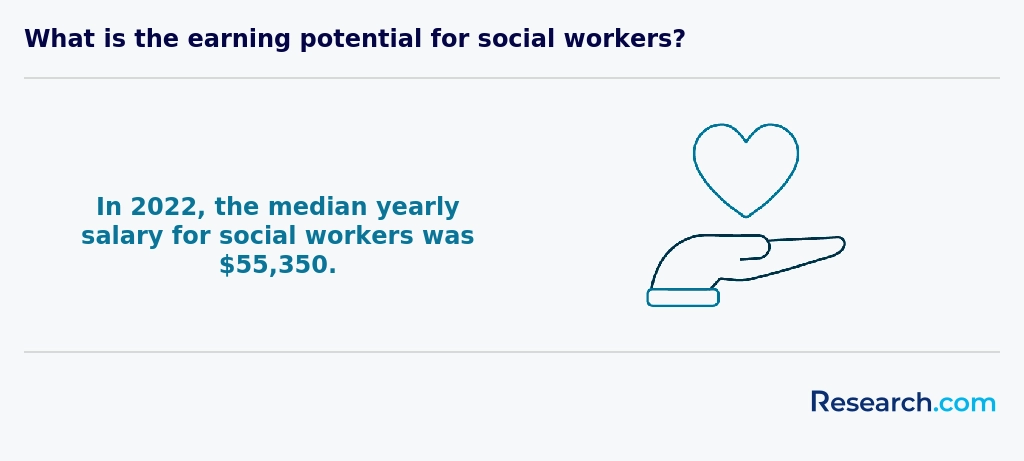
A Residential Counselor position also offers a solid income near $59,190 annually, perfect for those interested in direct client support within community centers or nonprofit organizations. Social Workers, especially those who have completed a Master's degree and licensing, typically earn even more, with annual salaries averaging close to $68,800.
These figures highlight the tangible value of a social work degree in Richmond, where professional growth aligns with meaningful community impact. Graduates consistently express pride in contributing to society while building sustainable careers.
2027 Most Popular Social Work Degree Programs Ranking in Richmond
How do we rank schools?
Investing in your education is a significant decision that requires careful consideration, and the Research.com team is keenly aware of the responsibility involved in providing trustworthy information. To help prospective students navigate their options, we have meticulously developed the "2027 Most Popular Social Work Degree Programs Ranking in Richmond." Our dedication to quality, credibility, and accuracy is demonstrated through rigorous research and thorough analysis.
We utilized the following reputable data sources to ensure a comprehensive and reliable ranking of social work programs:
By exploring this ranking, readers will gain valuable insights into the most popular and well-regarded social work degree programs in Richmond, enabling them to make informed decisions about their educational journey. For more detailed information on how this ranking was created, please visit our Research.com methodology page.


Key Findings
- Richmond offers CSWE-accredited social work programs essential for professional licensing.
- In-state tuition at public universities ranges from $10,000 to $15,000 per year; private schools charge $20,000 to $35,000 annually.
- Entry-level social workers earn about $45,000 per year, with mid-career salaries between $60,000 and $75,000.
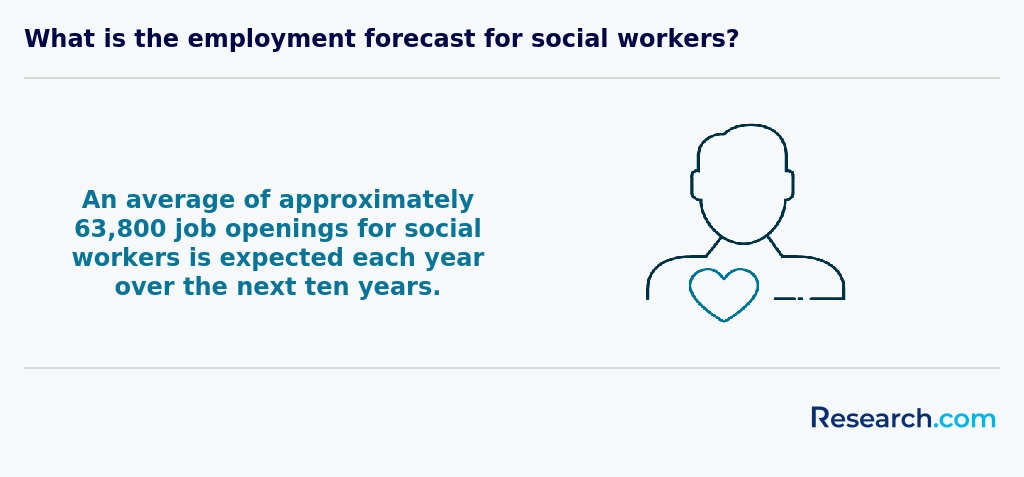
- The job growth rate for social workers in Richmond is projected at 10% over the next decade, above the average for all occupations.
- A Bachelor of Social Work (BSW) is required for entry-level jobs, while a Master of Social Work (MSW) is preferred for clinical and administrative roles.
- Licensure through the Virginia Board of Social Work requires an accredited degree, passing a national exam, and continuing education.
How long does it take to complete social work degree in Richmond?
Completing a social work degree in Richmond typically takes four years for a full-time Bachelor of Social Work (BSW), aligning with the experience of many graduates from local universities like Virginia Commonwealth University. These students appreciate how the program balances foundational theory with hands-on practice, preparing them to confidently step into entry-level roles.
For those pursuing a Master of Social Work (MSW), the journey usually spans two years of full-time study. Many Richmond students find accelerated options appealing, completing their MSW in just one year when they hold a prior accredited BSW. Part-time MSW students, often working professionals, experience a more flexible pace, stretching their program over three to four years to fit life's demands.
Richmond's accredited schools emphasize internships as a core part of training. Graduates frequently recall how these field placements deepened their passion and skills, even though they add months to the timeline. Knowing this helps you plan realistically and embrace every enriching aspect of your social work education.
Accreditation and Licensure Requirements in Virginia
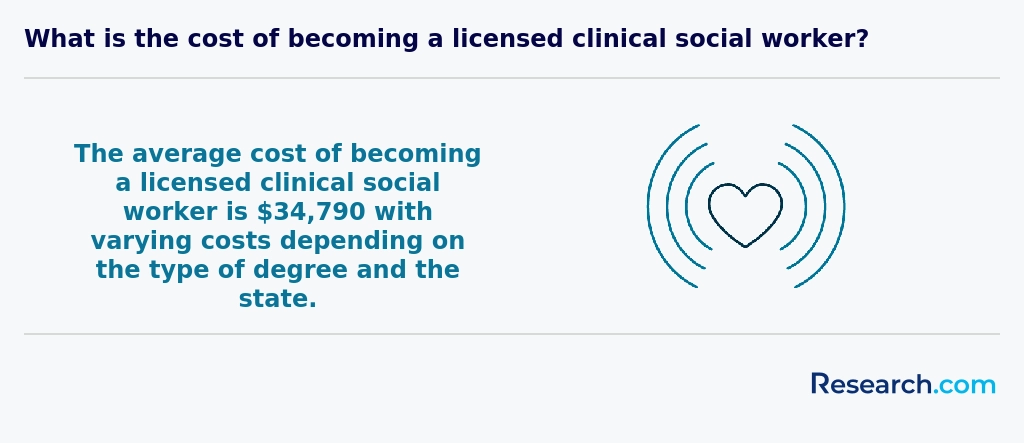
Ensuring your social work program is accredited by the Council on Social Work Education (CSWE) is the essential first step toward professional licensure in Virginia. CSWE accreditation guarantees that a program meets rigorous national standards and qualifies graduates to sit for the Association of Social Work Boards (ASWB) licensure exams. In Virginia, the pathway to becoming a Licensed Clinical Social Worker (LCSW) typically involves: • Earning a CSWE-accredited Master of Social Work (MSW) degree • Completing at least 3,000 hours of supervised clinical experience under a board-approved supervisor • Passing the ASWB Clinical Exam Many MSW programs in Richmond, VA, embed supervision hours within advanced field practicums, helping students satisfy both educational and licensure requirements simultaneously. Before you apply, verify that your chosen curriculum covers core competencies mandated by the Virginia Board of Social Work, including ethics, clinical assessment, and evidence-based interventions. For students balancing cost with accreditation, exploring online options can be advantageous. Research.com’s Affordable Online Social Work Degree Programs Ranking in the South highlights budget-friendly CSWE-accredited programs that maintain high educational quality. These programs often offer flexible practicum placements and virtual seminar formats, enabling you to accumulate supervised hours in your local community. After licensure, LCSWs in Virginia must complete 30 continuing education credits every two years, including ethics and clinical hours, to maintain their credential. Many accredited programs offer post-graduate workshops and online modules, making it seamless to stay compliant with state regulations and advance your clinical skills throughout your career.
What's the difference between online and on-campus social work degree?
Choosing between online and on-campus social work degrees in Richmond comes down to how you envision your learning experience. Graduates from Virginia Commonwealth University often recall the energy of face-to-face classes, valuing the instant feedback from professors and the sense of community built through campus events and social work labs. This environment can be motivating if you thrive on personal interaction and structured schedules.
On the other hand, graduates from online programs highlight the freedom to balance studies with work or family life, tapping into virtual classrooms and discussion forums at their own pace. If you're a busy professional or caregiving in Richmond, this flexibility can make pursuing a Bachelor or Master of Social Work feel achievable without sacrificing your commitments.
Both pathways require local practicum placements, which means getting involved in Richmond's social services firsthand-an essential step that brings classroom theory into real-life impact. Tuition costs may align closely, but online students often appreciate saving on commuting and housing expenses, making social work degrees accessible without compromise.
Professional Development and Continuing Education in Social Work
Beyond earning a degree, building a successful career in social work requires ongoing professional development and continuous learning. Many graduates emphasize that staying current with the latest research, best practices, and evolving policies is key to excelling in their roles. Networking through professional associations, attending industry conferences, and pursuing specialized certifications can all help sharpen your skills and expand your career opportunities. For instance, joining local chapters of national organizations not only facilitates connections with experienced practitioners but also provides access to mentoring programs and exclusive training sessions. Aspiring social workers should also explore resources that clarify the core principles and responsibilities of the profession-such as the social work definition-to continuously reinforce their understanding and commitment. By investing in continuous education and professional growth, you ensure that your skill set remains competitive and your capacity to impact communities evolves in step with industry advancements.
What is the average cost of social work degree in Richmond?
The average cost of a social work degree in Richmond typically centers around $59,613 for the total program, with in-state students paying closer to $16,945. Graduates from well-known institutions like Virginia Commonwealth University often share how managing these costs feels like an investment in their future, especially when balancing part-time jobs or securing scholarships. The social work degree tuition fees Richmond and its affordability make it realistic for many to pursue their passion of helping others without overwhelming debt.
Private colleges in Richmond present a different financial picture, with tuition often exceeding these averages. Yet, many social work students there find value in the additional networking opportunities and specialized courses that prepare them uniquely for their career paths. These experiences allow them to build confidence and deepen their practical skills, which is a rewarding trade-off for the higher expense.
Remember, tuition is just one part of the budget. Graduates frequently mention costs beyond tuition-like textbooks, fees, and fieldwork supplies-which add to the overall investment. Careful planning and exploring financial aid can ease this burden. For a broader perspective, students exploring options may also consult resources about related fields such as psychology schools Ohio faculty, which can provide insights into funding strategies and academic planning.

Choosing the Right Social Work Program in Richmond, VA
To make an informed decision about which social work program to attend in Richmond, VA, it's essential to consider several factors, including the program's accreditation, curriculum, field experience opportunities, and reputation. Prospective students should also research the program's admission requirements, graduation rates, and job placement statistics to ensure they align with their career goals. Additionally, students can explore in demand social work schools to find programs that are well-regarded in the field and have a strong track record of placing graduates in fulfilling careers. By carefully evaluating these factors and considering their individual needs and aspirations, students can choose a social work program in Richmond, VA, that will provide them with the knowledge, skills, and support necessary to succeed in this rewarding field.
What financial aid is available to social work degree students in Richmond?
When pursuing a social work degree in Richmond, many students feel relief upon discovering a range of financial aid options designed to lighten their burden. At Virginia Commonwealth University (VCU), for instance, graduates often share how completing the FAFSA unlocked access to federal Pell Grants-funds that never need repayment-and Federal Supplemental Educational Opportunity Grants, which provide extra support for those facing significant financial challenges.
Beyond these federal aids, Richmond's social work students frequently tap into scholarships from the National Association of Social Workers (NASW) and local organizations, reflecting a strong community commitment to nurturing future professionals. Imagine working part-time through a work-study program on campus, gaining valuable experience while offsetting your tuition costs.
State programs like the Virginia Tuition Assistance Grant further help many cover tuition, especially at private colleges nearby. Some graduates speak highly of employer-sponsored tuition reimbursement or loan forgiveness programs offered by local social service agencies, highlighting how practical these supports are for balancing work and study.
By reaching out to financial aid offices and local social work networks, Richmond students discover tailored resources that fit their unique paths-turning financial obstacles into achievable milestones.
Licensure and Accreditation Requirements for Virginia Social Workers
In Virginia, earning your credentials as a social worker involves completing a CSWE-accredited program, passing the ASWB exam, and fulfilling supervised practice hours. First, you must graduate from a bachelor’s or master’s program accredited by the Council on Social Work Education (CSWE), a benchmark that ensures your coursework meets state standards. Many students seeking flexibility and cost savings opt for affordable accredited online msw programs, which combine rigorous curriculum with convenient scheduling. After graduation, aspiring Licensed Social Workers (LSW) register with the Virginia Board of Social Work and schedule the Association of Social Work Boards (ASWB) bachelor’s or master’s level examination. Passing scores grant the LSW credential, allowing you to practice under supervision. To advance to Licensed Clinical Social Worker (LCSW), you must accrue 3,000 hours of post-MSW supervised clinical experience over at least two years, submit verification forms, and pass the ASWB clinical exam. Virginia requires all licensees to complete 30 continuing education credits every two years, including at least three hours in ethics. Topics range from trauma-informed care to evidence-based interventions. Maintaining an active license also entails renewing online through the Department of Health Professions portal before your birth-month deadline. Understanding these steps-from selecting a CSWE-accredited curriculum to fulfilling exam and supervision requirements-ensures a smooth path to professional practice and long-term career growth in Virginia’s social work field.
What are the prerequisites for enrolling in social work degree program in Richmond?
If you're aiming to enroll in a social work degree program in Richmond, you'll need to prepare for key prerequisites that set the foundation for your success. For bachelor's programs at universities like Virginia Commonwealth University, candidates usually need a high school diploma or GED with a solid GPA-typically around 2.5 or higher. Some graduates recall how submitting thoughtful personal statements and recommendation letters helped them stand out, showcasing their genuine passion for social justice and community support.
When stepping up to a Master of Social Work, schools expect a bachelor's degree from an accredited college-often in social work or a related field. Richmond MSW students often describe their background courses in psychology and statistics as vital stepping stones. Admissions committees also highly value real-world experience; volunteering or working in community organizations around Richmond not only strengthens your application but also deepens your commitment.
Graduates often emphasize how preparing a compelling statement of purpose and gathering impactful recommendations opened doors, reflecting their personal dedication to helping others within Virginia's diverse populations.
Licensure and Certification in Virginia
After completing a CSWE-accredited social work degree, graduates must secure state licensure to practice professionally.
- Apply for the appropriate ASWB exam (Bachelors for BSW, Clinical for MSW) through the Virginia Board of Social Work.
- Pass the ASWB exam; fees typically range from $230 to $260.
- Complete required supervised experience: 2,000 hours for Licensed Social Worker (LSW) or 3,000 post-MSW hours for Licensed Clinical Social Worker (LCSW).
- Submit official transcripts, exam scores and supervision verification; renew your license every two years with 40 continuing education credits.
For streamlined exam preparation and practicum integration, explore msw programs.
What courses are typically in social work degree programs in Richmond?
When you dive into a social work degree in Richmond, expect a curriculum that combines essential theory with hands-on learning designed to prepare you for real community challenges. Typical courses at popular institutions here include Introduction to Social Work, where you build a foundation of what it truly means to support vulnerable populations.
You'll explore Human Behavior and the Social Environment to understand the complex factors influencing individuals and families. Graduates often share how this course helped them relate better to clients' diverse backgrounds, strengthening their empathy and communication skills.
Richmond programs also emphasize Social Welfare Policy and Services, giving you insight into laws and systems affecting social services. This is critical when working with local agencies or nonprofits. Many students find that Field Practicum or Internship placements in Richmond's hospitals and community centers transform their learning, turning classroom knowledge into confident practice.
Courses like Social Work Practice with Individuals and Families and Community Practice and Organization further hone your ability to create real change in neighborhoods you care about.
What types of specializations are available in social work degree programs in Richmond?
Students choosing a social work degree in Richmond often explore several dynamic specializations that align with the city's unique community needs. Graduates from local colleges frequently mention clinical social work as a path that deeply resonates with them-supporting individuals facing mental health challenges or substance abuse issues and working towards licensure as LCSWs. These practical experiences in Richmond's healthcare settings create real impact, especially given the city's growing demand for compassionate clinical practitioners.
Child and family social work attracts many, too, focusing on foster care, adoption, and advocacy for vulnerable youth. Students appreciate how this specialization equips them to directly influence policies and support systems critical to Richmond's social fabric. Community social work is another inspiring route, as it teaches graduates to mobilize local resources and empower marginalized groups in Richmond's diverse neighborhoods.
Healthcare social work offers rewarding front-line experiences in hospitals and rehab centers, balancing patient care with social and emotional support-a vital skill as Richmond's population ages. Those pursuing a social work degree specializations Richmond trust often share how these focused studies prepare them well for meaningful careers and competitive salaries, which you can explore further by reviewing social worker pay by state.
How do you choose the best social work degree in Richmond?
When selecting the best social work degree programs Richmond offers, focus first on programs with strong CSWE accreditation to ensure your education meets national standards. Graduates from Richmond's universities often share how hands-on field education shaped their confidence and skills. Imagine joining practicum placements at local agencies, gaining real-world experience that employers value. Consider program flexibility too, as many students balancing jobs appreciate part-time or evening classes tailored to working adults.
Cost matters, especially for those seeking affordable social work colleges in Richmond. Public universities provide in-state tuition that fits many budgets, while private schools may offer more financial aid options to offset higher fees. Also, check faculty expertise-graduates frequently highlight how professors involved in community projects inspired their dedication to social justice.
Richmond's growing job market makes it wise to choose a program connected to local agencies and government settings. For those curious about related fields, exploring a Washington psychology master's degree can complement social work knowledge and open new career paths.
What career paths are available for social work degree students in Richmond?
Graduates pursuing social work careers in Richmond find a wealth of meaningful opportunities that impact individuals and communities every day. At popular institutions like Virginia Commonwealth University, social work graduates often move into healthcare settings, working closely with patients and families to provide counseling and discharge planning. This hands-on experience sparks a strong sense of fulfillment for many.
Richmond's local child welfare agencies and public schools offer vital roles for social workers, reflecting the ongoing need for dedicated professionals to support families and ensure children's well-being. Graduates find these roles deeply rewarding, knowing their efforts directly contribute to safer, stronger communities. The demand for job opportunities for social work graduates Richmond continues to grow, especially in education and mental health sectors.
Some graduates take on leadership roles, influencing policy and program development at nonprofits or government agencies. Others focus on specialized fields like substance abuse counseling, where programs combating addiction provide impactful career paths. For those wanting to deepen their expertise, understanding ethical frameworks is essential; Richmond students often explore lpc utah ethical standards as a comparative example to broaden their perspective.

What is the job market for social work degree in Richmond?
The social work job opportunities in Richmond are promising, especially for graduates from local universities known for strong social work programs. Many recent graduates share how their education opened doors in public health departments, schools, and healthcare systems, where they make real impacts on people's lives. The city's expanding need for mental health and community outreach services means employers actively seek compassionate social workers ready to support families, veterans, and the elderly.
Richmond's social work career outlook reflects steady growth, with entry-level salaries typically between $45,000 and $55,000, balanced by the city's affordable living costs. Public school districts and nonprofits provide various roles, offering graduates a range of meaningful work environments. Students often find valuable connections through the Virginia Chapter of the National Association of Social Workers, enhancing job placement and career development.
If you're exploring where to study, consider the in demand social work schools in Virginia, which prepare you well for this growing market and help build the skills to thrive in Richmond's evolving social services landscape.
Frequently Asked Questions About social work
Social work degree students in Richmond can maximize their learning experience by engaging actively in both classroom and fieldwork opportunities. Richmond offers access to numerous local agencies and community organizations where students can complete supervised internships, a critical component of practical training required by the Council on Social Work Education (CSWE).
Networking with professionals through local events or joining the Virginia Chapter of the National Association of Social Workers (NASW-VA) helps students stay informed about regional trends and job prospects. Additionally, leveraging Richmond's diverse population allows students to gain experience with various social issues prevalent in urban and suburban settings.
Utilizing campus resources such as writing centers and counseling services also supports academic success and personal growth. According to the U.S. Bureau of Labor Statistics, social work employment in Richmond is expected to grow steadily, underscoring the value of combining theory with applied practice.
The field of social work is expanding into several emerging niches, reflecting evolving societal needs. In Richmond, one notable growth area is geriatric social work, driven by the city's increasing aging population. According to the Virginia Employment Commission, jobs in this sector are expected to grow by 15% over the next decade.
Another important niche is healthcare social work, where professionals support patients navigating complex medical systems. Mental health social work also remains critical, especially with rising awareness of behavioral health issues post-pandemic.
Environmental social work is gaining traction nationally, addressing the social impacts of climate change, though local data is limited. Additionally, social workers specializing in technology and digital equity are emerging to ensure vulnerable communities access online resources effectively.
After completing a social work degree in Richmond, preparing for the job market involves several strategic steps. First, gaining relevant experience through internships or volunteer work is crucial, as Richmond hosts numerous community agencies and nonprofit organizations that offer practical training.
Social workers in Virginia require licensure, typically beginning with the Licensed Social Worker (LSW) exam. Graduates should verify state requirements through the Virginia Board of Social Work.
Networking within Richmond's professional social work community can improve job prospects. Joining local chapters of the National Association of Social Workers (NASW) offers valuable contacts and continuing education.
According to the U.S. Bureau of Labor Statistics, Richmond's social work job market is expected to grow moderately, reflecting demand in healthcare and social assistance sectors.
Employers in Richmond seeking social work degree graduates prioritize strong communication skills. Effective verbal and written communication is essential for engaging clients and collaborating with community resources. According to the Bureau of Labor Statistics, empathy and active listening are critical in building trust, which supports successful intervention outcomes.
Cultural competence is another top skill. Richmond's diverse population requires social workers to understand different backgrounds and tailor services accordingly, as noted by the Virginia Department of Social Services.
Additionally, problem-solving abilities and ethical judgment are highly valued. Graduates must handle complex cases adhering to professional standards while finding creative solutions. Time management and organizational skills are also key for managing caseloads efficiently.
Finding social work internships in Richmond involves targeting local agencies and organizations that partner with educational institutions. Many accredited social work programs in Richmond, such as those at Virginia Commonwealth University, require practical field experience, making university career centers an excellent starting point.
The Virginia Department of Social Services also collaborates with students, offering internships in child welfare and community services. Additionally, nonprofits like the Richmond Behavioral Health Authority provide hands-on opportunities.
Students should explore listings on university job boards, professional social work associations, and Richmond-specific internship portals. Networking through local events hosted by the National Association of Social Workers (NASW) Virginia chapter often leads to valuable contacts and placements.
A social work degree significantly enhances career mobility and advancement opportunities in Richmond. According to the National Association of Social Workers, professionals with a Bachelor of Social Work (BSW) or Master of Social Work (MSW) in Virginia are more likely to secure positions in healthcare, education, and government sectors, which are prevalent employers in Richmond.
The Virginia Employment Commission reports that social work jobs in the Richmond metropolitan area are projected to grow by approximately 10% through 2028, faster than the national average. This demand creates an environment where degree holders can access varied roles and leadership positions more effectively.
Additionally, having an MSW enables professionals to pursue clinical licensure, which is essential for advanced practice roles and higher salaries. Networking opportunities through local Richmond social work organizations further support career progression.
Studying for a social work degree in Richmond equips students to work effectively across multiple disciplines. Local programs emphasize collaboration with professionals in healthcare, education, and criminal justice sectors, reflecting the diverse needs of Richmond's communities. According to Virginia Commonwealth University's School of Social Work, students engage in joint training and field placements with agencies spanning mental health and public policy.
Richmond's social work education incorporates real-world case studies supporting interdisciplinary problem-solving. This prepares graduates for roles requiring communication and teamwork with counselors, nurses, and law enforcement.
Job data from the U.S. Bureau of Labor Statistics also highlights Richmond's rising demand for social workers skilled in integrated care settings, projecting employment growth of 12% from 2022 to 2032.
Choosing between a thesis and a non-thesis social work degree program in Richmond depends largely on your career goals. A thesis program involves conducting original research and writing a substantial paper, which can be beneficial if you plan to pursue a doctorate or a research-focused role. Non-thesis programs typically emphasize practical skills and fieldwork, suitable for students aiming to enter clinical practice or social work administration quickly.
In Richmond, social work graduates often find employment in local agencies such as the Richmond Department of Social Services. According to recent data from the Council on Social Work Education, 60% of students in Virginia's MSW programs opt for the non-thesis track, reflecting the region's demand for practice-ready professionals.
Consider faculty expertise, program flexibility, and internship opportunities in Richmond-based universities. Speaking with advisors or local social workers can also guide your decision based on current job market trends and licensure requirements in Virginia.
Students in Richmond interested in studying social work abroad have several pathways through U.S. higher education institutions that offer international exchange or study abroad programs. Many Virginia universities with accredited social work programs maintain partnerships with foreign universities, allowing students to gain global perspectives while earning credits toward their degree.
Opportunities often focus on regions with strong social service systems, such as Europe or Latin America, providing insight into diverse social policies and practices. According to the Council on Social Work Education, approximately 15% of social work students in Virginia participate in study abroad programs during their coursework.
Richmond-based students should consult academic advisors to explore specific exchange options, eligibility criteria, and funding possibilities, including scholarships designed for international study experiences.
In Richmond, part-time jobs that complement a social work degree include roles in community outreach, case management, and crisis intervention. Many students find opportunities as peer support specialists or residential aides, gaining practical experience while studying. According to the Virginia Department of Social Services, Richmond offers numerous internships and part-time roles in foster care and child welfare agencies.
Working at local nonprofits or healthcare facilities like Richmond Behavioral Health helps build essential skills. These positions often offer flexible hours, supporting academic commitments. Additionally, some students take on roles as research assistants at nearby universities, which enhances their understanding of social work trends and policies.
Social work students in Richmond benefit from a variety of networking opportunities that enhance their educational experience and professional growth. Local universities like Virginia Commonwealth University often host career fairs and social work-specific events that connect students with employers and alumni.
Richmond's strong nonprofit sector provides numerous internship possibilities. These placements allow students to build relationships with practitioners and leaders in social services. According to the Virginia Employment Commission, social work is among the fastest-growing fields in Richmond, increasing demand for skilled professionals.
Additionally, professional organizations such as the Virginia Chapter of the National Association of Social Workers (NASW) offer local meetings and workshops, providing valuable platforms for networking and mentorship.
Alumni networks offer significant benefits to social work degree students in Richmond by fostering professional connections within the local community. These networks often provide mentorship opportunities, helping students navigate challenges specific to Virginia's social service landscape. According to the Council on Social Work Education, alumni engagement can improve job placement rates by up to 15% for graduates.
In Richmond, strong ties to organizations like the Virginia Department of Social Services amplify access to internships and employment. Alumni also share valuable insights on licensing requirements, such as the LCSW credential, critical for career advancement. Networking events and online platforms organized by alumni associations create ongoing support beyond graduation.
Customizing a social work degree program in Richmond allows students to align their education with specific career goals. Many local universities offer concentrations such as clinical social work, school social work, or community organizing. These tracks provide practical skills geared toward different workplaces.
Students can also tailor their programs through elective courses emphasizing areas like mental health, substance abuse, or child welfare. Field placements and internships in Richmond agencies give valuable hands-on experience and networking opportunities.
The Council on Social Work Education (CSWE) accredits programs in Virginia, ensuring quality and relevant curriculum. According to the Virginia Department of Social Services, Richmond-based social workers increasingly serve diverse urban populations, so adaptability in training is key.
Social work students in Richmond commonly face several challenges during their education. One key difficulty is balancing rigorous coursework with unpaid field placements, which are essential for real-world experience but often require 15 to 20 hours weekly. According to the Virginia Department of Social Services, students also navigate a high demand for culturally competent practice due to Richmond's diverse population. Many report stress related to managing emotional strain from exposure to complex social issues during internships.
Financial concerns also play a role, as the average tuition for social work programs in Richmond ranges from $8,000 to $20,000 annually, potentially limiting access for some students. Additionally, securing competitive internships in local agencies can be challenging, given the limited availability relative to student numbers. These combined factors contribute to the multifaceted obstacles social work students encounter in Richmond.
With a social work degree in Richmond, graduates can pursue several key professional certifications to advance their careers. The most common credential is the Licensed Clinical Social Worker (LCSW), which requires a master's degree, supervised clinical experience, and passing a state exam. In Virginia, the Board of Social Work regulates these licenses, ensuring practitioners meet strict ethical and professional standards.
Other certifications include the Certified Social Work Case Manager (C-SWCM) and the School Social Work Specialist certification, especially relevant for those working with children and families in Richmond's public schools.
Obtaining these certifications can increase job opportunities and salaries in the regional social work market.
To write a winning application for a social work program in Richmond, start by thoroughly researching the specific requirements of each school. Most accredited programs expect a strong personal statement that explains your motivation, relevant experiences, and career goals.
Highlight any volunteer or work experience in social services, particularly within Richmond communities, as this demonstrates practical understanding and commitment. According to the Council on Social Work Education, practical experience significantly improves admission chances.
Ensure your academic records show solid performance, especially in psychology, sociology, and related fields. Many programs also require letters of recommendation from professionals familiar with your skills.
Finally, tailor each application to reflect how you aim to support Richmond's diverse population, showing cultural awareness and empathy - key skills for successful social workers.
The global perspective on a social work career emphasizes the importance of cultural competence and international collaboration. In the US, including Richmond, social work education prepares students to address diverse populations influenced by global migration and social challenges. According to the Bureau of Labor Statistics, social work jobs are expected to grow 12% nationally from 2022 to 2032, reflecting increasing demand for professionals who understand both local and global contexts.
Programs in Richmond often incorporate global social issues, such as human rights and international policy, to broaden students' viewpoints. This prepares graduates to work effectively in multicultural environments or with global organizations.
Students are encouraged to engage with international research and practice standards, which align with guidelines from the International Federation of Social Workers (IFSW), promoting global ethical approaches.
Gaining practical experience while studying for a social work degree in Richmond is essential for building skills and enhancing employability. Most accredited programs require students to complete supervised field placements, known as internships or practicums, typically ranging from 400 to 900 hours. These opportunities allow students to work directly with client populations under professional guidance.
Richmond's diverse community offers placements in healthcare facilities, schools, nonprofit organizations, and government agencies. Local institutions such as the Richmond Behavioral Health Authority and Virginia Commonwealth University frequently partner with universities to host students.
Additionally, many programs encourage volunteer work to complement formal placements. Students can leverage university career centers and faculty networks for finding suitable positions.
According to the Council on Social Work Education, students engaged in field experience report higher confidence in applying theory to practice, an important factor for licensure success in Virginia.
Choosing the right concentration within a social work degree in Richmond requires understanding your career goals and the community needs. Richmond offers concentrations like clinical social work, school social work, and community advocacy, each targeting different populations. For example, clinical social work often involves mental health services, a growing field in Virginia due to increased demand noted by the Virginia Department of Behavioral Health. School social work focuses on supporting youth within educational settings, aligning with Richmond's emphasis on youth development. Researching faculty expertise, internship opportunities, and local agency partnerships in Richmond can help you decide which concentration aligns best with your interests and job prospects.
Related Social Work Rankings for Nearby Cities
- 2027 Most Popular Social Work Degree Programs Ranking in Washington
- 2027 Most Popular Social Work Degree Programs Ranking in Baltimore
- 2027 Most Popular Social Work Degree Programs Ranking in Raleigh
- 2027 Most Popular Social Work Degree Programs Ranking in Greensboro
- 2027 Most Popular Social Work Degree Programs Ranking in Fayetteville
- 2027 Most Popular Social Work Degree Programs Ranking in Philadelphia
- 2027 Most Popular Social Work Degree Programs Ranking in Pittsburgh
- 2027 Most Popular Social Work Degree Programs Ranking in New Brunswick
- 2027 Most Popular Social Work Degree Programs Ranking in New York
- 2027 Most Popular Social Work Degree Programs Ranking in Bronx
Top Trending Social Work Rankings
See What Experts Have To Say About Studying Social Work
Read our interview with Social Work experts

References
- Interdisciplinary Collaboration in Social Work and the ASWB Exam https://agentsofchangeprep.com/blog/interdisciplinary-collaboration-in-social-work-and-the-aswb-exam/
- Social work certificates | edX https://www.edx.org/certificates/social-work-certificates
- Become a Social Worker in Virginia https://socialworklicensemap.com/social-work-licensure/become-a-social-worker-in-virginia/
- Grand Challenges for Social Work https://grandchallengesforsocialwork.org/
- 1+ Social Worker Cover Letter Examples (with In-Depth Guidance) https://www.tealhq.com/cover-letter-examples/social-worker
- Preparing For A Career In Social Work: Tips For New Graduates https://www.tripodpartners.com/career-advice/social-work/preparing-for-a-career-in-social-work-tips-for-new-graduates/
- Richmond Community College https://richmondcc.edu/academics/programs/human-services-technology
- Social Work News https://www.mysocialworknews.com/article/how-to-find-your-social-work-niche
- Social Sciences, Pre-Social Work Major | Reynolds Community College https://www.reynolds.edu/programs/program-pages/social-sciences-pre-social-work-as.html
- The Evolution of Online Social Work Education https://www.socialworktoday.com/news/enews_0317_1.shtml


