2027 Best Online Bachelor's in Social Work Degree Programs Ranking in the Northeast

Co-Founder and Chief Data Scientist
Are you considering pursuing a social work degree but unsure which online program in the Northeast is right for you? This article presents the 2027 Best Online Bachelor's in Social Work Degree Programs Ranking in the Northeast, developed by the Research.com team of data scientists. It's designed to help you make a confident and informed decision about your education.
Discover programs that align with your goals, offering flexibility and quality education. Earning a social work degree opens doors to meaningful careers where you can make a real difference in people's lives. Let us guide you through the best options available.
Key benefits of getting online social work degree in the Northeast
- Graduates with a social work degree in the Northeast can expect strong salaries, such as Social Workers earning a mean annual wage of $68,800 and Community Organizers making $83,400, providing financial stability and rewarding career options.
- Career paths are diverse, ranging from Child Welfare Specialists to Residential Counselors, offering graduates the chance to make a real difference in communities while pursuing jobs that fit their passion and skills.
- Online social work degrees offer flexibility, allowing students to balance work and life while accessing quality education from reputable Northeastern universities, making it easier to achieve career goals without relocating or interrupting daily routines.
- Key benefits of getting online social work degree in the Northeast
- What can I expect from online social work degree in the Northeast?
- Where can I work with online social work degree in the Northeast?
- How much can I make with online social work degree in the Northeast?
- 2027 Best Online Bachelor's in Social Work Degree Programs Ranking in the Northeast
- Key Findings
- How long does it take to complete online social work degree in the Northeast?
- Next Steps: Pursuing Advanced Social Work Degrees
- What's the difference between online and on-campus social work degree?
- Tips for Success in Your Online Social Work Program
- What is the average cost of online social work degree in the Northeast?
- Navigating the Best Online Social Work Programs in the Northeast
- What financial aid is available to online social work degree students in the Northeast?
- Licensure and Certification Requirements
- What are the prerequisites for enrolling in online social work degree program in the Northeast?
- Accreditation and Licensure Requirements
- What courses are typically in online social work degree programs in the Northeast?
- What types of specializations are available in online social work degree programs in the Northeast?
- How do you choose the best online social work degree in the Northeast?
- What career paths are available for online social work degree students in the Northeast?
- What is the job market for online social work degree in the Northeast?
- Top Trending Social Work Rankings
- See What Experts Have To Say About Studying Social Work
What can I expect from online social work degree in the Northeast?
The average cost of an online social work degree in the Northeast typically ranges from $15,000 to $40,000, depending on the institution and program length. Many graduates from well-known universities in this region find that their investment pays off as they balance coursework with personal and professional commitments. These programs are designed with flexibility in mind, allowing working adults to gain practical skills without disrupting their lives.
Students often share inspiring stories of completing their supervised field practicum close to home, applying lessons directly to local challenges like urban homelessness or child welfare. This hands-on experience, combined with culturally relevant coursework, helps graduates feel deeply connected to their communities and motivated to make a difference.
Program costs may vary, but the Northeastern focus on high-quality education, accreditation by the Council on Social Work Education, and integration of telehealth tools offers exceptional value. Investing in such a program opens doors to rewarding careers serving diverse populations in vibrant cities such as Boston and New York.
Where can I work with online social work degree in the Northeast?
Graduates with an online social work degree in the Northeast find inspiring career paths across dynamic and fulfilling environments. Many secure rewarding roles in healthcare settings like hospitals and rehabilitation centers, helping families navigate challenging times with compassion and expertise. For instance, graduates from well-known programs at universities in New York and Massachusetts share stories of making real differences in patient care and community health.
Others thrive within government agencies, supporting child welfare initiatives or mental health programs in New Jersey and Pennsylvania. These positions allow social workers to play a vital role in creating safer, stronger communities through direct service and advocacy. Many also pursue opportunities in educational institutions, counseling youth in urban schools around Boston and Philadelphia, fostering hope and resilience in young lives.
Nonprofit organizations in the Northeast offer further fulfilling options, where graduates champion causes from immigrant support to veteran services. With licensure aligned to state requirements and programs accredited by the Council on Social Work Education, students confidently launch meaningful careers, empowered to transform lives across the region.
How much can I make with online social work degree in the Northeast?
Graduates from online social work programs in the Northeast can look forward to rewarding careers that offer both meaningful impact and solid earning potential. For instance, social workers-many of whom studied at well-known institutions like Boston University or Columbia University-earn an average of $68,800 annually in this region. This salary reflects their essential role in communities, tackling challenges and creating positive change.
Specialized roles, such as Child Welfare Specialists and Residential Counselors, typically start with a mean annual wage around $59,190, providing a reliable foundation as graduates gain experience. Meanwhile, community-focused positions like Community Organizers and Youth Workers can earn notably higher salaries near $83,400, offering exciting opportunities for growth in nonprofit advocacy or youth services.
Imagine yourself engaging with urban populations in cities like New York or Boston, where demand for skilled social workers drives competitive salaries and advancement. Graduates enjoy encouragement from their programs and local employers, fueling a sense of pride and confidence as they build impactful careers in the Northeast's diverse social service landscape.
2027 Best Online Bachelor's in Social Work Degree Programs Ranking in the Northeast
How do we rank schools?
Investing in your education is a significant decision that can shape your future, and the Research.com team recognizes the importance of providing trustworthy guidance. To support prospective students, we have carefully developed the "2027 Best Online Bachelor's in Social Work Degree Programs Ranking in the Northeast." Our dedication to quality, credibility, and accuracy is evident in the rigorous research and analysis behind this ranking.
We utilized the following reputable data sources to create a comprehensive and reliable evaluation:
By consulting this ranking, readers will gain valuable insights into the top online social work programs in the Northeast, empowering them to make well-informed educational decisions. For a detailed explanation of our process, please visit our Research.com methodology page.


# 3 position
Thomas Edison State University
Bachelor of Social Services

Key Findings
- Online social work degrees in the Northeast are usually accredited by the Council on Social Work Education (CSWE), which is required for licensure in states like New York, Massachusetts, and Pennsylvania.
- Tuition for bachelor's programs typically ranges from $10,000 to $25,000 per year for in-state students, with higher costs at private or out-of-state institutions.
- Social work jobs in the Northeast are expected to grow 10% to 12% over the next decade, driven by demand in mental health and community services.
- Starting salaries for graduates range from $45,000 to $55,000 per year, increasing to $60,000-$75,000 with experience and licensure, with specialized roles offering higher pay.
- State licensing in the Northeast may require in-person clinical hours or internships, and many programs help arrange local field placements to meet these requirements.
How long does it take to complete online social work degree in the Northeast?
Completing an online social work degree in the Northeast opens a path filled with flexibility and opportunity. Many graduates from renowned schools in New York, Massachusetts, and Pennsylvania share stories of balancing work, family, and studies through tailored online programs. For full-time students, earning a Bachelor of Social Work (BSW) typically takes about four years, mirroring traditional timelines while offering the convenience of learning from anywhere.
Accelerated programs are a beacon of encouragement for motivated students, enabling degree completion in as little as two to three years by taking extra credits or studying year-round. Part-time options also empower those juggling responsibilities, often extending the journey to five or six years, but making progress steadily achievable. Graduate-level students pursuing a Master of Social Work (MSW) find that full-time study usually spans two years, with advanced standing sometimes shortening this to one year.
Graduates often express gratitude for the adaptable formats in the Northeast, saying these options gave them control over their pace without sacrificing quality or support, igniting their passion for social change.
Next Steps: Pursuing Advanced Social Work Degrees
After earning your online Bachelor’s in Social Work, many professionals choose to deepen their expertise and expand their career opportunities by pursuing graduate degrees. Two common paths are the Master of Social Work (MSW) and the Doctor of Social Work (DSW): Master of Social Work (MSW): • Duration & Accreditation: Typically a 2-year, CSWE-accredited program. • Curriculum Focus: Advanced clinical practice, policy analysis, research methods and specialized tracks such as clinical mental health or community development. • Career Impact: Opens doors to clinical licensure (LCSW), leadership roles in agencies, and higher salary brackets-often 20–30% above BSW entry-level positions. Doctor of Social Work (DSW): • Duration & Format: 3–5 years, often designed for working professionals with flexible online or hybrid options. • Advanced Skills: Emphasis on organizational leadership, advanced clinical interventions, program evaluation, and forensic or executive practice. • Academic & Policy Roles: Prepares graduates for faculty appointments, high-level administrative posts, and policy advocacy at regional or national levels. • Cost Considerations: Prospective students frequently compare programs and ask how much does an online dsw program cost, balancing investment against long-term career gains. By strategically planning your graduate education, you can leverage your BSW foundation to secure specialized roles, command higher compensation, and contribute to the evolution of social work practice at the highest levels.
What's the difference between online and on-campus social work degree?
The difference between online and on-campus social work degrees in the Northeast shines through in how students connect with their education and community. Online students embrace flexibility, accessing lectures and assignments whenever their busy lives allow, making it easier to balance family or work commitments. Many graduates from respected programs like Boston University value how they could tailor their schedules yet still complete their practicum at local agencies near home, gaining hands-on experience without uprooting their lives.
On-campus students, such as those at the University of Pennsylvania, thrive on the vibrant, face-to-face engagement with professors and peers. Sharing the energy of classroom discussions and participating in university-affiliated internships creates a dynamic learning environment full of immediate support and networking opportunities.
Both paths meet rigorous standards, and graduates feel proud knowing their degrees open doors across hospitals, schools, and government sectors. Whether online or in-person, Northeast social work students find meaningful, empowering experiences that prepare them to make a real difference.
Tips for Success in Your Online Social Work Program
Achieving success in an online social work program demands both strong self-discipline and effective time-management strategies. To make the most of your educational journey, consider establishing a dedicated study routine that minimizes distractions and allocates specific time blocks for course work and assignments. Engage actively with your instructors and peers through virtual study groups and discussion forums; this not only enhances your learning but also builds a professional network invaluable for future career opportunities. Additionally, take advantage of available online resources such as webinars, career counseling, and technical support to streamline your studies and navigate any challenges that arise during your program. For those planning to advance their careers further, exploring an easy msw online program can provide insight into graduate-level studies and broaden your professional horizons. By setting clear academic goals, maintaining consistent communication with your mentors, and leveraging digital tools, you can optimize your online learning experience and pave the way for a successful career in social work.
What is the average cost of online social work degree in the Northeast?
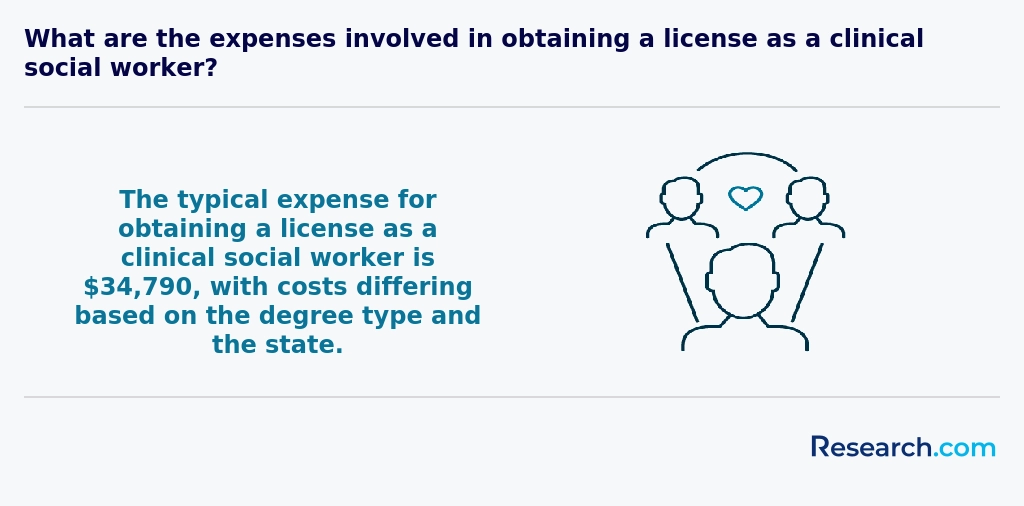
The average cost of an online social work degree in the Northeast typically centers around $39,360, whether you are an in-state or out-of-state student. Graduates from popular universities in this region often share how investing in their education at well-regarded schools brought them invaluable skills and meaningful careers. While tuition rates may seem high, many find that the quality of education and connections made are well worth the investment.
Affordable online social work programs Northeast residents choose often belong to public universities, which tend to offer lower per-credit costs compared to private institutions. For instance, students balancing work and study appreciate programs that recognize the importance of flexibility without sacrificing academic rigor. These programs help pave the way for graduates to excel in real-world social work situations, whether supporting families in urban centers like Boston or advocating for youth in upstate New York.
Students frequently highlight how the journey through an online degree opens doors to rewarding careers and community impact. With tuition complemented by financial aid and scholarships, many find the path accessible and feasible. Exploring resources such as the Council on Social Work Education and state boards can guide prospective learners to make informed choices and embrace the exciting possibilities ahead for their careers.
Embracing online education accessibility means that future social workers can pursue their passion without relocating or pausing their lives. This approach fosters a supportive learning environment, preparing graduates to confidently serve diverse communities across the Northeast and beyond.

Navigating the Best Online Social Work Programs in the Northeast
To find the most suitable online social work program, it is essential to research and compare the various options available in the Northeast. Prospective students can start by exploring the best online social work programs in Pennsylvania, which often serve as a model for programs in other states. When evaluating these programs, consider factors such as accreditation, curriculum, flexibility, and field placement opportunities. By carefully examining these aspects, students can make informed decisions and choose a program that aligns with their career aspirations and personal circumstances, ultimately leading to a rewarding and successful career in social work.
What financial aid is available to online social work degree students in the Northeast?
Many online social work students in the Northeast find financial aid to be a powerful support on their educational journey. Graduates from institutions like the University of Pennsylvania and Boston University often share how federal Pell Grants, which provide up to $7,395 annually, made a huge difference in managing tuition costs without adding debt.
State programs add extra encouragement. For example, students attending in-state schools like SUNY or Northeastern University frequently benefit from New York's TAP or Massachusetts' John and Abigail Adams Scholarship. These awards can significantly lower expenses, turning dreams into achievable goals.
Social work graduates also emphasize the value of scholarships through the NASW Foundation, which target dedicated students passionate about serving communities. These scholarships often reward determination and commitment, inspiring recipients to keep pushing forward.
Moreover, many working adults studying online mention how employer tuition reimbursement programs offer uplifting financial relief, allowing them to balance work and study. With institution-specific aid tailored to online learners, the path to becoming a social worker in the Northeast feels not only possible but supported every step of the way.
Licensure and Certification Requirements
After earning a CSWE-accredited online BSW, graduates must obtain state licensure to practice professionally:
- Graduate a CSWE-accredited bachelor’s program
- Register and prepare for the ASWB bachelor’s exam
- Complete supervised field hours (typically 2,000–4,000) under a licensed social worker
- Submit a licensure application and pay state fees
Northeast variations often include:
- New York: 2,000 supervised hours + LBSW exam
- Massachusetts: 3,500 supervised hours + ASWB bachelor’s exam
Maintaining licensure requires ongoing professional development-usually 20–30 continuing education hours per renewal cycle. Graduates aiming for clinical roles may consider an msw degree to accelerate licensure eligibility and broaden career opportunities.
What are the prerequisites for enrolling in online social work degree program in the Northeast?
Official transcripts and heartfelt letters of recommendation from instructors or supervisors who believe in your potential play a crucial role in opening doors. Imagine the encouragement from mentors who witnessed your growth and are eager to support your path toward becoming a compassionate social worker.
Submitting a personal statement is an empowering chance to share your unique story-your motivations, empathy, and commitment to social justice. Graduates often reflect on how this essay became a defining moment that connected their past experiences with a hopeful future of helping others.
Community service or volunteer experience, though not always required, strengthens your application by spotlighting your genuine passion for social work. Think of the rewarding moments you've had helping others and how they prepare you for real-world impact.
For transfer students, completing 30 to 45 college credits and key courses like psychology and sociology are common prerequisites, ensuring a strong academic foundation. Plus, reliable internet access and basic tech skills will keep you confidently engaged throughout your online classes and field placements.
Accreditation and Licensure Requirements
Choosing an online social work degree program in the Northeast that meets professional standards is essential for ensuring both academic quality and eligibility for licensure. All reputable programs should hold accreditation from the Council on Social Work Education (CSWE), which verifies that the curriculum aligns with national competencies and ethical guidelines. Graduates from CSWE-accredited programs are eligible to sit for the Association of Social Work Boards (ASWB) licensing exams-a critical step toward becoming a licensed bachelor’s-level social worker (LBSW) or progressing to a Master of Social Work (MSW). In addition to national accreditation, state licensing boards impose specific requirements, such as supervised field hours and background checks. For example, New York mandates 400 supervised practicum hours and a clean criminal record for LBSW candidates, while Massachusetts requires 450 hours plus a state jurisprudence exam. Prospective students should verify each state’s criteria early in their search to ensure their chosen program’s practicum structure and support services fulfill these obligations. Programs often provide dedicated licensure support, including workshops on preparing for the ASWB exam, study guides, and connections with approved field agencies. Many also feature online communities where peers and alumni share licensure tips, job leads, and mentorship opportunities. Before enrolling, review each university’s pass rates on the ASWB exam and the availability of career counseling tailored to licensure pathways. For those considering cost-effective options in neighboring regions, our rankings include a detailed comparison in the Midwest. You can explore affordable alternatives via our Affordable Online Bachelor's in Social Work Degree Programs Ranking in the Midwest, which highlights CSWE-accredited programs with strong licensure support and competitive tuition rates.
What courses are typically in online social work degree programs in the Northeast?
Online social work degree programs in the Northeast offer courses designed to inspire and empower students ready to make a difference. Graduates from well-known institutions often share how courses like human behavior in the social environment helped them deeply understand how families and communities interact, fueling their passion to create positive change.
Social welfare policy classes provide essential insights into U.S. social services history and how policies impact vulnerable groups, preparing students to advocate effectively. Many learners find clinical practice courses transformative, as they gain hands-on skills in assessment and intervention, learning to help clients facing mental health or family challenges.
Students from leading Northeastern colleges value their practicum experiences with local agencies, which connect theory to real-world impact. Electives focusing on regional issues like urban social work and trauma-informed care further personalize their training, making graduates ready to serve the diverse communities they call home.
What types of specializations are available in online social work degree programs in the Northeast?
Online social work degree programs in the Northeast offer inspiring specialization options that empower students to make meaningful impacts in their communities. Graduates from popular colleges in this region often choose focuses like clinical social work, which prepares them to provide vital mental health support and counseling services amid growing demand in states such as New York and Massachusetts. Others embrace child and family social work, gaining skills to protect vulnerable children and strengthen families through compassionate advocacy and intervention.
Community outreach is another powerful specialization, with students learning to champion social justice and drive policy change in vibrant urban centers like Philadelphia and Boston. These programs help students connect deeply with marginalized populations and foster hope in areas facing stark social challenges. Many students at well-regarded Northeast schools also pursue elder care or healthcare social work, responding to the region's aging population and expanding medical needs.
These diverse options reflect the depth of online social work specializations Northeast students can explore, each pathway offering unique ways to contribute and grow. For those considering related fields, exploring Arkansas psychology degree programs may also broaden professional horizons.
How do you choose the best online social work degree in the Northeast?
Choosing the best online social work degree in the Northeast means focusing on programs that blend flexibility, affordability, and quality. Graduates from popular universities often share how their schools' CSWE-accredited curriculum prepared them for real-world impact, balancing rigorous coursework with supportive faculty. For many, affordable social work programs Northeast offer the chance to advance without overwhelming debt, enabling them to pursue their passion confidently. Imagine completing your degree while managing work and family, thanks to asynchronous classes and local field placements that reduce travel and stress.
Successful students also highlight the importance of finding programs with strong student services and active instructors connected to the region's social work community. These connections open doors to internships and jobs, building on your knowledge with practical experience. Many graduates encourage exploring financial aid options and staying motivated by envisioning a rewarding career, including opportunities as experienced counselor jobs. This approach ensures your degree not only fits your life but also propels you towards a fulfilling future.

What career paths are available for online social work degree students in the Northeast?
Graduates with an online social work degree in the Northeast find themselves stepping into diverse and impactful career paths. Many become licensed social workers, often achieving the Licensed Clinical Social Worker (LCSW) credential, which opens doors in hospitals, mental health clinics, and private practice settings in cities like Boston and New York. These roles allow graduates to transform lives daily by providing crucial mental health support.
Others channel their passion into child and family social work, assisting children in foster care or supporting families through counseling services. Graduates from respected institutions across the Northeast have shared how rewarding it feels to advocate for vulnerable youth, helping to rebuild hope and stability within communities. Some alumni focus on school social work, enabling students to overcome social and emotional hurdles, fostering resilience and academic success.
Career options also extend into healthcare, community advocacy, and gerontology, making it possible to specialize in areas that match personal interests and strengths. Many students develop a desire to become veteran social workers after engaging with local veterans, illustrating the meaningful connections formed through their studies. These online social work careers in the Northeast ignite a profound sense of purpose, inspiring graduates to create positive change where it matters most.
For those exploring social work degree job opportunities Northeast, the flexible online programs at notable colleges provide the vital knowledge and hands-on experience to thrive in these rewarding fields.
What is the job market for online social work degree in the Northeast?
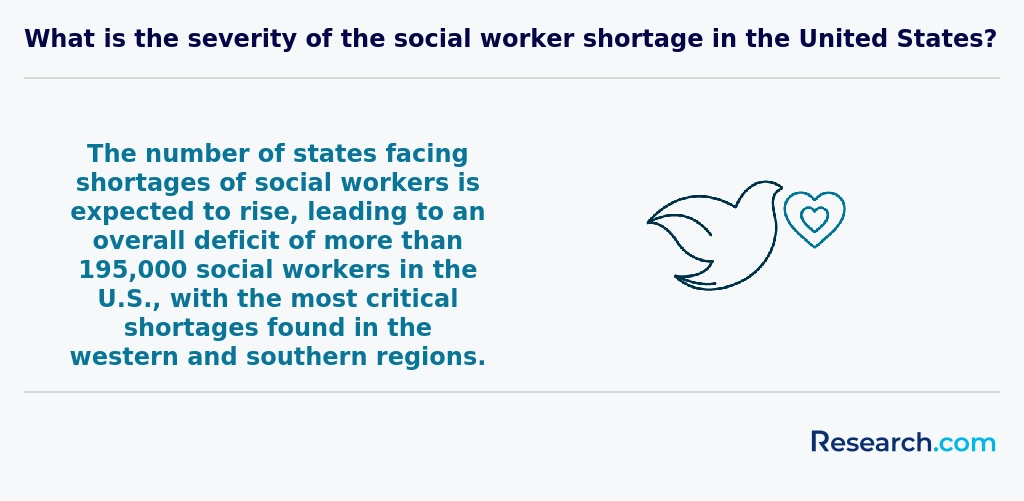
Online social work degree graduates in the Northeast step into a thriving job market filled with meaningful opportunities. With cities like New York, Boston, and Philadelphia offering robust demand, many graduates from well-known regional schools find rewarding positions in healthcare, education, and community services. These roles let them impact lives directly, whether helping families navigate challenges or supporting mental health programs in public schools. Graduates often share how their online programs prepared them well for licensure and practical work.
Choosing an online degree from accredited institutions in the Northeast opens doors to a network of employers valuing their credentials. The region's social work degree employment opportunities Northeast reflect steady growth, especially in nonprofit and government sectors where professionals work with diverse communities. Many students pursuing the best online social work programs in Pennsylvania appreciate how flexible programs fit their busy lives while positioning them for success.
Frequently Asked Questions About social work
Online social work degree students in the Northeast can maximize their learning by actively engaging with their program's digital resources and faculty. Many accredited programs ensure access to live webinars, discussion boards, and virtual office hours, enhancing interaction despite physical distance.
Students should seek internships and field placements approved within their state, as practical experience is crucial in social work education. The Council on Social Work Education (CSWE) requires hands-on learning, and the Northeast offers diverse opportunities in urban and rural settings.
Networking through local social work associations, like the New York State Chapter of NASW, can provide mentorship and career insights. Additionally, staying informed about regional social issues via reports from the New England Journal of Social Work supports practical understanding.
The social work field continues to diversify, with several emerging niches gaining prominence, especially for students pursuing online degrees in the Northeast. One expanding area is geriatric social work, driven by the region's aging population; the U.S. Census Bureau notes a steady rise in residents aged 65 and older across Northeastern states.
Another growing niche is healthcare social work, including roles in mental health and hospital settings, responding to demand for integrated health services. Substance abuse counseling also remains critical due to ongoing opioid challenges in states like Massachusetts and New York, as reported by the CDC.
Additionally, digital and telehealth social work is becoming popular, leveraging technology to deliver services remotely, which aligns well with online education trends and the region's investment in health innovation.
Preparing for the job market after earning an online social work degree in the Northeast involves strategic steps tailored to the region's unique landscape. First, graduates should obtain state licensure, such as the Licensed Master Social Worker (LMSW) or Licensed Clinical Social Worker (LCSW), which is required for many roles. Northeastern states like New York and Massachusetts have specific supervised experience requirements, so understanding these is essential.
Networking is crucial; joining regional organizations like the National Association of Social Workers (NASW) New England chapter can provide local job leads and professional development.
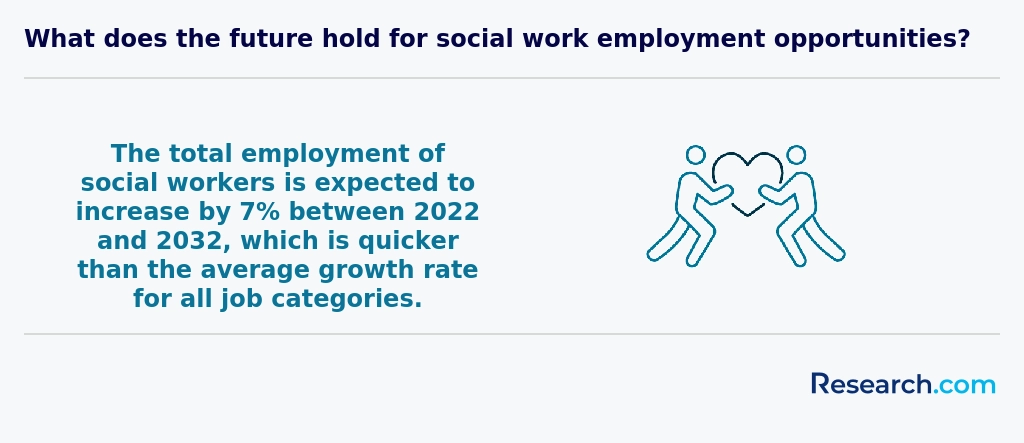
The U.S. Bureau of Labor Statistics reports a steady 12% growth in social work jobs in the Northeast through 2030, highlighting ample opportunities in healthcare, schools, and social service agencies.
Internships and volunteer work during your degree program can improve practical skills and expand your professional connections within the region.
Employers in the Northeast highly value social work graduates who demonstrate strong communication and critical thinking skills. According to the National Association of Social Workers (NASW) Northeast chapter, effective interpersonal abilities are essential for collaborating with clients from diverse backgrounds.
Analytical skills are also important, as they help professionals assess client needs and develop tailored intervention plans. Familiarity with regional social policies and programs can enhance job performance and impact.
Additionally, employers look for proficiency in technology, especially with electronic record-keeping systems increasingly used in social work agencies across states like New York and Massachusetts. Cultural competence remains a key attribute given the region's diversity.
Finding internships in the Northeast for social work students involves leveraging local resources and state-specific networks. Many universities partner with social service agencies, healthcare providers, and schools to offer placement opportunities. The Council on Social Work Education (CSWE) requires accredited programs to support fieldwork, making internships integral to your degree.
In states like New York, Massachusetts, and Pennsylvania, state departments of health and human services often list internship openings. National databases like the CSWE search tool also include listings filtered by region. Additionally, online social work students should contact local nonprofits and advocacy groups directly-internships there often provide hands-on experience.
According to the National Association of Social Workers (NASW) Northeast chapter, about 70% of social work internships in the region are with government or healthcare organizations. Early planning and networking can increase placement success.
Obtaining an online social work degree in the Northeast significantly supports career mobility and advancement. The region has a high demand for licensed social workers, with the U.S. Bureau of Labor Statistics projecting a 12% growth in social work jobs through 2031, above the national average. Accredited online programs allow students to meet state licensure requirements more flexibly, fostering pathways to clinical roles, administration, or specialized fields such as child welfare. Graduates often benefit from established professional networks and field placements within Northeast communities, increasing employability. According to the National Association of Social Workers, higher education correlates strongly with leadership opportunities in the region's social services sector.
Studying for a social work degree in the Northeast offers a solid foundation for interdisciplinary roles by emphasizing collaboration across healthcare, education, and public policy. Many online programs incorporate courses that promote understanding of diverse systems affecting clients. According to the Council on Social Work Education (CSWE), Northeast programs often include cross-disciplinary training in mental health, law, and community services.
The region's dense network of hospitals, schools, and government agencies provides online students with access to varied field placements. This exposure develops skills to coordinate care with professionals from nursing, psychology, and social services, essential in integrated care teams.
Graduates are well-prepared to work within multidisciplinary environments addressing complex social challenges, reflecting workforce demands highlighted by the Bureau of Labor Statistics in the region.
When choosing between a thesis and a non-thesis social work degree program in the Northeast, consider your career goals and learning preferences. Thesis programs focus on research, requiring an extensive project that can prepare students for advanced study or research roles. Non-thesis programs prioritize practical fieldwork and classes, appealing to those aiming for direct social work practice.
In the Northeast, many accredited schools offer both options, reflecting regional demands in social services and academia. According to the Council on Social Work Education, about 40% of students in this region opt for thesis tracks to enhance academic credentials.
Cost and time commitment also vary. Thesis tracks may extend your program by several months due to research demands. Evaluate your professional objectives before deciding.
Students based in the Northeast who pursue online social work degrees often seek opportunities to study abroad through university partnerships and exchange programs. Many accredited institutions in this region, such as those in New York and Massachusetts, offer virtual international field placements or collaborations with social work schools overseas. These programs enable students to gain global perspectives without leaving the United States.
According to the Council on Social Work Education, over 30% of social work programs in the Northeast integrate international components into their curricula. These options usually include virtual seminars with global peers or supervised internships abroad in countries like the UK or Canada. This flexibility benefits students balancing work and study commitments.
Part-time jobs that complement social work degrees in the Northeast often include roles in community outreach, mental health support, and case management. These positions provide practical experience aligned with academic studies. According to the Bureau of Labor Statistics, the Northeast has higher demand for social service assistants, with job growth projected at 12% through 2032, faster than the national average.
Many students find opportunities in nonprofit organizations, healthcare facilities, and government agencies. These roles help develop skills in client advocacy and crisis intervention. Additionally, some universities in the region offer partnerships connecting students with internships or part-time work to enhance their education.
Online social work students in the Northeast benefit from diverse networking opportunities supporting their career growth. Many regional universities offer virtual events, such as webinars and career fairs, connecting students with alumni and local agencies.
The National Association of Social Workers (NASW) has strong chapters throughout the Northeast, providing student memberships and access to mentorship programs, workshops, and conferences. These events foster relationships between faculty, professionals, and students.
Additionally, online students often engage with peers via social media groups and school-sponsored discussion forums. Clinical practicum placements, common in accredited programs, offer real-world networking within social service organizations.
According to NASW's 2023 workforce survey, Northeastern states report steady growth in social work employment, increasing networking value.
Alumni networks play a crucial role for students pursuing online social work degrees in the Northeast. These networks provide valuable connections that can help with job placements and internships in a region where social work demand is growing. According to the National Association of Social Workers (NASW), the Northeast reports higher-than-average employment growth for social workers, making networking essential.
Through alumni events and online platforms, students gain access to mentors who offer career guidance and professional advice. Many schools also share job leads exclusive to their networks, increasing students' chances of employment after graduation.
Research from the Council on Social Work Education highlights that graduates with strong alumni ties experience smoother transitions into the workforce. In the competitive Northeast job market, these networks create opportunities that might otherwise be difficult to find.
Students pursuing online social work degrees in the Northeast can tailor their programs to align with specific career goals by selecting specialized concentrations. Many accredited schools offer options such as clinical social work, school social work, or community organization. Through electives and practicum placements, learners gain experience relevant to their desired field.
The Council on Social Work Education (CSWE) accredits most programs, ensuring quality and relevance to state licensure requirements, which vary across Northeast states. Customizing coursework to meet local regulations is essential for licensure success.
Additionally, students may take advantage of flexible scheduling and part-time enrollment, enabling them to balance professional commitments while focusing on areas like mental health or child welfare.
Online social work students in the Northeast often face challenges related to balancing coursework with personal and professional responsibilities. Many students juggle jobs or family care while managing demanding study schedules. Time management becomes critical for success. Additionally, field practicum placements, a requirement for licensure, can be difficult to secure locally, especially amid high competition in populous states like New York and Massachusetts. According to the Council on Social Work Education, the availability of quality placements remains a barrier for 30% of online learners nationwide.
Technical issues and access to reliable internet also impact students, particularly in rural or underserved areas. Networking and forming connections with peers and instructors in a virtual environment can feel isolating, affecting student engagement and motivation. Understanding state-specific licensure requirements is another hurdle, as regulations vary widely across Northeast states and influence course selection and career planning.
With an online social work degree, graduates in the Northeast can pursue several professional certifications to advance their careers. The most common is the Licensed Social Worker (LSW) credential, which requires passing the Association of Social Work Boards (ASWB) exam. Many states in the Northeast, including New York and Massachusetts, recognize this license, enabling practice in various social work settings.
Additionally, social workers often aim for Licensed Clinical Social Worker (LCSW) certification, which demands additional supervised experience and a clinical exam. This credential allows for independent clinical practice.
Specialty certifications, such as those in school social work or gerontology, are also available to broaden expertise and improve employment prospects. According to the National Association of Social Workers, the Northeast shows strong demand for licensed social workers across multiple sectors.
To write a winning application for an online social work program in the Northeast, focus first on clearly demonstrating your commitment to social justice and community engagement. Admissions committees value applicants who can articulate their motivation and relevant experiences.
Highlight any volunteer or work experience related to social work or human services, especially within Northeast communities. According to the National Association of Social Workers, the region has a growing demand for culturally competent professionals.
Ensure your personal statement is concise and tailored to the specific program, emphasizing your understanding of local social issues.
Strong letters of recommendation from professionals familiar with your skills can boost your application significantly.
A social work career is increasingly viewed through a global lens, emphasizing cultural competence and adaptability. Professionals trained in the Northeast's online social work degree programs gain skills recognized beyond US borders, reflecting the worldwide demand for social justice and community support. According to the National Association of Social Workers (NASW), approximately 700,000 social workers practice in the US, many collaborating on international projects.
Global organizations, like the International Federation of Social Workers, highlight that US-trained social workers often lead in policy development and humanitarian aid. For Northeast students, understanding global social issues enriches local practice, particularly in diverse metropolitan areas such as New York and Boston.
Social work education in the Northeast emphasizes evidence-based approaches and ethical frameworks aligned with worldwide standards, preparing graduates for versatile roles. The region's academic programs often provide access to global case studies, fostering awareness of social disparities on multiple continents.
Gaining practical experience is essential while pursuing an online social work degree in the Northeast. Most accredited programs require field placements or internships that you can complete locally. These opportunities often partner with social service agencies, hospitals, schools, or community organizations in your area.
Students typically commit to 400 to 900 hours of supervised fieldwork, depending on degree level and state requirements. For example, New York's state guidelines stipulate a minimum of 450 field hours for bachelor's social work degrees, ensuring hands-on experience in real-world settings (New York State Education Department).
Engaging in these placements helps develop clinical and community skills vital for social workers. Additionally, many universities provide online career services to help you find suitable local agencies, which makes balancing remote coursework with practical training possible without relocation.
When choosing a concentration within an online social work degree program in the Northeast, start by assessing your career goals. Popular areas include clinical social work, community organization, and school social work, each leading to distinct job roles and licensure routes. For example, clinical social workers often pursue the Licensed Clinical Social Worker (LCSW) credential, which is highly sought after in states like New York and Massachusetts.
Consider regional demand as well: the Northeast has growing needs for social workers in mental health and gerontology due to its aging population, according to the Bureau of Labor Statistics. Research program accreditation through the Council on Social Work Education (CSWE), which ensures quality education and eligibility for licensure exams.
Finally, evaluate available practicum opportunities offered remotely to gain practical experience aligned with your chosen focus.
Top Trending Social Work Rankings
See What Experts Have To Say About Studying Social Work
Read our interview with Social Work experts

References
- Social Work Career Pathways https://socialworklicensemap.com/social-work-careers/pathways/
- Preparing For A Career In Social Work: Tips For New Graduates https://www.tripodpartners.com/career-advice/social-work/preparing-for-a-career-in-social-work-tips-for-new-graduates/
- 1+ Social Worker Cover Letter Examples (with In-Depth Guidance) https://www.tealhq.com/cover-letter-examples/social-worker
- 10 Careers for Social Work Majors https://www.umassglobal.edu/blog-news/careers-for-social-work-majors
- Expected Social Work Salaries By Degree Level https://www.publichealthonline.org/social-work-salaries/
- Grand Challenges for Social Work https://grandchallengesforsocialwork.org/
- Practice & Networking Groups | AASW https://www.aasw.asn.au/about-aasw/practice-networking-groups/
- Compare CSWE Accredited Online MSW Programs https://www.onlinemswprograms.com/online-social-work-degrees/online-schools/
- The Power of Finding Your Niche as a Social Worker https://www.credentialedapparel.com/blogs/news/the-power-of-finding-your-niche-as-a-social-worker
- 13+ Massachusetts MSW Schools & Programs (+CSWE & Online) https://www.mswguide.org/schools/massachusetts/