
2027 Most Valuable Public Health Degree Programs Ranking in Milwaukee

Co-Founder and Chief Data Scientist
Choosing the right public health degree program can shape your future career and impact your community. This article introduces the 2027 Most Valuable Public Health Degree Programs Ranking in Milwaukee, created by the Research.com team of data scientists.
It's designed to help you make an informed decision by highlighting programs that offer strong value and opportunities. Whether you're just starting or considering a switch, exploring these rankings can inspire confidence.
Pursuing a public health degree opens doors to meaningful work that benefits others while providing personal growth. Let's explore the best options Milwaukee has to offer.
Key benefits of getting public health degree in Milwaukee
- The average salaries for public health degree graduates in Milwaukee are competitive, with Environmental Health Specialists earning about $86,710 annually and Health Educators around $69,790, offering financial stability and growth.
- Graduates from local universities often pursue diverse paths like community health work or occupational safety, benefiting from Milwaukee's strong public health network and job opportunities.
- Online public health degrees provide flexibility for busy students in Milwaukee, allowing them to balance work and study while accessing quality education from renowned institutions without relocating.
- 2027 Most Valuable Public Health Degree Programs Ranking in Milwaukee
- What can I expect from public health degree in Milwaukee?
- Where can I work with public health degree in Milwaukee?
What can I expect from public health degree in Milwaukee?
The average cost of obtaining a public health degree in Milwaukee varies depending on the institution, but students attending well-known programs at universities such as the University of Wisconsin-Milwaukee generally encounter tuition fees ranging from $10,000 to $20,000 annually for in-state residents. Graduates frequently recall balancing these costs with financial aid and internship stipends, which help ease the financial burden while gaining practical experience at local public health agencies or community organizations.
Many students appreciate that their investment grants access to rigorous coursework and hands-on projects addressing real Milwaukee health concerns like lead exposure and diabetes. This blend of academic and applied learning underscores the value of the tuition spent. Moreover, public health degree seekers at Milwaukee colleges highlight the rewarding experience of collaborating directly with the Milwaukee Health Department, which enriches their education and fosters a strong connection to the community's wellbeing.
Where can I work with public health degree in Milwaukee?
Graduates with public health degrees in Milwaukee find diverse career opportunities across several key sectors. Many secure roles at the Milwaukee Health Department, actively engaging in community health promotion and emergency preparedness initiatives, just as alumni from the University of Wisconsin-Milwaukee often describe their rewarding experiences participating in local immunization and environmental health programs.
Hospitals and healthcare systems such as Aurora Health Care and Froedtert Health regularly hire these graduates for positions in health education, epidemiology, and outreach. Graduates from institutions like Marquette University appreciate these roles for their direct impact on patient and community wellness amid Milwaukee's growing healthcare landscape.
The nonprofit sector, including organizations like United Way of Greater Milwaukee & Waukesha County, offers fulfilling opportunities to address health equity and manage prevention programs. Graduates frequently highlight the meaningful connections they build while working on substance abuse and chronic disease initiatives in the city.
Academic institutions contribute through research and teaching roles, often welcoming entry-level professionals from Milwaukee-area programs to support community health studies. Some graduates enjoy careers in private industry as well, advising on health data and regulatory compliance for insurance firms and consulting companies, demonstrating the versatility of a public health degree in Milwaukee's dynamic job market.
Graduates with a public health degree in Milwaukee can expect competitive salaries aligned with regional norms and cost of living. Entry-level positions such as community health workers earn a mean annual wage around $52,610, reflecting practical opportunities that Milwaukee-based graduates often pursue shortly after completing their studies. Health educators in the area earn approximately $69,790 annually, a figure confirmed by local employers who actively recruit from institutions like the University of Wisconsin-Milwaukee and Milwaukee School of Engineering.
Mid-level roles such as environmental health specialists and occupational health and safety specialists command higher salaries, with annual means of about $86,710 and $85,570 respectively. Graduates from Milwaukee's public health programs report feeling optimistic about these figures, noting that internship placements with city health departments help translate academic skills into well-paid careers.
These salary outcomes underscore the value of Milwaukee's public health education, which equips students not only with technical expertise but also with community-focused experience, making them competitive candidates locally and beyond.
- Annual tuition for public health degrees in Milwaukee ranges from $9,000 to $15,000 for in-state students at public universities, with private schools charging over $20,000.
- Entry-level salaries average between $45,000 and $55,000, depending on the employer and role.
- Experienced professionals may earn between $65,000 and $85,000, especially in management or research positions.
- The job market in Milwaukee for public health roles is growing at about 10% over the next decade.
- Programs often include practicum opportunities with local health agencies to boost employment prospects.
Completing a public health degree in Milwaukee varies by the level of study and individual circumstances. For undergraduates at institutions like the University of Wisconsin-Milwaukee, earning a Bachelor of Science in Public Health typically takes four years of full-time study, requiring roughly 120 credit hours. Graduates often recall the balance of foundational coursework and electives that made their experience both challenging and rewarding.
Graduate students pursuing a Master of Public Health (MPH) usually invest about two years in full-time study, completing 42 to 48 credit hours focused on specialized areas such as epidemiology and health policy. Many working professionals appreciate part-time options that extend the timeline up to four years, allowing them to integrate studies with job responsibilities.
Doctoral candidates often spend four to six years engaged in advanced research and comprehensive exams. Milwaukee's public universities support these journeys with flexible programs tailored to rigorous academic and personal commitments, helping students successfully navigate the path to their public health careers.
Ensuring your Public Health degree in Milwaukee comes from a CEPH-accredited institution is vital: accreditation by the Council on Education for Public Health (CEPH) guarantees that the curriculum meets national standards, qualifies you for federal financial aid, and is recognized by employers and graduate schools. Most Milwaukee programs-such as those at the University of Wisconsin-Milwaukee and Marquette University-hold CEPH accreditation, which also streamlines eligibility for licensure and professional credential exams. Beyond your degree, earning a professional certification can significantly boost credibility and career prospects. The Certified in Public Health (CPH) credential, administered by the National Board of Public Health Examiners (NBPHE), demonstrates mastery of core public health sciences and is often preferred for leadership roles in policy, epidemiology, and program management. To sit for the CPH exam, candidates typically need an MPH or equivalent; many Milwaukee programs integrate exam-prep modules and offer faculty mentorship to help graduates pass on their first attempt. Additionally, the Certified Health Education Specialist (CHES) credential from the National Commission for Health Education Credentialing (NCHEC) is ideal for those focusing on community outreach and health promotion. For professionals aiming to elevate their impact through research, policy development, or academia, pursuing a doctorate can be the next step. Many graduates report that earning a doctoral degree opens doors to tenured faculty positions, high-level consultancy roles, and leadership posts in global health organizations. For those interested in advanced study without relocating, the best rated online doctorate in public health degrees provide flexible, CEPH-aligned pathways designed for working professionals, ensuring you stay competitive and fully credentialed in today’s evolving public health landscape.
Online public health degree programs in Milwaukee offer exceptional flexibility, ideal for working adults balancing jobs or family commitments. Graduates appreciate the convenience of attending schools like the University of Wisconsin's online offerings, which eliminate commuting and allow study from home. This format supports self-paced learning and helps reduce costs linked to campus fees.
Conversely, traditional on-campus programs immerse students in engaging environments where direct interaction with faculty and peers enriches learning. At institutions such as the University of Wisconsin-Milwaukee, students benefit from community-based practicums and internships that foster practical skills and local networking. Many alumni recall how these hands-on experiences in Milwaukee's diverse public health settings boosted their confidence and career readiness.
Cost differences also shape the decision. While online tuition may be lower due to reduced facility charges, Milwaukee residents often enjoy affordable in-state rates on campus. Both modalities maintain strong CEPH accreditation, ensuring the degree's value remains consistent regardless of delivery style.
As public health challenges evolve, so does the educational landscape designed to equip future professionals with the tools to address them. In Milwaukee, WI, programs are increasingly incorporating innovative teaching methods and interdisciplinary approaches that blend traditional public health studies with emerging technologies and data analytics. For instance, many institutions are now integrating courses on digital health, telemedicine, and health informatics, reflecting the growing importance of technology in disease prevention and health promotion. Furthermore, initiatives that promote community-driven research and partnerships with local healthcare providers are becoming a hallmark of modern public health education. These efforts not only enhance learning but also empower students to tackle contemporary issues with actionable strategies. As you evaluate your options, consider exploring valuable public health programs in wisconsin that are recognized for their forward-thinking curriculum and strong community engagement, ensuring you are well-prepared for the dynamic future of public health.
The average cost of obtaining a public health degree in Milwaukee reflects variations largely influenced by residency status and the institution chosen. For in-state students attending public universities like the University of Wisconsin-Milwaukee, the median in-state total cost is approximately $10,398, making it a financially accessible option aligned with national averages. Out-of-state students, however, can expect the cost to rise significantly, with the median total reaching about $34,882. Graduates from these programs often share that the investment in their education was worthwhile given the quality of instruction and community engagement opportunities available on campus.
Private institutions such as Marquette University typically charge higher tuition fees, with many students experiencing the challenge of balancing these expenses against the comprehensive educational experience and resources offered. Those pursuing public health degrees in Milwaukee report a strong sense of purpose and connection to the city's public health initiatives, often drawing from real-world experiences in local communities to enhance their learning. This practical exposure helps justify the tuition investment, especially when combined with Milwaukee's supportive financial aid landscape.
Understanding the Milwaukee public health degree tuition fees also involves recognizing additional costs, including fees, books, and health insurance, which add to the overall budget. Prospective students are encouraged to explore financial aid options and assistantships that many universities offer. For those interested in evaluating the return on investment and program reputation, Milwaukee offers a range of valuable public health programs in Wisconsin which can be explored here.
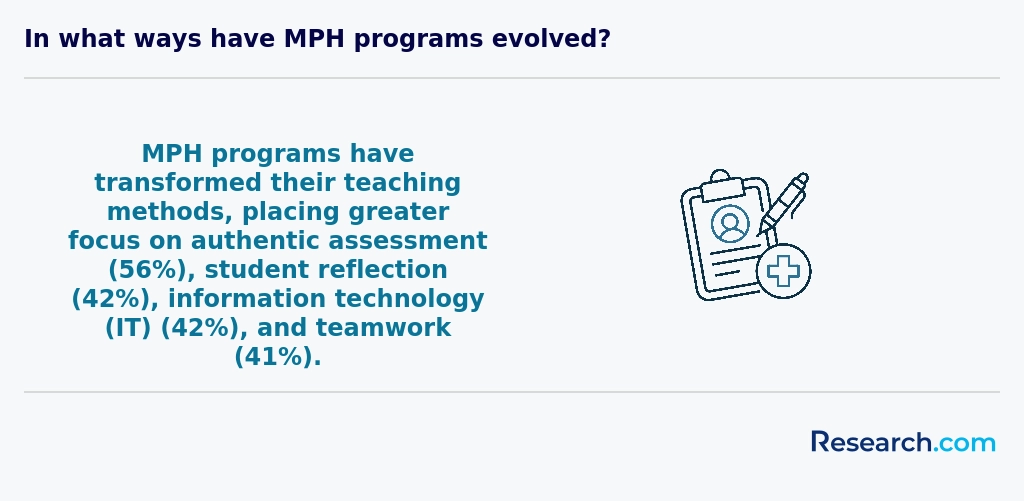
Students pursuing a public health degree in Milwaukee have access to a variety of financial aid options designed to alleviate the burden of tuition and related expenses. Federal aid, particularly through FAFSA, remains a fundamental resource, opening doors to grants, loans, and work-study positions that help many students manage costs at institutions like the University of Wisconsin-Milwaukee.
Need-based grants such as the Pell Grant, which can provide up to $7,395 annually, have made a tangible difference for Milwaukee students facing financial challenges. Graduates often reflect on how merit- and diversity-based scholarships awarded by local universities and community organizations enabled them to focus on their studies without undue financial stress.
- Loan forgiveness programs offered by Wisconsin's Department of Health Services encourage graduates to serve in underserved Milwaukee communities, making public service a rewarding and financially viable career path.
- Healthcare employers locally may support tuition reimbursement, easing the path for those balancing work and education.
- Graduate assistantships at Milwaukee institutions provide stipends and tuition coverage, connecting students directly with impactful public health research.
Private loans are generally a last resort due to higher interest rates. Many Milwaukee students advise early engagement with university financial aid offices to explore tailored aid packages, ensuring a more manageable educational investment and a hopeful outlook toward their public health careers.
Students seeking an affordable pathway to a Public Health degree can expand their search beyond Milwaukee by considering accredited online programs designed to minimize tuition and maximize flexibility. Low-cost online public health degree options often charge per-credit rates well below traditional on-campus fees, enabling learners to complete core courses in epidemiology, biostatistics, and health policy at a fraction of the cost. These programs frequently offer rolling admissions, self-paced modules, and digital resources-ideal for working professionals or non-traditional students balancing multiple commitments. While local institutions like the University of Wisconsin-Milwaukee and Marquette University provide robust on-campus experiences, online programs can reduce expenses on housing, transportation, and campus fees. For example, state-supported online universities may bill as little as $300 per credit hour, compared to in-state tuition rates approaching $480 per credit at some Milwaukee schools. Financial aid, federal loans, and employer tuition assistance further lower out-of-pocket costs, making these digital pathways highly competitive. Prospective students interested in benchmarking the most budget-friendly online offerings can explore the Low Cost Online Public Health Degree Programs Ranking in California, which highlights institutions with the lowest tuition and strongest student outcomes. Many of these programs hold CEPH accreditation and deliver the same rigor found on campus, including virtual internships, synchronous seminars, and capstone projects. By blending Milwaukee’s vibrant public health network with an online program’s cost efficiency, graduates can tailor their educational journey to both their career goals and financial constraints-ensuring they earn a respected credential without compromising community engagement or professional growth.
To enroll in a public health degree program in Milwaukee, prospective students must meet specific academic and experiential prerequisites tailored to local educational standards. Undergraduate applicants typically present a high school diploma, while graduate candidates, such as those pursuing a Master of Public Health, are expected to hold a bachelor's degree from an accredited institution. Public health programs at well-regarded Milwaukee universities often require prerequisite coursework in biology, chemistry, statistics, and social sciences, ensuring students possess foundational knowledge before advancing to complex concepts like epidemiology.
A cumulative GPA of around 3.0 is commonly expected, reflecting a solid academic record. Some programs still request GRE scores, though many are moving toward more holistic admissions. Local graduates frequently emphasize that relevant volunteer or work experience in healthcare or community outreach within Milwaukee's diverse urban environment strengthens applications, fostering a genuine connection to the city's public health challenges.
Applicants also benefit from submitting detailed personal statements that highlight community involvement and motivation, resonating deeply with Milwaukee's focus on serving underserved populations and urban health equity.
Public health degree programs in Milwaukee, offered by institutions like the University of Wisconsin-Milwaukee and the Medical College of Wisconsin, encompass a range of essential courses that equip students to confront urban health challenges. Graduates commonly highlight courses such as Principles of Epidemiology, which deepen understanding of disease patterns and control strategies tailored to city populations.
Biostatistics classes provide practical tools for analyzing health data, a skill frequently applied during internships at local health departments. Environmental Health Sciences courses address Milwaukee-specific issues like industrial pollution and occupational hazards, exposing students to real-world environmental challenges.
Health Policy and Management courses prepare students to navigate and improve complex healthcare systems, especially within underserved urban communities. Social and Behavioral Health classes offer insight into how lifestyle and community dynamics affect health outcomes, a topic frequently explored in capstone projects with Milwaukee-based nonprofit partners.
Graduates often describe these courses as both intellectually stimulating and directly relevant, fostering a strong connection between academic content and the city's public health needs.
Public health degree options in Milwaukee typically include a range of specializations designed to equip students with skills relevant to both local and global health challenges. Graduates from prominent local universities often highlight specializations such as epidemiology, which focuses on tracking disease outbreaks in urban settings like Milwaukee, offering hands-on experiences in public health departments. Health policy and management is another popular path, where students learn to develop healthcare policies that improve service delivery and equity, reflecting the city's diverse population needs.
Other common specializations include community health education, emphasizing direct engagement with Milwaukee neighborhoods to promote wellness and prevent disease, and environmental health, where students address urban pollution and occupational risks given Milwaukee's industrial background. Those pursuing global health gain perspective on health issues beyond U.S. borders, often working with immigrant groups in the city. For those seeking advanced study, many consider the best rated online doctorate in public health degrees to deepen expertise in these areas, ensuring they are well-prepared for impactful careers within Milwaukee's vibrant public health sector.
Students interested in these diverse public health specializations Milwaukee programs offer find their education enriched by collaborations with local health agencies, providing real-world applications and fostering a strong sense of community commitment.
Choosing the best public health degree programs Milwaukee involves evaluating key factors such as program accreditation, curriculum, and cost. Graduates from Milwaukee's top universities often emphasize the value of accredited degrees, particularly those recognized by the Council on Education for Public Health (CEPH), which enhance career prospects and eligibility for federal aid. Many local programs offer strong faculty expertise and practical experiences focused on urban health challenges specific to Milwaukee, such as health equity and chronic disease prevention.
Affordability remains a vital consideration for students seeking affordable public health schools Milwaukee. Local institutions frequently provide competitive tuition rates, especially for in-state residents, along with flexible formats such as part-time and online programs. Graduates report that options accommodating working professionals or family commitments significantly improve their educational experience and success.
Exploring internship opportunities and community partnerships with organizations like the Milwaukee Health Department can also enrich learning and open job pathways. For those comparing costs, the Low Cost Online Public Health Degree Programs Ranking in California offers useful benchmarks for affordability despite its California focus, illustrating the broader landscape of cost-effective options in public health education.
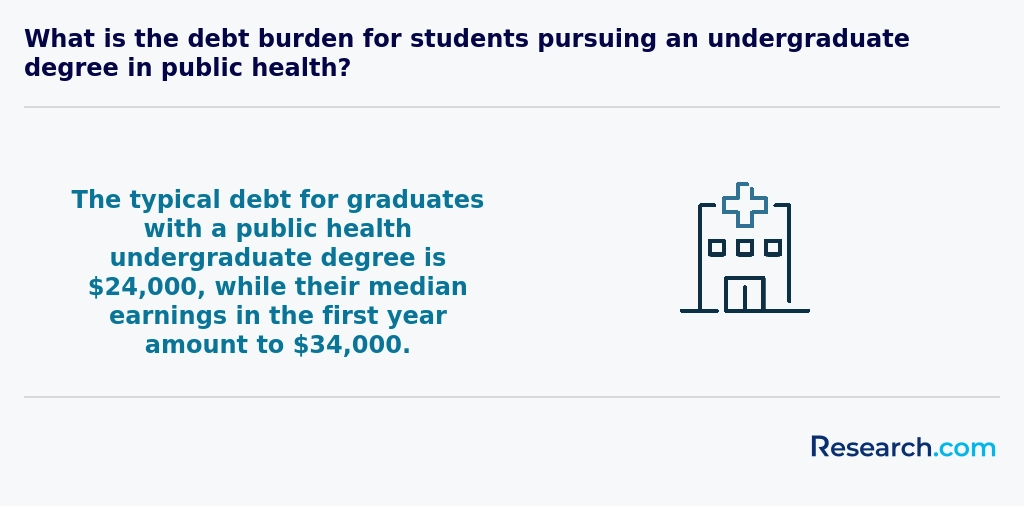
Graduates holding a public health degree in Milwaukee find a range of rewarding career options tailored to the city's unique health challenges and community needs. Many alumni from local universities and colleges step into roles as public health educators, designing impactful programs that address high chronic disease rates and health disparities prevalent in Milwaukee neighborhoods. This practical experience fosters a sense of fulfillment as they witness tangible improvements in community wellbeing.
Other career paths include epidemiology, where professionals analyze local health data to influence policies and manage disease outbreaks through Milwaukee County's public health systems. Graduates often work in health program management, coordinating initiatives in maternal and child health or substance abuse prevention, requiring strong collaboration skills across sectors.
Those pursuing health policy or consultancy roles contribute strategical expertise to improve healthcare access and reduce inequalities within Milwaukee's expanding healthcare industry. Additional opportunities in occupational health, biostatistics, and environmental health reflect the city's industrial and urban environment.
With competitive tuition rates in Milwaukee's institutions, many students benefit from fast online degree completion programs for working adults, making these public health career opportunities Milwaukee offers accessible and attractive.
The public health degree job outlook Milwaukee presents is promising, driven by steady local demand for skilled professionals who can address public health challenges such as chronic illness and health disparities. Graduates from institutions like the University of Wisconsin-Milwaukee often find meaningful employment in government agencies, healthcare systems, and community organizations, where their skills in data analysis and program development are highly valued.
Many Milwaukee public health career opportunities involve roles like community health educator or epidemiologist, allowing graduates to make a tangible impact on urban health outcomes. Local graduates frequently praise the accessible tuition and practical internships offered by Milwaukee universities, which enhance job readiness and foster strong industry connections.
Salary expectations align with national trends, with entry-level positions starting around $45,000 and progressing to over $80,000 for experienced professionals. Students seeking to boost their career prospects also explore certification jobs that pay well, complementing their degree with specialized credentials.
2027 Most Valuable Public Health Degree Programs Ranking in Milwaukee
Investing in your education is a significant decision that can shape your future, and the Research.com team understands the importance of making informed choices. To assist prospective students in Milwaukee, we have meticulously developed the "2027 Most Valuable Public Health Degree Programs Ranking in Milwaukee." Our commitment to quality, credibility, and accuracy is demonstrated through rigorous research and thorough analysis conducted to compile this ranking.
We utilized the following reputable data sources to ensure a comprehensive evaluation of public health degree programs:
By exploring this ranking, readers will gain valuable insights into the most valuable public health degree programs in Milwaukee, empowering them to make well-informed decisions about their educational and professional futures. For a detailed explanation of our methods, please visit our Research.com methodology page.

# 3 position
Medical College of Wisconsin
Master of Public Health

Frequently Asked Questions About public health
Public health degree students in Milwaukee can enhance their education by engaging with local health organizations such as the Milwaukee Health Department and community clinics. Hands-on experience through internships or volunteering allows students to apply classroom knowledge to real-world challenges, particularly in addressing urban health disparities.
Milwaukee's diverse population offers unique opportunities to study health equity, a vital aspect of public health. Participating in research projects or data analysis related to the city's health statistics, available through the Wisconsin Department of Health Services, deepens understanding.
Joining student chapters of national public health associations provides networking and professional growth. Utilizing resources at universities and attending local public health events further broadens practical insight.
Emerging niches in public health are adapting to evolving community needs, especially in urban areas like Milwaukee. One growing field is environmental health, focusing on reducing pollution-related illnesses in the city's industrial zones. Another key area is data science for public health, where professionals use analytics to track disease outbreaks and health trends, improving local response strategies.
Behavioral health is also expanding, targeting mental health services and substance abuse prevention, reflecting Milwaukee's recent public health reports emphasizing these issues. Additionally, global health is gaining traction, linking local public health concerns with worldwide health patterns, especially relevant as Milwaukee's population becomes more diverse.
After earning a public health degree in Milwaukee, preparing for the job market involves targeted steps. Start by gaining practical experience through internships or volunteer roles with local health departments like the Milwaukee Health Department, which offers exposure to community health initiatives.
Networking is vital. Attend events hosted by organizations such as the Wisconsin Public Health Association to connect with professionals and learn about job openings.
Consider certifications such as Certified Health Education Specialist (CHES) to improve your credentials. Milwaukee's healthcare market grows steadily, with the Bureau of Labor Statistics projecting a 16% national increase in public health jobs through 2031.
Stay informed on local health trends by reviewing reports from the Milwaukee County Office of Emergency Management.
Employers seeking public health graduates in Milwaukee prioritize a mix of technical and interpersonal skills. Strong data analysis capabilities are essential, with proficiency in software like SPSS or SAS often demanded. According to the Wisconsin Department of Health Services, the ability to interpret epidemiological data directly impacts community health outcomes locally.
Communication skills are equally vital. Graduates must effectively convey health information to diverse populations, including underserved communities common in Milwaukee. This includes cultural competency and bilingual abilities in English and Spanish, reflecting the city's demographic.
Problem-solving and program management skills help graduates design and implement public health initiatives that address local challenges such as infectious disease control and chronic disease prevention.
Leadership and teamwork are also highly valued to collaborate with healthcare providers and government agencies.
Milwaukee offers several pathways for public health students seeking internships. Local health departments, such as the Milwaukee Health Department, often provide structured internship programs focused on community health initiatives. Universities in the area, including the University of Wisconsin-Milwaukee, typically maintain partnerships with local agencies to help students secure relevant placements.
Additionally, nonprofit organizations like the Hunger Task Force and the Sexual Assault Treatment Center hire interns interested in public health fields. The Wisconsin Department of Health Services also lists internship opportunities on its website, which can be valuable for gaining experience in state-level public health programs.
Students are encouraged to begin their internship search early and connect with university career centers, which can provide updated listings and application advice.
A public health degree significantly enhances career mobility and advancement opportunities in Milwaukee. The city's growing focus on community health initiatives and disease prevention has increased demand for skilled public health professionals. Graduates often find roles in government agencies, hospitals, and nonprofit organizations, all crucial sectors in Milwaukee's health landscape.
According to the Wisconsin Department of Health Services, public health occupations in Milwaukee are projected to grow by approximately 10% over the next decade, outpacing many other fields. This growth supports upward mobility for those with relevant qualifications.
Additionally, earning a degree can open doors to leadership positions, including health program management and policy development, as employers prioritize candidates with formal education and practical training. Milwaukee's public health employers value degrees accredited by the Council on Education for Public Health (CEPH), which supports competitive hiring.
Studying for a public health degree in Milwaukee equips students to work effectively across multiple disciplines by emphasizing a blend of practical skills and theoretical knowledge. Milwaukee's public health programs often incorporate collaboration with local health departments, hospitals, and community organizations, offering real-world experience in diverse settings.
Students learn to address health challenges that intersect with social work, policy, environmental science, and healthcare management. For example, Milwaukee County's public health initiatives show the importance of interdisciplinary approaches to tackle issues like diabetes and lead poisoning, which disproportionately affect urban populations.
Courses typically cover epidemiology, biostatistics, health behavior, and health policy, fostering a well-rounded skill set valuable in many professional roles. Exposure to data analysis and policy advocacy prepares graduates for teamwork across sectors, enhancing their employability in a city that values integrated public health solutions.
When choosing between a thesis and a non-thesis public health degree program in Milwaukee, consider your career goals and learning preferences. Thesis programs involve original research, ideal for students aiming for research roles or doctoral studies. Non-thesis options focus more on practical skills, suited for those seeking immediate employment in public health practice or administration.
Milwaukee's public health sector, supported by organizations like the Milwaukee Health Department, emphasizes applied skills for managing community health initiatives. This aligns well with non-thesis programs.
However, if you plan to engage in academic research or policy analysis, thesis programs provide valuable training in study design and data analysis.
Accredited Milwaukee institutions typically require 36-48 credit hours, with thesis tracks including a significant research project.
Students in Milwaukee interested in studying public health abroad have several pathways through their local institutions. The University of Wisconsin-Milwaukee offers partnerships with international universities, enabling study abroad experiences focused on global health issues. These programs often last a semester and provide exposure to diverse healthcare systems.
Additionally, Marquette University encourages public health students to participate in faculty-led trips and internships overseas, enhancing practical knowledge in global settings. According to the Wisconsin Department of Health Services, incorporating international perspectives is vital, as Milwaukee's diverse population faces complex health challenges influenced by global trends.
Financial aid and exchange agreements can help reduce costs for such experiences, making them more accessible for Milwaukee students.
Milwaukee offers diverse part-time job opportunities that complement public health degree education. Positions such as community health workers, health educators, and research assistants allow students to gain practical experience while studying. According to the Wisconsin Department of Workforce Development, Milwaukee's healthcare and social assistance sector is one of the fastest-growing, projecting growth of 8% from 2022 to 2032.
Local organizations like the Milwaukee Health Department often seek part-time workers for outreach and health promotion initiatives. Public health students can also find roles in nonprofit organizations focusing on substance abuse prevention, chronic disease management, and health equity.
The experience gained in these roles nurtures skills in data collection, public communication, and program evaluation, essential for careers in public health. Additionally, part-time research assistant positions at institutions such as the University of Wisconsin-Milwaukee provide opportunities to engage in local health studies linking education with practical applications.
Public health students in Milwaukee benefit from a variety of networking opportunities through local universities, professional organizations, and community partnerships. Institutions like the University of Wisconsin-Milwaukee and Marquette University often host career fairs and speaker events connecting students with public health professionals.
The Milwaukee Health Department and non-profits such as the Milwaukee Public Health Institute offer internships and volunteer positions, allowing students to build professional experience and contacts. Additionally, Milwaukee hosts chapters of national groups like the American Public Health Association, where students can attend workshops and networking meetups.
According to local employment reports, Milwaukee's public health sector has grown by 7% in recent years, increasing demand for well-connected graduates. These networking platforms enable students to engage directly with employers and community leaders, enhancing their job prospects after graduation.
Alumni networks play a vital role for public health degree students in Milwaukee by providing professional connections and mentoring opportunities. Graduates often share job leads in local health departments, hospitals, and nonprofit organizations, which strengthens students' chances of securing relevant employment. According to the Milwaukee Health Department, networking within the city can lead to employment in agencies focused on chronic disease prevention and community health outreach.
Alumni also facilitate career development through workshops and events. These gatherings help students understand Milwaukee's unique public health challenges such as urban health disparities and lead them to specialized paths. Access to experienced professionals enhances students' preparedness for the workforce.
Moreover, alumni support scholarship programs and internships, which are crucial given the competitive nature of public health roles in the region. Connecting with former students boosts a student's learning beyond the classroom and into Milwaukee's public health ecosystem.
Customizing a public health degree program in Milwaukee allows students to align their education with specific career aspirations. Many local universities offer flexible curriculum options, including elective courses and specialization tracks such as epidemiology, health policy, or community health.
Internships with Milwaukee health agencies or nonprofits provide practical experience and networking opportunities, essential for local public health careers. Additionally, some programs support dual degrees or certificates, enabling students to combine public health with social work or business administration.
According to recent data from the Wisconsin Department of Health Services, focusing on urban health challenges like infectious disease control and health disparities can be especially relevant in Milwaukee. Choosing such concentrations enhances job readiness in the region's public health sector.
Public health students in Milwaukee face several challenges tied to the city's unique health landscape and educational environment. One key issue is addressing local health disparities, as Milwaukee consistently ranks among cities with high rates of chronic diseases, such as diabetes and asthma, particularly in underserved communities, according to the Wisconsin Department of Health Services. This reality requires students to gain practical experience working with complex social determinants of health.
Additionally, access to affordable internships and fieldwork opportunities can be limited. Many students balance coursework with part-time jobs, making time management a significant hurdle. Public health programs also demand strong quantitative skills, which some students find challenging without sufficient math preparation.
With a public health degree in Milwaukee, graduates can pursue several respected professional certifications to enhance their careers. One prominent option is the Certified Health Education Specialist (CHES), which validates skills in planning and implementing health education programs. This certification is nationally recognized and valued in Milwaukee's growing health sector.
Another key credential is the Certified Public Health (CPH) certification from the National Board of Public Health Examiners. It demonstrates mastery of core public health knowledge, which employers in Wisconsin increasingly seek. Additionally, there is the Certified in Public Health (CPH) credential supported by organizations active in the Milwaukee area.
These certifications typically require a degree in public health and passing an exam. Securing one can open doors to roles in government agencies, nonprofit organizations, and healthcare systems within Milwaukee's diverse public health environment, where demand for skilled professionals continues to rise according to the Wisconsin Department of Health Services.
To write a winning application for a public health program in Milwaukee, start by clearly demonstrating your commitment to community health, which is a priority in the region due to ongoing challenges like higher rates of chronic diseases and health disparities reported by the Milwaukee Health Department.
Highlight relevant academic background, volunteer experiences, or work in public health settings, emphasizing any local involvement. Milwaukee-area institutions like the University of Wisconsin-Milwaukee emphasize candidates who understand urban health issues specific to the city.
Strong letters of recommendation from professionals familiar with your potential in public health enhance your application. Additionally, tailor your personal statement to address Milwaukee's unique public health needs, showcasing your knowledge of regional statistics and your desire to contribute solutions.
Prepare to meet or exceed standardized test requirements, if applicable, and ensure all materials are submitted before deadlines to reflect professionalism.
A public health career offers a broad global perspective, emphasizing the prevention of disease and promotion of health worldwide. Professionals in this field work on issues such as infectious diseases, chronic illness, and environmental health, impacting populations beyond local communities.
In Milwaukee, public health degrees prepare students to address both local and international challenges. According to the Milwaukee Health Department, the city faces diverse health concerns, including disparities that mirror global health inequities.
Graduates often engage with global organizations like the CDC or WHO, contributing to global health initiatives. The U.S. educational system emphasizes research, policy, and practical skills to navigate complex global health environments effectively.
Students pursuing a public health degree in Milwaukee can gain practical experience through various opportunities. Many local universities have partnerships with community health organizations, allowing students to participate in internships or practicum placements. For instance, the Milwaukee Health Department offers internship programs that provide valuable exposure to urban public health challenges.
Additionally, students can engage with nonprofit organizations focusing on health education, disease prevention, and outreach programs. According to the Wisconsin Department of Health Services, Milwaukee's diverse population presents a range of public health needs, creating meaningful fields for hands-on learning. Volunteer work and research assistant roles at nearby hospitals and clinics also help develop real-world skills while contributing to ongoing public health initiatives.
Choosing the right concentration in a public health degree program in Milwaukee involves understanding local health needs and career goals. Milwaukee faces challenges such as higher rates of asthma and diabetes compared to the national average, according to the Wisconsin Department of Health Services. Concentrations like epidemiology or community health could prepare students to address these issues effectively. Students should also consider program strengths at Milwaukee institutions, including partnerships with local health departments and access to community-based internships.
Researching faculty expertise and graduate outcomes is key. For example, programs emphasizing urban health may be particularly relevant given Milwaukee's population diversity. Reviewing job market data in Milwaukee can help align education with employment opportunities in public health agencies or non-profits.
- 2027 Most Valuable Public Health Degree Programs Ranking in Chicago
- 2027 Most Valuable Public Health Degree Programs Ranking in Indianapolis
- 2027 Most Valuable Public Health Degree Programs Ranking in Bloomington
- 2027 Most Valuable Public Health Degree Programs Ranking in Saint Paul
- 2027 Most Valuable Public Health Degree Programs Ranking in Minneapolis
- 2027 Most Valuable Public Health Degree Programs Ranking in Saint Louis
- 2027 Most Valuable Public Health Degree Programs Ranking in Columbus
- 2027 Most Valuable Public Health Degree Programs Ranking in Omaha
- 2027 Most Valuable Public Health Degree Programs Ranking in Buffalo
- 2027 Most Valuable Public Health Degree Programs Ranking in Rochester
- APHA Internships & Fellowships https://www.apha.org/professional-development/apha-internships
- Top 15 Places to Look For M.P.H. Jobs - Benedictine University Online https://online.ben.edu/programs/public-health/mph/resources/top-places-to-find-mph-jobs/
- Public Health Jobs | Public Health Jobs in the UK | Publichealthjobs.co.uk https://publichealthjobs.co.uk/
- Students and Alumni associations - Europubhealth https://www.europubhealth.org/students-alumni-associations/
- Today’s Guide to Public Health Certifications https://www.publichealthdegrees.org/resources/public-health-certifications/
- Public Health Challenges – IPA SDG Dashboard https://sdg.internationalpublishers.org/sdgaction/public-health-challenges/
- Financial Aid - Milwaukee Public Schools https://www.milwaukeepublicschools.org/students/cacc/financial-aid
- University of Milwaukee - Zilber School of Public Health - WPHA https://www.wpha.org/page/Zilber
- What do you learn in a bachelor's in public health? | edX https://www.edx.org/resources/what-do-you-learn-in-a-bachelors-in-public-health
- How to carve a niche in your public health career | PH SPOT https://phspot.org/carvinganiche/










