2027 Easiest Online Public Health Degree Programs Ranking in Massachusetts

Co-Founder and Chief Data Scientist
Are you considering pursuing a public health degree but want to find the easiest online programs available in Massachusetts? This article introduces the 2027 Easiest Online Public Health Degree Programs Ranking in Massachusetts, developed by the Research.com team of data scientists. It's designed to guide students like you in making well-informed decisions about which programs truly stand out.
Exploring these options can help you balance your learning journey with life's commitments. A public health degree opens doors to meaningful careers that positively impact communities. Keep reading to discover accessible pathways to advance your education and future.
Key benefits of getting online public health degree in Massachusetts
- Graduates with a public health degree in Massachusetts can expect strong salary opportunities, such as Health Educators earning around $69,790 annually and Environmental Health Specialists making up to $86,710.
- Career paths include roles in community health, safety, education, and environmental health, exemplified by graduates from universities like the University of Massachusetts Amherst who find diverse and rewarding jobs.
- Online public health degrees offer flexibility and convenience, allowing students from institutions such as Northeastern University to balance work and study while gaining valuable skills without relocating.
- 2027 Easiest Online Public Health Degree Programs Ranking in Massachusetts
- What can I expect from online public health degree in Massachusetts?
- Where can I work with online public health degree in Massachusetts?
What can I expect from online public health degree in Massachusetts?
The average cost of an online public health degree in Massachusetts typically ranges between $10,000 and $20,000 per year at public universities, making it a relatively affordable option for in-state students. Graduates from well-known programs, such as those offered by Harvard T.H. Chan School of Public Health or Boston University, often reflect on how the investment in these programs opened doors to meaningful careers in public health without overwhelming financial strain. Many find that scholarships and financial aid opportunities further ease the burden, allowing them to focus on their studies and future impact.
Students appreciate the flexibility of online formats combined with access to state-specific resources and faculty expertise, which enrich their learning experiences. For instance, public health students draw inspiration from real-world challenges like combating opioid abuse in communities such as Boston and Springfield, which deepens their engagement and drives them to apply practical solutions. This blend of affordability, quality education, and real-life applicability makes Massachusetts an attractive place for pursuing online public health degrees.
Where can I work with online public health degree in Massachusetts?
Graduates with an online public health degree in Massachusetts often find themselves working in dynamic environments like the Massachusetts Department of Public Health, where they contribute to disease prevention and emergency readiness. Many alumni from institutions such as Harvard T.H. Chan School of Public Health share how their data analysis skills honed in online courses help them drive impactful epidemiological studies that protect local communities.
Others step into roles at leading hospitals like Massachusetts General, supporting population health initiatives and patient education programs. Graduates frequently express excitement about collaborating on value-based care projects that improve health outcomes across diverse populations.
Nonprofit sectors in Boston also attract public health professionals passionate about health equity and nutrition, with many finding rewarding careers in organizations like the Boston Public Health Commission. Here, program evaluation skills acquired through online learning become essential tools for making a tangible community impact.
Looking ahead, as Massachusetts' health tech and consulting firms grow, graduates see new opportunities emerging in workplace wellness and regulatory compliance, blending traditional public health knowledge with innovative technologies and strategies.
Graduates with online public health degrees from institutions like the University of Massachusetts Amherst or Boston University often find themselves entering roles with starting salaries near $52,610 as community health workers or around $69,790 for health educators. These figures highlight solid earning potential right out of school in Massachusetts's thriving public health job market.
Many alumni share stories of steadily increasing wages as they gain experience and specialize. For example, those moving into environmental health specialist roles see mean wages near $86,710, while occupational health and safety specialists earn close to $85,570 annually. These positions often involve working with urban public health systems in Boston or helping local agencies implement health and safety legislation, making the roles both impactful and financially rewarding.
Online graduates appreciate that Massachusetts's investment in health technology and data-driven public health strategies plays a key role in salary growth. They often report promotions after gaining 5+ years of experience, with wage increases reflecting their expanding expertise and certifications. This bodes well for future public health professionals aiming to combine policy, community engagement, and tech skills for rewarding careers.
- Online public health degree tuition in Massachusetts typically ranges from $20,000 to $40,000, depending on whether the institution is public or private.
- The demand for public health professionals in Massachusetts is expected to grow by about 11% over the next decade, outpacing many related healthcare fields nationally.
- Starting salaries for graduates range from $50,000 to $65,000 annually, with mid-career earnings between $75,000 and $90,000 depending on specialization and employment sector.
- Massachusetts offers diverse job opportunities in healthcare facilities, biotech companies, and public health organizations, including roles in epidemiology and health education.
- Students should choose regionally accredited programs recognized in Massachusetts for licensure or certification, especially for clinical or regulated public health roles.
Completing an online public health degree in Massachusetts usually takes about four years for full-time undergraduates, with flexible options stretching to five or six years for those balancing work or family. Graduates from institutions like the University of Massachusetts Amherst often share how the ability to adjust their course load made their journey feel manageable and empowering, not overwhelming.
For graduate students pursuing a Master of Public Health (MPH), the typical completion time is around two years full-time. However, many programs offer part-time or accelerated tracks, extending the process to three or four years to better fit busy professional lives. Those managing careers have expressed satisfaction with these adaptable schedules, which allow steady progress without sacrificing income or family time.
Emerging trends in competency-based education and credit transfers promise to reshape timelines even further, potentially shortening degree completion while maintaining quality. In Massachusetts, where public health careers are growing rapidly, this flexibility encourages more adult learners to embark on or return to education with confidence that their unique situations are respected and supported.
Online public health degrees in Massachusetts offer remarkable flexibility, especially for graduates balancing work or family. Imagine accessing lectures from a café near the University of Massachusetts Boston, fitting studies around a hectic day without the stress of commuting through city traffic. This asynchronous style empowers learners to engage deeply at their own pace, fostering a strong sense of autonomy and confidence.
Conversely, on-campus programs at institutions like Harvard T.H. Chan School emphasize vibrant face-to-face collaboration. Graduates often recall lively classroom debates and hands-on fieldwork arranged through local partnerships, enriching their understanding with real-time feedback and community engagement. The energy of shared spaces and immediate faculty access nurtures connections that can shape careers.
Both paths require internships, but on-campus students benefit from well-established local placements, while online learners, such as those from Northeastern University, often experience the rewarding challenge of securing diverse practicum sites independently within their communities. As technology and resources evolve, Massachusetts continues to support these dynamic educational journeys.
Online public health degree programs in Massachusetts emphasize supervised fieldwork through practicums and internships with local agencies such as the Massachusetts Department of Public Health, community health centers, and non-profit organizations. These hands-on placements-often referred to as an online public health practicum-typically require 100–200 hours of project-based work, allowing students to apply classroom theories to real-world challenges such as epidemiological surveillance, health education campaigns, and environmental health assessments. Securing a practicum not only fulfills degree requirements but also hones critical skills in program development, policy analysis, and evidence-based evaluation. To build a professional network, many programs offer virtual career fairs, alumni mentorship initiatives, and guest lecture series featuring leaders from the Boston and Springfield health sectors. Engaging with these opportunities can lead to valuable connections with practitioners and potential employers. Participating in state public health associations, student chapters, or community coalitions enhances visibility and often results in tailored internship placements or research collaborations that can transition into full-time roles after graduation. When comparing programs, review each institution’s list of practicum partners, faculty-led field projects, and alumni placement metrics. Consider the quality of supervision, diversity of settings, and flexibility of scheduling, as these factors directly impact your learning outcomes. For broader insights into related allied health fields and structured online curricula, explore our ranking of easiest medical degree programs. By prioritizing comprehensive field experience and strategic networking, online public health students in Massachusetts can confidently enter the workforce with both technical expertise and a robust professional support system.
The average cost of an online public health degree in Massachusetts typically centers around a median total of $49,095, though figures can range significantly depending on residency and institution. For in-state students, tuition can be as high as $67,500, reflecting the state's prestigious educational environment and the comprehensive nature of these programs. Graduates from universities like the University of Massachusetts Amherst often describe the investment as worthwhile, highlighting the strong professional networks and career opportunities they gained online despite the price.
Many students recount balancing the challenge of tuition fees with the benefit of flexible online coursework, which enables them to maintain jobs or family responsibilities while pursuing their degrees. In fact, discussing Massachusetts online public health degree tuition fees often brings up stories of leveraging financial aid and employer tuition reimbursement to manage costs. These supportive options make online learning more accessible and help reduce the weight of tuition expenses over time.
A graduate from a private school such as Northeastern University shared how the higher cost-sometimes exceeding $45,000-came with an intensive curriculum and cutting-edge technology, creating a rewarding learning experience that prepared them well for their career. The combination of rigorous academics and flexibility is a notable trend many students appreciate about studying online public health in Massachusetts.
Exploring different offerings, it's worth noting there are affordable online options. Prospective students may find value by researching programs tailored to their financial and educational goals, like those featured in the affordable public health school in massachusetts rankings. Considering the average cost of online public health degree Massachusetts programs alongside personal circumstances may open doors to fulfilling and financially sensible educational paths.
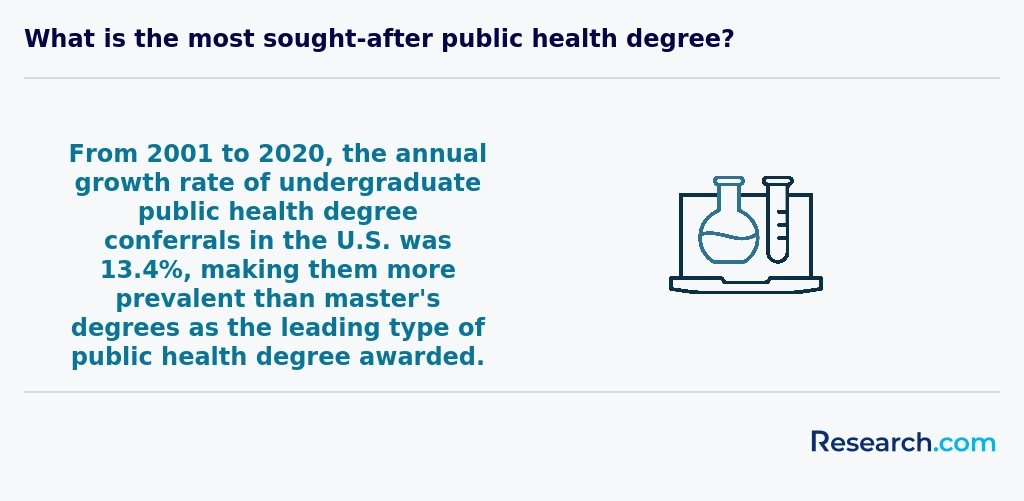
Online public health programs not only provide quality academic content but also cultivate a vibrant virtual community to help students succeed. This section highlights critical aspects such as robust technical support, interactive virtual classrooms, and comprehensive career services that uniquely enhance the online learning experience. Many programs now offer personalized academic advising, online tutoring, and networking opportunities that mirror campus life and encourage peer collaboration. Modern learning management systems, accessible on multiple devices, provide 24/7 access to course materials, discussion boards, and digital libraries, ensuring students can balance studies with personal and work commitments. Additionally, career centers actively connect graduates with internships, mentorship programs, and alumni networks. For example, checking out an affordable public health school in massachusetts can offer insights into programs that invest heavily in student support, ensuring graduates are well-prepared to start rewarding careers in public health.
Students pursuing online public health degrees in Massachusetts often tap into a diverse mix of financial aid that eases their journey. Graduates from well-known institutions like Boston University and UMass Amherst have shared how FAFSA-driven federal aid, including Pell Grants and Grad PLUS Loans, formed a crucial safety net that made continuing education feel achievable rather than daunting.
Many found additional relief through Massachusetts-specific programs such as the State Grant Program, which can significantly offset tuition for residents. Imagine enrolling at Northeastern University and discovering a merit-based scholarship recognizing your community health experience, turning ambition into tangible support. This personalized aid often resonates deeply, boosting motivation and a sense of belonging.
Forward-thinking online programs now explore partnerships with local healthcare employers offering tuition reimbursement, empowering working students to advance without financial strain. Graduates often describe this as a game-changer for balancing work, study, and family responsibilities. Professional associations like MPHA may also grant scholarships aligning with Massachusetts's public health priorities, reinforcing the pathway toward meaningful impact and career growth.
Accreditation is a key indicator of program quality and rigor for any online public health degree in Massachusetts. Most reputable programs hold accreditation from the Council on Education for Public Health (CEPH), the sole agency recognized by the U.S. Department of Education to accredit schools and programs of public health. CEPH accreditation ensures that the curriculum meets national standards for competencies in epidemiology, biostatistics, environmental health, health policy, and social and behavioral sciences. When researching programs, verify CEPH status on both the university’s website and the official CEPH directory to confirm that your degree will be respected by employers, licensing boards, and certification bodies. In addition to CEPH, regional accreditation-such as by the New England Commission of Higher Education (NECHE)-further validates a university’s overall academic quality and institutional stability. Programs with dual accreditation (CEPH and NECHE) typically offer the most comprehensive support services, including dedicated academic advising, online library resources, and career coaching. These services not only enhance learning outcomes but also improve job placement rates, as graduates emerge equipped with both theoretical knowledge and practical skills that meet employer expectations across government agencies, non-profits, and private sectors. Prospective students should also look for programs that actively engage in continuous quality improvement. Indicators include regular curriculum reviews, faculty publications in peer-reviewed journals, partnerships with local public health departments, and outcome data such as graduation rates and employment statistics. For those balancing budget considerations with quality, be sure to explore our sister ranking of affordable programs: Low Cost Public Health Degree Programs Ranking in New Mexico, which highlights accredited options that deliver excellent value without compromising academic rigor. By prioritizing accredited and quality-assured online public health degree programs, students in Massachusetts can confidently invest in an education that is both reputable and aligned with industry standards, paving the way for successful careers in public health practice, research, and policy.
To enroll in an online public health degree program in Massachusetts, students typically need a strong academic foundation combined with practical readiness. Graduates from well-regarded institutions like Boston University and the University of Massachusetts recall meeting prerequisites such as a high school diploma with a solid GPA-usually around 2.5 to 3.0 for undergraduates-and often completed coursework in biology, chemistry, and mathematics. These subjects help students confidently engage with complex public health concepts.
For those pursuing graduate programs such as an MPH, a bachelor's degree with a minimum GPA of about 3.0 is standard. Many graduates highlight how prior exposure to health sciences or statistics boosted their confidence. Some found that professional experience in healthcare enhanced their application, making them feel better prepared for demanding coursework.
With Massachusetts' growing emphasis on technology in education, programs increasingly expect students to demonstrate digital proficiency and reliable internet access, which recent enrollees found empowering for remote learning. Across campuses like Northeastern University, students appreciate how these requirements ease transitions and foster community even from a distance.
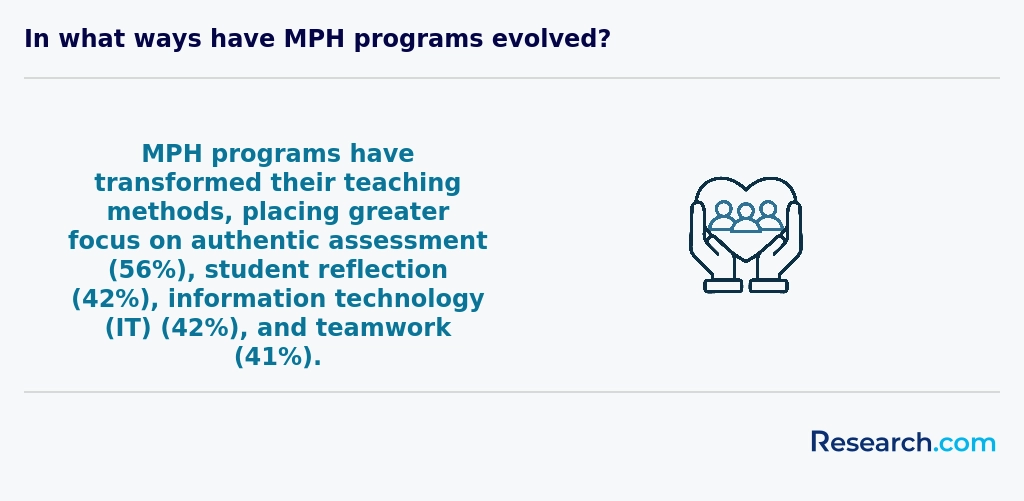
Online public health degrees in Massachusetts typically feature courses like Introduction to Public Health, Biostatistics, Epidemiology, Environmental Health, and Health Policy and Management. Graduates from institutions such as Boston University or the University of Massachusetts often recall how these foundational classes provided clear frameworks for understanding the state's unique health landscape, including urban challenges and coastal environmental factors.
Many students describe how learning Health Policy with a Massachusetts focus deepened their appreciation for local healthcare reforms and insurance regulations, directly connecting coursework to real-world state systems. Practical applications, like analyzing data for community health initiatives in Boston neighborhoods, make Biostatistics and Epidemiology especially relevant and engaging.
Emerging trends also suggest an expansion of courses into social and behavioral sciences, preparing students to address diverse populations and promote equity. Fieldwork opportunities tied to local health agencies offer online learners hands-on experience, making the education both practical and inspiring-many find these moments pivotal to feeling confident about their future public health careers in Massachusetts.
Students pursuing an online public health degree in Massachusetts often explore diverse specializations tailored to emerging health challenges and local priorities. Graduates from universities like Boston University or Northeastern frequently highlight concentrations such as Epidemiology, where they engage in real-world outbreak analysis, and Health Policy and Management, preparing them to shape Massachusetts' healthcare landscape amid ongoing reform efforts. These programs emphasize practical skills and community impact, fostering enthusiasm among learners eager to influence health equity.
Environmental Health is another growing focus, particularly relevant given Massachusetts' urban air quality issues and climate vulnerability. Graduates recall fieldwork involving local environmental assessments, which deepens their connection to place-based health solutions. Additional popular tracks include Global Health and Biostatistics, where students develop strong quantitative abilities essential for analyzing big data trends shaping future public health strategies.
This variety in Massachusetts public health degree concentration options equips students to tailor their education to dynamic, high-impact careers. Many find the flexibility of online study combined with this specialization appealing, echoing feedback from graduates who appreciated balancing work and study while gaining cutting-edge skills. Prospective students might also explore the ranking of easiest medical degree programs to identify paths that align with their strengths and ambitions.
Choosing the best online public health degree Massachusetts offers means looking beyond basic credentials-graduates from well-known institutions like the University of Massachusetts share how a program's alignment with local health concerns, such as urban challenges in Boston or rural disparities in western counties, deeply enriched their studies. These graduates emphasize how courses tailored to state-specific issues made their learning more applicable and personally fulfilling.
Affordability plays a crucial role, especially when balancing life and study; many students find that seeking out affordable public health programs Massachusetts online helps them feel less financial stress while gaining a quality education. Incorporating flexibility into your search is essential: those juggling work or family have thrived in programs offering fully asynchronous schedules with minimal campus visits.
Future-focused students often consider career outcomes; graduates highlight how strong alumni networks within Massachusetts boosted their confidence and job prospects. As workforce demand grows, investigating programs with robust local connections can maximize internship opportunities.
For those weighing cost concerns, exploring resources like the Low Cost Public Health Degree Programs Ranking in New Mexico provides insight into financial options that might inspire similar affordability strategies in Massachusetts.
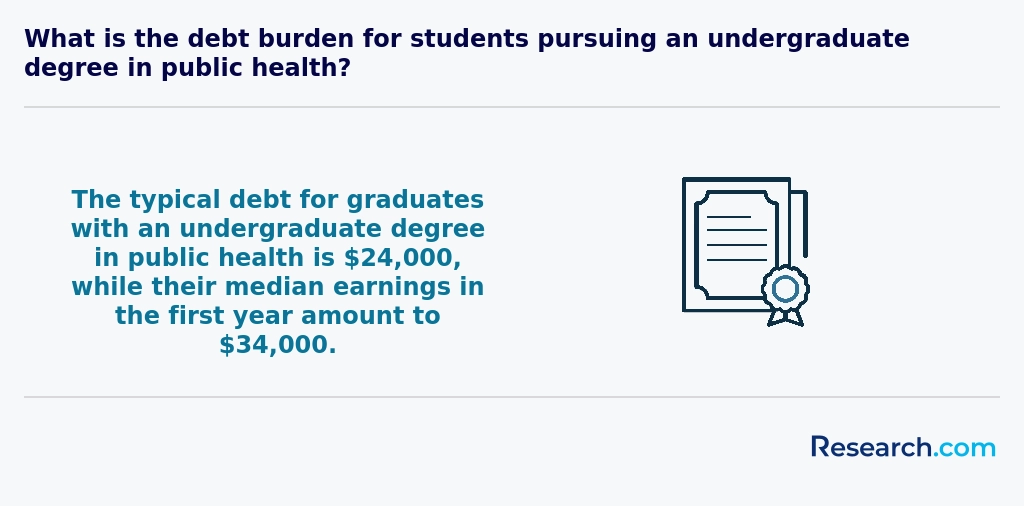
Graduates with an online public health degree in Massachusetts find an expanding range of promising career paths tied to the state's thriving healthcare landscape. Many alumni from prominent institutions like Boston University or the University of Massachusetts embrace roles as public health educators, creating impactful community wellness programs that resonate deeply with local populations. These roles often foster a strong sense of purpose, as professionals collaborate with agencies like the Massachusetts Department of Public Health to tackle pressing health challenges.
Massachusetts public health degree job opportunities also extend into epidemiology, where graduates employ advanced data analytics to predict and curb disease outbreaks. This field is rapidly evolving, powered by collaborations with bodies such as the Boston Public Health Commission. Graduates often share how this work brings both intellectual stimulation and personal fulfillment by directly safeguarding public health.
For those seeking diverse routes, healthcare administration, policy, and environmental health positions reflect the state's commitment to innovation and sustainability. Many feel proud contributing to major hospitals or environmental initiatives. Online learners exploring options may also consider fast bachelor degrees to accelerate their careers.
The online public health job market Massachusetts offers is vibrant and expanding, driven by a state-wide focus on community health and preventive care. Graduates from well-known institutions like the University of Massachusetts and Boston University share stories of landing diverse roles in hospitals, government agencies, and nonprofits soon after completing their degrees. With an expected growth rate of 12% for health educators and community health workers over the next decade, the demand signals numerous opportunities for new entrants.
Graduates often describe their excitement in contributing to pandemic preparedness and health equity projects, which are increasingly prioritized by the Massachusetts Department of Public Health. This environment fosters promising employment prospects for those pursuing a public health degree employment prospects Massachusetts.
Many find flexible online programs allow them to balance work and study, while gaining access to professional networks and continuing education. For those seeking career growth or a career change, exploring the best online certificate programs that pay well can complement their degree and open higher-paying options.
2027 Easiest Online Public Health Degree Programs Ranking in Massachusetts
Investing in your education is a significant decision that can shape your future, and the Research.com team understands the importance of making informed choices. To assist prospective students, we have meticulously developed the "2027 Easiest Online Public Health Degree Programs Ranking in Massachusetts." Our commitment to quality, credibility, and accuracy is demonstrated through rigorous research and careful analysis underpinning this ranking.
We utilized the following reputable data sources to ensure a comprehensive evaluation of public health programs:
By exploring this ranking, readers will gain valuable insights into the easiest online public health degree programs in Massachusetts, allowing them to make confident and informed decisions about their educational journey. For more information on how this ranking was created, please visit our Research.com methodology page.


# 3 position
UMassOnline
Master of Public Health Practice
Frequently Asked Questions About public health
Online public health degree students in Massachusetts can enhance their learning by actively engaging with virtual resources and networking opportunities. Massachusetts hosts a strong public health sector, with over 10,000 professionals contributing to statewide health initiatives, according to the Massachusetts Department of Public Health. Students should leverage local webinars and virtual internships offered by organizations like the Massachusetts Public Health Association to gain practical experience.
Participating in online study groups can foster collaboration and deepen understanding of complex topics. Additionally, making use of digital libraries and research databases available through Massachusetts public universities can improve academic performance.
Time management and consistent communication with faculty also play a vital role in success.
The public health field in Massachusetts is evolving, with several emerging niches gaining attention. One key area is health informatics, which blends data science and healthcare to improve population health outcomes. The demand for professionals skilled in analyzing large health datasets continues to grow.
Another niche is environmental health, focusing on how pollution and climate change affect community well-being. Massachusetts' active role in climate action plans fuels job growth here. Additionally, global health equity is a rising focus, driven by diverse populations in the state and ongoing public health challenges worldwide.
Lastly, behavioral health integration, combining mental health with traditional public health, is expanding as the state responds to increased mental health needs. According to the Massachusetts Department of Public Health, these areas represent promising career paths for online public health degree students.
After completing an online public health degree in Massachusetts, preparing for the job market involves targeted steps. Start by gaining relevant experience through internships or volunteer opportunities with local health departments or organizations such as the Massachusetts Department of Public Health.
Networking is essential; joining professional groups like the Massachusetts Public Health Association offers access to job listings and events. Massachusetts reports a growing demand for public health professionals, with a 5% projected employment increase through 2028, according to the U.S. Bureau of Labor Statistics.
Additionally, obtaining certifications like the Certified in Public Health (CPH) credential can improve job prospects. Tailor your resume to highlight skills in epidemiology, biostatistics, and health promotion that are highly valued in the state's public health sector.
Employers in Massachusetts value public health graduates who demonstrate strong analytical skills, especially in data interpretation and epidemiology. According to the Massachusetts Department of Public Health, proficiency in statistical software like SAS or R is increasingly important for addressing local health challenges.
Communication skills are also critical, as public health professionals need to clearly convey findings to diverse audiences, including policymakers and community members. Leadership and project management abilities help graduates effectively coordinate health programs and interventions.
Knowledge of health equity and social determinants of health is essential given Massachusetts's focus on reducing disparities. Finally, familiarity with public health laws and ethics supports compliance and community trust.
Finding internships in Massachusetts relevant to a public health degree involves connecting with local organizations and utilizing university resources. Many public health programs in Massachusetts maintain partnerships with healthcare providers, government agencies, and nonprofits that offer practical experience.
Key places to seek internships include the Massachusetts Department of Public Health, Boston Public Health Commission, and community health centers. These agencies provide hands-on opportunities aligned with state public health priorities, such as infectious disease control and health equity.
Students should also explore job boards like those on the Massachusetts Public Health Association website and check with their online program's career services. Networking through local public health events can further increase chances of finding internships.
Obtaining an online public health degree in Massachusetts can significantly enhance career mobility and advancement opportunities. The Commonwealth has a growing demand for public health professionals due to its large healthcare sector and numerous public health initiatives. According to the Massachusetts Department of Public Health, employment in this field is projected to grow by over 10% through 2030.
Online degrees provide flexibility for working adults, enabling them to gain relevant skills while maintaining employment. This flexibility helps professionals transition into specialized roles, such as epidemiologists or health policy analysts, which often require advanced credentials.
Graduates from accredited online programs are recognized by employers statewide, supporting career progression in government agencies, hospitals, and nonprofits. Massachusetts ranks among the top states for public health funding, further boosting job prospects for degree holders.
Studying for a public health degree in Massachusetts equips students to work across multiple disciplines essential to modern health challenges. Programs emphasize collaboration between healthcare, policy, environmental science, and social services. This approach reflects the state's diverse population and complex health needs.
Massachusetts is home to top public health institutions that often integrate research and practical training. For example, partnerships with the Massachusetts Department of Public Health provide real-world experience in epidemiology and community health.
According to the Massachusetts Department of Public Health, interdisciplinary skills are crucial for tackling issues like opioid addiction and chronic diseases, which require coordinated efforts.
Online degree formats also allow students to connect with professionals across various sectors, enhancing their teamwork and communication skills.
When choosing between a thesis and a non-thesis public health degree program in Massachusetts, consider your career goals first. Thesis programs focus on research and are ideal if you plan to pursue a PhD or a career in academic or policy research. Non-thesis programs generally emphasize practical skills and coursework, suited for professionals seeking leadership roles in public health agencies or nonprofits.
In Massachusetts, public health employers value both types of degrees, but research-oriented positions often prefer candidates with thesis experience. The Massachusetts Department of Public Health reported steady growth in public health jobs, highlighting the need for applied knowledge and research skills.
Thesis tracks typically require more time and commitment due to research projects, while non-thesis programs can be completed faster. Review program curricula carefully and consider your availability. Consulting academic advisors about your long-term plans can also help guide this important decision.
Students based in Massachusetts interested in studying public health abroad while pursuing an online degree have several options. Many Massachusetts universities with accredited public health programs offer partnerships or exchange opportunities with institutions worldwide. These programs often include virtual global collaborations and short-term international residencies.
For example, the Boston University School of Public Health, located in Massachusetts, engages in global health initiatives which can supplement online studies. Additionally, students can leverage internships or practicum placements abroad that align with their online coursework, gaining valuable international experience without disrupting their degree timeline.
Massachusetts ranks highly in public health education, supported by resources such as the Massachusetts Department of Public Health, which collects data that help inform curriculum relevance. Thus, students have access to a strong foundation while exploring global public health contexts through online degree flexibility.
Part-time job opportunities in Massachusetts that complement online public health degrees often involve roles in healthcare facilities, community organizations, and government agencies. Positions such as health educator assistants, community outreach coordinators, and public health research assistants offer practical experience alongside academic learning.
Massachusetts has a strong public health infrastructure, with the Department of Public Health actively running programs that often seek part-time help. According to the Massachusetts Executive Office of Health and Human Services, there is consistent demand for support in vaccination outreach and health promotion initiatives.
Jobs in nonprofit organizations focused on health equity and chronic disease prevention also provide valuable exposure to public health practices relevant to online students balancing work and study.
Online public health students in Massachusetts have access to a variety of networking opportunities that enhance their educational experience. Many universities offer virtual events, webinars, and discussion groups where students connect with faculty and alumni working in local and state public health agencies.
Professional organizations such as the Massachusetts Public Health Association frequently host conferences and workshops, often open to students, fostering connections with practitioners and policymakers. Additionally, Massachusetts ranks high in public health initiatives, providing practical internship and volunteer opportunities in institutions like the Massachusetts Department of Public Health and Boston's healthcare systems.
Online students can also join specialized LinkedIn groups focused on Massachusetts public health topics, expanding their professional network beyond campus. These resources collectively support career growth and community engagement within the state's public health sector.
Alumni networks provide significant benefits to online public health degree students in Massachusetts by fostering connections with experienced professionals across the state. These networks often facilitate mentorship opportunities, internships, and job placements, which are crucial in a competitive job market. According to the Massachusetts Department of Public Health, the state employs over 6,000 public health professionals, many of whom remain active in alumni groups.
Through regular events and online forums, alumni help current students access the latest industry trends and public health workforce demands. This support enhances students' career readiness and professional growth in Massachusetts' evolving health landscape.
Customizing an online public health degree in Massachusetts allows students to align their education with specific career goals. Many programs offer concentrations such as epidemiology, health policy, or community health, enabling focused study. Some schools provide opportunities for electives or capstone projects tailored to current public health challenges in the state, including addressing opioid addiction or urban health disparities.
Massachusetts has a strong public health infrastructure, with partnerships between universities and agencies like the Department of Public Health. This can provide practical learning through virtual internships or research projects. Students should explore programs accredited by CEPH to ensure quality and relevance.
Flexible course scheduling and part-time options help working professionals customize their pace. Using resources such as the Massachusetts Department of Public Health's data on community needs can guide specialization choices.
Online public health students in Massachusetts often face challenges related to balancing rigorous coursework with professional and personal responsibilities. Many are working adults who must manage their time effectively to meet deadlines and participate in virtual discussions. Technical difficulties, such as unreliable internet connections or unfamiliarity with digital platforms, can also hinder learning.
Another challenge involves access to local practicum opportunities, which are required for many public health degrees. Securing placements in Massachusetts health agencies may be competitive, especially in urban centers like Boston. According to the Massachusetts Department of Public Health, demand for trained professionals is growing, but practical experience remains a bottleneck.
Finally, students sometimes report feeling isolated due to limited face-to-face interaction, affecting peer networking and academic support. Institutions increasingly offer online advising to reduce this issue.
With an online public health degree, you can pursue several recognized professional certifications that enhance career prospects in Massachusetts and beyond. The Certified in Public Health (CPH) credential, offered by the National Board of Public Health Examiners, is highly valued. It verifies a solid foundation in public health knowledge and skills.
Another relevant certification is the Certified Health Education Specialist (CHES), ideal for those focusing on community health promotion and education. The Massachusetts Department of Public Health promotes such certifications to improve statewide public health outcomes. Additionally, the Registered Environmental Health Specialist (REHS) credential is available for those interested in environmental health roles.
These certifications often require a combination of education, experience, and passing an exam, strengthening your professional standing in the competitive Massachusetts job market.
Writing a winning application for an online public health program in Massachusetts requires clear focus and preparation. Start by thoroughly researching the specific program's requirements, as Massachusetts schools often emphasize public health challenges unique to the state, such as urban health disparities.
Highlight relevant experience, including volunteer work or employment in local health departments. According to the Massachusetts Department of Public Health, initiatives addressing opioid addiction and COVID-19 relief have expanded, so mentioning related involvement can strengthen your application.
Craft a compelling personal statement that explains your motivation to improve community health outcomes in Massachusetts. Use data or local examples to demonstrate awareness of state health priorities.
Strong letters of recommendation from professionals familiar with your public health commitment are essential. Also, ensure your academic records meet program standards, as Massachusetts programs often expect a GPA of 3.0 or higher for admission.
Public health careers increasingly emphasize global perspectives, reflecting the interconnected nature of health challenges. Professionals trained in Massachusetts online public health programs are prepared to address issues such as pandemics, climate change, and health disparities worldwide. According to the Massachusetts Department of Public Health, the state has been actively involved in global health initiatives, benefiting from its proximity to leading research institutions.
The U.S. public health workforce, including those with degrees from Massachusetts, often collaborates internationally to improve disease prevention and health promotion strategies. This global approach equips professionals with skills to work in diverse settings, from local communities to international organizations.
Online programs offer flexibility for students to engage with global health topics, integrating data from sources like the CDC and WHO, helping graduates understand health systems beyond the U.S.
Gaining practical experience while studying for an online public health degree in Massachusetts is vital for career readiness. Many programs encourage students to complete internships or fieldwork at local health departments, nonprofits, or hospitals. For example, the Massachusetts Department of Public Health offers internship opportunities that help students apply theoretical knowledge in real-world settings.
Students can also engage in research projects with faculty or public health organizations, often facilitated through partnerships within the state's robust healthcare network. According to the Massachusetts Public Health Association, hands-on experience improves job placement chances after graduation.
Additionally, virtual practicums and community-based projects are increasingly available, allowing flexibility for online learners while building essential skills.
Choosing the right concentration within an online public health degree in Massachusetts begins with assessing your career goals and interests. Popular areas include epidemiology, health policy, community health, and environmental health. Massachusetts, home to leading healthcare institutions, offers strong opportunities especially in health policy and management due to its advanced healthcare system.
Consider the Massachusetts Department of Public Health's priorities, such as chronic disease prevention and health equity, when selecting a focus. Programs aligned with these areas may provide better local job prospects. Additionally, review faculty expertise and available internships in your chosen concentration to gain practical experience.
Accreditation by CEPH (Council on Education for Public Health) ensures the program meets industry standards, which is essential for licensure and employment. Finally, analyze course flexibility, since many online students balance work and study. Research from the Massachusetts Health Policy Commission highlights growing demand in data analytics and health informatics, which may influence your decision.
- 2027 Easiest Online Public Health Degree Programs Ranking in New York
- 2027 Easiest Online Public Health Degree Programs Ranking in Pennsylvania
- 2027 Easiest Online Public Health Degree Programs Ranking in Maryland
- 2027 Easiest Online Public Health Degree Programs Ranking in Virginia
- 2027 Easiest Online Public Health Degree Programs Ranking in Ohio
- 2027 Easiest Online Public Health Degree Programs Ranking in North Carolina
- 2027 Easiest Online Public Health Degree Programs Ranking in South Carolina
- 2027 Easiest Online Public Health Degree Programs Ranking in Michigan
- 2027 Easiest Online Public Health Degree Programs Ranking in Illinois
- 2027 Easiest Online Public Health Degree Programs Ranking in Florida
- Financial Aid Guide https://www.publichealth.org/resources/financial-aid/
- Loading https://www.cpalms.org/PreviewResourceStudentTutorial/Preview/166485
- Pre-Professional Health Experience Guide | PublicHealthOnline.org https://www.publichealthonline.org/pre-professional-experience/
- How to Get Your First Public Health Job - PHERN https://phern.communitycommons.org/early-career-professional-learning-series/how-to-get-your-first-public-health-job/
- Public Health Challenges – IPA SDG Dashboard https://sdg.internationalpublishers.org/sdgaction/public-health-challenges/
- Massachusetts https://www.publichealthdegrees.org/st/massachusetts/
- Master of Science (M.S.) Major in Public Health Education and Promotion (Non-thesis Option) https://mycatalog.txstate.edu/graduate/education/health-human-performance/public-healthed-promo-nonthesis-ms/
- Yes, the Public Health Job Market is Tough, But You’re Tougher! | PH SPOT https://phspot.org/yes-the-public-health-job-market-is-tough-but-youre-tougher/
- Dive deeper into public health topics. https://www.apha.org/topics-and-issues
- Is an Online MPH Right for You? | University of Bridgeport https://www.bridgeport.edu/news/is-an-online-mph-right-for-you/