
2027 Most Valuable Online Information Systems Degree Programs Ranking in the Northeast

Co-Founder and Chief Data Scientist
Choosing the right information systems degree program can feel overwhelming, especially with so many options available in the Northeast. This article presents the 2027 Most Valuable Online Information Systems Degree Programs Ranking in the Northeast, developed by the Research.com team of data scientists to guide you toward programs that truly deliver value.
Whether you want career flexibility or strong job prospects, this ranking will help you make an informed decision. Earning an information systems degree opens doors to exciting opportunities in technology and business, setting you up for success.
Discover programs worth your time and investment as you plan your future.
Key benefits of getting online information systems degree in the Northeast
- Information systems graduates in the Northeast can expect competitive salaries, with typical entry-level roles in IT support or systems analysis often earning between $60,000 and $85,000 annually, offering strong financial stability.
- Career paths for these graduates include roles like business analyst, systems manager, and cybersecurity specialist, reflecting the diverse opportunities available from institutions like Northeastern University.
- Online information systems degrees from respected schools such as the University of Massachusetts offer flexible schedules and the ability to balance work and study, making education more accessible without sacrificing quality.
What can I expect from online information systems degree in the Northeast?
The average cost of an online information systems degree in the Northeast is typically competitive and often aligns closely with in-state tuition rates, making it accessible for many local students. Graduates from respected institutions like those in New York or Pennsylvania often share how manageable tuition combined with financial aid helped them balance work, school, and life. One graduate recalled funding their degree through a combination of employer tuition reimbursement and scholarships, which eased financial stress and allowed them to focus on mastering systems analysis and cybersecurity.
These programs aim to deliver excellent value, offering practical skills alongside business acumen without forcing students to uproot their lives. Whether attending a university in New Jersey or Massachusetts, students often find the cost reasonable compared to the level of support, networking opportunities, and rigorous, real-world training included in the curriculum.
Knowing that tuition won't break the bank lets many embrace their studies with confidence and excitement for the career ahead.
Where can I work with online information systems degree in the Northeast?
Graduates with an online information systems degree from well-regarded Northeastern schools often find themselves stepping confidently into vibrant job markets. Whether based near Boston's tech corridor or New York City's bustling financial districts, these professionals are welcomed into roles like systems analysts, IT managers, and cybersecurity specialists. Many alumni from institutions with strong online programs share stories of landing positions managing complex data systems for hospitals or overseeing robust networks at major banks.
Imagine working in Philadelphia's growing healthcare sector, where your skills protect patient information, or joining government agencies in Washington, D.C., securing critical infrastructure. These real-life opportunities are tangible outcomes for online graduates who engage deeply with their curriculum and local industry connections.
The dynamic tech hubs across New Jersey and Massachusetts make it possible to enter rapidly expanding fields like cloud computing and data analytics. If you seize internships or remote projects while studying, you'll enhance your resume, opening doors in sectors that value your expertise. The Northeast's diverse economy means your career path can be as unique and flexible as you want it to be.
How much can I make with online information systems degree in the Northeast?
Graduates with an online information systems degree in the Northeast typically start with salaries ranging from $65,000 to $80,000, especially in roles like systems analyst or network administrator. Many students from well-regarded schools around Boston or New York find these entry points realistic and motivating as they launch their careers. Early in your journey, you might work remotely for a financial firm or healthcare provider, gaining valuable experience while earning a solid wage.
With dedication and by earning certifications such as CISSP or PMP, professionals often see their earnings climb well past $110,000 within a few years, especially if they move into management or specialized areas like cybersecurity. Graduates frequently report that the strong tech ecosystems around universities in the Northeast accelerate their growth and recognition in the local job market.
Think of yourself building not just skills but a network in cities like Boston or NYC, where employers highly value information systems expertise. This combination often results in sustained income increases that surpass national averages and open doors to exciting career paths.
- Key benefits of getting online information systems degree in the Northeast
- What can I expect from online information systems degree in the Northeast?
- Where can I work with online information systems degree in the Northeast?
- How much can I make with online information systems degree in the Northeast?
- How do we rank schools?
- 2027 Most Valuable Online Information Systems Degree Programs Ranking in the Northeast
- What online information systems degree graduates have to say
- Key Findings
- How long does it take to complete online information systems degree in the Northeast?
- What's the difference between online and on-campus information systems degree?
- What is the average cost of online information systems degree in the Northeast?
- What financial aid is available to online information systems degree students in the Northeast?
- What are the prerequisites for enrolling in online information systems degree program in the Northeast?
- What courses are typically in online information systems degree programs in the Northeast?
- What types of specializations are available in online information systems degree programs in the Northeast?
- How do you choose the best online information systems degree in the Northeast?
- What career paths are available for online information systems degree students in the Northeast?
- What is the job market for online information systems degree in the Northeast?
- Frequently Asked Questions About information systems
- Top Trending Information Systems Rankings
How do we rank schools?
Investing in your education is a significant decision that requires careful consideration, and the Research.com team is committed to supporting you in making informed choices. To provide clarity for prospective students seeking online information systems degrees in the Northeast, we have meticulously developed the "2027 Most Valuable Online Information Systems Degree Programs Ranking in the Northeast." Our dedication to quality, credibility, and accuracy is demonstrated through thorough research and rigorous analysis. We used the following reputable data sources to compile this ranking:
By exploring this ranking, readers will gain valuable insights into the most valuable online information systems degree programs in the Northeast, empowering them to choose a program that best aligns with their career goals and educational needs. For more details on our methodology, please visit our Research.com methodology page.
2027 Most Valuable Online Information Systems Degree Programs Ranking in the Northeast
# 1 position
Penn State University Park
Master
Penn State University Park offers a Master's program in Information Technology with a graduation rate of 86%. The program has a less selective acceptance rate of 61%, making it accessible to many applicants. Approximately 14,000 students are enrolled online, and 67% of students receive moderate financial aid. The average total cost of the degree is $34,200, providing a comprehensive education in the IT field.
# 2 position

The New Jersey Institute of Technology offers a Master's program focused on Information Technology with a less selective acceptance rate of 65%. The program has a graduation rate of 73% and enrolls 3,064 online students. The average total cost is $36,330, and 95% of students receive high levels of financial aid, making education more accessible for many applicants.
# 3 position

The Master's program at Stevens Institute of Technology focuses on Information Technology and accepts students at a moderately selective rate of 48%. The graduation rate is notably high at 87%, reflecting strong student success. The average total cost for the program is $51,480. Financial aid availability is high, with 99% of students receiving some form of assistance.
# 4 position
Villanova University
Bachelor
Villanova University offers a Bachelor's degree in Information Technology with a selective acceptance rate of 27%. The program spans 12 months and has a high graduation rate of 92%. About 69% of students receive moderate financial aid. The average total cost of the program is $147,254. There are currently 2,823 online students enrolled, indicating strong interest and flexibility for remote learners.
# 5 position

The University of Massachusetts Dartmouth offers a Bachelor's degree focused on Business that can be completed in 24 months. The program has an open admission policy with a 91% acceptance rate. About 52% of students graduate. Nearly all students (99%) receive financial aid, indicating high support availability. The average total cost is $43,080. There are 1,855 online students currently enrolled in this program.
# 6 position
University of Maine
Master
The University of Maine offers a Master's program in Information Technology designed to be completed in 24 months. It has an open admission policy with a 97% acceptance rate, making it accessible to most applicants. The program averages a total cost of $17,280. About 99% of students receive financial aid, indicating a high level of support. The graduation rate is 55%, and the program has an enrollment of 5,800 online students.
# 7 position
Champlain College
Bachelor
Champlain College offers a Bachelor's degree focused on Information Technology with a high acceptance rate of 83%, indicating an open admission policy. The college serves 2,200 online students and has a graduation rate of 65%. Nearly all students, 99%, receive financial aid, reflecting a high level of support. The average total cost of the program is $38,160, providing a clear overview of the financial and academic aspects for prospective students.
# 8 position
Albertus Magnus College
Bachelor
Albertus Magnus College offers a Bachelor program focused on Information Technology with a less selective acceptance rate of 59%. The program boasts a graduation rate of 51% and enrolls 844 online students. Tuition costs average $216,000, reflecting a significant investment in education. The college provides high levels of financial aid, with 100% of students receiving some form of assistance, supporting accessibility for many applicants.
# 9 position
Drexel University
Master
Drexel University offers a Master's program focused on Information Technology with an open admission acceptance rate of 79%. The program has a graduation rate of 78%, reflecting a strong student success rate. It serves a large online community with 5,000 enrolled students. Additionally, all students benefit from high levels of financial aid, with 100% receiving support throughout their studies.
# 10 position
Thomas Edison State University
Bachelor
Thomas Edison State University offers a Bachelor program focused on Information Technology, catering to a substantial online student body with 10,632 enrolled learners. While specific details regarding graduation rate, program length, cost, financial aid, and acceptance rate are not available, the university provides a robust option for students seeking an online degree in this field.
What online information systems degree graduates have to say
- Emily: Earning my online Information Systems degree from Northeastern University gave me flexibility without sacrificing quality. The well-structured curriculum and supportive professors helped me balance work and study effectively, boosting my confidence and career prospects in tech. This program truly prepared me for real-world challenges.
- Jordan: Studying at Penn State World Campus was transformative. The interactive online lectures and collaborative projects made learning dynamic and engaging despite the distance. I appreciated the strong alumni network and career services, which opened doors to exciting job opportunities in IT management.
- Sophia: My experience with the University of Connecticut's online Information Systems degree was outstanding. The program's focus on emerging technologies and hands-on labs enriched my skillset. I felt connected through vibrant virtual communities, making the Northeast's academic excellence accessible from home.
Key Findings
- Online information systems degrees in the Northeast typically cost between $15,000 and $35,000 for the entire program, varying by school type and residency.
- Public universities offer lower tuition for in-state students and competitive rates for online learners from other states.
- Entry-level salaries for graduates range from $60,000 to $75,000 annually, with mid-career salaries reaching $90,000 to $120,000 or more.
- Employment for computer and information systems managers in the Northeast is expected to grow by about 10% through 2030.
- Programs often include courses on data management, cybersecurity, and business analytics, aligning with industry certifications.
- Networking opportunities through virtual internships and partnerships with local businesses help in job placement after graduation.
How long does it take to complete online information systems degree in the Northeast?
Completing an online information systems degree in the Northeast is an exciting journey that offers flexibility tailored to your lifestyle. Many graduates from well-known institutions in New York, Massachusetts, and Pennsylvania report finishing their bachelor's degrees in about four years when studying full-time, just like the traditional path. Some have accelerated their studies, leveraging intensive course loads and summer sessions, finishing in roughly three years-a great option if you're eager to dive into your career sooner.
Others balancing work and personal commitments choose part-time study, extending their timeline to five or six years, but gaining valuable real-world experience alongside their education. For master's degree seekers, programs typically span 18 months to three years. Those committed full-time often graduate within two years, while part-time learners enjoy the freedom to stretch their studies up to three years without pressure.
This flexibility, common at schools like Northeastern University and the University of Pittsburgh, lets you tailor your pace. Picture managing your coursework between work meetings or family time-this balance is not only possible but empowering in these online formats.
What's the difference between online and on-campus information systems degree?
Online information systems programs, like those offered by Drexel University or Northeastern University, grant you the freedom to learn at your own pace while juggling work or family. Imagine attending lectures from your favorite coffee shop or late at night after your kids are asleep-this flexibility is a game-changer for many graduates who balanced full-time jobs while earning their degrees.
On-campus programs, however, immerse you in vibrant tech communities like Boston or New York City, where face-to-face collaboration, hands-on labs, and campus resources create a dynamic learning atmosphere. Graduates often recall the energy of brainstorming sessions and networking events that sparked valuable career connections.
Cost varies too-public universities in the Northeast tend to be more affordable on campus, averaging $10,000 to $15,000 per year, while private schools may charge more for both formats. Online students save commuting and housing expenses, but must be tech-savvy and self-motivated.
Choosing between these paths depends on your lifestyle and goals, but either way, the degree you earn holds strong value in the evolving tech landscape here in the Northeast.
What is the average cost of online information systems degree in the Northeast?
The average cost of an online information systems degree in the Northeast typically falls around $38,000, but this number can vary depending on whether you attend a public or private institution and whether you qualify for in-state tuition. For instance, many graduates from well-known public universities in the region share how the financial investment felt balanced when they benefited from in-state rates around $23,000. Out-of-state students generally face higher costs, often near $24,870, which is still reasonable compared to some private alternatives.
Private universities in the Northeast tend to set a steeper price, yet they often bring strong academic reputations and extensive regional business connections that many students value. Graduates from such programs describe their educational journey as an investment that unlocked career doors in vibrant tech hubs throughout the region. When considering the affordable online information systems programs Northeast offers, it's crucial to weigh both price and potential return, including financial aid or scholarships that can significantly reduce expenses.
Many students find that their total cost includes fees beyond tuition such as technology access and course materials. Those who navigated these challenges successfully often explored additional financial relief options, including employer tuition reimbursement. To find a fit that meets both your budget and career aspirations, it might help to compare available options closely. If you're interested in related fields, consider programs like health information management degree online as well.
What financial aid is available to online information systems degree students in the Northeast?
When pursuing an online information systems degree in the Northeast, financial aid is an essential lifeline that many students rely on to make their education affordable. Graduates from schools like Northeastern University and Syracuse University often share how federal Pell Grants, offering up to $7,395 annually, helped reduce their tuition burden significantly. Applying early with the FAFSA opens doors to these grants and low-interest federal loans, giving flexibility to manage repayment after graduation.
State aid programs, such as New York's Tuition Assistance Program (TAP), provide targeted support for in-state online students, often awarding up to $5,665. This kind of localized help was a game-changer for many students balancing work and studies, allowing them to continue without overwhelming debt.
Universities themselves frequently offer scholarships based on merit or professional experience, and some collaborate with employers to maximize tuition assistance benefits. These opportunities reflect a practical approach seen at institutions like Boston University and Rochester Institute of Technology, where leveraging multiple funding sources transformed students' educational journeys into achievable realities.
What are the prerequisites for enrolling in online information systems degree program in the Northeast?
To enroll in an online information systems degree in the Northeast, you'll first need a high school diploma or equivalent-this foundational step is what graduates from well-known institutions like Northeastern University emphasize as essential. Beyond this, many programs ask for transcripts showing solid coursework in math and introductory technology, reflecting the practical skills you'll build early on. Imagine applying to a school near Boston, where students recalled how their strong algebra and computer science backgrounds eased their transition into advanced subjects.
Standardized test requirements are becoming flexible; numerous colleges around New York and New Jersey now offer test-optional paths, welcoming diverse learners including working professionals. For those aiming at master's level degrees, a relevant bachelor's degree or completing prerequisite classes is typically required, just as some graduates from Carnegie Mellon's online programs found helpful to bridge gaps.
Work experience also counts. Many students who balance jobs and studies highlight how their IT roles enhanced their grasp of course concepts and enriched classroom discussions. Supplement your application with compelling letters of recommendation and a statement of purpose-these materials powerfully showcase your motivation and readiness to thrive in an online setting specific to the Northeast's dynamic tech landscape.

What courses are typically in online information systems degree programs in the Northeast?
When pursuing an online information systems degree in the Northeast, you'll engage with courses that carefully blend technical know-how and business strategy-key to thriving in today's competitive job market. Graduates from top schools like those in Boston or New York often highlight how foundational classes such as Introduction to Information Systems gave them clarity on how IT fuels business success, transforming abstract ideas into concrete career paths.
Core courses typically include Database Management, where students master SQL and data modeling, essential for managing the flood of business information. Systems Analysis and Design equips you with the skills to dissect complex organizational needs, just as successful alumni recall applying these concepts while leading real projects remotely during their studies.
Other staples like Networking Fundamentals and Information Security prepare you to safeguard vital data, a critical ability in finance and healthcare sectors prevalent in the Northeast. Plus, courses in Programming for Information Systems and Project Management round out your toolkit, enabling you to launch IT solutions and lead teams efficiently.
Many programs also offer electives-like cloud computing or analytics-allowing you to customize your learning to fit your ambitions. These curricula mirror the tech-business ecosystems of Northeastern cities, setting you up to succeed in dynamic local industries.
What types of specializations are available in online information systems degree programs in the Northeast?
Online information systems degree specializations Northeast programs often focus on areas like cybersecurity, data analytics, software development, and project management. Graduates from popular universities in Boston or New York frequently share how cybersecurity training empowered them to tackle real-world threats, preparing for roles in government or finance sectors where demand is high. These specializations aren't just theory-they're practical skills shaping your career path.
Data analytics in these programs is particularly vibrant, with tools like SQL, Python, and Tableau integrated to help students transform raw data into meaningful business insights. Many graduates highlight how this specialization expanded their opportunities in business intelligence, fitting the growing tech hubs in the Northeast.
Software development and project management tracks also attract many because they blend technical mastery with leadership skills. These pathways are ideal for students inspired to lead IT teams or develop innovative applications. If you're curious about managerial roles after graduation, exploring information systems career paths Northeast region studies reveals that nearly 40% of alumni pursue leadership positions within five years.
Cost considerations matter too-online degrees here usually range from $20,000 to $45,000. Some students balance investment and outcomes by researching specialized career insights, including health information manager salary trends, to make informed decisions.
How do you choose the best online information systems degree in the Northeast?
When choosing the best online information systems degree in the Northeast, focus first on accreditation. Graduates from well-regarded programs at universities like Northeastern or Syracuse often share how ABET or Middle States accreditation assured them their degree held real value in the job market. Programs blending technical skills-like cybersecurity and databases-with business classes make all the difference when juggling busy lives, especially in a region where flexible pacing fits so many working students' lifestyles.
Cost is important, too. Many students find that balancing affordability with quality means looking into affordable information systems programs Northeast offers, where tuition sits near public university averages. Don't overlook student support services either; virtual advisors and career counselors proved invaluable to those who wanted practical guidance during their journey. Successful graduates often highlight networking opportunities that Northeast colleges provide through internship partnerships, opening doors to careers in top tech firms.
For those ready to dive deeper, programs modeled after accelerated computer science degree online paths can inspire how to accelerate your growth in this dynamic field.

What career paths are available for online information systems degree students in the Northeast?
Graduates of online information systems degree programs in the Northeast find themselves well-positioned for a variety of fulfilling careers. Many step into roles such as systems analyst, IT project manager, or cybersecurity analyst, leveraging their skills to solve complex problems in bustling tech hubs like Boston and New York. For instance, graduates from well-known universities in the region often share stories of contributing to cybersecurity initiatives that protect major financial institutions-experiences that bring both pride and practical expertise. This region's strong tech and business environment opens doors to diverse opportunities, making an online information systems career opportunities Northeast especially promising.
Others thrive as database administrators or health information managers, playing vital roles in the healthcare systems that are rapidly adopting advanced electronic records. The blend of healthcare and technology creates rewarding pathways for those passionate about innovation and public service. Many students appreciate how their programs prepare them for these paths while balancing work and study. If you aim to accelerate your journey, consider exploring the fastest cyber security degree options available to build specialized skills quickly.
What is the job market for online information systems degree in the Northeast?
The job market for graduates with an online information systems degree in the Northeast is vibrant and full of opportunity. Graduates from well-known universities are quickly finding roles in major cities like New York City and Boston, where tech firms, financial institutions, and healthcare providers eagerly seek skilled professionals to manage their digital infrastructure. One graduate shared how their ability to balance online coursework with full-time work made transitioning into a cybersecurity analyst role seamless in a competitive ecosystem.
With demand growing faster here than the national average, especially in areas like systems analysis and database management, there are strong career prospects Northeast for information systems degree holders. Employers in this region value a blend of technical skill and business acumen, so graduates who augment their degree with certifications or a data analytics master's degree stand out even more.
Those pursuing online information systems jobs Northeast can expect competitive salaries ranging from $95,000 to $125,000 in these metropolitan hubs, reflecting both the cost of living and the critical nature of their roles. The flexibility of online programs from respected institutions allows you to gain these in-demand skills while building a network connected to the heart of the Northeast's digital economy.
Frequently Asked Questions About information systems
Students pursuing online information systems degrees in the Northeast can maximize their learning by actively engaging with interactive course materials and virtual labs. The region is home to several accredited institutions, such as Northeastern University and Syracuse University, offering programs aligned with industry needs. According to the National Center for Education Statistics, enrollment in online IT-related programs increased by 23% in the Northeast from 2019 to 2022, highlighting rising demand.
Building professional networks through virtual meetups and regional career services enhances job prospects. Additionally, utilizing resources from local technology hubs like Boston's Innovation District can deepen practical skills. Staying current with certifications such as CompTIA or Cisco also supports academic knowledge with marketable expertise.
The field of information systems is rapidly evolving, with several emerging niches gaining prominence in the Northeast's academic and professional landscape. Cybersecurity remains a critical focus, driven by growing threats to data and infrastructure. According to the Bureau of Labor Statistics, cybersecurity jobs are expected to grow 33% nationwide by 2031, with strong demand in Northeast metropolitan areas like Boston and New York City.
Another key niche is data analytics and business intelligence, where specialists use advanced tools to interpret complex data and guide corporate decisions. Institutions in the region increasingly incorporate courses on cloud computing and IoT (Internet of Things), reflecting the rise of connected systems in healthcare and finance sectors.
Finally, user experience (UX) design integrated with information systems is gaining traction, especially as digital services expand. Research from Northeastern universities highlights these niches as promising pathways for students pursuing online degrees in information systems in the Northeast.
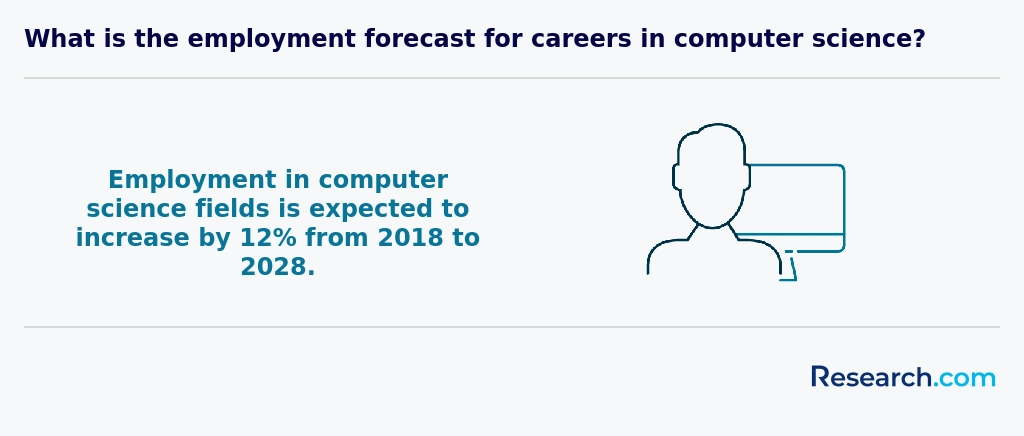
Graduates with an online information systems degree in the Northeast should focus on building practical skills to stand out in a competitive job market. Employers in this region value proficiency in data management, cybersecurity, and cloud technologies, all crucial for roles in sectors like finance and healthcare. According to the U.S. Bureau of Labor Statistics, the Northeast shows a 10% growth in information technology jobs by 2028.
Internships and cooperative education programs offered by many Northeast universities provide vital work experience. Networking through local tech meetups and professional organizations, such as the New York Tech Alliance, can open doors to opportunities.
Additionally, certification exams in areas like CISSP or AWS often complement degrees, increasing employability in this tech-focused region.
Employers in the Northeast highly value graduates of online information systems degree programs who possess strong technical and analytical skills. Proficiency in data management, cybersecurity, and cloud computing is especially important given the region's robust tech and financial sectors. According to the U.S. Bureau of Labor Statistics, demand for IT specialists in this area is growing faster than the national average, emphasizing the need for hands-on experience with databases and network systems.
Additionally, problem-solving and communication skills rank among the top employer priorities. Graduates must be able to translate complex technical information into practical business solutions. Northeastern companies often seek candidates familiar with project management and relevant software, such as SQL and Python, to ensure adaptability in fast-paced environments.
Finding internships in the Northeast for an information systems degree requires focused strategies. Start by exploring career centers at schools offering online information systems programs, as many maintain partnerships with local businesses. According to the National Association of Colleges and Employers (NACE), technology internships in the Northeast grew by 6% in 2023, signaling increased opportunities.
Leverage regional job platforms such as Handshake and LinkedIn, filtering by location and industry. Target companies in hubs like New York City, Boston, and Philadelphia, where many tech firms and startups operate.
Joining professional organizations like the Northeast Chapter of the Association for Information Systems can provide networking events and internship listings.
Finally, attending virtual career fairs and reaching out directly to employers can improve your chances of securing relevant internships.
An online information systems degree significantly enhances career mobility and advancement opportunities for professionals in the Northeast. This region, home to numerous tech hubs and finance centers like New York City and Boston, shows high demand for skilled IT and information systems experts. According to the Bureau of Labor Statistics (2023), employment in computer and information technology occupations is projected to grow 15% nationally through 2031, with the Northeast maintaining a higher concentration of job openings.
Online degrees offer flexibility for working adults to gain relevant skills in areas such as cybersecurity, data management, and system analysis. Employers in the Northeast often value accredited online programs from reputable institutions, recognizing them as valid alternatives to traditional degrees, especially when paired with professional experience.
Furthermore, graduates from online programs frequently report increased salary potentials and quicker promotions within the region's competitive job market, supported by regional networking opportunities and industry partnerships fostered by Northeastern universities.
Studying for an information systems degree in the Northeast offers unique opportunities to develop interdisciplinary skills. Many programs integrate coursework from computer science, business, and data analytics, reflecting the region's diverse economy. For example, universities often collaborate with industries such as finance, healthcare, and manufacturing, enabling students to apply technical knowledge in real-world settings.
According to the National Center for Education Statistics, over 40% of information systems graduates in the Northeast pursue careers that require blending IT expertise with business strategy. This regional focus prepares students for roles like systems analyst, IT consultant, and data manager, which demand communication and problem-solving skills across departments.
Additionally, the Northeast's concentration of top research institutions supports access to multidisciplinary projects and internships, which further strengthen graduates' adaptability to complex, cross-functional roles.
Choosing between a thesis and a non-thesis online information systems degree in the Northeast depends largely on your career goals and learning preferences. Thesis programs emphasize research, ideal for students aiming at doctoral studies or roles in data analysis and system design. Non-thesis programs focus on practical skills and coursework, suiting those seeking immediate industry employment.
Many Northeastern universities offer both options, with thesis tracks typically requiring a significant research project or paper. According to the National Center for Education Statistics, about 40% of information systems master's students in the region choose non-thesis paths for faster graduation.
Consider factors such as faculty expertise, program flexibility, and potential networking opportunities when deciding. For careers in corporate IT management or cybersecurity, non-thesis degrees often provide direct application skills favored by employers in cities like Boston and New York.
Students based in the Northeast seeking to study information systems abroad can access various options through partnerships among US institutions and international universities. Many Northeast schools offer online degrees with study-abroad components or dual-degree programs that include international campuses. For example, some programs allow students to complete part of their coursework remotely while spending a semester at partner universities in Europe or Asia.
According to the National Center for Education Statistics, nearly 15% of students enrolled in online information systems programs in the Northeast take advantage of study-abroad or exchange opportunities each year. These experiences help build global IT skills and cultural awareness, crucial in the information systems field.
Part-time job opportunities that complement an online information systems degree in the Northeast include roles such as IT support specialist, data analyst intern, and help desk technician. These positions provide practical experience with software management, troubleshooting, and data handling, enhancing academic learning. According to the U.S. Bureau of Labor Statistics, the Northeast shows a higher concentration of IT-related jobs compared to other regions, with cities like Boston and New York offering many entry-level opportunities.
Internships and part-time roles at tech startups, healthcare providers, and financial firms are common in this region. Many employers seek students who can work remotely or on flexible schedules, aligning well with online degree programs. Gaining such work experience improves job market readiness and networking in the information systems field.
Online information systems students in the Northeast benefit from robust networking opportunities. Many universities offer virtual career fairs and online student groups that connect learners with alumni and industry professionals. According to the National Center for Education Statistics, the Northeast hosts over 30 universities with strong information systems programs that actively promote online networking.
Professional organizations like the New York Technology Council and Boston's Tech Collective provide virtual events and webinars specifically tailored for technology students. These platforms help students engage with employers and stay current on industry trends.
Additionally, local chapters of the Association for Information Systems (AIS) often hold online meetings, creating valuable regional connections for remote learners. This organized, virtual networking helps students build relationships despite physical distance.
Alumni networks offer significant advantages to online information systems degree students in the Northeast. These networks provide valuable connections to professionals already working in the regional tech industry, which is robust in states like Massachusetts and New York. According to a 2023 report by the National Association of Colleges and Employers, 80% of jobs are filled through networking, underscoring the importance of these connections.
Many universities in the Northeast host virtual events, mentorship programs, and job fairs exclusive to alumni and current students. This access can give students insights into local employers and emerging industry trends.
Additionally, alumni often share internships, job openings, and career advice tailored to the specific demands of information systems roles in the Northeast's competitive market.
Customizing an online information systems degree in the Northeast involves selecting electives and specialization tracks aligned with your career goals. Many Northeastern universities offer concentrations such as cybersecurity, data analytics, and IT management within their programs, allowing students to tailor their studies. According to the National Center for Education Statistics, schools like Northeastern University and Rochester Institute of Technology provide flexible curricula that adapt to evolving industry demands.
Moreover, internships and cooperative education options are frequently integrated into online programs to enhance practical skills and networking in regional tech hubs like Boston and New York City. This hands-on experience is crucial for career advancement.
Students should also explore certificate programs that complement the degree, often available as part of Northeastern online offerings. Combining a degree with certifications recognized by industry standards can significantly boost employability and salary potential in the competitive information systems field.
Online information systems students in the Northeast often face challenges balancing rigorous coursework with work and family commitments. Many juggle full-time jobs alongside their studies, which can extend the time needed to complete a degree. According to the National Center for Education Statistics, about 45% of online students in this region are part-time learners, highlighting this common difficulty.
Technical issues also pose problems, especially for those less familiar with specialized software used in information systems programs. Reliable internet access can vary, particularly in rural areas of states like Pennsylvania or upstate New York.
Additionally, students may encounter limited opportunities for hands-on experiences or networking compared to traditional on-campus peers, which some Northeast schools are addressing by integrating virtual labs and local internships.
An online information systems degree from a school in the Northeast offers access to several valuable professional certifications. Graduates often pursue certifications such as the Certified Information Systems Security Professional (CISSP), which is highly regarded in cybersecurity roles nationwide.
Other popular certifications include the Certified Information Systems Auditor (CISA), which focuses on audit and control skills, and the Project Management Professional (PMP), favored for IT project leadership. Obtaining these certifications can increase job prospects in major Northeastern tech hubs like New York City and Boston.
According to the U.S. Bureau of Labor Statistics, IT certificate holders in the Northeast earn on average 10-15% more than uncertified peers, highlighting their value.
When applying to online information systems programs in the Northeast, focus on demonstrating strong analytical and technical skills. Admissions committees value applicants with experience in programming, databases, or IT management. Highlight any relevant work or internships to show practical knowledge.
Craft a clear personal statement that explains your career goals and why you chose an information systems degree. Mention any interest in areas like cybersecurity or data analytics, which are in high demand regionally.
According to the National Center for Education Statistics, Northeastern schools have seen a 15% increase in IT-related applications, making a well-prepared application competitive.
Finally, secure strong recommendation letters from employers or instructors familiar with your technical abilities. This supports your readiness for rigorous online study.
The global perspective on an information systems career emphasizes the growing importance of technology integration across industries. Professionals trained in information systems are highly sought after worldwide to improve business operations, data management, and security.
In the United States, particularly in the Northeast, the demand for information systems graduates is strong. According to the U.S. Bureau of Labor Statistics, the employment of computer and information systems managers is projected to grow 11% from 2020 to 2030, faster than average.
This growth is fueled by increasing reliance on cloud computing, cybersecurity, and data analytics, which are critical in global markets.
Moreover, online degrees in information systems from Northeastern universities offer flexible options enabling students to engage with international business and technology trends while maintaining local connections.
Gaining practical experience while pursuing an online information systems degree in the Northeast is essential for career readiness. Many institutions in this region partner with local companies to offer virtual internships, allowing students to work on real projects remotely. According to the National Association of Colleges and Employers, more than 60% of information systems students secure internships before graduation, improving job prospects significantly.
Students can also participate in cooperative education programs that alternate class sessions with paid work terms. Additionally, some Northeastern schools provide capstone projects in collaboration with businesses, enabling hands-on application of skills. Professional networking through regional tech meetups and organizations, such as the New York Tech Alliance, further enhances experience during studies.
Choosing the right concentration within an online information systems degree program in the Northeast depends on your career goals and the regional job market. For example, cybersecurity and data analytics are rapidly growing fields in New York and Massachusetts, with employment in cybersecurity expected to increase by 31% nationally through 2032, according to the Bureau of Labor Statistics.
Consider concentrations that align with demand in Northeast tech hubs like Boston and Philadelphia. Programs often offer tracks in software development, IT management, or business intelligence, each preparing students for specific roles.
Research each program's course offerings and connections with local employers to find the best fit. Accreditation and faculty expertise are also important factors to evaluate.
Top Trending Information Systems Rankings
References
- Computer Information Systems, MS https://www.nec.edu/programs/ms-computer-information-systems
- (apply for a place in the Bachelor of Information Technology) Letter of Motivation https://essayforum.com/letters/apply-place-bachelor-information-technology-39720/
- How to Network with Alumni | Student Guide to Alumni Networking 2026 https://digitalrecordboard.com/blog/how-to-network-with-alumni/
- Information Technologies Master of Science Without Thesis Secondary Education Program https://www.tyyc.itu.edu.tr/ProgramHakkinda.php
- Graduate Programs https://program.metu.edu.tr/en/ms-without-thesis-information-systems
- Association for Information Systems (AIS) - Association for Information Systems (AIS) https://aisnet.org/
- Benefits of Networking for Students https://www.melioeducation.com/blog/benefits-of-networking-for-students/
- OCNews https://www.okanagancollege.ca/story/diploma-battles-is-computer-information-systems-worth-it
- The 4 Best Online Colleges that Accept FAFSA https://joinjuno.com/financial-literacy/financial-aid/online-colleges-accept-fafsa
- Emerging Trends in Information Systems – Introduction to Information Systems Management https://open.ocolearnok.org/informationsystems/chapter/chapter-11-emerging-trends-in-information-systems/


