2027 Best Online Human Services Degree Programs Ranking in Maryland

Co-Founder and Chief Data Scientist
Choosing the right human services degree program can be challenging, especially with so many options available online. This article presents the 2027 Best Online Human Services Degree Programs Ranking in Maryland, created by the Research.com team of data scientists to guide you in making an informed decision.
By exploring this ranking, you'll discover programs that truly stand out for quality and flexibility. Whether you're starting a new career or advancing your skills, a human services degree offers rewarding opportunities to make a positive impact in your community.
Let this guide support your journey toward a fulfilling future.
Key benefits of getting online human services degree in Maryland
- Human services degree graduates in Maryland can pursue fulfilling careers, often earning around $45,000 to $50,000 annually in related roles across the US, providing a stable and meaningful income.
- A graduate from the University of Maryland found diverse career options ranging from social work to case management, opening doors to impactful work in community support and advocacy.
- Completing an online human services degree from a school like Towson University offers flexibility, allowing students to balance studies with work or family, making education more accessible and convenient.
- 2027 Best Online Human Services Degree Programs Ranking in Maryland
- What can I expect from online human services degree in Maryland?
- Where can I work with online human services degree in Maryland?
What can I expect from online human services degree in Maryland?
The average cost of an online human services degree in Maryland typically ranges from $10,000 to $25,000 for a bachelor's program, depending on the institution and residency status. Graduates from well-regarded schools like those within the University System of Maryland often find this investment worthwhile, as the programs combine quality curriculum with flexible online schedules. Many students appreciate that tuition fees cover comprehensive coursework, including practicum placements arranged locally, allowing them to gain real-world experience without additional travel costs.
One graduate reported how balancing work and family was manageable due to online class availability, while still receiving support from faculty knowledgeable about Maryland's social service landscape. Another emphasized that the accessible pricing relative to traditional on-campus programs provided a sense of financial relief, encouraging continued education without overwhelming debt.
Financial aid options and payment plans at Maryland colleges add to affordability, making online human services degrees a practical path for career advancement within the state's growing mental health and social service sectors.
Where can I work with online human services degree in Maryland?
Graduates with an online human services degree in Maryland find rewarding roles across state and local government agencies, such as the Maryland Department of Human Services, where they support programs in child welfare, mental health, and substance abuse. Many graduates from popular programs at schools like Towson University or Salisbury University share how working in these areas allows them to make a direct impact on community well-being every day.
Nonprofit organizations also offer meaningful career paths. Graduates often describe their experience coordinating crisis intervention and resource services for vulnerable populations like veterans or homeless individuals, especially within community nonprofits active throughout Maryland. These roles provide a sense of purpose and connection, often fueled by the state's diverse social landscape.
Healthcare settings, including hospitals and mental health clinics, actively hire graduates as patient advocates or care coordinators. Many alumni mention how their education prepared them to effectively improve patient outcomes by bridging gaps between medical and social services.
Finally, school systems and early intervention programs in Maryland create opportunities for graduates to support student and family services, roles that many find fulfilling by positively shaping young lives.
Graduates with an online human services degree in Maryland typically start their careers earning around $30,000 to $35,000 annually in entry-level roles. Many find this rewarding as they apply their skills directly in communities, often after completing programs at well-regarded schools like the University of Maryland Global Campus or Towson University.
As these professionals gain experience and obtain certifications, they often move into roles such as social service assistants or case managers, earning from approximately $38,000 up to $65,000. For instance, a graduate who began as a community support worker in Baltimore later advanced to a supervisory position, boosting their salary and job satisfaction.
Social workers in Maryland, including those trained at Coppin State University, often earn median salaries near $60,000. Graduates pursuing licensure as mental health counselors or community service managers see similar wage growth.
Working in higher-demand urban centers like the D.C. metro area can further improve earnings. Focusing on continuous education and certifications is key to unlocking these higher-paying opportunities in Maryland's human services field.
- Maryland offers accredited online human services programs through both public and private institutions, suited for working adults.
- In-state tuition for public universities ranges from $5,000 to $8,000 per year, while private schools charge between $15,000 and $25,000 annually.
- Jobs for social and human service assistants in Maryland are projected to grow by about 12% from 2022 to 2032, outpacing the national average.
- Entry-level salaries average between $37,000 and $42,000 annually, with experienced professionals earning $50,000 to $65,000 depending on the sector and location.
- Local social service organizations frequently partner with colleges to provide internships and practicum opportunities for online students.
- Program accreditation, including regional and social work-specific approvals, is important for degree recognition and job prospects.
Completing an online human services degree in Maryland typically takes about two years for an associate degree and around four years for a bachelor's degree when studying full-time. Many graduates from well-known institutions like the University of Maryland Global Campus appreciate the flexibility that online formats offer, allowing them to balance work and family while advancing their careers.
For those seeking faster results, accelerated programs available at some Maryland colleges condense coursework into 8-week sessions. This can reduce completion time to as little as 18 months for an associate degree or three years for a bachelor's degree, though it requires strong discipline and time management.
Part-time enrollment is a practical choice for working adults, yet it can extend completion to six years or more. Graduates often describe this pace as manageable and rewarding since it fits their lifestyle without overwhelming their daily responsibilities.
Choosing the right program structure-full-time, part-time, or accelerated-and staying consistent are key strategies successful students use to finish their degrees on time in Maryland's evolving human services field.
Choosing between online and on-campus human services degrees in Maryland comes down to lifestyle and learning preferences. Online programs, offered by institutions like the University of Maryland Global Campus, provide flexibility to complete coursework anywhere-ideal for working adults balancing jobs and family. Graduates often appreciate being able to study at their own pace without a daily commute.
On-campus degrees, such as those at Towson University, deliver face-to-face interaction and hands-on opportunities. Students benefit from direct mentorship and easier access to internships with local agencies, gaining practical experience that can boost confidence and networking.
Cost considerations also differ. Online students at Maryland schools may save on commuting but should budget for technology needs, while on-campus students face tuition and living expenses. Many graduates highlight that both formats maintain strong accreditation standards and cover essential topics like counseling and ethics, ensuring readiness for careers in human services.
By reflecting on these differences and your personal situation, you can select the program that fits your goals and daily routine best.
The average cost of an online human services degree in Maryland typically centers around $18,000 for the entire program. Graduates who studied at well-known public universities in Maryland have found this investment manageable, balancing tuition with part-time work or employer tuition assistance. Maryland online human services program tuition fees often reflect in-state tuition advantages, making public institutions an attractive choice for residents. Many students benefit from programs at community colleges or regional state universities that offer lower credit-hour rates, sometimes below $200 per credit, which can significantly reduce total expenses.
For example, students enrolled in popular colleges for human services degrees in Maryland report that managing costs is easier when combining scholarships and financial aid. Additionally, technology fees for online courses are generally lower than on-campus options, easing the financial burden. Considering the average online human services degree cost Maryland, many find the tuition competitive compared to other states, especially given the quality of education and flexible scheduling options.
Prospective students should explore specific program details and take advantage of financial aid to reduce out-of-pocket costs. Checking with Maryland institutions and reviewing top-rated online human services programs can help in finding affordable and reputable options tailored to individual circumstances.
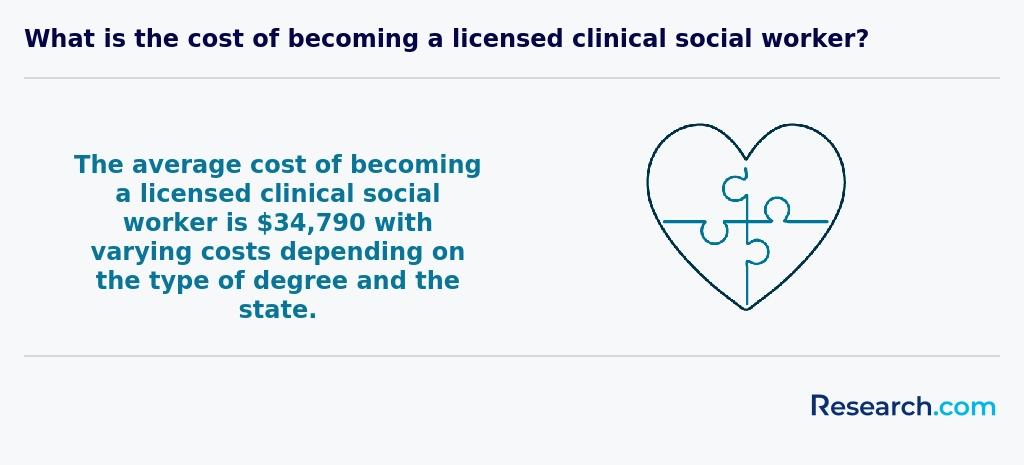
Maryland students pursuing online human services degrees at institutions like the University of Maryland Global Campus often rely on federal financial aid to ease the cost. Completing the FAFSA opens opportunities for Pell Grants, which can cover up to $7,395 per year and do not require repayment, providing crucial support to those balancing work and study.
State aid through the Maryland Higher Education Commission is also vital. Programs such as the Guaranteed Access Grant empower low-income students from Baltimore or Prince George's County to attend schools like Towson University with reduced financial strain. Additionally, Delegate and Senatorial Scholarships offer targeted help to students based on their legislative districts, making funding more accessible.
Local colleges often supplement this aid with institutional scholarships and grants tailored to human services majors. Graduates frequently share how internships partnered with Maryland's nonprofit organizations not only brought extra stipends but valuable career experience.
Employer tuition assistance programs further ease expenses for those already working in social services, creating a practical path to advancement without financial stress.
To enroll in an online human services degree in Maryland, you typically need a high school diploma or GED, a basic yet essential step graduates from institutions like University of Maryland Global Campus often recall as the gateway to their educational journey. Submitting official transcripts is mandatory-whether from high school for bachelor's programs or from previous colleges for degree completion options-allowing schools such as Towson University to evaluate your academic background and credit transfers smoothly.
Many colleges in Maryland have embraced test-optional policies, reducing pressure around SAT or ACT scores, which past students appreciated as it allowed them to focus on personal essays and resumes that highlight their passion and relevant experience in human services. Letters of recommendation and a personal statement also strengthen applications by showcasing your commitment and interpersonal skills crucial in this field.
For master's programs, completing a bachelor's degree-ideally in human services, psychology, or related fields-is required, but diverse academic backgrounds paired with work experience can also open doors, as demonstrated by numerous graduates from Stevenson University.

Online human services degree programs in Maryland are designed to build practical skills through core courses like Introduction to Human Services, Case Management, and Ethics and Professional Issues. Graduates from popular Maryland colleges describe how studying these fundamentals equipped them to confidently assess client needs, coordinate community resources, and uphold professional standards in real-world settings.
Alongside these essentials, students dive into Psychology or Sociology courses to better understand human behavior, a vital skill when working closely with diverse populations across Maryland's urban and rural communities. Research Methods courses also play a key role, teaching students how to analyze data to improve program effectiveness and client outcomes, which many perceive as empowering for shaping positive social change.
Many programs include electives such as Crisis Intervention or Gerontology, reflecting Maryland's workforce demands. Graduates often share how specializing in areas like addiction treatment or elder care helped them directly address the specific needs of their local communities, making their online degree both practical and personally fulfilling.
Online human services degree specializations in Maryland offer practical paths for students targeting meaningful careers. Popular options include Case Management, which prepares graduates from institutions like the University of Maryland to efficiently coordinate care for families facing economic or social challenges. Substance Abuse Counseling is another key specialization, essential given Maryland's focus on combating opioid addiction, where students from community colleges report feeling empowered to make real change.
Graduates pursuing Mental Health Services find opportunities to support individuals with mental health needs, a growing demand highlighted across Maryland's health sector. Gerontology attracts students interested in serving the aging population, a vital focus as Maryland's senior demographics expand rapidly. Social Services Administration specialization appeals to those aiming to step into leadership roles within agencies managing social programs. Students appreciate how these programs at several Maryland universities equip them with skills tailored to local labor markets, making these pathways relevant for anyone exploring human services career options Maryland online.
For those wondering which career in human services typically requires a master's degree?, selecting the right specialization can be a decisive step in career advancement and job impact.
To choose the best online human services degree in Maryland, start by confirming the program's accreditation. Graduates from well-known institutions in Maryland often highlight how accreditation by organizations like the Council for Standards in Human Service Education (CSHSE) influenced their eligibility for licenses and jobs locally. Compare tuition costs carefully, as programs at public universities in Maryland usually range between $8,000 and $15,000 for in-state students. Also, many students find success by exploring financial aid and scholarship options tailored to Maryland residents, keeping education affordable.
Look for programs offering a curriculum that balances theory and practical skills relevant to Maryland's communities, such as substance abuse counseling or social policy. Flexible scheduling with asynchronous courses helps working students keep pace without stress. Graduates frequently share how internships arranged through Maryland colleges boosted their confidence and job prospects. Checking outcomes like graduation rates and employment support is essential. For more insight into affordable options, consider the cheapest online degrees for human services to guide your decision within affordable human services programs Maryland.
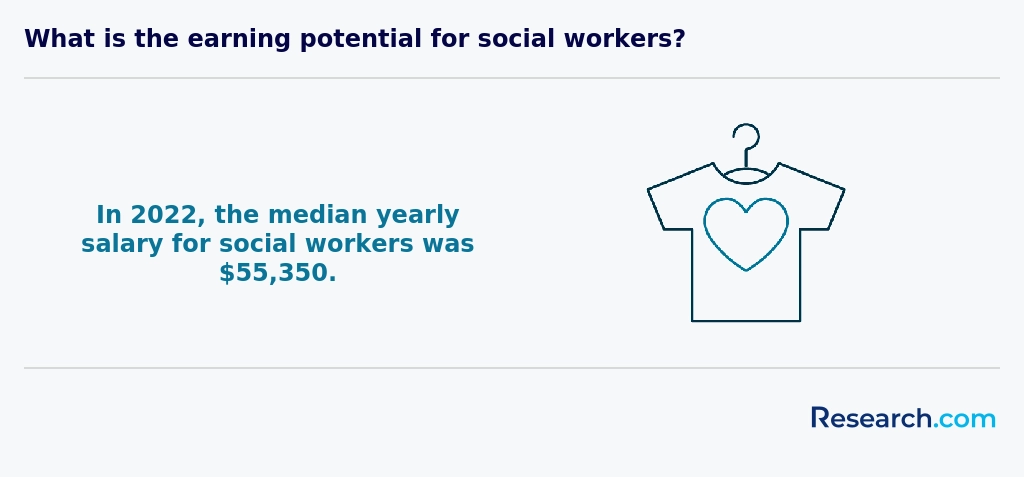
Graduates with an online human services degree in Maryland find diverse career options tailored to the state's strong social support network. Many alumni from popular universities like Towson University and University of Maryland Global Campus report moving directly into roles such as case managers, where they help clients navigate housing and healthcare systems. Others pursue community outreach coordinator positions, developing programs for vulnerable groups including youth and veterans, leveraging Maryland's demographic diversity.
Those interested in healthcare often become patient advocates or health educators, roles critical in Maryland's expanding medical field. Addiction counseling or rehabilitation support is another pathway, especially as Maryland increases funding for substance abuse services. Students pursuing online human services careers in Maryland often appreciate how their programs combine theoretical knowledge with practical skills, preparing them for certification where required.
For those exploring options, reviewing the top online masters in human services degree offerings can clarify pathways. Graduates emphasize the program flexibility and strong career support as key to launching fulfilling social service professions.
The job market for online human services degree jobs Maryland graduates is strong, with growing demand in healthcare, social work, and community outreach. Graduates from popular institutions such as the University of Maryland and Towson University report finding roles in case management and program coordination, especially in metropolitan areas like Baltimore and the D.C. suburbs. Entry-level salaries generally range between $35,000 and $50,000, with room for growth as experience and certifications increase.
Many graduates find that earning their degree online offers flexibility without sacrificing access to valuable internships and networking opportunities within state and local government agencies, nonprofits, and healthcare providers. Maryland's diverse population and proximity to federal programs add unique advantages. For ongoing career development, pursuing certifications like the Certified Human Services Professional (CHSP) credential enhances employment prospects and earning potential.
For those wondering what jobs can you get with a social work degree, the Maryland human services field provides solid options with job security and meaningful work helping communities thrive.
2027 Best Online Human Services Degree Programs Ranking in Maryland
Investing in your education is a significant decision that can shape your future, and the Research.com team understands the importance of making informed choices. To assist prospective students in Maryland, we have meticulously crafted the "2027 Best Online Human Services Degree Programs Ranking in Maryland." Our commitment to quality, credibility, and accuracy is reflected in the extensive research and analysis conducted to compile this ranking.
We utilized the following reputable data sources to ensure a comprehensive evaluation of human services programs:
By exploring this ranking, readers will gain valuable insights into the best online human services degree programs available in Maryland, helping them make informed decisions about their educational paths. For more details on our methodology, please visit our Research.com methodology page.


Frequently Asked Questions About human services
Online human services degree students in Maryland can maximize their learning by actively engaging with their coursework and local community resources. Maryland's diverse population offers numerous opportunities for virtual internships and volunteer work, helping students apply theories in real-world settings. According to the Maryland Department of Human Services, practical experience is critical for strong career outcomes.
Students should take advantage of online study groups and faculty office hours to enhance understanding and foster networking. Utilizing Maryland's workforce development programs and attending virtual conferences can also deepen industry knowledge.
Lastly, balancing time management and self-discipline ensures steady progress through program requirements, aligning with best practices recommended by the National Organization for Human Services.
The human services field is evolving with several emerging niches that reflect current social and technological trends. One rapidly growing area is gerontology, focusing on supporting Maryland's aging population, which is expected to increase by 30% by 2030 according to the Maryland Department of Aging. Specialists in this niche address elder care, mental health, and social support systems.
Another expanding niche is digital case management. The shift to online platforms enables professionals to coordinate services and track client outcomes more efficiently, meeting the needs of Maryland's diverse communities. Additionally, trauma-informed care is gaining prominence, emphasizing specialized support for individuals affected by trauma.
Lastly, human services professionals are increasingly working in community advocacy and policy development, helping to shape public programs and resources to improve social equity across the state.
After earning an online human services degree in Maryland, preparing for the job market involves several practical steps. First, gaining relevant experience through internships or volunteer work is essential. Maryland's Department of Human Services and local nonprofits often offer opportunities suited for recent graduates. These experiences strengthen resumes and build professional networks.
Next, obtaining necessary certifications like the Certified Human Services Professional (CHSP) can improve job prospects. Maryland employers place value on credentials demonstrating competency in social services.
Lastly, exploring Maryland's job market-where the human services sector grows steadily-helps target applications effectively. According to the Maryland Workforce Exchange, social and community service jobs increased by about 5% over recent years, signaling steady demand.
Employers in Maryland highly value human services graduates who demonstrate strong communication skills. Being able to listen actively and convey information clearly is essential when working with diverse populations.
Critical thinking and problem-solving abilities are also key. Maryland's human services sector often faces complex social challenges, so graduates who can develop effective solutions stand out. According to the Maryland Department of Labor, interpersonal skills rank among the top requirements for entry-level human services positions.
Additionally, cultural competence is crucial. Maryland's diverse communities require professionals who understand and respect various backgrounds and experiences.
Finally, knowledge of ethical practices and case management software boosts employability in this field.
Finding internships in Maryland relevant to a human services degree involves utilizing multiple resources. Start by connecting with your online program's career services, which often have partnerships with local agencies. Maryland hosts over 200 nonprofit organizations focused on social work and community support, according to data from the Maryland Association of Nonprofit Organizations.
Additionally, explore state government resources, such as the Maryland Department of Human Services, which offers internship opportunities aligned with various human services fields. Networking through professional groups like the Maryland Human Services Partnership can also provide leads. Many internships in Maryland focus on mental health, child welfare, and substance abuse treatment, reflecting state priorities documented by the Maryland Behavioral Health Administration. Applying early and leveraging local job boards increases chances of securing a valuable internship experience.
An online human services degree in Maryland can significantly enhance career mobility and advancement opportunities. The state's growing social services sector, supported by agencies like the Maryland Department of Human Services, values candidates with formal education in human services. According to the U.S. Bureau of Labor Statistics, Maryland expects a 12% growth in social and community service jobs between 2022 and 2032, faster than the national average. Online programs offer flexibility for working adults to gain specialized knowledge in areas such as counseling, case management, and program coordination, which are highly sought after by employers.
Graduates often qualify for positions with higher responsibility and better pay, including supervisory roles or specialized service providers. Additionally, Maryland's licensing requirements for some human services fields favor candidates with accredited degrees, allowing smoother pathways to certification and professional recognition. Overall, an online degree facilitates balancing education with existing commitments while improving access to career advancement within Maryland's evolving human services landscape.
Studying for a human services degree in Maryland equips students with skills that span multiple disciplines, preparing them for collaborative roles in diverse settings. Maryland's programs emphasize practical knowledge in social work, psychology, and public health, reflecting the state's growing demand for integrated care professionals. According to Maryland's Department of Human Services, interdisciplinary approaches improve outcomes in communities facing complex challenges such as substance abuse and homelessness.
The curriculum often includes courses on policy analysis, case management, and ethics, ensuring graduates can navigate different professional environments. Online programs in Maryland also foster skills in communication and cultural competence, essential for teamwork across fields.
When choosing between a thesis and a non-thesis online human services degree program in Maryland, consider your career goals and learning preferences. A thesis program typically involves original research and writing, preparing students for roles in research, policy development, or further graduate study. Maryland's demand for human services professionals is growing by 8% annually, according to the Maryland Department of Labor, which supports more research-oriented preparation.
Conversely, a non-thesis program focuses on practical skills and coursework, ideal for those aiming to enter the workforce quickly or enhance applied abilities. Both options meet Maryland educational standards, but your choice should align with how you plan to use your degree.
Students based in Maryland who are interested in pursuing online human services degrees with an international focus have several options. While Maryland institutions primarily offer online programs domestically, some partner with foreign universities or include global components in their curriculum. For example, certain programs offer study-abroad opportunities or international internships to complement online coursework.
Students can also consider enrolling in U.S.-based online programs that integrate global human services perspectives, often accredited through regional bodies like MSCHE. This approach allows students to gain international insight without relocating.
According to the Maryland Higher Education Commission, approximately 15% of Maryland undergraduate students engage in study-abroad or international learning experiences, which may include human services fields.
In Maryland, several part-time job opportunities can effectively complement an online human services degree. Roles such as case aide or community outreach assistant provide hands-on experience in social service settings. These positions often involve working with vulnerable populations, supporting case managers, and assisting with resource coordination, helping students apply theoretical knowledge in real-world environments.
The Maryland Department of Labor highlights that entry-level human services jobs typically pay between $14 and $18 per hour, offering both valuable experience and financial support during studies. Additionally, nonprofit organizations across Maryland frequently seek part-time volunteers or staff to aid in counseling or advocacy programs.
Students may also consider roles in mental health support or residential care facilities, where supervision by licensed professionals enhances practical skills. These jobs nurture critical competencies in communication, crisis intervention, and client advocacy, which are essential for human services careers.
Online human services students in Maryland have multiple networking opportunities to enhance their professional growth. Many Maryland universities offering online programs encourage participation in virtual student organizations related to human services. These groups provide platforms for discussion, collaboration, and career development.
The Maryland Association for Human Services Professionals organizes events and webinars that allow online students to connect with practitioners statewide. Additionally, Maryland's Department of Human Services partnerships often offer internships and volunteer opportunities, enabling students to gain practical experience and local contacts.
Professional conferences and local meetups, such as those hosted by the National Organization for Human Services (NOHS), also welcome Maryland residents, fostering broader engagement within the field.
Alumni networks offer significant advantages for online human services degree students in Maryland. These networks provide valuable opportunities for mentoring, career advice, and professional connections within the local human services sector. Given Maryland's diverse population and focus on community support programs, networking can help graduates connect with organizations such as the Maryland Department of Human Services and local nonprofits.
Research from the Maryland Higher Education Commission shows that students with active alumni engagement report higher job placement rates post-graduation. This is crucial in human services, where employment often depends on community ties and referrals.
Additionally, alumni events and online platforms enable current students to learn about internships and job openings tailored to Maryland's social services landscape.
Customizing an online human services degree program in Maryland allows students to align their education with specific career goals. Many Maryland institutions offer electives or concentration tracks such as addiction counseling, social work, or community outreach. This flexibility helps students develop specialized skills relevant to their chosen fields.
The Maryland Higher Education Commission notes that tailoring coursework through internships or practicum placements within local agencies boosts practical experience and networking opportunities in the state. Additionally, some programs permit cross-disciplinary studies, combining courses in psychology, public health, or criminal justice.
Graduates who customize their pathway are better positioned for Maryland's growing demand in behavioral health and social service careers, as reported by the Maryland Department of Labor.
Online human services students in Maryland commonly face challenges related to balancing coursework with work and family responsibilities. Given that 60% of online students nationwide work full-time, time management becomes essential. Many learners also report difficulty accessing reliable internet connections, especially in rural areas of Maryland, which can disrupt participation in live lectures and timely submission of assignments.
Additionally, limited opportunities for hands-on, in-person experience can hinder skill development. While Maryland requires human services practitioners to complete supervised fieldwork, coordinating these placements remotely poses obstacles. According to the Maryland Higher Education Commission, student retention rates for online programs in the state are lower than traditional formats, partly due to reduced peer interaction and academic support.
With an online human services degree in Maryland, you can pursue several professional certifications that enhance your career prospects. The most common credential is the Certified Human Services Professional (CHSP), nationally recognized and valuable for social service workers. Maryland also offers the Certified Social Work Associate (CSWA) license, which many graduates pursue before obtaining full social work licensure.
The Maryland Board of Social Work Examiners provides pathways to Licensed Certified Social Worker-Associate (LCSW-A) credentials that require relevant degrees. Additionally, certifications like Certified Addictions Counselor (CAC) are available for those interested in behavioral health.
Obtaining these certifications can significantly impact your salary and employment opportunities across Maryland's expanding human services sector, which benefits from growing public and private support.
Writing a winning application for an online human services program in Maryland involves clear communication of your passion for helping others and relevant experience. Maryland values applicants with strong interpersonal skills due to the state's diverse population and social challenges, according to the Maryland Department of Health. Highlight any volunteer work or employment related to social services.
Be sure to meet all program requirements, including transcripts and standardized test scores if required. Tailor your personal statement to address why you want to study human services online and how you plan to contribute to Maryland's community health needs.
Lastly, secure strong letters of recommendation from professionals who can attest to your commitment and aptitude for the field.
Human services careers are increasingly valued worldwide for addressing complex social issues through direct support and community resources. In the United States, and specifically Maryland, the field emphasizes culturally competent care and collaboration across diverse populations. According to the U.S. Bureau of Labor Statistics, Maryland is expected to see a 12% growth in human services employment through 2031, reflecting national trends in demand.
Globally, human services professionals focus on improving well-being and social justice, mirroring U.S. priorities but adapting to local challenges. Maryland's online human services degrees prepare students to meet these standards through education rooted in ethical practice and evidence-based methods. This global-local connection highlights the career's relevance in a connected world.
Gaining practical experience while studying for an online human services degree in Maryland often involves completing internships or field placements, which are typically required components of accredited programs. These opportunities allow students to apply theoretical knowledge in real-world settings such as community agencies, healthcare facilities, or social service organizations.
Maryland's Department of Human Services and local nonprofits regularly partner with universities to provide such placements, ensuring students engage with populations like youth, families, and vulnerable adults. According to the Maryland Higher Education Commission, nearly 75% of human services programs include supervised fieldwork to meet licensure or certification standards.
Students should consult with academic advisors to identify approved local agencies near their residence where they can fulfill these requirements while studying online.
Choosing the right concentration within an online human services degree program in Maryland starts with understanding your career goals. Human services fields vary widely, from social work and counseling to addiction studies and nonprofit management. Maryland's workforce data from the U.S. Bureau of Labor Statistics (2023) highlights a 7% growth in social and community service jobs, emphasizing demand in mental health and substance abuse sectors.
Research available concentrations and match them with local job market needs. Consider programs accredited by the Council for Standards in Human Service Education (CSHSE) for quality assurance. Also, review course content, faculty expertise, and opportunities for internships or practicums within Maryland's health and social service agencies to gain practical experience.
- 2027 Best Online Human Services Degree Programs Ranking in Virginia
- 2027 Best Online Human Services Degree Programs Ranking in Pennsylvania
- 2027 Best Online Human Services Degree Programs Ranking in New Jersey
- 2027 Best Online Human Services Degree Programs Ranking in New York
- 2027 Best Online Human Services Degree Programs Ranking in Ohio
- 2027 Best Online Human Services Degree Programs Ranking in North Carolina
- 2027 Best Online Human Services Degree Programs Ranking in Kentucky
- 2027 Best Online Human Services Degree Programs Ranking in Connecticut
- 2027 Best Online Human Services Degree Programs Ranking in Massachusetts
- 2027 Best Online Human Services Degree Programs Ranking in Indiana
- How to Overcome the Top Challenges Social Workers Face https://www.pacificoaks.edu/voices/social-work/social-work-challenges/
- Choosing a bachelor's in human services | edX https://www.edx.org/resources/how-to-choose-a-bachelors-in-human-services
- How to Maximize the Impact of Alumni Networks https://www.careeros.com/resources/how-to-maximize-the-impact-of-alumni-networks
- Key Trends for Social Work and Human Services in 2026 https://nctinc.com/blog/key-trends-for-social-work-and-human-services-in-2026/
- What Are My Career Options After a Course in Human Services? https://columbia.ca/career-options-after-a-course-in-human-services/
- Finding Networking Opportunities as a Student | National Society of High School Scholars https://www.nshss.org/resources/blog/blog-posts/how-to-find-networking-opportunities-as-a-student/
- Human Services Administration Certificate https://www.ubalt.edu/schools-and-colleges/college-of-public-affairs/academics/explore-all-programs/cert-human-services-administration/index.cfm
- 2025 Most Affordable Online Human Services Degrees https://www.onlineu.com/most-affordable-colleges/human-services-degrees
- Home https://www.husson.edu/online/blog/2025/10/benefits-of-alumni-networks
- Is a thesis always mandatory in a master's degree program? - EFMU: The Euler-Franeker Memorial University and Institute https://euler.euclid.int/is-a-thesis-always-mandatory-in-masters-degree-program/