2027 Easiest Online Master's in Human Services Degree Programs Ranking in the Midwest

Co-Founder and Chief Data Scientist
If you're exploring online master's programs in Human Services, this article is made just for you. It introduces the 2027 Easiest Online Master's in Human Services Degree Programs Ranking in the Midwest, carefully developed by the Research.com team of data scientists. This ranking aims to guide you through the best options available, helping you choose a program that fits your life and goals.
Pursuing a degree in Human Services opens doors to meaningful careers focused on helping others. Reading this article will give you clear insights, making your decision easier and more confident.
Key benefits of getting online human services degree in the Midwest
- The average salary for human services-related jobs in the Midwest varies widely, but many roles like social workers earn around $50,000 per year, offering good financial stability in this growing field.
- Graduates from Midwest universities often find diverse career paths in counseling, community outreach, or case management, allowing for meaningful work that directly helps people in their communities.
- Online human services degrees offer flexibility and convenience, enabling students to study while working or managing family commitments, as demonstrated by many successful online graduates from respected Midwest institutions.
- 2027 Easiest Online Master's in Human Services Degree Programs Ranking in the Midwest
- What can I expect from online human services degree in the Midwest?
- Where can I work with online human services degree in the Midwest?
What can I expect from online human services degree in the Midwest?
The average cost of an online human services degree in the Midwest typically ranges between $15,000 and $30,000 for a bachelor's program, depending on the university and residency status. For example, graduates from well-known Midwestern institutions offering fully online human services programs report tuition fees in this range, which compares favorably to national averages. These costs often include fees associated with accreditation through the Council for Standards in Human Service Education (CSHSE), ensuring the degree's value in certification and licensure processes.
Many students appreciate the financial accessibility combined with the flexibility that online formats provide, allowing them to maintain employment while pursuing their degree. Some graduates share how balancing coursework with part-time work or family commitments made the moderately priced programs in Michigan, Ohio, or Illinois ideal for their lifestyle.
Universities popular for online human services degrees in the Midwest frequently offer scholarships and financial aid packages, enhancing affordability. This financial support, coupled with strong employment prospects in nonprofit or government sectors, fosters confidence among students investing in these programs.
Where can I work with online human services degree in the Midwest?
Graduates with an online human services degree in the Midwest commonly find careers in government agencies, healthcare, nonprofits, and educational institutions. Many secure positions in state and local departments of health and human services, where they contribute to mental health, child welfare, and substance abuse programs. For instance, graduates from universities like the University of Illinois experience rewarding employment in Illinois Department of Human Services, focusing on prevention and intervention efforts.
Healthcare settings also attract human services professionals, especially hospitals and rehabilitation centers addressing discharge planning and patient counseling. Graduates from schools such as Indiana University report meaningful roles connecting patients with local resources, meeting the rising demand fueled by aging populations in the region.
Nonprofit organizations across cities like Minneapolis and St. Louis offer fulfilling opportunities in youth development and homelessness prevention, praised by graduates for their community impact. Educational institutions, including community colleges and larger universities, employ human services alumni as academic advisors or student support specialists helping underserved populations thrive.
Overall, post-graduation pathways in the Midwest are diverse, with the Bureau of Labor Statistics projecting an 11% growth for social and human service assistant roles through 2030, reflecting stable and expanding demand.
Graduates with an online human services degree in the Midwest typically start their careers earning between $42,000 and $50,000 annually, depending on the state and role. For example, those from universities popular in the region often find entry-level positions in Illinois or Ohio offering around $45,000, while nearby states like Indiana and Missouri see starting salaries closer to $42,000.
With experience or advanced degrees from respected Midwest institutions, salaries increase, particularly for specialized roles in mental health or substance abuse counseling. Graduates working in public agencies or nonprofits report earning between $40,000 and $60,000, with master's degree holders averaging approximately $52,000 in Illinois.
Higher-level roles, such as program directors or clinical supervisors, can command salaries ranging from $60,000 to $75,000, especially in metropolitan areas like Chicago or Minneapolis. Many graduates express satisfaction with these earnings, noting that additional benefits like loan repayment assistance further enhance their total compensation package.
Those starting in rural parts of the Midwest may see lower initial salaries around $35,000, but they often value the community impact and career growth opportunities offered by local organizations and state agencies.
- Online human services degrees in the Midwest offer flexible, asynchronous coursework for students balancing work and personal life.
- Tuition for undergraduate programs at public universities ranges from $8,000 to $15,000 per year, while private schools charge between $20,000 and $30,000.
- Graduate degree tuition typically costs between $12,000 and $25,000 annually, with some public universities offering competitive in-state rates.
- Employment for social and human service assistants is projected to grow 12% from 2022 to 2032, faster than the average for all jobs.
- Starting salaries range from $30,000 to $40,000 per year, with experienced professionals earning averages above $50,000, especially in states like Illinois and Ohio.
- Many programs include practicum or internships for practical experience and licensure requirements, and accreditation is important for credit recognition and job competitiveness.
Completing an online human services degree in the Midwest varies primarily based on the degree level and enrollment status. For example, bachelor's degrees at popular institutions like the University of Illinois Springfield typically take around four years when studied full-time, reflecting a traditional timeline. However, many graduates from schools such as Midwestern State University report that accelerated programs enabled them to graduate in approximately three years by transferring previously earned credits or leveraging relevant work experience.
Associate degrees offered online by colleges like Lake Area Technical College usually require about two years of full-time study. These programs provide an effective entry point or a foundation for those aiming to pursue a bachelor's degree later.
Graduate students often balance work and study; thus, master's degree completion at schools like Indiana Wesleyan University ranges between 1.5 to 3 years. Many who enrolled part-time appreciated the flexibility that allowed them to maintain employment while progressing steadily through their degrees.
- Full-time bachelor's human services degrees: approximately 4 years
- Accelerated bachelor's degrees: around 3 years
- Associate degrees: about 2 years
- Master's degrees: 1.5 to 3 years depending on enrollment and program format
Online and on-campus human services degrees in the Midwest differ mainly in delivery format, cost, and student experience. Online programs, popular at universities like the University of Illinois Springfield and Wayne State University in Michigan, offer flexible, asynchronous courses allowing working adults to study around job or family commitments. Graduates often appreciate saving on commuting and housing costs, with total master's tuition ranging from $15,000 to $30,000, making it an affordable option without sacrificing accreditation standards set by the Council for Standards in Human Service Education (CSHSE).
In contrast, on-campus programs at schools such as Loyola University Chicago demand physical attendance, providing direct access to campus resources like counseling centers and networking events. These programs typically cost more-between $20,000 and $40,000 when including living expenses-yet graduates find the immersive environment beneficial for building interpersonal skills essential in human services careers.
Both paths require internships, but on-campus students often secure placements through university partnerships, while online learners coordinate their own fieldwork locally, balancing practical experience with convenience.
The average online human services degree cost Midwest residents face varies based on residency and institution type. Median total costs for in-state students sit around $14,544, while out-of-state students typically encounter median expenses near $16,470. Overall, the median total cost for completing a human services degree online in this region is approximately $20,880. Graduates from popular universities in Illinois and Ohio often describe feeling satisfied with their investment, noting that affordable tuition combined with the convenience of online study allowed them to balance work and family commitments more easily.
Many students report that studying at renowned Midwest colleges offering online programs helped them keep expenses manageable without sacrificing quality. For instance, schools with tuition rates roughly between $200 and $400 per credit hour for in-state learners provide a budget-friendly pathway, complemented by flexible schedules. This balance helps students avoid costs linked to relocation and commuting. The total expenses for human services degree Midwest students frequently reflect this benefit, making higher education more accessible.
Financial aid and scholarships further improve affordability, with some graduates sharing how employer tuition reimbursement reduced their out-of-pocket costs significantly. For a clear comparison of costs and program options, prospective students should explore affordable human services online degree programs. This approach enables them to plan accurately for tuition and additional fees while taking advantage of competitive pricing structures in the Midwest's online education market.

Online human services students in the Midwest commonly rely on federal student aid, including Pell Grants and Federal Supplemental Educational Opportunity Grants (FSEOG), which cover significant portions of tuition without repayment. Over 85% of human services students at institutions like University of Illinois Chicago and Michigan State University benefit from these federal grants, easing financial stress and enabling focus on coursework.
State grants play a pivotal role as well, especially for residents attending in-state schools such as Ohio State University or University of Minnesota. These grants reduce overall costs, making degree completion more accessible. Graduates often recall how state aid made balancing work and study feasible, reinforcing the value of these programs.
Scholarships from organizations like the National Organization for Human Services recognize academic and leadership excellence, rewarding students committed to social impact careers. Employer tuition reimbursement programs also assist working students in healthcare or nonprofit sectors, allowing them to advance education without sacrificing income.
Finally, institutional scholarships and flexible payment plans at Midwest colleges provide vital support for online learners, underscoring the practical and emotional relief financial aid delivers to human services students.
Enrolling in online human services degree programs in the Midwest requires meeting foundational academic standards that reflect regional and national expectations. For example, applicants to bachelor's programs at universities popular in the Midwest, such as those in Illinois or Indiana, typically need a high school diploma or GED, with some schools asking for a minimum GPA around 2.5. Many graduates recall that submitting SAT or ACT scores was optional, reflecting the increasing shift toward test-optional admissions in the region.
Graduate-level human services programs at well-regarded institutions in states like Ohio or Michigan expect a completed bachelor's degree, often in fields like psychology, social work, or human services itself. A minimum undergraduate GPA of about 3.0 is common, though candidates with strong professional experience in social service roles sometimes receive flexibility. Letters of recommendation and a personal statement are crucial components, as graduates often highlight how these elements allowed them to showcase their career motivation and readiness for advanced study.
Midwest programs emphasize practical skills and readiness for online learning, so many require proof of basic computer literacy. Students have noted that some programs also request background checks or immunization records, especially when internships or practicums at local agencies feature in the curriculum. These measures align with the hands-on nature ingrained in Midwest human services education, ensuring prepared, confident graduates ready to enter diverse community roles.
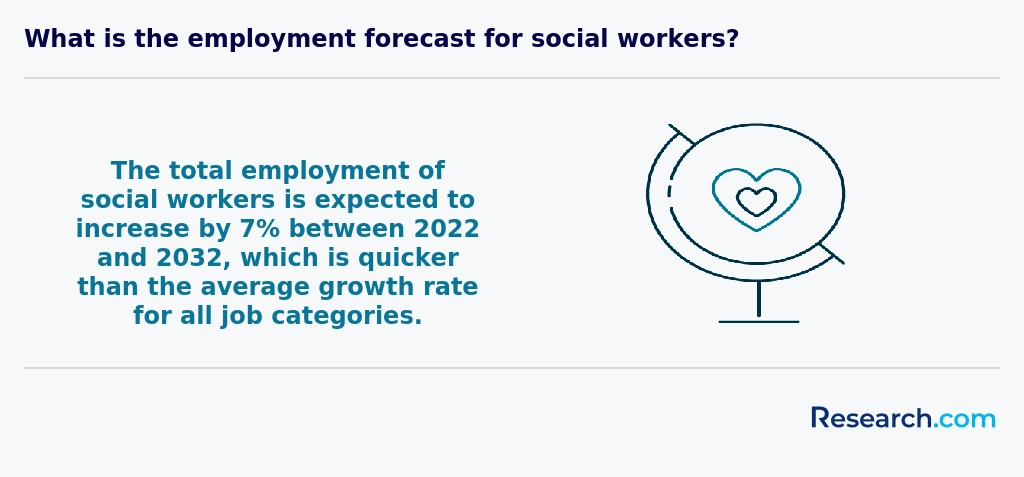
Online human services degrees in the Midwest commonly include courses essential for developing practical, real-world skills. Graduates from universities such as the University of Missouri or Northern Illinois University report that core classes like Introduction to Human Services provide a critical foundation in ethics and professional roles, helping them confidently navigate client interactions.
Case Management courses teach how to evaluate and coordinate services effectively, a skill highlighted by many who have successfully transitioned into roles at community agencies. Psychology or Counseling Theories offer insight into behavioral health that students found immediately applicable when working with diverse populations in local healthcare settings.
Social Welfare Policy classes equip students with knowledge about government programs that impact clients, making advocacy work more effective and meaningful. Research Methods and Statistics courses enable learners to critically analyze data to improve social programs, a skill praised by graduates working in program evaluation.
Many programs also emphasize multicultural competence through specialized electives, resonating with students who engage in crisis intervention or substance abuse counseling in increasingly diverse Midwestern communities.
Online human services degree programs in the Midwest typically feature specializations that align closely with regional workforce demands and community needs. Common tracks include Clinical Case Management, which equips students to coordinate mental health and substance abuse care, and Gerontology, addressing the growing elderly population prevalent in many Midwestern states. Graduates from prominent institutions across the region have found that Youth and Family Services specialization profoundly enhances their ability to support children and families through counseling and community resource navigation.
Other in-demand areas are Substance Abuse Counseling, reflecting the ongoing opioid crisis in the Midwest, and Social Work Foundations, which provides versatile skills for employment in healthcare, education, or nonprofit sectors. Many programs also offer nonprofit management or administration concentrations to prepare students for leadership roles. Students often report positive outcomes from these online human services specializations Midwest-focused curriculums, especially when tailored to local employment trends.
Those interested can explore options further through resources like human services masters online, which detail flexible, affordable pathways aligning with state certification requirements and growing job markets.
Choosing the best online human services degree Midwest involves prioritizing accreditation and curriculum relevance. Graduates from well-known Midwest colleges often highlight the importance of programs accredited by the Council for Standards in Human Service Education (CSHSE) or recognized regional bodies like the Higher Learning Commission, as this ensures quality education and eligibility for federal aid. Programs that focus on local challenges such as addiction counseling or community health reflect workforce demands in states like Illinois and Michigan, giving students practical, applicable skills.
Affordability remains crucial. Many students appreciate that in-state tuition rates apply even for online learners, often keeping costs toward the lower end of the national average of $8,000 to $20,000 annually. For insights on expenses, prospective students can refer to how much does a social service degree cost to plan their budget effectively. Flexibility is also valued, with part-time and asynchronous courses allowing working professionals to progress at their own pace, typically from 18 months to 3 years.
Finally, strong career support and practicum placements with regional agencies provide hands-on experience that graduates consider a pivotal part of their journey. Alumni networks and high post-graduation employment rates in Midwest colleges reinforce the program's real-world value, making these factors essential when evaluating affordable human services programs Midwest.

Graduates with an online human services degree in the Midwest have access to diverse career pathways, often finding fulfilling roles in social work, counseling support, and community outreach. Popular universities such as the University of Illinois and Ohio State offer programs that prepare students to become case managers coordinating services for vulnerable populations or substance abuse counselors aiding individuals through recovery. These positions reflect the steady 10% job growth projected by the Bureau of Labor Statistics for social and human service assistants regionally from 2022 to 2032.
Many students completing their degree at Midwest institutions report satisfaction in careers as human services administrators or victim advocates, managing programs or providing critical support to crime victims. The practical skills gained correlate to career opportunities in government and nonprofits, with certifications like Certified Human Services Professional enhancing prospects. For focused guidance on the variety of viable roles after earning a human services degree, potential students analyze online human services careers Midwest and consider further details about human service degree jobs.
The job outlook for human services graduates Midwest is promising, thanks to sustained regional demand for social work, counseling, and community support roles. Graduates from popular institutions such as the University of Illinois or Michigan State University often find opportunities as case managers or behavioral health technicians within local nonprofits and healthcare organizations. These roles benefit from the Midwest's diverse social challenges, which drive steady recruitment needs. Entry-level salaries typically range from $35,000 to $45,000, with experienced professionals earning upwards of $60,000 annually, reflecting competitive compensation for the region.
Human services career opportunities in the Midwest are bolstered by state-sponsored workforce programs and nonprofit career centers that prioritize human services graduates. These resources actively connect students and alumni to internships and job openings, facilitating smooth transitions into the field. Many students appreciate the affordability of online human services programs in the Midwest, often paying between $12,000 and $20,000 per year, making them accessible without heavy debt burdens.
Those exploring career pathways will find valuable insights in human services master's degree jobs, which highlight growth industries aligned with this vibrant regional market.
2027 Easiest Online Master's in Human Services Degree Programs Ranking in the Midwest
Investing in your education is a significant decision that can profoundly influence your future, and the Research.com team recognizes the importance of providing trustworthy guidance. To support prospective students seeking master's degrees in Human Services across the Midwest, we have carefully developed the "2027 Easiest Online Master's in Human Services Degree Programs Ranking in the Midwest." Our dedication to quality, credibility, and accuracy is demonstrated through rigorous data collection and thorough analysis.
We utilized the following reputable data sources to ensure a comprehensive evaluation of programs:
By reviewing this ranking, readers will gain valuable insights into programs that balance accessibility and quality, empowering them to make informed decisions about their educational journey. For further information on our ranking process, please visit the Research.com methodology page.




# 7 position
Walden University
Master of Human Services


# 11 position
Eastern Illinois University
Master of Political Science with an Option in Public Administration & Public Policy


# 17 position
University of Illinois Chicago
Master of Concentration in Health Policy and Administration


Frequently Asked Questions About human services
Online human services degree students in the Midwest can maximize their learning by actively engaging with their program's resources. Many accredited universities offer virtual tutoring, career counseling, and interactive discussion boards that enhance understanding.
Students should also seek internships or practicum placements in local agencies. According to the National Organization for Human Services, practical experience significantly improves job readiness.
Midwestern schools often connect students with regional human services networks, providing valuable professional contacts. Additionally, staying updated on state-specific policies and demographic trends through government websites can deepen contextual knowledge.
Lastly, time management and creating a structured study schedule are key to success in fully online programs.
The human services field is evolving to meet the diverse needs of communities across the Midwest. Emerging niches include behavioral health integration, where professionals combine mental health and primary care services. This area is growing rapidly due to increased awareness of mental health issues, with the Bureau of Labor Statistics projecting a 15% growth in related occupations through 2030.
Another niche is gerontology, focused on supporting the aging population. The Midwest's aging demographic, especially in states like Ohio and Michigan, fuels demand for specialists in elder care coordination.
Additionally, substance abuse counseling continues to expand due to the opioid crisis impacting many Midwestern areas, backed by data from the Substance Abuse and Mental Health Services Administration.
After earning an online human services degree in the Midwest, it is important to take proactive steps to enter the job market successfully. Gaining practical experience through internships or volunteer work in local agencies enhances skills and employer appeal. According to the U.S. Bureau of Labor Statistics, the Midwest expects a 10% growth in social and human service assistant jobs by 2030, underscoring rising demand.
Networking with professionals and joining regional associations like the Midwest Human Services Network can provide valuable contacts and job leads. Additionally, obtaining relevant certifications, such as the Certified Alcohol and Drug Counselor (CADC), improves job prospects. Tailoring resumes to highlight online learning adaptability is also recommended.
Employers in the Midwest prioritize several key skills when hiring graduates with human services degrees. Strong communication abilities top the list, as professionals must effectively interact with diverse populations. According to the Illinois Department of Human Services, empathy and active listening are essential for building trust in client relationships.
Critical thinking and problem-solving skills are also highly valued, enabling graduates to assess client needs and develop appropriate intervention strategies. The U.S. Bureau of Labor Statistics highlights that adaptability and cultural competence are increasingly important due to the region's diverse communities.
Additionally, organizational skills and proficiency with case management software are sought-after for managing caseloads efficiently. These practical capabilities increase employability across social service agencies in states like Ohio, Michigan, and Minnesota.
Finding internships in the Midwest for human services degree students involves leveraging both educational resources and regional networks. Many universities partner with community organizations, nonprofit agencies, and social service providers to offer practical placements. For example, Illinois and Ohio have strong social service sectors that actively recruit interns for programs related to counseling, mental health, and case management.
Students should also explore state workforce agencies and local chapters of national human services associations. According to the National Organization for Human Services, Midwestern states report steady growth in social assistance jobs, indicating increasing internship opportunities. Utilizing online internship databases and university career centers can streamline the search process.
Networking at regional conferences and volunteering can also enhance internship prospects by building professional connections in the human services field.
An online human services degree can significantly enhance career mobility and advancement for professionals in the Midwest. According to the U.S. Bureau of Labor Statistics, human services occupations in this region are expected to grow by approximately 12% from 2020 to 2030, driven by increased demand in social assistance and counseling roles. Earning this degree online offers flexibility for working adults, enabling skill acquisition without interrupting employment.
The degree equips students with critical knowledge in case management, community resources, and ethical practices, which are highly valued by employers across states such as Illinois, Ohio, and Michigan. Midwest employers often prefer candidates with master's credentials for supervisory and specialized roles, reflecting a growing trend toward credential-based promotions.
Furthermore, accredited online programs adhere to state regulations and certifications, supporting eligibility for licensure and career advancement within state human service agencies. This credential can open pathways to leadership positions, salary increases, and expanded professional networks throughout the Midwest.
Studying for a human services degree in the Midwest equips students with skills relevant to interdisciplinary roles by emphasizing collaboration across fields like psychology, social work, and public health. Midwest programs often incorporate regional workforce needs, preparing graduates to work in varied settings such as community agencies, healthcare facilities, and government organizations.
According to the Bureau of Labor Statistics, the Midwest has seen steady growth in human services jobs, with a 5% increase projected through 2030, reflecting demand for versatile professionals able to navigate complex social systems.
Midwestern universities frequently include coursework in counseling, case management, and policy analysis, fostering the critical thinking needed to work alongside specialists from multiple disciplines.
Choosing between a thesis and a non-thesis human services degree program in the Midwest depends on your career goals and learning preferences. Thesis programs typically emphasize research skills and require a significant project, ideal for those interested in continuing to doctoral studies or research roles. Non-thesis options focus more on practical application and coursework, which suits professionals aiming to enter or advance in direct service roles.
In the Midwest, many accredited universities offer both formats, reflecting nationwide trends in higher education. According to the National Center for Education Statistics, about 40% of master's students in human services choose non-thesis paths due to flexibility.
Prospective students should consider time commitment, faculty mentorship, and whether a research background aligns with their career plans when selecting a program.
Students based in the Midwest seeking to study human services abroad typically encounter limited direct options due to the specialized nature of online degrees tailored for U.S. accreditation. Most Midwest institutions offering online human services degrees focus on domestic courses with occasional study abroad components integrated into their curriculum. These programs often partner with international agencies to provide virtual internships or research opportunities abroad, promoting global perspectives without fully relocating students.
Midwestern universities like the University of Northern Iowa and Illinois State University emphasize fieldwork and cross-cultural competencies within their online programs, which enhances international exposure. According to the National Association of Social Workers, about 15% of human services students from the Midwest engage in global internships, reflecting growing interest but constrained access.
Overall, pursuing a full human services degree entirely abroad is uncommon for online Midwestern students. However, hybrid options combining online study with short-term international experiences remain the most feasible route. Students should investigate specific program partnerships and verify accreditation to ensure their degree aligns with U.S. professional standards.
Part-time job opportunities in the Midwest that complement human services degree education often include roles such as case aides, community outreach workers, and mental health support assistants. These positions provide practical experience engaging with diverse populations, a key component of human services. According to the U.S. Bureau of Labor Statistics, the Midwest region expects a 10% growth in social and human service assistant jobs through 2030, indicating robust opportunities.
Additionally, many organizations offer part-time positions in non-profits, government agencies, and healthcare facilities that align with human services training. These jobs typically emphasize communication, crisis management, and resource coordination skills valuable to students pursuing online degrees.
Online human services students in the Midwest have access to a variety of networking opportunities that support their academic and professional growth. Many universities offer virtual events, career fairs, and alumni networks specifically tailored for human services students. Organizations such as the National Organization for Human Services (NOHS) have regional chapters that provide online webinars and local meetups.
Midwestern states like Illinois, Ohio, and Michigan have active professional associations promoting networking through conferences and workshops. According to the Bureau of Labor Statistics, the growing demand for human services professionals in the Midwest encourages strong state-level community engagement, benefiting students seeking internships and mentorships.
Alumni networks play a crucial role for online human services degree students in the Midwest by providing valuable professional connections. Many graduates use these networks to access job opportunities within local agencies, nonprofits, and government programs that serve Midwestern communities.
These connections often lead to internships and mentorships, which improve career readiness and practical skills. According to the National Association of Social Workers, 65% of social services professionals in the Midwest found positions through networking and alumni referrals.
Furthermore, alumni offer peer support and advice on continuing education, licensing, and navigating regional workforce demands. This community helps students stay informed about sector trends and regional policy changes affecting human services professions.
Many Midwest universities offering online human services degrees provide flexible curricula to help students tailor their education according to career goals. Students can often choose electives focused on areas like addiction counseling, mental health, or gerontology, aligning with regional workforce demands. For example, the Bureau of Labor Statistics reports a 12% growth in social and human service assistant roles in the Midwest from 2020 to 2030, indicating diverse opportunities.
Advisors typically assist with selecting courses and practicum placements in local agencies, enhancing practical experience. Some programs also offer certificate tracks within the master's degree, allowing deeper specialization. This flexibility supports students balancing work and study while targeting specific career paths in the region's human services sector.
Online human services students in the Midwest often face challenges related to balancing work, family, and study commitments. Many students pursue degrees while maintaining full-time jobs, which can limit available study time. Additionally, limited access to reliable high-speed internet in rural areas of states like Iowa and Nebraska poses a significant barrier, as reported by the Pew Research Center.
Another challenge is the lack of in-person networking opportunities, which are valuable for field placements and professional growth. Furthermore, some online programs may have limited local internship options, complicating the completion of required practicum hours mandated by most human services accreditors.
Financial barriers also impact students since the average debt for human services graduates in the Midwest stands around $29,000 according to the National Center for Education Statistics. Affordability and securing financial aid remain key concerns for many.
With an online human services degree in the Midwest, graduates can pursue several professional certifications that enhance career opportunities. The most common certification is the Certified Human Services Professional (CHSP), offered by the National Organization for Human Services (NOHS). This credential validates skills in case management, counseling, and community outreach.
Many graduates also seek certification as a Certified Addictions Counselor (CAC) or Licensed Social Work Associate, depending on state requirements. For example, states like Illinois and Michigan have clear pathways for online degree holders to qualify for these licenses.
According to the Midwest Human Services Workforce Report 2023, over 40% of employers prefer hiring certified human services professionals.
To write a winning application for an online human services program in the Midwest, start by clearly articulating your passion for helping others. Programs typically seek candidates with strong communication skills and a commitment to community service. Highlight any relevant volunteer or work experience in social services.
Be sure to tailor your personal statement to each school, emphasizing how their specific program aligns with your career goals. According to the National Organization for Human Services, practical experience and understanding regional social challenges improve acceptance chances.
Additionally, maintain a competitive GPA, ideally above 3.0, and prepare strong letters of recommendation from professionals familiar with your dedication and work ethic.
The field of human services is increasingly recognized worldwide for its role in addressing social challenges and improving community well-being. Globally, human services professionals work in diverse settings, from healthcare to social justice, reflecting a broad commitment to helping vulnerable populations.
In the United States, and specifically in the Midwest, there is growing demand for skilled professionals trained in human services. According to the U.S. Bureau of Labor Statistics, employment in social and community service occupations is projected to grow 12% from 2022 to 2032, faster than the average for all occupations. This trend highlights strong career prospects for graduates.
Midwestern states such as Illinois, Ohio, and Michigan emphasize community-based services, aligning local education programs with global best practices. Many online human services degrees incorporate international perspectives, preparing students for a career that meets both local and global needs.
Gaining practical experience while studying for an online human services degree in the Midwest is essential for career readiness. Many programs require or strongly encourage internships or practicum placements with local agencies or nonprofits. These opportunities let students apply theories in real-world settings, develop professional skills, and build networks.
Midwestern states often have partnerships between online programs and community organizations, making it easier to find placements nearby. According to the Council for Standards in Human Service Education (CSHSE), over 70% of accredited programs in the Midwest include hands-on training components. Students can also volunteer or work part-time in social service roles to complement their studies.
Choosing the right concentration within an online human services degree program in the Midwest depends on your career goals and regional job market demands. Common concentrations include addiction counseling, social work, mental health, and community outreach. According to the U.S. Bureau of Labor Statistics, the Midwest has a growing need for mental health and substance abuse counselors, with projected job growth of 14% through 2032.
It is important to review program curricula and ensure they align with state licensure requirements, as licensing standards vary across Midwest states. Additionally, consider programs offering strong practicum or internship opportunities with local agencies. This hands-on experience is vital for employability and professional networking in the region.
Researching alumni outcomes and employer connections can also help determine the best concentration for your interests and the evolving human services landscape in the Midwest.
- Home https://www.husson.edu/online/blog/2025/10/benefits-of-alumni-networks
- Key Trends for Social Work and Human Services in 2026 https://nctinc.com/blog/key-trends-for-social-work-and-human-services-in-2026/
- What Are My Career Options After a Course in Human Services? https://columbia.ca/career-options-after-a-course-in-human-services/
- Finding Networking Opportunities as a Student | National Society of High School Scholars https://www.nshss.org/resources/blog/blog-posts/how-to-find-networking-opportunities-as-a-student/
- How to Maximize the Impact of Alumni Networks https://www.careeros.com/resources/how-to-maximize-the-impact-of-alumni-networks
- Is a thesis always mandatory in a master's degree program? - EFMU: The Euler-Franeker Memorial University and Institute https://euler.euclid.int/is-a-thesis-always-mandatory-in-masters-degree-program/
- 2025 Most Affordable Online Human Services Degrees https://www.onlineu.com/most-affordable-colleges/human-services-degrees
- Is a Human Services Degree Right for You? https://www.ucumberlands.edu/blog/is-a-human-services-degree-right-for-you
- Guide to bachelor's in human services | edX https://www.edx.org/bachelors/human-services
- Home https://www.nationalhumanservices.org/