2027 Best Online Master's in Human Services Degree Programs Ranking in Minnesota

Co-Founder and Chief Data Scientist
If you're in Minnesota and considering advancing your career in human services, this article is here to guide you. It presents the 2027 Best Online Master's in Human Services Degree Programs Ranking in Minnesota, thoughtfully created by the Research.com team of data scientists to help you make an informed decision.
Choosing the right program can open doors to meaningful work and personal growth. Earning a human services degree offers the opportunity to impact lives positively while building a rewarding career path.
Explore the ranking to find programs that fit your goals and start your journey today.
Key benefits of getting online human services degree in Minnesota
- Human services degree graduates in Minnesota can pursue rewarding careers in social work or counseling, where the national average salary is around $48,000 to $54,000 per year, offering stable income opportunities.
- Graduates often find diverse career paths such as case management, community outreach, or mental health support, highlighted by successful alumni from universities like the University of Minnesota who thrive in various helping roles.
- Online human services degrees offer flexible study schedules and accessibility, allowing students from all over Minnesota to balance work and life while gaining valuable skills, as experienced by graduates from programs like those at Metropolitan State University.
- 2027 Best Online Master's in Human Services Degree Programs Ranking in Minnesota
- What can I expect from online human services degree in Minnesota?
- Where can I work with online human services degree in Minnesota?
What can I expect from online human services degree in Minnesota?
Many graduates from well-known Minnesota institutions pursuing online human services degrees find the cost surprisingly manageable, especially when they benefit from in-state tuition rates. For example, students attending universities like Metropolitan State University or Winona State University often report that paying the in-state rate significantly eases the financial burden, sometimes cutting costs nearly in half compared to out-of-state tuition.
This affordability enables students balancing jobs and family responsibilities to pursue their education without overwhelming debt. One graduate shared how the lower tuition allowed them to focus more on their practicum and coursework rather than stressing about loan repayments. Moreover, access to targeted financial aid and scholarships tailored for human services fields further reduces the overall expense.
While tuition varies, many online programs in Minnesota fall within a range that makes advancing a career in human services more accessible. These practical savings, combined with flexible course schedules, provide both the financial and personal freedom students need to succeed.
Where can I work with online human services degree in Minnesota?
Graduates with an online human services degree from institutions like Metropolitan State University or Saint Cloud State University often find themselves embraced by Minnesota's diverse employment landscape. Many start in government agencies such as the Minnesota Department of Human Services, where they engage in impactful roles like case management or program coordination, directly improving lives of vulnerable children and elderly adults. One graduate shared how this work brought a deep sense of fulfillment by seeing real change in local communities.
Others discover rewarding careers within Minnesota's health care facilities-hospitals and behavioral health clinics seek human services professionals to coordinate care and support patients during vulnerable times. The growing health care sector offers a sense of stability and growth, with reported job increases fueling optimism among new professionals.
Additionally, nonprofits across Minneapolis and St. Paul provide vibrant environments where graduates bring hope to those facing addiction or homelessness. Educational institutions similarly attract graduates who thrive in outreach and advocacy, making a positive community impact every day. This diverse career path reflects the real-life experiences of many who studied human services right here in Minnesota.
Graduates holding an online human services degree in Minnesota often find encouraging salary opportunities that reflect their dedication and continuing education. For many who began their careers as social and human service assistants, the typical median wage hovers around $40,000 annually. This starting point has proven to be a meaningful foundation, as graduates from respected institutions like Minnesota State University or Metropolitan State University have noted their ability to support themselves while gaining valuable field experience.
Advancing their credentials further, such as earning a master's degree, opens doors to higher-paying roles. Licensed social workers in Minnesota report median earnings near $62,000, with variations depending on work settings such as healthcare or school systems. This salary level often allows graduates to feel a genuine sense of financial progress and professional accomplishment.
Some graduates pursue leadership positions within nonprofits or government agencies, where salaries can range from $70,000 to $90,000 or beyond. These roles require experience and certifications like LGSW or LICSW, which are highly regarded in Minnesota's competitive market. Many alumni from Twin Cities colleges reflect positively on the rewarding balance of meaningful impact and income growth their degrees facilitate.
- Online human services bachelor's degrees in Minnesota cost between $15,000 and $30,000 at public universities for in-state students; private schools often charge over $40,000.
- Starting salaries for graduates typically range from $35,000 to $40,000 per year, growing to $50,000 to $60,000 with experience and advanced skills.
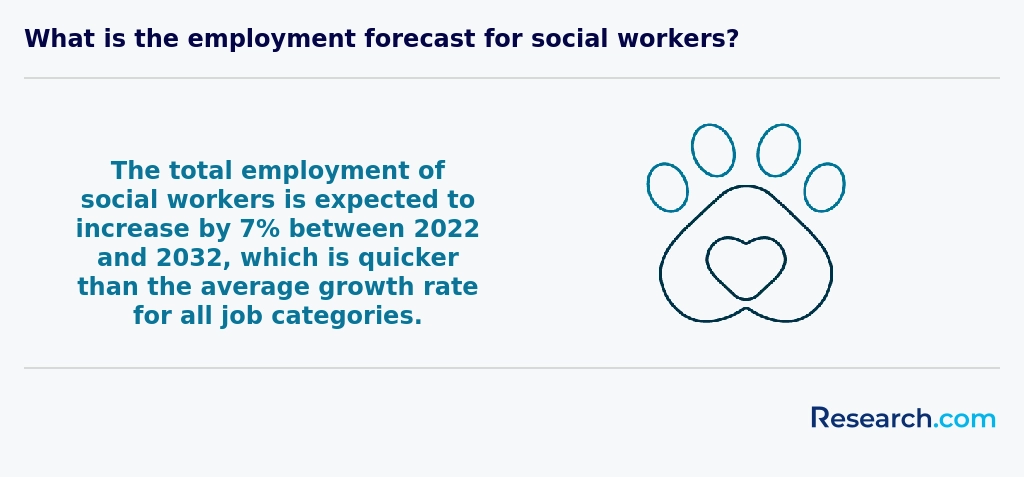
- Employment in human services is projected to grow by about 8% in Minnesota from 2022 to 2032, faster than the average for all jobs.
- Programs often include local practicum or internships, helping students gain hands-on experience within Minnesota communities.
- Some degrees fulfill state certification or licensing requirements needed for clinical or social work positions.
Completing an online human services degree in Minnesota often reflects a student's unique pace and life balance. Many graduates from Minneapolis Community and Technical College recall finishing their associate degrees in about two years when dedicating themselves full-time, appreciating the blend of general education and specialized human services coursework that shaped their practical skills.
Bachelor's degree students commonly share stories of pushing through four years of study, but some found joy in accelerated pathways, finishing in three years by taking additional courses or summer sessions. Others balanced jobs and family, extending their timeline to five years without losing momentum or passion for their career goals.
For those pursuing master's degrees at Minnesota universities, an 18- to 24-month full-time commitment often felt intense yet rewarding, while part-time options allowed for a steadier, stress-managed journey of up to three years or more. Many highlight how flexible, competency-based programs offered a sense of empowerment, letting them progress at a pace aligned with life's demands.
Choosing between an online and an on-campus human services degree in Minnesota often comes down to how you prefer to learn and engage with your education. Graduates from popular institutions like Metropolitan State University share that online programs offer the freedom to study around demanding work or family schedules, which is a true blessing when Minnesota winters make commuting unpredictable. They find comfort in accessing lectures anytime, allowing them to absorb material at their own pace without sacrificing life responsibilities.
Conversely, students attending on-campus programs, such as those at the University of Minnesota Duluth, value the face-to-face connections with instructors and peers. They appreciate immediate feedback during energetic classroom discussions and the easy access to local internship placements coordinated by campus partnerships, which often feel like stepping stones directly into community service roles.
- Online learners enjoy flexible pacing and saving on housing or transportation costs, making education more accessible in rural parts of Minnesota.
- On-campus students benefit from structured schedules and immersive campus resources, nurturing confidence through real-time collaboration.
The average cost of an online human services degree in Minnesota often centers around $18,670, making it a financially accessible option for many prospective students. Graduates from well-regarded public institutions, such as those in the Minnesota State Colleges and Universities system, frequently reflect on how this balance of quality and affordability helped them pursue their goals without overwhelming debt. These students typically find that the pricing aligns with the overall trends for Minnesota online human services degree tuition fees, which hover in a range that is manageable compared to national averages.
Those enrolled in bachelor's programs might pay between $300 and $500 per credit at public universities, leading to a total cost near $36,000 to $48,000 if calculated without financial aid, whereas master's level programs cost more per credit but maintain reasonable affordability for working professionals. A common story heard from graduates is how the flexibility of online learning and the cost structure at institutions like Metropolitan State University or the University of Minnesota Duluth allowed them to balance family and work obligations effectively.
Private colleges, while sometimes more expensive, often provide scholarships or aid that can reduce net costs substantially, making them also an option to consider. When exploring which career in human services typically requires a master's degree, it is wise to weigh the investment carefully, remembering that employer tuition assistance can ease the financial burden and enhance the return on earning an online degree.
By understanding the cost framework and tapping into available financial aid, students can confidently embark on their journey in human services, knowing Minnesota's online programs offer value without sacrificing quality.
Many students pursuing an online human services degree in Minnesota find relief through the Free Application for Federal Student Aid (FAFSA), unlocking access to federal grants like the Pell Grant or loans such as the Direct Unsubsidized and Grad PLUS Loans. One graduate from Metropolitan State University shared how this aid made advanced studies manageable while working part-time.
State-specific support, like the Minnesota State Grant, often supplements this aid for those enrolled at public institutions like St. Cloud State University. Recipients frequently express gratitude for the way these grants reduce financial stress, allowing them to focus more deeply on learning rather than budgeting tuition alone.
In addition, institutional scholarships aimed at online learners provide a crucial boost. For example, students at colleges participating in the Online Learning Consortium report feeling encouraged by targeted scholarships that value the unique challenges remote learners face.
Furthermore, many working professionals benefit from employer tuition reimbursement programs, common in social service agencies across Minnesota. This practical support often transforms education from a financial burden into a welcomed opportunity for career growth and personal fulfillment.
Enrolling in an online human services degree program in Minnesota typically calls for a high school diploma or GED for bachelor's applicants, while master's candidates usually need a related bachelor's degree. Graduates from well-known Minnesota institutions recall the importance of maintaining a solid GPA, often around 2.5 to 3.0, which opens doors and reflects genuine academic commitment.
Many found that having some hands-on experience in community service or nonprofit roles greatly strengthened their applications, making their passion for helping others more tangible. For example, volunteers at local shelters or counseling centers discovered this background resonated well during admissions, particularly for programs at prominent colleges offering online options.
Minnesota public universities often require proof of residency to qualify for in-state tuition, making this a practical step to plan early. Letters of recommendation and personal statements, which share your motivation and career aspirations, also play a key role in showcasing your readiness for the challenges of online study.
While standardized testing is less emphasized now, thoughtfully demonstrating your dedication through coursework and relevant experience remains the surest path to success in Minnesota's human services online programs.
Online human services degree programs in Minnesota often include a thoughtfully designed blend of courses that equip students with both practical skills and deep understanding of diverse community needs. Graduates from respected institutions like the University of Minnesota and St. Catherine University have shared how core classes such as Introduction to Human Services and Ethics and Professional Issues grounded them in essential principles while preparing them to navigate real-world challenges with compassion.
Many students find courses like Human Behavior and the Social Environment especially enlightening, as they reveal the complex social and cultural factors influencing individuals' lives. Case Management and Counseling Techniques offer hands-on strategies that graduates recall applying directly during internships or volunteer work in Minnesota's varied urban and rural settings.
- Social Welfare Policy provides valuable insight into state-specific programs such as MinnesotaCare, helping students appreciate how policy shapes support networks.
- Research Methods and Program Evaluation sharpen their ability to measure and improve services effectively.
Electives tailored to regional issues, like substance abuse counseling or crisis intervention, allow students to personalize their learning journeys, making the coursework feel meaningful and connected to real community impact.
Students pursuing online human services specializations Minnesota often encounter several focused pathways that reflect the state's pressing community needs. Graduates from popular institutions such as Metropolitan State University or Saint Cloud State University frequently highlight how specializations like Substance Abuse Counseling prepare them to engage meaningfully with individuals affected by addiction, a significant issue in Minnesota's public health landscape.
Another common focus area includes Mental Health Services, where learners gain skills essential for supporting clients through counseling and resource coordination, aligning with growing demand for mental health professionals within the state. Additionally, Child and Family Services specialization trains students to navigate complex family dynamics and foster care systems, fostering rewarding careers dedicated to well-being and protection.
Many Minnesota programs also offer Gerontology, addressing the needs of the aging population with practical community engagement strategies. Social Work and Case Management specialization appeals to those passionate about social justice and advocacy, equipping graduates to manage diverse client needs effectively.
Prospective students interested in a comprehensive yet efficient curriculum can explore the shortest online human services program, which blends these focus areas with ethical and policy-oriented coursework to prepare for real-world challenges.
Choosing the best online human services degree in Minnesota means focusing on programs that offer strong accreditation such as CSHSE or regional recognition, which assures quality and enhances job prospects locally. Graduates from popular Minnesota institutions often highlight how curriculum relevance-including mental health and social justice training-helped them feel confident when stepping into real-world roles. Many found value in universities that offer practicums or internships nearby, making professional experience tangible and deeply rewarding.
Cost plays an important role, too-affordable human services programs Minnesota students favor often balance tuition with additional fees and tech costs. For working professionals, flexibility is crucial; asynchronous courses from well-regarded colleges allow completion on a personal schedule without sacrificing rigor. Graduates frequently emphasize how career support and networking connections available through their schools made job searching less daunting in Minnesota's growing human services sector.
To explore options tailored to your needs, consider checking out top-rated online human services programs that fit your academic and professional goals.

Graduates of online human services degrees in Minnesota find themselves stepping into roles that deeply impact individual lives and community health. Many pursue careers as case managers, skillfully coordinating care and connecting people to crucial resources-a role particularly prominent in social service agencies and healthcare settings across the state. These positions offer a fulfilling balance of challenge and empathy, with median wages around $23 per hour, reflecting the steady demand in Minnesota's growing human services landscape.
Others embrace roles such as social service specialists or human services assistants, engaging directly with clients to facilitate access to government programs and advocacy. This matches a clear trend in human services career options Minnesota where the demand grows alongside an aging population and increased attention to mental health.
Many online graduates from Minnesota institutions feel motivated to seek licensure, becoming social workers or counselors. The journey towards becoming a Licensed Graduate Social Worker (LGSW) or Licensed Independent Clinical Social Worker (LICSW) enhances both personal growth and professional opportunity.
Exploring which career in human services typically requires a master's degree? Many choose to advance their education to expand their impact and salary potential. This thoughtful approach mirrors experiences shared by those studying at colleges popular for human services degree Minnesota, who report strong satisfaction in serving nonprofits, healthcare, and government agencies, all while navigating the rewarding complexity of human services.
The job market for graduates holding an online human services degree in Minnesota is notably strong, supported by a growing demand for skilled professionals in social support roles. Many graduates from popular institutions across Minnesota find rewarding positions within nonprofit organizations and government agencies, where the ability to provide compassionate, direct assistance is highly valued. This steady demand is underscored by growth in occupations like social and human service assistants, expected to rise by about 12% through 2030.
Graduates often share feelings of fulfillment knowing their work in mental health services or family support makes a tangible difference in their communities. Going beyond entry level, those earning advanced degrees frequently move into supervisory roles with competitive median salaries around $75,000, especially in metropolitan areas. For those balancing work and study, the accessibility of affordable online programs at Minnesota colleges makes advancing careers more achievable without sacrificing current employment.
Individuals exploring their options should also consider cost; many find that the cheapest online degrees for human services allow them to pursue valuable credentials within a reasonable budget. This combination points to a promising outlook for anyone seeking online human services jobs Minnesota offers, blending professional opportunity with practical study flexibility.
2027 Best Online Master's in Human Services Degree Programs Ranking in Minnesota
Investing in your education is a significant decision that can shape your future, and the Research.com team understands the importance of making informed choices. To assist prospective students in Minnesota, we have meticulously crafted the "2027 Best Online Master's in Human Services Degree Programs Ranking in Minnesota." Our commitment to quality, credibility, and accuracy is reflected in the extensive research and analysis conducted to compile this ranking.
We utilized the following reputable data sources to ensure a comprehensive evaluation of human services programs:
By exploring this ranking, readers will gain valuable insights into the best online human services master's programs available in Minnesota, enabling them to make well-informed decisions about their education and career paths. For more details on our methodology, please visit our Research.com methodology page.

# 2 position
Walden University
Master of Human Services


Frequently Asked Questions About human services
Online human services degree students in Minnesota can maximize their learning by actively engaging with their coursework and faculty. Many Minnesota colleges offer access to experienced professors who provide practical insights into local social service systems.
Students should take advantage of virtual networking opportunities with peers and professionals to build connections relevant to Minnesota's diverse communities. According to Minnesota's Department of Human Services, the state employs over 38,000 professionals in the sector, highlighting the value of local career networking.
Internships and practicum experiences within Minnesota organizations offer hands-on application of theoretical knowledge, critical for student success.
Finally, utilizing state and university resources such as tutoring, workshops, and career services strengthens skills and job readiness.
The human services field is evolving to meet new societal needs, especially in Minnesota, where demographic changes and policy shifts create demand for specialized roles. Emerging niches include gerontology services, focusing on the growing elderly population, and behavioral health support due to increased awareness of mental health. Data from the Minnesota Department of Employment and Economic Development highlights faster-than-average job growth in these areas.
Another important niche is community-based recovery programs for substance abuse, reflecting Minnesota's efforts to combat opioid addiction. Additionally, digital human services are expanding, with professionals using technology to provide remote counseling and resource coordination. Online degrees can prepare students for these innovative roles.
After completing an online human services degree in Minnesota, preparing for the job market involves several strategic steps. Begin by gaining relevant experience through internships or volunteer work with local social service agencies. Minnesota's Department of Human Services offers resources and listings for such opportunities.
Networking is crucial; joining professional organizations like the Minnesota Human Services Coalition can connect graduates with employers and job openings. Additionally, obtaining certifications such as the Certified Human Services Professional (CHSP) enhances credibility.
According to the Minnesota Department of Employment and Economic Development, job growth in human services is expected to rise by 8% through 2030, indicating a strong demand for qualified professionals.
Employers in Minnesota highly value human services graduates who demonstrate strong communication skills. The ability to effectively listen and convey information is essential when working with diverse communities. According to the Minnesota Department of Employment and Economic Development, critical thinking and problem-solving skills rank among the top employer priorities for human services roles.
Ethical judgment and cultural competence are also crucial, reflecting the state's diverse population. Knowledge of state and federal social service regulations helps graduates navigate complex systems. Additionally, proficiency with case management software and data collection is increasingly important in Minnesota's human services sector.
Finding internships in Minnesota relevant to a human services degree involves utilizing state-specific resources and university partnerships. Many online programs require or recommend internships through local agencies. Students should explore the Minnesota Alliance for Human Services, which connects learners with over 50 organizations statewide devoted to mental health, social work, and community outreach.
The Minnesota Department of Human Services reports a steady growth in human services jobs, with internships often available in public and nonprofit sectors.
Leveraging university career services and MinnesotaWorks.net, the state's job and internship portal, can also provide tailored opportunities. Networking with professional associations like the Minnesota Chapter of the National Organization for Human Services can further enhance access to internships.
An online human services degree in Minnesota significantly enhances career mobility and advancement opportunities. The Minnesota Department of Employment and Economic Development (DEED) projects a 12% growth in social service-related jobs through 2030, reflecting strong demand for qualified professionals.
Graduates with an online degree benefit from flexible learning while gaining credentials recognized by local employers. This flexibility allows working adults to advance without interrupting their current jobs.
With completion, individuals can pursue leadership roles in case management, counseling, and program coordination, often requiring a master's level education.
According to the Bureau of Labor Statistics, median wages for social workers in Minnesota exceed the national average, further supporting advancement prospects.
Studying for a human services degree in Minnesota equips students with skills essential for interdisciplinary roles. Programs emphasize collaboration across fields such as social work, psychology, and healthcare. This approach reflects Minnesota's diverse human services landscape, where 1 in 10 residents relies on social support services, according to the Minnesota Department of Human Services (DHS).
Through coursework, students learn to coordinate care, address complex client needs, and communicate effectively with professionals from various disciplines. This prepares graduates to work in integrated settings like community agencies, hospitals, and schools.
Additionally, Minnesota's focus on cultural competence allows students to better serve its diverse populations, supporting inclusive and effective teamwork.
Choosing between a thesis and a non-thesis human services degree program in Minnesota depends on your career goals and learning preferences. Thesis programs emphasize research, requiring a formal project, which suits students aiming for doctoral studies or research roles. Non-thesis tracks focus on practical skills and coursework, ideal for professionals seeking direct career advancement or licensure.
In Minnesota, where the human services field is growing by 7% annually, according to the Department of Employment and Economic Development, practical skills are highly valued. Thesis options often take longer due to research demands.
Consider program flexibility, faculty support, and your future plans when deciding.
Students based in Minnesota interested in studying human services abroad through online programs have several pathways to consider. Many U.S. universities with strong human services departments offer study abroad options as part of their online master's degree programs. These options often include virtual internships, international coursework, or short-term residencies in global locations.
While direct enrollment in foreign universities' online human services programs is less common, Minnesota learners can benefit from partnerships between local institutions and international schools. According to the Minnesota State Colleges and Universities system, nearly 35% of students in human services-related programs participate in some form of international experience.
Options for students typically include supplementing their online degree with study abroad opportunities in countries with advanced social welfare systems, such as Canada or the UK. Additionally, virtual global collaboration projects enhance cross-cultural competencies vital for human services professionals working in diverse communities.
Part-time jobs in Minnesota that complement an online human services degree offer practical experience and align with career goals in social work and community support. Roles such as case aides, community outreach workers, and residential counselors provide valuable exposure to client interaction and service coordination. According to the Minnesota Department of Employment and Economic Development, these positions often require interpersonal skills and understanding of social systems, making them ideal for students.
Working in nonprofit organizations or local health services agencies also allows students to develop advocacy and resource management skills critical to human services careers. Additionally, these roles frequently offer flexible hours suitable for balancing study and work.
Online human services students in Minnesota have multiple networking opportunities despite studying remotely. Many Minnesota colleges offering online degrees collaborate with local agencies and nonprofits, giving students chances to connect through internships and fieldwork. These practical experiences build valuable local contacts.
Students can also join professional organizations like the Minnesota Human Services Coalition or the National Organization for Human Services, which host virtual and in-person events across the state. Participation in these groups helps students develop professional relationships.
Minnesota's strong focus on social services leads to numerous regional conferences and workshops that online students can attend to engage with peers and experts.
Alumni networks play a significant role for online human services degree students in Minnesota by offering valuable career support and professional connections. These networks often provide mentoring opportunities, helping students navigate local industries such as social work, counseling, and community outreach. According to the Minnesota Department of Human Services, networking is crucial to finding jobs in this competitive field.
Graduates can access job boards, attend exclusive events, and join online groups tailored to Minnesota's human services community. This fosters relationships with experienced professionals, improving employment outcomes. For example, the National Association of Social Workers-Minnesota Chapter reports that over 70% of human services jobs are filled through referrals and alumni connections.
Moreover, alumni networks encourage lifelong learning and staying updated with state policies impacting human services, which benefits online students balancing study and work.
Customizing an online human services degree program in Minnesota allows students to align their education with specific career goals. Many programs offer elective courses or specializations such as substance abuse counseling, gerontology, or social work, enabling focused skill development.
Students can often select internships or practicum experiences in Minnesota communities, gaining practical knowledge tailored to local human service needs, as reported by the Minnesota Department of Human Services. These opportunities enhance career readiness for diverse roles within the state.
Additionally, some programs allow flexible scheduling and credit transfers, helping working professionals balance education with existing responsibilities. This adaptability supports individualized learning paths designed around personal and professional objectives in Minnesota's human services sector.
Online human services students in Minnesota often face challenges related to balancing coursework with personal and professional responsibilities. Many students are working adults who must manage jobs, families, and studies simultaneously, which can increase stress and time management difficulties.
Another common issue is limited access to local field placement opportunities, which are essential for experiential learning in human services. Minnesota's rural regions may impact availability, requiring students to seek placements further away or in virtual environments.
Technical difficulties and varying levels of digital literacy also affect student success. Reliable internet access and comfort with online platforms are crucial but not always guaranteed.
According to Minnesota's Department of Human Services, workforce shortages increase pressure on students to complete training efficiently while retaining essential skills for demanding human services roles.
With an online human services degree in Minnesota, graduates can pursue several professional certifications to enhance their career prospects. A common credential is the Certified Human Services Professional (CHSP), offered by the National Organization for Human Services. This certification validates knowledge and skills across human services roles.
Many Minnesotans also seek Licensed Alcohol and Drug Counselor (LADC) certification, as substance abuse treatment is a significant field in the state. The Minnesota Board of Behavioral Health and Therapy provides licensure upon meeting education and experience requirements.
Additionally, the Certified Case Manager (CCM) credential is valuable for those in client care coordination roles, reflecting advanced knowledge critical in Minnesota's health and social service systems.
Writing a winning application for an online human services program in Minnesota requires clarity and focus. Start by thoroughly researching the specific program requirements, as institutions often expect a statement of purpose tailored to their curriculum. Highlight your commitment to helping communities, referencing Minnesota's needs where possible, such as addressing social disparities noted by the Minnesota Department of Human Services.
Include relevant experience, whether volunteering or working in social services, and demonstrate your understanding of challenges unique to Minnesota's diverse populations. Be sure to provide clear academic records and strong recommendations from professionals familiar with your skills.
Finally, proofread carefully to ensure your application is professional and convincing.
Human services careers have gained increasing recognition internationally, with a growing emphasis on addressing social issues through community-based support and advocacy. In the US, including Minnesota, human services professionals play a vital role in enhancing quality of life and promoting equity.
Globally, human services emphasize cross-cultural competence and adaptability due to diverse populations. The National Organization for Human Services reports that in Minnesota, social services employment is projected to grow by 10% through 2030, reflecting rising demand. This growth aligns with broader trends in the US, where human services workers support mental health, aging populations, and social welfare programs.
Understanding global perspectives helps students appreciate their role in a connected world while addressing local needs effectively.
Students pursuing an online human services degree in Minnesota can gain practical experience through internships and field placements. Many accredited programs require or strongly recommend these opportunities, often arranged with local agencies and nonprofit organizations. The Minnesota Department of Employment and Economic Development (DEED) identifies human services as a growing field, projecting a 7% job growth through 2030, increasing demand for hands-on experience.
Internships provide real-world exposure to social services, mental health agencies, and community outreach programs. Additionally, some programs support virtual internships, allowing students to engage remotely with supervisors.
This practical training is essential to complement online coursework and meet Minnesota licensing requirements for many human services roles.
Choosing the right concentration within an online human services degree in Minnesota depends on your career goals and local job market demands. Minnesota's Department of Employment and Economic Development reports strong growth in behavioral health, social work, and counseling roles, with a projected 12% increase by 2030. Concentrations in mental health, substance abuse counseling, or child and family services align well with this trend.
Consider the specialization that fits your professional interests and the population you wish to serve. Research the licensing requirements for specific roles in Minnesota, as some concentrations may require additional certification.
Additionally, evaluate programs accredited by recognized bodies like the Council for Standards in Human Service Education (CSHSE) to ensure quality education.
- 2027 Best Online Master's in Human Services Degree Programs Ranking in Iowa
- 2027 Best Online Master's in Human Services Degree Programs Ranking in North Dakota
- 2027 Best Online Master's in Human Services Degree Programs Ranking in Illinois
- 2027 Best Online Master's in Human Services Degree Programs Ranking in Missouri
- 2027 Best Online Master's in Human Services Degree Programs Ranking in Michigan
- 2027 Best Online Master's in Human Services Degree Programs Ranking in Kansas
- 2027 Best Online Master's in Human Services Degree Programs Ranking in Ohio
- 2027 Best Online Master's in Human Services Degree Programs Ranking in Colorado
- 2027 Best Online Master's in Human Services Degree Programs Ranking in Kentucky
- 2027 Best Online Master's in Human Services Degree Programs Ranking in Arkansas
- Choosing a bachelor's in human services | edX https://www.edx.org/resources/how-to-choose-a-bachelors-in-human-services
- The Heart of Employment: Jobs and Opportunities for Human Services Degree https://www.ucumberlands.edu/blog/jobs-and-opportunities-for-human-services-degree
- Best undergraduate courses in Human Services to study abroad - Edvoy https://edvoy.com/courses/undergraduate-human-services/
- Finding Networking Opportunities as a Student | National Society of High School Scholars https://www.nshss.org/resources/blog/blog-posts/how-to-find-networking-opportunities-as-a-student/
- Key Trends for Social Work and Human Services in 2026 https://nctinc.com/blog/key-trends-for-social-work-and-human-services-in-2026/
- Online Bachelor’s Degree in Human Services https://www.monroeu.edu/academics/undergraduate-programs/school-criminal-justice/online-bachelors-degree-human-services
- How To Solve the Key Challenges Faced by Community Social Workers https://www.casebook.net/blog/how-to-solve-the-key-challenges-faced-by-community-social-workers/
- Utilize Your Alumni Networks https://www.keg.com/news/ways-to-use-your-alumni-networks-for-the-better
- Human Service Week - List of ideas for topics for student groups https://www.human-service-week.org/past-human-service-weeks/human-service-week-2024/list-of-ideas-for-topics-for-student-groups
- What is Human Services https://www.nationalhumanservices.org/what-is-human-services/