2027 Best Online Master's in Human Services Degree Programs Ranking in Colorado

Co-Founder and Chief Data Scientist
Choosing the right online master's program in human services can shape your future career and open new opportunities. This article introduces the 2027 Best Online Master's in Human Services Degree Programs Ranking in Colorado, developed by a dedicated team of data scientists at Research.com.
Designed to help Colorado students navigate their options, this ranking highlights quality programs worth considering. Whether you seek to advance your knowledge or make a meaningful impact in your community, pursuing a human services degree can be both rewarding and empowering.
Key benefits of getting online human services degree in Colorado
- Human services degree graduates in Colorado often find rewarding roles in social work or community support, with general US salaries around $42,000 to $50,000 annually, reflecting stable income opportunities in meaningful careers.
- A graduate from a well-known Colorado college might pursue careers such as case management, mental health counseling, or nonprofit program coordination, illustrating diverse and impactful job options.
- Completing a human services degree online offers flexibility and convenience, enabling working students in Colorado to balance life and studies, often graduating with strong tech skills valued by employers.
- 2027 Best Online Master's in Human Services Degree Programs Ranking in Colorado
- What can I expect from online human services degree in Colorado?
- Where can I work with online human services degree in Colorado?
What can I expect from online human services degree in Colorado?
The average cost of an online human services degree in Colorado typically ranges between $15,000 and $35,000, depending on the institution and program length. Graduates from well-known schools like Metropolitan State University of Denver or Colorado State University-Global often share how this investment unlocked new career opportunities without the need to relocate or sacrifice their current jobs. Many find financial aid options and scholarships reduce their expenses, making education more attainable.
Students envision balancing coursework with family and work life, appreciating the flexibility that online programs offer. The practical, real-world case studies and virtual internships reflect actual community challenges in Colorado, preparing them emotionally and professionally. This connection to local needs enhances their motivation and confidence, fueling their enthusiasm for helping diverse populations across the state.
With rising demand for social and mental health services, these accessible programs represent more than education-they are gateways to meaningful, rewarding careers that continually evolve as Colorado's communities grow and change.
Where can I work with online human services degree in Colorado?
Graduates with an online human services degree in Colorado often find rewarding roles in local government agencies, where they support community programs focused on public health and youth services. For example, many from institutions like the University of Colorado Denver share how they've become case managers or outreach coordinators, directly impacting lives through employment assistance or mental health initiatives.
Nonprofit organizations offer another vibrant career path. Graduates from schools such as Colorado State University increasingly pursue positions in homelessness support, substance abuse recovery, or family advocacy, experiencing the fulfillment of hands-on work that strengthens community resilience.
Healthcare settings also present growing opportunities. Alumni report thriving as patient advocates or behavioral health technicians in hospitals or rehab centers, roles that blend empathy with interdisciplinary teamwork to improve patient outcomes.
Educational environments, including K-12 systems, welcome human services graduates to provide critical counseling and special education support. These positions are especially popular among those who studied at Regis University, where many express satisfaction in fostering student success.
Looking ahead, the private sector's focus on corporate wellness and employee assistance programs is expanding, opening new doors for human services professionals eager to promote workplace well-being across Colorado's businesses.
Graduates holding an online human services degree in Colorado can anticipate starting salaries around $40,600 annually if they step into roles such as social and human service assistants. This reflects a practical entry point for those with associate or bachelor's degrees, often found in community organizations and smaller nonprofits in cities like Denver or Colorado Springs. Many graduates from local programs report feeling encouraged by this steady foundation as they begin their careers.
For those pursuing a master's degree online from institutions like Metropolitan State University of Denver, opportunities grow broader and pay scales improve. Professional counselors or program coordinators in Colorado can earn salaries near $62,400, with clinical social workers reaching above $70,000. Graduates in mental health agencies often express satisfaction with their ability to make a meaningful impact while enjoying competitive wages in urban settings.
Looking ahead, the demand for human services professionals in Colorado is expected to rise, especially in health and community services. This trend suggests that future graduates may find even more favorable earnings and job stability, particularly when they combine their degree with real-world experience and specialized skills.
- Tuition for online human services degrees in Colorado ranges from $15,000 to $35,000, with public universities generally costing less than private ones.
- In-state tuition benefits often apply to online students who reside in Colorado.
- Starting salaries for graduates are typically between $38,000 and $45,000 per year, increasing to $55,000 to $65,000 with five or more years of experience.
- Employment in social and community service roles in Colorado is projected to grow by about 12% through 2031, faster than the national average.
- Some human services jobs require state licensure or certification, and degree programs often include coursework to meet these requirements.
- Online programs usually help students arrange local internships or practicums to gain practical experience within their communities.
Online human services degrees in Colorado typically take about four years for full-time bachelor's students, but many find joy in customizing their pace. Graduates from well-regarded schools like Metropolitan State University of Denver often share how part-time enrollment stretched their journey to five or six years, balancing family, work, and studies with flexible online courses. It's common to see students appreciating this personalized pace, which lets them absorb material deeply without burnout.
Master's students at institutions such as Colorado State University-Global Campus frequently mention accelerated programs that enable finishing in as little as 18 months. These pathways cater to driven professionals eager to fast-track their impact in communities, providing the excitement of completing a valuable credential sooner while working full-time.
Whether through transferable credits or asynchronous classes, Colorado students regularly experience a supportive structure that fits diverse lifestyles. This flexible setup fosters confidence and motivation, allowing each learner to envision success tailored to their unique situation and pace in human services education.
Colorado students pursuing human services degrees often face a choice between online and on-campus formats, each shaping their educational experience uniquely. Graduates from institutions like the University of Colorado Denver frequently describe on-campus programs as opportunities for energized face-to-face interaction and immediate peer support in metropolitan settings. This environment fosters a strong sense of community and makes accessing resources like counseling centers and internships on site seamless.
Meanwhile, online students, including those connected to Colorado State University Global, cherish the flexibility tailored to busy lives-balancing work, family, and remote locations such as the San Luis Valley. These graduates appreciate being able to engage with coursework asynchronously, fueling autonomy and self-discipline while still completing local practica. Many express satisfaction in avoiding costly commutes and housing, making education more accessible.
Looking ahead, hybrid models blending in-person networking with digital convenience could redefine study options, enhancing inclusivity without sacrificing the rich connections valued by on-campus learners in Colorado's diverse communities.
For students pursuing an online master's in human services tuition Colorado typically centers around a median in-state total cost of about $18,144. This aligns closely with popular public options like the University of Colorado, where graduates recall balancing cost with a high-quality curriculum. Non-resident learners, by contrast, often experience a steeper investment, commonly reaching closer to $43,452 in total, reflecting higher tuition rates but still benefiting from the convenience of remote learning.
Graduates from programs such as Colorado State University Global highlight a consistent cost-per-credit approach, with rates averaging around $350, helping students plan their expenses with more certainty and avoid unexpected fees. The median total cost for completing an online human services degree in Colorado sits near $35,040, bridging the gap between private and public institutions.
Many who have completed their degrees appreciate the way these costs reflect in accessible technology fees and reduced commuting expenses, creating a balanced financial experience overall. Prospective students often consider scholarships and financial aid options that help ease the tuition burden further, allowing more focus on building rewarding careers in social services.
Looking forward, the intersection of affordability and flexible learning is encouraging more Coloradans to pursue these degrees, knowing they can manage costs while preparing for jobs with a masters in human services that impact communities positively.
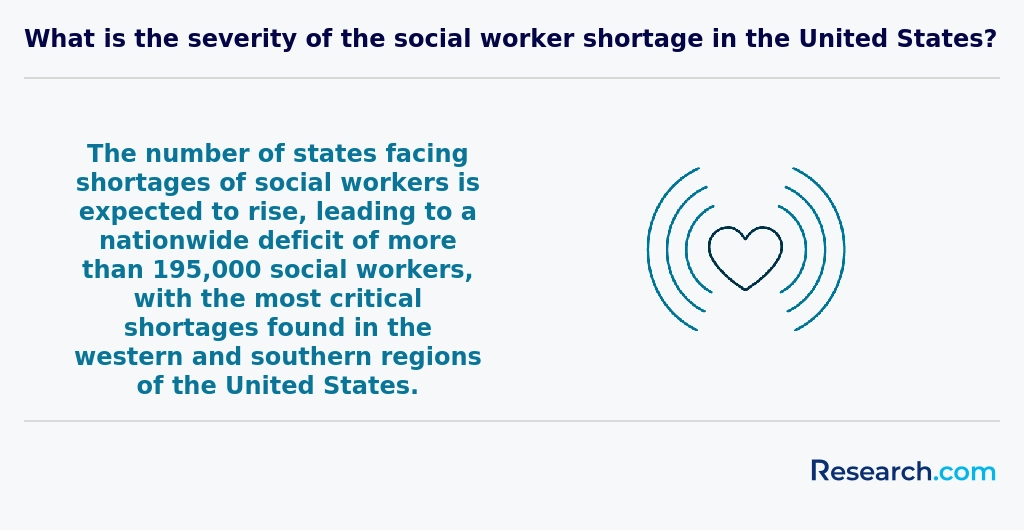
Colorado students pursuing online human services degrees often find strong financial support through federal aid like Pell Grants, which can cover up to $7,395 annually for undergraduates. One graduate from Metropolitan State University of Denver described how this grant made continuing education feel genuinely attainable without overwhelming debt. For graduate learners, options such as Direct Unsubsidized Loans and Grad PLUS Loans provide flexible repayment plans that ease future financial stress.
State programs also play a key role. The Colorado Opportunity Fund (COF) significantly lowers tuition for in-state students attending public colleges, a relief echoed by students at the University of Northern Colorado. Meanwhile, the Colorado Graduate Grant supports those advancing their studies, helping many envision a future in leadership within the human services field.
Institutional scholarships targeting social service students and employer tuition reimbursements add layers of support that previous graduates found invaluable. Employers in nonprofit and government sectors often back employees' growth, inspiring confidence in balancing work and study. As funding from bodies like the National Organization for Human Services expands, Colorado students can anticipate increasingly diverse financial aid tailored to their unique needs.
To enroll in an online human services degree program in Colorado, most applicants need at least a high school diploma or GED for bachelor's tracks, while master's programs require a completed undergraduate degree, often with a minimum 3.0 GPA. Graduates from popular institutions like Metropolitan State University of Denver share how submitting official transcripts, along with personal statements outlining their passion for supporting communities, helped them navigate admissions smoothly.
Future trends may see schools such as the University of Colorado expanding flexible prerequisites, focusing more on applicants' real-world experiences and soft skills like empathy and communication. Some students recall submitting letters of recommendation that highlighted their volunteer work or community engagement, making their applications stand out. Background checks and immunization records could become more streamlined as online programs integrate hybrid practicum models.
These evolving prerequisites mirror Colorado's growing demand for compassionate human services professionals who are both academically prepared and deeply motivated. The process balances accessibility with quality, fostering hopeful students excited to make meaningful impacts statewide.

Online human services degrees in Colorado commonly feature courses that blend theory with practical skills, designed for addressing real-world challenges. Graduates from institutions like Metropolitan State University of Denver often reflect on how foundational classes such as Human Behavior and the Social Environment helped them understand client experiences deeply, preparing them for diverse roles in social work or counseling.
Courses like Crisis Intervention Techniques enable students to gain confidence in managing emergency situations, which many find rewarding when applying their skills during internships with local agencies. Others appreciate classes centered around Social Welfare Policy, highlighting how Colorado's social systems affect vulnerable populations, providing a meaningful backdrop for advocacy work.
Specialized subjects such as Community Organization and Advocacy or Grant Writing and Program Evaluation prepare students to innovate and lead in human services environments. Across programs, including those at Colorado State University Global, the hands-on practicum experiences are especially valued for connecting classroom learning to impactful community service.
Online human services degree specializations Colorado students pursue include areas like Substance Abuse Counseling, Gerontology, and Mental Health Counseling, each tailored to meet evolving community needs. Graduates from well-known institutions such as Metropolitan State University of Denver often describe how specializing in Child and Family Services helped them connect deeply with vulnerable populations, enhancing their empathy and practical skills in real-world settings. Others focusing on Community Development and Advocacy share inspiring stories of organizing local initiatives that drive social change, reflecting a growing trend toward systemic impact in human services careers.
As Colorado's population diversifies, programs are increasingly integrating emerging fields, including trauma-informed care and digital mental health support, preparing students for future challenges. These advancements are particularly relevant for those exploring human services career paths Colorado online, offering flexibility alongside cutting-edge curriculum. Many find that pursuing an accelerated online bachelors degree in human services from Colorado colleges helps them balance professional growth with personal commitments while mastering specialized knowledge for their desired careers.
Choosing the best online human services degree in Colorado means prioritizing programs that blend rigorous curriculum with real-world application. Graduates from popular institutions often share how courses focused on mental health and community support directly prepared them for the challenges they faced working with Colorado's diverse populations. Imagine balancing a busy work schedule while engaging in asynchronous classes that offer the flexibility to study on your own terms-this is a common scenario that makes affordable human services programs Colorado highly attractive.
Consider programs that provide practicum opportunities partnering with local nonprofits or social agencies, as these connections are vital for hands-on experience and job prospects. Many students express satisfaction with universities that not only support academic growth but also offer robust career services and networking events online. Exploring options like human services online degrees can reveal emerging trends in program delivery and student engagement, paving the way for future success in Colorado's expanding human services field.
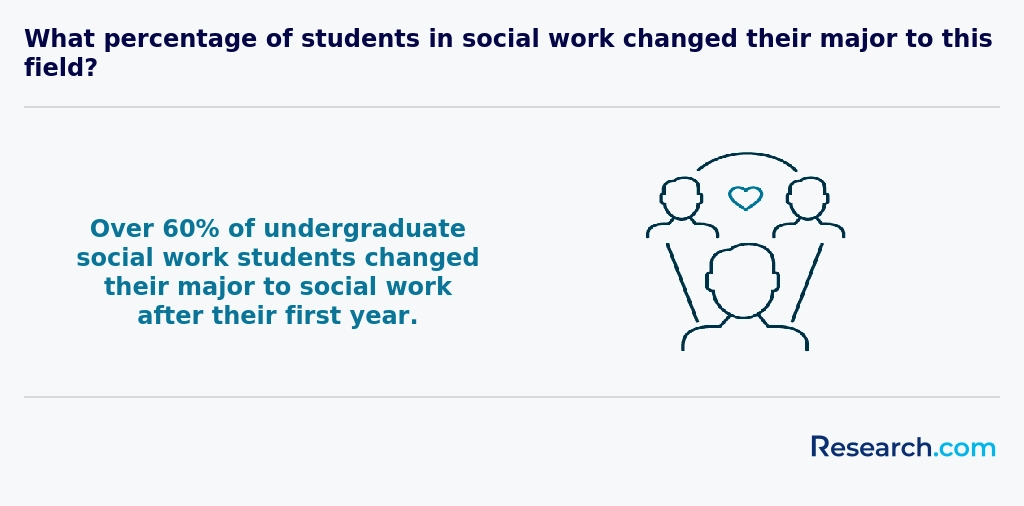
Graduates pursuing an online human services career options Colorado often find themselves stepping into roles like case managers or social service coordinators, helping individuals navigate complex systems like housing, healthcare, and employment. Many students from institutions such as the University of Colorado Denver report feeling empowered as they connect clients with life-changing resources, reflecting the hands-on experience these programs emphasize.
Human services degree job opportunities Colorado also expand into counseling fields, particularly mental health and substance abuse, where graduates engage in meaningful, transformative work. For example, alumni from Metropolitan State University of Denver describe their satisfaction in providing vital support to vulnerable populations, illustrating the deep personal impact of their careers.
Emerging trends point to increased involvement in community education and nonprofit leadership, where graduates develop innovative programs addressing social justice issues. With median salaries around $48,000 and competitive tuition at Colorado's public universities, students can pursue affordable education while preparing for diverse futures. Those considering a master's might explore insights like the master degree in human services salary to better understand the financial outlook of this path.
The job market for online human services degree graduates in Colorado is poised for growth, reflecting strong demand in social support roles across the state. Colorado's expanding focus on mental health and community well-being creates ample opportunities for careers such as social and human service assistants or community service managers. Graduates from popular institutions like Metropolitan State University of Denver often share firsthand experiences of being able to secure remote and flexible positions, highlighting the adaptable nature of online human services jobs Colorado.
Many report increased confidence entering fields such as case management thanks to practical curricula tailored to state-specific social dynamics. As Colorado's economy supports diverse nonprofits and public agencies, graduates find roles that not only offer competitive wages but also allow meaningful community impact. Those pursuing advanced degrees online see even greater job prospects and salary growth, underscoring why many consider an affordable online degree for human services a valuable investment in this evolving career landscape.
2027 Best Online Master's in Human Services Degree Programs Ranking in Colorado
Investing in your education is a significant decision that can profoundly impact your career and personal growth. The Research.com team recognizes the importance of making well-informed choices, which is why we have carefully developed the "2027 Best Online Master's in Human Services Degree Programs Ranking in Colorado." Our dedication to quality, credibility, and accuracy is demonstrated through comprehensive research and thorough analysis behind this ranking.
We utilized the following reputable data sources to ensure a reliable and thorough evaluation of programs:
By consulting this ranking, prospective students in Colorado will gain valuable insights into top online Master's programs in Human Services, aiding them in selecting the program best suited to their goals. For more information on our process, please visit our Research.com methodology page.

# 2 position
Colorado Christian University
Master of Public Administration


Frequently Asked Questions About human services
Online human services degree students in Colorado can enhance their learning by actively engaging with faculty and peers through virtual platforms. Interaction fosters deeper understanding and network building, which is essential in this people-centered field. Students should also take advantage of Colorado's extensive online resources, including access to local human services agencies for practical experience.
Balancing coursework with internships in organizations such as the Colorado Department of Human Services offers real-world exposure, crucial for mastering applied skills. According to Colorado's Department of Labor & Employment, human services roles in the state are projected to grow 12% through 2030, highlighting the importance of hands-on training.
Finally, utilizing academic support services and staying current with state policies on social welfare can sharpen professional readiness.
The human services field is evolving rapidly, with emerging niches that reflect modern societal needs. In Colorado, areas like trauma-informed care are gaining importance as awareness grows around mental health and adverse childhood experiences. Professionals trained in this area help clients recover from various forms of trauma.
Another expanding niche is geriatric support, driven by Colorado's aging population. Specialists focus on elder care and services tailored to older adults' unique physical and emotional needs. According to the Colorado Department of Human Services, the state's senior population is projected to increase by over 40% by 2030.
Additionally, human services in substance abuse recovery have expanded, responding to Colorado's ongoing opioid crisis. Graduates with expertise in addiction counseling and prevention are in demand across healthcare and community organizations.
These niches offer meaningful career pathways for students pursuing online human services degrees in Colorado.
After earning an online human services degree in Colorado, preparing for the job market involves several key steps. Start by gaining practical experience through internships or volunteer positions, which Colorado agencies like the Department of Human Services often prefer. Networking is also critical; joining professional organizations such as the National Organization for Human Services' Colorado chapter can open local job opportunities.
Understanding Colorado's licensing requirements for social and human services specialists is essential, as some roles may require certification or additional training. According to the U.S. Bureau of Labor Statistics, Colorado's human services field is projected to grow by 8% through 2031, signaling good job prospects for graduates.
Employers in Colorado seek specific skills in graduates with human services degrees, reflecting the state's growing demand for qualified professionals. According to the Colorado Department of Labor and Employment, strong communication skills are essential, as human services roles require clear interaction with diverse populations.
Critical thinking and problem-solving abilities rank highly, enabling graduates to assess client needs and develop effective support plans. Cultural competence is also vital due to Colorado's varied demographic profile. Additionally, employers value knowledge of case management and ethical standards within human services.
Data from the Bureau of Labor Statistics indicates that teamwork and adaptability are increasingly important, especially in dynamic social service environments. These skills ensure graduates can work well both independently and as part of multidisciplinary teams. Understanding these competencies helps prospective students align their education with Colorado's workforce needs.
Finding internships in Colorado relevant to a human services degree involves a combination of research, networking, and utilizing local resources. Start by exploring organizations such as Colorado Coalition for the Homeless and mental health clinics, which frequently offer internship opportunities in social services. Many universities also provide career services specifically for human services students that include internship placement assistance.
The Colorado Department of Human Services (CDHS) website lists state-run programs where interns can gain practical experience. According to the Colorado Workforce Development Council, internships in human services often lead to job placement after graduation due to the state's growing demand for social workers and counselors.
Students should also join local professional groups like the National Association of Social Workers (Colorado Chapter) to connect with experienced professionals and discover hidden internship opportunities. Checking job boards like Handshake, targeted at Colorado students, helps find up-to-date listings in human services fields.
An online human services degree in Colorado can significantly enhance career mobility and advancement opportunities. According to the Colorado Department of Labor and Employment, demand for human services professionals is expected to grow by 12% through 2030, faster than the average for all occupations. Completing an accredited online program provides flexibility for working adults while meeting state certification requirements.
Graduates gain practical skills in case management, counseling, and social service administration, which are valued by employers across healthcare, government, and nonprofit sectors. Many Colorado agencies prefer candidates with a master's degree for supervisory and managerial roles.
Additionally, earning an online degree allows professionals to expand their network statewide, increasing chances for promotion or transition to higher-paying roles. Data from the U.S. Bureau of Labor Statistics shows that human services managers in Colorado earn a median annual wage of $69,000, with opportunities to grow as experience and education levels increase.
Studying for a human services degree in Colorado equips students with skills to work effectively across multiple disciplines. Programs often emphasize collaboration with healthcare providers, social workers, educators, and legal professionals. This interdisciplinary focus reflects Colorado's integrated community service models that address complex social challenges.
Courses commonly cover topics like case management, ethical decision-making, and policy analysis. These prepare graduates to navigate systems involving mental health, addiction, and family services. According to the Colorado Department of Human Services, more than 60% of professionals engage in cross-sector work, underscoring the demand for versatile expertise.
Online degrees also integrate real-world scenarios, enabling students to develop communication and problem-solving skills vital in diverse team environments. This approach aligns with workforce needs in Colorado's growing human services sector, projected to increase by 15% through 2030 (Colorado Labor Market Information).
When choosing between a thesis and a non-thesis online human services degree program in Colorado, consider your career goals and learning preferences. Thesis programs focus on original research and are ideal if you plan to pursue a doctoral degree or a research-oriented role.
Non-thesis options emphasize practical skills through coursework and applied projects, fitting professionals aiming for direct service or administrative positions. According to Colorado Department of Higher Education, over 60% of human services graduates enter community-based organizations where practical experience is highly valued.
Additionally, thesis programs often require more time to complete, so review program length and workload before deciding.
Students based in Colorado who wish to study human services abroad often look for programs that offer international partnerships or study abroad options through U.S. institutions. While most human services master's degrees are designed for online or on-campus study within the United States, some Colorado universities maintain exchange agreements with schools overseas.
These partnerships allow students to complete part of their coursework abroad or engage in international internships related to human services. However, the availability of such options varies significantly by university. Prospective students should carefully research programs accredited by the Council for Standards in Human Service Education (CSHSE) that explicitly support global learning experiences.
According to the Colorado Department of Higher Education, only a small percentage of human services master's programs in Colorado currently have formal study abroad components, making online global learning resources an alternative avenue for international exposure.
Part-time job opportunities in Colorado that complement human services degree education often involve direct community engagement. Positions such as case aides, peer support specialists, or residential counselors provide practical experience with vulnerable populations. These roles help develop skills in communication, crisis intervention, and resource coordination.
According to the Colorado Department of Labor and Employment, social and community service assistants earned a median wage of approximately $17 per hour in 2023, reflecting steady demand in these roles.
Additionally, volunteer roles or internships within local nonprofits and health agencies provide valuable exposure and networking opportunities, enhancing a student's resume while working part-time.
Online human services students in Colorado have various networking opportunities despite the virtual format. Many universities offer virtual career fairs and online meetups, connecting students with alumni and local professionals.
The Colorado Human Services Network and organizations like the Colorado Community College System provide online forums and events specifically for human services professionals, promoting knowledge sharing and mentorship.
According to the Colorado Department of Human Services, the state employs over 28,000 professionals, creating a broad community for students to engage with through internships or volunteer opportunities promoted online.
Additionally, professional associations such as the National Organization for Human Services offer local chapters with virtual programming accessible to Colorado students. These platforms foster relationships and career growth.
Alumni networks play a crucial role for students pursuing online human services degrees in Colorado. These networks offer valuable connections that can lead to internships, job opportunities, and mentorship.
In Colorado, human services is a growing field, with a projected 12% job growth rate from 2020 to 2030 according to the U.S. Bureau of Labor Statistics. Alumni connections help students tap into this expanding job market effectively.
Many alumni also share insights on local agencies and community programs, improving students' understanding of Colorado's specific social service needs. Furthermore, alumni events often provide networking platforms, even for online learners.
Strong alumni networks can support career advancement by offering professional advice and fostering leadership growth in human services roles throughout Colorado.
Customizing an online human services degree program in Colorado allows students to better align their education with specific career goals. Many programs offer elective courses focused on areas such as substance abuse counseling, mental health, or organizational leadership. Choosing these electives can help prepare for roles in agencies that serve Colorado's diverse populations.
Students may also benefit from practical experiences like internships or practicum placements within Colorado human services organizations, which deepen applied skills. Some programs offer flexible pacing and concentration options to accommodate working professionals. According to Colorado Department of Human Services, demand for qualified counselors and case managers is projected to grow 15% by 2030, emphasizing the value of tailored education paths.
Online human services students in Colorado often face challenges related to balancing coursework with personal and professional responsibilities. Many students are working adults, which can make time management difficult. The remote nature of online learning also presents obstacles like limited face-to-face interaction and less immediate support from instructors or peers.
Access to reliable internet is a concern, especially in rural parts of Colorado, affecting students' ability to fully participate in classes. Additionally, securing relevant field placements or internships within the state can be competitive, as these practical experiences are essential for degree completion and licensure.
According to the Colorado Department of Higher Education, retention rates for online programs tend to be lower than traditional ones, highlighting the importance of student engagement and support in virtual environments.
Graduates with an online human services degree in Colorado can pursue several professional certifications to enhance their career prospects. One common certification is the Certified Human Services Professional (CHSP), which validates foundational knowledge and skills relevant nationwide.
Another key credential is the Certified Case Manager (CCM), important for those working in client advocacy and care coordination. In Colorado, the Licensed Professional Counselor (LPC) credential is highly regarded for Master's-level graduates aiming to provide counseling services.
Additionally, certifications in addiction counseling or social work, such as the Certified Alcohol and Drug Counselor (CADC), are popular. According to the Colorado Department of Regulatory Agencies, demand for licensed human services professionals has grown by 12% over recent years.
Applying to an online human services program in Colorado requires a clear and focused approach. Start by carefully reviewing each school's application requirements, as they may vary. Most programs expect a personal statement explaining your commitment to human services and your career goals. Highlight any relevant experience in social work, nonprofit organizations, or community outreach.
Include transcripts showing a strong academic record, since Colorado institutions often look for a minimum GPA of 3.0 for master's programs. Letters of recommendation from professional or academic sources can strengthen your application, emphasizing your skills and dedication.
Research from the Colorado Department of Higher Education notes increasing demand for human services professionals, so highlighting your knowledge of local community needs can be advantageous. Demonstrating awareness of Colorado's diverse populations and social issues helps make your application stand out.
Human services careers in the United States often emphasize both local impact and global awareness. Professionals trained in Colorado, for example, engage with diverse populations, reflecting the state's growing multicultural communities. The U.S. Bureau of Labor Statistics highlights a steady 10% growth rate in social and human services occupations nationwide through 2031, underlining increasing demand.
Globally, human services roles share core goals: improving quality of life, promoting equity, and supporting vulnerable groups. U.S. programs, including many online degrees available to Colorado students, incorporate international case studies and multicultural competencies to prepare graduates for this broad perspective.
The Council for Standards in Human Service Education (CSHSE) encourages curricula that address global challenges like immigration and poverty, which are increasingly relevant in Colorado's urban and rural settings.
Gaining practical experience while pursuing an online human services degree in Colorado is essential for career readiness. Many accredited programs require internships or practicum placements, which students can complete locally. Colorado's diverse social service agencies, including nonprofits and government organizations, frequently partner with universities to provide these opportunities.
Students should communicate with their program advisors early to identify suitable placements aligned with their interests. According to the Colorado Department of Human Services, agencies in Denver and Colorado Springs offer numerous openings for hands-on experience in areas like mental health and community outreach.
Additionally, networking through virtual workshops and professional organizations, such as Colorado's Human Services Network, can enhance practical learning and future job prospects.
Choosing the right concentration within an online human services degree program in Colorado depends on your career goals and interests. Popular specializations include addiction counseling, social work, mental health, and nonprofit management. Research Colorado's workforce needs: the Colorado Department of Labor reports growing demand for mental health counselors by 16% through 2030.
Consider programs offering internships or fieldwork aligned with Colorado's guidelines for human services licensure. Pay attention to concentrations that prepare you for local certifications, such as Licensed Professional Counselor (LPC) or Certified Addiction Counselor (CAC).
Review curriculum details to ensure the coursework matches your intended client population or setting. Finally, check if the program's faculty have relevant experience in Colorado's human services sector for practical insight.
- 2027 Best Online Master's in Human Services Degree Programs Ranking in Kansas
- 2027 Best Online Master's in Human Services Degree Programs Ranking in Texas
- 2027 Best Online Master's in Human Services Degree Programs Ranking in Missouri
- 2027 Best Online Master's in Human Services Degree Programs Ranking in Iowa
- 2027 Best Online Master's in Human Services Degree Programs Ranking in Arkansas
- 2027 Best Online Master's in Human Services Degree Programs Ranking in California
- 2027 Best Online Master's in Human Services Degree Programs Ranking in North Dakota
- 2027 Best Online Master's in Human Services Degree Programs Ranking in Illinois
- 2027 Best Online Master's in Human Services Degree Programs Ranking in Kentucky
- 2027 Best Online Master's in Human Services Degree Programs Ranking in Alabama
- Online Bachelor’s Degree in Human Services https://www.monroeu.edu/academics/undergraduate-programs/school-criminal-justice/online-bachelors-degree-human-services
- How to Maximize the Impact of Alumni Networks https://www.careeros.com/resources/how-to-maximize-the-impact-of-alumni-networks
- Online Bachelor's Degree in Human Services | CSU Global | Accredited https://csuglobal.edu/academic-programs/undergraduate-degrees/undergraduate-degrees-bachelors-degree-human-services
- How To Solve the Key Challenges Faced by Community Social Workers https://www.casebook.net/blog/how-to-solve-the-key-challenges-faced-by-community-social-workers/
- 6 Trends in Human Services That Will Change the Face of the Field | ANCOR https://www.ancor.org/connections/6-trends-human-services-will-change-face-field/
- 6 Challenges of the Human Services Worker | Relias https://www.relias.com/blog/6-challenges-of-the-human-services-worker
- Human Services Careers | PublicHealthOnline.org https://www.publichealthonline.org/human-services/
- Human Service (BA) | Colorado Mountain College https://coloradomtn.edu/programs/human-services/
- Is a Human Services Degree Right for You? https://www.ucumberlands.edu/blog/is-a-human-services-degree-right-for-you
- Pardon Our Interruption https://www.coloradotech.edu/degrees/bachelors/criminal-justice/human-services