
2027 Best Online Engineering Degree Programs Ranking in Maine

Co-Founder and Chief Data Scientist
Choosing the right engineering degree program is an important step for students in Maine looking to build a successful future. This article introduces the 2027 Best Online Engineering Degree Programs Ranking in Maine, created by the Research.com team of data scientists. It offers a carefully researched guide to help you explore top-ranked programs that fit your goals and lifestyle.
By reading this ranking, you'll gain clear insights to make an informed decision. Pursuing an engineering degree online can open doors to exciting career opportunities and personal growth, all from the convenience of your home.
Key benefits of getting online engineering degree in Maine
- Engineering graduates in Maine can expect strong salaries, such as Mechanical Engineers earning around $105,220 annually and Electrical Engineers about $117,680, reflecting exciting financial potential.
- Graduates from the University of Maine often pursue varied paths including civil, industrial, and electrical engineering careers, offering many rewarding opportunities close to home.
- Completing an engineering degree online provides flexibility to balance work and life, enabling students from Maine to study without relocating while gaining the same respected credentials as traditional programs.
- 2027 Best Online Engineering Degree Programs Ranking in Maine
- What can I expect from online engineering degree in Maine?
- Where can I work with online engineering degree in Maine?
What can I expect from online engineering degree in Maine?
The average cost of pursuing an online engineering degree in Maine can vary, but many students find the investment both manageable and rewarding. Graduates from institutions like the University of Maine often benefit from in-state tuition rates, which significantly ease financial pressure while providing ABET-accredited education. Some students pursue hybrid options that blend online and on-campus components, balancing affordability with flexibility.
Others look to well-regarded nearby universities such as the University of New Hampshire or Worcester Polytechnic Institute, where tuition may be higher but scholarships and federal aid options help bridge the gap. Many students describe feeling empowered knowing that their financial aid packages, including veteran benefits or merit scholarships, support their dream of becoming engineers without overwhelming debt.
With the strong earning potential for engineers in Maine, averaging around $87,000 annually, students find the cost of their education to be a strategic investment toward a fulfilling and stable career. These graduates often reflect on how financial planning and support resources made their engineering journey not only achievable but inspiring.
Where can I work with online engineering degree in Maine?
Graduates with an online engineering degree from well-known Maine institutions often find themselves stepping into vibrant industries right at home. Imagine joining a team at a leading manufacturing company designing aerospace components or working alongside experts at a naval shipyard like Bath Iron Works, where hands-on projects bring engineering concepts to life. Many graduates proudly share how their degree prepared them to tackle real-world challenges in manufacturing, technology, and construction.
Portland's bustling tech scene offers exciting opportunities for electrical and computer engineers, where graduates contribute to innovative startups and established firms improving our digital future. Others find fulfillment working on public infrastructure projects with the Maine Department of Transportation, helping to build roads and bridges that connect communities. Renewable energy firms also attract passionate engineers focused on sustainable solutions, turning ideas into clean power across Maine's coastal and rural areas.
These diverse career paths demonstrate how an online engineering degree from Maine's respected colleges not only opens doors but also empowers students to shape dynamic, meaningful careers close to home.
Graduates of online engineering programs in Maine, such as those from the University of Southern Maine, are stepping into careers with promising financial rewards. For instance, mechanical engineers in Maine earn a mean annual wage of about $105,220, reflecting strong demand in industries like manufacturing and advanced manufacturing. Electrical engineering graduates see even higher earning potential, with an average salary around $117,680, thanks to the growing tech and renewable energy sectors in the state.
Civil engineers, often shaping Maine's vital infrastructure, typically earn about $101,160 annually, offering both stable income and meaningful impact on communities. These figures showcase how an online engineering degree can open doors to well-paying careers right here in Maine.
Many graduates feel energized knowing their skills in mechanical, electrical, or civil engineering are valued by employers across Portland and other urban hubs, where salary offers tend to be more competitive. The combination of quality online education and Maine's diverse engineering landscape creates an exciting path for career growth and financial success.
- Online engineering degrees in Maine cost between $12,000 and $25,000 for bachelor's programs, with graduate degrees ranging from $15,000 to $30,000.
- Average starting salaries for engineering graduates in Maine are around $65,000 per year, with experienced engineers earning about $90,000 annually.
- The engineering job market in Maine is expected to grow by 5% over the next decade, driven by sectors like manufacturing and renewable energy.
- Students should ensure their programs are ABET-accredited and prepare to pass the Fundamentals of Engineering (FE) exam to become licensed Professional Engineers in Maine.
- Maine colleges often partner with technical institutions to deliver flexible online programs without requiring relocation.
Completing an online engineering degree in Maine is an achievable goal filled with flexibility and opportunity. Many students enroll at institutions like the University of Maine, balancing coursework with life's demands, and typically finish their degrees in about four years if studying full-time. This timeline offers a steady pace for mastering complex concepts without feeling overwhelmed.
Some graduates share how accelerated options inspired them to push through challenges, finishing in as little as three years by taking summer courses and summer internships. This fast-track approach keeps motivation high and unlocks career doors sooner.
Others have found part-time enrollment a perfect fit, especially when juggling family or work, extending completion to five years or more without sacrificing quality. Transfer credits from prior studies often become a game-changer, allowing students to celebrate milestones even earlier than expected.
Whether rushing ahead or pacing yourself, Maine's online engineering pathways create an encouraging environment that respects each learner's unique journey toward success.
Choosing between online and on-campus engineering degrees in Maine offers exciting possibilities tailored to your lifestyle. On-campus programs at schools like the University of Maine provide vibrant, hands-on experiences with labs and workshops, where graduates often recall collaborating closely with peers and professors in dynamic settings. This direct interaction sparks creativity and builds strong local networks within Maine's engineering community.
Meanwhile, online degrees bring incredible flexibility, perfect for balancing work, family, and study-especially in rural Maine, where commuting can be challenging. Graduates from online programs at well-respected Maine institutions celebrate being able to learn at their own pace without sacrificing quality, thanks to ABET-accredited curricula that match on-campus rigor. Virtual labs and interactive simulations bring engineering concepts to life, making remote study both engaging and effective.
Whether on-campus or online, Maine students confidently pursue their engineering dreams with programs designed to support their goals, emphasizing flexibility, practical skills, and a strong foundation to launch successful careers.
Obtaining a Professional Engineer (PE) license is a critical step for many engineering graduates in Maine, enhancing credibility and expanding career prospects. The path begins with passing the Fundamentals of Engineering (FE) exam, administered by the National Council of Examiners for Engineering and Surveying (NCEES). Most online programs in Maine are ABET-accredited, ensuring eligibility for FE exam registration. Once you pass the FE exam, you earn the Engineer-in-Training (EIT) designation, which allows you to accumulate the four years of supervised work experience required before sitting for the PE exam. Preparing for licensure often involves dedicated review courses, practice exams, and mentorship from faculty or industry professionals. Many online programs partner with local chapters of professional societies-such as the Maine Society of Professional Engineers-to offer workshops and networking events tailored to exam preparation. Graduates frequently recommend leveraging these resources early in your academic journey to build confidence and master key topics, from statics and dynamics to ethics and professional practice. Considering cost-effective pathways to licensure, prospective students should compare tuition and support services across institutions. For a benchmark in affordability, explore our Cheapest Engineering Degree Programs Ranking in Daytona Beach, FL to see how programs outside Maine structure their fees and exam prep resources. By understanding the licensure timeline and taking advantage of online and in-person support, you’ll be well-positioned to earn your PE license and advance your engineering career.
The average cost of an online engineering degree in Maine is both accessible and reasonable, especially when compared to many other states. Graduates from institutions like the University of Maine often highlight how their in-state tuition, which averages around $23,850 for the full program, made pursuing their dreams more manageable. This balance of quality education and affordability inspires many prospective students to take the leap toward their engineering goals with confidence.
For those considering the average cost of online engineering degree in Maine, it's important to understand that public universities offer rates that are friendly to Maine residents, while still maintaining strong academic standards. These programs typically require between 120 and 130 credit hours, and the total cost reflects both the tuition and low additional fees, making it easier to budget and plan ahead.
Students often share how the flexibility of online courses helped them continue working or manage family commitments, adding value beyond just the financial savings. Maine's online engineering degree tuition and fees Maine residents face are further softened by available financial aid and scholarships, which many graduates found to be a crucial part of their success story.
Exploring further, students interested in technology fields can also find exciting computer science degree options that complement engineering skills, expanding career possibilities without breaking the bank.
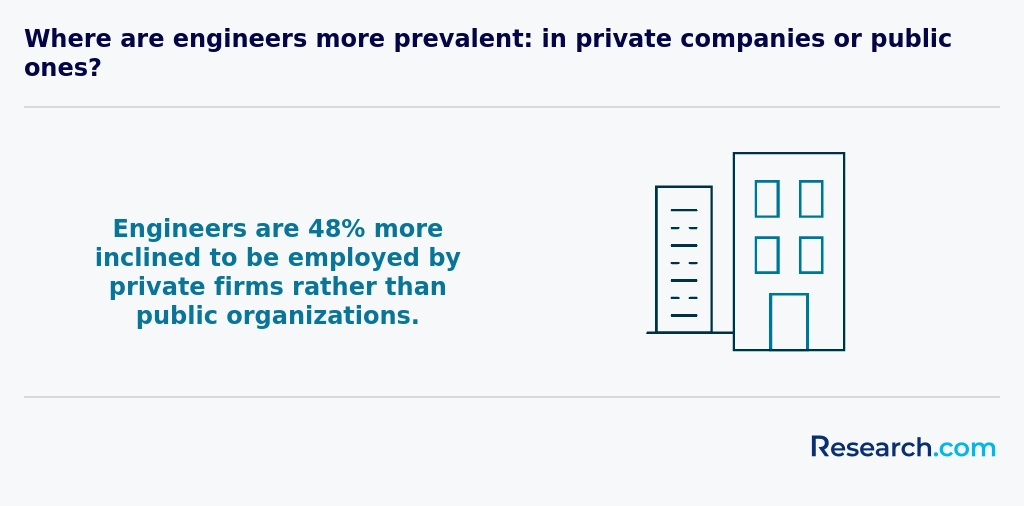
Many students pursuing an online engineering degree in Maine find that financial aid significantly lightens their journey toward success. Graduates from well-known institutions like the University of Maine often share how federal Pell Grants, which can provide up to $7,395 annually, made it possible to focus on studies without overwhelming financial stress.
Completing the FAFSA opens doors to these grants and the Federal Supplemental Educational Opportunity Grant (FSEOG), giving those with exceptional need a real advantage. Maine residents also benefit from state-specific programs, such as the Maine State Grant Program, which supports in-state students striving for an engineering career.
- Merit-based scholarships tied to STEM fields can reward hard work and dedication at colleges like Bowdoin and Colby.
- The Efficiency Maine Trust offers targeted aid for students entering energy-related engineering, making a renewable future even more accessible.
- Employers in Maine's manufacturing sector often partner with students through tuition assistance programs, reflecting community commitment to growth.
Networking with professional organizations like the Maine Society of Professional Engineers can also bring unexpected financial support, proving that with determination and early planning, the path to an online engineering degree in Maine is truly within reach.
Online engineering students in Maine benefit from a robust network of support services designed to enhance academic success and professional development. Academic advising teams are available to guide course selection, track degree progress, and provide personalized study plans that align with your career goals. Most institutions offer 24/7 technical support to ensure seamless access to learning management systems, virtual labs, and collaboration tools. Comprehensive online library resources give you access to research databases, e-books, and scholarly journals, enabling in-depth study and up-to-date project work. Many programs feature dedicated tutoring and peer-mentoring services, where experienced students help newcomers navigate challenging subjects like thermodynamics or circuit analysis. Career services play a pivotal role by offering résumé reviews, mock interviews, and exclusive internship listings; these resources often include salary data insights to help you negotiate competitive offers-see our detailed guide on stem jobs salary for more information. Additionally, virtual networking events and alumni panels connect you with industry professionals and Maine-based employers, fostering relationships that can lead to internships, project collaborations, and full-time positions upon graduation.
To embark on your journey toward an online engineering degree in Maine, you'll need a high school diploma or GED, paired with a solid foundation in math and science. Many students discovering success at institutions like the University of Maine recall how early mastery of algebra, geometry, and physics made challenging courses feel empowering rather than intimidating.
While some programs may ask for SAT or ACT scores, test-optional policies make applying more accessible than ever. Graduates often reflect on how proactive communication with admissions advisors revealed these flexible options, easing their path forward.
If you have prior college credits, sharing official transcripts can highlight your readiness, especially if you've completed key STEM courses such as calculus or chemistry. You'll also benefit from being comfortable with technology, as online programs use virtual labs and interactive tools-resources that many Maine students found exciting and deeply engaging during their studies.
With encouragement from Maine's educational community, you're set to begin an inspiring academic adventure tailored to your strengths and goals.
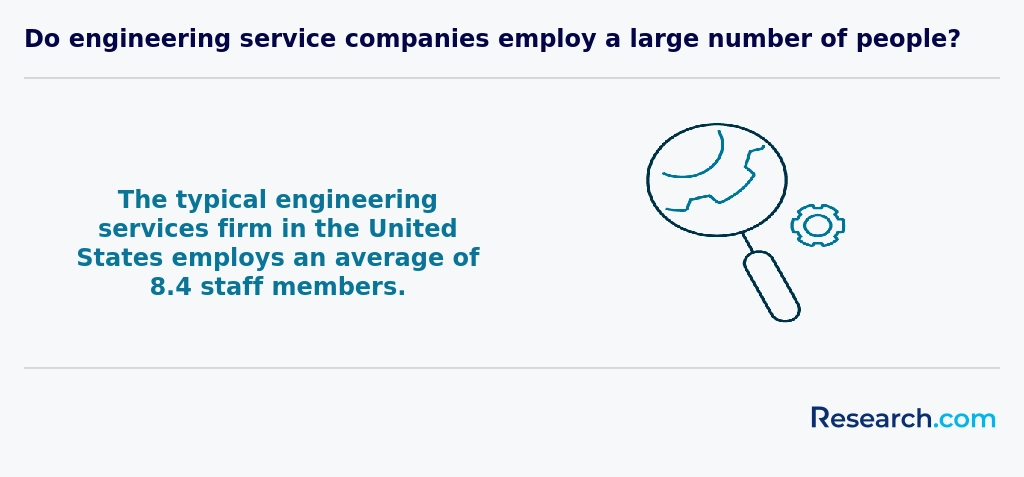
Students embarking on an online engineering degree journey can benefit from proactive strategies that enhance learning, maintain motivation, and ultimately lead to career success. Here are several actionable tips designed to help you thrive: • Establish a consistent study routine by creating a dedicated workspace and schedule. This helps simulate the environment of a traditional classroom and keeps you focused on course deadlines and projects. • Take advantage of virtual networking opportunities. Engage in discussion forums, join online study groups, and participate in webinars to connect with peers and industry professionals. Consider exploring resources from most affordable engineering schools in maine to further expand your network and gain insights into cost-effective educational opportunities. • Actively seek out mentorship by reaching out to professors and alumni who have successfully navigated online programs. Their advice can provide guidance on both coursework and career planning. • Utilize available academic support services such as tutoring, career coaching, and technical assistance. These services can help overcome obstacles that arise from balancing remote learning with personal and professional responsibilities. • Regularly set and review both short-term and long-term academic and career goals. This practice not only keeps you motivated but also provides a clear direction for your professional development after graduation. Incorporating these success strategies into your daily routine can significantly enhance your online learning experience, ensuring you not only complete your degree but also excel in a competitive engineering landscape.
Online engineering degrees in Maine offer a dynamic curriculum that inspires students to master essential subjects like Calculus, Differential Equations, and Physics, providing the critical tools needed to solve real-world engineering challenges. Graduates from universities such as the University of Maine often share how foundational courses in Computer Programming, using languages like Python and C++, unlocked their confidence to innovate in practical projects.
As students advance, they dive into specialized courses tailored to their passions-whether it's Thermodynamics and Mechanical Design for mechanical engineering or Circuits and Signal Processing for electrical engineering. These programs bring concepts to life through virtual labs and engaging simulations, making complex theories understandable and exciting to apply.
Graduates frequently describe the empowering experience of balancing rigorous academics with Maine's supportive online environment, enabling them to leap into careers equipped with both knowledge and practical skills. Studying in Maine online not only delivers quality education but also nurtures ambition with every course completed.

Online engineering degree specializations Maine students pursue are exciting gateways to vibrant careers. Graduates from popular colleges in Maine often choose mechanical engineering, benefiting from hands-on projects related to shipbuilding and manufacturing. These experiences inspire confidence and pride as students see their designs come alive in real-world applications.
Civil engineering is another favorite, with students eagerly contributing to Maine's infrastructure, like bridge construction and sustainable building initiatives that shape communities. Electrical engineering graduates find rewarding paths in renewable energy fields, working with wind and hydroelectric power-innovations that are transforming Maine's future.
Many students pursue software engineering or computer engineering to meet the digital transformation needs of Maine's growing businesses. Practical coursework and virtual labs equip them to lead in cybersecurity and technology development. For those exploring diverse interests, options such as environmental, industrial, and biomedical engineering also provide meaningful careers aligned with Maine's industries.
Exploring online colleges with affordable tuition can make these opportunities accessible, empowering you to thrive in one of the best engineering fields for online degrees Maine offers.
Choosing the best online engineering degree in Maine starts with finding a program that perfectly fits your lifestyle and career goals. Many graduates from popular Maine universities highlight how ABET accreditation gave them confidence in the quality of their education, helping them secure rewarding jobs in local engineering firms. Imagine balancing your job and studies seamlessly through flexible, asynchronous courses designed to fit your busy schedule-this is a common experience for working professionals in Maine.
Affordability also plays a vital role. Students often share how they found affordable online engineering programs Maine-wide that didn't sacrifice quality, making their dreams achievable without overwhelming debt. Look for programs offering hands-on virtual labs or internships connected with Maine's renewable energy projects; these opportunities bring classroom theories to vibrant, real-world scenarios.
Many find guidance by exploring details like online master's degree requirements as they consider advanced studies. Your choice will empower you to join the passionate community driving Maine's engineering future forward.

Graduates holding an online engineering degree in Maine find themselves well-prepared for diverse and rewarding career paths. Many take on roles as mechanical engineers in local manufacturing, designing innovative products that fuel the state's economy. Others thrive as civil engineers, contributing to vital infrastructure projects like bridges and highways, projects that bring real change to their communities. Electrical engineering graduates are increasingly in demand within Maine's expanding renewable energy sector, working on wind and hydroelectric power systems that promise a cleaner future.
Engineering graduates from popular institutions like the University of Maine have shared inspiring stories of navigating their careers from online programs to impactful jobs. Their ability to apply problem-solving skills and technical knowledge across industries highlights the versatility of an engineering degree. With this flexible foundation, many also explore interdisciplinary fields such as project management and technical sales, broadening their horizons.
For those exploring online engineering degree jobs in Maine, resources about the most affordable engineering schools in Maine provide valuable guidance toward affordable and effective education pathways.

The job market for online engineering degree holders in Maine is promising, offering exciting opportunities across key industries like manufacturing, renewable energy, maritime, and environmental engineering. Graduates from well-known Maine universities often find fulfilling roles where their skills directly contribute to advancing innovative projects, such as improving production lines or supporting sustainable energy initiatives. These graduates frequently share how flexible online programs allowed them to balance studies with hands-on internships, which local employers highly value.
With steady growth projected in Maine's engineering employment, especially in civil and mechanical fields, the demand for skilled professionals remains robust. Engineering graduates pursuing online paths from Maine's institutions gain access to this market, benefiting from partnerships between colleges and industry leaders that foster practical experience. For students exploring online engineering jobs in Maine, these connections make the transition into rewarding careers smoother and more accessible.
Many who complete their degrees emphasize the importance of supplementing academic knowledge with real-world exposure, a strategy that significantly enhances employability. To understand potential salaries and career trajectories, prospective students can explore details on stem jobs salary, helping envision a bright future powered by an online engineering degree in Maine.
2027 Best Online Engineering Degree Programs Ranking in Maine
Investing in your education is a significant decision that can profoundly impact your future, and the Research.com team recognizes the importance of making well-informed choices. To support prospective students in Maine, we have carefully developed the "2027 Best Online Engineering Degree Programs Ranking in Maine." Our dedication to quality, credibility, and accuracy is demonstrated through rigorous research and thorough analysis in compiling this ranking.
We utilized the following reputable data sources to ensure a comprehensive evaluation of engineering programs:
By reviewing this ranking, readers will gain valuable insights into the best online engineering degree programs in Maine, empowering them to make informed decisions about their educational journeys. For further details on how the ranking was created, please visit our Research.com methodology page.

Frequently Asked Questions About engineering
Online engineering degree students in Maine can maximize their learning by actively engaging with their coursework and using campus resources. Many Maine institutions offer virtual labs and simulation tools that enhance practical skills. Students should also communicate regularly with professors and peers to deepen understanding.
Joining professional networks such as the Maine Society of Engineers provides valuable industry connections and local job insights. According to the Bureau of Labor Statistics, Maine's engineering employment is projected to grow moderately, emphasizing the importance of relevant experience.
Additionally, students benefit from applying theory through internships or cooperative education programs offered by Maine employers. Time management and setting a dedicated study space also improve focus and retention in an online environment.
The engineering field is evolving quickly, with several emerging niches gaining importance. In Maine, growing industries such as renewable energy and advanced manufacturing are driving demand for expertise in sustainable engineering and automation.
Sustainable engineering focuses on designing systems that reduce environmental impact. This matches Maine's commitment to expanding wind and solar energy projects, supported by the U.S. Department of Energy's reports highlighting a 20% increase in green jobs statewide since 2020.
Robotics and automation are also expanding, with Maine's manufacturers increasingly adopting smart technologies to improve productivity. According to the Maine Department of Labor, jobs related to automation engineering have grown by 15% over the past five years.
Other rising areas include biomedical engineering and cybersecurity, reflecting broader national trends where engineers are needed to innovate medical devices and protect critical infrastructure.
Graduates of online engineering programs in Maine should focus on practical experience to enhance employability. Internships and cooperative education opportunities within Maine's engineering sector, especially in industries like manufacturing and renewable energy, provide hands-on skills valued by employers.
Networking through local professional organizations, such as the Maine Society of Engineers, can connect graduates with industry leaders and job openings. According to the U.S. Bureau of Labor Statistics, Maine expects steady growth in engineering roles, emphasizing the importance of certified skills and practical knowledge.
Additionally, pursuing professional certifications like the Fundamentals of Engineering (FE) exam can significantly improve job prospects in Maine's competitive market.
Employers in Maine seek engineering graduates with strong technical skills and practical experience. Proficiency in computer-aided design (CAD) software and knowledge of industry standards are highly valued. According to the Maine Department of Labor, analytical thinking and problem-solving abilities rank among the top attributes for engineers.
In addition to technical expertise, effective communication skills are critical. Engineers must clearly present complex ideas to diverse teams and stakeholders. Collaboration and adaptability in dynamic project environments also enhance job prospects.
Recent employer surveys emphasize the importance of up-to-date knowledge in sustainable engineering practices, reflecting Maine's commitment to environmental responsibility.
Finding internships in Maine relevant to an engineering degree involves leveraging both local resources and statewide networks. The Maine Department of Labor reports that the engineering sector is growing statewide, creating ample internship opportunities particularly in mechanical, civil, and electrical fields. Students should explore internship listings on Maine's JobLink website, which partners with universities to connect students to paid and unpaid internships.
Many universities offering online engineering degrees have dedicated career centers that help connect students with Maine-based employers. Networking through professional organizations like the Maine Society of Professional Engineers can also be valuable. Additionally, reaching out directly to engineering firms in cities like Portland or Bangor can open doors to internships tailored to your specialization.
Obtaining an online engineering degree in Maine can significantly enhance career mobility and advancement. The state's growing sectors-including manufacturing, renewable energy, and technology-demand skilled engineers. According to the U.S. Bureau of Labor Statistics, Maine is expected to see a 6% increase in engineering jobs by 2030, higher than the national average. An online degree offers flexibility for working professionals to upskill without relocating or interrupting their careers.
Many Maine employers recognize accredited online engineering programs, which helps graduates qualify for promotions and higher salaries. Additionally, professional engineering licensure in Maine requires an accredited degree, a step crucial for career advancement.
Studying for an engineering degree in Maine equips students to tackle interdisciplinary roles through a curriculum that blends core engineering principles with applied sciences, technology, and management skills. Many Maine institutions emphasize teamwork, communication, and problem-solving skills, essential for working across multiple fields such as environmental engineering, mechanical systems, and software integration.
Maine's engineering programs often partner with local industries, providing practical experiences that connect engineering with business, healthcare, and energy sectors. According to the Maine Department of Labor, jobs requiring interdisciplinary engineering skills are growing steadily, particularly in renewable energy and advanced manufacturing.
This approach prepares graduates to collaborate effectively with professionals from diverse disciplines, positioning them well for Maine's evolving job market.
Choosing between a thesis and a non-thesis engineering degree program in Maine depends largely on your career goals and learning preferences. Thesis programs often suit students aiming for research roles or further academic study, requiring a significant independent research project. Non-thesis tracks focus more on coursework and practical skills, fitting those targeting direct entry into industry or professional advancement.
The University of Maine reports that about 40% of its engineering graduates pursue research-oriented roles, making thesis options valuable for this group. Conversely, many Maine employers prioritize applied experience, favoring non-thesis graduates with strong technical expertise.
Consider your long-term aspirations carefully before deciding which path aligns best with your needs.
Students based in Maine who want to study engineering abroad primarily consider online degree programs offered by international universities with recognized accreditation. Since Maine lacks direct state agreements for cross-border engineering programs, students often look to U.S.-based universities partnering with global institutions. For example, some American universities provide dual-degree options or study-abroad opportunities within their online engineering curricula.
Many engineering students in Maine rely on the Accreditation Board for Engineering and Technology (ABET) to confirm program quality, especially when planning to work in the U.S. After earning a degree online from an internationally-based institution, graduates should verify if their credentials meet Maine's professional engineering licensure requirements overseen by the Maine State Board of Licensure for Professional Engineers.
Sources like the National Center for Education Statistics (NCES) report growing enrollment in engineering programs by Maine residents seeking flexible online formats. However, studying engineering abroad online remains nuanced due to licensing rules, making thorough research essential.
Part-time job opportunities in Maine that complement an online engineering degree often involve technical roles in local industries. Students frequently find positions as engineering interns or lab assistants, gaining practical skills while studying. According to the Maine Department of Labor, sectors like manufacturing and renewable energy are expanding, creating demand for engineering support staff.
Additionally, roles such as CAD drafters, quality control technicians, or IT support can reinforce theoretical knowledge with hands-on experience. Maine's focus on shipbuilding and green technologies offers unique part-time job markets. Engaging in these roles helps students build professional networks and improve employability upon graduation.
Online engineering students in Maine have access to several valuable networking opportunities despite the remote format. Many universities offering online programs provide virtual career fairs and webinars that connect students with local industry professionals. For example, the University of Maine system hosts regular online events tailored to engineering fields, helping students engage with employers statewide.
The Maine Technology Institute reports that over 1,200 technology companies operate in Maine, offering a robust industry network. Online students can leverage local professional organizations such as the Maine Society of Professional Engineers for virtual meetings and workshops.
Additionally, internships and cooperative education opportunities often remain open to online students, fostering real-world connections within Maine's engineering sector.
Alumni networks provide vital support for online engineering degree students in Maine by creating valuable connections within the industry. Graduates often gain access to job opportunities through these networks, which include professionals working in Maine's growing engineering sectors such as manufacturing and renewable energy.
These networks facilitate mentorship, helping students navigate career paths and obtain advice from experienced engineers. According to the Maine Department of Labor, engineering-related jobs in the state are projected to grow by over 7% by 2030, making professional connections increasingly important.
Furthermore, alumni groups often organize events and workshops online, which help remote students stay engaged and updated on industry trends. This community connection can significantly enhance graduates' career prospects in Maine's competitive engineering market.
Many online engineering degree programs in Maine offer flexible curricula that allow students to tailor their studies to specific career goals. You can typically choose from various concentrations, such as civil, mechanical, or software engineering, depending on your interests and the local job market.
Advisors at Maine institutions often help you select electives that build skills relevant to key regional industries like manufacturing and renewable energy, which employ nearly 12,000 engineers statewide according to the Maine Department of Labor.
Some programs also provide options for internships or project-based learning that align with Maine's growing engineering sectors. This hands-on experience can be critical for career advancement.
By leveraging these options, online students in Maine can create a degree path that matches both immediate employment opportunities and long-term professional goals.
Online engineering students in Maine often face challenges related to the technical and practical nature of their studies. Engineering programs typically require hands-on labs and projects, which can be difficult to replicate in a fully online format. Many students encounter limited access to local resources, such as specialized equipment or in-person mentoring.
Another common issue is balancing coursework with professional or family responsibilities, as many online students are working adults. According to the National Center for Education Statistics, 42% of online learners nationwide report time management as a significant barrier.
Additionally, students may experience feelings of isolation without direct interaction with peers and instructors, impacting motivation.
Professionals with an online engineering degree in Maine can pursue several well-recognized certifications to enhance their careers. The most notable is the Professional Engineer (PE) license, which requires passing the Fundamentals of Engineering (FE) exam, gaining relevant work experience, and succeeding in the PE exam. Maine's licensing board follows national standards set by the National Society of Professional Engineers (NSPE).
Other valuable certifications include the Certified Manufacturing Engineer (CMfgE) and the Project Management Professional (PMP) credential, both respected in various engineering fields. According to the Maine Department of Labor, engineers with certifications tend to see salary increases averaging 10-15%. These credentials improve credibility and job prospects in Maine's growing engineering and manufacturing sectors.
To write a winning application for an online engineering program in Maine, start by clearly demonstrating your passion for engineering and relevant experience. Many programs emphasize practical skills, so highlight any projects, internships, or work related to engineering fields.
Maine's colleges often require a strong academic record, especially in math and science courses. According to the Maine Department of Education, applicants with higher grades in STEM subjects have better chances of acceptance.
Be sure to carefully follow each program's application instructions. Include a concise personal statement explaining your motivation and career goals, referencing how an online program fits your needs. Additionally, secure strong recommendation letters that attest to your technical skills and work ethic.
Finally, if required, prepare for and submit standardized test scores like the SAT or ACT, unless programs waive them for online applicants. Checking specific program requirements through official university websites in Maine is essential for accuracy.
The global outlook on engineering careers is optimistic, with strong demand for skilled professionals worldwide. In the US, including Maine, engineering disciplines are critical to advancing technology, infrastructure, and sustainability efforts. According to the U.S. Bureau of Labor Statistics, employment for engineers is projected to grow 7% from 2021 to 2031, slightly faster than the average for all occupations.
Maine's growing focus on renewable energy and advanced manufacturing has increased opportunities for engineers locally. The University of Maine notes increasing enrollment in online engineering degrees, driven by students seeking flexible options without relocating.
Globally, engineering connects diverse industries, fostering innovation and economic growth. Online programs in Maine equip students to meet international standards and compete in a global workforce, emphasizing skills in technology, problem-solving, and communication.
Gaining practical experience while studying for an online engineering degree in Maine is essential for career readiness. Many accredited programs encourage students to participate in internships or cooperative education (co-op) placements with local industries. According to the Maine Department of Labor, engineering-related jobs grew by 5.4% from 2019 to 2023, highlighting opportunities in manufacturing and environmental sectors.
Students can seek internships with companies in Portland or Augusta, often facilitated through university career centers. Additionally, project-based courses and virtual labs simulate hands-on work, helping students apply theoretical knowledge.
Professional organizations like the Maine Society of Professional Engineers also offer networking and mentorship opportunities for practical learning.
Choosing the right concentration within an online engineering degree program in Maine depends on your career goals and local industry demands. Maine's economy includes strong sectors like manufacturing, marine technology, and renewable energy, which influence engineering job opportunities. According to the U.S. Bureau of Labor Statistics, mechanical and civil engineers are among the most in-demand in the state.
Look for concentrations that align with these fields, such as mechanical, civil, or environmental engineering. Consider programs accredited by ABET to ensure quality education that meets professional standards. Also, evaluate flexibility offered by online courses to balance work and study effectively.
- 2027 Best Online Engineering Degree Programs Ranking in New York
- 2027 Best Online Engineering Degree Programs Ranking in New Jersey
- 2027 Best Online Engineering Degree Programs Ranking in Michigan
- 2027 Best Online Engineering Degree Programs Ranking in Georgia
- 2027 Best Online Engineering Degree Programs Ranking in Illinois
- 2027 Best Online Engineering Degree Programs Ranking in Florida
- 2027 Best Online Engineering Degree Programs Ranking in North Dakota
- 2027 Best Online Engineering Degree Programs Ranking in Texas
- 2027 Best Online Engineering Degree Programs Ranking in California
- 2027 Best Engineering Degree Programs Ranking in New Hampshire
See What Experts Have To Say About Studying Engineering
Read our interview with Engineering experts


Jasna Jankovic
Engineering Expert
Associate Professor
University of Connecticut

Bohdan W. Oppenheim
Engineering Expert
Professor Emeritus of Healthcare Systems Engineering
Loyola Marymount University

- Pre-Engineering Associate Degree - Southern Maine Community College https://www.smccme.edu/academics/pathways/sciences-engineering-mathematics/pre-engineering-associate-degree/
- Online Mechanical Engineering Degrees 2026: Costs & Salary Compared https://www.fernstudi.net/en/onlinestudies/technology/mechanical-engineering
- Breaking Into Engineering: First Job Tips | Intuitive https://careers.intuitive.com/en/employee-stories/career-growth-advice/breaking-into-engineering-tips-for-landing-your-first-job/
- The engineering career mobility report: Who gets promoted? https://www.signalfire.com/blog/engineering-career-trends-pt1
- Computer Science Programs in Maine https://www.computerscience.org/online-degrees/maine/
- How to Study Abroad as an Engineering Major https://www.semesteratsea.org/study-abroad-engineering-major/
- How important is College Alumni Networks https://talk.collegeconfidential.com/t/how-important-is-college-alumni-networks/1964579
- Engineering Education | Role of Interdisciplinary Studies in Modern Engineering https://www.thestudentpocketguide.com/2024/07/student-life/education-career/engineering-education-interdisciplinary-studies-modern-engineering/
- Arya College | Best B.Tech College in Jaipur, Rajasthan, India https://www.aryacollege.org/resources/common-challenges-faced-by-engineering-students/
- Maine Schools with Online Engineering Degree Programs (ME) https://www.onlineengineeringprograms.com/usa/maine


