2027 Most Valuable Cyber Security Degree Programs Ranking in the Midwest

Co-Founder and Chief Data Scientist
Choosing the right cyber security degree program can be overwhelming, especially with so many options in the Midwest. This article presents the 2027 Most Valuable Cyber Security Degree Programs Ranking in the Midwest, created by the Research.com team of data scientists to guide you toward the best choices.
By exploring this ranking, you'll gain insight into programs that offer strong career prospects and valuable skills. Pursuing a cyber security degree opens doors to an exciting field full of growth and opportunity. We aim to help you make a confident and informed decision for your future.
Key benefits of getting cyber security degree in the Midwest
Many cyber security degree graduates in the Midwest enjoy strong earnings, with roles like Network Security Engineer and Information Security Specialist earning an average annual wage of $124,740. This competitive salary reflects the high demand for skilled professionals in the region.
- Cornell College graduates often pursue diverse career paths in cyber security, including Security Analyst, Incident Management Analyst, and Penetration Tester roles, offering plenty of opportunities to find your passion.
- Completing a cyber security degree online, such as through the University of Illinois Springfield, offers flexibility and the chance to balance work and study, making it easier to advance your career at your own pace.
- 2027 Most Valuable Cyber Security Degree Programs Ranking in the Midwest
- What can I expect from cyber security degree in the Midwest?
- Where can I work with cyber security degree in the Midwest?
What can I expect from cyber security degree in the Midwest?
Picture walking the halls of the University of Illinois Urbana-Champaign or Michigan State University, where cyber security students not only crunch code but dive headfirst into real-world digital battles. Graduates recall balancing tight budgets with hands-on experiences, discovering that the cost of a cyber security degree in the Midwest often feels like an investment with immediate returns. With in-state tuition averaging lower than coastal counterparts, many find themselves pleasantly surprised by affordable pricing paired with high academic rigor.
These costs typically hover around a practical middle ground-think less financial strain, more focus on mastering cryptography and ethical hacking. Students from the University of Minnesota have described feeling energized by internships embedded in their programs, often supported by universities' career services which ease the transition from classroom challenges to actual cyber defense jobs. So, the average cost isn't just a number; it's a gateway to a vibrant, supportive community and a booming job market waiting in Illinois, Ohio, and Michigan.
Where can I work with cyber security degree in the Midwest?
Graduates wielding cyber security degrees from Midwest powerhouses like the University of Illinois or Michigan State find themselves stepping into a vibrant ecosystem where their skills ignite change. Picture a manufacturing plant in Ohio buzzing with Industry 4.0 robots-graduates become the unseen guardians, weaving invisible shields around operational technology to fend off digital saboteurs.
In Chicago's financial corridors, graduates embrace roles as digital detectives, safeguarding billions of dollars and customer secrets with forensic precision. Those fresh from cybersecurity programs at universities like Northwestern marvel at their ability to dissect threats that could topple entire institutions.
Healthcare institutions, especially around metro Detroit, call upon these savvy professionals to dance between complex HIPAA regulations and hacker attempts, transforming anxiety into confident protection of patient privacy. Government offices across the Midwest become their strategic battlegrounds, collaborating with federal agencies to outsmart cyber adversaries in real-time crises.
Even in the tech hubs of Minneapolis-St. Paul, alumni revel in the adrenaline rush of penetration testing and incident response, their work painting a future where digital safety is not just a job, but a meaningful legacy.
Imagine graduating from a renowned Midwestern university-say, one nestled in the heart of Indianapolis or near the bustling Chicago tech scene-and stepping into a world where your cyber security degree unlocks mean annual wages as high as $124,740. That's the average for roles like Network Security Engineer, Security Analyst, Incident Management Analyst, and Information Security Specialist, per U.S. Bureau of Labor Statistics data. These figures reflect what many grads from schools such as the University of Illinois or Ohio State University experience early in their careers.
Picture a recent graduate landing their first analyst role at a healthcare company in Columbus, drawing a paycheck right around $70,000 to $92,000-right in line with the Midwest's vibrant market. With a few years added and skills sharpened, that number climbs quickly, sometimes passing the six-figure mark as expertise deepens. Meanwhile, penetration testers, often the adventurers among cyber pros, typically earn slightly less but still a robust $108,460 on average, a reward for their specialized craft.
Graduates often describe the joy of combining local job opportunities with competitive Midwest salaries as a powerful motivator, fueling ambitions to grow while staying close to home. The region's demand surge-15% growth from 2021 to 2023-means openings that match your talent and passions are waiting to be claimed.
- The Midwest offers cyber security degrees at associate, bachelor's, and master's levels from both public and private institutions.
- Annual tuition for a bachelor's degree ranges from $10,000 to $20,000 at public schools and can exceed $30,000 at private colleges, while associate degrees at community colleges cost under $5,000.
- Major Midwest cities like Chicago, Minneapolis, and Indianapolis have growing demand for cyber security professionals due to investments in protecting critical infrastructure and financial systems.
- Starting salaries for entry-level cyber security jobs in the Midwest range from $60,000 to $75,000, with experienced workers earning between $90,000 and $110,000 or more.
- Internship and co-op opportunities are widely available through local industries and government agencies, enhancing hands-on experience and employability.
- Many programs include certifications such as CISSP and Security+ to improve job prospects in the field.
Imagine diving into cyber security at the University of Illinois, where the journey normally unfolds over four rigorous yet rewarding years. Fresh out of high school, most students embrace an associate degree path at local community colleges in Ohio, wrapping up foundational skills like ethical hacking and network defense in just about two years. These graduates often share stories of late-night coding marathons and breakthrough moments in simulated cyber attacks that made the clock tick faster.
For those pivoting mid-career, Midwestern schools like Michigan State offer master's programs designed for working professionals, compressing advanced cryptography and risk management courses into one to two years of flexible, evening sessions. Graduates recall balancing family life while mastering cyber law, their excitement fueled by Ohio's buzzing job market ranked among the nation's top 15.
Part-time students navigating Wisconsin's cyber security offerings sometimes double their timeline, but they relish the steady progress, fueled by robust financial aid that eases the weight of tuition and specialized lab fees. These journeys are as diverse as the students themselves, yet each ends with a well-earned sense of accomplishment and market readiness.
While a Cyber Security degree provides a strong theoretical and practical foundation, earning industry-recognized certifications can significantly enhance your marketability. Common credentials include CompTIA Security+, Certified Information Systems Security Professional (CISSP), and Certified Ethical Hacker (CEH). Many Midwest institutions embed certification-prep modules into their curricula, ensuring students graduate ready to sit for exams that validate specialized skills. Beyond formal degree programs, continuing education options-such as intensive bootcamps, online micro-credentials, and vendor-sponsored workshops-offer flexible, hands-on training to keep pace with evolving threats and technologies. To manage costs while expanding your skill set, you may also explore affordable programs outside the Midwest; for example, our Cheapest Cyber Security Degree Programs Ranking in Alabama highlights budget-friendly pathways that include certification support. Whether you’re pursuing Security+ for entry-level roles or advanced certificates like CISSP for leadership positions, integrating certifications and lifelong learning into your career plan will ensure you remain competitive in the fast-moving world of cyber security.
Imagine juggling a full-time job and family while diving into the realm of cyber security-all from your cozy home in Iowa or Nebraska. That's the daily reality for many online students in the Midwest, embracing flexible schedules and asynchronous lectures that feel like tailored suits made to fit their busy lives. For instance, graduates from online tracks often celebrate conquering complex cryptography modules during late-night study sessions, appreciating the $10,000-$20,000 tuition range that keeps education affordable without the commute.
Contrast that with those stepping onto the University of Illinois or Michigan State campuses, where the hum of servers in advanced security labs mixes with energized group discussions. These on-campus crusaders thrive on face-to-face mentorship and lively hackathons, soaking in real-time feedback that textbooks alone can't provide. While their tuition might hover between $12,000 and $15,000 for in-state students, the immersive campus vibe cultivates networking gems-like connecting with recruiters at bustling career fairs.
Both pathways funnel Midwest students into a promising cyber security job market booming with opportunity, blending flexibility with tradition in uniquely empowering ways.
Many graduates amplify their degree value by earning industry-recognized certifications that validate specialized skills and accelerate career growth. Consider these top credentials:
- CompTIA Security+: Entry-level certification covering network security, compliance, and operational security; ideal for those starting in the field.
- Certified Information Systems Security Professional (CISSP): Mid-level credential requiring five years of experience; demonstrates expertise in designing and managing enterprise security programs.
- Certified Ethical Hacker (CEH): Validates penetration testing and vulnerability analysis skills through a rigorous EC-Council exam.
- GIAC Security Essentials (GSEC): Focuses on practical abilities in incident response, cryptography, and network defense.
- Certified Cloud Security Professional (CCSP): For professionals securing cloud environments; requires five years of IT experience, with three in security roles.
Beyond certifications, many professionals pursue advanced degrees or specialized training to stay current with evolving threats. Some even complement their cyber security expertise with AI to enhance threat detection, exploring artificial intelligence degrees online for cutting-edge skills.
Emerging from the heartland of innovation, the average cost of a cyber security degree Midwest students face often settles near $44,173. This figure represents a median total investment that graduates from well-regarded Midwestern universities recount while reflecting on their transformative journey. For example, students at public research universities experience a balance between quality and affordability, with in-state tuition significantly lowering the financial burden to a median of approximately $16,458. Meanwhile, out-of-state peers often encounter the full median cost, echoing the diverse tuition landscapes across the region.
One graduate vividly remembers the excitement of hands-on labs at a Midwestern college, where fees for essential technology and software became stepping stones rather than barriers. These students often find scholarships and grants to be a beacon, offsetting costs and reminding everyone that investing in cyber security knowledge unlocks powerful career doors. Institutions in the Midwest emphasize real-world readiness, supported by resources to offset those extra fees, bringing positive energy to the challenge of financing education.
To navigate this investment with clarity, prospective students should understand not just the tuition but also the commitment to how many years to become a network security engineer. The path is often four years of vibrant learning, topped with optional certifications that, while adding small costs, arm graduates with cutting-edge skills to secure lucrative roles in a growing field. Exploring Midwest cyber security degree tuition fees with a strategic mindset transforms the substantial cost into a smart, future-facing choice.

The cybersecurity landscape in the Midwest is expected to undergo significant transformations in the coming years, driven by emerging trends such as artificial intelligence, cloud computing, and the Internet of Things (IoT). As organizations increasingly rely on digital technologies, the demand for skilled cybersecurity professionals will continue to rise, creating new opportunities for graduates with cybersecurity degrees. One of the key trends shaping the future of cybersecurity in the Midwest is the growing importance of cloud security, as more businesses move their operations to the cloud. This shift will require cybersecurity professionals to develop expertise in cloud security platforms, such as Amazon Web Services (AWS) and Microsoft Azure, and to stay up-to-date with the latest cloud security threats and vulnerabilities. Another emerging trend is the use of artificial intelligence (AI) and machine learning (ML) in cybersecurity, which will enable organizations to detect and respond to threats more effectively. However, this will also create new challenges, such as the potential for AI-powered cyberattacks, which cybersecurity professionals will need to address. The Midwest is well-positioned to play a leading role in the development of these emerging technologies, with many top universities and research institutions in the region, such as the University of Illinois and Purdue University, already investing heavily in AI and cybersecurity research. As the cybersecurity industry continues to evolve, it is likely that we will see new career paths and specializations emerge, such as cybersecurity data scientist and cloud security architect. To stay ahead of the curve, cybersecurity professionals in the Midwest will need to commit to ongoing learning and professional development, pursuing certifications and training programs that address the latest threats and technologies. By doing so, they will be well-equipped to navigate the complex and rapidly changing cybersecurity landscape, and to capitalize on the many opportunities that it presents.
Imagine navigating the financial maze of a cyber security degree at a Midwestern college like the University of Illinois or Michigan State. Many graduates recall the relief of landing Pell Grants, which can chip away as much as $7,395 annually from their tuition bills-pure, no-strings-attached help that felt like a safety net when they needed it most.
Then there are those institutional scholarships, shining like hidden treasures. Merit-based awards up to $10,000 at schools across Ohio and Michigan transformed dreams into realities for countless students chasing cyber security careers.
Federal loans, often misunderstood, became a flexible ally for some peers. Options like Direct Subsidized Loans cushioned their financial journey with manageable repayment plans and low-interest rates, ensuring futures unmarred by crippling debt.
State programs add even more fuel. Illinois' Monetary Award Program and Missouri's Access Missouri grants filled funding gaps, painting a canvas of opportunity tailored to Midwestern students' needs.
And for those already in the IT world, employer tuition assistance programs acted like unexpected windfalls-proof that investing in skill upgrades can also be a financial partnership.
National giants like the CyberCorps® Scholarship for Service, offering full tuition plus stipends, intrigued many, promising not just education but a purposeful career defending the digital frontier.
Earning recognized certifications boosts your resume and deepens practical skills.
- CompTIA Security+: validates core security concepts and network fundamentals
- Certified Ethical Hacker (CEH): develops hands-on penetration testing and vulnerability assessment
- CISSP (Certified Information Systems Security Professional): demonstrates advanced security management expertise
- OSCP (Offensive Security Certified Professional): focuses on real-world ethical hacking challenges
- CISM (Certified Information Security Manager): emphasizes governance, risk management, and compliance
Students interested in advanced analytics and automated threat detection can explore artificial intelligence degrees online to complement their cyber security credentials.
To step into the world of cyber security degrees in the Midwest, imagine unlocking a door requiring both a sturdy foundation and a curious mind. Most programs, like those at the University of Illinois at Urbana-Champaign or Michigan State University, want students who come armed with a high school diploma and a knack for numbers, science, and programming puzzles. One graduate recalled how mastering basic coding before college eased their journey through complex network security classes.
Graduate hopefuls usually arrive with a bachelor's degree tied to tech fields and sometimes a portfolio of practical experience. Picture prepping for battle: having navigated operating systems or coding challenges beforehand makes your entrance smoother and more confident. A 3.0 GPA benchmark is common, signaling readiness for the intellectual demands ahead.
Although not always mandatory, many students bring their knowledge of cryptography or computer architecture into the classroom, turning theoretical battles into real wins. This blend of grit and geekiness often sparks the excitement that fuels thriving cyber security careers right in the heart of the Midwest.
Earning industry-recognized certifications alongside your degree can significantly boost your employability and salary potential. Core credentials such as CompTIA Security+, Certified Ethical Hacker (CEH), and Certified Information Systems Security Professional (CISSP) validate foundational knowledge in threat management, ethical hacking, and security governance. For those aiming at specialized roles, certifications like Certified Information Security Manager (CISM) or Certified Cloud Security Professional (CCSP) demonstrate expertise in leadership and cloud architectures. Pursuing these credentials often involves a combination of coursework, hands-on labs, and exam preparation. Many students begin with entry-level exams-Security+ and CEH-during their junior year, progressing to advanced certifications like CISSP after gaining 3–5 years of professional experience. If you’re targeting a position such as network security engineer, it’s vital to plan your timeline: discover how many years to become a network security engineer to align certification study with career milestones. Continuing education through vendor-specific tracks (e.g., Cisco’s CCNA/CCNP Security or Microsoft Certified: Azure Security Engineer) further distinguishes you in competitive job markets. Regularly updating credentials ensures you stay current with emerging threats and regulatory standards. By strategically layering certifications onto your academic achievements, you’ll not only deepen your expertise but also signal to employers your commitment to excellence and lifelong learning in cybersecurity.
Imagine diving into the cyber battleground at a Midwest university, where courses are your weapons and knowledge your armor. Graduates from schools like those in Missouri or Illinois often recall starting with Introduction to Cyber Security, a gateway where you're not just memorizing terms but learning to foresee threats like a digital oracle. Then comes Network Security, where students dissect firewalls and intrusion detection as if piecing together a high-stakes puzzle.
Cryptography classes turn encryption into a secret language you command, transforming you into a guardian of data. Hands-on courses like Ethical Hacking and Penetration Testing flip the narrative-you're the hacker but with noble intent, hunting vulnerabilities in systems at Ohio colleges, feeling the rush of outsmarting cyber foes.
Others cherish learning about Operating Systems Security-exploring Windows, Linux, or macOS inner workings, while Digital Forensics labs channel investigative skills that feel like being a cyber detective on a thrilling case. Finally, Security Policy and Compliance grounds you in real-world laws like GDPR, shaping you into a vital bridge between tech and legal realms. Midwest students often celebrate this balanced mix, blending theory, practice, and regional job market savvy.
Midwest cyber security degree specializations are a colorful palette of cutting-edge disciplines, each shaping students into defenders of the digital frontier. Imagine a graduate from a bustling university in Ohio, diving deep into Network Security, orchestrating firewalls like a symphony to secure corporate data streams flowing through the heartland's financial hubs. Meanwhile, information assurance wizards at Illinois colleges craft compliance shields, mastering HIPAA armor to protect sensitive healthcare data amidst soaring cyber threats.
Graduates specializing in Digital Forensics and Incident Response relive cyberattacks as thrilling mysteries, piecing together fragmented evidence in a way that feels more like detective work than mere coding. On the tech-savvy campuses of Michigan, Application Security students write code fortified against invisible invasions, their skills eagerly sought by growing startups and established firms.
For those curious about affordability, Midwest public schools offer robust programs often priced below national averages, a fact cherished by many future cyber guardians. If you're hunting for value, check out the Cheapest Cyber Security Degree Programs Ranking in Alabama, a helpful resource alongside your Midwest options. Truly, exploring these cyber security career paths in the Midwest can transform ambition into a rewarding mission.
Picture yourself navigating the bustling tech corridors of Chicago or Minneapolis, where cyber security degrees can feel like treasure maps. Graduates from the University of Illinois Urbana-Champaign rave about how their programs blend cryptographic theory with hands-on war games simulating cyber-attacks, making complex concepts suddenly click. To choose the best affordable cyber security degrees Midwest has to offer, look beyond price tags-seek programs with strong NSA or DHS accreditation; these badges guarantee federal-level rigor and real-world relevance.
Cost echoes loudly in every student's mind. Public universities typically hover between $10,000 and $15,000 annually, while private options push as high as $50,000. Yet community colleges provide smart alternatives with certificate and associate pathways under $5,000, ideal for those chasing easy associate degrees that pay well. Alumni from Michigan State celebrate the hybrid formats that balanced remote learning with internships at top Midwest firms, proving flexibility need not compromise quality in top Midwest cyber security programs cost.

Others carve paths as Network Security Engineers, crafting and fortifying networks while navigating the intricate digital veins of Midwestern cities. Or they become Cyber Security Consultants, advising Midwest retailers and manufacturers, helping them dodge cyber pitfalls and secure their digital storefronts. Some choose government gigs, joining federal agencies with robust Midwestern footprints, like the Department of Defense. These real-world adventures make every workday feel like solving a high-stakes puzzle.
Many students find that a master's degree that makes the most money boosts their trajectory, opening doors to even richer career opportunities and specialized roles. The region's mix of affordable education and thriving job market makes exploring job opportunities for cyber security graduates Midwest a compelling journey. Whether diving deep into digital forensics or crafting policy for future defenses, the Midwest shapes graduates into versatile defenders of the digital realm.
The cyber security job outlook Midwest offers a landscape bursting with opportunities for fresh graduates who dream of fending off digital threats while building rewarding careers. Imagine a graduate from a renowned Midwest university like the University of Illinois or Michigan State, stepping into a bustling Chicago tech hub where hundreds of cyber security roles await annually. These roles connect directly to real-world battles-protecting financial institutions against breaches or shielding healthcare systems from hacks. The energy is palpable, fueled by a demand growing faster than many other fields.
Midwest cyber security employment trends reveal a region eager for savvy professionals across finance, manufacturing, and government sectors, creating a unique melting pot of challenges and experiences. Graduates frequently share excitement about the blend of in-person and hybrid programs they pursued, praising the affordability of tuition-usually between $10,000 and $15,000 a year-making their investment worthwhile. Those entering the field quickly discover they're part of a wider story of growth, security, and innovation.
Salaries start strong, with many earning $60,000 to $75,000, and climb steeply for certified experts. For those unsure about the field's financial viability, exploring trade careers that pay well helps illuminate the promising prospects.
2027 Most Valuable Cyber Security Degree Programs Ranking in the Midwest
Investing in your education is a significant decision that can profoundly impact your future, and the Research.com team is keenly aware of the importance of making well-informed choices. To support students and professionals interested in cybersecurity in the Midwest, we have carefully developed the "2027 Most Valuable Cyber Security Degree Programs Ranking in the Midwest." Our dedication to quality, credibility, and accuracy is evident in the thorough research and analysis behind this ranking.
We utilized the following reputable data sources to ensure a comprehensive and trustworthy evaluation of these programs:
By reviewing this ranking, readers will gain valuable insights into the most worthwhile cybersecurity degree programs in the Midwest, enabling them to make confident and well-informed educational decisions. For a deeper understanding of how this ranking was created, please visit our Research.com methodology page.


# 3 position
Washburn University
Bachelor of Science in Cybersecurity


Frequently Asked Questions About cyber security
Cyber security degree students in the Midwest can enhance their learning by engaging with regional resources and hands-on experiences. Universities like the University of Illinois Urbana-Champaign and Michigan State offer access to advanced labs and research centers focused on cybersecurity. Joining student chapters of professional organizations such as the Midwest Cyber Defense Academy can provide networking and practical workshops.
Internships with local tech companies or government agencies in states like Ohio and Wisconsin, where cyber security jobs are growing rapidly, allow students to apply classroom knowledge in real-world settings. According to the U.S. Bureau of Labor Statistics, cyber security jobs in the Midwest are expected to grow 15% by 2030, highlighting ample practical opportunities.
Emerging niches in the cyber security field offer promising career paths for Midwest students pursuing degrees in this area. One growing specialty is industrial control system (ICS) security, which protects critical infrastructure like energy and manufacturing-sectors prominent in states such as Ohio and Michigan.
Another expanding area is cloud security, driven by increased adoption of cloud services by Midwest businesses. According to the Midwestern Cybersecurity Workforce Report 2023, demand for cloud security experts in this region grew by 18% over two years. Additionally, threat intelligence and incident response roles are becoming essential as cyber attacks grow more sophisticated nationwide.
Understanding these niches can guide students toward specialties aligned with regional industry needs and job opportunities.
After completing a cyber security degree in the Midwest, preparing for the job market involves targeted steps to stand out. Gaining hands-on experience through internships or cooperative education programs offered by many Midwestern universities can significantly enhance your resume.
Certifications like CompTIA Security+, CISSP, or CEH are often requested by employers in this region, which is home to growing tech hubs in cities such as Chicago and Minneapolis. According to the Bureau of Labor Statistics, cyber security jobs in the Midwest are expected to grow by 15% from 2022 to 2032, outpacing many other fields.
Networking with local professional organizations like ISACA chapters can provide connections and job leads. Additionally, participating in cyber security competitions or contributing to open-source projects helps develop practical skills employers value.
Employers in the Midwest seek specific skills from cyber security degree graduates to address the region's growing demand for expertise. Strong knowledge of network security and risk management ranks highly, as these areas protect critical infrastructure and business data. According to the Illinois Department of Commerce, 72% of regional job postings emphasize proficiency in these fields.
Technical skills in programming languages like Python and experience with security tools such as firewalls and intrusion detection systems are also crucial. Furthermore, employers value problem-solving abilities and effective communication to share complex information with non-technical stakeholders. Certifications like CISSP and CompTIA Security+ often supplement degree qualifications in job requirements.
Finding internships relevant to a cyber security degree in the Midwest involves a strategic approach combining research, networking, and leveraging university resources. Many institutions partner with local businesses and government agencies offering internships that provide hands-on experience. According to the National Initiative for Cybersecurity Education (NICE), over 15,000 cyber security roles are projected in the Midwest by 2027, increasing internship opportunities.
Students should use university career centers, attend regional job fairs, and explore online platforms like Handshake, which often list internships at companies such as Boeing, John Deere, and regional tech firms. Professional organizations like ISACA and InfraGard also connect students with internships in this field.
A cyber security degree significantly enhances career mobility and advancement opportunities in the Midwest. The region hosts a growing tech industry, with cities like Chicago, Minneapolis, and Indianapolis ranked among top U.S. hubs for cyber security jobs, according to CyberSeek data. Graduates with specialized degrees often find it easier to secure roles in high-demand sectors such as finance, healthcare, and manufacturing. Employers value the practical skills and certifications typically integrated into these programs.
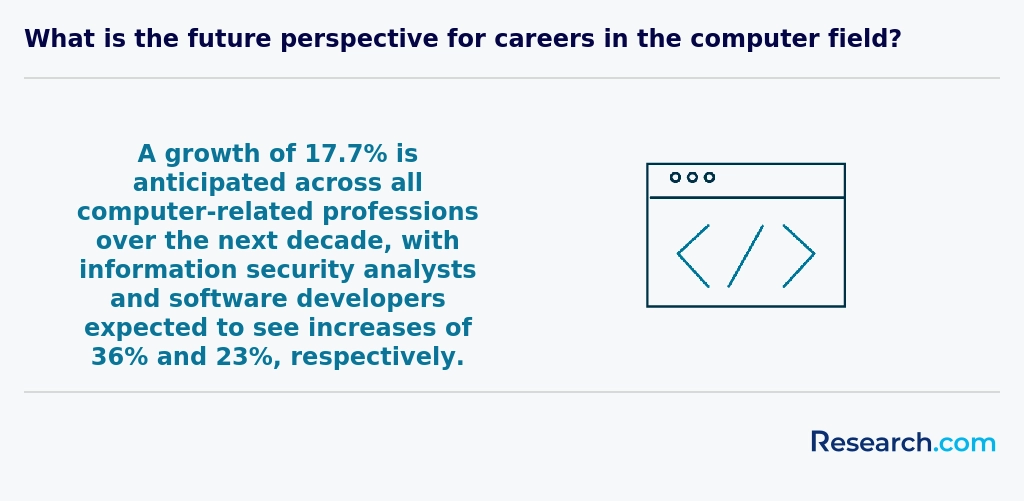
Furthermore, the Bureau of Labor Statistics projects a 31% growth rate for information security analysts nationally through 2030, a trend echoed in Midwest job markets. Holding a degree can also facilitate promotions and salary increases, with Payscale reporting mid-career salaries for cyber security degree holders in these states averaging above the national median.
Studying for a cyber security degree in the Midwest offers unique advantages for interdisciplinary career preparation. Many Midwestern universities integrate cyber security programs with fields like business, law, and engineering. This approach aligns with the region's growing demand for experts who understand technical, legal, and organizational aspects of security.
According to the Midwest Big Data Innovation Hub, about 40% of cybersecurity jobs in the area require skills beyond pure technology, such as risk management or policy knowledge. Schools often collaborate with industries, providing hands-on experience that bridges multiple disciplines.
This broad learning prepares graduates for versatile roles in both private and public sectors, making them highly competitive candidates.
Choosing between a thesis and a non-thesis cyber security degree program in the Midwest depends on your career goals and learning preferences. Thesis programs typically require original research, benefiting students aiming for academic careers or advanced research roles. They build strong analytical and writing skills.
Non-thesis options focus more on practical skills and coursework, appealing to professionals targeting industry jobs or certifications. According to the National Center for Education Statistics, Midwest institutions such as the University of Illinois Urbana-Champaign and Michigan State University offer both paths, with enrollment growing by 12% in cyber security fields since 2020.
Consider workload and time commitments: thesis tracks often take longer to complete due to research demands. Check if local employers prefer hands-on experience or advanced research when deciding your path.
Students in the Midwest seeking to study cyber security abroad have several practical pathways through U.S. universities' international partnerships and exchange programs. Many Midwest institutions, such as the University of Illinois and Michigan State University, offer study abroad options in countries with strong cyber security training, including the United Kingdom and Germany, known for advanced research facilities.
Programs often incorporate coursework aligned with the National Centers of Academic Excellence in Cyber Defense (CAE-CD) criteria, ensuring quality education that can transfer credits back to the home institution.
According to NACE, nearly 15% of cyber security students from Midwest colleges participate in international study programs, gaining valuable global perspectives on cyber threats and defense strategies.
Students pursuing cyber security degrees in the Midwest can enhance their education through various part-time jobs that offer practical experience. Common roles include IT support technician, network security assistant, and help desk analyst. These positions allow students to apply classroom knowledge in real-world settings while building essential skills.
The Midwest hosts a growing tech industry, with cities like Chicago and Minneapolis offering numerous internships and part-time employment opportunities in cyber security. According to the U.S. Bureau of Labor Statistics, cyber security jobs in the Midwest are projected to grow by 12% through 2030, highlighting strong demand for skilled workers.
Part-time jobs with local government agencies and financial institutions also provide valuable exposure to security protocols and compliance standards common in cyber security careers. The practical experience gained strengthens resumes and offers networking possibilities within the field.
Cyber security students in the Midwest benefit from numerous networking opportunities that connect them with industry professionals and potential employers. Many universities host specialized career fairs focused on technology and cyber security fields. For example, the University of Illinois at Urbana-Champaign organizes annual tech career events attracting top regional companies.
In addition, regional chapters of organizations such as ISACA and (ISC)² provide regular meetings, workshops, and conferences. These events enable students to build professional relationships while staying current with industry trends.
The Midwest's growing cyber security sector, valued at over $4 billion annually according to the Mid-America Cybersecurity Consortium, creates strong demand for networking and internships.
Alumni networks provide valuable support for cyber security degree students in the Midwest by creating professional connections that often lead to internships and job opportunities. Many Midwestern universities maintain active alumni communities, which facilitate mentorship programs, allowing current students to learn directly from experienced graduates.
According to a 2023 report by the National Cybersecurity Student Association, 65% of cyber security students in the Midwest found their first job through alumni referrals. These networks also enable students to stay updated on the latest industry trends and local job market changes, which is crucial in the fast-evolving field of cyber security.
Furthermore, alumni frequently collaborate with universities to host workshops, guest lectures, and networking events. This engagement enhances students' practical skills and broadens their understanding beyond the classroom.
Customizing a cyber security degree program in the Midwest allows students to align their education with specific career goals. Many universities offer elective courses and specializations such as network security, digital forensics, or ethical hacking. Students can also pursue certificates alongside their degree to deepen their expertise in targeted areas.
Internships and cooperative education opportunities in Chicago, Minneapolis, and Detroit provide practical experience, which employers highly value. The Midwest is home to several federal agencies and private firms seeking cyber security professionals, making regional connections vital.
Additionally, some programs emphasize research projects and capstone courses tailored to industry trends, allowing students to explore sectors like healthcare or finance security. According to the National Cybersecurity Workforce Framework, skill customization improves job placement rates significantly.
Cyber security students in the Midwest often face challenges related to limited local internship opportunities compared to coastal tech hubs. This can impact practical experience, which is crucial in the highly hands-on cyber security field. According to a 2023 report from CompTIA, states like Illinois and Ohio have growing but still developing cyber workforces.
Another typical issue is the disparity in access to cutting-edge technologies and research facilities. While top Midwest universities invest in cyber security labs, many smaller schools struggle to keep pace with rapid industry changes.
Finally, students may encounter difficulties balancing rigorous coursework with part-time work, as average tuition costs in the Midwest remain moderate but budget constraints persist. Scholarships specifically for cyber security remain limited regionally.
Graduates with a cyber security degree in the Midwest have access to several professional certifications that enhance career prospects. Popular options include the Certified Information Systems Security Professional (CISSP), which is widely recognized in industries nationwide. Another significant credential is the CompTIA Security+, ideal for entry-level professionals. The Midwest hosts numerous employers who value these certifications, which can lead to higher salaries and job security.
The Certified Ethical Hacker (CEH) is also a notable certification for those interested in offensive security roles. According to the Midwestern Regional Cybersecurity Workforce Report (2023), over 60% of employers in states like Illinois and Ohio prefer candidates with these certifications. Pursuing these certifications aligns well with degree programs offered at many Midwestern institutions.
Writing a winning application for a cyber security program in the Midwest requires careful preparation and focus. Start by highlighting your academic achievements, especially in math, computer science, or related fields, since these are crucial for success in cyber security. According to the Cyberseek 2023 report, the Midwest has seen a 12% growth in cyber security job postings, emphasizing the importance of a strong educational background.
Include relevant experience such as internships, certifications like CompTIA Security+, or personal projects involving network security or ethical hacking. Admissions committees value demonstrated passion and practical skills.
Finally, craft a clear and concise personal statement. Explain why you want to study cyber security in the Midwest, referencing local industry opportunities or university strengths. Tailoring your application to specific programs increases your chances of acceptance.
The global demand for cyber security professionals continues to grow rapidly, reflecting its critical role in protecting digital infrastructure worldwide. In the United States, and notably in the Midwest, cyber security careers benefit from strong regional industry growth combined with expanding educational opportunities. According to CyberSeek data, the Midwest accounts for nearly 15% of national job openings in cyber security, indicating robust local demand.
Worldwide, governments and organizations emphasize securing data from increasingly sophisticated cyber threats. This global focus results in a steady pipeline of jobs requiring advanced skills, which Midwestern universities are increasingly addressing by expanding degree offerings and hands-on training programs. The U.S. Bureau of Labor Statistics projects a 35% increase in information security analyst roles through 2031, underscoring both global and local career stability in this field.
Gaining practical experience while studying for a cyber security degree in the Midwest involves several proven paths. Many universities in this region offer cooperative education (co-op) programs or internships, allowing students to work with local tech firms or government agencies. According to the National Cybersecurity Alliance, Midwestern states have seen a 15% increase in cyber-related job postings since 2022, creating ample opportunities. Additionally, students can join campus cyber security clubs and participate in competitions such as the National Cyber League, which help build hands-on skills. Online labs and virtual environments also enable practice with real-world cyber threats and defense scenarios.
Choosing the right concentration within a cyber security degree program in the Midwest depends on your career goals and interests. Popular concentrations include network security, digital forensics, risk management, and ethical hacking. According to the Bureau of Labor Statistics, professionals with specialized skills, such as penetration testing or incident response, often have higher job prospects and salaries.
Midwestern universities commonly offer concentrations aligned with regional industry needs, such as manufacturing security and critical infrastructure protection. Researching local job markets in states like Illinois, Michigan, and Ohio can guide your choice, as these areas have high demand for specific cyber security roles.
Additionally, consider programs accredited by organizations like CAE-CD, which ensures curriculum quality and relevance. Reviewing alumni outcomes and internship opportunities with Midwest companies can also help identify a concentration that fits your ambitions.
See What Experts Have To Say About Studying Cyber Security
Read our interview with Cyber Security experts

Joshua Copeland
Cyber Security Expert
Adjunct Professor of Information Technology
Tulane University


Muath Obaidat
Cyber Security Expert
Associate Professor
City University of New York

- How a Strong Alumni Network Can Benefit Students https://www.pacificu.edu/blog/how-strong-alumni-network-can-benefit-students
- Cybersecurity Job Demand: Current Trends and Future Outlook https://destcert.com/resources/cybersecurity-job-demand/
- Cybersecurity Degree After Grade 12 | The Red Pen https://theredpen.in/blog/cybersecurity-degree-after-grade-12/
- Cyber Security https://www.swcsdcareertech.com/cyber-security.html
- Top Cybersecurity Degree Programs in Illinois (2026) https://programs.com/state/cybersecurity-programs-in-illinois/
- 2025 Most Affordable Online Cybersecurity Degrees https://www.onlineu.com/most-affordable-colleges/cybersecurity-degrees
- Skills and qualifications needed for a career in cyber security | Morson Talent - The Recruitment Experts https://www.morson.com/skills-and-qualifications-needed-for-a-career-in-cyber-security
- Compare Types of Cybersecurity Degrees | CyberDegrees.org https://www.cyberdegrees.org/listings/
- The Growing Importance of a Career in Cyber Security | CCU Online https://www.ccu.edu/blogs/cags/category/business/the-growing-importance-of-a-career-in-cyber-security/
- Associate of Applied Science in Information Technology https://mccollege.edu/associate-of-applied-science-in-information-technology/