2027 Most Popular Cyber Security Degree Programs Ranking in Illinois

Co-Founder and Chief Data Scientist
Choosing the right cyber security degree program can shape your future career, especially in Illinois where opportunities are growing fast. This article introduces the 2027 Most Popular Cyber Security Degree Programs Ranking in Illinois, carefully developed by the Research.com team of data scientists.
By exploring this ranking, you'll gain clear insights to help find programs that fit your goals and interests. Earning a cyber security degree opens doors to rewarding jobs, strong job security, and the chance to make a real impact protecting digital worlds.
Discover the programs that stand out and take confident steps toward your future today.
Key benefits of getting cyber security degree in Illinois
- Salary for cyber security degree graduates: Graduates in Illinois can expect strong earning potential, with roles such as Network Security Engineers and Security Analysts averaging around $124,740 annually, while Penetration Testers earn about $108,460 yearly.
- Career paths: A cyber security degree opens doors to diverse roles like Information Security Specialist or Incident Management Analyst, offering graduates flexibility and rewarding opportunities in Illinois' growing tech sector.
- Benefits of online degrees: Earning a cyber security degree online from a well-known Illinois university allows flexible scheduling and learning at your own pace, making it easier to balance education with work or family commitments.
- 2027 Most Popular Cyber Security Degree Programs Ranking in Illinois
- What can I expect from cyber security degree in Illinois?
- Where can I work with cyber security degree in Illinois?
What can I expect from cyber security degree in Illinois?
The average cost of a cyber security degree in Illinois varies significantly depending on the institution and program format. Graduates from schools like the University of Illinois at Chicago or Illinois Institute of Technology often mention that a traditional four-year bachelor's degree generally ranges from $30,000 to $60,000 in tuition alone. This can feel daunting at first, but many find the investment worthwhile given the strong return in career opportunities.
Part-time and online programs, increasingly popular among working professionals, offer more flexible and often more affordable paths. Graduates who balanced jobs while studying emphasize how these options allowed them to manage expenses and gain practical experience simultaneously. DePaul University, for instance, provides hands-on cybersecurity labs that students recall as both challenging and deeply rewarding, enhancing their readiness for real-world demands.
Financial aid, scholarships, and internships frequently help students ease the financial burden. Hearing peers reflect on these opportunities often inspires new students to seek similar support, turning potential stress into motivating steps toward a secure future in Illinois' flourishing cybersecurity field.
Where can I work with cyber security degree in Illinois?
Graduates with a cyber security degree in Illinois often find themselves welcomed by a variety of thriving industries, from bustling Chicago's financial sector to statewide healthcare systems. Many alumni from well-known institutions like the University of Illinois and DePaul University share how their skills opened doors in banks, investment firms, and insurance companies eager to protect sensitive data.
One common experience is joining healthcare organizations that prioritize patient privacy and regulatory compliance, where cyber security teams work diligently to prevent breaches. Others find fulfilling roles in state and local government agencies, safeguarding public safety networks and vital infrastructure.
Technology firms and managed security service providers (MSSPs) also frequently offer dynamic career paths. Graduates describe crafting and monitoring security protocols in fast-paced environments, applying knowledge gained from their practical coursework and internships.
Employers in Illinois value certifications like CISSP alongside degrees, encouraging students to blend formal education with real-world credentials to gain confidence and distinction in competitive job markets.
Graduates from Illinois institutions such as the University of Illinois at Urbana-Champaign or Illinois State University often find rewarding financial prospects soon after completing their cyber security degrees. Entry-level roles like Security Analyst or Information Security Specialist typically start with a strong mean annual wage of around $124,740, according to U.S. Bureau of Labor Statistics data. This reflects a competitive environment fueled by the state's thriving tech and financial sectors.
Many recent graduates recall feeling encouraged when landing positions in Chicago-area firms, where the demand and salary for roles such as Network Security Engineer or Incident Management Analyst align with or even surpass national averages. The solid mean hourly wage of approximately $59.97 for these jobs marks a significant step up from starting salaries elsewhere.
Penetration Tester roles, while slightly lower in pay with a mean annual wage of about $108,460, still offer graduates excellent opportunities for growth and skill development. Graduates often share a sense of pride and motivation knowing their expertise is highly valued, especially in larger corporations and security-focused startups across Illinois' urban centers.
- Annual in-state tuition at public universities for cyber security programs in Illinois typically ranges from $12,000 to $16,000.
- Private institutions in Illinois charge between $30,000 and $45,000 per year for cyber security degrees.
- The average starting salary for cyber security graduates in Illinois is about $70,000 per year.
- Experienced cyber security professionals in Illinois can earn salaries around $100,000 or more annually.
- Job roles in Illinois include information security analyst, network security engineer, and cyber security consultant with faster-than-average job growth expected.
- Many Illinois programs prepare students for certifications like CompTIA Security+ and CISSP, and offer internships through partnerships with local businesses and government agencies.
Completing a cyber security degree in Illinois typically aligns with standard U.S. education timelines, which brings reassuring clarity for students planning their futures. Graduates from community colleges like College of DuPage describe their two-year associate degrees as both intensive and rewarding, providing quick entry into the cybersecurity workforce or a smooth transition to four-year universities.
Those attending institutions such as the University of Illinois at Urbana-Champaign often share how their four-year bachelor's degrees offered deep, hands-on training across vital areas like ethical hacking and network defense. Many reflect on the balance of coursework and internships, which enriched their experience without unnecessarily extending their time to graduation.
For working professionals, accelerated master's programs at several Illinois universities provide an appealing one- to two-year path to advanced expertise, fitting education around life's other commitments. This flexibility generates confidence and motivation, as students witness real progress without sacrificing career growth.
In all, Illinois cyber security students find the journey manageable yet deeply engaging, with clear timelines that allow for thoughtful planning and success.
Accreditation confirms a program’s quality, industry alignment and eligibility for federal jobs and aid.
- ABET accreditation ensures the curriculum meets rigorous engineering and technology standards.
- NSA/DHS National Center of Academic Excellence (CAE) designation highlights federal endorsement and access to specialized grants.
- Illinois Board of Higher Education approval guarantees state compliance and financial aid eligibility.
Always verify accreditation to maximize career and funding opportunities; explore our online cyber security degree options for recognized pathways.
The key difference between online and on-campus cyber security degrees in Illinois lies in the learning environment and access to resources. Graduates from University of Illinois at Urbana-Champaign often highlight the value of immersive, face-to-face labs and networking events, which helped them build strong connections in Chicago's tech scene. On-campus programs offer hands-on experiences that are difficult to replicate online, especially during intensive lab work.
Conversely, graduates from DePaul University who pursued online studies appreciate the flexibility to balance work and education. Their ability to study remotely allowed them to maintain careers while advancing skills, though they had to be proactive in seeking internships without the direct support of campus partnerships.
Cost also influences decisions: online programs generally save students money-averaging $15,000 annually-compared to on-campus costs exceeding $20,000, which include housing and fees. This financial relief is often a deciding factor for those managing tight budgets.
Ultimately, the choice depends on personal learning style and life demands, reflecting the distinct experiences that Illinois's cyber security programs offer.
Ensure your Illinois cyber security degree meets industry and federal standards by choosing programs with:
- ABET computing accreditation, covering core technical competencies
- NSA/DHS CAE-CD (Cyber Defense) designation, aligned with national security needs
- Higher Learning Commission (HLC) regional accreditation for institutional quality
Accredited degrees improve employer credibility, federal career prospects, and eligibility for financial aid. For flexible, CAE-aligned options, explore our cyber security schools online guide.
The average cost of a cyber security degree in Illinois generally reflects a median total of about $48,192. This figure captures the full scope of expenses for many students, whether they attend public or private universities. For instance, graduates from well-known programs at the University of Illinois Urbana-Champaign often appreciate the balance between quality and cost, seeing their investment pay off as they enter a rapidly growing field. Meanwhile, students who matriculate at community colleges benefit from significantly lower tuition, typically $4,000 to $5,000 annually, providing a strong foundation in cyber security without overwhelming debt.
Understanding Illinois cyber security degree tuition and fees means recognizing that public four-year schools usually charge between $13,000 and $17,000 per year for in-state students. This affordability helps many residents pursue their studies close to home, making the degree more accessible. At the same time, private colleges like DePaul University command higher tuition rates, often ranging from $25,000 to $50,000 yearly, a reflection of specialized programs and resources available.
Many graduates recall the financial pressure eased by scholarships and grants, emphasizing the importance of researching aid opportunities early. For prospective students seeking the most affordable cyber security programs in Illinois, careful planning around tuition and fees can transform a costly endeavor into an achievable goal while opening doors to rewarding careers in cybersecurity.
The most crucial missing section could be titled as , which would delve into the specifics of how students can manage their finances while pursuing a cyber security degree. To make informed decisions about your educational journey in cyber security, it's essential to consider the financial implications and create a budget that works for you. Investing in a cyber security degree is a significant financial commitment, but there are ways to make it more affordable, such as exploring options for most affordable cyber security programs in Illinois. By understanding the costs associated with tuition, fees, and living expenses, students can better plan their financial aid, scholarships, and part-time jobs to support their studies. Additionally, learning about budgeting strategies, such as prioritizing needs over wants and saving for emergencies, can help students navigate the financial challenges of higher education and set themselves up for long-term financial stability.
Students pursuing cyber security degrees in Illinois often find financial aid options to be a vital support throughout their education. Many graduates from institutions like the University of Illinois at Urbana-Champaign or DePaul University recall how completing the FAFSA opened doors to Pell Grants and federal loans, easing the burden of tuition, which can range up to $16,000 annually for in-state learners.
The Illinois Monetary Award Program (MAP) grant also stands out as a beacon for those attending public universities or community colleges. Recipients remember the relief a $4,000 MAP grant provided during tight financial moments, making advanced studies more attainable.
Scholarships focused on technology and cyber security, such as those offered by the Illinois Cyber Security Forum Foundation, are often game-changers. Graduates share how these awards felt like affirmations of their hard work and passion for the field.
Many also tap into institution-specific scholarships or employer tuition assistance programs, blending academic effort with practical support-a combination that nurtures confidence and determination amid the challenges of a demanding, future-oriented career.
Many Cyber Security degree programs in Illinois distinguish themselves through strong industry partnerships and hands-on internship opportunities that accelerate career readiness. Universities like the University of Illinois at Chicago, DePaul University, and Illinois State University collaborate with leading employers-such as Motorola Solutions, Accenture, the Illinois Department of Innovation & Technology, and Fortune 500 firms-to offer co-op placements, summer internships, and capstone projects. These real-world experiences enable students to: • Apply classroom theory in live environments, from securing corporate networks to conducting penetration tests under the guidance of seasoned security professionals. • Build professional networks early by working alongside cyber teams at hospitals, financial institutions, and government agencies in Chicago and across the state. • Earn course credit or stipends while gaining resume-worthy experience in roles like Security Analyst Intern, Incident Response Intern, or Threat Intelligence Intern. For students balancing budget concerns, exploring affordable programs is critical. Illinois-based learners can compare cost-effective options and build practical skills by checking out the Affordable Cyber Security Degree Programs Ranking in New York, NY, which highlights strategies for maximizing value through tuition savings and scholarship opportunities. By leveraging industry partnerships and targeted internships, graduates emerge not only with in-demand technical competencies but also with proven track records that distinguish them in today’s competitive job market.
To enroll in a cyber security degree program in Illinois, students typically need a solid high school foundation, especially in math and science. Graduates from popular universities in the state often recount how their strong grasp of algebra and introductory computer courses helped them feel confident and prepared when starting more intensive coursework.
Admission often requires a high school diploma or GED, but some institutions ask for SAT or ACT scores. However, many Illinois schools have embraced test-optional policies, making it easier for students who may not perform well on standardized tests to still pursue their passion.
Beyond academics, demonstrating technical skills through certificates or hands-on experience is highly valued. For example, some graduates from well-known Illinois colleges share how internships or IT certificates they earned before enrolling made them stand out during admissions and helped them integrate seamlessly into their programs.
Letters of recommendation and personal statements also matter-they provide a chance to show commitment and enthusiasm for tackling the challenges in cyber security, which is crucial in a rapidly growing job market within Illinois and beyond.

Pursuing specialized certifications and ongoing training is essential for cyber security graduates aiming to differentiate themselves in Illinois’ competitive job market. Industry-recognized credentials such as CompTIA Security+, Certified Information Systems Security Professional (CISSP), and Certified Ethical Hacker (CEH) validate core competencies in risk assessment, incident response, and ethical hacking. For those interested in governance and auditing roles, institutions like the University of Illinois at Chicago and DePaul University offer certificate programs in IT auditing and compliance. If you’re aiming to become a cyber auditor, explore what do i need to start working as cyber auditor to understand educational prerequisites, certification pathways, and salary expectations. Additionally, graduate-level certificates in cloud security and digital forensics-available through online platforms-help professionals stay abreast of emerging threats and technologies. Illinois employers increasingly seek candidates with a blend of formal education and up-to-date certifications, making continuing education a strategic investment in long-term career growth.
Cyber security degrees in Illinois are thoughtfully structured to blend foundational concepts with hands-on learning, crucial for tackling real-world challenges. Graduates from well-known institutions like the University of Illinois Urbana-Champaign often recall how courses such as Network Security and Defense helped them understand protecting vital data during actual cyber incidents.
Core topics like Cryptography aren't just abstract theories; students frequently engage in decrypting simulated attacks, which sharpens their analytical skills. Ethical Hacking and Penetration Testing classes encourage learners to adopt the mindset of malicious hackers, a pivotal experience shared by alumni from Illinois State University who found this essential for identifying vulnerabilities.
Digital Forensics courses enable students to piece together cybercrime puzzles, often linked to scenarios involving university lab simulations that mimic investigations of data breaches. Additionally, Risk Management and Security Policies impart knowledge on crafting organizational defenses against evolving threats, a necessity for those entering Illinois' growing cyber workforce.
Illinois cyber security degree concentration options often include several key specializations that prepare students for diverse roles in the rapidly evolving cyber defense landscape. Graduates from universities known for robust cyber programs, such as those in Chicago and Urbana-Champaign, frequently highlight Network Security as a foundational area, where they gain hands-on skills in configuring firewalls and managing VPNs, reflecting the real-world need to secure data traffic. Others find their passion in Information Assurance, learning how to design and enforce policies that protect sensitive information, a critical skill in Illinois' thriving financial and healthcare sectors.
Digital Forensics is another sought-after specialization, allowing students to train in analyzing cybercrime evidence-valuable for law enforcement agencies and private firms alike. Security Management prepares students for leadership roles, blending technical know-how with strategic risk management, while Application Security focuses on securing software against attacks through secure coding techniques. These specializations capture the essence of Illinois cyber security degree specializations Illinois, offering practical paths aligned with local industry demands and internship opportunities.
Many graduates recall how internship programs tied to Illinois institutions provided practical experience and opened doors to careers. If you wonder about career steps, exploring what do i need to start working as cyber auditor can offer valuable insights on entering specialized roles in this rewarding field.
Choosing the best cyber security degree in Illinois means focusing on programs that combine strong accreditation with practical experience. Many graduates from institutions in Chicago and surrounding areas emphasize how NSA and Department of Homeland Security certifications shaped their understanding and helped in landing jobs. They often recall hands-on labs and internships that brought theory to life, making complex topics like digital forensics and risk management feel tangible and exciting.
Cost can't be overlooked; public universities in Illinois usually offer affordable cyber security programs Illinois residents appreciate, with tuition often between $10,000 and $15,000 per year. Balancing expenses with quality and seeking scholarships targeted at STEM fields often makes continuing your education feel achievable rather than overwhelming.
Location matters too. Studying near tech hubs in Illinois provides invaluable networking moments-a graduate shared how proximity to Chicago's tech firms opened doors for internships that led directly to full-time roles. Considering format flexibility can also help, especially if balancing work and study.
For those looking for budget-friendly options, exploring the Affordable Cyber Security Degree Programs Ranking in New York, NY can provide comparative insights into controlling costs while pursuing quality education.

Career paths available for a cyber security degree in Illinois are diverse and promising, reflecting the state's vibrant technology sector and growing demand for skilled professionals. Graduates from institutions like the University of Illinois or Illinois State University often find roles as Information Security Analysts, safeguarding critical networks against ever-evolving cyber threats. Others serve as Cybersecurity Consultants, guiding businesses in Chicago on how to strengthen their defenses effectively. Such roles highlight the practical, real-world impact these graduates have, turning classroom knowledge into protective strategies that matter.
Many students report valuable internship experiences that connect them to government agencies in Springfield, opening doors to public service careers in cybersecurity. Exploring risk assessment or incident response positions is common, offering engaging challenges that blend technical skill with quick decision-making. These opportunities reflect the robust job prospects of a cyber security degree in Illinois while enhancing personal fulfillment.
Those interested in accelerating their journey might explore colleges with fast track programs available across the state, enabling quicker entry into this high-demand field.
The job market for cyber security degree holders in Illinois reveals promising opportunities, especially for graduates from well-known universities situated in Chicago and its surrounding areas. Those who have completed their studies at institutions recognized for strong cyber security programs often find themselves in demand by local industries. Illinois cyber security employment opportunities are particularly vibrant in sectors such as finance and healthcare, where protecting sensitive information is critical. Graduates frequently share how their education prepared them to tackle real-world challenges faced by corporate headquarters and government agencies in the region.
Many students appreciate that Illinois offers competitive salary prospects aligning with national averages, reinforcing their decision to study locally. The practical skills gained through internships and certifications complement theoretical knowledge, making graduates confident as they enter the workforce. For those considering advancing quickly, exploring the quickest certifications to get that pay well can boost both opportunities and earnings.
Given the steady growth projected for cyber security roles statewide, the cyber security job outlook in Illinois is inspiring for prospective students who want to build resilient careers close to home.
2027 Most Popular Cyber Security Degree Programs Ranking in Illinois
Investing in your education is a significant decision that can shape your future, and the Research.com team understands the importance of making informed choices. To assist prospective students in Illinois, we have meticulously crafted the "2027 Most Popular Cyber Security Degree Programs Ranking in Illinois." Our commitment to quality, credibility, and accuracy is reflected in the extensive research and analysis conducted to compile this ranking.
We utilized the following reputable data sources to ensure a comprehensive evaluation of cyber security programs:
By exploring this ranking, readers will gain valuable insights into the most popular and well-regarded cyber security degree programs in Illinois, empowering them to make confident and informed decisions about their educational paths. For more details on our methodology, please visit our Research.com methodology page.


Frequently Asked Questions About cyber security
Cyber security degree students in Illinois can maximize their learning experience by combining theoretical knowledge with practical skills. Illinois is home to some of the United States' leading institutions offering hands-on labs and simulations that reflect real-world cyber threats. Engaging in internships with Chicago's growing tech and finance sectors provides valuable, on-the-job experience, with local employers frequently seeking skilled graduates.
Utilizing resources such as the Illinois Cyber Security Forum connects students with professionals and networking opportunities. Additionally, pursuing certifications like CompTIA Security+ alongside their degree enhances employability. According to the Illinois Department of Employment Security, cyber security jobs in Illinois are projected to grow 31% through 2031, emphasizing the importance of practical experience paired with academic learning.
Emerging niches within the cyber security field reflect the rapid evolution of technology and threats. In Illinois, specialized areas like cloud security and Internet of Things (IoT) protection are gaining importance as businesses increasingly rely on connected devices and remote servers. According to the Illinois Department of Commerce & Economic Opportunity, demand for experts in these areas has grown by over 20% in recent years.
Another growing niche is artificial intelligence (AI) security, focusing on defending systems from AI-driven attacks. Healthcare cyber security is also expanding, driven by Illinois' strong medical sector, where protecting sensitive patient data is critical. These niches offer promising career paths for students pursuing cyber security degrees in Illinois.
After completing a cyber security degree in Illinois, it is essential to build practical experience to enter the job market confidently. Internships and cooperative education programs offered by many Illinois universities can provide hands-on training and networking opportunities with local employers. According to the Illinois Department of Employment Security, cyber security roles in Illinois are expected to grow by 20% from 2022 to 2032, emphasizing strong demand in the state.
Additionally, obtaining industry certifications such as CISSP, CompTIA Security+, or CEH can enhance a graduate's resume. Illinois also hosts numerous cyber security conferences and workshops which help build professional connections. Finally, students should stay updated on emerging threats and technologies to remain competitive in this evolving field.
Employers in Illinois seek cyber security graduates with strong technical skills and practical knowledge. Key abilities include proficiency in network security, risk assessment, and incident response. Familiarity with tools such as firewalls, intrusion detection systems, and encryption technologies is highly valued.
The Illinois Department of Employment Security highlights that analytical thinking and problem-solving are essential for identifying vulnerabilities and defending against cyber threats.
Additionally, communication skills are critical since professionals often work with non-technical stakeholders to explain security strategies. Understanding regulatory frameworks like HIPAA and GDPR is also important in Illinois's evolving cyber security landscape.
Finding internships in Illinois relevant to a cyber security degree involves a combination of research, networking, and leveraging educational resources. Many universities in Illinois have dedicated career services offering internship listings and connections with local employers in the technology and security sectors. According to the Illinois Department of Employment Security, Chicago hosts over 20,000 tech-related jobs, highlighting strong internship opportunities in the region.
Students should explore platforms like Handshake and LinkedIn for openings specifically labeled as cyber security internships. Local organizations, such as the Illinois Cyber Security Forum, also provide networking events and job fairs that can lead to internship placements.
Applying early and tailoring resumes to showcase skills in network defense, cryptography, and ethical hacking increases the chances of success. Federal programs including the Department of Homeland Security may offer internships in Illinois focused on cyber protection as well.
Obtaining a cyber security degree in Illinois significantly enhances career mobility and advancement opportunities. Illinois hosts a growing tech industry, especially in Chicago, where demand for qualified cyber security professionals is rising. According to the U.S. Bureau of Labor Statistics, the state projects a 15% growth in information security analyst jobs by 2030, outpacing the national average. Employers often prefer candidates with formal education, as degrees provide foundational knowledge and recognized certifications.
Graduates gain access to roles in government, finance, healthcare, and manufacturing sectors, all prominent in Illinois. A degree also supports advancement into management and specialist positions, leading to higher salaries. Networking through local universities and industry events further facilitates career progress within the state.
Studying for a cyber security degree in Illinois equips students with skills that cross traditional disciplinary boundaries. Programs often integrate courses in computer science, information technology, law, and business. This interdisciplinary approach reflects the diverse demands of the cyber security field, which requires knowledge of technical, legal, and organizational aspects.
Illinois is home to universities like the University of Illinois Urbana-Champaign, recognized for strong research in cyber security and interdisciplinary collaboration. According to the Illinois Department of Employment Security, cyber security roles are expected to grow by over 30% through 2030, showing the need for versatile professionals. Graduates gain expertise in areas such as risk management, digital forensics, and network security, preparing them for roles that combine technology with strategic decision-making.
Choosing between a thesis and a non-thesis cyber security degree program in Illinois depends on your career goals and learning preferences. Thesis programs usually emphasize research, requiring students to conduct an original study and write a detailed paper. This path suits those aiming for jobs in research, advanced studies, or roles that prioritize analytical skills.
Non-thesis programs typically focus on practical skills and coursework, ideal for students seeking to enter the workforce quickly. Illinois employers, particularly in Chicago's tech sector, value hands-on experience for many cyber security roles, according to data from the Illinois Department of Employment Security.
Consider your time commitment as well: thesis programs often take longer to complete due to research demands.
Students based in Illinois interested in studying cyber security abroad have several pathways to consider. Many U.S. universities, including those in Illinois, offer exchange programs with international partner institutions that specialize in cyber security. These programs allow students to spend a semester or year overseas while earning credits toward their degree.
Popular destinations for cyber security studies include Canada, the United Kingdom, and Australia, where schools often emphasize practical skills and international standards. According to NAFSA, nearly 10% of U.S. students studying abroad choose STEM fields like cyber security, reflecting growing global demand.
Additionally, some Illinois institutions provide dual degree or joint degree options in collaboration with foreign universities. Such programs can enhance career prospects by offering global perspectives and professional networking opportunities.
Students pursuing a cyber security degree in Illinois can enhance their education by engaging in part-time jobs related to the field. Roles such as IT support technician, network security assistant, or help desk analyst are common opportunities at local businesses or university departments. These positions provide practical experience in protecting systems and troubleshooting security issues, which is essential for cyber security careers.
Illinois is home to many tech firms and government agencies offering internships and part-time roles, especially around Chicago, which hosts a growing cyber security industry. According to the Illinois Department of Employment Security, cyber security employment in the state is projected to grow by 15% through 2030, indicating expanding job opportunities.
Additionally, some students find work as junior penetration testers or security analysts through specialized internships, gaining hands-on skills with ethical hacking tools and protocols. Balancing coursework with such jobs equips learners with both theoretical and applied knowledge critical for this competitive sector.
Cyber security students in Illinois have access to several valuable networking opportunities that can enhance their careers. Many universities partner with local technology firms and government agencies, offering internships and co-op programs. For example, Chicago hosts the Midwest Cyber Center, providing students with workshops and networking events.
The Illinois chapter of ISACA and (ISC)² organizes regular meetings and conferences, connecting students with seasoned professionals. Additionally, Illinois ranks among the top states for cyber job growth, with a 15% increase projected by 2028 according to the U.S. Bureau of Labor Statistics, making networking critical for job placement.
Alumni networks play a crucial role for cyber security degree students in Illinois by offering valuable connections in a competitive job market. Graduates often tap into these networks to access internships, mentorship, and job opportunities that are not publicly advertised. According to data from the Illinois Department of Employment Security, the state's cyber security sector is growing faster than the national average, increasing demand for skilled professionals.
Many Illinois universities with cyber security programs, such as the University of Illinois and Illinois State University, actively engage their alumni to support current students. This involvement can include career panels, workshops, and exclusive networking events. These resources help students gain insights into industry trends and enhance their practical knowledge.
By leveraging alumni connections, students in Illinois can also improve their chances of securing positions with top local employers in Chicago, Springfield, and other tech hubs across the state. This network effect strengthens both career prospects and professional development during and after graduation.
Customizing a cyber security degree in Illinois involves selecting courses and concentrations that align with your career goals. Many Illinois universities offer flexible programs, allowing students to focus on areas such as network security, digital forensics, or cyber policy. For instance, the Illinois Board of Higher Education notes that tailoring electives can enhance job readiness in sectors like finance or healthcare, which are prominent employers in the state.
Students can also pursue certifications alongside their degree, such as CISSP or CompTIA Security+, to improve credentials. Practical experience is encouraged through internships or research projects at institutions near Chicago, a major hub for cyber security jobs.
Cybersecurity students in Illinois commonly face challenges related to the rapid evolution of technology and cyber threats. Keeping pace with constantly changing security protocols and tools requires ongoing learning beyond the classroom.
Another challenge is the hands-on experience gap. While many Illinois universities offer strong theoretical foundations, students often seek more practical labs and internships to prepare for real-world incidents. According to the Illinois Department of Employment Security, the demand for skilled cybersecurity professionals in the state is growing by over 15% annually, intensifying competition for such opportunities.
Additionally, balancing rigorous coursework with part-time work or family responsibilities can be difficult, especially for non-traditional students. Accessibility to updated resources and affordable certifications also remains a concern, impacting how well students can build relevant skills.
Graduates with a cyber security degree in Illinois can pursue several respected professional certifications to enhance their careers. Among the most recognized are the Certified Information Systems Security Professional (CISSP) and the Certified Ethical Hacker (CEH). Both certifications are valued nationally and often preferred by employers in Illinois's growing tech sector.
The CompTIA Security+ certification is an excellent starting point for those new to the field. It covers foundational skills required by many entry-level positions. For more advanced roles, certifications like Certified Information Security Manager (CISM) and Certified Information Systems Auditor (CISA) are popular choices.
According to the Illinois Department of Employment Security, cyber security roles are expected to grow 15% from 2022 to 2032, boosting demand for certified professionals. Earning these credentials can significantly improve job prospects and salary potential within the state.
To write a winning application for a cyber security program in Illinois, start by highlighting your strong interest and understanding of cyber security fundamentals. Many Illinois schools look for applicants with a solid background in math, science, or computer science.
Include any relevant experience, such as internships, certifications, or personal projects, which demonstrate practical skills. The Illinois Department of Employment Security notes that cyber security jobs in the state are growing fast, emphasizing the importance of hands-on knowledge.
Craft a clear personal statement explaining why you want to study cyber security and how it aligns with your career goals. Make sure to tailor your application to reflect familiarity with the local industry, such as Chicago's growing tech sector.
Finally, submit strong letters of recommendation from teachers or professionals who can vouch for your technical abilities and work ethic.
The global demand for cyber security professionals continues to grow rapidly, driven by increasing cyber threats worldwide. For students in Illinois, this means a career in cyber security offers strong job security and opportunities to work in international companies or government agencies that require experts familiar with both local and global cyber risk landscapes.
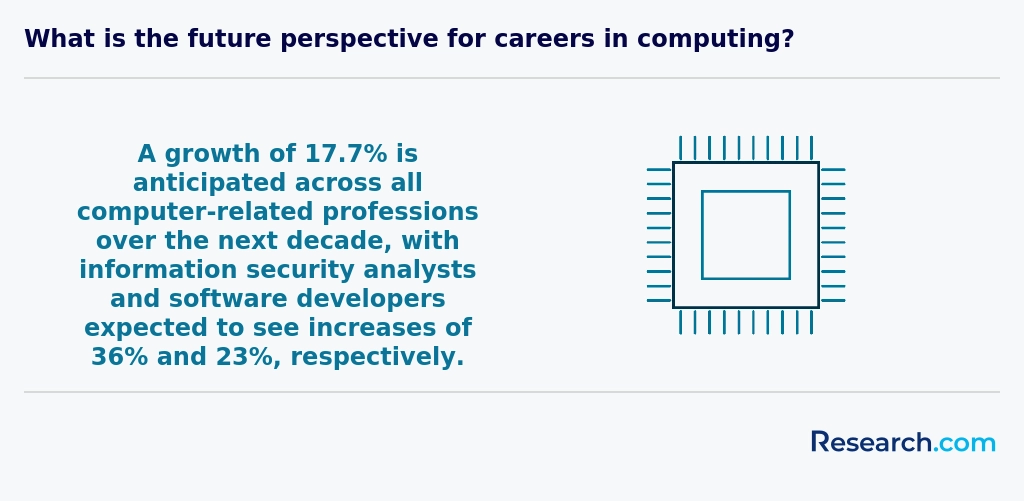
The U.S. Bureau of Labor Statistics projects a 35% growth in information security analyst jobs from 2021 to 2031, much faster than the average for all occupations. Illinois, with its major tech hubs and financial centers, aligns closely with this trend.
Globally, cyber security roles often require an understanding of international regulations and collaboration across borders. Many Illinois cyber security programs integrate global cybersecurity standards, preparing graduates to address worldwide threats effectively.
Gaining practical experience while studying for a cyber security degree in Illinois is crucial for career readiness. Many Illinois universities, such as the University of Illinois at Urbana-Champaign, offer co-op and internship programs that connect students with local tech companies and government agencies. According to the Illinois Department of Employment Security, cyber security internships in the state have grown by 15% annually over the past five years.
Students can also participate in lab-based courses, capture-the-flag competitions, and security research projects, which are common at institutions across Illinois. Certifications like CompTIA Security+ are encouraged alongside degree studies to enhance applied skills.
Choosing the right concentration within a cyber security degree program in Illinois involves understanding your career goals and the local industry demands. Illinois offers concentrations like network security, digital forensics, and information assurance, each focusing on different skills.
It is helpful to review job trends in Illinois, where demand for information security analysts is expected to grow by 22% through 2030, according to the U.S. Bureau of Labor Statistics. Aligning your concentration with industries prominent in Illinois, such as finance and healthcare, can improve job prospects.
Consider programs accredited by recognized bodies like ABET, as they ensure quality education. Speaking with advisors and industry professionals can also clarify which concentration fits your interests and market needs.
- 2027 Most Popular Cyber Security Degree Programs Ranking in Indiana
- 2027 Most Popular Cyber Security Degree Programs Ranking in Wisconsin
- 2027 Most Popular Cyber Security Degree Programs Ranking in Michigan
- 2027 Most Popular Cyber Security Degree Programs Ranking in Ohio
- 2027 Most Popular Cyber Security Degree Programs Ranking in Kansas
- 2027 Most Popular Cyber Security Degree Programs Ranking in West Virginia
- 2027 Most Popular Cyber Security Degree Programs Ranking in Oklahoma
- 2027 Most Popular Cyber Security Degree Programs Ranking in Alabama
- 2027 Most Popular Cyber Security Degree Programs Ranking in Georgia
- 2027 Most Popular Cyber Security Degree Programs Ranking in Pennsylvania
See What Experts Have To Say About Studying Cyber Security
Read our interview with Cyber Security experts

Muath Obaidat
Cyber Security Expert
Associate Professor
City University of New York

Joshua Copeland
Cyber Security Expert
Adjunct Professor of Information Technology
Tulane University


- Study Cybersecurity Abroad in 2026 https://www.aeccglobal.com/study-abroad/courses/cybersecurity
- Alumni Network - SecurityScorecard https://securityscorecard.com/company/alumni-network/
- 4 In-demand cybersecurity niches to pursue | Career Advice | Hays US https://www.hays.com/career-advice/article/4-in-demand-cybersecurity-niches
- Alumni - Cyber Diplomacy https://cyberdiplomacy.ee/alumni/
- Do I Need A Degree For Cybersecurity? Common Routes Explored https://www.centri.org/blog/posts/do-i-need-a-degree-for-cybersecurity
- Cyber Security Salary: 7 Highest-Paid Cyber Security Jobs | NEIT https://www.neit.edu/blog/cyber-security-salary
- 5 Game-Changing Tips to Accelerate Your Cybersecurity Career in the First 5 Years – Technology Advancement Center https://thetac.tech/5-game-changing-tips-to-accelerate-your-cybersecurity-career-in-the-first-5-years/
- Cybersecurity Degree Requirements: Everything You Need to Know https://online.maryville.edu/online-bachelors-degrees/cyber-security/resources/requirements/
- Skills and qualifications needed for a career in cyber security | Morson Talent - The Recruitment Experts https://www.morson.com/skills-and-qualifications-needed-for-a-career-in-cyber-security
- Which is Better: A Cybersecurity Course or a Degree? https://onlinejain.com/blogs/which-better-cybersecurity-course-or-degree