2027 Most Affordable Criminal Justice Degree Programs Ranking in New Orleans

Co-Founder and Chief Data Scientist
Choosing the right criminal justice degree program in New Orleans can feel overwhelming, but our article makes it easier. We present the 2027 Most Affordable Criminal Justice Degree Programs Ranking in New Orleans, created by the Research.com team of data scientists to guide you toward programs that offer real value.
Understanding your options helps you make confident decisions about your education and future career. A criminal justice degree opens doors to meaningful work that impacts communities positively.
Explore the ranking to find programs that fit your goals and budget, empowering your journey toward success.
Key benefits of getting criminal justice degree in New Orleans
- Graduates with a criminal justice degree can expect rewarding salaries, such as $76,550 annually for police officers and $95,930 for crime scene investigators, making careers both stable and financially promising.
- Career paths from local universities in New Orleans include roles like correctional officers, forensic technicians, and court clerks, offering diverse opportunities to serve the community.
- Obtaining a criminal justice degree online provides flexibility for busy students, allowing them to balance work and study while accessing quality programs offered by well-known New Orleans institutions.
- Key benefits of getting criminal justice degree in New Orleans
- What can I expect from criminal justice degree in New Orleans?
- Where can I work with criminal justice degree in New Orleans?
- How much can I make with criminal justice degree in New Orleans?
- 2027 Most Affordable Criminal Justice Degree Programs Ranking in New Orleans
- Key Findings
- How long does it take to complete criminal justice degree in New Orleans?
- Internship and Networking Opportunities
- What's the difference between online and on-campus criminal justice degree?
- What is the average cost of criminal justice degree in New Orleans?
- Return on Investment: Balancing Cost and Career Outcomes
- What financial aid is available to criminal justice degree students in New Orleans?
- Investing in a Criminal Justice Education in Louisiana: A Guide to Affordable Options
- What are the prerequisites for enrolling in criminal justice degree program in New Orleans?
- Preparing for Federal Law Enforcement Careers
- What courses are typically in criminal justice degree programs in New Orleans?
- What types of specializations are available in criminal justice degree programs in New Orleans?
- How do you choose the best criminal justice degree in New Orleans?
- What career paths are available for criminal justice degree students in New Orleans?
- What is the job market for criminal justice degree in New Orleans?
- Top Trending Criminal Justice Rankings
- See What Experts Have To Say About Studying Criminal Justice
What can I expect from criminal justice degree in New Orleans?
The average cost of earning a criminal justice degree in New Orleans typically ranges between $10,000 and $25,000 per year at popular local institutions, making this rewarding path both accessible and worthwhile. Students at well-known colleges appreciate how their tuition investments open doors to immersive experiences, such as internships with the New Orleans Police Department or local courts, which deepen their understanding of justice in action.
Graduates often describe feeling inspired by the city's unique challenges and the supportive academic environment that brings theory to life through community engagement. These programs emphasize practical skills, from analyzing up-to-date crime data to participating in reform initiatives, enhancing students' confidence and readiness for impactful careers.
By choosing a criminal justice degree in New Orleans, students embrace an educational journey rich with cultural relevance and hands-on learning, where their time and resources translate into meaningful opportunities to serve and protect their communities.
Where can I work with criminal justice degree in New Orleans?
Graduates from criminal justice programs at New Orleans universities, such as the University of New Orleans and Tulane University, find exciting career paths right in their backyard. Many step confidently into roles with the New Orleans Police Department, Jefferson Parish Sheriff's Office, or Louisiana State Police, where they contribute directly to community safety and justice every day. These positions offer a rewarding chance to serve and protect, earning median salaries around $57,000, reflecting the city's strong commitment to public safety.
Others pursue fulfilling work in corrections at institutions like the Orleans Parish Prison, focusing on inmate rehabilitation and successful reentry into society. This hands-on experience makes a meaningful difference in reducing repeat offenses.
Legal support roles in local courts, including probation officers and court clerks, also attract graduates eager to support fairness in the justice system, often earning around $44,000 annually. Community organizations and federal agencies provide additional avenues for those passionate about advocacy, victim support, and broader law enforcement challenges.
Graduates from New Orleans colleges frequently describe their career journeys as driven by purpose and pride, empowered by education deeply rooted in the city's unique social and legal landscape.
How much can I make with criminal justice degree in New Orleans?
Graduates with a criminal justice degree in New Orleans often find rewarding career paths with promising salaries. For example, many start as police officers, where the mean annual wage is around $76,550 according to the latest data. Those beginning their careers in correctional roles typically earn about $58,810 per year, making a meaningful impact while building valuable experience.
Some graduates from local institutions like the University of New Orleans or Delgado Community College have shared how their education opened doors to specialized fields. Crime Scene Investigators earn a notably higher mean salary near $95,930, reflecting the skill and dedication required to piece together crucial evidence in real investigations.
Forensic Science Technicians, another exciting career option, earn approximately $71,540 annually, combining science and justice in thrilling ways. Court Clerks, essential to the judicial system, earn close to $48,760, proving that every role contributes to safer communities in unique ways.
These figures highlight the broad spectrum of opportunities in New Orleans, inspiring graduates to pursue meaningful, well-paid careers that serve and protect the vibrant local community.
2027 Most Affordable Criminal Justice Degree Programs Ranking in New Orleans
How do we rank schools?
Investing in your education is a significant decision that can shape your future, and the Research.com team understands the importance of making informed choices. To assist prospective students in New Orleans, we have meticulously crafted the "2027 Most Affordable Criminal Justice Degree Programs Ranking in New Orleans." Our commitment to quality, credibility, and accuracy is reflected in the extensive research and analysis conducted to compile this ranking.
We utilized the following reputable data sources to ensure a comprehensive evaluation of criminal justice degree programs:
By exploring this ranking, readers will gain valuable insights into the most affordable options for pursuing a criminal justice degree in New Orleans, helping them make confident and informed decisions about their educational investment. For more details on our methodology, please visit our Research.com methodology page.


Key Findings
- Criminal justice degrees in New Orleans are available at associate's, bachelor's, and sometimes graduate levels, covering law enforcement, corrections, legal studies, and forensic science.
- In-state tuition at public universities and community colleges ranges from $6,000 to $10,000 per year, while private schools can charge $20,000 or more annually.
- Starting salaries for graduates typically range from $35,000 to $45,000 per year, with mid-career earnings between $50,000 and $65,000.
- The job market is stable with opportunities in law enforcement, corrections, legal aid, and social services, supported by government agencies in the New Orleans area.
- Many programs provide internships and fieldwork through partnerships with local law enforcement and judicial agencies to give practical experience.
How long does it take to complete criminal justice degree in New Orleans?
Completing a criminal justice degree in New Orleans can be a rewarding journey tailored to your lifestyle and ambitions. Many enthusiastic graduates from Delgado Community College proudly share that their 2-year associate degree gave them the confidence to enter the workforce quickly or continue their studies. At universities like the University of New Orleans and Loyola University New Orleans, students often find that a 4-year bachelor's degree perfectly balances theory and hands-on experiences, opening doors to exciting careers in law enforcement and beyond.
For those aiming higher, pursuing a master's degree locally, such as at Tulane University, can take just 1 to 2 years full-time and equips graduates with specialized skills in administration or research. Whether studying full-time or part-time, the flexible schedules available in New Orleans allow you to progress at a pace that fits your life, making every step toward your dream career feel achievable and empowering.
Internship and Networking Opportunities
Students in New Orleans’ Criminal Justice programs benefit from structured internships and extensive networking events that bridge classroom theory with real-world practice. Many universities partner with the New Orleans Police Department, Jefferson Parish Sheriff’s Office, and local district attorney’s offices to place students in field placements where they can observe crime scene investigations, participate in community policing initiatives, and assist with case research. These hands-on experiences not only bolster resumes but also help students develop critical professional skills-such as evidence collection, case briefing, and interagency communication-that employers in law enforcement and legal support demand. Beyond agency placements, programs host annual career fairs and alumni panels featuring seasoned professionals from federal and state institutions. Through workshops led by former graduates, students gain insights into navigating application processes for specialized roles-ranging from forensic science technician to intelligence analyst-and learn about compensation trends in the field, including pathways that lead to higher pay brackets like the fbi agent salery. These events foster lasting connections: mentees often secure mock interview opportunities, job shadow assignments, and referrals that fast-track entry into competitive positions. To further expand professional networks, academic departments coordinate guest lectures with leaders from FEMA, U.S. Marshals, and local non-profits specializing in victim advocacy. By engaging directly with practitioners, students not only refine their career goals but also position themselves as informed, connected candidates ready to contribute meaningfully to New Orleans’ dynamic criminal justice landscape.
What's the difference between online and on-campus criminal justice degree?
Choosing between online and on-campus criminal justice degrees in New Orleans offers exciting opportunities tailored to your lifestyle and goals. Online programs provide unmatched flexibility, allowing you to study at your own pace-perfect for those balancing work or family. Imagine completing coursework late at night or on weekends while still progressing steadily toward your degree from anywhere in Louisiana.
Conversely, attending on-campus at institutions like the University of New Orleans connects you directly with passionate professors and classmates. Graduates often recall enriching group discussions and hands-on experiences through internship opportunities within the vibrant New Orleans criminal justice community. These in-person interactions build strong professional networks and deepen understanding of complex topics.
Both paths lead you toward a rewarding career, whether you thrive in the dynamic campus environment or prefer the convenience of online learning. Whichever you choose, New Orleans' criminal justice programs ensure quality education enriched with real-world experiences and support to help you succeed.
What is the average cost of criminal justice degree in New Orleans?
The average cost of a criminal justice degree in New Orleans is remarkably accessible, especially for in-state students. At many well-regarded institutions, such as the University of New Orleans and Delgado Community College, the median total in-state cost stands around $8,054, offering an affordable criminal justice degree programs New Orleans aspirants can confidently pursue. Graduates often share how investing in their education locally not only saved them money but also connected them deeply with community resources and opportunities, making their studies feel meaningful and grounded.
Many students appreciate the affordability compared to out-of-state or private options, where total costs can rise significantly. For example, the median out-of-state total cost can be as high as $29,644, highlighting the financial advantage of staying in Louisiana for your criminal justice studies. This affordability opens doors for passionate individuals determined to make a difference in public safety and the justice system without overwhelming debt.
Beyond tuition, students benefit from a tight-knit community atmosphere and programs tailored to the needs of New Orleans and its unique challenges. Local scholarships and financial aid often focus on supporting those pursuing careers in criminal justice. For those exploring further education and cost comparisons, reviewing the online MBA total cost can give a broader perspective of affordable education paths.
Return on Investment: Balancing Cost and Career Outcomes
When selecting one of the 2024 Most Affordable Criminal Justice Degree Programs in New Orleans, it’s vital to assess the return on investment (ROI) by examining tuition versus post-graduation earnings and employment rates. Graduates from the top affordable programs in New Orleans report an average starting salary of $48,000, with many recouping the total cost of a bachelor’s degree within six to eight years. Associate degree holders often see payback periods of just four years, thanks to lower upfront costs and immediate entry‐level opportunities in law enforcement and corrections. Key quality indicators to consider include on‐time graduation rates-New Orleans programs average a 58% four-year graduation rate-and job placement rates, which hover around 85% within six months of graduation. Institutions with robust internship partnerships tend to outperform peers, as hands-on fieldwork accelerates both skill mastery and professional networking. Comparing these figures with similar metrics from other regions can highlight areas of competitive advantage; for instance, our Low Cost Criminal Justice Degree Programs Ranking in New Jersey showcases schools where graduates enjoy even faster ROI due to higher local starting salaries. By factoring in graduation efficiency, employment support services, and average salary trajectories, prospective students can make data-driven decisions that align both educational expenses and long-term career goals.
What financial aid is available to criminal justice degree students in New Orleans?
Students pursuing a criminal justice degree in New Orleans can confidently access a variety of financial aid options that make their educational dreams achievable. Many graduates from institutions like the University of New Orleans and Xavier University have benefited from federal aid by completing the FAFSA, unlocking grants, work-study opportunities, and low-interest loans. Imagine a student receiving the Pell Grant, which can cover a large part of their tuition-up to $7,395-allowing them to focus more on learning and less on finances.
The Louisiana Go Grant also plays a vital role, offering need-based support exclusively for Louisiana residents, helping ease expenses. Local scholarships, such as those from the Fraternal Order of Police, provide encouragement and funding specifically for criminal justice studies, fueling students' passion for public service.
- Merit-based scholarships from New Orleans universities reward academic achievement with awards ranging from $1,000 to $10,000.
- Work-study programs link students real-world criminal justice experience with financial benefits, empowering them both professionally and personally.
Veterans find hope through GI Bill benefits and state military education programs, opening doors to affordable education and rewarding careers in law enforcement or legal services.
Investing in a Criminal Justice Education in Louisiana: A Guide to Affordable Options
For individuals interested in pursuing a career in criminal justice, finding an affordable and reputable program is essential. In Louisiana, several institutions offer high-quality criminal justice programs at varying price points, making it feasible for students to find a program that fits their budget. Those looking for an affordable criminal justice school in Louisiana can explore options that balance cost with educational quality, ensuring they receive a comprehensive education without accumulating excessive debt. By considering factors such as tuition, program length, and available specializations, prospective students can make informed decisions about their educational investment. This approach enables them to navigate the complex landscape of higher education in criminal justice, ultimately selecting a program that aligns with their career aspirations and financial situation.
What are the prerequisites for enrolling in criminal justice degree program in New Orleans?
To enroll in a criminal justice degree program in New Orleans, students typically start by completing a high school diploma or GED, a foundational step embraced by graduates from Loyola University New Orleans and the University of New Orleans. Many alumni recall how maintaining a solid GPA, often between 2.5 and 3.0, helped them gain admission and stay focused on their goals. While some schools ask for SAT or ACT scores, test-optional policies have made the process more accessible, encouraging diverse applicants to pursue their passion.
Success stories frequently mention the importance of strong skills in English and social sciences, which prepare students to understand complex legal systems and communicate effectively. Applicants often provide heartfelt personal statements and letters of recommendation, expressing their dedication to justice and community service. Background checks, though sometimes required, ensure that students are ready to engage responsibly in the field.
With local options like Delgado Community College offering affordable pathways, many students feel empowered to start their journey toward meaningful careers in criminal justice right here in New Orleans.

Preparing for Federal Law Enforcement Careers
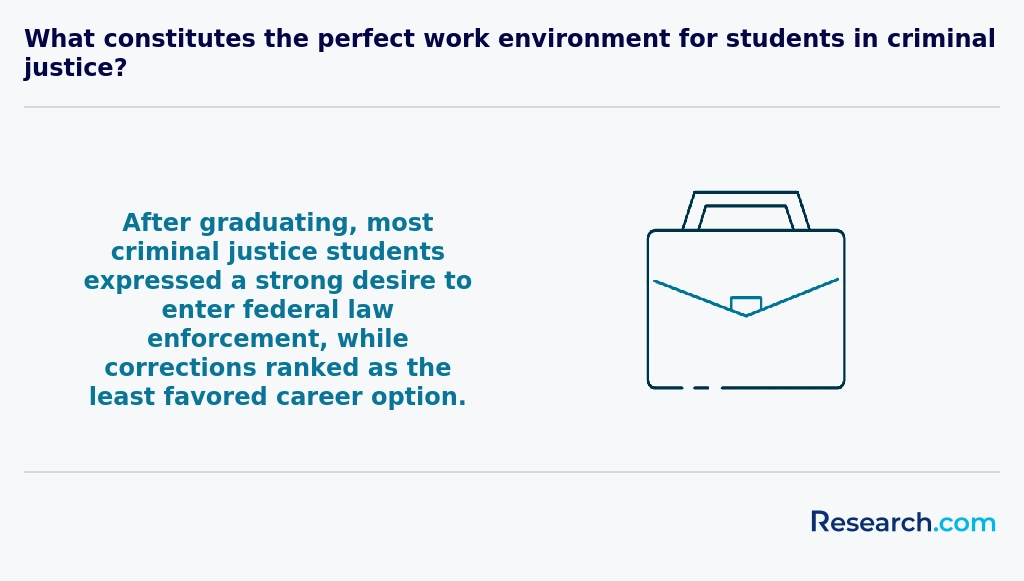
Many Criminal Justice graduates aspire to serve in federal agencies such as the FBI, DEA, or ATF. To position yourself competitively, begin by ensuring you meet basic eligibility: U.S. citizenship, a bachelor’s degree in Criminal Justice or a related field, and a clean background check. Strengthen your profile with coursework in forensic science, cybercrime, and ethics, and pursue internships or volunteer roles with local law enforcement to gain hands-on investigative experience. Physical fitness and communication skills are critical; consider enrolling in academy prep classes and participating in community outreach programs to hone leadership and teamwork. Once you’ve built a solid foundation, prepare for the Special Agent Exam, interview panels, and a polygraph test. Successful candidates will complete rigorous training at the FBI Academy in Quantico, VA, where they master advanced investigative techniques, legal procedures, and crisis management. According to recent data, entry-level agents can expect competitive compensation-explore detailed figures on fbi agent salery to plan your career path effectively.
What courses are typically in criminal justice degree programs in New Orleans?
Students pursuing criminal justice degrees in New Orleans dive into courses that bring the city's unique challenges and opportunities to life. At well-known institutions like the University of New Orleans and Loyola University, graduates describe how foundational classes such as Introduction to Criminal Justice provide an inspiring glimpse into the workings of police, courts, and corrections in real-world settings.
Core classes like Criminology and Criminal Law help students understand why people commit crimes and how the legal system protects communities. One graduate recalls applying lessons from Law Enforcement Procedures during internships with local agencies, discovering firsthand the importance of ethics and tactical skills.
Specialized courses like Urban Crime and Policing reflect New Orleans' diverse neighborhoods, empowering students to explore community-focused crime prevention strategies. Hands-on learning in Research Methods in Criminal Justice prepares students to analyze data that shapes policy decisions, making their education deeply relevant and motivating.
These courses blend theory with practice, nurturing confident future leaders ready to serve New Orleans with passion and integrity.
What types of specializations are available in criminal justice degree programs in New Orleans?
Criminal justice degree specializations in New Orleans open doors to exciting career paths tailored to the city's unique environment. Graduates from beloved local universities often highlight how focusing on law enforcement gives them the skills to engage directly with communities, tackling crime with empathy and strategy. Others find their passion in corrections and rehabilitation, inspired by the chance to make a real difference in reducing recidivism through innovative programs designed specifically for Louisiana's prison system.
Students exploring New Orleans criminal justice career paths also appreciate legal studies and forensic science tracks, where hands-on experiences at regional courts or labs bring learning vividly to life. The city's rich culture and complex challenges make these specializations especially relevant, encouraging students to step confidently into roles like victim advocates or forensic analysts.
Emerging fields such as cybersecurity and juvenile justice further ignite ambition, reflecting modern issues that resonate in urban settings. For those aiming higher in academia, local programs can be a stepping stone to accelerated phd programs, fueling lifelong growth.
How do you choose the best criminal justice degree in New Orleans?
Choosing the best affordable criminal justice degrees New Orleans offers means focusing on programs that align with both your dreams and practical needs. Graduates from universities like Loyola University New Orleans often share how their flexible class schedules and strong ties to local law enforcement gave them confidence and valuable real-world experience. These connections create a vibrant opportunity to grow professionally within the city's unique justice system.
When exploring top criminal justice programs cost New Orleans, consider the balance between tuition and financial aid. Many students feel empowered knowing that scholarships and assistantships can make their educational journey affordable without sacrificing quality. Southern University at New Orleans graduates often emphasize how hands-on internships linked to New Orleans' police and legal communities propelled their careers forward with real impact.
For those balancing work and study, online or evening classes at the University of New Orleans inspire adult learners to pursue their passions smoothly. If you're also curious about advancing your education, check out affordable MBA programs in Georgia for further opportunities that complement criminal justice aspirations.

What career paths are available for criminal justice degree students in New Orleans?
Graduates with a criminal justice degree in New Orleans discover a wealth of career opportunities that empower them to make a real difference in their community. Many find rewarding positions as law enforcement officers, working with the New Orleans Police Department or federal agencies in roles such as patrol officers or detectives. Others pursue careers in corrections, helping to support rehabilitation efforts and maintain public safety through roles like probation or parole officers. For those passionate about the legal system, jobs as court clerks, forensic technicians, or victim advocates provide meaningful ways to contribute to justice.
Social services and community outreach roles are also vibrant career paths in New Orleans. Graduates often become case managers or counselors, collaborating with local nonprofits to foster crime prevention and support rehabilitation. Popular universities in New Orleans offer programs where students gain hands-on experience preparing them for diverse jobs with criminal justice degree New Orleans graduates report feeling inspired by how these roles directly uplift their neighborhoods. Many also explore flexible part-time MBA programs to enhance their leadership potential in these fields.

What is the job market for criminal justice degree in New Orleans?
Graduates with criminal justice degrees in New Orleans find a thriving job market energized by the city's commitment to public safety and community engagement. Local institutions like the University of New Orleans and Tulane University provide hands-on experiences, enabling students to connect theory with real-world practices. Many graduates secure positions as police officers, forensic analysts, or probation officers, contributing to strengthening community trust and safety. This strong demand reflects the broader New Orleans criminal justice career outlook, with opportunities amplified by active recruitment from agencies such as the NOPD and state corrections departments.
Those pursuing degrees appreciate the affordability of local programs compared to national averages, ensuring education remains accessible. Beyond traditional degrees, certification programs enhance specialized skills and employment prospects. Students who explore additional paths, like an accelerated MBA in information technology, gain an edge in fields combining technology and justice, such as cybercrime investigation.
Frequently Asked Questions About criminal justice
Criminal justice degree students in New Orleans can maximize their learning experience by engaging with local law enforcement agencies and community organizations. Internships with the New Orleans Police Department or nonprofits like the Louisiana Justice Institute provide hands-on experience that complements academic studies. Networking in such settings helps students understand regional crime challenges, as New Orleans faces unique issues such as property crime rates notably higher than the national average, according to FBI data from 2022.
Additionally, participating in seminars and workshops hosted by institutions like Tulane University can enhance understanding of Louisiana's legal system. Utilizing city resources and staying informed about local criminal justice developments are essential for applied learning and career readiness.
The criminal justice field is evolving, with emerging niches gaining importance for students pursuing degrees in New Orleans. One rapidly growing area is cybercrime investigation, which addresses crimes involving technology and digital data. With a rise in cyberattacks nationwide, including in Louisiana, this niche offers promising job prospects.
Another developing specialty is forensic psychology, combining criminal justice with mental health assessments for offenders. This approach is increasingly valued in New Orleans courts for improving rehabilitation strategies.
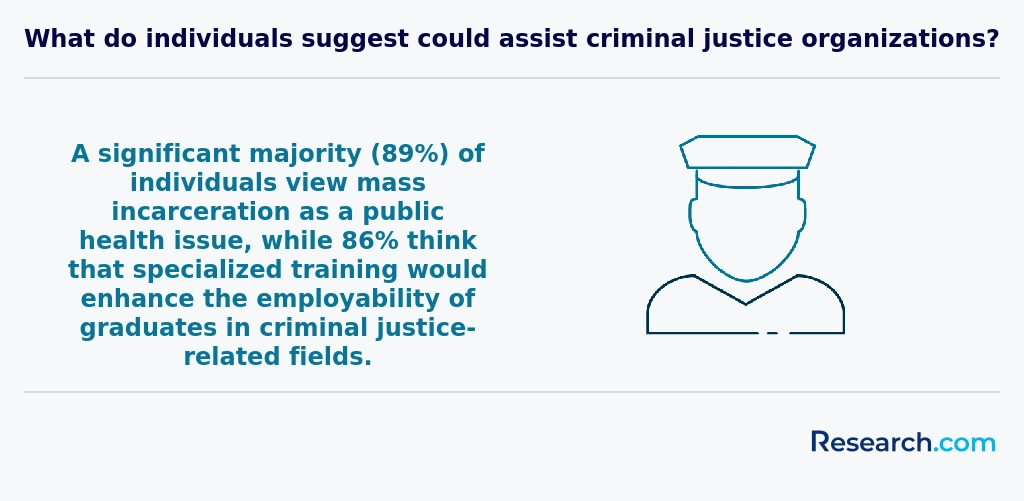
Additionally, restorative justice programs focus on repairing harm between victims and offenders, an approach gaining traction locally to reduce incarceration rates.
These niches reflect the broader shift toward interdisciplinary skills in criminal justice careers.
Graduates with a criminal justice degree in New Orleans should focus on gaining practical experience through internships or volunteering with local law enforcement agencies. The city offers multiple opportunities in agencies like the New Orleans Police Department and Jefferson Parish Sheriff's Office, which are essential for networking and real-world skills. According to the U.S. Bureau of Labor Statistics, the demand for criminal justice professionals in Louisiana is projected to grow 5% through 2031, reinforcing the need for hands-on experience.
Enhancing skills in areas such as data analysis, report writing, and familiarity with Louisiana state laws can also improve job prospects. Obtaining certification in specialized fields like forensic science or cybersecurity may add value. Job fairs, career workshops, and joining professional organizations such as the Louisiana Criminal Justice Association can further support career readiness in the local job market.
Employers in New Orleans prioritize a combination of practical and interpersonal skills when hiring criminal justice degree graduates. Strong critical thinking and problem-solving abilities are essential, as graduates often face complex legal and social challenges. Communication skills, both written and verbal, are highly valued for effectively interacting with colleagues, clients, and the public.
Knowledge of local laws and community issues in New Orleans is crucial, given the city's unique legal and social landscape. Additionally, proficiency in data analysis and technology, including crime analysis tools, enhances employability.
According to the Louisiana Workforce Commission, about 65% of criminal justice roles in New Orleans require teamwork and ethical decision-making skills, highlighting their importance.
Finding internships in New Orleans relevant to a criminal justice degree involves targeted research and networking. Start by exploring local government agencies such as the New Orleans Police Department or the Orleans Parish District Attorney's Office, which often offer internship programs for students. Universities in New Orleans may also have partnerships with criminal justice organizations that facilitate placements.
Additionally, nonprofit organizations focusing on criminal justice reform, such as the Orleans Public Defenders, provide valuable internship opportunities. According to the Bureau of Labor Statistics, practical experience greatly enhances job prospects in criminal justice fields.
Utilize online portals like Handshake or USAJobs to find openings, and attend local career fairs. Building connections through faculty and alumni networks can further increase chances of securing an internship in this competitive field.
A criminal justice degree in New Orleans can significantly enhance career mobility and advancement in law enforcement, legal services, and public safety sectors. According to the Louisiana Workforce Commission, the New Orleans metropolitan area expects a steady 5% growth in jobs related to criminal justice through 2030. Graduates with such degrees are often preferred for positions within the New Orleans Police Department, federal agencies, and private security firms, as educational credentials demonstrate critical thinking and knowledge of the justice system.
Additionally, higher education can lead to supervisory roles or specialized fields such as forensic analysis or probation services. Employers value a degree as it represents a foundation for promotion and salary increases. Many local employers require or recommend at least a bachelor's degree for advancement, which enhances competitive advantage in this job market.
Studying for a criminal justice degree in New Orleans offers unique preparation for interdisciplinary roles through its integration of law enforcement, social work, and legal studies. Local programs emphasize collaboration across fields to address complex urban challenges, such as crime prevention and community safety.
Students engage with coursework combining sociology, psychology, and public policy, equipping them to work effectively in various roles within the justice system. For example, Tulane University's curriculum includes partnerships with local agencies, providing practical experience in neighborhoods affected by crime and poverty.
According to the New Orleans Police Department annual report, understanding social dynamics is essential for effective policing, which criminal justice programs highlight by training students to analyze data, advocate for victims, and develop policy solutions collaboratively.
Choosing between a thesis and a non-thesis criminal justice degree program in New Orleans depends on your career goals and learning preferences. Thesis programs require original research and writing, which can be ideal if you plan to pursue further graduate study or a career in research or academia. Non-thesis options emphasize coursework and practical skills, often appealing to those seeking immediate employment in law enforcement, corrections, or administration.
The University of New Orleans and other local institutions report that most criminal justice graduates enter New Orleans's growing public safety sector, where practical experience often weighs heavily. According to the Bureau of Labor Statistics, the city expects a 6% growth in criminal justice jobs through 2028. This supports choosing a non-thesis path if hands-on skills are your priority.
In contrast, thesis tracks can provide deeper expertise in topics like juvenile justice, which is crucial given New Orleans's recent policy reforms documented by the Vera Institute. Ultimately, consider how each aligns with your professional plans and workload capacity.
Students based in New Orleans who want to study criminal justice abroad have several pathways through U.S. colleges offering international exchange programs. Many universities in Louisiana partner with foreign institutions to provide semester-long study abroad experiences focusing on comparative criminal justice systems.
Options often include placements in countries like the United Kingdom, Canada, and Australia, where students can explore different legal frameworks. According to the Institute of International Education, about 10% of U.S. criminal justice majors choose study abroad opportunities, usually through credit transfer agreements.
New Orleans universities also provide resources to help students navigate cultural, legal, and academic differences during their time overseas.
Part-time jobs that complement a criminal justice degree in New Orleans often involve public safety, legal research, or community outreach. Many students find opportunities as interns or assistants within local law enforcement agencies such as the New Orleans Police Department. According to the U.S. Bureau of Labor Statistics, internships provide valuable hands-on experience that supports academic knowledge.
Other common options include working as security officers, correctional facility aides, or victim advocates with non-profits in the region. These roles help develop practical skills in investigation, communication, and case management, which are essential for criminal justice careers.
The city's history of public safety challenges increases demand for trained personnel, offering students real-world insight alongside their studies, as reported by the New Orleans Crime Data Portal in 2023.
Criminal justice students in New Orleans have access to a variety of valuable networking opportunities that enhance their educational experience. Local universities often partner with regional law enforcement agencies, including the New Orleans Police Department and Louisiana State Police, providing students internships and job-shadowing possibilities. These hands-on experiences help students build professional relationships early in their careers.
The city hosts events such as criminal justice conferences, workshops, and career fairs, often organized by institutions like the Loyola University New Orleans and the University of New Orleans, promoting interaction between students and practitioners. Additionally, professional organizations like the Louisiana Association of Criminal Justice serve as platforms for students to connect with experts.
Alumni networks play a significant role for criminal justice degree students in New Orleans by providing valuable professional connections. These networks help graduates access job opportunities in local law enforcement agencies, courts, and social services, which are important given New Orleans' unique criminal justice challenges.
Members often share internship openings, mentoring, and advice on navigating careers in policing, corrections, or legal support. According to the Bureau of Justice Statistics, New Orleans has higher crime rates than many U.S. cities, so hands-on experience and networking can improve employment prospects significantly.
Alumni also organize events to foster collaboration and support, enhancing students' learning beyond classrooms while strengthening ties in the local justice community.
Customizing a criminal justice degree in New Orleans allows students to align their education with specific career goals, such as law enforcement, cybersecurity, or social services. Many local colleges offer elective courses in areas like forensic science, juvenile justice, or homeland security, providing focused expertise. Internship opportunities with New Orleans Police Department and local courts give practical experience tailored to specialized interests. Additionally, students can pursue certificates alongside their degrees to enhance skills in areas like criminal profiling or victim advocacy. According to the National Center for Education Statistics, flexible programs with elective options help students complete degrees in under four years while gaining relevant credentials.
Criminal justice students in New Orleans often face several challenges during their studies. One significant hurdle is balancing academic demands with fieldwork opportunities, as internships and practical experiences are essential for a thorough understanding of the justice system. Limited availability of quality placements can make this difficult. Additionally, many students must navigate financial constraints; tuition and living costs in the city can be high relative to available financial aid. According to the National Center for Education Statistics, about 60% of criminal justice students nationwide attend part-time, a trend also seen in New Orleans, complicating time management.
Another challenge is the complexity of local criminal justice issues. New Orleans has a unique crime profile, including high violent crime rates reported by the FBI, which requires students to grasp both theoretical knowledge and local context. This dual focus often demands extra effort in coursework and research. Furthermore, students sometimes encounter a lack of faculty with specialized expertise in New Orleans' justice system, limiting mentorship options. Navigating these challenges requires persistence and resourcefulness from aspiring criminal justice professionals in the city.
Graduates with a criminal justice degree in New Orleans can pursue several professional certifications that enhance career prospects in law enforcement, corrections, and related fields. Popular certifications include the Certified Law Enforcement Officer credential, issued by the Louisiana Peace Officer Standards and Training Council, which is essential for local and state police roles.
Other valuable certifications include Correctional Officer Certification, also regulated by Louisiana authorities, and the Certified Forensic Interviewer credential offered nationally to improve skills in evidence gathering. Additionally, certifications in crime scene investigation and juvenile justice can provide specialization within the field.
According to the Bureau of Labor Statistics, certified professionals in criminal justice roles often see higher employability and salary potential. In New Orleans, a city with ongoing public safety initiatives, such certifications demonstrate a commitment to professional standards and local regulations.
Writing a winning application for a criminal justice program in New Orleans requires clear focus and preparation. Start by researching local schools such as the University of New Orleans or Delgado Community College, which offer well-regarded criminal justice degrees. Highlight your interest in local issues; New Orleans faces unique challenges in public safety and law enforcement, which you can reference to show awareness of the field.
Emphasize relevant experience, including volunteer work or internships with community organizations or law enforcement agencies in New Orleans. Many programs value real-world exposure to crime prevention and justice.
Strong academic performance, especially in social sciences and writing, boosts your chances. Be sure to write a concise personal statement explaining your goals and commitment to improving community justice systems.
According to the Bureau of Labor Statistics, criminal justice jobs in Louisiana are projected to grow by 5% from 2022 to 2032, reflecting steady demand. Showing that you understand this can make your application stand out.
The global perspectives on a criminal justice career emphasize growing collaboration and knowledge exchange across countries. In the United States, including New Orleans, criminal justice studies focus heavily on law enforcement, corrections, and legal systems, preparing graduates for diverse careers. According to the Bureau of Labor Statistics, employment in protective services is projected to grow 3% from 2021 to 2031.
New Orleans, with its unique social and cultural context, provides opportunities to study crime trends influenced by urban dynamics. Universities integrate global crime prevention methods and justice reforms into their curricula, reflecting international best practices.
Students are encouraged to understand how global challenges, like cybercrime and human trafficking, impact local law enforcement strategies. This global outlook enhances their adaptability in an increasingly interconnected world.
Gaining practical experience while studying for a criminal justice degree in New Orleans is essential for building a strong career foundation. Many local colleges and universities offer internships with the New Orleans Police Department, Orleans Parish Sheriff's Office, and other law enforcement agencies. These opportunities allow students to observe and participate in real-world criminal justice activities. Additionally, students can engage in volunteer work with community organizations focused on crime prevention and justice reform.
Some programs also include fieldwork components, where students analyze case files or assist in research projects related to regional crime trends. According to the New Orleans Crime Report, hands-on experience helps students understand the city's unique challenges, such as crime rates higher than the national average. Practical training enhances both resumes and skills, preparing graduates for judicial, correctional, or law enforcement roles in the area.
Choosing the right concentration within a criminal justice degree in New Orleans requires an understanding of your career goals and the local job market. Concentrations often include law enforcement, corrections, forensic science, and homeland security. For example, New Orleans has a growing need for skilled professionals in crime scene investigation due to rising interest in forensic technologies, as noted by the Louisiana Commission on Law Enforcement.
Research the curriculum to ensure it covers practical skills, such as community policing or cybercrime. Consider internship opportunities with local agencies like the New Orleans Police Department, which can enhance employability. Align your concentration with areas experiencing workforce growth for better job prospects.
Related Criminal Justice Rankings for Nearby Cities
- 2027 Most Affordable Criminal Justice Degree Programs Ranking in Hattiesburg
- 2027 Most Affordable Criminal Justice Degree Programs Ranking in Montgomery
- 2027 Most Affordable Criminal Justice Degree Programs Ranking in Houston
- 2027 Most Affordable Criminal Justice Degree Programs Ranking in Little Rock
- 2027 Most Affordable Criminal Justice Degree Programs Ranking in Memphis
- 2027 Most Affordable Criminal Justice Degree Programs Ranking in Atlanta
- 2027 Most Affordable Criminal Justice Degree Programs Ranking in San Antonio
- 2027 Most Affordable Criminal Justice Degree Programs Ranking in Orangeburg
- 2027 Most Affordable Criminal Justice Degree Programs Ranking in Saint Louis
- 2027 Most Affordable Criminal Justice Degree Programs Ranking in Columbia
Top Trending Criminal Justice Rankings
See What Experts Have To Say About Studying Criminal Justice
Read our interview with Criminal Justice experts

David Carter
Criminal Justice Expert
Professor, School of Criminal Justice
Michigan State University

Frank Schmalleger
Criminal Justice Expert
Professor Emeritus
The University of North Carolina

Mark Moore
Criminal Justice Expert
Research Professor of Public Management
Harvard University

References
- Study Criminal Justice Abroad | Go Overseas https://www.gooverseas.com/study-abroad/criminal-justice
- Best Criminal Justice Schools In Louisiana https://www.criminaljusticedegreeschools.com/degree-by-state/louisiana/
- 6 Ways to Network in the Criminal Justice Field https://www.aiuniv.edu/blog/2014/march/6-ways-to-network-in-criminal-justice
- Phd in Criminal Justice Programs in Louisiana https://www.criminaljusticeprograms.com/programs/phd-in-criminal-justice/louisiana/
- What Can You Do With a Degree in Criminal Justice? | UMass Global https://www.umassglobal.edu/blog-news/what-can-you-do-with-a-criminal-justice-degree
- Emerging Trends in Criminal Justice Careers https://online.nmu.edu/criminal-justice-careers-emerging-trends/
- Career Trajectory: A Longitudinal Analysis of Criminology ... https://jippublication.com/index.php/jip/article/download/1211/912
- How To Network As A Criminal Justice Graduate https://www.northwestcareercollege.edu/blog/how-to-network-as-a-criminal-justice-graduate/
- Criminal Justice Organizations for Students | University of Phoenix https://www.phoenix.edu/articles/criminal-justice/criminal-justice-organizations-for-students.html
- Online Bachelor’s Degree in Criminal Justice | Warner Pacific https://www.warnerpacific.edu/programs/criminal-justice/