2027 Counseling Degree Persistence Report: Retention, Stop-Out Risk, and Re-Enrollment Patterns

Co-Founder and Chief Data Scientist
Choosing a counseling degree is not only about admission; it is about whether the program helps you stay enrolled long enough to graduate and qualify for licensure pathways. The National Student Clearinghouse Research Center reported in 2024 that 76.5% of first-time students who entered college in fall 2022 persisted at any institution one year later, showing how common early enrollment disruption can be. This report is for prospective and current counseling students comparing program formats, costs, support systems, and re-entry options so they can reduce stop-out risk and choose a program that fits real life.
Key Things You Should Know
- Retention is an early signal, not a guarantee: the 2024 National Student Clearinghouse persistence rate of 76.5% shows that nearly one in four first-time students did not remain continuously enrolled at any institution after one year.
- Cost pressure matters: College Board data for 2024-25 placed average published tuition and fees at $11,610 for in-state public four-year institutions and $43,350 for private nonprofit four-year institutions, before aid and living costs.
- Persistence has career consequences: the BLS reported a May 2024 median pay of $59,190 for substance abuse, behavioral disorder, and mental health counselors, with 17% projected employment growth from 2024 to 2034.
- Key Things You Should Know
- What Do Retention Rates Reveal About Student Success in Counseling Degree Programs?
- Which Students Are Most at Risk of Stopping Out of a Counseling Degree Program?
- What Academic and Financial Challenges Reduce Persistence in Counseling Degree Programs?
- How Do Counseling Students Return After Stopping Out?
- Which Institutional Support Services Improve Persistence in Counseling Degree Programs?
- How Does Persistence Affect Graduation Time and Career Outcomes for Counseling Students?
- Which Counseling Degree Programs Have the Strongest Student Persistence Outcomes?
- How Are Student Persistence Patterns Changing in Counseling Degree Programs?
- How Should Students Evaluate Counseling Degree Programs Based on Persistence and Retention?
- Top Trending Counseling Rankings
- See What Experts Have To Say About Studying Counseling
What Do Retention Rates Reveal About Student Success in Counseling Degree Programs?
Retention rate measures the share of students who return to the same institution after a defined period, usually from one fall term to the next. Persistence is broader: it counts students who continue at the original school or transfer to another institution. For counseling students, both matter because licensure-focused programs often require sequenced coursework, supervised field experiences, and steady academic progress.
The 2024 National Student Clearinghouse finding that 76.5% of first-time students persisted after one year is useful context, but counseling applicants should not treat it as a counseling-specific benchmark. Many counseling programs are graduate programs, while national persistence data often includes undergraduate starters across many majors. The smarter use of retention data is to compare similar programs: master's-to-master's, online-to-online, and licensure-track-to-licensure-track.
The table below explains the most important persistence metrics and how to interpret them when comparing counseling programs. These indicators are most helpful when viewed together rather than as isolated numbers.
| Metric | What it measures | Why it matters for counseling students | Limitations |
| First-year retention rate | Students who return to the same institution after the first year | Shows whether students are making it through the early adjustment period | Does not show whether students later graduate |
| Persistence rate | Students who continue at the same school or another institution | Captures transfer behavior and continued enrollment | May not reveal whether credits transferred cleanly |
| Graduation rate | Students who complete within a defined timeline | Shows longer-term completion outcomes | May exclude part-time or transfer students depending on reporting method |
| Stop-out rate | Students who leave temporarily without completing | Highlights interruption risk before permanent withdrawal | Schools may define stop-out periods differently |
| Time-to-degree | How long students typically take to finish | Important for licensure planning, financial aid, and career entry | Averages can hide differences between full-time and part-time students |
A high retention rate can indicate strong advising, good course availability, realistic admissions screening, and responsive faculty support. However, it should not be read as proof that every student will graduate on time. A counseling student who works full time, needs practicum placement flexibility, or has limited financial cushion may face different risks than the average student in the published number.
When comparing programs, ask admissions offices for retention and completion outcomes for your specific degree level and format. A master's in clinical mental health counseling, a school counseling track, and a doctoral counselor education program can have very different persistence patterns because their fieldwork, licensure, and dissertation requirements differ.
Which Students Are Most at Risk of Stopping Out of a Counseling Degree Program?
Stop-out risk usually grows when academic, financial, work, family, and field-placement pressures overlap. Counseling students may be especially vulnerable during practicum and internship terms because they must balance coursework with supervised client-facing hours, documentation, and sometimes unpaid site requirements.
The table below summarizes common risk patterns. It is not meant to label students as likely to fail; it helps identify where extra planning and support can reduce interruption risk.
| Student situation | Why stop-out risk may increase | What to check before enrolling |
| First-generation college or graduate students | May have less familiarity with advising, financial aid, and academic policies | Availability of proactive advising, orientation, and mentoring |
| Working adults | Course schedules, internships, and evening availability may conflict with employment | Evening courses, part-time plans, and approved field-placement options |
| Students with caregiving responsibilities | Unexpected family needs can disrupt attendance and field hours | Leave policies, flexible pacing, and predictable course rotation |
| Students with limited financial cushion | Small billing gaps, transportation costs, or reduced work hours can trigger withdrawal | Emergency aid, payment plans, and total cost estimates |
| Online students who need strong structure | Asynchronous learning can feel isolating without regular faculty contact | Required live sessions, advising cadence, and peer cohorts |
| Transfer or returning students | Credits may not apply cleanly to licensure-aligned sequences | Transfer evaluation before enrollment and state licensure alignment |
Students can reduce risk by treating persistence as a planning problem before the first term begins. The most useful preparation focuses on time, money, academic readiness, and support access.
- Map a weekly schedule that includes class time, reading, writing, commuting, practicum preparation, work, and caregiving obligations.
- Ask the program when practicum and internship hours typically occur and whether evening or weekend placements are realistic.
- Confirm how many credits you can take while remaining eligible for financial aid, employer tuition support, or graduate assistantships.
- Identify one academic contact, one financial aid contact, and one personal support contact before problems appear.
- Review leave-of-absence and re-enrollment rules before assuming you can pause and return without consequences.
A common mistake is enrolling in the fastest advertised track without testing whether the pace fits your life. Accelerated plans can work well for students with predictable schedules and strong support, but they can increase stop-out risk when work hours, childcare, health needs, or field placement travel are uncertain.
What Academic and Financial Challenges Reduce Persistence in Counseling Degree Programs?
Academic challenges in counseling programs often appear in writing-intensive courses, research methods, assessment, ethics, diagnosis, multicultural counseling, and supervised practice. Students may also underestimate the emotional demands of learning to work with clients, receiving supervision, and integrating feedback into professional behavior.
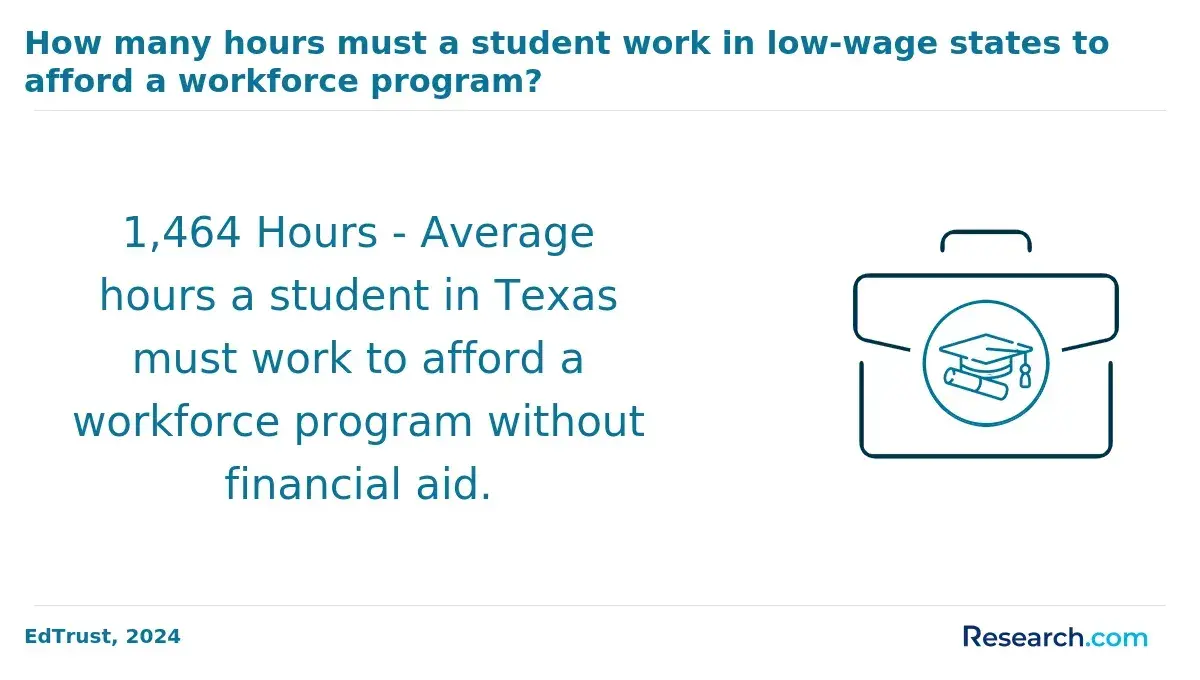
Financial pressure is one of the most practical persistence barriers. College Board's 2024-25 figures show average published tuition and fees of $11,610 at in-state public four-year institutions and $43,350 at private nonprofit four-year institutions. Graduate counseling tuition can differ from these undergraduate-oriented averages, but the numbers show why students should compare total cost, not just per-credit tuition.
For readers comparing health-related education paths, cost and persistence trade-offs are not unique to counseling. Students evaluating fields such as pharmacy may also compare tuition, program length, and support systems; resources on online pharmacy schools can provide a useful contrast for how program structure affects affordability and completion planning.
The following factors often create the biggest academic and financial strain in counseling programs. Reviewing them before enrollment helps you avoid surprises that can lead to temporary withdrawal.
- Sequenced courses: Some counseling courses must be completed in order, so failing or delaying one class can push graduation back by a full term or year.
- Practicum and internship costs: Fieldwork may require transportation, background checks, liability insurance, recording equipment, or reduced paid work hours.
- Licensure exam preparation: Some students need additional study materials or exam fees after graduation, which should be included in the broader career budget.
- Unclear transfer credit rules: Counseling programs may reject older credits or courses that do not match accreditation or state licensure requirements.
- Financial aid timing gaps: Late aid disbursement, minimum credit thresholds, and satisfactory academic progress rules can affect continued enrollment.
The biggest red flag is a program that cannot clearly explain total estimated cost, course sequencing, fieldwork expectations, and what happens if a student fails or pauses a required course. Good programs do not eliminate hardship, but they make the path transparent enough for students to plan.
How Do Learning Format and Enrollment Status Affect Counseling Student Persistence?
Online, hybrid, and campus counseling programs can all support strong persistence when they are well designed. The key question is not whether online or campus learning is universally better; it is whether the format gives you enough structure, access, flexibility, and field-placement support to keep progressing.
Enrollment intensity also matters. Full-time study can shorten time-to-degree and keep students connected to a cohort, but it may be unrealistic for working adults. Part-time study can protect work and family stability, but it can extend the timeline and increase the chance that life events interrupt enrollment.
The table below compares common format and enrollment choices. Use it to identify which option fits your schedule and support needs rather than assuming the fastest route is automatically the best one.
| Option | Persistence advantages | Persistence risks | Best fit |
| Campus-based full-time | Strong peer contact, predictable faculty access, faster completion | Less schedule flexibility and possible work-hour conflicts | Students who can prioritize school and attend daytime requirements |
| Campus-based part-time | More manageable workload and local support access | Longer timeline and possible course rotation delays | Students with steady local commitments who need a slower pace |
| Online synchronous | Remote access with scheduled live structure | Evening attendance may still conflict with work or caregiving | Students who want flexibility but need accountability |
| Online asynchronous | Maximum scheduling flexibility | Higher self-management demands and possible isolation | Independent learners with strong planning habits |
| Hybrid | Balances in-person skill development with remote coursework | Residency travel or weekend intensives can add cost | Students who want flexibility but value face-to-face practice |
Health and human-services students often face similar format decisions across disciplines. For example, someone comparing counseling with practical nursing may look at local clinical availability and scheduling constraints through searches such as LPN programs near me, because hands-on requirements can affect persistence as much as academic coursework.
Before choosing a format, ask detailed questions about how the program supports students who are not physically on campus. Online programs should be able to explain advising access, faculty response expectations, technology support, peer connection, and local placement procedures.
- Ask whether online and campus students have the same retention, completion, and licensure exam preparation support.
- Confirm whether practicum and internship placements are arranged by the school, the student, or both.
- Review required residency weekends, synchronous class times, and technology requirements before enrolling.
- Compare the part-time course rotation with your desired graduation date to identify hidden delays.
- Choose the format that you can sustain during your hardest term, not just during your first term.
How Do Counseling Students Return After Stopping Out?
Stopping out means leaving a program temporarily without completing the degree. It is different from permanent withdrawal, but the distinction depends on school policy. Some institutions allow a formal leave of absence, while others require students to reapply after missing a certain number of terms.
Re-enrollment is often easiest when students leave in good academic and financial standing, communicate with advisors, and document their return plan. It becomes harder when unpaid balances, expired coursework, changed degree requirements, or field-placement disruptions are unresolved.
The table below shows common return patterns and the issues students should expect. These patterns vary by institution, so students should confirm policies in writing before taking a break.
| Return pattern | Typical situation | Main persistence concern | Planning implication |
| Formal leave of absence | Student pauses with institutional approval | Return deadline and course availability | Usually the cleanest path if approved before leaving |
| Stop-out for financial reasons | Student leaves due to balance, aid loss, or work conflict | Unpaid balance or aid eligibility may block registration | Resolve billing and satisfactory academic progress issues early |
| Academic pause | Student leaves after failing or withdrawing from key courses | Repeated courses may delay sequenced requirements | Meet with academic support before returning |
| Transfer after stop-out | Student returns through a different institution | Credits may not meet new program or licensure requirements | Request a course-by-course evaluation before committing |
| Return after policy change | Degree requirements changed during absence | Student may need extra coursework | Ask which catalog year applies at re-entry |
If you are considering a temporary break, take these steps before your last active term ends. They can prevent a short pause from turning into a long delay.
- Meet with your advisor and ask whether a formal leave of absence is available.
- Get written confirmation of the latest term you can return without reapplying.
- Ask whether completed counseling, assessment, ethics, or fieldwork courses expire after a certain period.
- Check whether your financial aid, scholarships, employer benefits, or loan status will change during the break.
- Create a return budget that includes tuition, fees, books, transportation, and any field-placement costs.
- Stay connected to one program contact so you know about curriculum or policy changes.
Transferring can make sense when the original program no longer fits your schedule, budget, location, or licensure goals. It can delay graduation, however, if the new school accepts only a limited number of counseling credits or requires you to repeat skill-based courses for accreditation or supervision reasons.
Which Institutional Support Services Improve Persistence in Counseling Degree Programs?
Support services improve persistence when they are timely, easy to access, and connected to real barriers students face. A tutoring center that is open only during work hours may not help evening graduate students, while an advisor who reviews course sequencing every term can prevent costly delays.
The table below connects common student support services with the persistence problem each one helps address. Strong programs usually combine several supports rather than relying on one office to solve every issue.
| Support service | Persistence problem it addresses | What strong implementation looks like |
| Proactive academic advising | Course sequencing mistakes and missed prerequisites | Required degree-plan reviews before registration |
| Faculty mentoring | Low belonging, unclear professional identity, and feedback anxiety | Regular check-ins tied to counseling skill development |
| Writing and research support | Difficulty with papers, literature reviews, and graduate-level writing | Discipline-aware support for APA style, research, and case analysis |
| Field-placement coordination | Delayed practicum or internship starts | Clear site approval timelines and placement support |
| Financial aid counseling | Billing holds, aid loss, and unexpected balance issues | Early alerts before registration or aid eligibility problems escalate |
| Mental health and wellness resources | Burnout, stress, and emotional overload during training | Accessible counseling, crisis support, and wellness programming |
| Career and licensure advising | Unclear post-graduation steps | State-specific licensure guidance and exam preparation resources |
When evaluating a counseling program, do not simply ask whether support exists. Ask how often students use it, whether online students have equal access, and what happens when a student is flagged as at risk.
- Ask for evidence: Request retention, graduation, and placement-related outcomes for students in your intended format and track.
- Test responsiveness: Email advising, financial aid, and field-placement offices before enrolling and compare response time and clarity.
- Look for early-alert systems: Programs that identify attendance, grades, and engagement issues early can intervene before withdrawal becomes likely.
- Review fieldwork support: Strong counseling programs explain site requirements, supervision expectations, and approval timelines clearly.
- Check student fit: A program with strong outcomes may still be a poor fit if support is not available when you can use it.
A red flag is a school that discusses student success only in broad marketing language. Persistence support should be specific enough that you can picture what happens if you fail a course, lose childcare, need a new internship site, or cannot register because of a billing issue.
How Does Persistence Affect Graduation Time and Career Outcomes for Counseling Students?
Persistence affects more than the date printed on a diploma. It can influence loan borrowing, eligibility for fieldwork, licensure timing, professional networking, and the point at which a student can compete for counseling-related jobs. In licensure-focused fields, a one-term delay can sometimes affect internship timing or postpone post-graduate supervised experience.
The BLS reported a May 2024 median annual wage of $59,190 for substance abuse, behavioral disorder, and mental health counselors, along with 17% projected employment growth from 2024 to 2034. This does not mean every counseling graduate will earn that amount, but it shows why staying on track can matter: delayed completion may delay entry into a growing labor market.
Students comparing counseling with adjacent health and wellness pathways may also consider fields with different credential timelines, such as an online exercise science degree. The better choice depends on whether the student wants clinical counseling licensure, wellness coaching, rehabilitation support, graduate study, or another health-related career path.
The table below shows how enrollment disruptions can affect graduation planning. The exact impact depends on the school's course rotation, whether fieldwork is offered every term, and how quickly the student resolves academic or financial barriers.
| Enrollment pattern | Possible effect on graduation time | Career planning effect |
| Continuous full-time enrollment | Often the shortest route if all courses and placements are available | May allow earlier transition to licensure steps or entry-level roles |
| Continuous part-time enrollment | Longer but often more sustainable for working adults | May preserve income while progressing toward the credential |
| One-term stop-out | May add one term or more if courses are sequenced | Can delay practicum, internship, or job search timing |
| Multi-term stop-out | May require reapplication, updated degree plans, or repeated coursework | Can weaken professional momentum unless the student stays connected |
| Transfer after stop-out | Can shorten or lengthen time depending on credit acceptance | May improve fit but requires careful licensure review |
Career outcomes in counseling vary by state, employer, specialty, licensure status, and supervised experience. A school's persistence support is valuable because it helps students move through the education portion of that pathway with fewer avoidable delays, not because it guarantees a job, salary, or license.
Which Counseling Degree Programs Have the Strongest Student Persistence Outcomes?
The counseling programs with the strongest persistence outcomes are usually not identifiable by one public number alone. Because many national databases report institution-level retention rather than counseling-specific retention, students need to combine published outcomes with program-level questions.
Strong persistence outcomes are more likely when a counseling program has clear admissions expectations, transparent licensure alignment, predictable course rotations, accessible faculty, and strong field-placement support. Accreditation can also matter. For many counseling master's programs, CACREP accreditation may support licensure mobility or meet state board expectations, but requirements vary by state and should be verified with the relevant licensing board.
Use the following comparison process when narrowing programs. It helps you move beyond rankings and focus on whether a specific program can help you remain enrolled through graduation.
- Confirm the degree aligns with your intended counseling role, such as clinical mental health counseling, school counseling, marriage and family therapy, rehabilitation counseling, or counselor education.
- Check whether the program is accredited by the relevant accreditor and whether it meets education requirements in the state where you plan to seek licensure.
- Ask for retention, completion, and time-to-degree outcomes for your specific program, campus, and learning format.
- Request a sample degree plan showing course sequence, fieldwork terms, and part-time alternatives.
- Ask how many students are delayed by practicum or internship placement issues and what the school does when placements fall through.
- Compare total cost after grants, scholarships, employer assistance, assistantships, fees, books, travel, and field-placement expenses.
- Speak with current students or alumni about advising quality, faculty responsiveness, workload, and re-enrollment support.
Retention should matter when choosing a school, but graduation rate and time-to-degree may matter more for long-term planning. A program can retain students after the first year yet still have slow completion if courses are hard to schedule, internships are limited, or dissertation support is weak in doctoral programs.
Be cautious with programs that advertise speed but cannot document student success outcomes. A strong counseling program should be able to explain who tends to thrive, who tends to struggle, and what support is available when students encounter academic, financial, or personal barriers.
How Are Student Persistence Patterns Changing in Counseling Degree Programs?
Persistence patterns are changing because counseling students are increasingly balancing graduate education with employment, caregiving, rising living costs, and demand for flexible learning. Programs are responding with hybrid schedules, online cohorts, telehealth-informed training, virtual advising, and more structured field-placement coordination.
Technology is also changing student support. Learning management systems, degree-audit tools, early-alert dashboards, online tutoring, and virtual advising can help schools identify students who are disengaging before they stop out. These tools are most useful when paired with human follow-up; automated alerts alone do not solve financial strain, burnout, or field-placement barriers.
Labor-market demand adds urgency. Counseling, behavioral health, and adjacent healthcare administration roles are expanding in different ways, and students often compare career stability across related fields. For example, someone weighing counseling against administrative health careers may review healthcare information management salary information to understand how credential requirements, pay, and persistence risks differ.
Several current trends are especially important for counseling students deciding where to enroll. These trends can improve persistence when programs manage them well, but they can create new risks when support is thin.
- More online and hybrid enrollment: Flexible formats can help working adults persist, but only if advising, faculty access, and field-placement support are equally strong online.
- Greater attention to mental health workforce shortages: Demand may make counseling attractive, but licensure still requires completing the correct academic and supervised experience steps.
- Rising cost sensitivity: Students are comparing total cost, aid stability, and employment compatibility more closely before committing.
- More structured student-success systems: Early alerts and proactive advising can reduce preventable stop-outs when programs act quickly.
- Changing expectations for telehealth competence: Programs that integrate ethical technology use and remote counseling skills may better prepare students for current practice environments.
The main takeaway is that flexibility alone does not equal persistence. A program that lets you log in from anywhere may still be difficult to complete if courses are poorly sequenced, faculty feedback is slow, or internship help is limited.
How Should Students Evaluate Counseling Degree Programs Based on Persistence and Retention?
Students should evaluate counseling programs by asking whether the school can help them stay enrolled during predictable and unexpected challenges. Retention data is useful, but it should be combined with support quality, affordability, fieldwork logistics, licensure alignment, and personal fit.
Before applying or enrolling, use a structured review process. This keeps you from choosing based only on tuition, brand name, location, or promises of speed.
- Define your target role and state licensure pathway before comparing programs.
- Verify accreditation and ask whether the curriculum meets education requirements in your intended state.
- Request program-level retention, completion, and average time-to-degree data for students in your format.
- Compare total cost, including fees, books, residency travel, field-placement expenses, and lost work hours.
- Ask how the school supports students who fail a course, need to reduce credits, or pause enrollment.
- Review the fieldwork process, including site approval, supervision requirements, and placement timelines.
- Check whether online, part-time, transfer, and returning students receive the same level of advising as full-time campus students.
- Build a contingency plan for finances, childcare, transportation, technology, and workload before the first term.
Common mistakes include comparing programs only by tuition, assuming all students graduate on schedule, ignoring re-enrollment policies, and waiting too long to ask for help. Another mistake is treating a stop-out as harmless. A temporary pause can be manageable, but it can also affect financial aid, course sequencing, internship timing, and graduation date.
The best program is not always the cheapest, fastest, or most selective. It is the one that aligns with your counseling goals, meets licensure requirements, fits your schedule and budget, and has a clear system for helping students recover from setbacks.
Other Things You Should Know About Counseling
Both matter. Retention shows whether students return after the early stage of enrollment, while graduation rate shows longer-term completion. For counseling programs, also ask about time-to-degree, field-placement delays, and licensure alignment.
Not necessarily. Online programs can support persistence when they offer strong advising, responsive faculty, peer connection, and field-placement help. They can be harder for students who need in-person structure or struggle with self-paced work.
Meet with your advisor, financial aid office, and program director before leaving. Ask about formal leave options, re-entry deadlines, course expiration rules, unpaid balances, and how a break could affect practicum or internship timing.
Sometimes, but not always. Transferring may improve fit or reduce cost, but counseling credits may not transfer cleanly because of accreditation, course sequencing, supervision, or state licensure requirements. Request a written transfer evaluation before committing.
Top Trending Counseling Rankings
See What Experts Have To Say About Studying Counseling
Read our interview with Counseling experts

Meredith A. Rausch
Counseling Expert
Associate Professor
University of Alabama

References
- Boosting Student Retention: Proven Strategies for Higher Ed Success https://moderncampus.com/blog/strategies-for-improving-retention-in-higher-education.html
- How to Evaluate Online Counseling & Psychology Programs https://www.counselingpsychology.org/articles/how-to-evaluate-online-counseling-or-psychology-programs/
- Current Practices in Online Counselor Education - The Professional Counselor https://tpcjournal.nbcc.org/current-practices-in-online-counselor-education/
- Understanding and Supporting Stopout Students https://www.onegoal.org/about/blog/understanding-and-supporting-stop-out-students/
- Research Summary: Online versus In-Person Learning of Hands-On PT Skills • Posts by EIM | Evidence In Motion https://evidenceinmotion.com/research-summary-online-versus-in-person-learning-of-hands-on-pt-skills/
- Stop Out Students: Proven Re-enrollment Strategies (2025) - Campus Mind https://www.campusmind.org/stop-out-students-re-enrollment-strategies/
- Improving college student mental health: Promising campus interventions https://journalistsresource.org/education/college-student-mental-health-research-interventions/
- For Students - CACREP https://www.cacrep.org/for-students/
- What Factors Impact Student Retention? https://www.quadc.io/blog/what-factors-impact-student-retention
- 10 Academic Intervention Strategies to Support Struggling Students Effectively https://enflux.com/blog/academic-intervention-strategies-for-struggling-college-students/