2027 Most Valuable Business Degree Programs Ranking in Cincinnati

Co-Founder and Chief Data Scientist
Choosing the right business degree program can shape your future in exciting ways. If you're a student in Cincinnati, this article is designed especially for you.
We present the 2027 Most Valuable Business Degree Programs Ranking in Cincinnati, created by the Research.com team of data scientists. Their data-driven insights help you identify which programs offer real value and opportunities.
Reading this article will guide you toward making an informed decision, empowering you to invest in a business education that opens doors and fuels your success.
Key benefits of getting business degree in Cincinnati
- Higher earnings: Graduates with a business degree in Cincinnati can expect strong salary prospects, such as a Business Analyst earning around $112,950 annually and a Business Development Executive making about $83,190 per year, reflecting rewarding financial opportunities.
- Diverse career options: Business graduates from popular Cincinnati universities often find exciting roles in areas like business analysis and development, offering dynamic paths that match various interests and skills.
- Flexible learning: Earning a business degree online from Cincinnati's well-regarded schools allows you to balance work and study easily, opening doors to growth without sacrificing your current job or lifestyle.
- 2027 Most Valuable Business Degree Programs Ranking in Cincinnati
- What can I expect from business degree in Cincinnati?
- Where can I work with business degree in Cincinnati?
What can I expect from business degree in Cincinnati?
Imagine stepping into the vibrant halls of the University of Cincinnati's Lindner College of Business, where business students often describe the tuition journey as a balanced dance between opportunity and cost. For an in-state student, the average annual tuition hovers around $11,000, making it feel like an investment rather than a burden. Graduates recall feeling relief and motivation knowing public universities in Cincinnati provide in-state discounts, making advanced learning financially accessible.
Out-of-state students might encounter costs nearing $28,000 per year, but many find these numbers softened by scholarships and local business foundations eager to funnel resources into emerging talent. These financial supports echo stories graduates tell about gaining paid internships with giants like Procter & Gamble or Fifth Third Bank-turning tuition into a launchpad for earnings and networking.
Far from a mere number on paper, tuition here acts as a gateway to real-world experiences, citywide connections, and a future grounded in a city thriving on enterprise.
Where can I work with business degree in Cincinnati?
Graduates from the University of Cincinnati's Carl H. Lindner College of Business often find themselves woven into Cincinnati's vibrant economic fabric, jumping into roles at local giants like Fifth Third Bank or Procter & Gamble. Imagine starting your day analyzing financial trends for PNC Bank, then shifting gears by afternoon to optimize supply chains for Kroger - that's the kind of multifaceted career adventure you can expect here.
Many grads speak of the thrill of navigating Cincinnati's healthcare scene, landing positions at institutions such as Cincinnati Children's Hospital Medical Center. They don't just crunch numbers; they shape the future of healthcare administration with creativity and savvy business insight.
Meanwhile, the startup culture around Xavier University's business programs sparks entrepreneurial energy; grads mentor fledgling companies at Cintrifuse, blending marketing zest with project management skills. The city's blend of established corporations and innovative startups creates a playground where your business degree can truly take flight, turning complex theories into impactful, real-world success stories.
Imagine launching your business career in Cincinnati, where graduates from well-regarded schools like the University of Cincinnati step into roles with salary prospects that spark optimism. A Business Development Executive here earns an average of about $83,190 annually-enough to enjoy the city's vibrant culture and affordable living without financial strain.
Meanwhile, business analysts, often prized for their analytical prowess, command even more impressive earnings with mean annual wages nearing $113,000. Picture a fresh graduate mastering data-driven strategies in a downtown office, confidently contributing to major decisions while comfortably affording Cincinnati's unique blend of urban life and Midwestern charm.
These figures aren't just numbers; they reflect the real stories of graduates who balanced rigorous coursework with networking events and internships, gearing up to earn solid salaries in local corporate giants. The city's economic landscape supports this upward trajectory, offering business degree holders both stability and a springboard for growth.
- Business degree tuition in Cincinnati ranges from $10,000 to $30,000 per year for in-state students, with out-of-state fees often exceeding $25,000 annually.
- Starting salaries for business graduates average around $50,000 per year, increasing to $75,000-$90,000 mid-career, and over $100,000 for senior or specialized roles.
- Key local industries include finance, manufacturing, healthcare, and consumer goods, with several Fortune 500 companies providing internship and job opportunities.
- The unemployment rate for business graduates in Cincinnati is around 4% or lower, similar to the national average.
- Many business programs focus on practical experience through case studies and partnerships with local businesses.
- Cincinnati's lower cost of living is an advantage for students planning post-graduate finances.
Imagine diving into Cincinnati's bustling business scene with a two-year sprint at Cincinnati State Technical and Community College, where associate's degree graduates emerge armed with foundational savvy and ready to leap forward. Those choosing to chase the traditional bachelor's dream often find themselves walking the hallways of the University of Cincinnati or Xavier University for about four years, weaving their way through business jargon, strategy sessions, and real-world case studies. One graduate recalls feeling that final semester buzz-the sweet mix of exhaustion and excitement-as coursework wrapped up right around year four.
For the bold few eyeing an MBA, the city plays host to flexible paths: a full-time journey of two years at the Lindner College of Business, or a fast-paced, 12-month sprint for those fueled by adrenaline and ambition. Part-time routes stretch complexity but offer balance, perfect for students juggling a day job and evening classes.
Completion times bend with enrollment choices, course formats, and joyfully unpredictable life events-a part-time evening student might savor the learning longer, while a full-timer races through. Transfer credits? They're the secret magic carpet shaving precious months off the timeline, letting students jump ahead.
Imagine juggling a full-time job in Cincinnati's fast-paced business world while earning your degree. Online business programs make this possible, crafting a flexible rhythm for busy professionals who can dive into coursework between meetings or after bedtime stories. Graduates often praise how this freedom lets them design their own schedules, fitting education seamlessly into their lives without missing a beat.
On the flip side, stepping onto the University of Cincinnati's campus means immersing yourself in vibrant, face-to-face energy-breaking bread with peers and brainstorming in real-time, surrounded by resources like bustling libraries and career centers. Alumni recount that these in-person connections sparked networking opportunities, especially in Cincinnati's finance and healthcare sectors, where relationships often open doors.
Costs wise, online paths trim expenses by nixing commutes and housing, a relief for many local students. Yet, on-campus offerings often wrap financial aid tailored to Cincinnati's families, leveling the field. Picking between the two is less about right or wrong and more a choice of your personal business adventure in the Queen City.
When considering a business degree, it's essential to look at the broader context of what Cincinnati, OH, offers, including its economic landscape, cultural diversity, and opportunities for professional growth. For those interested in pursuing their business education in Ohio, exploring the valuable business programs in Ohio can provide a comprehensive understanding of the state's educational offerings. Cincinnati, with its unique blend of industries ranging from healthcare and technology to manufacturing and finance, presents a dynamic environment where business graduates can apply their skills and knowledge. The city's business community is supportive, with many organizations offering internships, mentorship programs, and job opportunities that cater to the aspirations of business degree holders. By choosing a business degree program in Cincinnati, students not only gain access to quality education but also become part of a thriving professional network that can open doors to various career paths, including management, finance, marketing, and entrepreneurship.
The average cost of a business degree in Cincinnati typically revolves around $54,650 total, painting a clear but flexible financial picture for prospective students. For many graduates from the University of Cincinnati, the journey to a degree blends in-state tuition benefits-bringing overall expenses closer to $38,150-with the reality of living costs and materials. These graduates often share stories of balancing part-time jobs and internships, turning each dollar spent into an investment toward their future careers.
Private institutions in the Cincinnati area, with their allure of smaller classes and richer resources, push tuition and fees up toward the median total cost, often hovering near the $54K mark. Past students recall the rewarding challenge of managing higher tuition with scholarships and cooperative education programs that offset campus life expenses and keep their educational dreams tangible.
When considering the total expenses for Cincinnati business degree programs, it's not just about tuition-housing, textbooks, and daily living add vibrant layers to the financial story. Graduates frequently point out how mastering budgeting and leveraging internship stipends transformed this phase into one of growing independence and confidence.
Whether tackling costs at public universities or private colleges, prospective learners are wise to explore the valuable business programs in Ohio and local financial aid avenues. These pathways often morph daunting price tags into manageable stepping stones on the road to a successful business career in Cincinnati.
When evaluating the true value of a business degree in Cincinnati, prospective students should consider not only tuition costs but also the expected salary uplift and payback period. On average, graduates with a bachelor’s in business from the University of Cincinnati report a starting salary of around $58,000, while Xavier University alumni see entry-level earnings near $55,000. Given in-state tuition averaging $12,000 per year, the typical four-year investment of $48,000 can be recouped within 1 to 2 years, depending on the chosen career path. To calculate ROI, divide the incremental annual salary increase by total program costs. For example, a Business Analyst position earning $108,790 versus a non-degree job at $40,000 yields an incremental gain of $68,790-resulting in a payback period of less than 1 year for graduates who minimize debt. Factoring in living expenses and potential loans, smart budgeting and scholarships can shorten this timeframe further. It’s also wise to compare alternative programs with high value and lower costs. Students prioritizing affordability may explore the Affordable Online Business Degree Programs Ranking in Virginia Beach, VA, which highlights options with competitive tuition and strong employment outcomes. Ultimately, a clear ROI analysis helps students understand net present value, break-even points, and long-term earnings potential-empowering them to choose a program that maximizes both financial and professional returns.
Landing a business degree in Cincinnati often feels like unlocking a treasure chest of financial aid, where every key opens a new door. Imagine a University of Cincinnati business student celebrating scholarship news that sliced their tuition nearly in half, thanks to merit rewards for academic grit and leadership flair. These scholarships aren't just numbers-they're lifelines fueling dreams.
Federal Pell Grants and low-interest loans whisper promises to those who dare apply early through FAFSA, transforming stress into opportunity. Ohio's own College Opportunity Grant is like a hometown hero easing the tuition weight for state residents, lighting the path through public colleges with need-based kindness.
Local business chambers swoop in with private scholarships, eager to craft tomorrow's leaders and add a community's boost to a student's journey. And for many, work-study isn't just a paycheck but a hands-on stage where theories meet real-world action, often on-campus or nearby businesses, turning classroom lessons into practical victories.
Combine these threads-a federal blanket, state support warmth, university generosity, and local encouragement-and suddenly that Cincinnati business degree feels not just possible but within reach.
Landing a spot in a Cincinnati business degree program means proving you've got the basics down: a high school diploma or GED is your first ticket in. Picture a University of Cincinnati graduate who credits their solid foundation in math and English for powering through complex finance classes. That strong academic record isn't just a checkbox-it's your launchpad. Alongside grades, standardized test scores like the SAT or ACT often tip the scales for undergraduates, while MBAs lean on GMAT or GRE results. These scores aren't just numbers; they're confidence boosters that echo your readiness for rigorous study.
Cincinnati students often share stories of how internships or part-time gigs sparked real business insight, showing admission panels that leadership and communication skills shine beyond transcripts. Financial readiness also plays a starring role, as typical tuition here ranges from $10,000 at public universities to $30,000+ at private colleges like Xavier University-proof that planning ahead pays off in peace of mind.

Imagine diving into a business degree in Cincinnati where your days swirl around mastering Principles of Management-learning how to rally a team like a conductor leading an orchestra through a complex symphony. Graduates from popular local colleges recall grappling with real-world dilemmas in Financial Accounting and Managerial Accounting, transforming dry numbers into dynamic stories that drive decisions at firms like Procter & Gamble.
Marketing courses here don't just teach theory; they challenge students to decode consumer behavior in Cincinnati's bustling retail scenes, turning abstract concepts into strategic campaigns. Ethics and business law classes spark lively debates, making learners feel equipped to navigate the twists and turns of the corporate maze.
With Cincinnati's economy thriving on finance and logistics, courses in Operations Management and Finance are more than textbooks-they are vital survival skills for entering the local job market with confidence and curiosity. Many alumni describe this curriculum as a toolkit, shaped by real internships and projects, that sharpens their leadership and communication muscles, readying them for the vibrant business world just outside campus doors.
In Cincinnati, business degree specializations unfold like a vibrant map of opportunity, tailored to the city's dynamic industries. Finance students at the University of Cincinnati's Carl H. Lindner College of Business often recount how vibrant internships with local banks and investment firms transform textbook theories into adrenaline-pumping, real-world decisions. Those drawn to marketing find their stride amid Cincinnati's bustling retail scene and corporate giants like Procter & Gamble, mastering strategies that ignite brands and captivate consumers.
Management lovers thrive on hands-on leadership projects, learning to orchestrate teams across Cincinnati's diverse sectors. Meanwhile, supply chain and operations students tap into the heartbeat of the city's logistics powerhouses, such as Kroger, gaining a tactical edge in inventory and distribution mastery. For the bold spirits, entrepreneurship programs ignite passions supported by community incubators and accelerators, empowering graduates to launch ventures right in their hometown. Exploring these top business majors in Cincinnati reveals how education merges with local industry to energize career paths.
For those seeking flexible paths, an online mba no gmat low cost option also beckons, expanding access while maintaining Cincinnati's vibrancy in business education.
Choosing the best business degree programs Cincinnati offers feels like crafting a personal roadmap to success. Imagine walking the halls of the University of Cincinnati, where graduates speak fondly of the Carl H. Lindner College of Business, celebrated for its AACSB accreditation-a beacon that reassures you're joining a top-notch program. These students thrive not just academically but by tapping into Cincinnati's vibrant industries like finance and manufacturing, turning classroom theories into real-world wins with internships at giants such as Procter & Gamble.
Picture yourself balancing costs while finding affordable business degrees in Cincinnati, maybe starting at Cincinnati State, where tuition doesn't break the bank yet quality remains high. Alumni often say the networking-a cornerstone for landing jobs-is built from day one, fueled by strong local connections and active alumni groups. For those wanting to expand beyond Cincinnati, consider browsing the Affordable Online Business Degree Programs Ranking in Virginia Beach, VA for flexible options that blend cost-efficiency with quality education.
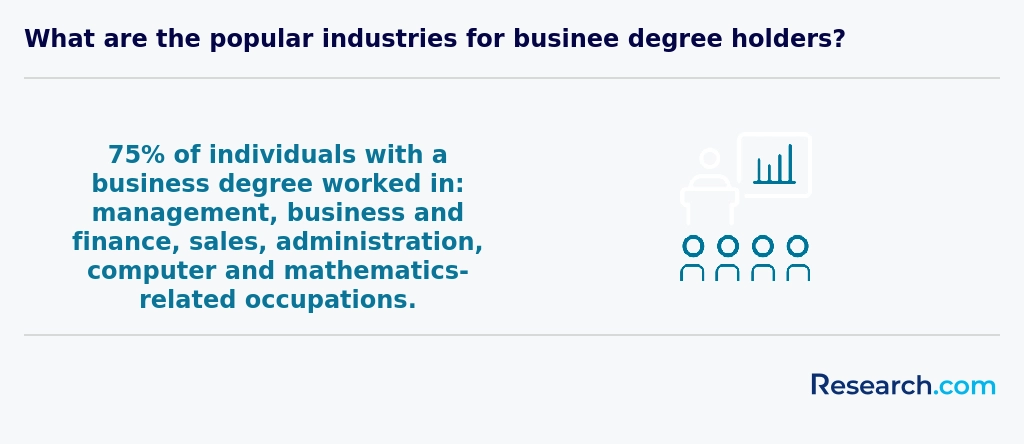
Graduates holding a business degree in Cincinnati often find themselves at the crossroads of opportunity, navigating vibrant industries where finance meets innovation. Imagine stepping into a downtown office after graduating from a well-known university, joining big players like Fifth Third Bank or Western & Southern Financial Group, and thriving in roles like financial analysis or risk management. These careers aren't just jobs; they're gateways to a fast-paced world where data fuels smart decisions and growth is palpable.
In the pulse of Cincinnati's bustling logistics scene, business graduates from local colleges transform strategic locations into career goldmines. Envision collaborating with giants such as Procter & Gamble or DHL, mastering the art of supply chain coordination or operations management-this city's reputation as a top hub for supply chain jobs truly reflects the exciting job prospects for business graduates Cincinnati offers.
Healthcare administration has a distinct rhythm here, too. Business graduates engage with healthcare providers, balancing patient care with fiscal savvy-a complexity that graduates from Cincinnati's colleges embrace with enthusiasm. Entrepreneurship also flourishes, with innovative minds tapping into startup incubators and thriving through local networks. Many explore online accelerated bachelor degree programs to fast-track their way into business, crafting careers that perfectly blend passion and practicality in Cincinnati's dynamic economic landscape.
Graduates navigating the job market for business degree job opportunities Cincinnati find themselves in a landscape buzzing with energy and ripe with potential. Imagine walking out of a classroom at the University of Cincinnati's Carl H. Lindner College of Business, diploma in hand, and stepping into a city alive with Fortune 500 giants like Procter & Gamble and Fifth Third Bank eagerly hunting for sharp minds. The feeling of excitement is palpable as these businesses offer roles from corporate strategy to financial analysis, making every graduate feel like a high-stakes player in a vibrant economic arena.
Business students from Xavier University often share stories of landing internships that effortlessly evolve into full-time positions in marketing or supply chain fields. This smooth pipeline reflects Cincinnati's steady 5% growth in business and financial operations jobs, perfectly aligning with the career outlook for business graduates Cincinnati.
With tuition at Ohio public universities being relatively affordable, many students enhance their ROI by exploring cheapest online associate programs before advancing. This makes the journey to a rewarding business career both attainable and exciting in a city where opportunity truly meets education.
2027 Most Valuable Business Degree Programs Ranking in Cincinnati
Investing in your education is a significant decision that can shape your future, and the Research.com team understands the importance of making informed choices. To assist prospective students in Cincinnati, we have meticulously crafted the "2027 Most Valuable Business Degree Programs Ranking in Cincinnati." Our commitment to quality, credibility, and accuracy is reflected in the extensive research and analysis conducted to compile this ranking.
We utilized the following reputable data sources to ensure a comprehensive evaluation of business degree programs:
By exploring this ranking, readers will gain valuable insights into the most valuable business degree options in Cincinnati, helping them make informed decisions about their educational investments. For more details on our methodology, please visit our Research.com methodology page.


Frequently Asked Questions About business
Business degree students in Cincinnati can maximize their learning experience by actively engaging with the city's thriving commercial environment. Cincinnati hosts over 20 Fortune 500 companies, including Procter & Gamble and Western & Southern Financial Group, offering valuable internship opportunities that provide practical experience. Connecting classroom theories with local business practices enhances understanding and employability.
Students should also leverage Cincinnati's network of business organizations and events, such as the Cincinnati USA Regional Chamber's programs, to build professional relationships. Participating in case competitions and collaborating on real-world projects helps develop critical skills employers seek.
Finally, taking advantage of resources at Cincinnati's universities, which often provide career counseling and mentorship tailored to the local market, supports academic and professional growth.
The business landscape in Cincinnati is evolving with new niches gaining importance. One emerging area is data analytics, reflecting a nationwide trend where demand for data-driven decision making is booming. According to a 2023 report by the Greater Cincinnati Chamber of Commerce, local firms increasingly seek professionals skilled in analytics to improve operations and customer insights.
Another growing field is sustainability management. Businesses here are focusing more on eco-friendly practices, driven by both community expectations and regulatory changes.
Additionally, e-commerce management is expanding rapidly, with Cincinnati-based companies investing heavily in online retail platforms to meet changing consumer behavior. This growth creates fresh opportunities for graduates familiar with digital marketing and supply chain logistics.
Preparing for the job market after earning a business degree in Cincinnati requires strategic planning and active engagement. Graduates should leverage Cincinnati's diverse economy, which includes strong sectors like finance, manufacturing, and healthcare. According to the Greater Cincinnati Chamber of Commerce, the region hosts over 50 Fortune 500 companies offering numerous entry-level opportunities.
Networking is essential; students benefit from joining local professional groups such as the Cincinnati Business Committee or participating in university career services. Gaining internships or cooperative education experiences during studies significantly improves employability.
Additionally, developing digital skills and obtaining certifications in areas like data analytics or project management can give graduates an edge. The Cincinnati job market values adaptability and real-world experience alongside academic credentials.
Employers in Cincinnati prioritize a variety of skills when hiring business degree graduates. According to the Greater Cincinnati Chamber of Commerce, strong communication and interpersonal skills are essential for success in local business environments. Analytical thinking and proficiency in data interpretation remain crucial, with 67% of Cincinnati employers valuing graduates who can leverage data to make informed decisions.
Leadership and teamwork abilities also rank highly, reflecting Cincinnati's collaborative corporate culture. Additionally, familiarity with emerging technologies, including proficiency in Microsoft Excel and enterprise resource planning (ERP) systems, is increasingly sought after. Practical experience through internships or co-op programs often distinguishes candidates in Cincinnati's competitive job market.
Finding internships in Cincinnati relevant to a business degree involves several strategic steps. Start by utilizing career services offered by local universities such as the University of Cincinnati or Xavier University. These offices often have connections with major Cincinnati employers in sectors like finance, marketing, and logistics.
Engaging with Cincinnati-based business networks, including the Cincinnati USA Regional Chamber, can provide valuable internship leads. According to the U.S. Bureau of Labor Statistics, Cincinnati's business sector shows steady growth, creating numerous opportunities for practical experience.
Online job boards focused on internships, such as Handshake or Indeed, are useful tools. Additionally, networking at local business events and informational interviews can often lead to unadvertised positions.
In Cincinnati, obtaining a business degree significantly enhances career mobility and advancement opportunities. The local economy, anchored by major corporations like Procter & Gamble and Fifth Third Bank, values candidates with formal business education, often leading to higher starting salaries and faster promotions. According to the Greater Cincinnati Chamber of Commerce, professionals with business degrees are 30% more likely to move into management positions within five years compared to those without such credentials.
Moreover, Cincinnati's expanding sectors-such as finance, healthcare, and logistics-regularly seek graduates with skills in leadership, marketing, and data analysis. Business degrees from accredited institutions provide practical tools that employers prioritize for career growth. Networking opportunities through local alumni groups and internships also boost career trajectories.
Studying for a business degree in Cincinnati equips students with skills that extend beyond traditional business functions, preparing them for interdisciplinary roles. Local universities emphasize a curriculum integrating finance, marketing, data analytics, and technology. This approach matches Cincinnati's diverse economy, which includes manufacturing, healthcare, and logistics sectors. According to the Cincinnati USA Regional Chamber, nearly 15% of regional jobs require collaboration across multiple disciplines, highlighting the need for versatile business professionals.
Students also benefit from partnerships with local corporations like Procter & Gamble and Kroger, gaining real-world experience. Coursework often includes team projects, fostering communication and problem-solving across specialties. These elements collectively enhance graduates' ability to operate effectively in complex organizational environments.
Choosing between a thesis and a non-thesis business degree program in Cincinnati depends on your career goals and learning preferences. Thesis programs often appeal to students interested in research, academic careers, or advanced studies. They require writing an original research paper, which can develop strong analytical and writing skills.
Non-thesis programs focus more on practical knowledge and coursework, suitable for those aiming to enter the business workforce quickly. Cincinnati's growing economy, especially in sectors like finance and logistics, favors applied skills. According to the Cincinnati Chamber of Commerce, 70% of local businesses value practical experience over research.
Consider also the time commitment: thesis options may take longer to complete. Speak with program advisors about how each path aligns with local industry demands and your ambitions.
Students in Cincinnati interested in studying business abroad have several pathways through local universities' exchange and partnership programs. Institutions like the University of Cincinnati and Xavier University offer study abroad options in Europe, Asia, and Latin America, focusing on business disciplines. These programs allow students to earn credits toward their degree while gaining international experience.
Many Cincinnati schools participate in the National Student Exchange, which sometimes includes affiliated institutions with global business courses. According to NAFSA, around 10% of U.S. business undergraduates engage in study abroad-Cincinnati students have similar access.
Additionally, short-term faculty-led trips and internships abroad are common options, enriching practical understanding of global markets.
Part-time job opportunities in Cincinnati that align well with business degree education often focus on gaining practical experience in finance, marketing, and management. Roles such as retail sales associates, administrative assistants, or customer service representatives provide exposure to core business operations and help develop communication skills.
Internships at local Cincinnati firms, including those in the banking sector, healthcare management, or logistics companies, offer valuable industry insights. According to the Cincinnati USA Regional Chamber, the city hosts over 12,000 business establishments, creating diverse opportunities for part-time positions that build relevant experience.
Students might also consider roles in startups or small businesses where they can take on multiple responsibilities, enhancing leadership and problem-solving skills.
Cincinnati offers numerous networking opportunities for business students through its vibrant local economy and strong business community. Universities such as the University of Cincinnati and Xavier University provide access to business clubs, career fairs, and mentorship programs where students can connect with industry professionals.
The Greater Cincinnati Chamber of Commerce hosts events attracting over 800 businesses, allowing students to engage with entrepreneurs and corporate leaders. Additionally, Cincinnati's growing sectors-such as finance, manufacturing, and healthcare-offer internships and cooperative education programs that facilitate real-world business connections. According to the Cincinnati Business Courier, over 50% of graduates find job placements through networking in these local ecosystems.
Alumni networks play a crucial role in the success of business degree students in Cincinnati. Graduates connect with experienced professionals who provide valuable mentorship and career guidance. This network often leads to internship opportunities and job placements within Cincinnati's diverse business community, which includes sectors like finance, healthcare, and manufacturing.
According to research from the Cincinnati Chamber of Commerce, over 70% of local businesses prioritize hiring candidates through referrals, highlighting the importance of strong alumni ties. These networks also facilitate access to exclusive events and workshops, helping students build industry-specific skills.
Strong alumni connections can enhance students' professional growth by expanding their local contacts and improving employability in Cincinnati's competitive business market.
In Cincinnati, business degree programs offer flexibility to tailor your education to match your career goals. Many local universities, such as the University of Cincinnati and Xavier University, provide concentrations ranging from finance and marketing to supply chain management. Selecting relevant electives allows you to develop specific skills sought by Cincinnati employers, especially in industries like manufacturing, healthcare, and finance, which dominate the regional economy.
Internships and cooperative education opportunities are abundant locally and provide practical experience while networking with major Cincinnati companies like Procter & Gamble or Fifth Third Bank.
Additionally, some programs offer certificates or dual-degree options to enhance marketability, reflecting a growing trend emphasized by the National Association of Colleges and Employers (NACE).
Business students in Cincinnati often face several common challenges as they pursue their degrees. One significant issue is balancing rigorous coursework with part-time work or internships, which are vital for gaining practical experience in a competitive market. Data from the National Center for Education Statistics shows that approximately 40% of undergraduates nationally work while enrolled, a trend echoed locally.
Additionally, the rising cost of education in Ohio puts financial strain on many students. According to the Ohio Department of Higher Education, average tuition and fees for public universities have increased by over 15% in the last five years, making affordability a key concern.
Another challenge lies in adapting to the evolving business landscape, especially with Cincinnati's growing focus on technology and logistics sectors. Students must stay updated on market trends and technological skills to remain relevant. Furthermore, networking opportunities can be limited for some, impacting job placement after graduation.
With a business degree in Cincinnati, graduates can pursue several professional certifications to enhance their careers. Common options include the Certified Public Accountant (CPA) for those interested in accounting and finance. The CPA is highly valued in Ohio's growing financial sector, notably in Cincinnati's regional market.
Another popular certification is the Project Management Professional (PMP), which prepares individuals for leadership roles in managing projects across various industries. Cincinnati's economy features many manufacturing and healthcare companies that seek skilled project managers.
Additionally, the Certified Management Accountant (CMA) is beneficial for professionals focusing on managerial accounting and strategic financial management. This credential can improve job prospects in Cincinnati's corporate offices and small to mid-size enterprises.
Business graduates may also consider the Chartered Financial Analyst (CFA) designation, especially those interested in investment management careers, a sector that has been steadily expanding in Cincinnati according to local employment data.
Writing a winning application for a business program in Cincinnati starts with thorough research. Familiarize yourself with local institutions such as the University of Cincinnati and Xavier University, which have well-regarded business schools. Highlight relevant experiences, including internships or work in Cincinnati's key industries like finance, healthcare, and manufacturing.
Admissions committees often look for clear career goals. Explain how obtaining a business degree in Cincinnati aligns with your professional aspirations, referencing the city's growing economy and its position as a regional business hub. Use specific examples and quantify achievements when possible.
Strong letters of recommendation and polished essays are crucial. The Council for the Advancement of Standards in Higher Education notes quality recommendations significantly impact acceptance rates. Finally, meet all deadlines and tailor your application to each program's unique values and strengths to stand out.
The global outlook on a business career recognizes the increasing importance of cross-cultural skills and international market knowledge. In the US, and specifically in Cincinnati, students with business degrees are encouraged to develop competencies suited for a connected economy. According to the U.S. Bureau of Labor Statistics, global business roles are expected to grow by 8% through 2030, reflecting demand for professionals who understand diverse markets.
Cincinnati's position as a logistics and manufacturing hub adds an international dimension to local business education. Universities often include courses on global supply chain management and international finance, preparing graduates for worldwide opportunities.
Moreover, partnerships between Cincinnati schools and international institutions enhance students' exposure to global business trends, which is critical in today's competitive environment.
Students pursuing a business degree in Cincinnati have multiple options to gain practical experience alongside their studies. Many universities in the area offer internship programs connected with local firms, including major employers such as Procter & Gamble and Fifth Third Bank. These internships provide hands-on exposure to real-world business challenges.
Additionally, cooperative education (co-op) programs allow students to work full-time in their field while earning academic credit. This approach blends classroom learning with paid work experience, enhancing employability after graduation.
Cincinnati's active startup scene also offers opportunities for business students to engage in entrepreneurial projects or part-time roles.
According to the Greater Cincinnati Chamber of Commerce, nearly 70% of local businesses prefer hiring graduates with practical experience.
Choosing the right concentration within a business degree program in Cincinnati starts with understanding your career goals and the local economy. Cincinnati's diverse industries, including finance, manufacturing, and healthcare, create demand for specialties like finance, supply chain management, and healthcare administration. According to the Greater Cincinnati Chamber of Commerce, demand for skilled financial analysts and supply chain experts is growing annually by about 5% in the region.
Consider programs that offer internships or networking opportunities in Cincinnati's business community. Researching faculty expertise and alumni outcomes can also provide insight into program strengths. Aligning your interest with Cincinnati's economic trends equips you for competitive job markets locally.
- 2027 Most Valuable Business Degree Programs Ranking in Louisville
- 2027 Most Valuable Business Degree Programs Ranking in Indianapolis
- 2027 Most Valuable Business Degree Programs Ranking in Columbus
- 2027 Most Valuable Business Degree Programs Ranking in Fort Wayne
- 2027 Most Valuable Business Degree Programs Ranking in West Lafayette
- 2027 Most Valuable Business Degree Programs Ranking in Knoxville
- 2027 Most Valuable Business Degree Programs Ranking in Cleveland
- 2027 Most Valuable Business Degree Programs Ranking in Ann Arbor
- 2027 Most Valuable Business Degree Programs Ranking in Nashville
- 2027 Most Valuable Business Degree Programs Ranking in Chicago
See What Experts Have To Say About Studying Business
Read our interview with Business experts

David Souder
Business Expert
Senior Associate Dean for Faculty and Research
Michigan State University

Ingrid S. Greene
Business Expert
Clinical Assistant Professor of Management
Loyola Marymount University

David W. Stewart
Business Expert
Emeritus President's Professor of Marketing
Loyola Marymount University

- Business Pathways Certificate (BUSC) - Cincinnati State https://www.cincinnatistate.edu/academics/degree-certificate/business-pathways-certificate-busc/
- Cincinnati State https://bm.info.cincinnatistate.edu/
- Business https://www.butlertech.org/program/new-business/
- How Long Does It Take to Get Your Business Degree? https://www.umassglobal.edu/blog-news/long-does-take-get-your-business-degree
- International Careers and Global Opportunities https://www.teachforlife.com/post/how-international-opportunities-shape-future-careers
- The Biggest Challenges for Business School Students | EU Business School https://www.euruni.edu/blog/the-biggest-challenges-for-business-school-students/
- 5+1: Five challenges facing business schools and one solution https://charteredabs.org/insights/opinion/51-five-challenges-facing-business-schools-and-one-solution
- Global careers, real impact: building your career with an international business degree | University of East London https://www.uel.ac.uk/blog/global-careers-real-impact-building-your-career-international-business-degree
- Top 10 Emerging Business Niches of 2026 & How to Plan for Them https://prometai.app/blog/emerging-niches-business-planning
- Top 10 Skills Employers Seek in Business Graduates in 2026 https://www.ibat.ie/blogs/top-10-skills-employers-seek-in-business-graduates-in-2026