2027 Best Accounting Degree Programs Ranking in Denver

Co-Founder and Chief Data Scientist
Choosing the right accounting degree program can shape your future career in finance and business. This article introduces the 2027 Best Accounting Degree Programs Ranking in Denver, developed by the Research.com team of data scientists to help you navigate your options with confidence.
By exploring this ranking, you'll discover programs that combine quality education with strong career prospects. Pursuing an accounting degree opens doors to stable, rewarding jobs and personal growth.
Whether you're starting out or advancing your education, this guide supports your journey toward success in Denver's dynamic market.
Key benefits of getting accounting degree in Denver
- Graduates with an accounting degree in Denver can expect strong earnings, such as a Staff Accountant making around $90,780 per year and roles like Bookkeepers earning about $49,580 annually, showing valuable financial rewards.
- Potential career paths are diverse, ranging from Tax Preparer to Associate Auditor, offering exciting opportunities for growth and stability in local businesses or government agencies.
- Online accounting degrees offer flexibility and affordable learning, allowing graduates from Denver's popular universities to balance work and study while gaining respected credentials that open many career doors.
- 2027 Best Accounting Degree Programs Ranking in Denver
- What can I expect from accounting degree in Denver?
- Where can I work with accounting degree in Denver?
What can I expect from accounting degree in Denver?
If you're wondering about the average cost of an accounting degree in Denver, you can expect to spend somewhere between $25,000 and $45,000 for a bachelor's program at popular local colleges and universities. Many graduates recall feeling relieved when their schools offered flexible payment plans or scholarship options, which made those tuition numbers way more manageable. A few students at well-known Denver institutions mention how combining bachelor's and master's programs, a common path here, helped them cover the 150-credit hours needed for CPA licensure without piling on extra costs later.
Since Denver's accounting programs are designed to prepare you thoroughly for real-world challenges, investing in them feels worth it. Graduates often talk about the value of hands-on experiences, like internships with local businesses or exciting tech firms, which helped them connect textbook knowledge to actual budgets and audits. Plus, learning software skills like QuickBooks and Excel makes paying for the education feel like an investment in a job-ready toolkit.
Where can I work with accounting degree in Denver?
If you're studying accounting at one of Denver's popular schools like the University of Denver or Metropolitan State University of Denver, you've got tons of options once you graduate. Many grads find themselves working at big public accounting firms such as PwC, Deloitte, or local CPA offices where they do everything from auditing to tax planning. The vibe is fast-paced but rewarding, especially when you nail your first big client project.
Other grads land jobs inside companies across Denver's booming tech, healthcare, and energy scenes. Imagine working as a financial analyst or internal auditor helping a startup grow or making sure a healthcare provider's finances stay on track. It's super satisfying to see the direct impact of your work on real businesses.
City and state government roles are also popular, offering steady pay and great benefits while you work on budgeting and tax stuff for Colorado's public services. Plus, nonprofit gigs give you a chance to use your skills for causes you care about - plenty of graduates find that super meaningful.
Lots of students say networking through groups like the Colorado Society of Certified Public Accountants helped them score internships and jobs, making Denver's accounting scene feel like a friendly, connected community.
Graduates from Denver universities with an accounting degree can generally expect solid earnings starting out. For example, staff accountants often make around $90,780 a year here, which is pretty great when you're just launching your career. It's exactly what many grads from local schools like the University of Denver or Metropolitan State University of Denver have seen stepping into their first roles.
And if you're starting in positions like bookkeeper or tax preparer, you can expect a mean annual salary near $49,580, which still gives you a comfortable living while gaining valuable experience. Many recent grads find these jobs helpful stepping stones, especially as they work on certifications like the CPA to boost their paychecks later on.
Jobs such as associate auditor and accounts payable clerk also hover around that $49,580 mark, making these roles a nice entry path into the accounting world in Denver's growing job market. The city's strong business environment means plenty of chances to climb the ladder and watch your income grow.
- Accounting programs in Denver range from associate to master's degrees and often meet CPA exam requirements in Colorado.
- Tuition for a bachelor's degree at public universities is about $10,000 to $15,000 per year for in-state students; private schools can cost up to $30,000 annually.
- Community colleges offer associate degrees costing between $5,000 and $7,000 per year.
- Entry-level accountants earn between $50,000 and $60,000 annually, with experienced professionals making $80,000 or more.
- Senior accounting roles and financial managers can earn over $100,000 yearly due to strong local demand.
- The accounting job market in Denver is growing at a rate of about 7% through 2030, especially for skills in auditing, tax, and financial analysis.
If you're thinking about how long it takes to finish an accounting degree in Denver, the typical timeframe for most students at places like the University of Colorado Denver or Metropolitan State University of Denver is about four years. That's if you're studying full-time and following a traditional path. Some grads mention how flexible scheduling options really helped-taking evening or online classes stretched their programs to five or six years but let them work and study without stress.
On the flip side, if you're super motivated, plenty of students use summer classes or accelerated tracks at these schools to wrap up their bachelor's in just three years. It's pretty cool to see people make it happen faster when juggling everything else.
Keep in mind, though, if you want to become a CPA, most grads say the journey doesn't stop at the bachelor's. You'll probably need an extra one to two years for a master's or additional credits, pushing the total closer to five or six years.
Academic accreditation ensures programs meet rigorous standards established by bodies like the AACSB, ACBSP, or IACBE. In Denver, top accounting degrees often carry AACSB certification, a hallmark of quality recognized by employers and professional associations. Prospective students should verify regional accreditation and seek AACSB-certified programs to enhance degree value and streamline CPA licensure eligibility. Leading Denver programs integrate CPA Exam review directly into the curriculum through dedicated prep courses, workshops, and partnerships with review providers such as Becker or Wiley. These resources cover the four core CPA Exam sections-Auditing and Attestation (AUD), Business Environment and Concepts (BEC), Financial Accounting and Reporting (FAR), and Regulation (REG)-providing a comprehensive foundation. High-performing programs also offer mock exams, peer study groups, and faculty mentorship, boosting first-attempt pass rates. CPA Exam pass rates serve as a key indicator of program effectiveness. Graduates from AACSB-accredited schools in Denver often report first-attempt pass rates above the national average of 50%. When evaluating cost alongside outcomes, students exploring budget-conscious options can consult our Most Affordable Accounting Degree Programs Ranking in Memphis, TN to compare tuition and certification support services. By prioritizing accreditation and robust CPA Exam preparation, Denver accounting students can significantly improve their chances of passing the Uniform CPA Examination, obtaining licensure, and launching successful careers in public accounting, corporate finance, or government auditing.
If you're looking at accounting degrees in Denver, the biggie is how you want to learn: online or on-campus. Online programs are a lifesaver for folks juggling work or family since you can study whenever and wherever you want. Plenty of students at places like the University of Colorado Denver appreciate that freedom. Plus, these online courses usually match the on-campus ones in content, so you're not missing out academically.
On the flipside, those hitting the campus at schools like Metropolitan State University of Denver often rave about the face-to-face vibe. There's something special about chatting with professors or joining groups like Beta Alpha Psi that really boosts your network. It's easier to swing by the library, join a study group, or score internships linked to Denver's local accounting firms.
Costs? Online tends to be a bit lighter on the wallet-especially compared to private schools charging up to $40K per year. But, whether online or on-campus, you'll cover the same core classes and prep for the CPA, so it comes down to what fits your life style best.
Earning an accounting degree is just the beginning of a fruitful career path. One of the most critical steps after graduation is obtaining professional certifications that validate your expertise and open doors to advanced roles. For many aspiring accountants, earning the Certified Public Accountant (CPA) license is a top priority, as it not only enhances credibility but also broadens professional opportunities. Other certifications such as the Certified Management Accountant (CMA), Certified Fraud Examiner (CFE), and Chartered Global Management Accountant (CGMA) can further specialize your skill set, catering to specific interests within the financial sector. In addition to boosting your credentials, these certifications often require continuing education, which keeps you updated with the evolving accounting standards and industry technology. This commitment to lifelong learning can significantly affect your career progression by ensuring you remain competitive in a rapidly changing job market. For students seeking to directly address financial challenges while pursuing an advanced education, considering an affordable online accounting degree could be a strategic move that combines cost-effectiveness with the necessary academic rigor. Moreover, many professional associations offer mentorships, networking events, and resources tailored for newly certified professionals, providing an ideal environment to connect with industry leaders and learn from their experiences. These extracurricular opportunities often play a pivotal role in bridging the gap between academic preparation and real-world application, ultimately paving the way for leadership positions within the accounting field.
If you're eyeing an accounting degree in Denver, you'll want to know what the average cost looks like because it definitely helps with planning your budget. Typically, the median total cost for an accounting degree here is around $56,000, which might feel like a big number at first.
That said, the cost varies a lot depending on where you study and your residency status. For example, in-state students generally pay about $28,700 in total, making public options like the University of Colorado Denver quite appealing for locals. Graduates from these schools often share how manageable their expenses were compared to friends attending private colleges.
On the flip side, private schools in Denver, with their specialized accounting programs, usually push that number higher. Many students mention the investment being worth it because of the personalized attention and networking opportunities they receive, but it can definitely add up.
Thinking about Denver accounting degree total expenses, it's smart to remember that community colleges offer associate degrees at a much lower cost too. Some students find these a great stepping stone before transferring to four-year universities.
Also, don't forget to check out the most affordable accounting schools in Colorado to find programs that won't break the bank while still giving you solid education.
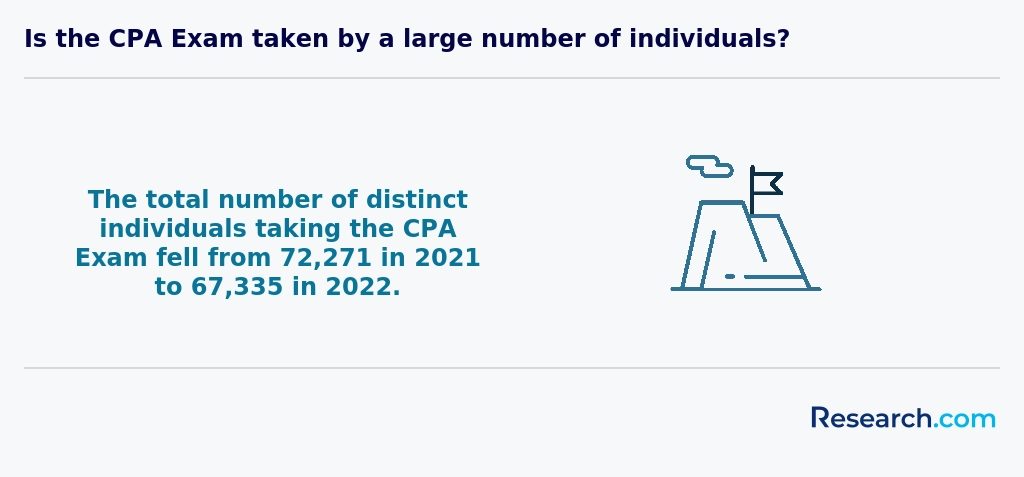
Navigating the path to becoming a Certified Public Accountant (CPA) in Colorado requires fulfilling specific education, examination, and experience criteria. First, candidates must complete 150 credit hours of college coursework-typically 30 credit hours beyond a bachelor’s degree-including at least 24 semester hours in accounting subjects (e.g., auditing, taxation, financial reporting) and 24 semester hours in related business courses. Many students strengthen their foundational knowledge by enrolling in flexible certificate options like bookkeeping certificate programs online, which can streamline credit accumulation and practical skill development. Next, aspiring CPAs must pass the Uniform CPA Examination, comprised of four sections: Audit and Attestation (AUD), Business Environment and Concepts (BEC), Financial Accounting and Reporting (FAR), and Regulation (REG). Colorado requires a 75% passing score on each section within an 18-month rolling window. Candidates often benefit from structured review courses, study groups, and supervised practice exams to reinforce conceptual understanding and exam techniques. After passing the exam, applicants must accrue at least one year (2,000 hours) of qualifying work experience under the supervision of a licensed CPA. This experience must include attest, compilation, financial advisory, management advisory, tax, or consulting skills. Many graduates secure internships or part-time roles during their degree program to satisfy this requirement efficiently. Finally, individuals must apply to the Colorado Board of Accountancy for licensure, submitting transcripts, exam scores, and verification of experience. Continuing Professional Education (CPE) is mandatory to maintain licensure-requiring 80 hours of CPE every two years, including ethics courses approved by the board. By understanding and strategically planning for each step-academic credits, exam preparation, practical experience, and ongoing education-prospective accountants in Denver can achieve CPA status and enhance their career prospects.
If you're diving into an accounting degree in Denver, there's good news-plenty of financial aid options can help lighten the load. Think about federal aid first, like Pell Grants and low-interest student loans you can get by filling out the FAFSA. These are a lifesaver for many students at places like Metropolitan State University of Denver or the University of Colorado Denver.
On top of that, Colorado has cool state programs like the Colorado Opportunity Scholarship Initiative (COSI) that help cover tuition costs, especially if you're studying accounting at a local school. Graduates often mention how these scholarships really made a difference in managing expenses.
Merit scholarships are also a big deal here. For example, the Colorado Society of Certified Public Accountants (COCPA) offers scholarships targeting accounting students aiming for their CPA-a smart boost if you're planning to get certified.
Plus, many private scholarships and employer tuition assistance programs are floating around Denver, focusing on folks who might be first-gen college students or pursuing specialized careers in finance. And don't sleep on work-study gigs through your college, which let you earn some cash while gaining hands-on experience in accounting departments.
With all these options on the table, pursuing accounting in Denver feels way more doable and rewarding.
If you're aiming to start an accounting degree in Denver, you'll first need a high school diploma or a GED-no surprises there. Most schools, like Metropolitan State University of Denver, expect you to be solid in math, especially algebra and basic stats, since those skills make tackling subjects like financial accounting way easier. A few grads mention how their comfort with numbers really helped them breeze through early classes.
While some Denver colleges still ask for SAT or ACT scores, a lot-like University of Colorado Denver-have become pretty flexible with test-optional policies. That said, submitting good scores never hurts if you want to shine, especially at competitive programs. Keep in mind, official transcripts showing your GPA near 2.5 or higher are typical requirements to get in.
Some programs might also ask for letters of recommendation or a personal essay, which graduates often say was their chance to show personality beyond grades. If you've done some college-level work before, transferring those credits can sometimes make your path smoother here in Denver.
When considering an accounting degree in Denver, CO, one crucial factor for many prospective students is the cost of tuition. Understanding that affordability is key, researchers and students alike often seek out institutions that offer a balance between quality education and manageable expenses. For those looking to minimize their financial burden, exploring the most affordable accounting schools in Colorado can be a strategic first step. This approach not only helps in identifying cost-effective options but also ensures that the chosen program meets the necessary standards for a successful career in accounting. By prioritizing affordability without compromising on educational quality, students can set themselves up for success, both academically and professionally, in the competitive field of accounting.
If you're thinking about studying accounting in Denver, you'll find the courses cover all the essentials to get you job-ready. Graduates from places like the University of Colorado Denver often mention how classes like Financial Accounting really helped them understand the basics of tracking money and preparing reports. Managerial Accounting classes are super useful too, especially when you want to learn how businesses make internal financial decisions that impact their success.
Other courses you'll see on the roster include Auditing, where you get to know the nitty-gritty of checking financial statements for accuracy, and Taxation, which breaks down the confusing world of individual and business taxes. Cost Accounting and Accounting Information Systems also pop up, offering practical skills in analyzing expenses and using tech tools for managing financial info.
Plus, Denver schools like Metropolitan State University layer in Business Law and Financial Management, giving you a solid grip on the legal and strategic sides of accounting. Many grads say these courses make the tough stuff feel less intimidating and actually pretty exciting when you see how it plays out in real companies nearby.
If you're looking at an accounting degree in Denver, you'll find plenty of options to specialize and make your resume pop. Many grads from popular Denver colleges rave about focusing on tax accounting-it's a solid choice since you get to master federal, state, and local tax laws, which is a big deal with Colorado's unique tax codes. Others dive into auditing, loved by those who enjoy digging into financial records and making sure everything checks out. This is especially relevant here in Denver because of all the banks and government offices nearby.
Students also pick managerial accounting, which is great if you want to handle budgeting and planning for a company. It's perfect for those eyeing leadership roles in Denver's busy service and start-up scenes. A newer favorite is forensic accounting-think of it as combining detective work with numbers to catch fraud. If you're exploring other options, there's government and international accounting too, tailored for public finance or global business.
For those budget-conscious, you might want to check out affordable online accounting degree options that many local students consider when deciding their path in Denver accounting degree program concentrations.
When choosing the best accounting degree in Denver, start by checking out schools like the University of Denver or Metropolitan State University of Denver since they're known for strong programs and AACSB accreditation. Graduates often mention how small class sizes there made a big difference-they felt more connected with professors who actually worked in the field. It really helps to pick a program that offers hands-on experience and internships with local companies, so you don't just learn theory but also get real-world skills.
Cost is a huge factor too. Many students find affordable accounting colleges in Denver that fit their budget, especially public options where tuition can be $10,000 to $15,000 a year. Plus, lots of programs offer flexible schedules with evening and online classes, which is perfect if you're working while studying. If you want more specialized skills or a quicker path, some also look into bookkeeping certificate programs online to complement their degree. That mix can really boost confidence when job hunting!
If you're studying accounting in Denver, you're stepping into a world with lots of cool career paths. Many grads from popular local universities jump straight into public accounting, helping businesses and people with taxes, audits, and financial advice. Some even become Certified Public Accountants (CPAs), which is a big deal around here thanks to strong demand. A lot of Denver accounting degree job prospects include roles within corporate finance too, where you might handle budgets or financial reports for growing companies.
Others find their way into government jobs, working as auditors or accountants for Colorado's state agencies. It's a great option if you want stability and to make an impact locally. Then there are niche paths like forensic accounting, where you dig into financial fraud, or tax advising and financial planning - all well-supported by Denver's expanding economy. Graduates often share how studying in Denver helped them build networks that opened doors in these fields. If you want to explore affordable options to start your career, check out the Most Affordable Accounting Degree Programs Ranking in Memphis, TN to compare costs and opportunities too.
Graduates with an accounting degree in Denver find themselves in a job market that's buzzing with opportunity. Denver's economy is growing and diverse, meaning there's a steady demand for accountants in everything from corporate offices to nonprofits. Many grads from popular Denver schools share how landing a role within healthcare or tech companies feels rewarding since these sectors offer specialized accounting jobs with good pay. If you're weighing accounting jobs demand in Denver, you'll be glad to know the average salary sits around $75,000 and can jump higher if you snag a CPA certification.
Networking plays a big role, too. Numerous graduates have benefited from connections made through groups like the Colorado Society of Certified Public Accountants, which helps open doors to government and public accounting firm positions. For those still exploring education paths, it's smart to check out options like best accelerated associate degrees to boost your credentials and speed up your entry into these thriving Denver accounting career opportunities.
2027 Best Accounting Degree Programs Ranking in Denver
Investing in your education is a significant decision that can profoundly impact your career, and the Research.com team recognizes the importance of supporting you with reliable information. To guide prospective students in Denver, we have carefully developed the "2027 Best Accounting Degree Programs Ranking in Denver." Our dedication to quality, credibility, and accuracy is demonstrated through rigorous research and thorough analysis.
We utilized the following reputable data sources to ensure a comprehensive assessment of accounting programs:
By exploring this ranking, readers will gain valuable insights into the top accounting degree options available in Denver, empowering them to make well-informed decisions about their education and future. For more information on how this ranking was created, please visit our Research.com methodology page.


Frequently Asked Questions About accounting
Accounting degree students in Denver can enhance their learning by engaging with local professional organizations such as the Colorado Society of Certified Public Accountants (COCPA), which offers networking and mentorship opportunities. Participating in internships at Denver's growing finance and business sectors provides practical experience, essential for understanding real-world applications. According to the U.S. Bureau of Labor Statistics, Denver's demand for accountants is growing faster than the national average, highlighting abundant local job prospects for students. Utilizing campus resources like career centers and accounting clubs also supports students in building soft skills and industry connections. Combining academic knowledge with practical experience maximizes educational value.
The accounting field is evolving rapidly, presenting new opportunities for graduates in Denver and nationwide. One emerging niche is forensic accounting, which involves investigating financial fraud and disputes. According to the Colorado Society of CPAs, demand for forensic accountants is expected to grow by over 15% by 2028.
Another growing area is environmental accounting, focusing on sustainability and tracking an organization's environmental costs. Denver's increasing emphasis on green policies fuels this niche's relevance.
Additionally, technology-driven roles such as data analytics and blockchain accounting are gaining traction. These areas require specialists who can interpret large datasets and understand cryptocurrencies. Denver's thriving tech sector supports career growth in these roles.
After completing an accounting degree in Denver, preparing for the job market involves several strategic steps. First, gaining practical experience through internships or part-time roles is essential. Many Denver firms, including accounting and finance companies, seek candidates with hands-on skills. Networking is also crucial; joining local chapters of organizations like the Colorado Society of CPAs can provide valuable connections.
Certification is another important factor. The CPA license remains a gold standard and can significantly increase job prospects. According to the Bureau of Labor Statistics, Colorado's demand for accountants is projected to grow 6% through 2032, slightly faster than the national average.
Additionally, enhancing technical skills-such as proficiency in accounting software like QuickBooks or SAP-improves employability. Staying informed about Denver's specific industry needs, including sectors like energy and healthcare, is beneficial when tailoring applications.
Employers in Denver seek accounting graduates who possess a strong foundation in financial reporting, auditing, and tax preparation. According to the Colorado Department of Labor and Employment, proficiency in accounting software like QuickBooks and Excel remains essential for entry-level roles.
Analytical thinking and attention to detail are highly valued, as Denver firms emphasize accuracy in financial data management. Communication skills, both written and verbal, are crucial for explaining complex financial information to clients and colleagues.
Additionally, knowledge of regulatory standards such as GAAP and familiarity with Colorado's tax laws improve job prospects. Employers often prefer candidates with internships or practical experience gained through cooperative education programs at local universities.
Finding internships in Denver related to an accounting degree involves several strategic steps. Start by exploring opportunities at local accounting firms and corporate headquarters, as Denver hosts branches of major firms like Deloitte, PwC, and KPMG. According to the Denver Metro Chamber of Commerce, the finance and accounting sector grew by 4.5% in 2023, increasing internship availability.
Use university career centers if you are enrolled in a degree program, as they often have exclusive partnerships with employers. Platforms like Handshake and the Colorado Society of CPAs also list internship openings.
Networking events and Denver-based accounting associations can connect you with professionals offering internships. Being proactive, customizing your resume, and preparing for interviews are key when applying.
An accounting degree significantly enhances career mobility and advancement opportunities in Denver's competitive job market. According to the U.S. Bureau of Labor Statistics, Colorado's accounting and auditing employment is projected to grow 8% between 2020 and 2030, slightly above the national average. Earning an accounting degree provides foundational knowledge needed for various roles such as staff accountant, auditor, or financial analyst.
Denver's strong economy, driven by sectors like finance, technology, and energy, values candidates with formal accounting education. Graduates often qualify for professional certifications such as CPA, which further boosts earning potential and promotion prospects. Employers in Denver prefer degree holders with specialized skills in tax accounting, auditing, and financial reporting, fostering career advancement.
Studying for an accounting degree in Denver equips students with skills that extend beyond traditional number-crunching. Many Denver institutions integrate coursework in finance, economics, and information systems, fostering a broad understanding essential for interdisciplinary roles. According to the Colorado Department of Higher Education, nearly 40% of accounting graduates in Denver pursue positions that combine accounting with technology or business analysis.
Denver's growing economy, highlighted by a 5.4% increase in finance-related jobs through 2028 (Bureau of Labor Statistics), demands professionals who can collaborate across departments. Accounting programs often include project-based learning, encouraging communication between finance, marketing, and IT sectors.
This holistic approach prepares graduates for diverse roles such as financial consulting, forensic accounting, and management, all of which require interdisciplinary knowledge and adaptability.
Choosing between a thesis and a non-thesis accounting degree program in Denver depends largely on your career goals and learning preferences. A thesis program emphasizes research and is ideal if you plan to pursue a doctoral degree or a career in academia. It typically requires conducting original research and writing a detailed paper.
Non-thesis programs focus more on practical skills and coursework, preparing graduates for immediate entry into the workforce. Many employers in Denver's growing finance sector, supported by data from the Colorado Department of Labor, value the applied knowledge gained through non-thesis options.
Consider also that non-thesis programs often allow for more internship or CPA exam preparation time, important in Denver where CPA licensure is a common step for accountants.
Students based in Denver who want to study accounting abroad have several practical options through U.S. universities offering study abroad programs. Many accounting programs at institutions like the University of Denver create partnerships with universities in Europe, Asia, and Latin America, allowing students to spend a semester or summer abroad while earning credits toward their degree.
These programs often emphasize international accounting standards, such as IFRS, complementing traditional U.S. GAAP learning. According to NAFSA, approximately 10% of American undergraduates participate in study abroad, with business and accounting students increasingly taking part. Additionally, some Denver-based students opt for online accounting degrees with international study components, combining remote classes with short-term travel experiences.
Students pursuing an accounting degree in Denver have various part-time job opportunities that enhance their education and practical skills. Common roles include bookkeeping assistants, tax preparers, and accounting clerks. These positions provide hands-on experience with financial statements, basic audits, and tax regulations, which are essential for professional growth.
Denver's growing economy and strong business sector create favorable conditions for accounting internships and roles in small firms and corporate settings. According to the U.S. Bureau of Labor Statistics, the Denver metro area expects a 10% employment growth for accountants and auditors by 2030.
Additionally, local nonprofits and government offices often seek student workers for finance-related roles, offering exposure to diverse accounting practices.
Denver offers robust networking opportunities for accounting students looking to build professional connections. Several local chapters of national organizations, such as the American Institute of Certified Public Accountants (AICPA) and the Colorado Society of CPAs (COCPA), regularly host events, workshops, and career fairs aimed at connecting students with industry professionals.
Many universities in Denver collaborate with regional accounting firms for internships and mentorship programs, providing hands-on experience alongside networking. According to the Bureau of Labor Statistics, Denver's accounting sector grew by 6% between 2020 and 2023, increasing demand for networking among emerging professionals.
Additionally, Denver hosts annual accounting conferences and seminars, offering students direct access to recruiters and industry leaders. These platforms, combined with university career services, create an active environment for expanding one's professional network in accounting.
Alumni networks provide significant advantages for accounting degree students in Denver by connecting them with professionals who have navigated the local job market. These networks offer mentorship opportunities, enabling current students to gain insights into accounting careers, internships, and job openings specific to Colorado's business landscape.
According to the Colorado Society of Certified Public Accountants, strong professional connections can increase the chances of securing employment by up to 40%. Many Denver-based accounting firms value recommendations from trusted alumni, making these networks critical for career advancement.
Networking events, workshops, and online forums facilitated by alumni groups also help students stay updated on evolving accounting standards and local industry trends, thereby enhancing their skills and employability in Denver's competitive market.
Customizing an accounting degree program in Denver allows students to align their education with specific career goals. Many local colleges offer flexible course options, such as choosing electives in tax accounting, auditing, or forensic accounting. This helps students develop expertise relevant to their desired industry.
Some programs also provide opportunities for internships or cooperative education with Denver-based firms, enhancing practical experience. Additionally, pursuing certifications like CPA or CMA alongside the degree is common, as Denver's job market favors credentialed accountants.
According to the Colorado Department of Labor, accounting positions in Denver are expected to grow by 8% through 2030, emphasizing the value of specialized training.
Accounting students in Denver often encounter several challenges typical to the rigorous nature of accounting education. One primary issue is managing complex coursework that combines technical skills such as tax law, auditing, and financial reporting. According to the Colorado Department of Higher Education, nearly 40% of accounting majors in Denver report difficulty balancing class schedules with part-time work obligations.
Another significant challenge is preparing for the Certified Public Accountant (CPA) exam, a requirement for many accounting careers. The exam's demanding content and time commitment can stress students, especially those juggling internships or family responsibilities. Furthermore, the competitive job market in Denver means students must gain practical experience through internships, which can be difficult to secure without prior connections or strong networks.
Lastly, the cost of education remains a hurdle. Tuition at Denver's universities ranges widely, and students must often find ways to finance their studies without accumulating excessive debt, a concern supported by recent survey data from the National Association of State Boards of Accountancy (NASBA).
With an accounting degree in Denver, graduates can pursue several respected professional certifications to advance their careers. The most sought-after credential is the Certified Public Accountant (CPA) license, which requires passing the Uniform CPA Examination and meeting Colorado's experience requirements.
The Certified Management Accountant (CMA) certification is another option, focusing on financial management and strategic business skills. It is granted by the Institute of Management Accountants.
Additionally, the Certified Internal Auditor (CIA) offers specialization in internal auditing, while the Chartered Financial Analyst (CFA) designation suits accountants interested in investment management. Denver's growing financial sector creates solid demand for these certifications.
Writing a winning application for an accounting program in Denver begins with understanding the competitive local market. Denver hosts reputable universities such as the University of Colorado Denver, where accounting programs emphasize both theory and practical skills. Applicants should highlight strong academic performance, especially in math and business-related courses, as well as any relevant work experience or internships.
Including a well-crafted personal statement that reflects your motivation for accounting and connection to Denver's growing financial sector helps your application stand out. According to the Colorado Department of Labor, accounting jobs in Denver are projected to grow by over 8% through 2030, underscoring demand for qualified graduates.
Be sure to provide clear, error-free documents and secure strong letters of recommendation from professionals familiar with your skills. Meeting deadlines and following each program's specific requirements is essential for success in this competitive field.
Accounting careers in Denver reflect broader global trends, emphasizing the need for professionals who understand international financial standards. The US accounting field, including in Denver, closely follows the Generally Accepted Accounting Principles (GAAP), while many other countries use the International Financial Reporting Standards (IFRS). This divergence requires US-trained accountants aiming for global work to familiarize themselves with IFRS.
Denver's growing economy and diverse business environment create demand for accountants skilled in multinational taxation and cross-border finance. According to the Bureau of Labor Statistics, Colorado's accounting jobs are projected to grow 5% through 2030, slightly faster than the national average.
This highlights the value of accounting degrees in Denver that incorporate global financial perspectives, preparing graduates for increasingly interconnected markets.
Gaining practical experience while studying for an accounting degree in Denver is essential for career readiness. Many Denver colleges offer internship programs where students can work with local firms, including leading accounting companies and small businesses. According to the Colorado Department of Labor and Employment, internships increase employability by over 60% for accounting graduates statewide.
Students can also participate in accounting clubs or volunteer for nonprofit organizations to practice bookkeeping or tax preparation. Job shadowing and cooperative education (co-op) programs are common in Denver's universities, providing hands-on experience alongside coursework.
Additionally, networking events hosted by the Colorado Society of CPAs connect students with professionals, enhancing learning beyond the classroom.
Choosing the right concentration within an accounting degree program in Denver depends on your career goals and interests. Popular options include tax accounting, auditing, forensic accounting, and financial analysis. Denver's growing finance and energy sectors create local demand for professionals with expertise in auditing and corporate accounting.
Consider programs with strong internship connections, as hands-on experience in Denver-based firms can improve job prospects. According to the Colorado Department of Labor, Denver's accounting job market is expected to grow 8% from 2022 to 2032, highlighting steady demand for specialized skills.
Research course content and faculty expertise to match your chosen field, and evaluate certification preparation opportunities such as CPA exam support. This focus helps align your education with market needs.
- 2027 Best Accounting Degree Programs Ranking in Salt Lake City
- 2027 Best Accounting Degree Programs Ranking in Phoenix
- 2027 Best Accounting Degree Programs Ranking in Dallas
- 2027 Best Accounting Degree Programs Ranking in Minneapolis
- 2027 Best Accounting Degree Programs Ranking in Saint Paul
- 2027 Best Accounting Degree Programs Ranking in Riverside
- 2027 Best Accounting Degree Programs Ranking in Conway
- 2027 Best Accounting Degree Programs Ranking in Saint Louis
- 2027 Best Accounting Degree Programs Ranking in San Antonio
- 2027 Best Accounting Degree Programs Ranking in Los Angeles
See What Experts Have To Say About Studying Accounting
Read our interview with Accounting experts

Yaw M. Mensah
Accounting Expert
Professor and Interim Vice Dean for Strategic Partnerships
Rutgers Business School

John Wermert, Ph.D., CPA
Accounting Expert
Associate Professor of Accounting
Middle Tennessee State University

- The Diverse Skills you Gain with an Accounting Degree https://www.accounting-education.org/blog/accounting-degree-diverse-skills/
- Department of Accounting - MSU Denver https://www.msudenver.edu/accounting/
- Applying for Accounting Graduate School | Accounting.com https://www.accounting.com/resources/graduate-application-guide/
- Accountant Cover Letter Example https://www.careertoolbelt.com/professions/accountant/cover-letter-example/
- What Jobs Can You Get with an Accounting Degree? https://www.mountunion.edu/academics/undergraduate-degrees/accounting/what-jobs-can-you-get-with-an-accounting-degree
- Everything About Bachelor’s in Accounting https://www.allbusinessschools.com/accounting/bachelor-degree-in-accounting/
- How to Find Your Ideal Accounting Niche - INAA https://www.inaa.org/how-to-find-your-ideal-accounting-niche/
- Networking Events https://www.necpas.org/networking
- Accounting Career: Outlook and Overview | DeVry University https://www.devry.edu/blog/accounting-career-outlook.html
- Best Accounting Jobs in Denver & Boulder, CO 2025 | Built In Colorado https://www.builtincolorado.com/jobs/finance/search/accounting