2027 Community Health Roles You Can Target With a Public Health Degree

Co-Founder and Chief Data Scientist
Securing a targeted role within the public health workforce often hinges on aligning academic credentials with evolving employer demands amid workforce shifts and educational accessibility challenges. Recent data from the National Center for Education Statistics reveal a 15% rise in online public health enrollments since 2023, underscoring the growing preference among adult learners balancing career and education. This shift signals an urgent need for prospective graduates to carefully evaluate program flexibility alongside career trajectories in sectors experiencing workforce shortages, such as epidemiology and health policy.
This article outlines practical community health roles accessible with a public health degree, guiding professionals through actionable pathways tailored to current market dynamics.
Key Things You Should Know
- Community health educator roles demand practical experience due to 25% employer preference for candidates with over 3 years' fieldwork, complicating rapid career pivots despite degree completion.
- Job availability concentrates heavily in urban centers, with rural areas facing 40% lower employment rates in community health positions per 2024 labor reports, affecting geographic career planning.
- Master's degree holders see 18% higher wage growth but must weigh two-year additional costs versus entry-level bachelor's roles offering faster workforce entry without guaranteed advancement.
What community health careers can you pursue with a public health degree?
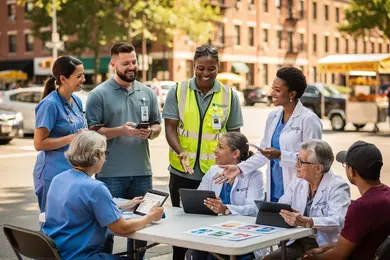
The spectrum of community health careers with a public health degree demands practical expertise beyond foundational knowledge, as job roles differ significantly in scope and responsibility. Early-stage positions typically serve direct community needs-common examples are community health workers and health educators crafting targeted programs like maternal health workshops in rural counties or vaccination campaigns in underserved urban areas.
Advancing toward epidemiology or data-driven surveillance roles requires proficiency in quantitative analysis, as these positions frequently underpin outbreak responses and routine disease tracking with actionable insights. Job opportunities in community health for public health graduates expand notably within governmental agencies, where employment grew 15% from 2019 to 2022 due to pandemic preparedness and chronic disease focus; however, entering this sector often entails navigating competitive exams and background checks.
Leadership roles, such as program coordinators or policy advisors, center on coordinating multi-sector partnerships and securing funding through grant writing and community assessment tools. Candidates must demonstrate cultural competency and the ability to adapt communication across diverse populations while managing limited resources and delivering measurable outcomes.
Long-term viability in community health hinges on additional credentials or specialized education in areas like biostatistics or health administration, which prepare professionals to influence system-wide program design and resource allocation.
For those considering a strategic educational pivot, exploring fast track mental health counseling pathways can complement public health training and broaden clinical and community intervention capabilities.
What education and training do you need for community health roles?
Community health roles increasingly demand a master's degree combined with targeted leadership experience due to intensified competition in healthcare management positions. A bachelor's degree in public health or related fields such as nursing or social sciences remains the foundational entry point, but employers place substantial weight on applied skills gained through internships or fieldwork, including data analysis and program evaluation. For example, a community health coordinator responsible for chronic disease prevention in a nonprofit must balance formal education with tangible results in outreach to secure ongoing funding and stakeholder trust.
Specialized certifications like Certified Health Education Specialist (CHES) and Project Management Professional (PMP) serve as differentiators that validate expertise and influence hiring decisions. The projected 23% growth in medical and health services management employment from 2024 to 2034 reflects an expanding need for professionals with advanced healthcare systems knowledge and policy acumen.
Training programs for community health professionals must therefore prioritize flexible formats that accommodate working adults balancing graduate studies and certification preparation. Continuous education is essential to address evolving public health challenges and technologies.
Students should carefully consider how program format, field-specific certifications, and practical experience align with their career goals and market realities. For those evaluating pathways that blend affordability with relevance, exploring a healthcare administration degree online California can offer accessible options adaptable to professional commitments.
How does a public health degree prepare you for community-based work?
A public health degree trains graduates to navigate complex, real-world constraints while advancing community-centered interventions. The skills gained from a public health degree for community-based roles-such as epidemiology, data analysis, and health communication-are critical for tailoring programs to diverse populations. However, graduates must also manage challenges like funding limitations, regulatory requirements, and community trust, which vary significantly by setting.
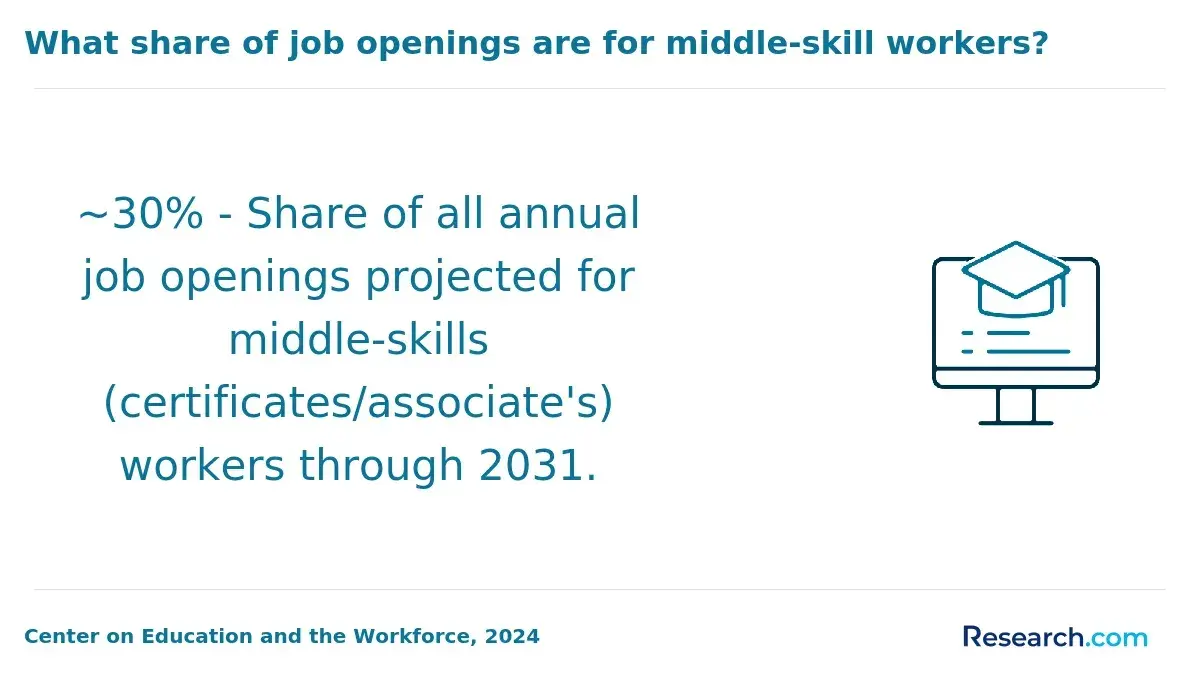
For example, in urban environments, professionals may focus on reducing chronic disease prevalence through culturally responsive education, whereas in rural areas, they often emphasize expanding primary care access via mobile clinics or telehealth. This operational flexibility, combined with the capacity to manage multi-sector partnerships, aligns with a growing job market; community health career opportunities with a public health degree reflect a 2.9% projected employment growth in healthcare and social assistance sectors.
Students should prioritize programs offering practical experiences across varied environments to build competencies in local social determinants of health and stakeholder collaboration. This pragmatic preparation enhances employability in nonprofits, government, or healthcare organizations targeting population health management. For those comparing educational pathways, the MHA degree offers an alternative focus on healthcare administration with differing career implications and operational emphases.
Which public health degree level is best for community health careers?
The bachelor's degree in public health remains the most practical entry for community health workers, particularly for those focused on outreach, education, and case management. Employers generally require at least this level to ensure competency in health communication, cultural sensitivity, and data handling. With demand projected to grow 14% through 2032, pursuing the best public health degree level for community health jobs means weighing immediate employability against career flexibility.
For mid-level roles requiring supervisory skills or program design, a master's degree provides clear advantages by building expertise in epidemiology, biostatistics, and behavioral interventions. Public agencies and nonprofits increasingly prioritize candidates with graduate credentials for managing large-scale health initiatives or conducting comprehensive assessments.
Doctoral degrees cater to specialized research, consultancy, and academic roles where contributing original evidence-based policy insights or innovations is essential. Although fewer professionals pursue this path, those who do engage in advanced qualitative and quantitative research that informs systemic health equity efforts at broader scopes.
Students and working professionals evaluating community health degree options for career advancement must consider tradeoffs such as program length, cost, and intended role. For example, a practitioner focused on frontline engagement without leadership ambitions may find the bachelor's provides optimal return with minimal disruption. Conversely, aspirants targeting management or specialized research should anticipate the greater investment and complexity of graduate education.
Exploring options such as the cheapest RN-BSN online program can further influence educational cost considerations and accessibility.
What are the most common community health job titles and responsibilities?
Employment growth in epidemiology, projected at 27% through 2032 by the U.S. Bureau of Labor Statistics, signals heightened demand for highly analytical skills focused on outbreak investigation, chronic disease tracking, and environmental health data interpretation. This growth outpaces other core public health specialties, yet entry often requires advanced degrees and expertise in biostatistics and informatics, which can delay direct workforce integration.
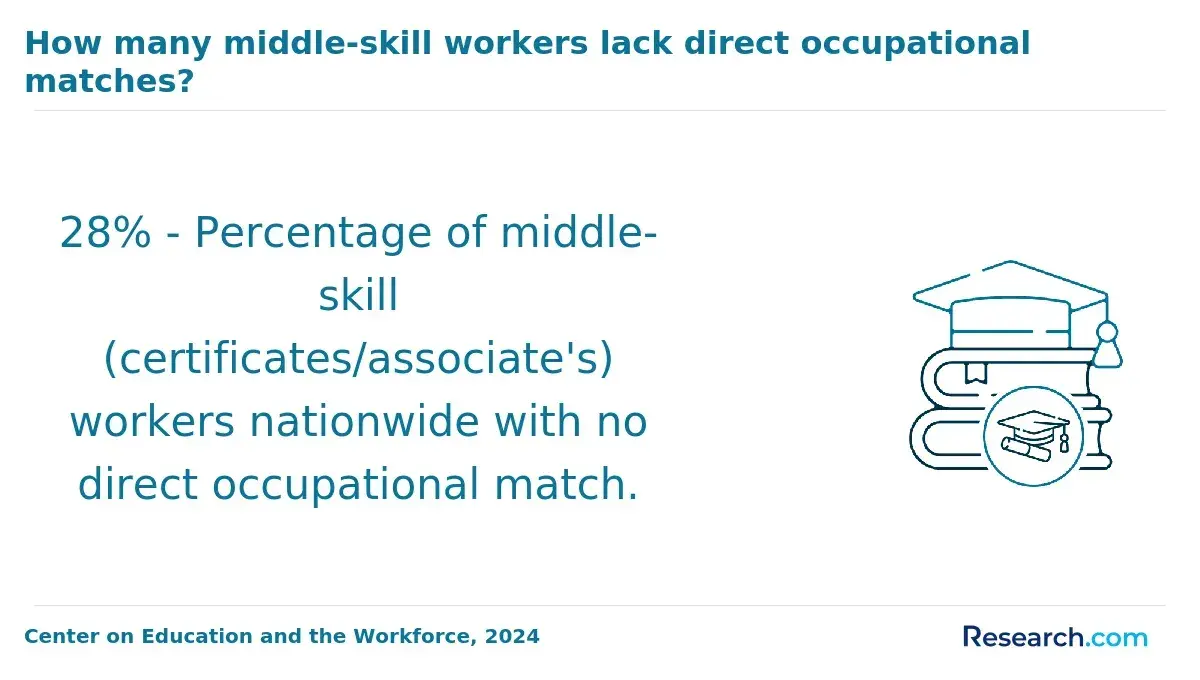
Health educators and community health workers occupy contrasting operational roles, balancing evidence-based messaging with cultural competence or community trust-building respectively. Their typical entry points-bachelor's degrees supplemented by certifications and field experience-reflect employer preferences that vary by sector: governmental agencies prioritize measurable program outcomes, while nonprofit organizations emphasize adaptability and engagement.
Program coordinators must blend budgeting, stakeholder management, and evaluation skills across diverse initiatives, adding a practical managerial dimension that transcends direct health intervention. Navigating specialization choices presents tradeoffs; for instance, epidemiologists manage complex data over extended periods, which may be less appealing for those seeking immediate community interaction found in frontline roles.
Prospective students should weigh these factors against their career objectives and readiness for required education or certifications. Securing relevant field placements remains a critical hurdle across these roles, highlighting the importance of practical experience alongside academic credentials.
What salary ranges and benefits can community health professionals expect?
Salary ranges in community health roles reflect significant variation driven by specialization, employer type, and qualifications. Entry-level positions such as health educators or outreach coordinators in nonprofit or local government settings typically start between $45,000 and $60,000 annually. Moving into specialized roles like epidemiologists or data analysts, especially within state health departments or large healthcare systems, raises median pay to roughly $70,000 to $95,000. The top-tier earnings around $113,000 correlate with careers in biostatistics or health data science-fields experiencing a projected 34% growth according to U.S. Bureau of Labor Statistics data, indicating robust demand for analytic expertise.
Compensation must be weighed alongside benefits, which differ markedly by sector. Public agencies often provide comprehensive pension plans and stable employment, while private organizations might offer higher base salaries combined with bonuses or stock options but generally less generous retirement benefits. For instance, a practitioner might accept $15,000 less at a government agency in exchange for better long-term retirement security and work-life balance.
Advancement depends heavily on acquiring technical skills and certifications in epidemiology or data analysis, which substantially enhance employability and salary potential. These tradeoffs are critical in aligning career pathways with individual financial goals and personal priorities within Public Health fields, where market demand increasingly favors specialized quantitative capabilities.
What is the job outlook and demand for community health workers and specialists?
Community health workers and specialists face a labor market with persistent shortages, especially in rural and underserved areas where infrastructure for mental and behavioral health is weakest. This shortage creates an operational challenge: candidates must possess both behavioral health proficiency and practical community outreach skills. For example, a rural clinic worker often balances telehealth coordination, emergency education, and data reporting, revealing how job readiness depends on versatile, applied competencies rather than solely theoretical understanding.
Employers-ranging from government agencies to non-profits-favor applicants with demonstrated experience managing complex social issues like housing instability and poverty. Internships or field placements in diverse settings increase employability more than coursework alone. Students choosing programs that focus narrowly on behavioral theory risk limited practical preparedness, which can slow initial hiring.
Willingness to work in resource-constrained locations can accelerate placement and retention incentives but adds pressure due to underfunding and heavier caseloads. To navigate these challenges, candidates must prioritize educational pathways integrating experiential learning, interprofessional collaboration, and clear behavioral health role access.
Key considerations include:
- Balancing targeted mental health training with broad community engagement skills
- Pursuing field experience to offset social determinants complexities
- Accepting systemic strains inherent in rural or under-resourced jobs
These factors shape career sustainability and hiring prospects, emphasizing the practical dimensions of Public Health workforce development beyond academic credentials.
Are online public health programs suitable for community health career preparation?
Online public health programs aiming to prepare students for community health roles must ensure meaningful experiential learning, such as practicums or internships, to effectively connect theory with real-world application. Environmental health specialists relying solely on online coursework face limitations in gaining critical hands-on skills, like site inspections and lab work, which are indispensable for regulatory compliance and investigations.
Employers consistently prioritize applicants who can demonstrate verified clinical hours or community collaborations beyond academic credits. For students without access to urban centers, completing mandatory site evaluations remotely often restricts their eligibility for environmental specialist positions. Conversely, professionals who already have foundational experience may find online degrees valuable for expanding knowledge without pausing their careers.
The 2024 Bureau of Labor Statistics reports median annual wages for environmental health specialists near $76,480, well above the overall U.S. median wage. This wage gap signals the advanced responsibilities typical in such roles and the necessity of training that includes practical field exposure.
Key considerations for prospective students include:
- Availability of local or regional agency partnerships to facilitate applied learning
- Programs' integration of supervised, interactive fieldwork aligned with credential requirements
- The balance between remote study flexibility and on-site skill development
Assessing these factors determines a program's true preparation quality for workforce demands in community health environments.
What certifications or licenses are required for community health roles in the U.S.?
Certifications and licenses in community health are not interchangeable credentials; they directly influence job eligibility, competitive positioning, and earning potential. For example, health educators often require the Certified Health Education Specialist (CHES) credential, verifying expertise in educational methods and community engagement. This certification, overseen by the National Commission for Health Education Credentialing, has tangible impacts on hiring likelihood and salary benchmarks. Conversely, community health workers frequently obtain the Certified Community Health Worker (CCHW) designation, with many states mandating additional training and state-issued certification to qualify for Medicaid reimbursement or service provision.
Roles demanding licensure, such as public health nurses or epidemiologists, must secure professional licenses like Registered Nurse (RN) certification or board credentials tied to their clinical or analytical roles. These licenses are non-negotiable prerequisites in healthcare and government environments.
Practically, employers weigh certifications against specific role requirements; for instance, nonprofit organizations serving linguistically diverse underserved groups may prioritize bilingual CCHW certification. Health departments involved in chronic disease prevention tend to require CHES certification coupled with quantitative analysis capabilities.
Recent labor market projections anticipate 17% employment growth for health educators and community health workers combined, outpacing overall averages and signaling sustained demand for certified personnel adept at addressing multifaceted health challenges.
Deciding on certification paths entails balancing state mandates, employer expectations, upfront costs, and exam preparation timelines against long-term employability. Early certification pursuit, often contingent on a bachelor's degree or relevant experience, is critical for those targeting entry or mid-level public health positions.
How can you choose an accredited public health program focused on community health?
Choosing a public health program focused on community health requires critical evaluation beyond accreditation alone. Accreditation by CEPH or equivalent regional bodies confirms baseline curricula alignment with workforce needs, but students should prioritize programs offering specialized rural health tracks or direct partnerships with federally funded rural initiatives, such as those benefiting from the 2025 Rural Health Transformation Program's $2 billion allocation for Georgia. These affiliations enhance practical experience and job placement prospects in an expanding infrastructure landscape.
Programs reporting graduate employment rates and employer satisfaction data in community health sectors provide tangible metrics of outcome effectiveness. Candidates should verify the integration of applied competencies like grant writing and health policy navigation, which are in demand among government and nonprofit employers managing recent federal investments. The absence of such skills often limits placement opportunities.
Balancing study and work commitments presents tradeoffs between flexible scheduling and maintaining rigor, particularly when online or hybrid formats are involved. Mentorship from professionals experienced in rural or underserved populations mitigates these challenges by offering relevant guidance. Prospective students must also assess if curricula adapt to evolving public health workforce demands revealed in recent federal and nonprofit analyses, as outdated programs risk diminishing employability amid shifting funding priorities.
Other Things You Should Know About Public Health
Community health positions in government agencies usually offer more structured career progression but often require navigating bureaucratic processes and slower decision-making. Nonprofit roles may provide greater flexibility and direct community impact but frequently come with lower pay and less job security. Candidates prioritizing stability and benefits should focus on government roles, while those valuing innovation and grassroots engagement will find nonprofits a better match.
Specialized certifications like CHES (Certified Health Education Specialist) or CPH (Certified in Public Health) enhance employability by demonstrating relevant skills beyond the degree. However, these certifications require ongoing maintenance and may not be necessary for entry-level roles. Prioritize certifications if aiming for advancement or positions requiring formal proof of expertise, but assess employer preferences and avoid overinvesting in credentials without clear job-value payoff.
In 2027, with a public health degree, individuals can target roles such as Community Health Worker, Health Educator, Public Health Analyst, and Community Outreach Coordinator. These careers focus on promoting wellness, analyzing health data, and implementing community-based health programs to improve public health outcomes.
Employers in community health increasingly prioritize practical field experience alongside academic credentials. Classroom success alone rarely secures positions without demonstrable skills in program implementation or community engagement. Candidates should seek internships, volunteer roles, or practicum components within their degree programs to build relevant experience that signals readiness to meet employer expectations and perform effectively from day one.
References
- About - Council on Education for Public Health https://ceph.org/about/org-info/
- Community Health Worker Job Guide | MSU Denver https://www.msudenver.edu/innovative-lifelong-learning/blog/community-health-worker-jobs/
- Is an Online MPH Right for You? | University of Bridgeport https://www.bridgeport.edu/news/is-an-online-mph-right-for-you/
- Top 25 Online MPH Community Health Degree Programs - MPH Online https://www.mphonline.org/best-online-mph-community-health/
- Public Health and Community Health Education Degree (PHCH) https://mcla.edu/academics/academic-departments/phch/
- Is Public Health a Good Career? Benefits and Opportunities https://www.scuhs.edu/bshs-article/is-public-health-a-good-career-benefits-and-opportunities/
- Community Health Career - Public Health https://www.publichealthonline.org/community-health-career/
- What Can You Do With a Public Health Degree? | ACE Blog https://ace.edu/blog/what-can-you-do-with-a-public-health-degree/
- Public Health Degrees & Careers | How To Work In Public Health https://www.learnhowtobecome.org/medical-health-careers/public-health/
- Career Paths for MPH Graduates: Top Job Roles in Public Health https://www.unicaf.org/career-paths-for-mph-graduates-top-job-roles-in-public-health/