2027 Best Online Marketing Degrees for SEO and Organic Growth Careers

Co-Founder and Chief Data Scientist
Mid-career professionals and recent graduates pursuing online marketing degrees frequently confront the challenge of balancing rapid skill acquisition with credential legitimacy, particularly in SEO and organic growth specializations. The National Center for Education Statistics reports that over 40% of undergraduate enrollments now come from adult learners seeking flexible, online formats.
This shift demands programs that not only offer accommodating schedules but also maintain strong employer recognition for career mobility. Aspiring SEO specialists must navigate this dynamic environment, weighing program quality against accessibility and practical outcomes. This article evaluates top online marketing degrees tailored for SEO and organic growth careers, guiding readers to informed educational choices aligned with industry realities.
Key Things You Should Know
- Courses emphasizing SEO technical skills often reduce broader marketing strategy depth, creating tradeoffs between immediate employability in algorithm-driven roles and long-term tactical versatility in digital marketing teams, per 2024 LinkedIn hiring trends.
- Employers demand hands-on experience with real-world SEO projects; programs devoid of integrated internships or portfolio development see 22% lower graduate placement rates according to the National Association of Colleges and Employers 2024 report.
- Due to rapidly evolving SEO algorithms, degrees extending beyond two years risk obsolescence, with current BLS data showing certifications completed within 18 months yield 35% faster career advancement than traditional four-year degrees.
What are the best online marketing degrees for SEO careers?
When evaluating online marketing degrees for SEO careers, a program's blend of technical training and real-world application dictates employability. Graduates often enter roles such as market research analysts or marketing specialists, drawing a median salary near $78,880 with a 13% employment growth projection from 2022 to 2032. Those lacking SEO-specific coursework typically face limited prospects, confined to generalist positions that do not leverage organic growth strategies.
Key differences arise by industry: SEO roles in e-commerce demand skills in conversion optimization and analytics, while B2B SEO specialists benefit from expertise in competitive analysis and niche link-building. The best online marketing programs for organic growth careers incorporate hands-on projects using tools like Google Analytics, SEMrush, or Moz, ensuring graduates meet employers' expectations for measurable impact on search performance.
Program flexibility and internship availability matter for mid-career professionals pivoting into SEO-driven marketing roles. Without applied experience, candidates risk underperformance despite theoretical knowledge. Practical data interpretation and content optimization serve as essential competencies across contexts.
For those also exploring alternatives in related fields, consider comparing options such as MBA in healthcare where a different skill set applies but educational design parallels exist.
Are online marketing degrees accredited and respected by employers?
Employers in sectors like SEO and organic growth weigh accreditation heavily when assessing online marketing degrees, viewing it as a signal of curriculum rigor and professional readiness. An accredited online marketing education for career growth ensures candidates possess essential analytical skills and consumer insights, which are critical in data-driven optimization roles.
For instance, a professional transitioning into SEO strategy benefits markedly from degrees accredited by agencies such as the Higher Learning Commission or Southern Association of Colleges and Schools. These credentials help overcome employer skepticism by validating foundational competencies required for effective digital marketing and adaptation to evolving technologies.
Job market data reinforces this value: the U.S. Bureau of Labor Statistics projects a 7% employment growth in marketing management between 2022 and 2032, adding about 24,000 jobs emphasizing digital expertise. This trend underscores the demand for accredited programs that align with real-world business needs and measurable outcomes.
Conversely, degrees lacking credible accreditation or from unverified providers often result in disqualification during hiring, particularly in roles demanding technical skill and proven project experience. Employers favor candidates who demonstrate a combination of accredited education and tangible deliverables over mere credential badges or online delivery.
Candidates evaluating pathways might also consider related fields; for example, an online project management degree can complement marketing roles requiring cross-functional team leadership and agile campaign execution. Prioritizing accredited online marketing degrees is essential to bridge education and employer expectations effectively, especially in competitive industries like technology, retail, or healthcare marketing that demand verified expertise and outcomes.
How do online and campus marketing degrees compare?
Choosing between online marketing degrees versus campus marketing degrees involves more than delivery format; it directly impacts access to practical experience, networking, and employer perception. Campus programs facilitate face-to-face collaboration, immediate project feedback, and established pathways to internships with local businesses and recruiters. Such connections are often critical for securing roles like marketing manager, which commands an average annual salary of $158,280 according to U.S. News data from 2024.
Advertising and promotions manager roles, earning $147,050 on average, similarly benefit from these hands-on experiences. In contrast, online degree programs offer flexibility suited for working professionals needing to balance immediate responsibilities, though they require stronger self-discipline and proactive efforts to secure remote internships or freelance projects.
Employers prioritize demonstrable skills and portfolios; therefore, online learners must often complement theoretical frameworks with self-directed technical proficiency, especially in organic growth sectors like e-commerce or technology. The differences between online and traditional marketing degree programs reflect tradeoffs between structured experiential learning and schedule adaptability.
Candidates aiming to pivot careers should weigh these factors carefully, considering their capacity for independent learning and access to real-world SEO projects vital for competitive hiring. For those interested in accelerated pathways, exploring accelerated MBA programs may offer additional strategic options.
What coursework is included in an SEO-focused marketing degree?
Marketing degrees with an emphasis on SEO foreground technical competence alongside strategic insights essential for organic growth. The seo course curriculum for online marketing degrees typically integrates foundational marketing principles with core subjects in SEO and organic growth marketing programs such as search engine optimization tactics, keyword research methodologies, and website analytics. Employers expect graduates to deliver measurable results, requiring fluency in tools like Google Analytics and SEMrush while also understanding search engine algorithms and both on-page and off-page SEO techniques.
Technical instruction covers HTML basics, site architecture, and content management systems, equipping students to work effectively with developers or independently manage SEO implementation. Digital marketing strategy courses embed SEO within wider campaigns, focusing on ROI and customer acquisition cost, which reflect real workforce expectations from SEO specialists.
Applied learning often includes case studies tailored to specific sectors; for instance, healthcare SEO demands rigorous compliance owing to regulatory concerns, whereas retail SEO prioritizes fast-paced product cycles and visual search optimization. Advanced coursework might address conversion rate optimization, mobile SEO, and local search strategies to meet diverse business demands.
Graduates with marketing degrees concentrating on SEO report a lifetime ROI near $815,490 and median income growth from $53,484 at age 25 to $113,716 by 45, indicating significant employer valuation of combined SEO and marketing expertise. For those considering pivoting careers or strengthening their portfolio, this pathway offers concrete growth but demands technical and analytical rigor. For professionals seeking program options that balance broad marketing skills with project management competencies, a sport management degree online can complement SEO specialization effectively.
What are the admissions requirements for online marketing programs?
Online marketing programs often require applicants to balance academic benchmarks with real-world readiness, especially when transitioning careers. Admissions typically mandate a high school diploma or equivalent, with many programs demanding minimum GPAs between 2.5 and 3.0 to ensure candidates can handle advanced coursework such as marketing analytics and SEO strategy. International students must demonstrate English proficiency through exams like TOEFL or IELTS, which can affect eligibility and timelines.
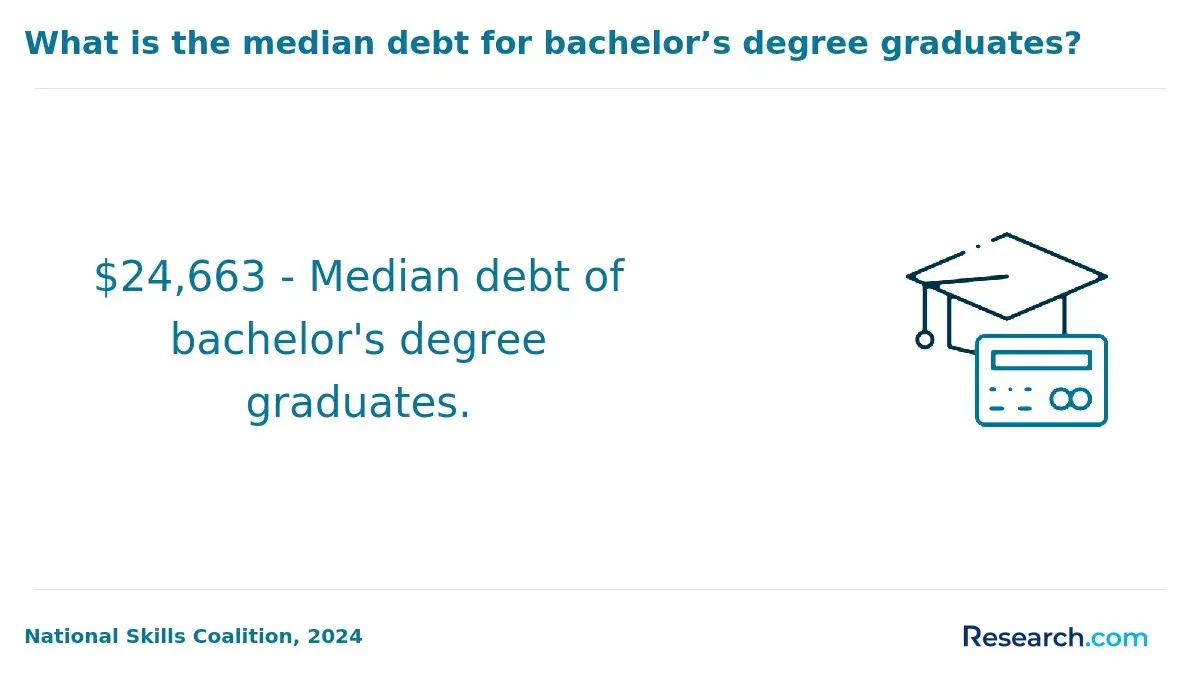
For working professionals, prior relevant experience or completed college credits often reduce program length and expense. For example, Western Governors University's competency-based model allows students to bypass traditional credit hour limits by demonstrating mastery, driving total tuition costs closer to $21,000 paid over six-month terms-significantly less than conventional degrees that can range from $26,000 to $70,000.
Prospective students pursuing an online marketing degree should anticipate challenges including navigating precise digital application platforms and preparing strong career articulation documents, especially when seeking employer tuition assistance or federal financial aid. Those targeting competitive sectors such as tech or retail marketing must meet rigorous criteria to access project-based learning essential for practical employability.
How long does an online marketing degree take?
Opting for an online marketing degree requires weighing the tradeoffs between program duration and practical experience, especially given employer expectations in SEO and organic growth roles. Accelerated programs condense coursework into two to three years, appealing to mid-career professionals needing a swift transition. However, this intensity often restricts opportunities for internships or freelance projects-critical for applying SEO knowledge in real-world contexts.
Conversely, standard full-time or part-time formats extending to four years or longer provide flexibility to integrate hands-on experience alongside academic work, a combination that can enhance long-term employability. For example, a professional juggling part-time study and a current job might accept a longer timeline to maintain steady workforce engagement while progressively building relevant skills.
Employers typically prioritize candidates who demonstrate both academic credentials and practical SEO accomplishments, making the ability to balance theory with application a key differentiator. Data from institutions like Southern New Hampshire University, graduating 256 students in its online marketing bachelor's program, show median salaries around $68,135.
This figure underscores that extended program length does not inherently diminish earning potential if candidates develop actionable digital marketing competencies. Students should consider:
- Whether accelerated pacing limits the chance to practice SEO hands-on.
- How part-time enrollment affects continuity in skill acquisition and career progression.
- Balancing coursework intensity with existing professional responsibilities.
How much do online marketing degrees cost?
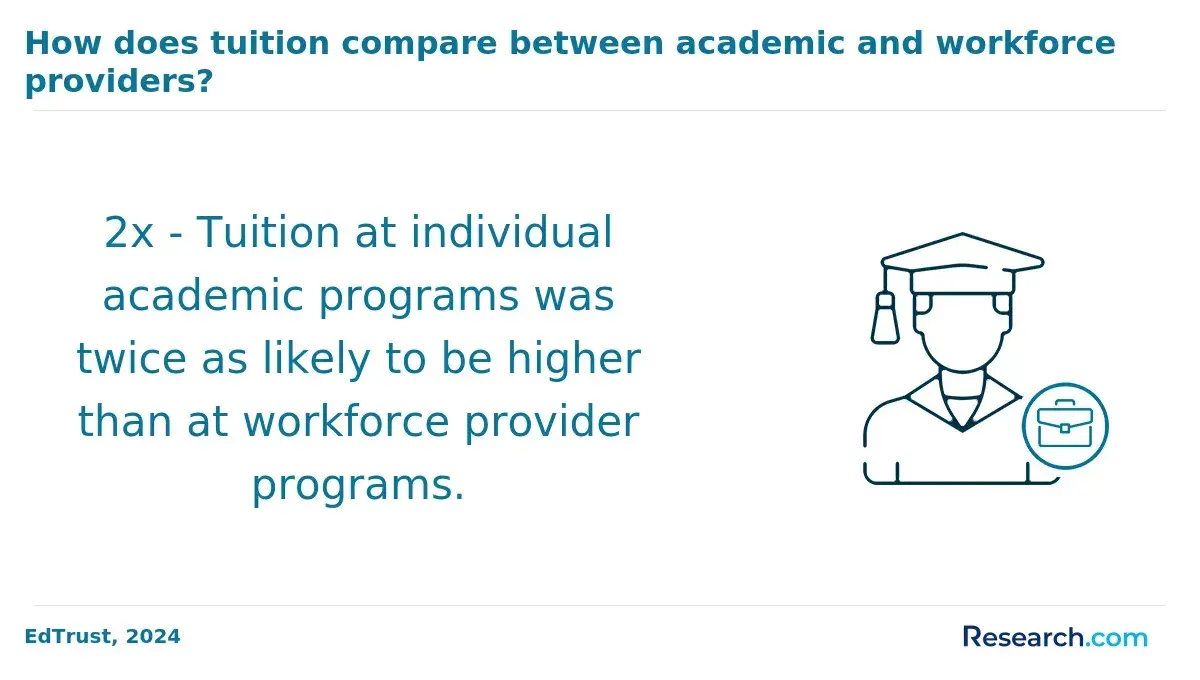
Paying between $10,000 and $40,000 for a full online undergraduate marketing degree or upwards of $15,000 to more than $50,000 for graduate certificates and master's programs demands strategic consideration beyond sticker price. Public universities generally provide the most cost-effective tuition, averaging $300 to $500 per credit for in-state students, while private institutions often charge $700 to $1,200 per credit.
Additional expenses for fees, textbooks, and tech tools push total costs higher. Program format-accelerated versus part-time-also affects total investment and completion time. The earnings gap between social media specialists and marketing managers illustrates the ROI disparity tied to educational depth. Social media specialists typically earn about $54,000-$56,000 annually, whereas marketing managers with advanced skills in SEO and analytics command averages near $157,480, based on data from UNC Greensboro referencing Indeed and BLS.
This differential underscores the practical value of programs emphasizing analytics and strategic digital marketing over basic certificates. Key considerations for applicants include:
- Certificate holders generally qualify for entry-level roles but rarely reach higher salary tiers without further skills or experience.
- Employers prefer candidates demonstrating both portfolio evidence and measurable SEO or analytics capability.
- Financial aid and employer tuition reimbursement reduce upfront costs but warrant careful evaluation to ensure program relevance and quality.
For instance, a professional investing $30,000 in a master's program with an SEO concentration may recoup costs in under two years due to elevated earning potential, while a $15,000 generic marketing certificate often leads to limited income growth within social media-focused roles. Aligning education spending with robust workforce outcomes is essential for informed decision-making.
What jobs can you get with an SEO and organic growth degree?
Choosing an SEO and organic growth degree demands assessment beyond credentialing; it requires understanding how role expectations align with practical skills and market realities. Positions like SEO specialist or content strategist emphasize mastery of on-site and off-site tactics, keyword research, and performance analytics to generate measurable organic traffic growth. For example, an SEO specialist dedicated to e-commerce will prioritize optimizing product pages and category structures, directly impacting unpaid customer visits and conversion potential.
Meanwhile, content strategists in B2B contexts tailor editorial plans to capture niche industry leads. Employers seek candidates proficient in tools such as Google Analytics and Search Console, paired with solid experience-typically 1-3 years for entry-level roles and proven performance improvements for senior roles. Certification can supplement but does not replace practical application.
Financially, prospective students face significant tradeoffs as online tuition per credit ranges widely-from $330 to over $600-leading to total costs that may exceed $30,000 for a 120-credit program. These investments must be weighed against realistic salary trajectories, which span approximately $45,000 for entry-level analysts to over $90,000 for seasoned organic growth managers.
Effective career decisions hinge on balancing educational costs with tangible market demand and demonstrated career outcome potential. Strategic learners who combine rigorous academic foundation with applied experience stand the best chance of meeting evolving employer demands and achieving sustained progression within the marketing ecosystem.
What salaries do SEO and organic growth careers offer?
Salary outcomes in SEO and organic growth roles reflect both skill specialization and market positioning rather than generic credentialing. Entry-level salaries for roles such as SEO specialists or junior organic growth analysts typically range from $50,000 to $65,000, but these figures vary widely based on industry segment and company size. For example, technology and e-commerce firms often offer higher pay to candidates proficient with analytics technologies and cross-team collaboration.
Mid-range salaries, generally between $75,000 and $90,000, are linked to managing analytics teams or overseeing digital campaigns, while senior positions-like SEO managers or organic growth strategists-command $100,000 to $130,000, especially when combining technical SEO with data-driven strategies. Employment growth projections at 13% over the decade significantly outpace average labor markets, driving demand and upward salary pressure.
However, smaller or niche employers may offer less compensation but broader role diversity, which can benefit skill development but complicate direct salary comparisons. Candidates with credentials combining organic growth tactics, user experience understanding, and data analytics position themselves to surpass $130,000, often by delivering measurable gains in traffic, conversion, and customer acquisition cost efficiency.
Long-term mobility depends on continuously adapting to search algorithm changes and sharpening cross-functional capabilities, as employers increasingly reward demonstrable impact over credentials alone. Advanced degrees or certifications that emphasize practical technical integration carry more weight than isolated SEO training, steering career trajectories towards leadership or strategic growth roles within marketing departments.
Which certifications help marketing graduates in SEO roles?
Certifications in the SEO field primarily serve to differentiate candidates by demonstrating both technical proficiency and strategic capability, although they are rarely sufficient alone to secure competitive roles. For instance, in e-commerce, Google Analytics Individual Qualification (GAIQ) and Google Ads Search Certification are often prerequisites because they validate essential skills in interpreting web traffic and refining paid campaign performance.
However, in SaaS or media sectors, recruiters tend to emphasize certifications like SEMrush SEO Toolkit and Moz SEO Essentials for their direct application in keyword research and competitive analysis. HubSpot Content Marketing Certification introduces additional value for professionals engaged in inbound marketing, marrying SEO knowledge with content strategy-a combination prized in agency settings but demanding practical experience to translate into measurable search outcomes.
Industry data from a 2024 report by the Digital Marketing Institute indicate certified candidates have a 30% higher chance of securing roles, yet employers often prioritize demonstrated results over credentials alone. Balancing certifications with real-world application is critical, as purely theoretical qualifications risk limiting opportunities in analytics-driven environments.
Considering a marketing degree's potential lifetime financial ROI exceeding $800,000 (U.S. News analysis of FREOPP data), students and mid-career professionals should weigh the investment in SEO certifications based on sector-specific requirements and the practical opportunities to apply those skills effectively.
Other Things You Should Know About Marketing
Practical experience weighs more heavily than program prestige in marketing careers focused on SEO and organic growth. Employers prioritize proven skills in using tools, analyzing data, and executing campaigns over where the degree was earned. Online programs with integrated internships or project-based learning offer better outcomes than highly ranked programs lacking hands-on components. When choosing a program, prioritize those that provide direct opportunities to build and demonstrate job-ready SEO and organic growth capabilities.
Specialized marketing degrees focusing narrowly on SEO and organic growth provide deeper technical proficiency but limit exposure to strategic and cross-channel skills. Broader digital marketing programs cover SEO within a wider context, preparing graduates to adapt as algorithms and platforms evolve. For long-term career flexibility, consider a program that balances foundational marketing strategies with specialized SEO training, enabling adaptability to changing employer expectations and market demands.
Choosing a 2027 online marketing degree with an SEO focus offers the flexibility to balance studies with professional commitments. It typically incorporates real-world SEO tools and analytics into the curriculum, preparing students for immediate application in jobs, unlike some traditional programs that may emphasize theoretical aspects.
Yes. AACSB accreditation signals strong curriculum quality and is recognized by many employers for marketing roles. For SEO and organic growth careers, it is not required, but it can strengthen applications, especially when the program also includes digital analytics, search strategy, and internship or capstone experience.
References
- Colleges offering SEO: Where You Can Study SEO In-depth https://coseoco.com/seo-industry/colleges-offering-seo/
- SEO Statistics 2025: Jobs, Shopping, Social | Artios https://artios.io/seo-statistics/
- Most Popular Online Marketing Degrees https://www.onlineu.com/degrees/marketing
- Digital marketing career guide: How to get hired, build skills & advance | edX https://www.edx.org/become/digital-marketer
- What’s the Difference Between Online vs. On-Campus Digital Marketing Master’s Programs? | Digital Marketing Institute https://digitalmarketinginstitute.com/blog/whats-the-difference-between-online-vs-on-campus-digital-marketing-masters-programs
- Top 10 Digital Marketing Certifications for High-Paying Jobs https://whytap.in/blogs/want-a-high-paying-digital-marketing-job-start-with-these-10-certifications/
- Is SEO a Good Career in 2026? Salary, Scope & Honest Truth https://searchengineintellect.com/blog/is-seo-a-good-career/
- Career opportunities in Digital Marketing and Advertising https://www.enae.com/blog/career-opportunities-digital-marketing-and-advertising
- Launch a Digital Marketing Career | Get Job-Ready | Google https://grow.google/certificates/digital-marketing-ecommerce/
- SEO Career Path: Essential SEO Skills and Growth Roadmap https://cxl.com/b2b-marketing-career-guide/seo-career-guide/