2027 Marketing Careers That Reward Strong Writing Skills

Co-Founder and Chief Data Scientist
Landing a high-impact role in marketing often hinges on demonstrating exceptional writing skills amidst fierce competition from both college graduates and career switchers. As workforce data from the U. S. Bureau of Labor Statistics reveals, demand for marketing specialists is expected to grow 10% over the next decade, intensifying pressure on candidates to differentiate themselves. Meanwhile, nearly 40% of marketing professionals pursue flexible learning paths like part-time or online programs, reflecting a shift toward accommodating working adults who need to balance skill development with job responsibilities. Navigating these realities requires careful program selection and skill positioning to secure roles offering advancement and stability.
This article examines marketing careers that reward strong writing skills, focusing on actionable insights to guide students and professionals in optimizing education strategies and career choices to meet evolving employer expectations.
Key Things You Should Know
- Marketing roles requiring strong writing show a 24% wage premium on average, per 2024 BLS data, but candidates face a tradeoff: investing 18+ months in specialized content training often delays broader strategic skill acquisition.
- Employers now prioritize hybrid communicators with both analytic and narrative skills, with 62% of firms in the 2024 Deloitte CMO Survey flagging writing proficiency as a top gap limiting team impact.
- Certification programs emphasizing copywriting cost 35% less than full marketing degrees, yet yield 30% lower placement rates in senior roles according to 2024 NACE outcomes, complicating timing and ROI decisions.
What marketing jobs reward strong writing skills?
Marketing careers requiring excellent writing skills revolve primarily around roles that directly connect clear, persuasive text to measurable outcomes. Copywriters, for instance, must adapt concise, engaging language to diverse audiences and platforms, balancing creativity with campaign goals. Content strategists manage long-form materials such as blogs and white papers, where precision and tone significantly impact industries like technology or healthcare. Social media managers handle rapid, varied messaging to sustain brand voice across dynamic digital channels, requiring agility in style and format.
Salary data reflects the value of strong writing in marketing-related occupations. Writers and authors report a median annual wage of $72,270 as of May 2024, with employment expected to grow by 4% through 2034. This steady demand aligns with more specialized marketing roles where income potential diverges based on domain expertise-technical writing in finance or pharmaceuticals often commands higher pay but demands detailed knowledge, whereas email marketing trades off higher speed and creativity under tighter deadlines.
Key challenges in these marketing jobs include mastering SEO, navigating content management systems, and interpreting analytics to refine messaging. Writers must also collaborate with designers and strategists, balancing creativity with brand and performance requirements. Those considering a strategic pivot or advancement would benefit from programs like a bachelor's in project management that complement writing with organizational skills, improving adaptability and long-term resilience in evolving marketing landscapes.
Which marketing careers need the most writing?
Content writing jobs in marketing frequently demand a balance between creative persuasion and precise optimization to meet diverse operational goals. Roles like content marketing managers or SEO specialists are tasked with producing rigorous, measurable content-ranging from segmented whitepapers to keyword-rich web copy-that directly supports audience targeting and revenue metrics. For instance, a SaaS company's B2B content manager must tailor messaging across multiple formats to align with a complex buyer's journey, whereas SEO-focused roles prioritize metadata and backlink strategies with an analytical lens.
Product marketers depend on writing to translate technical features into accessible benefits, differentiating these roles from more design- or strategy-centric positions. The higher earning trajectory seen in Marketing careers that require strong writing skills reflects employer demand for professionals who consistently drive engagement and conversion improvements rather than mere volume of output.
Professionals lacking writing proficiency may encounter slowed content workflows or increased outsourcing costs. Students aiming for a strategic pivot should prioritize developing practical writing expertise along with familiarity in content management systems and SEO tools. Hiring trends increasingly favor candidates who demonstrate both storytelling capacity and data-driven content performance impact.
Those evaluating options should also consider adjacent educational pathways like best online health information management degree CAHIIM accredited, as cross-disciplinary skills often enhance marketability in today's data-integrated marketing environment.
What degree should you choose for marketing writing careers?
Choosing among marketing degree programs for writing careers requires careful analysis of how each discipline aligns with employer expectations and real-world content demands. Degrees in marketing emphasize integrated campaign strategies and digital tools but often provide less focus on narrative craftsmanship compared to communications or journalism majors, which develop specialized skills in storytelling and content editing.
Employers increasingly seek marketing writers equipped with both analytical skills and demonstrable writing expertise. For example, journalism graduates often excel in producing highly tailored B2B technology content such as white papers and case studies that influence sales cycles. In contrast, a marketing degree better suits candidates targeting roles involving data-driven messaging across multiple channels.
Supplemental credentials like graduate certificates in SEO, digital copywriting, or content marketing have become practical requirements, given a rising challenge in securing content marketing positions; 68% of marketers report more difficulty finding these roles than five years ago, according to the 2025 Reboot Online study. Entry-level salaries start near $44,000, advancing to about $108,000 for senior marketing writers in the U.S.
Students should evaluate programs not only by curriculum but also for internship access, portfolio development, and hands-on experience with analytics platforms and CMS tools. Communications programs with digital content production training often facilitate faster pivots for those prioritizing writing careers over traditional business-focused marketing paths. Prospective students may also consider affordability and available online options such as the online business degree to balance cost with career trajectory.
Best college majors for marketing writers thus hinge on the strategic fit between practical skill acquisition and industry-specific writing demands.
Are online marketing programs respected by employers?
The value of online marketing certification to employers depends heavily on demonstrable skills rather than credential format. Employers prioritize candidates who combine writing expertise with data analytics and strategic insight, reflecting the need for integrated marketing capabilities. For instance, a professional transitioning from traditional writing to digital marketing gains greater advantage from programs offering real-world projects with measurable data outcomes. This preference arises because employers scrutinize online marketing degrees based on their ability to teach relevant tools like SEO, content management systems, and analytics platforms rather than mere completion status.
Recent analyses of content marketing roles show median pay increases of 54% for senior positions and 29% for non-senior roles, emphasizing compensation tied to integrated skill sets. Prospective students should critically evaluate online programs for access to updated case studies, mentorship by industry practitioners, and portfolio-building opportunities-all important for proving employability. Yet, these programs often lack networking prospects and institutional brand recognition found in on-campus programs, presenting tradeoffs that affect career pivots or advancement.
Evidence of skill application through internships or freelance projects alongside coursework remains essential. Candidates seeking a content strategist role in B2B technology marketing, for example, benefit more from targeted data-driven content planning than generic certificates. Those exploring pathways may consider programs ranked in the online social media marketing degree category for practical relevance and market demand.
What coursework builds writing skills for marketing careers?
Writing skills in marketing careers must extend beyond basic communication to meet employer demands for adaptable, platform-specific content creation. Coursework focusing on integrated communication teaches clarity and persuasion, but the critical differentiator lies in developing the ability to produce concise, engaging messaging customized for channels like social media, email, and SEO-driven websites. For instance, copywriters supporting digital campaigns benefit markedly from coursework emphasizing SEO techniques that boost content visibility in competitive markets.
Advanced narrative marketing courses train students to craft brand stories that influence customer behavior, a necessity for roles prioritizing conversion and loyalty. Meanwhile, data-driven marketing programs equip professionals with the ability to translate analytics into clear reports or briefs, blending strategic insight with compelling writing. Hiring managers now expect proficiency across diverse deliverables-from technical documentation to campaign copy-underscoring the need for versatile practical experience.
Practical application through internships or project-based learning remains a pivotal factor in employability. Programs lacking hands-on writing practice risk leaving candidates unprepared for the precision and rapid output required in real-world marketing environments. According to Robert Half's 2026 Marketing & Creative Salary Trends guide, steady salary increases of 1.5% annually affirm sustained demand for this nuanced skill set.
What admission requirements do marketing degree programs usually have?
Admission to marketing degree programs demands more than academic credentials; it requires candidates to strategically assess their backgrounds and professional trajectories. While a bachelor's degree and minimum GPA of roughly 2.5 to 3.0 remain baseline expectations, many programs increasingly value relevant work experience, occasionally waiving standardized tests like the GRE or GMAT for applicants with aligned professional achievements.
The selection process frequently prioritizes practical marketing skills evidenced through resumes, portfolios, and writing samples, underscoring the workforce's tilt toward digital content creation and communication precision. For example, applicants targeting roles in content strategy or social media management must demonstrate competency beyond theory-skills increasingly demanded as digital marketing positions grow significantly faster than average job markets.
Letters of recommendation and interviews often focus on analytical and communication proficiency, signaling program intent to admit candidates prepared for job realities rather than abstract academic performance alone. Prospective students transitioning from unrelated fields should also factor in prerequisites or marketing certifications to mitigate competitiveness gaps and improve post-graduation employability.
- Minimum bachelor's degree or equivalent credentials for entry
- Standardized test waivers tied to relevant experience
- Emphasis on resumes, writing samples, and professional recommendations
- Interview and essay assessments targeting role-specific skills
- Practical tradeoffs for pivoting students, including extra coursework or certifications
Verifying each program's specific admission criteria is essential to balance costs, preparation time, and realistic career outcomes within evolving labor market demands.
How long and costly are marketing degree programs?
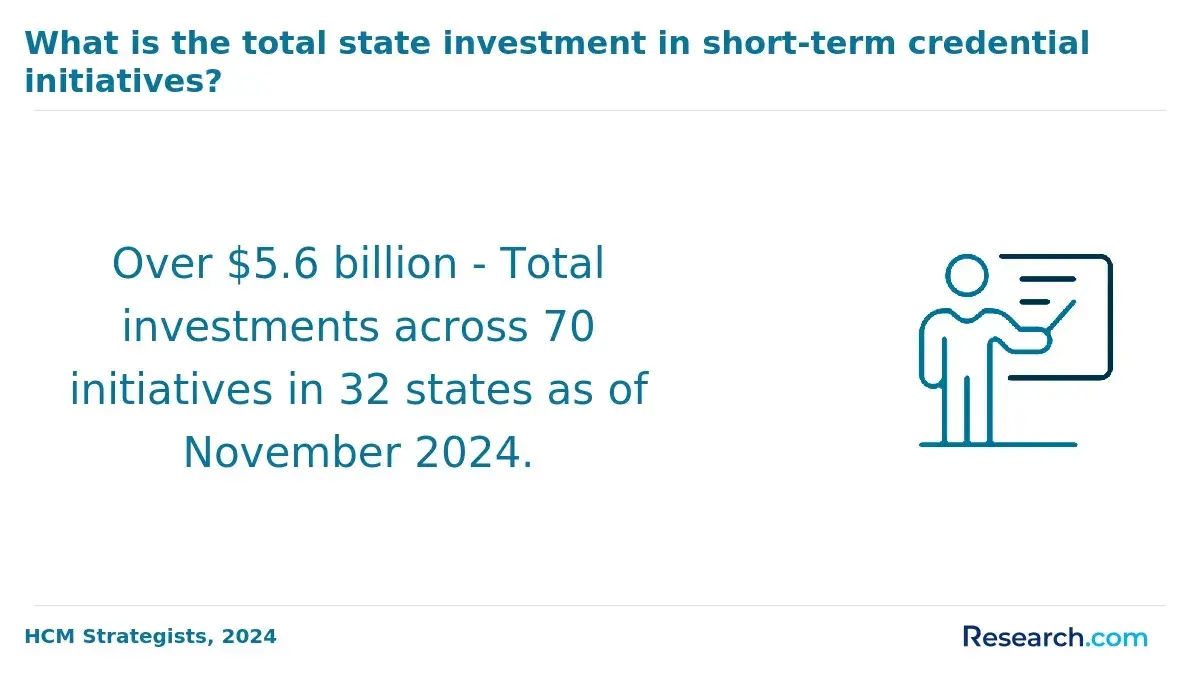
Choosing between a marketing degree and certificate depends heavily on career goals and time horizon. Bachelor's degrees, typically four years full-time, offer comprehensive skills suited for strategic roles demanding strong writing, research, and brand development capabilities. However, annual tuition can range from $9,000 at public institutions to $40,000 at private ones, often exceeding $40,000 total, excluding living costs and fees. Working professionals may extend program length beyond four years via part-time or online formats, increasing overall investment.
Shorter certificate courses, generally under $5,000 and lasting months, provide quicker entry to marketing-support roles but lack depth and industry weight for managerial positions. Employers increasingly expect formal degrees for leadership tracks, while entry-level social media or content creation jobs might accept certificates paired with proven skills.
Key tradeoffs include:
- Full degrees correlate with higher salary potential, especially when combined with AI and generative tool proficiency, predicted to increase earnings by 20-40% by 2028.
- Part-time or accelerated programs offer a balance between earning while learning and delayed full credential benefits.
- Budget constraints may steer candidates toward modular or certificate paths, risking slower advancement without comprehensive training.
Decisions should weigh immediate workforce entry against long-term returns, aligning choices with specific marketing roles' real demands rather than credential accumulation alone.
What salaries do marketing writers and content specialists earn?
Salary increases for marketing writers in 2026 show a clear pattern: those with deeper experience and cross-functional skills secure the most substantial gains, notably outpacing less seasoned peers. Gen X professionals have seen salaries rise roughly 21% since 2024, compared to 18% for millennials and 10% for Gen Z, emphasizing market value on writing expertise fused with strategic insight.
Entry-level writers in sectors such as retail or regional services earn between $45,000 and $60,000 annually, reflecting volume-driven but budget-conscious environments. Mid-career specialists with 5-10 years in competitive industries like technology or healthcare command $65,000 to $85,000, often with performance-based bonuses. Senior strategists or lead content creators in major metros and national brands surpass $95,000, leveraging multi-channel leadership and mentorship responsibilities.
Employers now expect measurable impact beyond traditional storytelling, valuing candidates who combine SEO knowledge, analytics, and project management. This shifts pay negotiation leverage distinctly toward those with integrated marketing skills. For professionals pivoting into marketing writing, these dynamics mean investment in ongoing skills development is essential, especially as newcomers face slower wage growth and stronger competition for premium roles.
- Experience trumps entry-level status in salary growth velocity.
- Cross-functional marketing analytics competencies enhance compensation opportunities.
- Geographic and industry contexts heavily influence earning potential.
- Strategic skill upgrades are key to breaking into higher salary tiers.
What is the job outlook for marketing writing careers?
Demand for marketing writing roles through 2026 remains strong but increasingly favors professionals with integrated digital and analytical skills. Content strategist positions exemplify this shift, commanding salaries around $93,586 annually, according to Our Lady of the Lake University's 2025 overview. This figure signals employer willingness to pay for expertise that blends writing craft with data-driven strategy.
Hiring managers expect writers to adapt content fluidly across platforms-websites, social media, email-while leveraging SEO, engagement metrics, and funnel insights. For instance, a content strategist at a tech firm may focus on optimizing retention through user-centric messaging, whereas in consumer goods, storytelling that builds brand loyalty often takes precedence. These divergent demands complicate skill development, requiring continuous upskilling beyond foundational writing.
The U.S. Bureau of Labor Statistics projects 10-12% growth for marketing communications specialists by 2030, outpacing average job growth. However, wage and advancement potential diminish without mastery of digital marketing tools and strategic analytics. Entry-level roles like copywriter or social media content creator serve as typical starting points, but climbing to content strategist or manager requires demonstrated impact on KPIs and 3-5 years of experience.
Employers prize certification in content strategy and analytics platforms as validation of practical skills, emphasizing measurable outcomes over generic credentials. Writers who fail to align messaging with broader business goals risk stagnation despite creativity.
Which certifications help marketing writers stand out?
Certification choices for marketing writers must be evaluated against tangible career outcomes and employer expectations rather than reputation alone. For mid-tier roles offering $75,000 to $120,000 annually, the Certified Professional Marketer (CPM) stands out by validating strategic agility across sectors-a critical differentiator when competing for U.S. digital marketing manager positions. Conversely, HubSpot's content marketing credential, while narrower in scope, equips candidates with practical inbound and content optimization skills favored by small to mid-sized businesses prioritizing lead generation.
Data fluency increasingly shapes content roles, making the Google Analytics Individual Qualification (GAIQ) a gatekeeper for writers tasked with integrating measurable user insights. Without a solid analytics foundation, the GAIQ can delay hiring prospects despite its value for collaborative projects involving SEO or data teams.
In specialized fields such as biotech or software, technical writing certifications from the Society for Technical Communication address complex information distillation beyond general marketing scopes, often trading volume for elevated pay and stability.
Employers' rising demand for versatile marketers suggests combining strategic or content certifications with writing-focused credentials expands employability, especially when paired with portfolios demonstrating metric-driven results.
The time and financial investment in certification programs require realistic assessment. Counts exceeding 120 hours may dissuade career switchers, while shorter certificates might not unlock senior opportunities. Effective credential strategies balance these tradeoffs with market needs and tangible skill application.
Other Things You Should Know About Marketing
Content strategist, email marketing specialist, SEO content writer, and brand copywriter roles rely most on long-form writing. These jobs usually involve blog posts, case studies, nurture emails, landing pages, and white papers, with employers often requiring a portfolio showing published samples and measurable results.
Agency roles expose writers to diverse industries and campaigns, accelerating skill-building but often come with higher workload and tighter deadlines. In-house positions offer more stability, deeper involvement with a single brand, and clearer career progression but may entail narrower types of content creation and less creative freedom. Candidates prioritizing rapid skill acquisition and variety should lean toward agencies, while those seeking steady hours and brand expertise benefit more from in-house roles. Consider your tolerance for workload fluctuations and your career goals before choosing.
Strong writing remains essential beyond entry-level but must be coupled with strategic thinking and data literacy to reach senior positions. Managers expect advanced writers to not only craft quality content but also to analyze campaign effectiveness, guide brand voice, and contribute to larger marketing strategy. Writers who focus exclusively on style without developing analytical or project management skills risk stagnation. Prioritize learning how writing influences KPIs and integrating data-backed content decisions to qualify for leadership roles.
References
- CourseCareers https://coursecareers.com/blog-posts/how-to-build-digital-marketing-skills
- How Much Do Digital Marketing Courses Cost? https://blog.nobledesktop.com/learn/digital-marketing/how-much-is-a-digital-marketing-course
- Freelance Content Marketer & Writer Earning $132,000/year https://www.superpath.co/blog/freelance-content-marketer-writer-earning-132-000-year
- 15 Writing Skills That Lead to High-Paying Jobs in 2025 https://thecontentwritingcraft.com/writing-skills/
- Best Degrees for Marketing Careers: BA vs. BS vs. MBA - Which Gets You Hired Faster? https://remote3.co/blog-post/best-degree-for-marketing-career
- What qualifications does a marketing professional need? - Sup de Pub https://www.supdepub.com/en/guide/what-qualifications-does-a-marketing-professional-need/
- 15 Marketing Certifications to Build Must-Have 2025 Skills https://www.cmswire.com/digital-marketing/10-marketing-certifications-that-can-help-you-earn-a-better-salary/
- What is a Bachelor's degree in Marketing? - INSEEC https://www.inseec.com/en/guides/degree-guide/what-is-a-bachelors-degree-in-marketing/
- Nine digital content skills that open up many job opportunities https://contented.com/blogs/news/118240645-nine-digital-content-skills-that-are-in-demand
- The skills that will get you a graduate job in marketing https://targetjobs.co.uk/careers-advice/marketing-advertising-and-pr/skills-will-get-you-graduate-job-marketing