2027 Best Online Engineering Management Degrees for Product Development Leadership Careers

Co-Founder and Chief Data Scientist
Choosing an online engineering management degree is really a career strategy decision, you are weighing cost, flexibility, technical depth, and leadership ROI. Product development teams now need managers who can connect engineering, AI-enabled workflows, customer discovery, supply chains, quality, and business goals.
The U.S. Bureau of Labor Statistics reported a May 2024 median annual wage of $167,740 for architectural and engineering managers, showing why the pathway attracts experienced engineers. This guide helps engineers, product professionals, and technical project leads compare programs, avoid weak options, and choose a degree aligned with leadership goals.
Key Things You Should Know
- For product development leadership, the strongest online engineering management degrees are usually master's programs requiring about 30 to 36 credits and blending systems engineering, project management, finance, quality, innovation, and people leadership.
- The clearest salary benchmark is the BLS May 2024 median annual wage of $167,740 for architectural and engineering managers, but compensation varies by industry, region, employer size, product complexity, and prior engineering experience.
- Accreditation, curriculum fit, employer recognition, capstone quality, tuition transparency, and access to faculty matter more than whether a program is simply labeled "online" or "ranked."
What is an online engineering management degree for product development leadership?
An online engineering management degree is a graduate or, less commonly, undergraduate program that prepares technical professionals to lead engineering work through business, operations, and people-management decisions. For product development leadership, the degree is most useful when it connects engineering design with market requirements, product roadmaps, cost targets, quality standards, regulatory constraints, launch planning, and cross-functional execution.
The most common option is a Master of Science in Engineering Management, Master of Engineering Management, or engineering master's degree with a management concentration. These programs are different from a general MBA because they usually assume the student can understand technical trade-offs. They are also different from a purely technical engineering master's because they focus less on deep specialization and more on managing teams, systems, budgets, risk, and product delivery.
This degree tends to fit professionals who already have a STEM background and want to move from individual contributor work into roles such as product development manager, engineering program manager, technical product manager, R&D manager, manufacturing engineering manager, or director of engineering. It may be less appropriate for someone who wants a highly specialized design role, a licensed professional engineering path in a regulated discipline, or an entry-level business role that does not require engineering fluency.
The product development angle matters because modern products are increasingly software-enabled, data-rich, and supply-chain dependent. Leaders are expected to understand agile development, systems thinking, AI-assisted design and testing, cybersecurity risk, lifecycle cost, sustainability expectations, and customer feedback loops. A good program should help you make better technical-business decisions, not just add management vocabulary to your resume.
| Program type | Typical student profile | Best fit for product development leadership | Potential limitation |
| Master of Engineering Management | Engineers and technical professionals with work experience | Moving into engineering manager, program manager, or product development leadership roles | May not provide enough deep technical specialization for advanced design research roles |
| MS in Engineering with management concentration | Engineers who want both technical depth and leadership preparation | Specialized product areas such as electrical systems, software-enabled hardware, manufacturing, or industrial systems | Management courses may be fewer than in a dedicated engineering management degree |
| Technical MBA or MBA with engineering electives | Professionals targeting broader business leadership | Product strategy, operations leadership, commercialization, or startup leadership | May be less credible for engineering-specific management roles if technical content is light |
| Graduate certificate in engineering management | Professionals testing the field or filling a skill gap | Short-term upskilling in project management, systems, or technical leadership | Usually has less signaling power than a full master's degree |
How do online engineering management programs compare to campus-based options?
Online engineering management programs are often designed for working engineers, so they usually emphasize flexibility, asynchronous coursework, virtual team projects, and applied assignments based on real workplace problems. Campus-based programs may offer more face-to-face networking, lab access, employer events, and spontaneous faculty interaction, but they can be harder to manage alongside a full-time engineering role.
The better choice depends less on delivery format and more on your schedule, learning style, employer support, and career target. If you are already working in product development, an online program can let you apply lessons immediately to roadmapping, launch planning, vendor coordination, technical risk reviews, and team leadership. If you are trying to change industries or build a new network from scratch, a campus program with strong employer recruiting may be more valuable.
Students comparing related leadership fields should also distinguish engineering management from construction management. If your goal is jobsite operations, estimating, and project delivery rather than product lifecycle leadership, a fastest online construction management degree may align better than an engineering management master's.
The table below summarizes the practical trade-offs. Use it to decide whether online convenience is worth more to you than campus networking and in-person services.
| Factor | Online engineering management | Campus-based engineering management | Decision takeaway |
| Schedule | Often built for part-time working professionals | May require fixed class times and commuting | Online is usually better if you want to keep your engineering job while studying |
| Networking | Depends on cohort design, live sessions, and alumni access | Often stronger for local employer events and in-person peer relationships | Campus can help more if you need a new professional network |
| Applied learning | Often uses workplace-based projects, simulations, and virtual collaboration | May offer more in-person labs, workshops, and industry visits | Online works well when you can apply assignments to your current job |
| Cost control | May reduce relocation and commuting costs | May include higher living or transportation expenses | Compare total cost, not only tuition |
| Career services | Quality varies widely by school | May provide easier access to career fairs and faculty introductions | Ask how online students access the same employer network |
One common mistake is assuming that "online" means easier. Strong online engineering management programs can be demanding because they compress advanced technical management work into formats intended for professionals. Look for evidence of interaction, feedback, team-based projects, and faculty engagement rather than a program that simply posts recorded lectures.
Which accredited schools offer the best online engineering management degrees?
The best online engineering management degree is the one that matches your technical background, product domain, schedule, and budget while coming from a properly accredited institution. For U.S. students, institutional accreditation should be non-negotiable. Programmatic ABET accreditation is more common at the undergraduate engineering level than for engineering management master's programs, so do not reject a strong graduate program solely because the engineering management degree itself is not ABET-accredited.
If you are comparing technical engineering paths before moving into management, it can also help to review accredited online electrical engineering programs, especially if your product development goals involve embedded systems, power electronics, robotics, hardware platforms, or connected devices.
The schools below are examples of accredited U.S. institutions with online engineering management or closely related online engineering leadership options. They are not interchangeable, so read the "best for" column as a fit signal rather than a universal ranking.
| School | Online degree or pathway | Why it stands out | Best fit |
| Purdue University | Online engineering management or interdisciplinary engineering management options through engineering-focused graduate study | Strong engineering brand and broad technical graduate ecosystem | Engineers who want a recognized public research university with technical breadth |
| Johns Hopkins University | Engineering management graduate programs through Engineering for Professionals | Designed for working technical professionals and complex systems-oriented environments | Professionals in defense, healthcare technology, cybersecurity, systems, and regulated product environments |
| Tufts University | Online Master of Science in Engineering Management | Leadership-oriented curriculum with product, innovation, and human-centered management relevance | Engineers moving toward product leadership, technical strategy, or cross-functional management |
| University of Arizona | Online Master of Engineering in Engineering Management | Accessible public university option with applied engineering management coursework | Working engineers seeking a flexible management-focused engineering master's |
| Ohio University | Online Master of Engineering Management | Practical curriculum for technical professionals managing operations, projects, and teams | Engineers seeking an applied program with broad management coverage |
| Penn State World Campus | Online engineering management-related graduate pathways | Established online infrastructure and large alumni network | Professionals who value online student support and employer-recognized university branding |
| Drexel University | Online graduate engineering management options | Industry-oriented university with experience serving online professional learners | Students looking for applied coursework connected to engineering practice and technology management |
When comparing schools, treat rankings as a starting point, not the final decision. A famous university with a weak product-development curriculum may be less useful than a less famous program with strong systems engineering, quality, product strategy, and capstone options in your target industry.
What admissions requirements do online engineering management programs typically have?
Online engineering management programs typically expect applicants to show both technical readiness and leadership potential. Most master's programs prefer or require a bachelor's degree in engineering, computer science, mathematics, physics, technology, or another quantitative field. Some programs admit business or science graduates if they have enough technical work experience or prerequisite coursework.
Admissions requirements vary, but the following items are common because schools need evidence that you can handle graduate-level technical management work while collaborating with experienced peers.
- Bachelor's degree from an accredited institution, usually in engineering, STEM, or a closely related technical field.
- Official transcripts showing quantitative preparation, and sometimes a minimum undergraduate GPA set by the school.
- Resume documenting engineering, product, operations, manufacturing, software, systems, or technical project experience.
- Statement of purpose explaining why engineering management fits your product development or leadership goals.
- Letters of recommendation from supervisors, faculty, or technical leaders who can evaluate your analytical and leadership potential.
- GRE or GMAT scores only when required, many professional online programs have test-optional or waiver policies.
- English language proficiency documentation for applicants whose prior education does not meet the school's language policy.
If your undergraduate degree is not in engineering, do not assume you are disqualified. Many programs evaluate applicants holistically, especially if they have technical work experience. However, you may need prerequisite math, statistics, programming, engineering economics, or systems coursework before taking advanced classes.
To strengthen an application, connect your goals to specific product development problems. For example, a stronger statement might explain that you want to lead medical device lifecycle teams, improve manufacturing-to-design feedback loops, or manage AI-enabled product roadmaps. A weaker statement says only that you want to "move into management" without showing why engineering management is the right credential.
How long do online engineering management degrees take and what do they cost?
Most online master's degrees in engineering management take about one to three years, depending on credit load, course availability, transfer policy, and whether the student enrolls full time or part time. Working engineers often choose part-time study because it reduces career disruption and allows them to apply coursework directly to current product, systems, operations, or quality projects.
Cost varies widely because universities use different per-credit tuition rates, fees, residency policies, and technology charges. A useful first step is to compare the engineering management program's total cost with adjacent fields; for example, students weighing built-environment leadership can review online construction management degree cost to understand how tuition structures differ in a related management-oriented discipline.
Instead of looking only at the advertised tuition rate, calculate the full enrollment cost. These are the major cost categories that usually affect online engineering management students.
- Tuition based on total required credits, commonly around 30 to 36 credits for many master's programs.
- Mandatory university, technology, graduation, transcript, or distance-learning fees that may not be included in headline tuition.
- Books, software, simulation tools, project-management platforms, or specialized engineering applications required for coursework.
- Travel costs if the program includes an optional or required residency, campus immersion, orientation, or capstone presentation.
- Opportunity cost if the course load reduces overtime, consulting work, promotion timing, or relocation flexibility.
The table below shows how timeline choices affect cost and career trade-offs. The right pace is the one you can sustain without sacrificing job performance or rushing through leadership development.
| Enrollment pace | Typical completion pattern | Cost implication | Best for |
| Full time | Often fastest, sometimes close to one year if the program is structured for acceleration | May increase short-term cash flow pressure and reduce ability to work full time | Students with employer sponsorship, savings, or a planned career break |
| Part time | Often two to three years while working | Spreads tuition over more terms and may preserve income | Working engineers balancing job, family, and graduate study |
| Stackable certificate to master's | Starts with a shorter credential that may later apply to the degree | Can reduce risk before committing to the full master's | Professionals unsure whether they need the complete degree |
| Employer-funded pace | Course load may follow annual tuition assistance limits | Can lower out-of-pocket cost but may extend completion time | Students with strong employer benefits and no urgent credential deadline |
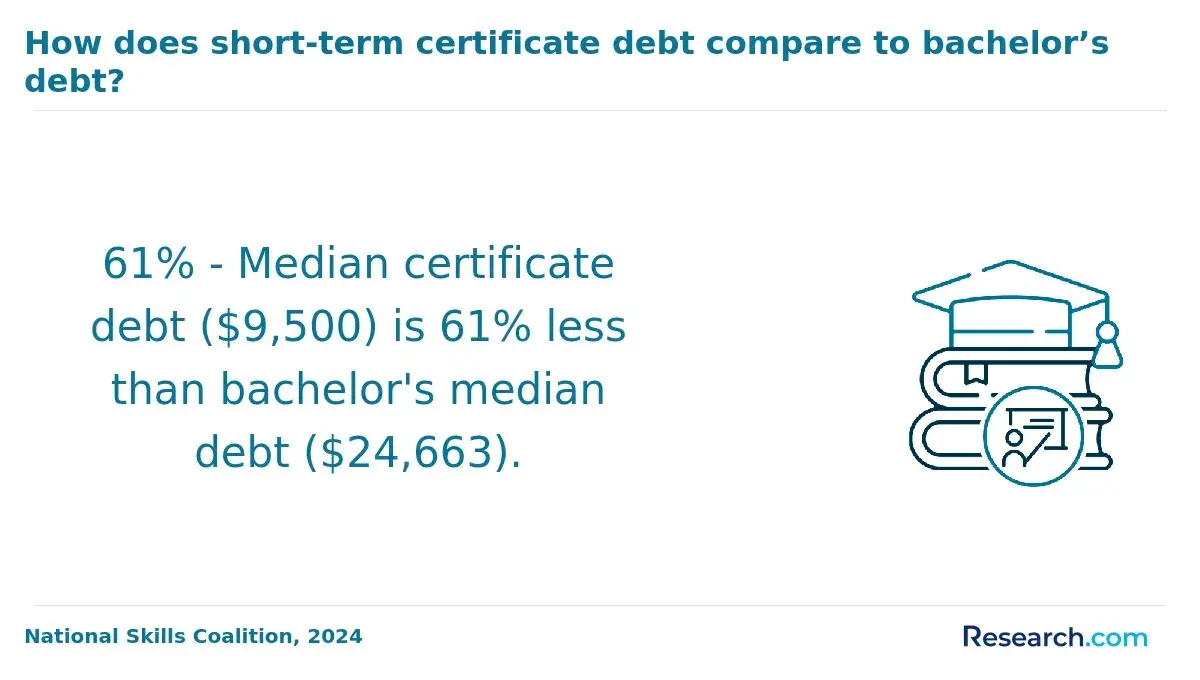
For affordability, ask the school for a written total-cost estimate before enrolling. Include tuition, fees, expected annual increases, transfer credit limits, employer reimbursement timing, and refund policies. A lower-cost program can be a smart choice if it is accredited, aligned with your career goals, and strong enough to support advancement; a higher-cost program may make sense if it offers exceptional employer recognition, specialized product-development coursework, or a network that directly supports your target industry.
What courses and specializations focus on product development leadership?
Product development leadership requires more than supervising engineers. It involves converting market and customer needs into feasible technical plans, coordinating design and manufacturing decisions, managing uncertainty, and launching products that meet quality, cost, safety, and schedule goals. The best online engineering management programs make these connections explicit through coursework and applied projects.
Look for courses that strengthen both technical decision-making and organizational leadership. The following curriculum areas are especially relevant if your goal is to lead product teams rather than move into general administration.
- Systems engineering, because product leaders need to understand requirements, interfaces, verification, validation, and lifecycle trade-offs.
- Product development and innovation management, because leaders must turn customer needs into roadmaps, prototypes, business cases, and launch plans.
- Engineering project and program management, because product development often involves multiple teams, vendors, milestones, and technical dependencies.
- Quality engineering and reliability, because product leaders are accountable for defects, safety, compliance, warranty risk, and customer trust.
- Engineering economics and financial decision-making, because managers must evaluate cost, margin, investment timing, and make-versus-buy decisions.
- Operations, supply chain, and manufacturing strategy, because design choices affect production yield, supplier risk, inventory, and scalability.
- Data analytics, AI, and decision modeling, because teams increasingly use predictive tools to evaluate performance, demand, risk, and process efficiency.
- Organizational behavior and technical leadership, because managing expert engineers requires communication, coaching, conflict resolution, and ethical judgment.
Specializations can matter when they match your product domain. A software product leader may benefit from analytics, cybersecurity, agile, and platform strategy. A hardware or manufacturing leader may need systems engineering, reliability, lean operations, and supply chain. A medical device or aerospace product leader should pay special attention to quality systems, risk management, documentation, and regulatory context.
The current trend to watch is AI-assisted product development. AI can speed up simulation, code generation, test planning, requirements analysis, and customer feedback synthesis, but it also raises governance questions. Strong programs should teach managers how to use AI responsibly, validate outputs, protect intellectual property, and keep humans accountable for safety-critical decisions.
What careers can you pursue with an online engineering management degree?
An online engineering management degree can support advancement into roles that sit between engineering execution and business leadership. It is most valuable when paired with technical experience because employers usually expect engineering managers to understand the work their teams perform, even if they no longer do the detailed design work every day.
The table below maps common career targets to typical responsibilities. Use it to determine whether you are aiming for people management, product ownership, program execution, or broader technical strategy.
| Career path | Typical responsibilities | How the degree helps | Common prior experience |
| Engineering manager | Leads engineering teams, sets priorities, manages performance, coordinates technical decisions | Builds skills in leadership, systems thinking, budgeting, and cross-functional communication | Design engineer, software engineer, manufacturing engineer, systems engineer |
| Product development manager | Oversees concept-to-launch work, coordinates design, testing, cost, quality, and manufacturing readiness | Connects product lifecycle methods with engineering economics and project execution | Product engineer, project engineer, R&D engineer, quality engineer |
| Technical product manager | Defines technical requirements, prioritizes roadmaps, works with customers and engineering teams | Strengthens business-technical translation and data-informed decision-making | Software engineer, systems analyst, solutions engineer, product analyst |
| Engineering program manager | Manages complex, multi-team initiatives with milestones, risks, budgets, and dependencies | Develops program planning, stakeholder management, risk analysis, and governance skills | Project manager, technical lead, operations engineer, systems engineer |
| R&D manager | Guides research, prototyping, technology evaluation, and product feasibility work | Combines innovation management with technical evaluation and portfolio thinking | Research engineer, senior engineer, lab lead, product scientist |
| Manufacturing engineering manager | Improves production processes, design-for-manufacturing, yield, equipment, and quality systems | Supports operations strategy, process improvement, cost control, and team leadership | Manufacturing engineer, process engineer, industrial engineer, quality engineer |
Career outcomes depend heavily on your starting point. A new graduate with little technical experience should not expect to jump directly into senior engineering management. A mid-career engineer who already leads projects, mentors junior staff, and works with customers may see a clearer path because the degree formalizes and expands leadership skills already being used at work.
To prepare for these roles, build evidence while enrolled. Volunteer for roadmap reviews, cost-reduction projects, failure investigations, agile ceremonies, design reviews, vendor evaluations, or launch readiness meetings. Employers often respond better to a portfolio of leadership results than to coursework alone.
What salary can product development leaders with engineering management degrees expect?
Salary expectations should be based on role, industry, region, responsibility level, and prior technical experience rather than the degree title alone. The most relevant national benchmark is architectural and engineering managers. According to the BLS May 2024 Occupational Employment and Wage Statistics, the median annual wage for this occupation was $167,740. That figure is not a promise for every graduate, but it shows that management roles overseeing engineering work often sit well above typical individual-contributor pay bands.
Product development leaders may earn more or less than that benchmark depending on the product domain. Compensation can be higher in industries involving software platforms, aerospace, semiconductors, medical technology, energy systems, defense, and other complex technical products. It can be lower for first-time managers, smaller employers, lower-cost regions, or roles with limited budget and people-management authority.
The table below shows how salary context usually changes by career stage. It is intended to help you evaluate fit and ROI, not predict a guaranteed outcome.
| Career stage | Typical role pattern | Salary interpretation | What improves earning potential |
| Early career | Project engineer, product engineer, associate technical product manager | The degree may help build management readiness, but experience often drives compensation more than credentials | Technical depth, measurable project results, communication skills, and product exposure |
| Mid-career | Engineering lead, product development manager, program manager | The degree may support promotion into formal leadership when paired with proven team or project ownership | Budget responsibility, launch experience, cross-functional leadership, and process improvement results |
| Senior leadership | Senior engineering manager, director of engineering, head of product development | Compensation becomes more tied to scope, business impact, industry, and executive responsibility | Portfolio leadership, strategic planning, hiring decisions, product-market results, and stakeholder influence |
When judging whether the degree is worth the investment, compare expected career movement with total cost. A student who already has a credible path to management may benefit more quickly than someone using the degree to make a major pivot without relevant engineering experience. Employer tuition assistance can also change the ROI calculation substantially.
What is the job outlook for engineering managers in product development fields?
The job outlook for engineering managers is tied to demand for complex products, infrastructure modernization, advanced manufacturing, software-enabled hardware, energy systems, automation, and data-driven operations. BLS projections published for the 2024 to 2034 period classify architectural and engineering manager employment growth as about as fast as the average for all occupations. For readers, the practical meaning is that opportunities exist, but competition can be strong because employers often prefer candidates with both technical credibility and leadership proof.
Product development fields are also changing because engineering teams increasingly work across distributed locations, global suppliers, AI-assisted design tools, cybersecurity requirements, and faster release cycles. Managers who can govern technical risk, communicate with nontechnical executives, and lead hybrid teams may be better positioned than professionals who only supervise task completion.
Several trends are especially important for students choosing an online engineering management program. These trends should influence the courses, projects, and electives you prioritize.
- AI and automation are reshaping product design, testing, documentation, and forecasting, increasing the need for managers who can evaluate tool reliability and ethical use.
- Digital twins, simulation, and model-based systems engineering are making systems thinking more valuable across aerospace, automotive, energy, and manufacturing products.
- Cybersecurity and data governance are becoming product leadership issues, especially for connected devices, software platforms, and industrial systems.
- Supply chain risk continues to affect launch timelines, material choices, vendor strategy, and design-for-resilience decisions.
- Hybrid and remote engineering teams require stronger documentation, communication norms, asynchronous collaboration, and performance management.
The outlook is strongest for professionals who combine a technical foundation with evidence of business impact. Courses alone are not enough. Try to graduate with examples of product cost savings, shortened development cycles, improved quality metrics, better requirements processes, stronger stakeholder alignment, or successful cross-functional launch support.
How can you evaluate and choose a reputable online engineering management program?
Start with fit, then verify quality. A reputable online engineering management program should be accredited, transparent about cost, clear about learning outcomes, and strong in the product-development skills you actually need. If affordability is your biggest constraint, comparing options for a cheap online engineering degree can help you understand how tuition, public university pricing, and online engineering formats vary before committing to a management-focused master's.
Use a structured evaluation process rather than choosing only by brand name or the first program that admits you. The steps below can help you reduce risk before enrollment.
- Verify institutional accreditation through a recognized accreditor and confirm the school is eligible for federal financial aid if you plan to use it.
- Check whether the curriculum includes product development, systems engineering, engineering economics, quality, analytics, project management, and technical leadership.
- Ask whether online students receive the same faculty access, career services, library resources, alumni network, and advising support as campus students.
- Request a total-cost estimate that includes tuition, fees, software, books, residency costs, and expected tuition increases.
- Review faculty backgrounds to see whether instructors have engineering management, product leadership, systems, manufacturing, software, or industry experience.
- Examine capstone or project requirements and look for opportunities to solve real product, operations, or engineering leadership problems.
- Ask admissions or program staff for recent career outcomes, employer partnerships, student demographics, and examples of roles held by graduates.
- Confirm whether transfer credits, certificates, employer tuition reimbursement, military benefits, or prior graduate coursework can reduce your cost or timeline.
Red flags deserve attention because online graduate education can vary significantly in quality. Be cautious if a program avoids cost transparency, makes unrealistic salary promises, lacks clear accreditation information, provides minimal faculty interaction, has generic business courses with little engineering content, or cannot explain how online students complete team projects and applied work.
A strong final question is: "Will this program help me lead the kind of products I want to build?" If the answer is unclear after reviewing the curriculum, faculty, projects, alumni outcomes, and cost, keep comparing. The right degree should make your next leadership step more credible, not just add another credential.
Other Things You Should Know About Engineering Management
Engineering management sits between both fields. It uses business tools such as budgeting, strategy, and organizational leadership, but it applies them to technical teams, product systems, engineering risk, quality, and operations decisions.
Not always. Many product development and technology management roles do not require a PE license. However, licensure may matter in civil, structural, public infrastructure, or regulated engineering services, so requirements depend on the industry and state rules.
Most online engineering management master’s programs require 30 to 36 credit hours. Many full-time students finish in 18 to 24 months, while part-time formats can take 2 to 3 years. Programs often include leadership, operations, product development, and systems management courses.
References
- Masters in Engineering Management Requirements: Everything You Need to Know https://authory.com/ErinCates/a/Masters-in-Engineering-Management-Requirements-Everything-You-Need-to-Know-a042e88d7bca1448f933a87eb4d386d43
- Everything You Need to Know about Master’s in Engineering Management Rankings https://engineeringmanagement.org/masters-in-engineering-management-rankings/
- 12 Best Product Management Courses for Career Growth in 2025 https://www.aakashg.com/best-product-management-courses/
- AI Product Development for Business Leaders | London Business School https://www.london.edu/lbs-online/lbs-online-masterclasses/ai-product-development-for-business-leaders
- Best Online Master’s Programs in Engineering Management https://www.onlinemastersdegrees.org/best-programs/engineering/engineering-management/