2027 Data Analytics Specializations for Product Analytics Careers

Co-Founder and Chief Data Scientist
Facing a surge of product complexity and data volume, professionals aiming for product analytics roles confront a pressing challenge: acquiring specialization without sacrificing career momentum. The Bureau of Labor Statistics projects a 25% growth in data-related jobs by 2030, yet rigid traditional programs and limited flexible options create barriers for mid-career transitions or skill upgrades. This dynamic forces learners to prioritize programs that align with industry demand while accommodating work schedules, often weighing online accessibility and modular curriculums against employer recognition and practical, hands-on experience. This article evaluates current specializations designed to optimize career outcomes in product analytics, addressing these critical tradeoffs and decision points.
Key Things You Should Know
- With 58% of product analytics roles requiring expertise in real-time event streaming, specialization narrows entry paths, forcing candidates to balance depth in platforms like Kafka against broader statistical toolsets, affecting initial employability.
- Employers prioritize candidates holding domain-specific certifications combined with two-plus years of cross-functional experience, signaling a shift from pure technical skill toward integrative product impact understanding in hiring decisions.
- Median certification preparation costs rose 22% in 2024 per the Bureau of Labor Statistics, disproportionately impacting mid-career professionals seeking rapid upskilling due to limited employer tuition support and compressed career transition windows.
What are the most in-demand data analytics specializations for product analytics careers?
Product analytics roles in North America demand a blend of niche technical and domain-specific skills rather than broad, generic expertise. Mastery of product metrics frameworks such as AARRR (Acquisition, Activation, Retention, Referral, Revenue) alongside SQL and Python remains essential. Employers prioritize candidates who deliver actionable insights through advanced experimentation design and causal inference, particularly in sectors like e-commerce where split-testing directly influences multi-billion dollar revenue decisions.
Specializing in behavioral analytics is among the top product analytics specializations in North America, enabling professionals to decode intricate user engagement patterns critical for SaaS and mobile app monetization strategies that vary markedly across platforms. Additionally, cloud analytics proficiency with tools like Snowflake and BigQuery supports real-time, scalable data operations-a frequent employer requirement.
Real-world impact hinges on cross-functional collaboration, as product analysts often act as liaisons between engineering, marketing, and UX teams. In manufacturing tech, for instance, interpreting IoT sensor data for product lifecycle optimization demands familiarity with time-series analytics. However, educational pathways featuring short courses may teach tool operation without sufficiently embedding strategic context, limiting advancement opportunities.
Prospective students should assess the tradeoffs between technical training and strategic understanding and consider aligning with specific verticals to stand out. Gaining hands-on experience in storytelling and dashboarding is critical to navigating this crowded marketplace of candidates with most sought-after data analytics skills for product management. For those contemplating further education, exploring masters in data science online programs can offer structured, in-depth development beyond surface-level tool familiarity.
How do product analytics roles differ from general data analytics jobs in tech?
Product analytics roles diverge significantly from general data analytics jobs by combining business-context fluency with detailed customer behavior analysis rather than focusing solely on broad quantitative skills. The key differences between product analytics and data analytics careers involve a targeted emphasis on user engagement, feature impact, and conversion metrics instead of generalized enterprise reporting. For example, a product analyst in a consumer app setting might analyze segmented user paths to determine why a specific feature reduces dropouts, directly influencing engineering priorities. In contrast, a general data analyst might provide aggregate revenue trends without linking those insights to the product roadmap.
Employers typically require at least three years of practical analytical experience or equivalent graduate coursework, highlighting the premium placed on actionable insights over theoretical knowledge, as seen in roles like Data Analytics Specialist 2 at Pennsylvania Commonwealth Careers. Product analysts must also collaborate across functions, working closely with product managers, UX researchers, and engineers- a contrast to the often siloed focus in general data analytics roles.
Prospective students should understand that educational programs oriented toward product analytics must integrate real-world, feature-level data challenges and cross-functional collaboration to prepare candidates effectively. Structured practical experience accelerates readiness for the workforce.
Those evaluating educational pathways might also consider specialized options such as blockchain degree programs that increasingly intersect with advanced data analytics methods.
What degree or training pathways prepare you for a product analytics career?
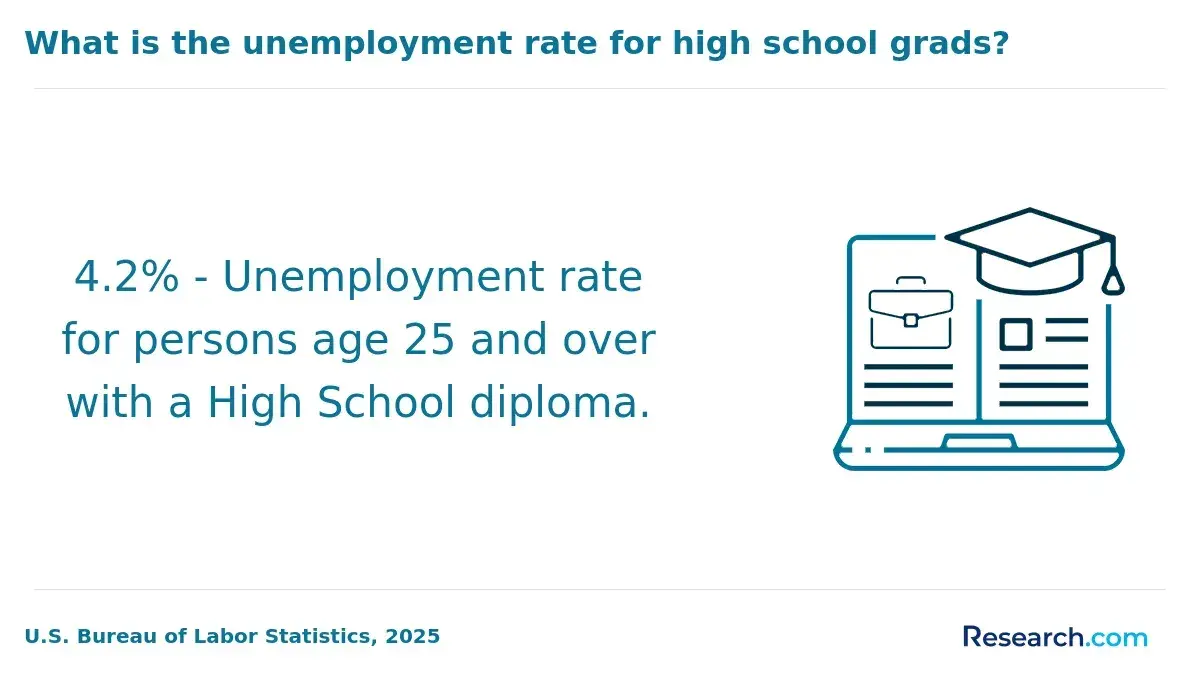
Product analytics roles typically require foundational expertise in quantitative methods, computer programming, and business context, which bachelor's degrees in statistics, computer science, economics, or business administration provide. However, standard academic programs rarely cover the full spectrum of skills needed for effective product analytics, making targeted training pathways for product analytics careers increasingly essential. Candidates must demonstrate proficiency in SQL, Python or R, and visualization tools like Tableau or Power BI, along with applied experience interpreting real product data-skills that are often honed through bootcamps, certificates, or master's degrees focused on data analytics or data science.
For example, evaluating how a website layout change causally affects conversion rates in e-commerce demands both statistical rigor and deep product understanding; this integration rarely emerges from theory alone. The job market reflects this complexity: marketing analyst openings make up about 30%-35% of product analytics-related positions, creating an advantage for professionals who combine marketing fundamentals with technical capabilities, especially in sectors where product and marketing data intersect.
Prospective students and working professionals should carefully consider time and financial costs-master's programs can take 1-2 years and cost tens of thousands of dollars, while bootcamps may offer faster but less academically comprehensive routes. Opting for programs with hands-on projects and documented job placement increases outcome reliability. Those interested in exploring interdisciplinary options may also review jobs for environmental science majors, which intersect with analytics in sustainability-related product areas.
What core courses and skills are taught in product-focused data analytics programs?
Product-focused data analytics programs hinge on mastering both technical and strategic skills vital for high-impact roles in fast-moving technology firms. Beyond foundational coursework in SQL, Python or R, and dashboard tools like Tableau or Power BI, students encounter core courses in product-focused data analytics programs that emphasize product metric design-defining, tracking, and interpreting user engagement, retention, and conversion rates in a business context.
Handling large data sets efficiently is critical, so these programs train graduates in SQL-intensive querying environments aligned with employer expectations for scalable and rapid data extraction. Essential skills for product analytics careers also include cohort and funnel analysis, which inform practical decision-making for subscription-based or SaaS models by pinpointing user behavior patterns and drop-off points.
Soft skills receive targeted attention to address a recognized gap in the field: the ability to communicate complex results clearly and translate findings into actionable recommendations for cross-functional teams. Ethical considerations involving user privacy and bias mitigation are integrated, reflecting mandated industry standards.
Employers increasingly seek analysts who do more than generate reports-they identify levers for growth throughout the product lifecycle. According to DataCamp, the average base salary for a BI analyst in the US is $116,000 in 2026, underscoring the demand for well-rounded competence. Prospective students should weigh the balance of technical rigor and strategic insight within program curricula carefully. For those exploring related education options, online exercise science programs offer a distinct path in workforce-health analytics and performance data management; details are available at online exercise science programs.
How do online and campus-based data analytics programs compare for product analytics?
Proficiency in engineering-focused tools such as SQL, Python, Hadoop, and Spark often determines employability in product analytics roles, a reality that shapes the distinct advantages of campus-based versus online data analytics programs. Campus environments provide structured, hands-on labs with immediate instructor support, enabling students to engage directly with complex datasets and scalable processing frameworks-an advantage especially apparent for professionals pivoting within sectors like fintech, where Spark batch processing on high-volume transactions is a routine demand.
Online programs prioritize flexibility but frequently lack the immersive collaborative and troubleshooting dynamics essential for mastering these sophisticated toolsets. Learners must compensate with personal initiative to secure external projects or hackathons, often facing delays in skill mastery due to limited access to scalable environments and real-time mentoring.
Employers prioritize demonstrable technical competency and experiential learning over general data literacy, pressuring candidates to seek immersive, engineering-heavy training. Campus offerings also embed vital industry networking through on-site internships or capstone projects, facilitating smoother transitions into competitive product analytics positions.
Tradeoffs are significant: campus programs demand higher financial and time investments with less scheduling flexibility, which may be prohibitive for working adults. In contrast, online learners benefit from employment continuity but must surmount the challenges of self-directed learning on demanding engineering content. This dichotomy underscores that while online routes cover theoretical essentials, campus-based paths accelerate operational readiness and workforce integration.
- Campus programs provide built-in access to robust engineering tools and industry engagement.
- Online programs offer schedule flexibility but require proactive effort for equivalent hands-on experience.
- Employer demand centers on applied skills demonstrable through immersive project work.
- Financial costs and time commitments differ markedly, influencing pathway suitability for individual circumstances.
What admission requirements and prerequisites do data analytics programs typically have?
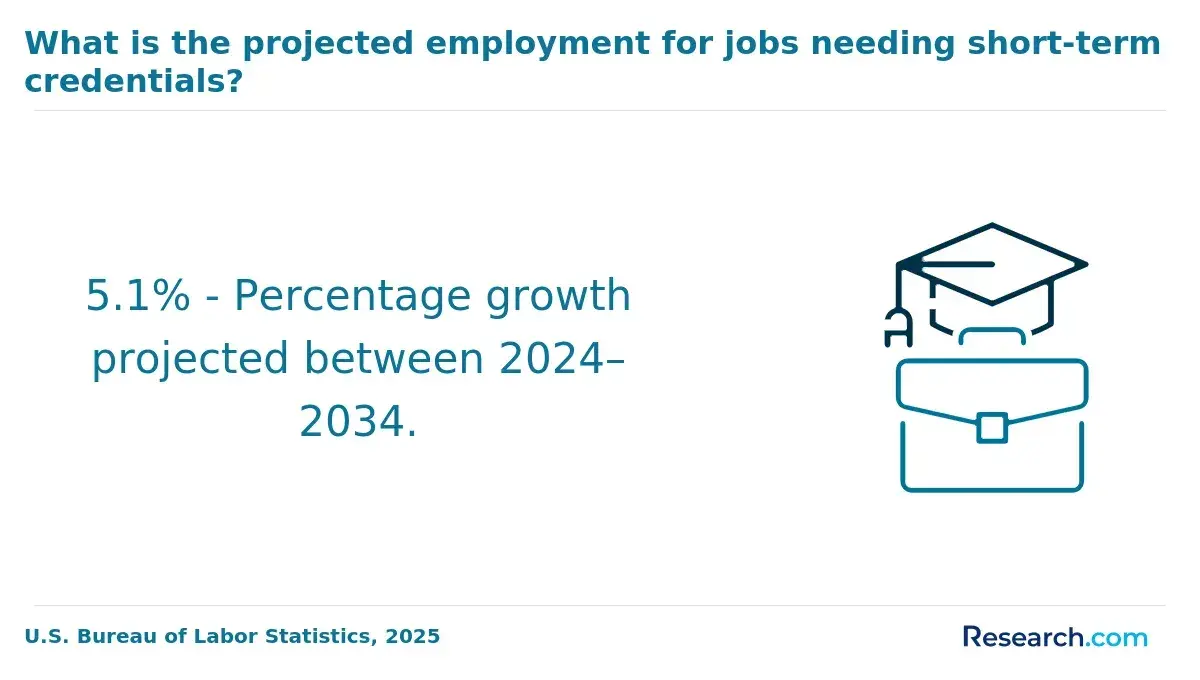
Proficiency in quantitative reasoning and core statistics is the primary barrier for many candidates pursuing data analytics paths, often validated through prior coursework in calculus, linear algebra, or probability. Employers prioritize skills in experimental design-hypothesis formulation and sample-size estimation-as integral to product analytics tasks like A/B testing, with industry reviews by NextSprints confirming this focus.
Applicants without formal statistics backgrounds typically face a preparatory burden of 6 to 12 months, delaying entry into the workforce and increasing opportunity costs. Minimum GPA thresholds (commonly 3.0/4.0) and a related undergraduate degree or demonstrable professional analytic experience are standard. Optional GRE submissions may enhance chances in selective programs admitting fewer than 30% of applicants.
Programming capability in Python or R is increasingly a baseline for product analytics roles requiring advanced coding fluency. Candidates transitioning from non-technical fields encounter unique hurdles that can necessitate bridging courses targeting statistics, databases, and experimental design to grasp concepts like impact measurement used in data-driven product decisions.
Some admissions weigh practical experience heavily, requiring project portfolios that evidence controlled experimentation and applied data analysis competency. This practical emphasis addresses market demand for methodological rigor in product analytics roles expected to dominate evolving data-driven industries through 2026.
How long do data analytics programs take, and what do they cost for students?
Choosing a data analytics program involves balancing duration, cost, and real-world applicability, particularly when targeting product analytics roles that require linking metrics directly to business outcomes. Shorter programs-typically under six months-tend to emphasize tool proficiency and basic statistics but lack robust frameworks essential for interpreting product impact beyond vanity metrics.
Employers consistently favor candidates with prolonged exposure to real-world project environments, often provided by longer programs or those featuring capstone projects. For instance, graduates from a 12-month curriculum emphasizing strategic metric alignment frequently command stronger entry-level positions compared to bootcamp completers skilled mainly in technical tools.
Working professionals face important tradeoffs: intensive bootcamps offer speed but may fall short on preparing for higher-responsibility roles, while public institutions offer comprehensive credentials at lower cost over multiple years, demanding greater time investment. Private providers fill the middle ground with faster pacing and higher tuition but varied returns in job placement.
The key evaluative metrics include:
- Program length relative to skill depth and employer expectations
- Cost considerations balancing tuition investment and potential salary uplift
- Curriculum focus on metrics frameworks that connect analytics to product outcomes
Ultimately, a strategic choice depends on whether speed or comprehensive, applied learning aligns better with one's career goals and current work commitments.
What entry-level and advanced job titles can product analytics specialists pursue?
Early-career roles in data analytics, such as Product Analyst and Junior Data Analyst, often revolve around foundational tasks like data cleaning, dashboard creation, and basic metric tracking. These positions typically require proficiency in SQL and Excel, but employers increasingly prioritize candidates who translate raw data into actionable insights through effective storytelling. For instance, a junior analyst in an e-commerce startup must convey findings clearly to non-technical stakeholders, balancing technical execution with communication-a skill NextSprints identifies as pivotal to differentiating candidates beyond basic data retrieval.
Progressing to senior roles-Senior Product Analyst, Product Analytics Manager, Product Data Scientist-entails mastering predictive modeling, A/B testing, and cross-functional leadership that shapes product strategy. A Senior Product Analyst at a SaaS firm exemplifies this by driving decisions through statistical rigor while tailoring communication for executives and engineers. Hence, advanced positions demand fluency in multiple programming languages (Python, R) and analytics platforms, coupled with strategic business acumen.
The transition from entry to advanced levels requires developing complex data manipulation capabilities and narrative visualization skills to prevent misinterpretation of insights. Employment data from 2024 confirms that candidates blending technical depth with storytelling receive approximately 30% more interview callbacks, highlighting how this hybrid skill set impacts market competitiveness and workplace effectiveness.
What salary ranges and compensation trends exist for product analytics careers?
Salary outcomes for product analytics roles vary widely, from about $85,000 in entry positions at midsize tech firms to $160,000 or more for senior analysts and managers in leading U.S. markets. These figures hinge not just on seniority and location, but also on employer expectations around technical and statistical capabilities. For example, firms in software-as-a-service (SaaS) industries prioritize analysts skilled in valid hypothesis testing and causal inference to optimize feature rollouts and influence recurring revenue streams directly.
Job seekers should weigh educational investments against market saturation risks, as generalist data analysts face compressed salaries compared to those specializing in product instrumentation or A/B testing frameworks. Government and nonprofit roles commonly offer lower salaries ($70,000 to $110,000) but provide tradeoffs in stability. Continuous skill refinement-especially in communicating statistical nuances and avoiding sampling bias-remains essential to access higher compensation tiers and upward mobility.
Data from the Bureau of Labor Statistics confirms about 12% growth in product analytics roles, signaling expanding opportunities. However, candidates lacking statistical depth often get confined to routine reporting tasks with limited wage growth. Employers like NextSprints value competencies including understanding correlation versus causation and statistical significance for mitigating costly strategic errors.
How can you evaluate accredited, reputable data analytics programs for product analytics?
Employers in product analytics demand candidates with domain-specific capabilities that go beyond generic data skills. Programs lacking hands-on experience with SQL, A/B testing frameworks, and product lifecycle metrics rarely prepare graduates for immediate impact. For example, a business analyst pivoting to product analytics must master not only quantitative tools but also the cross-functional communication required to influence product teams.
The distinction between general data roles and product analytics is critical. Candidates should prioritize programs that demonstrate strong placement rates specifically into product analytics roles and feature instructors with direct industry experience in product-focused metrics such as funnel analysis and user segmentation.
Key evaluation criteria include:
- Verification of graduate employment in product analytics positions at established firms
- Curricula offering practical projects involving real product data scenarios
- Partnerships or internship pipelines with tech companies to increase job-market readiness
The financial tradeoffs also merit attention: tuition costs should be weighed in relation to potential starting salaries and progression pathways, as top positions in product analytics, such as Head of Analytics, often command salaries between $180,000 and $260,000 annually.
Prospective learners must scrutinize programs for current content on emerging tools and agile workflows; outdated curricula risk hindering fast pivots or advancement. Program transparency regarding alumni alignment with employer expectations and direct applicability of learned skills is essential for realistic planning.
Other Things You Should Know About Data Analytics
Employers prioritize candidates who demonstrate practical skills through real-world projects over those with purely theoretical knowledge. Programs that integrate substantial hands-on assignments, case studies, or internships provide better preparation for product analytics roles, which demand immediate applicability. Prospective students should prioritize programs with strong experiential components and opportunities to work with industry data rather than curricula that focus primarily on abstract concepts or generic statistics.
Specializing in product analytics narrows the scope to specific tools and business contexts, often at the expense of broader data science or machine learning proficiency. This focus improves employability for product-centered roles but may limit flexibility if career interests shift later. Individuals uncertain about their long-term niche should consider programs that balance specialization with foundational analytics techniques to maintain broader versatility.
A specialization in A/B testing and experimentation is the strongest fit for experimentation-heavy product teams. It usually covers hypothesis design, statistical significance, sample-size planning, and experiment readouts. Employers often expect familiarity with tools such as SQL, Python, and experimentation platforms used to measure feature impact.
References
- Data Analysis Courses | Online Courses for All Levels | DataCamp https://www.datacamp.com/category/data-analysis
- Bachelor’s in Data Analytics Degree Requirements | University of Bridgeport https://www.bridgeport.edu/news/bachelors-data-analytics-degree-requirements/
- IT Salary Trends CIOs Need to Know in 2026 - Auxis https://www.auxis.com/it-salary-trends/
- Data Analytics Online Course For Busy People | Turing College https://www.turingcollege.com/data-analytics
- Salary Benchmarking: Market Trend Analysis With Jobs Data https://coresignal.com/blog/salary-benchmarking/
- Data Analysis & Analyst Jobs in Poland | Hays Technology https://www.hays.pl/en/it/oferty-pracy-data-analyst
- How to Become a Data Analyst: 10-Step Career Roadmap | Walbrook https://www.walbrook.ac.uk/subjects/data-science/how-to-become-a-data-analyst/
- How Can Data Analytics Improve Product Development? - EMLV Business School Paris https://www.emlv.fr/en/how-can-data-analytics-improve-product-development/
- Data Analytics: How Long Does it Take to Learn? https://blog.nobledesktop.com/learn/data-analytics/how-long-does-it-take-to-learn-data-analytics
- Data Analyst Training & Education - 2024 Career Guide https://generalassemb.ly/blog/data-analyst-training-education-guide/