2027 University of West Florida Online Admission Requirements

Co-Founder and Chief Data Scientist
Navigating the admission process for online degree programs can be daunting, especially when institutional requirements vary significantly in credential evaluations and competitive benchmarks. For prospective students considering the University of West Florida, understanding these nuances is essential to avoid missteps that could delay enrollment or reduce chances of acceptance. Recent data shows that 48% of applicants to online programs nationally face challenges meeting varying admission standards, highlighting the importance of clear guidance on institutional policies and selectivity.
The University of West Florida's online admissions involve specific academic records review, prerequisite evaluations, and administrative steps that shape applicant outcomes. This article will break down these admission criteria, clarify competitiveness factors, and offer a practical roadmap for meeting key milestones to optimize approval chances.
Key Points About the University of West Florida Online Admission Requirements
- The University of West Florida's online admission acceptance rate is 57%, indicating moderate selectivity. Applicants must submit high school or GED completion proof, secondary school GPA, admission test scores, and TOEFL results if English is not a first language.
- Admissions weigh factors like secondary school rank, college-preparatory coursework, formal competency demonstrations, and additional standardized tests. These criteria balance academic rigor with accessible entry points.
- The process recognizes prior learning through AP credits and life experience, offering preference to Florida public junior college associate degree holders, aligning admission decisions with practical academic and workforce readiness.
How competitive is the online admission process at University of West Florida?
The online admission process at the University of West Florida reflects moderate competitiveness with a 57% acceptance rate. Out of 9,831 applicants, 5,591 were admitted, indicating meaningful but balanced selectivity. This rate suggests that applicants face realistic chances but cannot rely on open enrollment policies typical at less selective institutions.
Admission competitiveness can vary depending on the program's demand and capacity. For example, high-demand programs in nursing or business may have more stringent criteria compared to less impacted majors. This dynamic creates uneven competitive pressure within the university rather than a flat admission barrier for all online applicants.
Compared to peer institutions, the University of West Florida's admission standards place it in a mid-tier category. A national 2024 enrollment trends study shows a 10% increase in applications at many schools, tightening acceptance rates universally. UWF's steady 57% signals a consistent balance between accessibility and selectivity amid these trends.
Applicants improve their chances by highlighting relevant academic achievements and practical experience. Programs seek students who demonstrate the discipline and readiness to thrive in a self-directed online learning environment, where dropout risk is a practical concern for admissions committees.
One online graduate recalled, "I hesitated to apply at first because the acceptance rate seemed competitive, especially with so many applicants. The process required careful preparation of transcripts and work experience documentation. When I was admitted, I felt the effort matched by fair scrutiny. It felt less about numbers and more about fitting the program's focus and demands."
How does the admission process differ for online programs at University of West Florida?
The admission process for online programs at the University of West Florida requires more nuanced academic and competency assessments compared to on-campus programs. While both paths demand a high school diploma or GED and consider secondary GPAs, online applicants face additional scrutiny through standardized tests like Wonderlic or WISC-III to verify readiness without in-person interaction.
For example, an applicant without a computer at home benefits from UWF's leasing plans but must still prove academic competence through these assessments. This flexibility eases barriers that traditional applicants do not encounter. The reliance on residency documentation and competency metrics compensates for limited face-to-face evaluation typical of on-campus admission workflows.
National trends show remote application platforms have increased online admission competitiveness by 15%, reflecting higher demand and thorough vetting. UWF's system aligns with this, as online workflows prioritize digital document verification and transfer credit evaluations to maintain academic rigor comparable to campus standards.
On-campus admissions at the University of West Florida place greater emphasis on physical interviews and portfolio submissions, which are less strict or recommended rather than mandatory for online students. This divergence in evaluation methods highlights how remote processing prioritizes documentation and standardized metrics to manage applicant pools efficiently and equitably.
What are the general requirements for admission to University of West Florida?
Admission to the University of West Florida's online programs requires a blend of academic records and supplemental materials that reflect holistic applicant evaluation. This supports practical readiness for online study and aligns with growing employer expectations for documented competencies. A prospective student with an associate degree seeking to transfer illustrates the benefit of targeted credit recognition, reducing time and financial investment.
Below is an overview of key University of West Florida admission elements to consider when planning an application.
- Secondary Education Requirements: Applicants must hold a high school diploma or GED credential along with submission of secondary school records and GPA, which are necessary to demonstrate foundational academic preparation.
- Admission Testing: Score submissions from standardized tests and the TOEFL exam for non-native English speakers form part of the competitive assessment and help verify language proficiency.
- Transfer Credit Recognition: The university offers preferential admission consideration to students with associate degrees from Florida public junior colleges, facilitating smoother credit articulation and accelerated degree paths.
- Optional Supporting Documents: Letters of recommendation and supplementary tests like the Wonderlic or WISC-III are encouraged to bolster the application, reflecting cognitive and personal competencies beyond grades.
- Technology Access: While not mandatory, a computer is essential for online learning; the university provides purchase or lease plans recognizing the role of digital access in academic success.
- Credit for Experience: Life experience and advanced placement credits may be accepted to accelerate completion and better serve non-traditional students balancing education with work commitments.
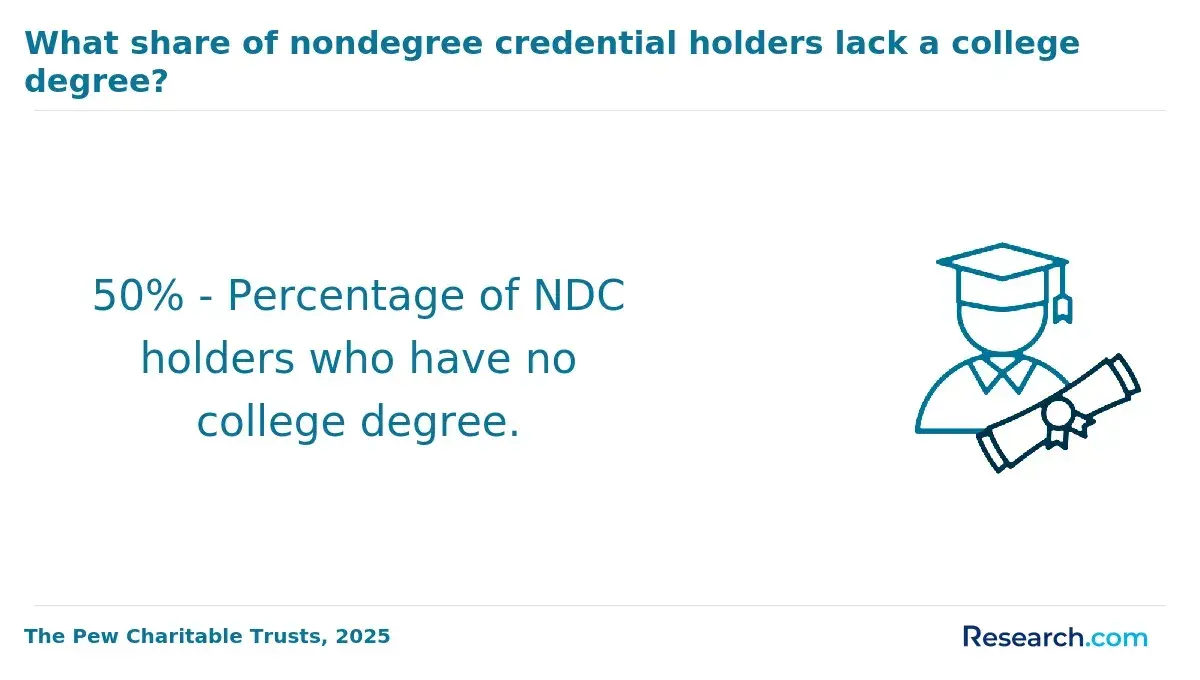
University of West Florida admission requirements for online programs are designed to meet both academic and practical realities, underscoring the value of comprehensive documentation. Meeting general admission criteria also involves adapting to national trends showing that about 65% of public universities now emphasize prior college credit and documented competencies.
Applicants who understand such dynamics position themselves advantageously. The application itself benefits from demonstrating not only academic achievement but also preparedness for the rigor and technology demands of online study.
For those evaluating degree choices under these criteria, considering best majors for the future can add strategic value to their educational planning.
What are the minimum GPA thresholds for University of West Florida online programs?
The University of West Florida enforces a minimum GPA requirement for admission into its online programs, though the exact threshold is not publicly disclosed. This baseline reflects a trend where universities set GPA cutoffs, often between 2.5 and 3.0, to maintain academic quality and prepare students for workforce demands. Such standards influence applicant competitiveness and align with employer expectations.
There is no distinction between University of West Florida online program GPA requirements and those for on-campus admission, signaling consistent academic standards across delivery modes. However, specialized or highly competitive online programs may demand higher GPA performance or additional qualifications. Prospective students should verify specific programs, especially when targeting fields featured among the top 10 highest paying degrees.
Applicants with GPAs below the conventional thresholds may still access conditional admission pathways or credit for life experience, allowing for flexibility in evaluating potential beyond traditional academic metrics. These alternatives cater to non-traditional students, recognizing diverse backgrounds that could succeed with proper support.
Nationally, as more universities adopt GPA minimums between 2.5 and 3.0, this trend reflects the balance institutions strike between broadening access and ensuring student success. University of West Florida's use of these standards should be understood in the context of overall enrollment quality management and long-term career viability.
Can prior work experience be converted into college credit at University of West Florida?
The University of West Florida evaluates prior work experience through a structured experiential credit evaluation process, aligning with national frameworks like the American Council on Education (ACE). This approach supports the acceptance of transfer credits but maintains moderate selectivity and credit caps, ensuring alignment between external credits and program rigor.
Students seeking University of West Florida credit for professional experience must submit detailed documentation and often complete recognized examinations such as CLEP or DSST. These steps translate workplace skills and military training into academic credit while meeting institutional standards for transferability.
A real-world example involves a nursing professional leveraging corporate training and military service credits to reduce total degree time, balancing PLA with required traditional coursework. This strategic combination optimizes employability without sacrificing critical technical knowledge. Increasing adoption of prior learning assessments across U.S. institutions has led to a 15% rise in adult learner enrollments, highlighting the demand for such credit translation options.
Credit allocation varies depending on the technical demands of each program, so how to transfer work experience to college credit at the University of West Florida depends on alignment with curricular outcomes. Adult learners should weigh transfer opportunities carefully to ensure credits reflect relevant competencies and consult resources like the cheapest accredited online college listings for cost-effective pathways.
Does University of West Florida require standardized test scores?
The University of West Florida typically expects SAT verbal scores between 520 and 630 and math scores between 500 and 600, or ACT composite scores from 20 to 27. These benchmarks guide placement and scholarship eligibility but are not absolute barriers to admission.
The institution employs a flexible, test-optional policy aligning with a national shift where about 55% of U.S. colleges have moved away from mandatory standardized tests. For online applicants, this allows submission of test scores when advantageous, but admission decisions rely heavily on a holistic review of academic records and experiential factors.
Applicants who submit scores within or above UWF's ranges may increase their chances for merit-based funding and precise course placement. Those without scores must emphasize GPA and qualitative credentials, which may intensify competition due to the reduced emphasis on testing as a differentiator.
This policy reflects a balance between traditional metrics and a broader applicant evaluation, recognizing standardized tests' limits in predicting workforce success. Practical admission strategy requires analyzing personal profile strength relative to these scoring parameters for optimal decision-making.
Are there special requirements for international online applicants at University of West Florida?
International online applicants to the University of West Florida face distinct documentation demands that go beyond typical admissions requirements. Concrete proof of English proficiency and validated academic records are critical to ensure that students can fully engage with coursework and meet U.S. education standards.
Consider a student applying from a non-English-speaking country who must secure timely credential evaluations and test scores to avoid administrative delays.
The following are essential documents international students must prepare carefully:
- English Proficiency Test Scores: Applicants must submit standardized test results such as TOEFL or IELTS. These scores verify the student's ability to comprehend and communicate in English effectively, a prerequisite for academic success in English-taught programs.
- Official Transcripts and Credential Evaluations: Transcripts from previous institutions outside the United States must be evaluated by approved services like NACES or WES. These evaluations translate foreign credentials into U.S. equivalencies, preserving admission integrity and comparability.
- Visa and Compliance Documentation: Even for online programs, international students go through visa eligibility checks and federal compliance reviews. This process influences admission timelines and necessitates exact paperwork preparation.
International student enrollment has grown about 15% in recent years in U.S. remote programs, illustrating the expanding reach of online education and the increasing importance of credential evaluation workflows. Applicants targeting the University of West Florida for online study should also explore opportunities like online self-paced college courses, which represent flexible, adaptive pathways aligned with evolving global education demands.
Understanding these special admission requirements for international online applicants at the University of West Florida is fundamental for navigating the application process and aligning expectations with practical realities.
Are there program-specific admission requirements at University of West Florida?
Admission to various programs at the University of West Florida requires more than meeting general university standards. These program-specific admission requirements reflect employer expectations and practical readiness in each field. For instance, nursing and education candidates must complete prerequisite courses like human anatomy or introductory teaching with a GPA threshold around 3.0.
Engineering applicants face a separate process demanding unofficial transcripts and a statement showcasing problem-solving abilities. Such requirements emphasize the importance of discipline-specific skills beyond standard academic credentials.
Below are prominent specialized criteria applicants should expect when applying to distinct programs at the University of West Florida:
- Prerequisite Coursework and GPA: Nursing and education programs require completion of foundational courses with minimum GPAs, ensuring students possess essential knowledge to handle advanced professional training and meet licensing standards.
- Portfolio Review or Audition: Creative disciplines such as graphic design and theater assess applicants through portfolios or auditions to evaluate practical skills and artistic potential, which transcripts alone cannot measure.
- Separate Application Process: Engineering applicants must submit unofficial transcripts and personal statements, highlighting problem-solving skills relevant to technical employers and emphasizing readiness for complex challenges.
- Competitive GPA Threshold: Business graduate programs at University of West Florida expect a minimum GPA of 3.2 and a leadership-focused writing sample to demonstrate critical thinking aligned with the sector's demands.
- Writing Sample or Statement: Many programs require a writing component that sheds light on applicants' communication skills, ethical reasoning, or leadership capabilities, key traits employers seek.
- Portfolio or Experience Documentation: Some programs encourage pre-application experiences or portfolios to provide qualitative evidence of skills, directly influencing admission chances and workplace preparedness.
A recent study on U.S. enrollment shows disciplines with structured admissions, often tied to licensure, have a 15% higher application-to-admittance ratio, illustrating how program-specific criteria increase competitiveness and selectivity nationally. Applicants to the University of West Florida must incorporate these criteria thoughtfully into their application approach to improve outcomes and align with employer expectations in their chosen fields.
Prospective students evaluating their options should also review colleges for military spouses as part of exploring specialized admission requirements for University of West Florida degrees, recognizing these nuanced filters can significantly influence acceptance rates and career pathways.
When are the application deadlines for University of West Florida online programs?
The University of West Florida uses a fixed-semester admission calendar for its online programs, with clear priority application deadlines about six to eight weeks before Fall, Spring, and Summer terms start. Missing these deadlines can limit course availability or push enrollment to a future term.
Deadline policies do not differ significantly between online and on-campus programs, reflecting a uniform admissions structure across the institution. Applicants should therefore treat online program deadlines with equal urgency, as no distinct extensions or exceptions are generally offered for specific programs.
Meeting deadlines at the University of West Florida affects more than just entry timing. Late or incomplete applications often result in delayed admissions decisions and reduced eligibility for financial aid, a common practice designed to prioritize fully submitted applications within the designated windows.
A 2024 study found that 45% of US universities moved registration deadlines earlier to promote administrative efficiency and improve student outcomes. This highlights the increasing importance of timely submission, as delayed applications can constrain planning, reduce financial support, and undermine academic momentum at the University of West Florida.
How can you increase the chances of getting into University of West Florida online programs?
Increasing admission chances at University of West Florida online programs requires a strategic blending of academic credentials and practical experience to present a well-rounded profile. For example, a candidate with prior work experience in IT who also holds CLEP credits in relevant subjects should highlight both to demonstrate established knowledge and reduce perceived risk.
Admission officers respond positively to clear documentation of transferable credits and contextual knowledge that complement traditional academic achievements.
Below are essential strategies for optimizing your application.
- Maximize Transfer Credits: Compile and clearly document all eligible credits from CLEP, DSST/Dantes, and other standardized exams accepted by the university to reduce the course load and show prior competency.
- Craft Detailed Academic Narratives: Use personal statements and resumes to explain non-traditional education paths, emphasizing relevant skills that fill gaps in formal transcripts for a more compelling story.
- Address Academic Inconsistencies: Proactively explain any past academic weaknesses or gaps with honest, contextual statements that mitigate concerns about admission risks.
- Apply Early: Submitting applications ahead of deadlines can increase visibility and signal commitment, which matters in a moderately competitive context with a 57% acceptance rate.
- Highlight Professional Experience: Optimize resumes to emphasize transferable work skills and accomplishments especially valuable for adult learners integrating education with career goals.
- Leverage Standardized Exam Scores: Incorporate recognized credit recommendations to strengthen the application beyond grades, showcasing mastery of relevant knowledge areas.
- Integrate Academic and Professional Profiles: Combine exam credits with narratives of relevant experience for an adaptive profile that studies show can enhance admission odds by up to 20% compared to grade-only approaches.
An online graduate from the University of West Florida shared that assembling a comprehensive application portfolio was crucial. They gathered all prior CLEP and DSST exam results, outlined their varied work experience in project management, and submitted a thorough personal statement explaining a five-year career break.
The applicant recalled feeling uncertain about how to present non-traditional academic history but noted that emphasizing transferable skills and early submission seemed to boost their visibility with admissions. Looking back, they described this process as a mix of relief and confidence, realizing that combining credentials with contextual explanation made the difference in their acceptance.
What Graduates Say About Getting Admitted Into an Online Program at University of West Florida
- Elijah: "My decision to enroll in the online program at University of West Florida was strongly influenced by the detailed transcript evaluation process they employ. It was rigorous, ensuring I had the necessary prerequisites before committing, which gave me confidence that my preparation aligned with the program's demands. Completing the degree remotely allowed me to coordinate my studies alongside work without needing campus visits, and after graduating, I found that the credibility of the degree helped me secure a role with a clear salary increase; though the entry barriers were high, the trade-off in flexibility and career impact was well worth it."
- Rhett: "Applying to the online program at University of West Florida was more complex than I initially expected, especially navigating the detailed documentation and prerequisite verifications. However, not having to physically visit campus to submit everything was a significant relief given my full-time job and family commitments. While I sometimes questioned if the upfront administrative hurdles justified the delayed start in my career advancement, the program's flexibility ultimately allowed me to transition into my current role smoothly, validating the effort in hindsight."
- Marcus: "The digital application process at University of West Florida stood out because it demanded thorough documentation and a selective admissions benchmark, which made me cautious about applying. However, the efficiency of handling everything online without campus visits simplified logistics considerably. After completing the program, I assessed my career progression and realized that though the admissions process was selective, it effectively filtered candidates and ultimately enhanced the program's reputation in the workforce, which positively influenced my job prospects and earning potential."
Other Things You Should Know About University of West Florida Degrees
For 2027, University of West Florida requires prospective online students to submit an application through their portal, provide official transcripts, and meet specific GPA criteria based on their program of interest. Some programs may require additional materials like recommendation letters or a resume.
University of West Florida is regionally accredited, which supports general employer acceptance. However, the perception of online credentials can vary by industry and employer type. Fields with hands-on skill requirements or established internship pathways may not view fully online degrees as equivalent. Prospective students should research employer attitudes in their target job markets and consider programs that integrate practical experience or recognized certifications to enhance credibility.
The choice between synchronous and asynchronous formats affects both flexibility and interaction. Synchronous classes offer real-time engagement, which can help maintain discipline and networking but require strict scheduling that may conflict with work or time zones. Asynchronous formats provide maximum flexibility but demand greater self-motivation and can limit peer and instructor interaction. Choose synchronous if you benefit from live structure and can commit scheduled time; select asynchronous if your schedule is unpredictable but be prepared for more independent study.
While University of West Florida offers online tutoring and advising, these services often rely on students recognizing their challenges early and seeking help themselves. The lack of face-to-face contact means struggling students must proactively access resources, or risk falling behind. Students with weaker study skills or less experience in self-directed learning should factor support availability into their decision and establish strong personal routines or external accountability mechanisms.
References
- University of West Florida SAT, ACT & GPA Requirements for Admissions https://testbook.com/en-us/college/university-of-west-florida-admissions
- University of West Florida Requirements for Admission https://www.prepscholar.com/sat/s/colleges/University-of-West-Florida-admission-requirements
- Apply to The University of West Florida https://www.commonapp.org/explore/university-west-florida/
- University of West Florida [Acceptance Rate + Statistics] https://edurank.org/uni/the-university-of-west-florida/
- Credit for Work Experience - University of St. Francis https://stfrancis.edu/credit-for-work-experience/
- University of West Florida https://courses.flvc.org/College/West-Florida