2027 Purdue Global Online Dual Degree - BSN to MSN/MBA: Cost, Curriculum, Admissions, and Career Outcomes

Co-Founder and Chief Data Scientist
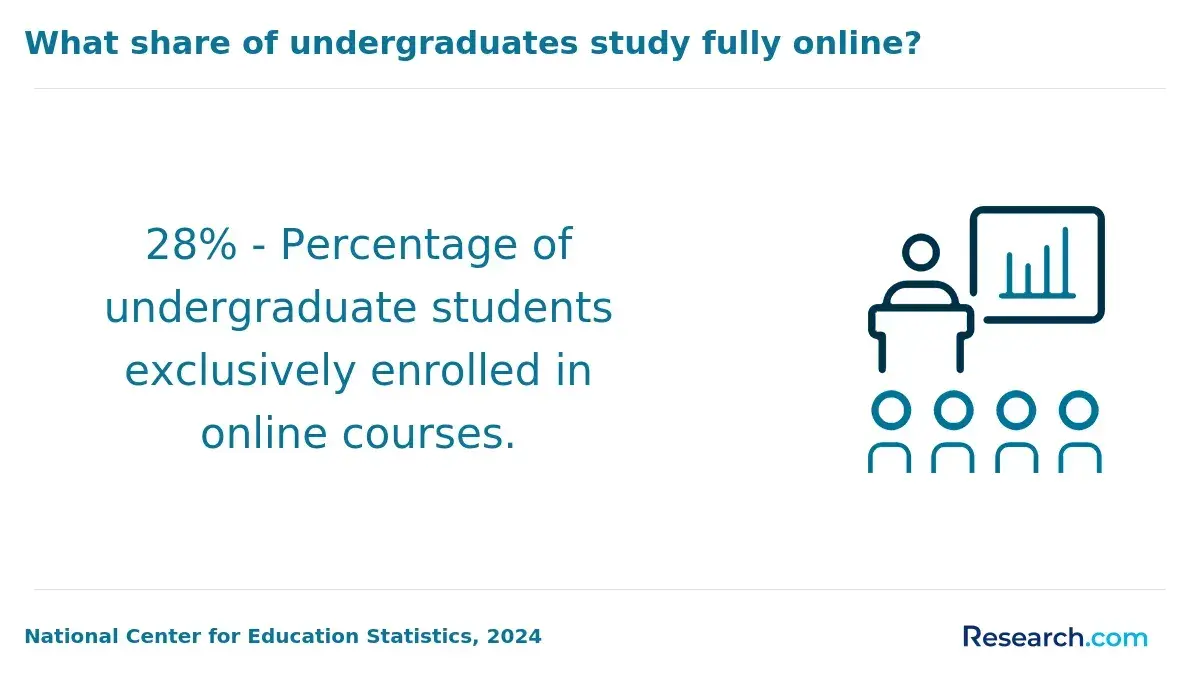
Determining whether to pursue the online dual degree - BSN to MSN/MBA at Purdue Global involves weighing complex academic and professional factors. With 45% of adult learners now favoring online formats according to the National Center for Education Statistics 2024 data, flexibility remains a critical consideration. However, balancing rigorous clinical and business coursework remotely challenges time management and learning style compatibility.
Prospective students must assess if this accelerated pathway aligns with their career ambitions in healthcare leadership and their capacity to handle concurrent nursing and business demands. This article examines the cost, curriculum, admissions process, and career outcomes to inform that decision effectively.
Key Points About Purdue Global's Dual Degree - BSN to MSN/MBA Program
- Purdue Global's open admission for the Dual Degree - BSN to MSN/MBA lowers entry barriers, but the lack of graduation rate data creates uncertainty around student completion and long-term academic success.
- The faculty's blend of clinical and academic expertise supports practical skill-building, which aligns with employer expectations in healthcare and business leadership roles.
- At a total tuition of $19,560, the program offers cost transparency, yet prospective students must weigh this against sector-specific job market competitiveness and career advancement potential.
What can students expect from Purdue Global's online Dual Degree - BSN to MSN/MBA curriculum?
The design of Purdue Global's online dual degree nursing curriculum structure closely aligns with the typical U.S. dual degree format, blending clinical nursing advancement with business leadership expertise. This integrated approach is critical for healthcare professionals seeking roles that require both direct patient care acumen and administrative proficiency.
For instance, a nurse stepping into a managerial role at a hospital must interpret clinical data while navigating budget constraints and organizational strategy, a skillset cultivated through this combination. Below are key components from the Purdue Global BS to MSN MBA program courses that reveal the curriculum's workforce readiness focus.
- BSN Foundations: This phase encompasses foundational topics such as anatomy, physiology, pharmacology, and nursing fundamentals, presented via an online platform tailored to working adults. Mastery here sets the clinical baseline essential for advancing to specialized nursing roles while accommodating the realities of remote learning.
- MSN Advanced Skills: Students engage with healthcare informatics, evidence-based practice, and specialty tracks like family nurse practitioner or nursing education. This coursework demands application of research and clinical reasoning, preparing students to meet evolving patient care complexities.
- MBA Business Acumen: Covering healthcare finance, strategic management, operational leadership, and ethics, this component addresses the increasing employer expectation for nurse leaders capable of driving organizational performance beyond clinical settings.
Overall, this curriculum structure equips students to navigate clinical and administrative challenges effectively, fostering leadership in healthcare environments where interdisciplinary knowledge is indispensable. Embedding dual competencies addresses workforce demands for nurse executives who can bridge care delivery with business strategy.
Students considering this pathway should also evaluate the trajectory comparing it to other options, including the online PhD routes, especially when aiming for higher-level leadership or academic roles within healthcare systems.
What are Purdue Global's admission requirements for online Dual Degree - BSN to MSN/MBA program?
Purdue Global's open admission policy for the online Dual Degree - BSN to MSN/MBA program lowers traditional barriers, making entry accessible without the need for SAT, ACT, or GMAT scores. However, this relatively flexible approach does not eliminate the need for adequate academic preparation, especially given the dual demands of nursing and business graduate coursework.
For example, a registered nurse with a solid undergraduate record but no standardized test scores may find the entry path straightforward, but should still be prepared for the rigor of graduate studies in two distinct disciplines. Here are the primary admission requirements prospective students should expect:
- Official Transcripts: Applicants must submit official transcripts from previously attended institutions. These documents verify academic history and help the admissions team assess readiness for advanced nursing and business courses, ensuring foundational knowledge aligns with program demands.
- Open Admission Policy: Purdue Global does not require SAT, ACT, or GMAT scores for this dual degree, broadening access and allowing students who may not perform well on standardized tests to apply based on prior academic work instead.
- Transfer Credit Evaluation: For transfer students, the university typically reviews previously earned credits to determine eligibility. Official transcripts are key in facilitating the transfer process and maximizing accepted credit toward degree requirements.
- Letters or Portfolios: Neither letters of recommendation nor portfolios or resumes are required, simplifying the application and reducing administrative hurdles for prospective students.
Is it difficult to get admitted to Purdue Global's online Dual Degree - BSN to MSN/MBA program?
Admission to most dual degree BSN to MSN/MBA programs tends to be moderately competitive, often reflecting the combined demand for advanced nursing and business administration skills. Many programs require strong academic records, standardized test scores, and professional experience, limiting access for some applicants. This threshold can create bottlenecks, especially as healthcare systems increasingly seek nurse leaders with business acumen.
In contrast, Purdue Global's online Dual Degree - BSN to MSN/MBA program operates under an open admission policy, removing typical barriers like SAT or ACT scores and competitive acceptance rates. This approach eliminates selective filtering, providing broad access, particularly for working adults balancing career and education. The lack of restrictive criteria means prospective students face fewer hurdles, but it also places greater emphasis on self-motivation and the ability to independently navigate coursework without institutional admission-based signaling.
Without published data on applicant volume or acceptance rates, the program's open access might attract wide enrollment, which can impact cohort dynamics and resources. While this openness facilitates entry, applicants should weigh the practical implications of less selective admission against employer perceptions of program rigor or prestige in certain professional contexts.
One graduate shared, "I hesitated initially because I wasn't a traditional applicant with a perfect GPA or test scores. When I saw Purdue Global didn't require those, it eased my worry about getting in quickly. The process was straightforward, and I appreciated not jumping through hoops, but I knew I had to be disciplined to keep up once enrolled." This reflects how removing admission barriers trades initial ease for a greater need for personal accountability in an online learning environment.
What is the cost of attending an online Dual Degree - BSN to MSN/MBA program at Purdue Global?
Tuition fees for Purdue Global dual degree nursing MBA program stand out for their predictability and relative affordability within the landscape of similar offerings. Annual tuition and fees cost about $10,110, with the total estimated annual attendance, including living and material expenses, reaching approximately $19,560. This stable pricing results from a flat-rate tuition policy that applies uniformly to all online students regardless of location, and notably, no extra technology fees are charged for online delivery.
For working professionals balancing employment and education, this financial transparency can simplify long-term budget planning.
In contrast, the cost of attending a similar dual degree BSN to MSN MBA program at other institutions usually exceeds $20,000 per year just in tuition. This price differential reflects how Purdue Global's fee structure limits unexpected expenses that often complicate decisions about online nursing and business degrees elsewhere. However, prospective students should account for additional costs such as books and supplies, which are not itemized separately by Purdue Global and may vary by individual circumstances.
The cost of online dual degree BSN to MSN MBA at Purdue Global also impacts workforce mobility and access. Eliminating higher fees tied to residency status or location makes the program accessible to a broad range of candidates nationwide, especially those unable or unwilling to relocate for education. This inclusive pricing model can influence the ability of nurses to pursue managerial roles without incurring prohibitive debt or sacrificing income.
For individuals evaluating nursing and business education options, understanding the financial tradeoffs is crucial. While pursuing a Dual Degree - BSN to MSN/MBA online may reduce educational expenses, students should weigh these savings against factors like program reputation, employer recognition, and long-term career outcomes.
For insights into similar affordable pathways, researching the cheapest easiest online degree options can provide broader context on cost-effectiveness and program accessibility across the sector.
Are there financial aid options for online Dual Degree - BSN to MSN/MBA students at Purdue Global?
Financial aid for students in the online dual degree - BSN to MSN/MBA program at Purdue Global exists but demands strategic navigation. Candidates must weigh options carefully, as aid availability often aligns more broadly with undergraduate or general graduate criteria rather than program-specific grants.
Decisions here influence debt levels significantly and shape long-term financial flexibility, especially for working professionals balancing education with employment.
Key financial aid pathways available include:
- Institutional Scholarships: These are merit-based awards granted to graduate students who meet academic benchmarks. Although not tailored solely for the dual degree, qualifying can reduce tuition costs by varying amounts, contingent on performance and availability.
- Federal Financial Aid: Students eligible under FAFSA guidelines can access Direct Subsidized and Unsubsidized Loans. These loan programs offer standardized interest rates and repayment plans but require maintaining at least half-time enrollment and satisfactory academic progress.
- Veteran Benefits: Eligible military-affiliated students may use GI Bill® education benefits, which can significantly lower out-of-pocket expenses and provide additional support services, easing the funding burden during enrollment.
- Corporate Tuition Reimbursement: For those employed by organizations with education assistance policies, this option leverages employer investment in workforce development. Availability and coverage levels vary by employer but can cover a substantial portion of expenses.
- Case-by-Case Institutional Aid: Purdue Global occasionally offers need-based aid tailored to individual circumstances. This option depends on demonstrating financial need and program relevance, though it is less predictable than standard scholarship or loan programs.
What learning resources are available to online Dual Degree - BSN to MSN/MBA students at Purdue Global?
Effective learning resources are critical in an online Dual Degree - BSN to MSN/MBA program because students must integrate advanced clinical knowledge with business expertise while managing professional responsibilities. Without adequate support, navigating complex material and maintaining steady progression can be challenging, especially for working nurses balancing patient care and leadership demands.
For example, timely access to academic advising can prevent missteps in course sequencing that might delay graduation or reduce credit transferability. Below are key resources that contribute to student success in this dual degree pathway.
- Technical Support: Purdue Global offers a dedicated helpdesk that assists students with platform navigation, troubleshooting, and ensuring consistent access to materials across devices. This reduces downtime and frustration, which is especially important for professionals accessing coursework around variable shifts.
- Academic Advising: Personalized guidance helps students select courses that align with their career goals and maintain steady progress. Advisors also support degree planning, mitigating risks associated with online program structure complexity.
- Tutoring and Research Assistance: Targeted tutoring services and help with writing and research address common hurdles in graduate-level nursing and business coursework. These resources can enhance critical thinking and evidence-based practice skills essential for advanced roles.
- Digital Libraries and Databases: Access to scholarly journals, books, and business and healthcare databases allows students to conduct in-depth research and stay current with industry standards, which directly supports quality coursework and professional competency.
- Career Services and Networking: Resume reviews, interview preparation, and connections to alumni and industry partners enable practical transitions from academia to employment. This support can help secure clinical placements or managerial roles, providing a bridge between dual credentials and workforce integration.
Does Purdue Global's online Dual Degree - BSN to MSN/MBA program have in-person clinicals or practicums?
In-person clinical practicums remain a critical benchmark for nursing programs aiming to meet accreditation and employer expectations. Many nursing employers continue to prioritize candidates with hands-on patient care experience acquired in authentic healthcare settings, which cannot be fully replicated through virtual means. Purdue Global's online Dual Degree - BSN to MSN/MBA program aligns with these industry norms by requiring students to complete in-person clinical practicums despite its primarily online coursework format.
This program's clinical requirements underscore the essential balance between theory and practice. Students enrolled in the dual degree must undertake clinical placements in hospitals, clinics, or community health organizations to fulfill MSN curriculum standards. These practicums ensure acquisition of practical nursing competencies necessary for advanced roles, including the leadership and management skills developed in the MBA component.
For those evaluating this pathway against less intensive alternatives like an associate's degree, the dual emphasis on clinical experience reflects a commitment to deeper professional readiness but also entails logistical and time commitments outside the virtual classroom.
Support from Purdue Global in securing compliant local clinical sites helps mitigate barriers for remote students; however, these in-person requirements may represent a significant consideration for working nurses or those in rural areas. The inclusion of in-person practicums for dual degree BSN to MSN MBA candidates signals a pragmatic acknowledgment that advanced nursing administration and healthcare management competencies are built on firsthand clinical exposure, impacting students' educational planning and eventual employability in clinical and managerial nursing roles.
What careers can graduates of online Dual Degree - BSN to MSN/MBA at Purdue Global secure?
Marketability for graduates of the Purdue Global online Dual Degree - BSN to MSN/MBA hinges on the dual strength of clinical nursing expertise combined with business leadership skills, positioning them for roles that demand both. This combination translates into long-term career options with leadership responsibilities often involving strategic operational decisions and financial oversight in healthcare settings.
A practical consideration is that employers increasingly favor candidates who can bridge clinical knowledge with administrative acumen, yet the decision to pursue this path should weigh the complexity of balancing interdisciplinary skills against the depth of specialization. Below are common career trajectories for graduates of this program:
- Nurse Manager: Oversees nursing staff and daily clinical operations, ensuring quality patient care while managing schedules and resources. Salaries typically reflect managerial responsibility, though varying by location and institution.
- Healthcare Administrator: Focuses on organizational leadership, budget management, and policy implementation within healthcare facilities, requiring a blend of business and clinical insight.
- Clinical Nurse Leader: Enhances care quality through direct clinical oversight and data-driven practice improvements, bridging frontline healthcare delivery with management strategies.
- Nurse Executive: Holds senior leadership roles that influence organizational strategy and innovation, involving significant financial and operational decision-making in large health systems.
The online dual degree nursing career options from Purdue Global equip graduates with capabilities to address evolving industry demands, particularly in environments prioritizing efficiency and patient outcomes. Students exploring the balance between administrative authority and clinical proficiency will find this pathway relevant, though it requires managing diverse role expectations.
For those seeking alternatives in higher education, reviewing colleges that don't care about GPA may provide additional opportunities aligned with different academic profiles.
What is the salary outlook for online Dual Degree - BSN to MSN/MBA graduates?
The salary outlook for graduates of the online Dual Degree - BSN to MSN/MBA program at Purdue Global reflects a unique positioning at the intersection of clinical nursing and business administration. Professionals equipped with this dual expertise often secure roles that demand both healthcare acumen and management skills, which translates to higher salary potential compared to isolated nursing or business graduates.
For example, a graduate working as a nursing administrator may leverage business management skills to oversee operations, resulting in compensation that surpasses typical registered nurse salaries.
Median salaries in related disciplines provide insights into what students might expect financially. Registered Nursing and Nursing Administration roles report median earnings around $68,216, reflecting clinical experience's value. Graduates with business-focused degrees such as Business Administration typically see median salaries near $47,866. The dual degree positions graduates to bridge these areas, aiming for leadership roles in healthcare settings where the combination of skills is in demand.
The overall median alumni salary of $36,596 from Purdue Global's diverse programs illustrates a broad baseline not specific to the Dual Degree - BSN to MSN/MBA pathway. Students focusing on this dual credential should anticipate opportunities that exceed this median by engaging roles that require both advanced nursing credentials and business insight.
Those evaluating the program as part of their career strategy should also consider workforce realities typical for introvert jobs, where clinical expertise and administrative competence can coexist effectively.
How do you know if Purdue Global's online Dual Degree - BSN to MSN/MBA program is the right choice for you?
Choosing whether to pursue Purdue Global's online dual degree - BSN to MSN/MBA requires a careful match between the program's structure and your professional priorities. This decision hinges on factors such as learning flexibility, how the curriculum bridges nursing with business leadership, and alignment with your workplace realities over time.
A clear understanding of these elements helps avoid investing in a program that might not support your specific career trajectory or work-life balance. Consider these criteria to start your evaluation:
- Learning Modality Fit: Assess if a fully online, asynchronous format suits your schedule and learning style. This impacts your ability to juggle clinical work, family responsibilities, and study without burnout.
- Integration of Disciplines: Evaluate how well the curriculum blends advanced nursing topics with MBA courses in finance and leadership, ensuring you develop the interdisciplinary skills employers increasingly expect.
- Workforce Relevance: Determine if the program's focus and outcomes align with roles available in your region or sector, especially leadership positions requiring dual expertise.
- Support and Community: Look into the availability of academic advising, career services, and peer interaction to sustain motivation and help navigate professional transitions.
One graduate described their decision process as a balancing act between ambition and real-world constraints. "I needed a program that wouldn't force me to quit my job or pause my income," they said, reflecting on the appeal of asynchronous coursework. Yet, skepticism about whether a business degree complements nursing led them to scrutinize course content closely.
The comprehensive mix of clinical and administrative skills, plus continuous advisor engagement, ultimately tipped the scale. This choice wasn't just about credentials but about operational fit with their lifestyle and career advancement plans.
What Graduates Say About Purdue Global's Dual Degree - BSN to MSN/MBA Program
- John: "Studying at Purdue Global gave me the flexibility to balance work and school, which was essential since I was already juggling full-time shifts in a hospital. The Dual Degree - BSN to MSN/MBA program emphasized practical leadership and healthcare management skills that I didn't get with just clinical experience. While some employers still prioritize licensure and hands-on nursing credentials, the combined business insight helped me transition into administrative roles and secure a spot on committees focused on operational improvements."
- Colin: "My experience with Purdue Global was pretty rigorous, especially managing the dual coursework online. The Dual Degree - BSN to MSN/MBA program pushed me to critically analyze healthcare systems and the economics behind patient care, which really informed my career pivots. After graduating, I noticed that many hiring managers look for portfolios and relevant internships more than just degrees, so the opportunities Purdue Global provided through capstone projects were invaluable in bridging academic concepts and real-world challenges."
- Ian: "I approached the Dual Degree - BSN to MSN/MBA at Purdue Global with the intent to open doors for remote leadership positions. The program's focus on strategic decision-making and healthcare finance was a direct factor in landing a remote managerial role, though I quickly learned that advancement without traditional licensure can be limited in some clinical settings. That said, the adaptability and critical thinking skills I gained gave me an edge in competing for niche roles in digital health services."
Other Things You Should Know About Degrees
The dual degree compresses two graduate-level programs into a single timeline, which can intensify the workload compared to pursuing each separately. Students should be prepared for frequent deadlines and integrated coursework that demands time management skills. Prioritizing courses related to clinical leadership early may help reduce pressure later, but expect sustained commitment throughout the program.
The online format offers flexibility, allowing students to connect with peers and professionals globally. Purdue Global provides virtual networking events and career services, enhancing career advancement by fostering connections across healthcare and business sectors, thus potentially broadening career opportunities for graduates.
Employers generally recognize the dual degree's blend of advanced nursing and managerial skills as a strong asset for leadership roles. However, some healthcare organizations may still prioritize candidates with extensive clinical experience alongside their credentials. Graduates should consider gaining relevant work experience concurrently or immediately after graduation to maximize employability in competitive leadership positions.
Given its combination of nursing and business coursework, the program suits nurses targeting administrative or executive roles within healthcare settings more than those seeking purely clinical advancement. Prospective students focusing on bedside care advancements might find specialized clinical MSN tracks more aligned with their goals. Thus, prioritizing your desired career path will help determine if this dual degree adds tangible value.
References
- What Is the Advantage of an MSN/MBA Dual Degree? | Global Health Education https://globalhealtheducation.com/article/what-advantage-msnmba-dual-degree
- Purdue Global Online MBA & MSN-MBA Programs https://www.bschools.org/profiles/purdue-global-online-mba
- Online M.S.N./M.B.A. Dual Degree Career Outlook - BenU https://online.ben.edu/programs/dual-degrees/msn-mba/careers/
- Purdue Global Online Health Care MBA & MSN-MBA https://www.mhaonline.com/school-profiles/purdue-global-online-healthcare-mba
- Dual Master of Science in Nursing (MSN) Degrees https://nursinglicensemap.com/nursing-degrees/masters-in-nursing/dual-degree/
- How Purdue Global is expanding Purdue U's access to adult learners https://www.highereddive.com/news/how-purdue-global-is-expanding-purdue-us-access-to-adult-learners/545554/
- MSN/MBA Dual Degree Online https://www.setonhill.edu/academics/degrees-programs/graduate-programs/m.s.n.m.b.a-dual-degree-online.html
- Student Success Resources - Purdue University Global Academic Success Center https://purdueglobalwriting.center/student-success-resources/