2027 Is Southeastern Oklahoma State University Good for Online Students? Programs, Flexibility, and Value

Co-Founder and Chief Data Scientist
Students weighing the option of enrolling in Southeastern Oklahoma State University's online programs often face uncertainty about the institution's ability to meet the increasing demand for flexible, accessible education. With over 40% of undergraduate students nationwide now pursuing online courses according to the National Center for Education Statistics in 2024, understanding how Southeastern Oklahoma State University adapts to these shifts is critical.
The institution's program variety, tuition costs, and support mechanisms directly influence whether it can effectively serve diverse learners balancing education, work, and personal obligations. This article examines Southeastern Oklahoma State University's online offerings, flexibility, and value to guide prospective students' decisions.
Key Points About Studying at Southeastern Oklahoma State University as an Online Student
- Total tuition for online programs at Southeastern Oklahoma State University is $22,432, requiring a clear assessment of financial investment versus long-term career returns.
- The 33% graduation rate signals potential challenges in program completion that impact workforce readiness and credential attainment timelines.
- Online students access targeted learning resources designed to accommodate remote study demands, which may ease balancing education with professional responsibilities.
What online degree programs are available at Southeastern Oklahoma State University?
Choosing an online degree at Southeastern Oklahoma State University involves weighing modalities that accommodate distinct professional and personal constraints, a critical factor in practical decision-making. For instance, a working adult balancing irregular shifts may rely heavily on asynchronous coursework to maintain progress, whereas another learner may prefer synchronous classes for live engagement with instructors and peers. Below is an overview of primary online program options available to prospective students navigating flexible online bachelor's and master's degrees in Oklahoma.
- Bachelor of Business Administration: Designed for students seeking foundational and applied business knowledge, this program integrates core concepts in management, marketing, and finance. It typically offers a blend of synchronous discussions and asynchronous assignments tailored to working professionals.
- Bachelor of General Studies: This interdisciplinary degree allows students to customize coursework across multiple fields, fostering broad competencies. It frequently uses asynchronous formats to enhance flexibility for those with diverse scheduling needs.
- Bachelor of Early Childhood Education: Targeted at educators aiming for licensure or skill enhancement, this program combines theory with practical teaching strategies. It often includes live sessions for collaborative learning alongside self-paced components.
- Master of Business Administration (MBA): The MBA focuses on advanced leadership and strategic skills applicable to various industries. It integrates synchronous formats for networking and real-time case studies, supplemented by asynchronous modules for foundational theory.
- Master's in Education with Concentrations: Offering specializations tailored to educational professionals, this master's degree accommodates diverse career trajectories. Course delivery blends live interaction and flexible online study to fit working educators' schedules.
- Online Certificate Programs and Teaching Endorsements: These targeted credentials address specific qualifications without requiring full-degree enrollment. They are primarily asynchronous, enabling continuous professional development alongside employment.
Bearing in mind the developmental trajectory and hiring preferences within education and business sectors, Southeastern's dual delivery modes-both synchronous and asynchronous-align with the realities of many adult learners. Students benefit from balancing self-directed study with opportunities for direct interaction. For those interested in advancing through graduate-level education, evaluating the structure against comparable options can be aided by consulting curated sources such as the list of best online master degree programs.
Are admissions for online degrees at Southeastern Oklahoma State University difficult?
Admission to online degree programs at Southeastern Oklahoma State University is relatively accessible compared to many institutions with highly competitive entry standards. With an acceptance rate around 80%, the university admits a broad student base, lowering barriers for prospective online learners who may find more selective schools restrictive. This moderate selectivity indicates a balance between maintaining academic standards and offering flexible entry points for nontraditional students.
Applicants must submit typical academic credentials such as high school GPA, rank, and for non-native speakers, TOEFL scores, but the university stops short of strict open enrollment. SAT and ACT score requirements are modest-verbal scores between 490-580 and math from 470-570, or ACT scores ranging 18-23-reflecting a moderately selective admission environment rather than a rigorous cutoff. Transfer students benefit from flexible policies allowing credit recognition through AP, CLEP, and other recommended exams, enhancing enrollment options across multiple terms annually.
This approach aligns with broader admission trends favoring accessibility in online education while ensuring baseline competency. Its transfer-friendly stance is especially relevant for working adults seeking to accelerate progress without sacrificing credit for prior learning.
One graduate recalled hesitating to apply due to uncertainty about meeting traditional criteria but found the admission process straightforward and responsive. "I wasn't sure my GED and work experience would count," they said, "but submitting my transcripts and test scores didn't feel intimidating, and the flexible terms meant I could start soon after. It made juggling my job and studies manageable without long delays."
How flexible are the online degree programs are at Southeastern Oklahoma State University?
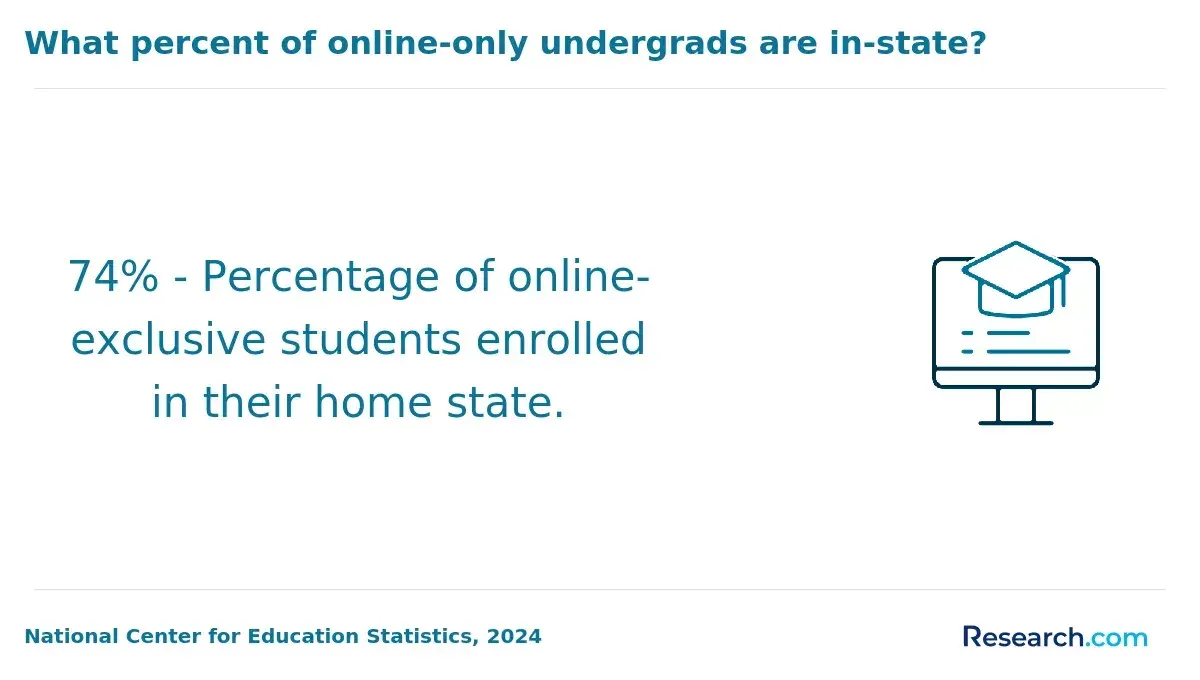
Online degree programs at Southeastern Oklahoma State University balance flexibility with necessary structure, but this blend may not suit all learners equally. Offering both asynchronous and synchronous formats, the programs allow students to engage at their own pace or participate in scheduled real-time discussions. For example, a working professional juggling fluctuating job hours can benefit from asynchronous classes but may find synchronous elements require stricter availability. This structure supports diverse learning preferences but demands attention to course timelines.
The university operates on a semester-based academic calendar, yet its online courses have multiple enrollment periods that accommodate staggered starts. While many degrees are fully online, some fields like education and health sciences obligate students to complete in-person requirements such as clinicals or student teaching-factors critical for licensure but limiting full remote study. These hybrid demands require students seeking flexible online learning options for Southeastern Oklahoma State University students to carefully assess program specifics before commitment.
Considering program design alongside workforce outcomes is essential; for those prioritizing convenience and a flexible schedule, the offerings provide reasonable adaptability but with tradeoffs in program demands. Prospective enrollees should weigh how these elements align with their career objectives and real-world constraints, especially given how employers evaluate practical experience within online credentials. For context on degree value related to employability, consult analyses on bachelor's degrees job outlook.
Is it expensive to attend an online program at Southeastern Oklahoma State University?
The average tuition cost for online programs at Southeastern Oklahoma State University stands at $7,200 annually, with the total cost of attendance-including books, room, and board-reaching approximately $22,432. For students balancing work or family commitments, this predictable flat rate, which does not vary by geographic location, reduces financial uncertainty often associated with distance education. However, additional costs like supplies, estimated at around $1,000, reflect necessary expenses that vary depending on course requirements.
Southeastern Oklahoma State University's flat-rate in-state tuition for all online learners means there are no location-based price hikes or separate technology fees, which is particularly significant for those seeking affordable online degree programs in Oklahoma from outside the state. This pricing transparency allows students to plan realistically without hidden expenses, though specialized programs with unique course materials might still add to overall costs.
Financial aid plays a critical role in lowering effective tuition costs; approximately 95% of students receive support, with undergraduates averaging nearly $9,467 in aid. This substantial assistance can transform affordability for many, making it feasible to pursue degrees without excessive debt burdens. Yet, prospective students should consider the full financial picture, including work-study and scholarships, when evaluating value.
Understanding how Southeastern Oklahoma State University fits into the broader national context reveals its competitive pricing against the generally higher tuition levels at many online institutions. For those researching pathways, the best associates degrees to get list underscores the importance of aligning cost with clear employment outcomes and real-world flexibility rather than solely focusing on sticker price.
What resources are included in the tuition cost at Southeastern Oklahoma State University?
The inclusion of comprehensive online learning resources within tuition at Southeastern Oklahoma State University is a critical factor for remote students managing competing responsibilities such as work and family. For instance, an online student juggling a full-time job and coursework must rely heavily on accessible, reliable digital platforms and timely academic support to maintain steady progress without direct campus interaction. The availability and quality of these resources often dictate the practical feasibility of completing a degree remotely. Below is a closer look at the key online learning supports built into the tuition structure at Southeastern Oklahoma State University.
- Integrated Learning Platform: Southeastern Oklahoma State University provides online students with a centralized learning management system that enables seamless access to course content, assignment submissions, and direct communication channels with instructors. This platform reduces barriers to engagement and keeps learners on track with deadlines and requirements.
- Dedicated Technical Support: Remote learners benefit from technical assistance specialized for online education challenges, including resolving software issues and platform navigation. This support minimizes disruptions that could otherwise delay academic progress due to technical difficulties.
- Academic Tutoring Programs: Tutoring services accessible online offer personalized help across core subjects, reinforcing comprehension and addressing knowledge gaps. Such services are crucial for self-directed learners who need targeted guidance without face-to-face interactions.
- Virtual Libraries and Databases: A broad array of digital research resources supports academic rigor by providing access to scholarly materials vital for coursework and capstone projects, enabling students to perform extensive, credible research remotely.
- Career Services and Networking: Online students at Southeastern Oklahoma State University can engage in virtual career counseling, resume reviews, and participate in job fairs and alumni networking events. These professional development resources connect learners with employers and employment opportunities relevant to their fields, addressing a common barrier for remote students seeking workforce integration.
Are the online degrees at Southeastern Oklahoma State University ideal for working professionals?
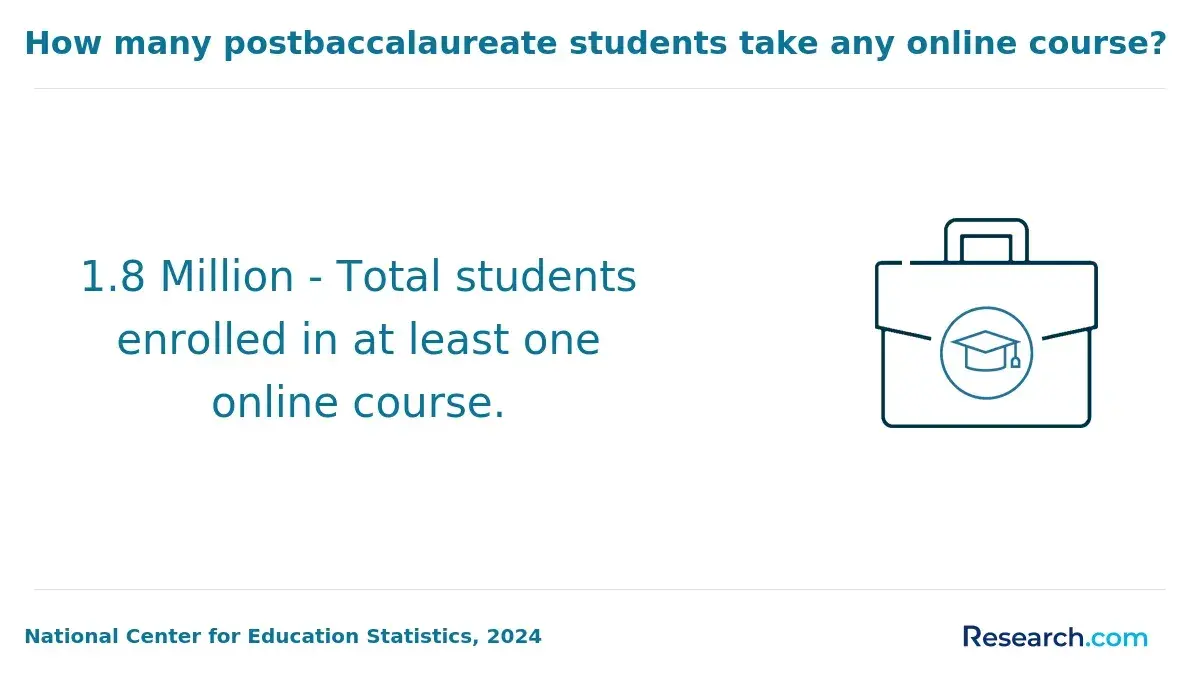
Working professionals pursuing online degrees at Southeastern Oklahoma State University benefit from a model tailored to their complex schedules and career objectives. For instance, a full-time healthcare manager aiming to complete a bachelor's degree without taking a career break will find asynchronous classes that align study time with demanding shifts. This flexibility supports continuous professional growth without sacrificing employment. The university's online programs leverage practical curricula and network-building opportunities that can directly impact job mobility and leadership readiness in fields common to working adults. Below are the factors making Southeastern Oklahoma State University's flexible online programs in Southeastern Oklahoma State University Oklahoma particularly relevant for employed learners:
- Asynchronous Coursework: Courses are designed without fixed meeting times, enabling students to adapt learning to unpredictable work hours and reduce conflict between employment and academics.
- Career-Oriented Curriculum: Degree paths emphasize applicable skills and industry standards, boosting graduates' competence in business, education, and healthcare sectors.
- Accelerated Program Lengths: Structured degree timelines help working students attain credentials faster while upholding academic rigor crucial for employer recognition.
- Employer Collaboration: The university's partnerships with local businesses facilitate tuition assistance, minimizing financial burdens and supporting job-related education investments.
- Networking Opportunities: Interaction with peers and faculty connected to regional industries enhances professional relationships and access to workplace advancement.
- Support for Working Adults: Advising and course design acknowledge work-life balance challenges, providing resources that mitigate dropout risks typical among employed students.
- Accreditation and Recognition: As a not for profit online university, the institution's credentials carry weight with employers familiar with rigorous accreditation standards.
How big is the online student community at Southeastern Oklahoma State University?
The online student community at Southeastern Oklahoma State University represents a substantial student segment with 5,794 enrolled across all programs. This scale indicates a critical mass sufficient to support peer interaction, which is often a deciding factor in sustaining motivation and engagement for remote learners balancing education with work or family responsibilities. For example, a working professional pursuing a degree part-time gains practical benefit from connecting with peers facing similar challenges, enabling resource exchange and accountability.
While the university does not publicly specify the exact number of fully online enrollees, it has developed student organizations that integrate remote learners into honor societies and special interest groups. These affiliations help mitigate the isolation common in online education, offering structured academic and social engagement that extends beyond asynchronous coursework. Students can leverage such groups for networking that may translate to career opportunities or collaborative projects.
Additionally, Southeastern Oklahoma State University supports digital platforms including official social media communities and student-run forums. These virtual spaces provide ongoing opportunities for networking and discussion, which can strengthen practical learning outcomes through peer-to-peer support and shared insights. This infrastructure assists students in overcoming geographic barriers, a notable advantage in fields where interpersonal skill development is valued by employers.
Overall, the university's approach to fostering an active online community enhances the educational experience by enabling relationships that reflect workforce realities. For individuals weighing an online degree, the connectivity offered through these specialized groups and forums contributes to practical value beyond credentialing alone, reinforcing both academic success and professional growth.
Is there high online student satisfaction at Southeastern Oklahoma State University?
Online students at Southeastern Oklahoma State University often value the flexibility that allows them to juggle coursework alongside employment or family duties. Many highlight the accessibility of program materials and the relevance of the curriculum for practical application. For instance, a working professional seeking to upskill without disrupting their schedule may appreciate the degree's alignment with workforce demands and the institution's cost structure.
However, challenges around student support and engagement persist. Limited faculty interaction can diminish mentorship opportunities, which are crucial for students who benefit from more personalized guidance. Additionally, occasional delays in technical assistance have affected timely problem resolution, potentially hindering learning continuity during critical coursework periods.
These operational weaknesses contribute to a modest graduation rate, signaling retention concerns that prospective students should consider carefully. Though affordable and flexible, the online experience may require a proactive approach from learners to navigate institutional hurdles effectively.
Overall, online students at Southeastern Oklahoma State University report a mixed experience. While cost-effectiveness and adaptability stand out as strengths, satisfaction is tempered by systemic support limitations, suggesting that successful completion depends heavily on individual persistence and resourcefulness within the program's digital environment.
What is the average salary for online degree graduates at Southeastern Oklahoma State University?
The financial outcomes for online degree graduates from Southeastern Oklahoma State University reveal significant variation by field, impacting the practical value of credentials from this institution. The average salary of online graduates from Southeastern Oklahoma State University is approximately $45,079, positioning many alumni within a median income range that supports regional labor markets but may require field-specific considerations for those targeting higher earnings. For example, a graduate entering Quality Control and Safety Technologies/Technicians could expect median earnings near $49,740, reflecting robust employer demand in safety and compliance roles.
The average salary of online graduates from Southeastern Oklahoma State University also underscores critical differences: degrees in Biology or Psychology yield notably lower median salaries, near $25,243 and $27,255 respectively, which suggests these fields may necessitate advanced study or alternative career strategies for financial viability. Meanwhile, graduates in business-oriented areas such as Accounting and Teacher Education report mid-range earning levels around $41,889 and $35,520, aligning with steady but sector-specific workforce needs. This variation illustrates how graduates must weigh program flexibility against practical income potential.
Employers hiring Southeastern Oklahoma State University online alumni span education, business, safety technologies, and media, highlighting opportunities for stable employment with progression potential. For prospective students considering program fit and return on investment, it is important to analyze detailed salary and placement data. Those interested in additional flexible learning options might find value in open university free courses for over 60s, facilitating ongoing skill development alongside career transitions.
Does the ROI of an online degree from Southeastern Oklahoma State University justify the cost?
Investing in an online degree often entails notable upfront costs, but the potential for sustained earning increases can validate this expense. For students at Southeastern Oklahoma State University, the return hinges on managing a moderate debt level relative to how much their credentials enhance income over time. With total tuition costs around $22,432 and median graduate debt near $17,000, the financial burden is less severe than many national averages, lowering the bar to meaningful payoff.
The earnings to debt ratio of 2.65 implies that graduates typically earn roughly two and a half times their outstanding loan balance, signaling positive income gains that cover accumulated costs within a practical timeframe. This ratio suggests that, on average, borrowers are not locked into long-term financial strain if they secure employment aligned with their degree. Given institutional data showing loan default rates below national averages, it's reasonable to infer that graduates maintain sufficient earnings stability to meet loan obligations without persistent distress.
The university's tuition guarantee policy also plays a critical role by stabilizing costs throughout the program duration, reducing uncertainty around price escalations that can undermine financial planning. This predictability supports clearer budgeting and lessens the risk of surprise expenses derailing a student's repayment capacity. Thus, the total cost picture blends manageable debt accumulation with income prospects capable of offsetting investment within a few years post-graduation.
While individual outcomes vary widely based on program choice, career pathway, and local labor markets, the available data point to an online degree from Southeastern Oklahoma State University generating viable economic returns for many students. Graduates who actively leverage their credentials in relevant fields appear positioned to recoup expenses and improve financial standing relative to entering the workforce without a degree.
One recent graduate shared their experience balancing work, family, and online classes. Initially unsure about taking on debt, they found the tuition guarantee crucial in eliminating worries over rising costs mid-degree. After finishing, their raise in annual salary comfortably covered loan payments within two years. They noted, "It wasn't easy juggling everything, but knowing the costs wouldn't spike made a real difference. The degree opened doors that just weren't there before, so the investment feels justified despite the sacrifices." This perspective highlights the tangible impact of both financial structure and career relevance in assessing value.
What Graduates Say About Southeastern Oklahoma State University's Online Degree Programs
- Wyatt: "Completing my online degree at Southeastern Oklahoma State University was a strategic choice that allowed me to balance work and study effectively. The flexibility of the program meant I could continue gaining professional experience while progressing academically. Since graduating, I've noticed that while my degree opened doors, employers often emphasized hands-on experience and certifications more, which I've actively pursued alongside my coursework."
- Keenan: "Studying online at Southeastern Oklahoma State University gave me the chance to pivot careers without sacrificing income. The program's structure supported remote learning, which aligned perfectly with my work-from-home setup. Although I faced some limitations in salary growth compared to peers with licensure, the degree has been indispensable for securing roles that value commitment and practical skills."
- Harry: "My experience at Southeastern Oklahoma State University's online program was demanding but rewarding, especially as I prepared to enter a competitive job market. The degree provided a solid foundation, but I quickly learned that employers often weigh portfolios and internships heavily in my field. Still, having that credential helped me accelerate into the workforce and land internships that strengthened my candidacy."
Other Things You Should Know About Southeastern Oklahoma State University Degrees
Southeastern Oklahoma State University designs its online courses to match the academic standards of its on-campus offerings; however, the learning experience can differ significantly due to the self-directed nature of online study. Students should be prepared for a high degree of personal discipline and time management since interaction with instructors and peers is often less immediate compared to traditional classrooms. The university's commitment to maintaining course quality means that employers generally regard online credentials similarly, but successful completion requires proactive engagement with course materials and assignments.
Faculty support is available but more limited in immediacy for online students at Southeastern Oklahoma State University compared to on-campus students. Communication typically occurs via email, discussion boards, or scheduled virtual office hours, which can delay feedback and assistance. This setup means students who prioritize quick clarification or spontaneous discussions may find it less satisfying, making it essential to plan questions in advance and utilize available support resources effectively.
Online students at Southeastern Oklahoma State University often face fewer natural networking chances than their on-campus counterparts because of less frequent in-person interactions. While some virtual events and group projects exist, these may not fully replicate the depth of connections forged in physical settings. Prospective students should weigh the absence of robust peer and alumni networks in favor of their need for professional contacts, as this limitation might necessitate extra effort to build relationships through other channels.
References
- 10 Most Popular Online Colleges in Oklahoma | UoPeople https://www.uopeople.edu/blog/10-most-popular-online-colleges-in-oklahoma/
- Southeastern Oklahoma State University SAT Scores and GPA https://www.prepscholar.com/sat/s/colleges/Southeastern-Oklahoma-State-University-sat-scores-GPA
- Inside Online Master’s Programs in Oklahoma: Compare Schools https://www.onlinemastersdegrees.org/best-programs/oklahoma-ok/
- Southeastern Oklahoma State University - Wikipedia https://en.wikipedia.org/wiki/Southeastern_Oklahoma_State_University
- Southeastern Oklahoma State University Reviews https://www.gradreports.com/colleges/southeastern-oklahoma-state-university
- Southeastern Oklahoma State University sets enrollment record https://www.kxii.com/2025/10/01/southeastern-oklahoma-state-university-sets-enrollment-record/
- Southeastern Oklahoma State University ROI & Earnings https://collegeroi.org/roi/college/southeastern-oklahoma-state-university/